
Risks of Mail Order Orthodontics

Without in-person visits, hidden risks of mail order orthodontics can be missed. This can cause health issue later. Lack of professional supervision during treatment can lead to poor results or even harm your teeth and gums. It’s wise to think about these risks and visit a licensed orthodontist to keep your smile in expert hands.

Why You Should Not Use Mail Order Aligners?

Mail order aligners may seem easy and affordable, but they come with risks. Without an orthodontist’s supervision, you won’t get personalized care or important adjustments for the best results.

If problems arise, they might not be fixed quickly, leading to bigger issues later. Seeing a local orthodontist ensures expert care and a treatment plan made just for you!

Major Risks of Mail Order Orthodontics: No Professional Supervision

One major risk of mail order orthodontics is the absence of professional oversight. With mail order systems, you don’t meet with a licensed orthodontist face-to-face. Instead, you rely on virtual assessments or no professional guidance at all.

Orthodontic treatment requires ongoing supervision. A professional monitors how your teeth are moving and adjusts the treatment plan as needed. Without expert care, the aligners may not work properly. Incorrect changes to your teeth could result in more dental issues, including discomfort or even damage to your jaw.

In contrast, visiting an orthodontist ensures your treatment is safe and effective. Professionals track your progress and can make real-time adjustments to prevent harm.

Inadequate Initial Examination

Mail order orthodontics skips a key step: a thorough initial exam. Proper orthodontic care starts with an in-person assessment by a trained professional. This includes x-rays, scans, or other diagnostic tools to assess your dental health fully.

Mail order systems often rely on photos or videos sent by the patient. These methods can miss critical issues, such as gum disease, cavities, or bone loss. Treating teeth without addressing these problems first can make them worse.

An orthodontist provides a comprehensive exam to ensure your teeth, gums, and jaw are healthy before starting treatment. This step prevents complications and ensures the aligners are safe for long-term use.

Improper Impressions and Fitting

Mail order orthodontics asks patients to take their own teeth impressions using at-home kits. This sounds easy, but it’s challenging to get it right. Taking impressions requires precise technique, and even small mistakes can lead to big issues.

Inaccurate impressions can result in poorly fitting aligners. Aligners that don’t fit properly might not move your teeth as planned. Worse, they could shift teeth incorrectly, causing more alignment problems.

Orthodontists use state-of-the-art tools to take precise impressions of your teeth. They also ensure the aligners fit comfortably and make adjustments if necessary. This personalized care increases the success of your treatment.

Lack of Truly Customized Treatment Plans

Mail order orthodontics often uses general treatment plans that might not match your unique needs. Every smile is different, and a one-size-fits-all approach rarely works.

Orthodontic treatment should be tailored to your unique dental structure. For example, some patients need advanced solutions for bite issues, jaw problems, or severe crowding. These cases require ongoing adjustments and monitoring to achieve the desired results.

Mail order systems lack this personalization and hands-on care. Without an orthodontist checking your progress and adjusting your plan, the results may not turn out as expected.

Potential Health Issues

Choosing mail order orthodontics over professional care could lead to avoidable health problems. Misaligned teeth and untreated dental issues can cause several complications, such as:

  • Bite problems that worsen over time.
  • Jaw pain or discomfort.
  • Gum recession or damage.
  • Exacerbation of existing oral health issues, like cavities or infections.

Orthodontists are trained to watch for these concerns and address them quickly. Without expert supervision, mail-order treatments can lead to long-term damage or expensive corrections later.

Regulatory and Professional Concerns

Dental experts and groups like the American Association of Orthodontists (AAO) have raised concerns about mail-order orthodontics. These treatments often bypass important health checks, putting patients at risk.

Regulations exist to protect patients, but mail order companies don’t always follow the same safety standards as in-office orthodontic care. The lack of clinical oversight raises questions about the safety and effectiveness of these systems.

Orthodontists are licensed specialists committed to delivering safe and effective care. They work under strict guidelines to protect your health. Choosing professional care reduces risks and ensures you’re getting treatment from a trusted expert.

Why Professional Orthodontic Care is Better

Mail-order orthodontics may seem like a simple solution, but the risks outweigh the benefits. Without proper exams and supervision, these treatments can cause more harm than good. Visiting a licensed orthodontist ensures every step of your treatment is safe and effective.

At Limestone Hills Orthodontics in Austin, TX, we provide personalized care to help patients achieve their best smiles. Our experienced team uses advanced tools and techniques to create tailored treatment plans that fit your needs. Trust us to guide you through your orthodontic journey with expert care and support.

Happy young red-haired woman smiling with clear braces after she is free from risks of mail order orthodontics

Treatment for All Your Orthodontic Needs

We are dedicated to helping kids and teens achieve healthier, straighter smiles with high-quality, customized orthodontic care.

Professional Supervision During Treatment

Our specialists treat jaw alignment issues and use proven solutions like clear braces or Invisalign.

Personalized Care

We tailor treatment plans to fit each patient’s unique needs.

Continuous Support

From the first visit to the final result, we’re here to help every step of the way.

Different Treatment Choices

We offer options like Invisalign and traditional braces to find the best fit for you.

Get Started on Your Dream Smile Today!

Looking for expert orthodontic care in Austin, TX? Book a free consultation with us today! We’ll check your teeth, explain your treatment options, and create a personalized plan for your smile. Call now or visit our website to schedule an appointment that fits your schedule. Our team is ready to help!

About the Authors

Dr. Rodrigo Viecilli – Orthodontist in Austin, TX

Frequently Asked Questions

Are mail-order aligners safe?

These aligners might be safe for some, but it’s important to check with a dental expert first to see if you’re a good candidate. This way, you can make sure your teeth and gums are healthy enough for aligners and that you’re getting the right treatment for your needs. So, if you’re considering mail-order aligners, a quick chat with your dentist can help set you on the right path to a beautiful smile!

Is it better to get Invisalign from a dentist or online?

If you want a professional to guide your treatment and ensure everything is done correctly, visiting a dentist is a better option. They can offer personalized advice and adjustments, ensuring your smile turns out just the way you want it. If you prefer convenience and saving money, online aligners might work for you, as they offer flexibility and lower costs. Both options can create a better smile, so choose what fits your needs best.

Can Invisalign be done virtually?

Many orthodontists now have virtual consultations. You can share pictures of your teeth, talk about your goals, and get advice—all from home. This convenient approach means you can start your journey to a straighter smile without stepping into an office right away. You’ll still need to visit in person for scans and to collect your aligners. However, starting online makes it easier to begin your treatment.


Getting Braces A Second Time: What You Need to Know

First, chat with your orthodontist about your concerns and goals—they’ll guide you through the process and recommend the best type of braces for your needs, whether it’s traditional metal, ceramic, or even clear aligners. Remember, this time around, you’re armed with experience, so you know the importance of following through with all those little tips and tricks for maintaining your braces and ensuring your teeth stay in tip-top shape.

Woman with metal braces talking on her mobile phone, smiling after getting braces a second time

Reasons for Getting Braces a Second Time

There are several reasons why someone might require braces more than once. Over time, factors like aging, dental habits, and life changes can impact teeth alignment.

1. Tooth Movement and Shifting

  • Teeth naturally shift as we age, even after wearing braces.
  • Everyday activities like chewing or grinding your teeth can gradually move them out of alignment.
  • Orthodontic treatment might be needed again to correct this shifting and restore alignment.

2. Wisdom Tooth Impact

  • When wisdom teeth erupt, they can push nearby teeth out of place.
  • This pressure can cause crowding, making previously straight teeth appear crooked.
  • Removing wisdom teeth doesn’t always solve the problem; braces or aligners may still be necessary to fix alignment.

3. Neglecting Retainer Use

  • Wearing a retainer regularly after braces is critical for maintaining results.
  • Skipping your retainer can lead to teeth shifting back to their original position.
  • Many patients who didn’t follow their retainer routine find themselves needing braces again.

4. Jaw Pain and Discomfort

  • Misaligned teeth can lead to chronic jaw pain or chewing difficulties.
  • A second round of braces can address jaw-and-bite-related issues, relieving discomfort and improving functionality.

Types of Braces for Second-Time Patients

Thankfully, there are different solutions available for second-time orthodontic patients. The right choice depends on your needs, preferences, and budget.

1. Traditional Braces

  • What They Are: Metal braces with brackets and wires are a tried-and-true method.
  • Benefits: Very effective for even complex alignment issues.
  • Why Choose Them Again: Advances in technology have made them more comfortable and efficient than ever.

2. Clear Aligners

  • What They Are: Transparent, removable trays like Invisalign that straighten teeth discreetly.
  • Benefits: Nearly invisible and easy to remove for eating or brushing.
  • Why Choose Them: Perfect for adults seeking a more aesthetic and convenient option.

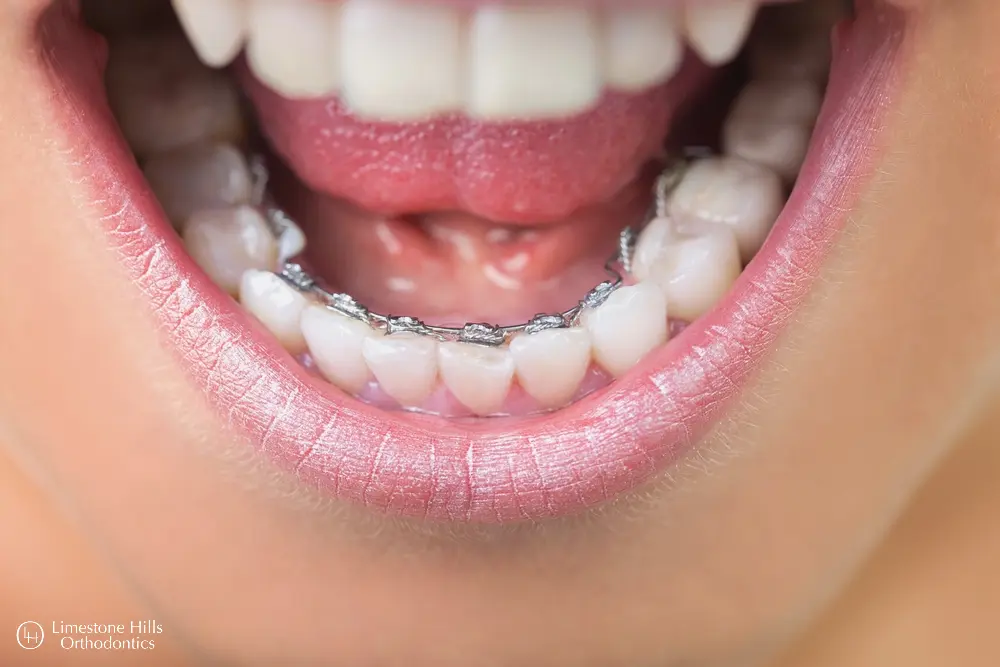
3. Lingual Braces

  • What They Are: Braces placed behind the teeth, hidden from view.
  • Benefits: Works like traditional braces but remains out of sight, making them great for patients concerned about appearance.
  • Why Choose Them: A hidden alternative that offers effective results without visible hardware.

Oral Health Considerations

Whether it’s your first or second time with braces, maintaining oral health is critical to treatment success.

1. Oral Hygiene

  • Brush and floss regularly to prevent plaque buildup around brackets or under aligners.
  • Use orthodontic tools like floss threaders and interdental brushes to clean every hard-to-reach spot.
  • Poor hygiene can lead to cavities, gum issues, and treatment delays.

2. Dietary Adjustments

  • Avoid hard foods like nuts, popcorn, and ice that could damage braces.
  • Skip sticky treats like caramels and gum to prevent potential damage to appliances.
  • Focus on braces-safe options like yogurt, scrambled eggs, soft fruits, and pasta.

Managing Pain and Discomfort

Wearing braces a second time can come with temporary discomfort, especially during adjustments or when switching aligners.

Tips for Pain Relief

  • Apply orthodontic wax to smooth any brackets or wires causing irritation.
  • Use over-the-counter pain relievers for minor soreness.
  • Rinse with warm salt water to soothe the gums.
  • A cold compress can reduce swelling or tenderness in the jaw or cheeks.

These strategies can help make the experience more comfortable as you adjust to treatment.

Benefits of a Second Orthodontic Treatment

Although it can feel frustrating to revisit orthodontic treatment, there are many long-term advantages to consider.

1. Improved Oral Health

  • Fixing misalignment issues can make brushing and flossing more effective.
  • Properly aligned teeth are easier to care for, reducing the risk of cavities and gum disease.
  • Realigning your bite can reduce jaw pain and prevent excessive tooth wear.

2. Enhanced Aesthetics

  • Crooked teeth or gaps can impact your confidence.
  • A second treatment helps perfect your smile, letting you feel proud to show it off.
  • The psychological boost of a confident smile can improve both personal and professional interactions.
Blonde woman with metal braces smiling cheerfully after getting braces a second time

Why Choose Our Orthodontic Office in Austin, TX?

At our Austin orthodontic office, we focus on providing top-quality care in a friendly and welcoming environment. Here’s why families trust us with their smiles:

Experienced Orthodontists

Our orthodontist has years of experience treating kids and teens with jaw alignment issues. We use advanced treatments like reverse pull headgear to get great results.

Custom Treatment Plans

Every smile is different, so we create personalized treatment plans to fit each patient’s needs.

Support Every Step of the Way

From the first visit to the last, our team will guide you, answer questions, and make sure treatment goes smoothly.

Multiple Treatment Options

We offer traditional braces, Invisalign, and specialized appliances like reverse pull headgear to help every patient get the best results.

Book Your Free Consultation Today!

Visit our Austin, TX, office for a free consultation! We’ll check your teeth, discuss your options, and create a plan to help you get a straight, confident smile. Scheduling is easy—call us or visit our website to find a time that works for you. Our friendly team is here to answer your questions and support you every step of the way!

About the Authors

Dr. Rodrigo Viecilli – Orthodontist in Austin, TX

Frequently Asked Questions

Is it cheaper to get braces the second time?

If your teeth have shifted slightly, the treatment might be shorter and less complex, which could lower the cost. Some orthodontists offer discounts for repeat patients or have payment plans to make it easier on your wallet. However, if significant work is needed, the price might be similar to the first time. It’s always a good idea to have a chat with your orthodontist to explore your options and find a plan that works for you.

Is there a limit to how many times you can get braces?

There’s really no hard limit on how many times you can have them, as it all depends on your individual dental needs and the advice of your orthodontist. Sometimes teeth can shift back over time, or new dental issues might arise, so getting braces again can be a great option to maintain that perfect smile. Just be sure to have a chat with your orthodontist to explore the best plan for your teeth!

Will I need braces again if I don’t wear my retainer?

If you don’t wear your retainer, there’s a chance your teeth might shift back to their old positions over time. Retainers are like the guardians of your beautiful smile, helping to keep everything in place after your braces have done their job. So, while it might not happen overnight, skipping out on wearing your retainer could mean needing braces again down the road. It’s always a good idea to follow your orthodontist’s advice to keep that smile shining bright!

Tips to Speed Up Orthodontic Treatment

To speed up orthodontic treatment, follow your orthodontist’s instructions, especially for wearing elastics or aligners. Keep up with regular check-ups for timely adjustments. Make sure to wear your elastics or any other appliances as directed, since they play a crucial role in aligning your teeth. Brush and floss daily to avoid dental issues that could slow your progress.

Consider asking your orthodontist about accelerated treatment options like AcceleDent or Propel, which might help speed things up. Lastly, try to avoid hard or sticky foods that could damage your braces and set back your progress.

Orthodontist caring for a female patient during a dental procedure after  she knows how to speed up orthodontic treatment

Understanding Orthodontic Treatment Duration

Before diving into tips, it’s important to understand what influences treatment time.

Factors That Affect Treatment Time

  • Type of Appliance: Invisalign aligners, metal braces, or ceramic braces all have different timelines.
  • Severity of Issue: Mild crowding will likely take less time to fix than a complex overbite or underbite.
  • Age: Younger patients usually see quicker results because their bones are still growing.
  • Patient Compliance: Wearing aligners or elastics as prescribed has a big impact on treatment speed.

Common Misconceptions

  • “Faster is Always Better”: Rushing tooth movement can harm gums and bone. Orthodontists move teeth at a safe pace to protect your oral health.
  • “Skipping Appointments Saves Time”: Missing check-ups actually slow progress because adjustments can’t be made.

Techniques to Speed Up Orthodontic Treatment

Orthodontic technology has advanced in recent years, offering tools to help speed up the process.

Advanced Orthodontic Appliances

  1. High-Frequency Vibration Devices:
    • Small devices like AcceleDent produce gentle vibrations to enhance tooth movement.
    • Using them for just 10-20 minutes a day can improve treatment efficiency.
  2. Low-Level Laser Therapy:
    • This technique uses light energy to stimulate bone remodeling.
    • It reduces discomfort and may decrease overall treatment time.

Innovative Approaches

Orthodontists now explore methods like accelerated tooth movement through bone remodeling. Although still a specialty area, these techniques have shown promising results in certain studies.

Patient Compliance and Its Impact

Your actions as a patient play a huge role in whether your treatment stays on schedule.

1. Wear Elastics and Aligners as Instructed

  • If your orthodontist has given you elastics, wear them exactly as prescribed.
  • Aligners must be worn for 20-22 hours a day, except when eating or cleaning your teeth. Not following these instructions can extend treatment by months.

2. Attend Regular Appointment Check-Ins

  • Orthodontic visits allow your doctor to track progress and make changes to your appliance.
  • Stay consistent with every scheduled appointment to avoid delays.

3. Follow Your Orthodontist’s Instructions

  • Your orthodontist might suggest exercises, like biting on chewies for aligners.
  • Stick to their guidelines to ensure steady progress.

Oral Hygiene and Health

A clean and healthy mouth creates a better environment for tooth movement. Dental issues like cavities or gum infections can slow treatment.

Tips for Maintaining Oral Hygiene

  • Brush and Floss Regularly: Use fluoride toothpaste and floss daily to remove plaque.
  • Rinse with Mouthwash: An antibacterial rinse can keep your gums healthy.
  • Clean Braces and Aligners: Use a soft-bristled brush to clean braces, or soak aligners in a cleansing solution daily.

How Oral Health Impacts Treatment Speed

  • Plaque buildup can irritate gums, leading to inflammation and slower tooth movement.
  • Gum disease may require treatment, delaying your orthodontic progress.

Dietary Considerations

What you eat matters when it comes to speeding up your treatment.

Foods to Avoid

  • Hard Foods: Avoid nuts, hard candies, and crunchy snacks that can damage your braces or aligners.
  • Sticky Foods: Steer clear of caramel, gum, or chewy candies that may get stuck.

Foods That Support Faster Treatment

  • Choose soft, braces-friendly options like yogurt, scrambled eggs, and mashed potatoes.
  • Incorporate foods rich in calcium and vitamin D, such as leafy greens and dairy products, to strengthen your teeth and bones.

Common Challenges and Solutions

Orthodontic treatment doesn’t always go perfectly. Here’s how to address some common issues that can slow your progress.

Challenge: Slow Progress

  • Solution: Speak with your orthodontist to determine if there’s an underlying cause, such as not wearing elastics enough or missing aligner hours. Make adjustments based on their advice.

Challenge: Damaged Braces or Aligners

  • Solution: Handle your orthodontic appliance with care. For broken braces wires, visit your orthodontist promptly. For damaged aligners, request a replacement.

Challenge: Poor Oral Habits

  • Solution: Break habits like chewing on pens, biting nails, or eating hard foods. These actions can damage your braces and cause treatment delays.
Orthodontist holding dental instruments while treating a happy African American patient after she knows how to speed up orthodontic treatment

Top-Quality Orthodontic Care in Austin, TX

Wondering why families choose our orthodontic office in Austin, TX? Here’s what sets us apart:

Experienced Orthodontists

We specialize in treating kids and teens with jaw alignment issues using advanced techniques like reverse pull headgear.

Tailored Treatment Plans

No two smiles are the same! We create custom treatment plans to fit your child’s needs.

Guidance and Support

Our caring team is here to help from your first visit to your last, answering questions and making sure treatment goes smoothly.

Flexible Treatment Options

Whether you prefer braces, Invisalign, or reverse-pull headgear, we’ll help you find the best fit for your smile.

Book Your Free Orthodontic Consultation!

Your perfect smile starts here! Visit our Austin, TX office for a free consultation, where we’ll assess your teeth and outline the best treatment plan for you. Scheduling is simple—call us or book online today. Our friendly and knowledgeable team is ready to guide you through every step of your journey!

About the Authors

Dr. Rodrigo Viecilli – Orthodontist in Austin, TX

Frequently Asked Questions

Can orthodontic treatment be sped up?

Braces and aligners take time, but new techniques can help speed things up. Accelerated orthodontics uses special devices or minor procedures to move teeth faster. Advanced aligner technology and custom treatment plans can also help you get a perfect smile sooner.

What if I’m not happy with my orthodontic treatment?

If you’re feeling a bit unsure or unhappy with your orthodontic treatment, it’s totally okay to speak up. Your smile is important, and your orthodontist is there to help make sure you’re satisfied with the results. Don’t hesitate to schedule a chat with them to discuss your concerns. They can offer adjustments or alternative solutions to get things back on track.

What is the minimum time for orthodontic treatment?

When it comes to orthodontic treatment, the minimum time can vary depending on individual needs and the type of treatment chosen. However, for many people, the shortest duration is typically around six months. This is often possible with certain accelerated treatment options or minor adjustments.

Advanced Orthodontic Technology in Austin, TX

From 3D imaging and digital impressions that eliminate the need for messy molds to innovative options like Invisalign clear aligners and self-ligating braces, patients have access to a range of state-of-the-art treatments. These technologies not only enhance precision and customization but also improve the overall experience, ensuring that achieving a perfect smile is as seamless and stress-free as possible.

With advanced orthodontic technology in Austin, TX, patients can enjoy a smoother, more comfortable treatment journey.

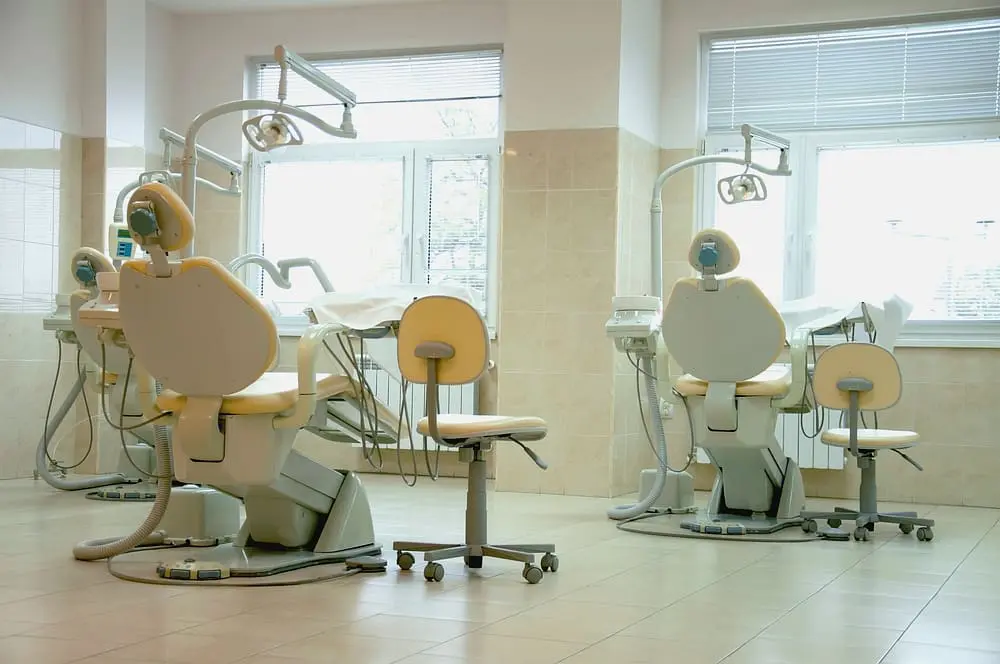
Modern dental office with chairs and equipment, showcasing advanced orthodontic technology and a clean and professional setting.

What Is Advanced Orthodontic Technology?

Advanced orthodontic technology is the use of modern tools to make dental care easier and more precise. This includes things like 3D imaging, digital tools, and clear aligner systems like Invisalign. These tools make the treatment process smoother and give patients better results.

Why Does Advanced Technology Matter?

Technology plays a big role in your orthodontic care. It helps orthodontists make better diagnoses, plan with precision, and complete treatments faster. For patients, this means fewer visits, less discomfort, and a smile that lasts a lifetime.

Orthodontic Treatments Using Advanced Technology in Austin

At Limestone Hills Orthodontics in Austin, TX, we use the latest technology to make treatment better for kids, teens, and adults.

Invisalign and Clear Aligners

Clear aligners, such as Invisalign, are a top choice for people who want straight teeth without wearing braces. These aligners are:

  • Transparent: They are almost invisible, so no one will notice you are wearing them.
  • Removable: You can take them out to eat, drink, or brush your teeth.
  • Custom-Made: Advanced scanners create aligners that fit your teeth perfectly.

Aligners are especially popular with adults who want a discreet option for orthodontic treatment.

Modern Braces

We also offer advanced options for braces.

  • Clear Braces: These braces are less noticeable because they match the color of your teeth.
  • Self-Ligating Braces: Without elastic bands, they feel more comfortable and work faster than traditional braces.

Digital Scanners and 3D Imaging

We use digital scanners instead of the messy molds you might remember. These scanners take precise pictures of your teeth and jaws, which helps us design your treatment more accurately.

How Technology Makes Treatment Better

Faster Treatments

Modern tools reduce the time it takes to fix your teeth. This means fewer visits and faster results.

More Comfortable Treatments

Advanced braces and aligners are designed with your comfort in mind. They cause less irritation and require fewer adjustments.

Better Results

Tools like 3D imaging allow orthodontists to plan treatments that are precise and effective. This means you can count on getting the results you want with fewer surprises along the way.

Who Can Benefit from Orthodontic Technology?

The great thing about modern orthodontic tools is that they work for everyone!

  • Kids and Teens: Braces and aligners help growing teeth get straight and aligned correctly.
  • Adults: Adults love Invisalign because it provides a discreet way to improve their smile without interrupting their lifestyle.
  • Seniors: Even older adults can use braces or aligners to fix crooked teeth or alignment problems.

Modern technology ensures that there is a treatment option that fits your age, needs, and goals.

Planning for Orthodontic Treatment

Advanced care starts with a well-thought-out plan.

Understanding Your Needs

Before beginning treatment, you and your orthodontist will discuss what you’d like to achieve. Do you want straighter teeth? Are you fixing jaw issues? Your smile goals will determine the best plan.

Treatment Options

At Limestone Hills Orthodontics, we offer a wide range of treatments, such as:

  • Invisalign: Ideal for adults and teens who want a removable, clear option.
  • Metal Braces: Best for severe alignment issues.
  • Clear Braces: A less noticeable choice for people who don’t want metal braces.
  • Other Appliances: Includes retainers and expanders for more specialized cases.

Cost and Payment Plans

Orthodontic treatments with advanced technology may cost more, but they are worth it because of the faster and better results. We make care affordable by offering payment plans. You can also check with your insurance provider to see if some costs are covered.

Beautiful girl sitting in the dentist's office, smiling while receiving dental care using advanced orthodontic technology.

Exceptional Orthodontic Care in Austin, TX

At our Austin orthodontic practice, we’re dedicated to providing top-tier, personalized care for every patient. Here’s why families choose us for their orthodontic needs:

Expert Orthodontists

With years of experience, our skilled orthodontists specialize in treating children and teens with jaw alignment concerns. We offer advanced treatments like reverse pull headgear to ensure optimal results.

Tailored Treatment Plans

Every smile is unique, and so is our approach. We create customized treatment plans designed to meet each patient’s specific needs and goals.

Comprehensive Support

From your initial consultation to the final step of your treatment, our compassionate team is here to guide you, answer questions, and make adjustments as needed.

Multiple Treatment Options

We offer a range of orthodontic solutions, including Invisalign, traditional braces, and specialized appliances like reverse pull headgear, so you can find the best fit for your smile journey.

Experience Cutting-Edge Care at Limestone Hills Orthodontics

Come see us in Austin, TX, for a free consultation! During your visit, we’ll assess your teeth, go over your treatment options, and discuss how we can help you achieve a straight, confident smile. Scheduling is simple—give us a call or visit our website to book a time that works for you! Our friendly team is ready to answer your questions and guide you every step of the way.

About the Authors

Dr. Rodrigo Viecilli – Orthodontist in Austin, TX

Frequently Asked Questions

What is the latest technology in orthodontics?

The world of braces and aligners is getting a high-tech makeover with the introduction of 3D-printed braces and clear aligners. These nifty gadgets are customized to fit your teeth perfectly, thanks to advanced imaging technology that maps out your mouth in incredible detail. Plus, AI is stepping in to help orthodontists plan treatments more efficiently and accurately, making the whole process smoother and faster for patients.

How much does accelerated orthodontics cost?

On average, you might be looking at a range from $3,000 to $8,000. Of course, this is just a ballpark figure, and it’s always a great idea to chat with your orthodontist to get a more precise estimate tailored to your unique smile needs.

What is the new method to straighten teeth?

If you’re curious about the latest and greatest way to straighten teeth, let me introduce you to clear aligners! These nifty little devices are like magic for your smile. They’re transparent, removable, and custom-made to fit your teeth perfectly. You just pop them in and go about your day. Plus, they’re super easy to clean and don’t come with any dietary restrictions.

Common Causes of Crooked Teeth

Uncovering the Common Causes of Crooked Teeth

There are a few causes of crooked teeth. Sometimes, it’s all in the genes—just like eye color or height, the way our teeth align can be inherited from our parents. Other times, it might be due to childhood habits like thumb sucking or prolonged use of a pacifier, which can gently nudge those teeth out of place. Then there’s the space issue; if your mouth is a bit too small for all those teeth, they might crowd together or overlap. And let’s not forget about losing baby tooth too early or too late, which can also affect how adult teeth come in. So, while crooked teeth can be a bit of a mystery, it’s usually a mix of genetics, habits, and timing that shapes those unique smiles!

Group of orthodontists looking at a dental X-ray together in a clinic setting to investigate the causes of crooked teeth

1. Genetic Factors

Genetics play a major role in the alignment of your teeth. You may have inherited traits from your parents or relatives that make your smile unique but also cause dental challenges.

  • Jaw and Tooth Size: If your jaw size is too small for your teeth, it can cause overcrowding, leading to crooked teeth. On the other hand, extra spacing in a larger jaw may create gaps.
  • Misalignment Runs in Families: Having a family history of misaligned teeth could explain similar issues in your smile.
  • Overbite or Underbite: These are often inherited conditions that can impact your teeth’s alignment over time.

2. Developmental Issues

Sometimes dental alignment problems begin during childhood as the teeth and jaw develop. Early intervention can play a key role in preventing these issues from worsening later on.

  • Premature Loss of Baby Teeth: Losing baby teeth earlier than usual creates gaps that may interfere with how adult teeth grow in. Without proper guidance, they can shift out of place.
  • Delayed Eruption of Adult Teeth: If adult teeth come in late, existing teeth may drift into the wrong positions, resulting in misalignment.
  • Jaw Development Complications: Problems during jaw growth can lead to improper alignment, making early dental care vital for healthy development.

3. Myofunctional Habits

Certain childhood habits can have a lasting impact on tooth alignment. These habits should be addressed early to prevent misalignment.

  • Thumb Sucking: Prolonged thumb sucking can push the upper teeth forward or change the shape of the jaw, leading to an overbite.
  • Tongue Thrusting: Frequent tongue pressing against the teeth can alter their alignment, creating gaps or causing them to flare out.
  • Pacifier Use: Pacifiers can mimic the effects of thumb sucking if used beyond the recommended age. Limiting prolonged pacifier use can help protect dental alignment.

4. Oral Health and Hygiene

Maintaining good oral hygiene is essential for preventing alignment issues. Dental health problems can directly or indirectly cause teeth to shift into crooked positions.

  • Tooth Decay: Untreated cavities may lead to tooth loss, creating gaps that allow neighboring teeth to move out of place.
  • Gum Disease: Advanced gum disease weakens the gums and bone that support the teeth, increasing the likelihood of misalignment.
  • Consistent Oral Care: Prevention is the best medicine. Regular brushing, flossing, and professional cleanings keep your teeth and gums healthy, reducing the risk of crooked teeth.

5. Structural and Jaw Issues

The structure of your jaw and overall facial development can contribute to how your teeth align. Even minor irregularities in the jaw can lead to noticeable dental misalignment.

  • Poor Jaw Growth: If your jaw doesn’t develop properly, it can result in overcrowding, gaps, or crooked teeth.
  • Underbite and Overbite: These conditions affect how the upper and lower teeth come together, often pushing teeth out of proper alignment.
  • Crooked Jaw: Even a minor misalignment in the jaw can throw off the positioning of your teeth, causing uneven bites and alignment issues.

6. External Factors

Life events or accidents can also affect dental alignment. Injuries or dental trauma require prompt care to minimize long-term effects.

  • Injury to Teeth: Impact from a fall or accident can shift teeth out of their natural position. Broken teeth may also cause surrounding teeth to move over time.
  • Tooth Loss: Missing teeth, especially if left untreated, can cause other teeth to shift, leading to misalignment.
  • Regular Dental Checkups: Early identification of trauma or misalignment by a dental professional helps prevent further complications.

7. Treatment Options at Limestone Hills Orthodontics

No matter the cause, there are effective ways to fix crooked teeth. At Limestone Hills Orthodontics in Austin, TX, we offer a range of treatments tailored to your needs.

  • Braces: Traditional metal or ceramic braces remain one of the most reliable solutions for severe misalignment. They gradually shift teeth into proper positions with consistent adjustments.
  • Clear Aligners: Modern options like Invisalign are nearly invisible and perfect for fixing minor alignment problems. These custom-made aligners are removable for eating and brushing.
  • Rubber Bands: For jaw misalignment issues like overbites or underbites, orthodontic rubber bands can help pull the jaw and teeth into alignment over time.
  • Early Orthodontic Intervention: Treating alignment issues during childhood makes it easier to correct problems before they worsen.

Every smile is unique, and we believe in creating personalized treatment plans that address your specific concerns. By fixing crooked teeth, you’re not only improving your appearance but also enhancing your oral health and confidence.

Prevention Tips for Crooked Teeth

While not all causes of crooked teeth can be prevented, certain habits can help maintain better alignment:

  1. Practice good oral hygiene to prevent gum disease and decay.
  2. Avoid habits like thumb sucking or prolonged pacifier use.
  3. Schedule regular dental checkups to catch alignment issues early.
  4. Wear mouthguards during sports to protect your teeth from injuries.
  5. Consider orthodontic evaluations for children to address developmental concerns.

By staying proactive, many alignment issues can be minimized or avoided altogether.

Female orthodontist smiling while showing a dental jaw model with braces to explain about the causes of crooked teeth

Why Choose Our Austin, TX Orthodontic Practice?

At our Austin orthodontic office, we provide exceptional, personalized care to help every patient achieve a healthy, confident smile. Here’s why families choose us for their orthodontic needs:

Experienced Orthodontists

Our skilled orthodontists specialize in treating children and teens with jaw alignment issues. We offer advanced solutions like reverse pull headgear for effective results.

Tailored Treatment Plans

No two smiles are the same! We customize each treatment plan to fit your child’s unique orthodontic needs.

Guidance at Every Stage

From the initial consultation to the final smile reveal, our team is here to support you with expert advice, adjustments, and care.

Comprehensive Treatment Options

We offer a variety of solutions, including reverse pull headgear, Invisalign, and traditional braces, so every patient gets the best possible treatment.

Discover Your Smile at Limestone Hills Orthodontics

At Limestone Hills Orthodontics, we’re passionate about helping patients in Austin, TX, achieve their healthiest and most beautiful smiles. If you’re dealing with crooked teeth, our experienced team is here to provide expert care and personalized treatment plans.

Schedule a free consultation with us today to explore your options. Whether you’re considering braces, Invisalign, or other orthodontic solutions, we’ll guide you every step of the way. Let’s work together to transform your smile and boost your confidence!

About the Authors

Dr. Rodrigo Viecilli – Orthodontist in Austin, TX

Frequently Asked Questions

Can your teeth get crooked as an adult?

Yes, your teeth can indeed become crooked as an adult! It’s not just something that happens during childhood or adolescence. Various factors like natural aging, losing teeth, or even habits like grinding your teeth at night can lead to shifts in your smile. Even if you had braces as a kid, changes in your jawbone or gums over time can cause your teeth to move. But don’t worry, there are plenty of options to help keep your smile straight and healthy, from retainers to modern orthodontic treatments. So, if you’re noticing some changes, it might be a good idea to chat with your dentist or orthodontist!

Sports with Braces: A Comprehensive Guide for Athletes in Austin, TX

Balancing orthodontic treatment with athletic activities is essential for anyone playing sport with braces. Athletes, especially those in Austin, TX, can still enjoy their favorite sports while protecting their braces and maintaining good oral health. This guide offers helpful tips and recommendations to ensure you can safely participate in sports with braces without compromising your orthodontic treatment.

Young man with clear braces smiling outdoors, taking a break during a workout and sports with braces.

The Importance of Protecting Oral Health in Sports

Playing sports is a great way to stay active and healthy, but for athletes with braces, extra precautions are necessary. Braces introduce unique challenges, such as increased vulnerabilities to oral injuries and potential damage to braces. Protecting your teeth, mouth, and braces is essential to ensure both your safety and the effectiveness of your orthodontic treatment.

Oral Injuries and Braces

Sports-related activities pose risks to your mouth while wearing braces. Understanding these risks can help you plan preventive measures:

  • Lip Bumps and Cuts: Braces have metal brackets and wires that can cause cuts inside your lips and cheeks if there is sudden impact. This is especially common in contact sports.
  • Damage to Braces: Sports accidents like hits to the face can bend wires or break brackets, which may prolong your orthodontic treatment.
  • Tooth Damage: Without proper protection, your teeth could be damaged during physical activities.

By addressing these concerns in advance, athletes can minimize the risk of sports-related oral injuries.

Essential Protective Gear for Athletes With Braces

To stay safe while playing sports, it’s important to use protective gear specifically designed for people with braces.

Mouthguards: Your Best Defense

Wearing a mouthguard is the most effective way to protect your teeth and braces during sports. There are different types of mouthguards to choose from:

  1. Custom-Made Mouthguards:
    These are created by your orthodontist to fit your teeth perfectly. They provide the best protection but are more expensive than other options.
  2. Boil-and-Bite Mouthguards:
    You can shape these mouthguards at home by softening them in hot water and biting into them to create a fit. They are affordable but may not be as comfortable or effective for braces wearers.
  3. Orthodontic Mouthguards:
    Designed specifically for people with braces, these mouthguards are larger and softer than standard options. They adjust to your teeth as they move during treatment, offering consistent protection.
  4. Shock Doctor Mouthguards:
    These are highly durable and provide great protection for high-contact sports like football, hockey, or basketball. They are often recommended for athletes with braces.

Lip Guards for Extra Safety

In contact sports, lip guards can add another layer of protection. These guards cover the lips to protect them from cuts caused by braces. Some lip guards are made from soft silicone and are specially designed for athletes with braces.

How to Safely Play Sports With Braces

Athletes with braces don’t need to give up their favorite sports. With the right precautions, you can keep playing safely.

Tips for Contact Sports

Contact sports such as football, hockey, and basketball involve a higher risk of collisions and facial impact. Here’s how to stay safe:

  • Always Wear a Mouthguard: Use an orthodontic or custom-made mouthguard to protect your braces, teeth, and soft tissues.
  • Understand the Risks: Be aware of the common risks in your sport. For example, football players are more likely to encounter tackles that could injure their mouths.
  • Wear Protective Gear Consistently: Make sure to wear your mouthguard and other protective gear even during warm-ups or casual play.

Tips for Non-Contact Sports

Non-contact sports like running, swimming, or tennis are generally less risky, but athletes should still take some precautions:

  • Stay Hydrated: Drinking water prevents a dry mouth, which can make braces feel uncomfortable during long exercises.
  • Use a Mouthguard for Peace of Mind: Even in non-contact sports, wearing a simple mouthguard can protect you from accidental bumps or falls.
  • Be Gentle: Avoid hitting your mouth with hands, equipment, or other objects.

Working With Your Orthodontist During Sports Seasons

Your orthodontic treatment can continue smoothly even if you’re an active athlete. With careful planning and communication, you can balance sports and braces.

Plan Around Your Sports Schedule

Talk to your orthodontist about your sports commitments. They can help you schedule adjustments or appointments at times that don’t interfere with big games or practices. For example:

  • Schedule appointments early in the week so any soreness from adjustments doesn’t affect weekend games.

Be Prepared for Emergencies

Accidents can happen, especially in contact sports. If a bracket breaks or a wire comes loose during a game, let your orthodontist know right away. They can guide you on how to temporarily manage the issue until it can be fixed.

Options for Orthodontic Treatment for Athletes

Athletes have several options for orthodontic treatment, allowing them to choose what works best for their lifestyle:

Traditional Metal Braces

Metal braces are the most common and durable option. With proper protective gear, athletes can safely participate in sports without worrying about damaging their braces.

Clear Aligners

Clear aligners, like Invisalign, are a great option for athletes concerned about appearance or comfort. They are removable, which means you can take them out during games or practices when needed. However, it’s important to wear them as prescribed to stay on track with your treatment.

Ceramic Braces

Ceramic braces are similar to metal braces, but they use clear or tooth-colored brackets to make them less noticeable. While they are more fragile than metal braces, they remain a good choice for athletes who want a more discreet look.

Caring for Your Braces While Playing Sports

Proper care for your braces is essential when participating in sports. Follow these tips to maintain both your oral health and your orthodontic treatment:

  • Brush and Floss After Practices: Clean your teeth thoroughly to remove food and prevent buildup around braces.
  • Check Your Mouthguard Regularly: Inspect it for signs of wear and replace it if necessary.
  • Handle Emergencies Quickly: If your braces get damaged during a game, contact your orthodontist for guidance.
Happy young athlete pointing at his metal braces and smiling after doing sports with braces

Why Choose Our Orthodontic Practice in Austin, TX?

At our Austin orthodontic office, we’re dedicated to providing high-quality, personalized care to every patient. Here’s why families trust us for their orthodontic needs:

Experienced Orthodontic Experts

Our skilled orthodontists have years of experience treating children and teens with jaw alignment issues. We specialize in effective treatments like reverse pull headgear, delivering exceptional results tailored to each patient.

Customized Treatment Plans

No two smiles are the same, which is why we design personalized treatment plans to meet your child’s unique needs and goals, ensuring the best possible outcome.

Comprehensive Support Throughout Treatment

From your very first consultation to the final reveal of your new smile, our caring team is here to support you. We’re always available to answer questions, make adjustments, and offer guidance every step of the way.

A Wide Range of Treatment Options

We offer more than just reverse pull headgear. Our practice provides a variety of orthodontic solutions, including Invisalign and traditional braces, so we can find the perfect fit for every patient.

Schedule Your Free Consultation Today!

Come see us in Austin, TX, for a free consultation! During your visit, we’ll assess your teeth, go over your treatment options, and discuss how we can help you achieve a straight, confident smile. Scheduling is simple—give us a call or visit our website to book a time that works for you! Our friendly team is ready to answer your questions and guide you every step of the way.

About the Authors

Dr. Rodrigo Viecilli – Orthodontist in Austin, TX

Frequently Asked Questions

Can you still play sports with braces?

Absolutely, you can still play sports with braces! It’s all about taking a few extra precautions to keep your smile safe while you’re out there having fun. Many athletes with braces choose to wear a mouthguard, which is a simple and effective way to protect your teeth and braces from any unexpected bumps or falls. Plus, mouthguards come in all sorts of colors and styles, so you can even match them to your team colors if you want!

Can you play in the NFL with braces?

Yes, you can play in the NFL with braces! Many professional athletes, including football players, wear braces to protect their teeth and ensure their smiles stay intact while they tackle the gridiron. The key is to make sure your braces are well-fitted and that you use a proper mouthguard designed to accommodate them. This way, you can focus on the game without worrying about your dental gear.

Orthodontic Treatment for Sleep Apnea

Orthodontic treatment for sleep apnea like mandibular advancement devices (MADs) can help by gently repositioning your jaw to keep your airway open while you snooze. These custom-made devices are designed to fit comfortably in your mouth, making it easier to breathe and reducing those pesky sleep disruptions. Plus, they’re a non-invasive option compared to other treatments, so it’s worth chatting with your orthodontist to see if this could be a good fit for you.

Orthodontist and assistant discussing treatment options with a female patient after her Orthodontic Treatment for Sleep Apnea

What Is Sleep Apnea?

Sleep apnea is a condition that causes breathing to stop and start during sleep. These pauses can last a few seconds or minutes and happen many times during the night. This disrupts your sleep and makes you feel tired during the day. If untreated, it can lead to problems like high blood pressure, heart issues, diabetes, or strokes.

Types of Sleep Apnea

There are three types of sleep apnea:

  • Obstructive Sleep Apnea (OSA): The most common type. It happens when muscles in your throat relax too much, blocking your airway.
  • Central Sleep Apnea: This occurs when your brain doesn’t signal your breathing muscles properly.
  • Complex Sleep Apnea Syndrome: A mix of obstructive and central sleep apnea.

Of these, OSA is the most common and often treatable with orthodontic solutions. Orthodontic treatments address structural issues in the jaw and palate, helping keep the airway open during sleep.

How Orthodontics Can Treat Sleep Apnea

Orthodontic care is not just for straightening teeth. It can also help people with sleep apnea by improving airflow and reducing blockages. Orthodontists can adjust the jaw and palate to fix problems that cause breathing issues during sleep.

Some of the ways orthodontic treatments help with sleep apnea include:

  • Moving the jaw: Adjustments to the upper or lower jaw can stop the tongue or soft tissues in the throat from blocking the airway.
  • Widening the upper jaw: Expanding the roof of the mouth creates more space for air to flow through the nasal passages.
  • Improving airway support: Structural corrections can prevent the airway from collapsing while sleeping.

These approaches help ensure a clear airway, making it easier to breathe throughout the night.

Mandibular Advancement Devices

A common orthodontic tool for sleep apnea is a mandibular advancement device (MAD). It works like a mouthguard and is worn while sleeping. It moves the lower jaw slightly forward to keep the airway open.

Benefits of MADs:

  • MADs prevent the tongue or tissues in the throat from blocking the airway.
  • They improve airflow to reduce snoring and breathing interruptions.
  • They provide a comfortable and less invasive option for mild to moderate OSA.

Patients prefer MADs because they are easy to use, non-invasive, and less cumbersome than other devices like CPAP machines.

Maxillary Expansion Techniques

Patients with narrow upper jaws may benefit from rapid maxillary expansion (RME). This treatment widens the upper jaw using a custom device, creating more room for air to flow.

Benefits of RME:

  • Better nasal breathing: Expanding the upper jaw improves airflow through the nasal passages, making breathing easier and more natural.
  • Reduced blockages: The additional space in the airway prevents it from collapsing during sleep.

This technique works especially well for children and teens, as their jawbones are still growing and can be adjusted more easily.

Surgical Orthodontic Options

Severe sleep apnea cases may need surgery. These surgeries fix jaw problems that cannot be addressed with devices. Examples include:

  • Maxillary Expansion: Expands the upper jaw for better airflow.
  • Jaw Advancement: Moves the upper jaw forward to stop airway blockages.

While surgery involves more recovery time, it can be a highly effective and long-lasting solution for severe sleep apnea.

Why Orthodontic Treatment Is Beneficial

Orthodontic care has many benefits for sleep apnea patients:

  • Better Sleep: Clearer airways mean fewer interruptions and deeper rest.
  • More Energy: You’ll wake up feeling refreshed and energized.
  • Improved Health: Treating sleep apnea lowers the risk of heart problems and other conditions.
  • Comfortable Options: MADs are easy to use and more comfortable than CPAP machines.

Orthodontic treatments address the root issues behind sleep apnea, creating long-term benefits for sleep and health.

Comparing Orthodontics and CPAP

CPAP machines are a popular treatment for sleep apnea. However, many people find them bulky and hard to use. Orthodontic solutions like MADs offer a simpler and more convenient alternative.

Orthodontic Treatments vs. CPAP Machines:

  • Ease of Use: Orthodontic appliances like MADs are small, lightweight, and portable compared to CPAP machines, which have multiple components.
  • Comfort: MADs fit comfortably in the mouth and are custom-made for each patient, unlike CPAP masks that can feel bulky.
  • Addressing the Cause: CPAP machines help manage symptoms by ensuring airflow, but orthodontic treatments can fix the structural issues causing sleep apnea.

For patients with mild to moderate OSA or those who struggle with CPAP therapy, orthodontics provides a practical, convenient alternative.

Female patient talking to her orthodontist during a consultation for her Orthodontic Treatment for Sleep Apnea

Why Choose Our Orthodontic Practice in Austin, TX?

At our Austin orthodontic office, we’re dedicated to providing high-quality, personalized care to every patient. Here’s why families trust us for their orthodontic needs:

Experienced Orthodontic Experts

Our skilled orthodontists have years of experience treating children and teens with jaw alignment issues. We specialize in effective treatments like reverse pull headgear, delivering exceptional results tailored to each patient.

Customized Treatment Plans

No two smiles are the same, which is why we design personalized treatment plans to meet your child’s unique needs and goals, ensuring the best possible outcome.

Comprehensive Support Throughout Treatment

From your very first consultation to the final reveal of your new smile, our caring team is here to support you. We’re always available to answer questions, make adjustments, and offer guidance every step of the way.

A Wide Range of Treatment Options

We offer more than just reverse pull headgear. Our practice provides a variety of orthodontic solutions, including Invisalign and traditional braces, so we can find the perfect fit for every patient.

Schedule Your Free Consultation Today!

Come see us in Austin, TX, for a free consultation! During your visit, we’ll assess your teeth, go over your treatment options, and discuss how we can help you achieve a straight, confident smile. Scheduling is simple—give us a call or visit our website to book a time that works for you! Our friendly team is ready to answer your questions and guide you every step of the way.

About the Authors

Dr. Rodrigo Viecilli – Orthodontist in Austin, TX

Frequently Asked Questions

Will insurance cover orthodontics for sleep apnea?

When it comes to orthodontics for sleep apnea, coverage really depends on your specific insurance plan. Some insurance providers do offer coverage if the orthodontic treatment is deemed medically necessary to treat sleep apnea. It’s a great idea to check in with your insurance company to get the scoop on what’s covered under your plan. They can provide the most accurate and detailed information, so you know exactly what to expect.

What is the most successful treatment for sleep apnea?

When it comes to tackling sleep apnea, the most successful treatment is often Continuous Positive Airway Pressure, or CPAP for short. It’s like having a trusty sidekick by your bedside, gently keeping your airways open with a steady stream of air while you catch those much-needed Z’s. Many folks find it to be a game-changer, helping them wake up refreshed and ready to take on the day. Of course, there are other options like lifestyle changes, oral appliances, or even surgery, but CPAP tends to be the go-to hero for many battling sleep apnea.

Suresmile vs Invisalign in Austin, TX

Suresmile vs Invisalign: Choosing the Best Clear Aligner in Austin, TX

Suresmile is known for its precision and often appeals to those who appreciate a more customized approach. On the other hand, Invisalign is the household name that many people trust, offering a comfortable and virtually invisible option that’s been tried and tested by millions. If you’re looking for a more personalized orthodontic treatment plan, Suresmile might be your go-to. But if you prefer a brand with a long-standing reputation and a proven track record, Invisalign could be your best bet. If you’re trying to decide between Suresmile vs Invisalign, keep reading to find out which aligner is best for you!

a woman smiling holding a clear plastic brace. Suresmile vs Invisalign

What is SureSmile?

SureSmile is a clear aligner system that uses advanced 3D imaging and robotic technology to straighten teeth. The aligners are made to fit your teeth perfectly, helping to move them into the right position.

Benefits of SureSmile

  • Precision Technology: SureSmile uses 3D imaging and robotic technology to create aligners that fit your teeth precisely, ensuring accurate tooth movement.
  • Custom Treatment Plan: Each treatment is designed specifically for your teeth, which helps achieve the best results.
  • Comfortable Fit: SureSmile aligners are made of smooth, high-quality materials that reduce irritation, making treatment more comfortable.
  • Effective for Various Cases: SureSmile works well for mild to moderate misalignment, offering an effective solution for improving your teeth.

What is Invisalign?

Invisalign is another popular clear aligner system. It slowly shifts your teeth into place using a series of custom-made aligners. An orthodontist oversees your treatment, and you will visit them regularly to make sure the treatment is going well. Dr. Latoya Callahan, a well-liked orthodontist in Burtonsville, MD, likes these checkups because they give patients a chance to ask questions and fix small problems early.

Benefits of Invisalign

  • Nearly Invisible: Invisalign aligners are made of clear plastic, making them very hard to see. This is perfect if you want a discreet treatment.
  • Custom Fit: These aligners are designed to fit your teeth snugly, offering comfort and efficiency.
  • Removable: Unlike traditional braces, Invisalign aligners can be taken out when eating, drinking, or brushing your teeth, giving you more freedom.
  • Treats Complex Cases: Invisalign is a great choice for a wide range of issues, from mild crowding to severe misalignment. It’s ideal for more complex cases.

Key Differences Between Suresmile vs Invisalign

Let’s compare these two aligners based on several factors:

  1. Treatment Time
    1. SureSmile: Treatment usually takes between 6 to 18 months, depending on the complexity of your case.
    2. Invisalign: Treatment typically takes 12 to 18 months.
      Key Takeaway: SureSmile may offer a faster treatment for some cases, but Invisalign works better for more complicated issues.
  2. Cost Comparison
    1. SureSmile: Typically costs between $3,000 and $6,000, depending on your case.
    2. Invisalign: Usually costs between $3,000 and $8,000, depending on the complexity.
      Key Takeaway: SureSmile is often more affordable, but Invisalign is better suited for more complex treatments.
  3. Who Can Use It?
    1. SureSmile: Best for mild to moderate misalignment and spacing issues.
    2. Invisalign: Works well for both mild and severe misalignment, including bite problems.
      Key Takeaway: If you have severe misalignment or bite issues, Invisalign might be the better choice.

Which One Should You Choose?

When deciding between SureSmile and Invisalign, consider these key factors:

  • Cost: SureSmile is usually more affordable, making it a good choice for those on a budget. However, Invisalign offers a longer track record and may be necessary for more complex cases.
  • Complexity of Treatment: Invisalign can address a broader range of orthodontic issues, while SureSmile is best for mild to moderate misalignment.
  • Technology and Brand Trust: Invisalign has been around longer and has a well-established reputation. SureSmile, though newer, uses advanced technology for precise and customized treatments.

Choose SureSmile If:

  • You have mild to moderate alignment issues.
  • You prefer a precise, custom-fit aligner using 3D technology.
  • You want fewer in-office visits compared to traditional braces.
  • You’re looking for a more affordable option.

Choose Invisalign If:

  • You have moderate to severe misalignment or bite issues.
  • You prefer in-person supervision from an orthodontist.
  • You’re willing to invest more time in treatment for highly precise results.
  • You need a treatment plan for complex cases.
a woman and a man smiling Suresmile vs Invisalign

Why Choose Our Orthodontic Office in Austin, TX?

At our Austin office, we provide high-quality, personalized care to help you achieve a perfect smile. Here’s why families trust us with their orthodontic needs:

Experienced Orthodontists

Our team has years of experience helping kids, teens, and adults straighten their teeth. Whether you need braces, aligners, or jaw correction, we have the skills to get great results.

Personalized Treatment Plans

Every smile is different, so we create a custom plan based on your needs. This ensures you get the best care for your teeth.

Support from Start to Finish

From your first visit to the end of your Invisalign treatment, we’re here to help. Our friendly team will answer your questions, make adjustments, and keep your progress on track.

Various Treatment Options

We offer Invisalign, traditional braces, and reverse pull headgear to suit different needs. Whatever your dental goals, we’ll help you find the right solution.

Book a Free Consultation Today!

Come see us in Austin, TX, for a free consultation! During your visit, we’ll assess your teeth, go over your treatment options, and discuss how we can help you achieve a straight, confident smile. Scheduling is simple—give us a call or visit our website to book a time that works for you! Our friendly team is ready to answer your questions and guide you every step of the way.

About the Authors

Dr. Rodrigo Viecilli – Orthodontist in Austin, TX

Frequently Asked Questions

What is the average cost of SureSmile?

You might expect to pay anywhere from $3,500 to $8,000 for SureSmile treatment. It’s always a good idea to consult with your orthodontist to get a more accurate estimate tailored to your specific needs. Remember, investing in your smile is investing in your confidence!

Is SureSmile more expensive than Invisalign?

SureSmile might be a bit more budget-friendly than Invisalign, but the final price can depend on factors like the complexity of your treatment and the orthodontist’s fees. It’s always a good idea to have a chat with your orthodontist to get a clear picture of the costs involved for your unique situation.

How does SureSmile compare to Invisalign?

SureSmile is known for its advanced 3D imaging technology, which allows for precise customization of your treatment plan, potentially leading to shorter treatment times. On the other hand, Invisalign aligner is a household name with a long track record, offering a comfortable and nearly invisible way to align your teeth. Both options provide flexibility, but Invisalign is often praised for its extensive network of providers and brand recognition.

Byte vs Invisalign in Austin, TX

Byte vs Invisalign: Choosing the Best Aligner for You in Austin, TX

Byte is a great choice if you want a budget-friendly, at-home treatment with faster results, thanks to HyperByte technology. Invisalign offers more personalized care with in-office visits and is better for complex cases. Plus, with Invisalign, you can enjoy the peace of mind that comes from face-to-face interactions with your orthodontist. If you’re trying to find the answer to Byte vs Invisalign in Austin, TX, keep on reading!

a woman smiling holding a clear Byte vs Invisalign aligner

Introduction to Byte

What are Byte Aligners?

Byte Clear Aligners are a modern and convenient way to straighten your teeth without the hassle of traditional braces. These aligners are custom-made, transparent trays that fit snugly over your teeth, gradually shifting them into the desired position. Plus, Byte includes the HyperByte device, which uses gentle vibrations to speed up treatment.

Benefits of Byte

  • Faster Treatment: Byte claims treatment can take as little as 3-6 months.
  • At-Home Convenience: No in-office visits—everything is done remotely.
  • HyperByte Technology: A vibrating device included with treatment that may help speed up tooth movement.
  • More Affordable: Lower cost compared to Invisalign.

What is Invisalign?

Invisalign uses custom-made, clear plastic aligners that gently move your teeth into place. You pop in a new set of aligners every couple of weeks, and each one is designed to move your teeth just a bit closer to your dream smile. Plus, you can easily remove them for eating, brushing, and flossing, making them super convenient and easy to fit into your lifestyle.

Advantages of Invisalign

Many people choose Invisalign because it offers:

  • Nearly Invisible: The clear plastic aligners are discreet.
  • Custom Fit: Tailored to your teeth for comfort and effectiveness.
  • Removable: You can take them out for eating, drinking, and brushing.
  • Effective for Complex Cases: Invisalign can treat mild to severe alignment issues.

Comparing Byte vs Invisalign

1. Treatment Time

  • Byte: 3-6 months (faster due to HyperByte technology)
  • Invisalign: 12-18 months, depending on the complexity of the case

Key Takeaway: Byte aligner is faster, but Invisalign is better for more complex dental issues that require precision and longer orthodontic treatment.

2. Treatment Supervision

  • Byte: Fully remote with virtual check-ins
  • Invisalign: In-person visits every few weeks

Key Takeaway: With Invisalign, you get hands-on monitoring by an orthodontist, which can be helpful for adjustments and troubleshooting.

3. Who Can Use It?

  • Byte: Suitable for mild to moderate cases (crooked teeth, gaps, minor bite issues).
  • Invisalign: Treats mild to severe cases (including overbites, underbites, and complex misalignments).

Key Takeaway: If your teeth need significant movement, Invisalign is an excellent option.

4. Cost Comparison

  • Byte: Around $2,000–$2,500 (one-time payment or financing available).
  • Invisalign: $3,000–$8,000, based on complexity and provider.

Key Takeaway: Byte is more affordable, but Invisalign is better for complex cases.

5. Retainers and Post-Treatment Care

  • Byte: Includes one free post-treatment retainer, with additional retainers available for purchase.
  • Invisalign: Retainers are required and cost extra, but are custom-made for long-term use.

Key Takeaway: Both require retainers to maintain results, but Invisalign’s long-term retainer program is more structured.

Which One Should You Choose?

Choose Byte Aligner If:

  • You have mild to moderate alignment issues
  • You prefer an at-home treatment option with no in-person visits
  • You want a quicker, more affordable treatment
  • You’re comfortable with remote check-ins

Choose Invisalign If:

  • You have moderate to severe misalignment or bite issues
  • You want in-person supervision from an orthodontist
  • You’re okay with a longer treatment time for more precise results
  • You need a treatment plan tailored for complex cases

As an orthodontist in Austin, TX, understanding the nuances between Byte aligner and Invisalign aligner can help attract patients seeking clear aligner treatments. This page aims to provide a detailed comparison to assist potential patients in making informed decisions.

a woman pointing at her Byte vs Invisalign aligner

Why Choose Our Orthodontic Practice in Austin, TX?

At our orthodontic office in Austin, we are committed to providing top-quality, personalized care for each patient. Here are just a few reasons families trust us with their orthodontic care:

Experienced Orthodontists

Our team has years of experience helping kids, teens, and adults straighten their teeth and improve their smiles. Whether you need Invisalign , braces, or jaw alignment treatment, we have the expertise to get great results.

Customized Treatment Plans

Every smile is unique, and so is our approach. We create personalized treatment plans based on your dental needs, ensuring you get the best care for your specific dental concerns.

Support from Start to Finish

From your first visit to the day your treatment is complete, we’re with you every step of the way. Our friendly team is here to answer questions, make adjustments, and keep your treatment on track.

Multiple Treatment Options

We offer a range of orthodontic solutions, including Invisalign, traditional braces, and reverse pull headgear. No matter your dental needs, we’ll help you find the best orthodontic option for a straight, healthy smile.

Contact Us Today!

Come see us in Austin, TX, for a free consultation! During your office visit, we’ll assess your teeth, go over your treatment options, and discuss how we can help you achieve a straight, confident smile. Scheduling is simple—give us a call or visit our website to book a time that works for you! Our friendly team is ready to answer your questions and guide you every step of the way.

About the Authors

Dr. Rodrigo Viecilli – Orthodontist in Austin, TX

Frequently Asked Questions

Do dentists approve of byte?

Dentists generally appreciate the convenience and accessibility that Byte offers for teeth straightening, especially for those who prefer at-home treatments. Many dental professionals recognize the importance of having options that cater to different lifestyles and budgets, and Byte’s use of clear aligners can be a great alternative for individuals seeking a more discreet way to achieve a straighter smile.

What is the best alternative to Invisalign?

If you’re looking for a great alternative to Invisalign treatment, you might want to consider ClearCorrect! Just like Invisalign, ClearCorrect offers clear aligners that are custom-made to fit your teeth, making them a discreet and comfortable option for straightening your smile. Plus, they often come at a more budget-friendly price point, which is always a bonus.

Does Byte work as well as Invisalign?

Byte is known for its speedy treatment time, often offering results in just a few months, which is fantastic if you’re looking for a quick smile transformation. Plus, their HyperByte technology is a cool feature that many users find helpful. On the other hand, Invisalign has been around longer and is a trusted name with a proven track record, especially for more complex dental issues.

Invisalign vs Angel Aligners in Austin, TX

Invisalign vs Angel Aligners: Which is the Better Choice in Austin, TX?

Invisalign, a well-established name in the world of clear aligners, offers a robust system backed by years of research and a wide network of providers. It’s known for its comfort, effectiveness, and the ability to treat a wide range of orthodontic issues. On the other hand, Angel Aligners, though newer to the scene, are gaining popularity for their affordability and innovative approach, often appealing to those seeking a budget-friendly option without compromising on quality. If you’re trying to find the answer to Invisalign vs Angel Aligners in Austin, TX, keep on reading!

a woman smiling holding a clear plastic brace comparing Invisalign vs Angel Aligners

Introduction to Invisalign

What is Invisalign?

Invisalign is a series of custom-made, clear plastic aligners that gently and gradually shift your teeth into their perfect positions. You pop in a new set of aligners every couple of weeks, and each one is designed to move your teeth just a bit closer to your dream smile. Plus, you can easily remove them for eating, brushing, and flossing, making them super convenient and easy to fit into your lifestyle.

Benefits of Invisalign

Many people choose Invisalign because it offers:

  • A nearly invisible look: The clear aligners make treatment discreet.
  • Comfort: Made from smooth plastic, Invisalign is gentle on your gums and cheeks.
  • Removability: You can take out your aligners for eating, drinking, and brushing, making it easier to maintain oral hygiene.
  • Fewer dental visits: Since there are no metal wires to adjust, Invisalign requires fewer check-ups compared to traditional braces.

Introduction to Angel Aligners

What Are Angel Aligners?

Angel Aligners are another clear aligner option that helps straighten teeth comfortably and discreetly. Like Invisalign, they are removable, custom-made, and nearly invisible, making them a great alternative for those who want a subtle way to improve their smile.

Benefits of Angel Aligners

Angel Aligners offer many advantages, including:

  • Discreet treatment: The clear aligners blend in with your teeth, so they’re hardly noticeable.
  • Comfortable fit: Made from smooth material, they are gentle on your gums and cheeks.
  • Easy removal: You can take them out when eating, drinking, and brushing your teeth.
  • Effective results: With proper wear, Angel Aligners can efficiently straighten your teeth and correct mild to moderate bite issues.

Invisalign vs. Angel Aligners: Key Differences

1. Treatment Time

  • Angel Aligners: 6-12 months, faster for simpler cases.
  • Invisalign: 12-18 months, longer for more complex cases.

Key Takeaway: Angel Aligners are quicker for mild issues, Invisalign is better for complex cases.

2. Treatment Supervision

  • Angel Aligners: Remote check-ins via photos.
  • Invisalign: In-person visits every few weeks.

Key Takeaway: Invisalign offers in-person supervision, while Angel Aligners are more remote.

3. Who Can Use It?

  • Angel Aligners: Mild to moderate issues.
  • Invisalign: Mild to severe issues, including complex misalignments.

Key Takeaway: Invisalign is better for severe cases, while Angel Aligners suit milder problems.

4. Cost Comparison

  • Angel Aligners: $2,500–$5,000.
  • Invisalign: $3,000–$8,000.

Key Takeaway: Angel Aligners are more affordable, Invisalign is pricier for complex treatments.

5. Retainers and Post-Treatment Care

  • Angel Aligners: Includes retainers, additional cost for extras.
  • Invisalign: Custom retainers included with a more structured program.

Key Takeaway: Invisalign offers more structured post-treatment care.

a girl smiling holding a clear plastic brace comparing Invisalign vs Angel Aligners

Choosing the Right Aligner for You

Factors to Consider

When deciding between Invisalign and Angel Aligners, think about:

  • Cost: Invisalign is generally more expensive, while Angel Aligners offer a more budget-friendly option.
  • Complexity of Treatment: Invisalign can handle a wider range of cases, whereas Angel Aligners work best for mild to moderate issues.
  • Technology and Brand Trust: Invisalign has been around longer and has more research behind it, but Angel Aligners also use advanced technology to achieve great results.

Which One is Right for You?

The best way to decide is to schedule a consultation with an orthodontist. They will evaluate your teeth, discuss your goals, and recommend the best option based on your needs.

Why Choose Our Orthodontic Practice in Austin, TX?

At our orthodontic office in Austin, we are committed to providing top-quality, personalized care for each patient. Here are just a few reasons families trust us with their orthodontic care:

Experienced Orthodontists

Our team has years of experience helping kids, teens, and adults straighten their teeth and improve their smiles. Whether you need aligners, braces, or jaw alignment treatment, we have the expertise to get great results.

Customized Treatment Plans

Every smile is unique, and so is our approach. We create personalized treatment plans based on your needs, ensuring you get the best care for your specific dental concerns.

Support from Start to Finish

From your first visit to the day your treatment is complete, we’re with you every step of the way. Our friendly team is here to answer questions, make adjustments, and keep your treatment on track.

Multiple Treatment Options

We offer a range of orthodontic solutions, including Invisalign, traditional braces, and reverse pull headgear. No matter your dental needs, we’ll help you find the best option for a straight, healthy smile.

Contact Us Today!

Come see us in Austin, TX, for a free consultation! During your visit, we’ll assess your teeth, go over your treatment options, and discuss how we can help you achieve a straight, confident smile. Scheduling is simple—give us a call or visit our website to book a time that works for you! Our friendly team is ready to answer your questions and guide you every step of the way.

About the Authors

Dr. Rodrigo Viecilli – Orthodontist in Austin, TX

Frequently Asked Questions

Is angel aligner as good as Invisalign?

Invisalign is super popular and has been around for a while, offering a tried-and-true method with lots of tech behind it. On the other hand, Angel Aligner is gaining fans for its affordability and effectiveness. Ultimately, the best choice depends on your specific needs and what your orthodontist recommends.

How many hours a day should you wear your angel aligners?

When it comes to wearing your angel aligners, the magic number is usually around 20 to 22 hours a day. This gives your teeth the best chance to move into their perfect positions while still allowing you some time to eat, drink, and brush your teeth without them.

How much does the angel aligner cost?

Hey there! When it comes to the cost of Angel Aligners, it can vary depending on a few factors like your specific dental needs and the provider you choose. Generally, you might find the price ranging from a few thousand dollars to more, similar to other orthodontic treatments.

Lingual Braces vs Invisalign in Austin, TX

Lingual Braces vs Invisalign: Which is More Effective in Austin, TX?

Lingual braces are a fantastic option if you want something discreet since they’re tucked away behind your teeth, making them practically invisible. They’re great for people who need more complex adjustments, but they might take a little getting used to because of their placement. On the other hand, Invisalign is super popular for its convenience and comfort. These clear aligners are removable, which means you can eat whatever you like and maintain your usual dental hygiene routine without any fuss. Plus, they’re nearly invisible too! If you would you like to have a more accurate answer to the comparison between lingual braces vs Invisalign, keep on reading!

a person's mouth with Lingual Braces vs Invisalign

What Are Lingual Braces?

Lingual braces are similar to regular metal braces, but instead of being placed on the front of your teeth, they are attached to the back side (tongue side) of your teeth. This makes them completely hidden from view.

Pros of Lingual Braces

  • Completely Invisible – Since they are behind your teeth, no one can see them.
  • Works for All Cases – Can fix mild to severe teeth alignment problems.
  • No Risk of Staining on the Front Teeth – Unlike clear aligners, lingual braces won’t turn yellow over time.

Cons of Lingual Braces

  • Might Affect Speech at First – You may have a slight lisp while adjusting to them.
  • Harder to Clean – Since they are behind your teeth, brushing and flossing require more effort.
  • Can Feel Uncomfortable at First – Your tongue may get irritated until you get used to them.

How Lingual Braces Work

Lingual braces use brackets and wires to slowly move your teeth into place. Every few weeks, your orthodontist will adjust them to keep your treatment on track.

What Is Invisalign?

Invisalign is a system of clear, removable plastic aligners that fit over your teeth like a thin, invisible mouthguard. Instead of using metal brackets and wires, Invisalign gently moves your teeth using a series of custom-made aligners.

Pros of Invisalign

  • Nearly Invisible – The clear plastic trays are hard to notice.
  • Removable – You can take them out when eating, drinking, or brushing your teeth.
  • More Comfortable – No metal wires or brackets to cause irritation.

Cons of Invisalign

  • Must Wear Them 20-22 Hours a Day – If you don’t keep them in, your treatment won’t work properly.
  • Not for Severe Cases – Works best for mild to moderate alignment issues.
  • Aligners Can Stain – Drinking coffee, tea, or wine while wearing them may cause discoloration.

How Invisalign Works

You will receive a set of custom aligners, which you’ll switch out every 1-2 weeks. Each new aligner slowly moves your teeth into the right position.

a woman holding an Invisalign. Lingual Braces vs Invisalign

How to Choose Between Lingual Braces and Invisalign

  • Do you want your braces to be completely hidden? → Lingual braces are the better choice.
  • Do you want to be able to take them off? → Invisalign is a better option.
  • Do you have severe misalignment? → Lingual braces can handle more complex cases.
  • Are you okay with keeping aligners in for most of the day? → If not, Invisalign might not be the best option for you.
  • Do you have a budget in mind? → Invisalign is usually less expensive than lingual braces.

Key Features of Lingual Braces vs Invisalign

Appearance

Lingual braces are completely hidden from view, while Invisalign aligners are clear and less noticeable than traditional braces.

Comfort

Invisalign aligners are smooth and comfortable, whereas lingual braces may cause initial discomfort as they are placed close to the tongue.

Oral Hygiene

Invisalign allows for easy cleaning of teeth since the aligners are removable. Lingual braces can be difficult to clean, requiring diligent oral hygiene practices.

Treatment Time

The length of treatment can vary. Invisalign typically requires wearing aligners for 20-22 hours a day, while lingual braces are worn continuously. Both options can effectively address orthodontic issues, but treatment time may differ based on individual needs.

Effectiveness

Both lingual braces and Invisalign work well for various orthodontic solutions, including bite issues. The choice depends on the specific alignment needs and patient preferences.

Lingual Braces vs Invisalign Pros and Cons

Lingual Braces

  • Pros: Completely invisible, effective for complex cases.
  • Cons: Difficult to clean, may cause tongue discomfort.

Invisalign

  • Pros: Removable, easy to clean, comfortable.
  • Cons: Requires discipline to wear aligners for the recommended hours per day.

Choosing the Right Treatment

When deciding between lingual braces and Invisalign, consider factors such as appearance, comfort, oral hygiene, and treatment time. Consult with an orthodontist to determine the best option for your specific needs.

Why Choose Our Orthodontic Office in Austin, TX?

Our Austin office is committed to providing top-quality orthodontic care tailored to each patient. Here’s why families trust us with their orthodontic needs:

Experienced Orthodontists

Our skilled orthodontists have treated many children and teens with jaw alignment problems. We offer effective solutions like reverse pull headgear to help improve their smiles.

Personalized Treatment Plans

Since every smile is unique, we craft personalized treatment plans to address each patient’s specific needs.

Support at Every Step

From your first visit to the final results, our friendly team will guide you, answer your questions, and make any necessary adjustments.

Multiple Treatment Options

We offer a range of treatments, including reverse pull headgear, Invisalign, and traditional braces, to find the best option for each patient.

Schedule a Free Consultation!

Come see us in Austin, TX, for a free consultation! During your visit, we’ll assess your teeth, go over your treatment options, and discuss how we can help you achieve a straight, confident smile. Scheduling is simple—give us a call or visit our website to book a time that works for you! Our friendly team is ready to answer your questions and guide you every step of the way.

About the Authors

Dr. Rodrigo Viecilli – Orthodontist in Austin, TX

Frequently Asked Questions

What’s better, lingual braces or Invisalign?

Lingual braces are like the secret agents of the dental world, hiding behind your teeth and working their magic discreetly. They’re perfect if you want something super stealthy. On the other hand, Invisalign is the cool, clear alternative that lets you enjoy the freedom of removing them when you eat or brush.

Is it harder to talk with braces or Invisalign?

Braces, with their metal brackets and wires, might initially feel a bit awkward and can sometimes cause a slight lisp as you get used to them. On the other hand, Invisalign aligners are generally smoother and less intrusive, which can make speaking feel more natural right from the start. However, some people might find that the aligners cause a bit of a lisp too, especially in the beginning.

How long does it take for the tongue to get used to lingual braces?

Getting used to lingual braces can be a bit of an adventure for your tongue, but don’t worry, it usually takes about a couple of weeks for things to start feeling normal. At first, your tongue might feel a little curious and explore the new terrain, but soon enough, it will settle down and adapt to the braces on the back of your teeth.

Clear Aligners vs Invisalign

Clear Aligners vs Invisalign: Key Differences Explained in Austin, TX

Invisalign is a well-established brand of clear aligners with years of proven success in orthodontics. Other clear aligner brands provide alternative benefits, such as flexible pricing and customized treatment plans, making them a great option for different budgets and preferences. Both options aim to give you that confident smile without the metal braces, so it really comes down to what suits your lifestyle and preferences best! If you would you like to have a more accurate answer to the comparison between clear aligners vs Invisalign, keep on reading!

a woman smiling holding a clear plastic clear aligners vs Invisalign

What Are Clear Aligners?

Clear aligners are custom-made plastic trays that fit over your teeth and gradually shift them into alignment. Many brands offer clear aligners, including Invisalign, but there are also other options available.

Pros of Clear Aligners

  • Nearly Invisible – The clear plastic makes them hard to notice.
  • Removable – You can take them out when eating, drinking, or brushing your teeth.
  • More Comfortable – No metal brackets or wires to irritate your gums.
  • May Be More Affordable – Some brands offer lower-cost alternatives to Invisalign.

Cons of Clear Aligners

  • Must Wear Them 20-22 Hours a Day – Skipping wear time can slow down your treatment.
  • Not for Severe Cases – Works best for mild to moderate alignment issues.
  • Quality Varies – Some brands don’t offer in-person check-ups, which can affect results.

How Clear Aligners Work

You’ll receive a series of aligners that you change every 1-2 weeks. Each set moves your teeth slightly closer to their final position.

Other Brands of Clear Aligners

When it comes to straightening your teeth, Invisalign is a popular choice, but it’s not the only option out there. There are several other brands of clear aligners that offer unique features and benefits. Let’s dive into some of these alternatives to help you make an informed decision.

SmileDirectClub

SmileDirectClub is known for its affordability and convenience. They offer a remote treatment option, allowing you to straighten your teeth from the comfort of your home.

  • Cost-effective: SmileDirectClub is often more affordable than traditional orthodontic treatments.
  • Remote monitoring: You can track your progress through their app and receive guidance from licensed dentists and orthodontists.
  • Quick results: Treatment typically takes 4-6 months.

Candid

Candid is another brand that offers a remote treatment model but with a focus on premium service and support.

  • Comprehensive care: Candid provides thorough initial assessments and ongoing support.
  • Hybrid approach: While most of the treatment is remote, they offer in-person consultations at Candid Studios for a more personalized experience.
  • High-quality aligners: Their aligners are known for being durable and comfortable.

Byte

Byte stands out for its accelerated treatment times, thanks to their unique technology.

  • HyperByte technology: This device uses high-frequency vibrations to speed up the alignment process.
  • Fast results: Many users complete their treatment in just 3 months.
  • Lifetime guarantee: Byte offers a guarantee that your smile will last a lifetime, with free adjustments if needed.

ClearCorrect

ClearCorrect is a great option for those who prefer working directly with their dentist or orthodontist.

  • Professional supervision: Treatment is managed by your local dental professional, ensuring personalized care.
  • Flexible options: They offer different treatment plans to fit various needs and budgets.
  • Proven track record: ClearCorrect has been in the market for years, providing reliable results.

Align Technology

Align Technology, the makers of Invisalign, also offer other products that might suit your needs.

  • Comprehensive solutions: They provide a range of products beyond Invisalign, catering to different orthodontic needs.
  • Innovative technology: Align Technology is known for its cutting-edge developments in dental aligners.
  • Global presence: Their products are available worldwide, ensuring accessibility.
a woman smiling with clear plastic clear aligners vs invisalign

What Is Invisalign?

Invisalign is one of the most well-known brands of clear aligners. It works similarly to other aligners but includes advanced technology, a precise fit, and professional supervision from a dentist or orthodontist.

Pros of Invisalign

  • Doctor Supervision – Invisalign treatment is always monitored by a professional, ensuring better results.
  • Effective for More Cases – Invisalign can treat more complex alignment issues than some other clear aligner brands.
  • Custom Fit – Uses 3D scanning and advanced mapping for a precise, comfortable fit.

Cons of Invisalign

  • More Expensive – Invisalign tends to cost more than other clear aligner brands.
  • Requires Discipline – Like all clear aligners, Invisalign must be worn most of the day to be effective.
  • Not Instant – While Invisalign is effective, it still takes time to straighten your teeth properly.

How Invisalign Works

Your orthodontist will take digital scans of your teeth and create a series of custom aligners. You’ll switch to a new set of aligners every 1-2 weeks, gradually shifting your teeth into place.

Clear Aligners vs. Invisalign: What’s the Difference?

  • Brand & Professional Supervision: Invisalign is a specific brand that requires regular in-person check-ups. Other clear aligner brands may offer remote monitoring or no professional supervision at all.
  • Effectiveness: Invisalign is often better for moderate to complex cases, while other clear aligners work best for mild to moderate issues.
  • Price: Some clear aligner brands are more affordable than Invisalign, but the quality of treatment can vary.
  • Convenience: Some clear aligner companies offer at-home treatment, while Invisalign requires visits to a provider for adjustments and monitoring.

Clear Aligners vs Invisalign: Comparing the Options

If you’re considering one of these options, it’s important to understand how clear aligners and Invisalign differ beyond their similarities.

Brand Recognition and Options

  • Invisalign is a leading brand known for its precision and results. It’s been trusted in orthodontics for over two decades.
  • Other clear aligner brands, such as ClearCorrect or SmileDirectClub, offer alternatives tailored to budget-conscious patients, often at a lower cost.

Effectiveness

  • Both Invisalign and generic clear aligners can address mild to moderate orthodontic issues.
  • Invisalign is often preferred for more complex alignment concerns, thanks to its advanced 3D scans and specialized trays.

Comfort and Convenience

  • Both options are made with smooth materials that reduce irritation.
  • However, Invisalign’s aligners are known for their high level of customization, which enhances comfort.

Professional Oversight

  • Invisalign treatment is always supervised by an orthodontist, ensuring precise adjustments and progress tracking.
  • Some non-Invisalign clear aligners, like direct-to-consumer options, may not offer the same level of personalized care.

Cost

  • Invisalign tends to cost more due to its advanced technology and orthodontist-guided treatment.
  • Other clear aligners may provide more affordable options, depending on the brand and treatment plan.

Oral Hygiene and Maintenance

  • Both types of aligners are removable, making it easier to maintain oral hygiene compared to traditional braces.
  • Regular cleaning of the aligners is essential to prevent plaque buildup and maintain their transparency.

Why Choose Our Orthodontic Office in Austin, TX?

Our Austin office is committed to providing top-quality orthodontic care tailored to each patient. Here’s why families trust us with their orthodontic needs:

Experienced Orthodontists

Our skilled orthodontists have treated many children and teens with jaw alignment problems. We offer effective solutions like reverse pull headgear to help improve their smiles.

Personalized Treatment Plans

Since every smile is unique, we craft personalized treatment plans to address each patient’s specific needs.

Support at Every Step

From your first visit to the final results, our friendly team will guide you, answer your questions, and make any necessary adjustments.

Multiple Treatment Options

We offer a range of treatments, including reverse pull headgear, Invisalign, and traditional braces, to find the best option for each patient.

Schedule a Free Consultation!

Come see us in Austin, TX, for a free consultation! During your visit, we’ll assess your teeth, go over your treatment options, and discuss how we can help you achieve a straight, confident smile. Scheduling is simple—give us a call or visit our website to book a time that works for you! Our friendly team is ready to answer your questions and guide you every step of the way.

About the Authors

Dr. Rodrigo Viecilli – Orthodontist in Austin, TX

Frequently Asked Questions

What’s better, clear aligner or Invisalign?

Invisalign is a specific brand of clear aligners, known for its expert guidance and advanced technology. Other aligners may offer similar benefits but might lack professional oversight.

Does clear correct take longer than Invisalign?

Both Invisalign and other clear aligners typically require 6 to 18 months, depending on your orthodontic needs.

What is the success rate of clear aligners?

Clear aligners are more discreet and convenient, but traditional braces are often needed for severe alignment issues. Consult an orthodontist to learn which option is best for you.