How Long Does Invisalign Take? Expert Guide

Invisalign typically takes anywhere between 12 to 18 months, but this can change depending on the complexity of your case and how often you wear your aligners.

Would you like to know more to answer the question “How long does Invisalign take ?” for your particular case? Keep on reading! Invisalign is a revolutionary orthodontic treatment that uses clear, removable aligners to gradually shift your teeth into the desired position. Unlike traditional braces, Invisalign aligners are virtually invisible and can be easily taken out for eating, brushing and special occasions.

Now, it’s important to understand that the duration of Invisalign treatment can vary from person to person. Remember, the more dedicated you are to wearing your aligners, the quicker you’ll see results!

I. Factors Affecting the Duration of Invisalign Treatment

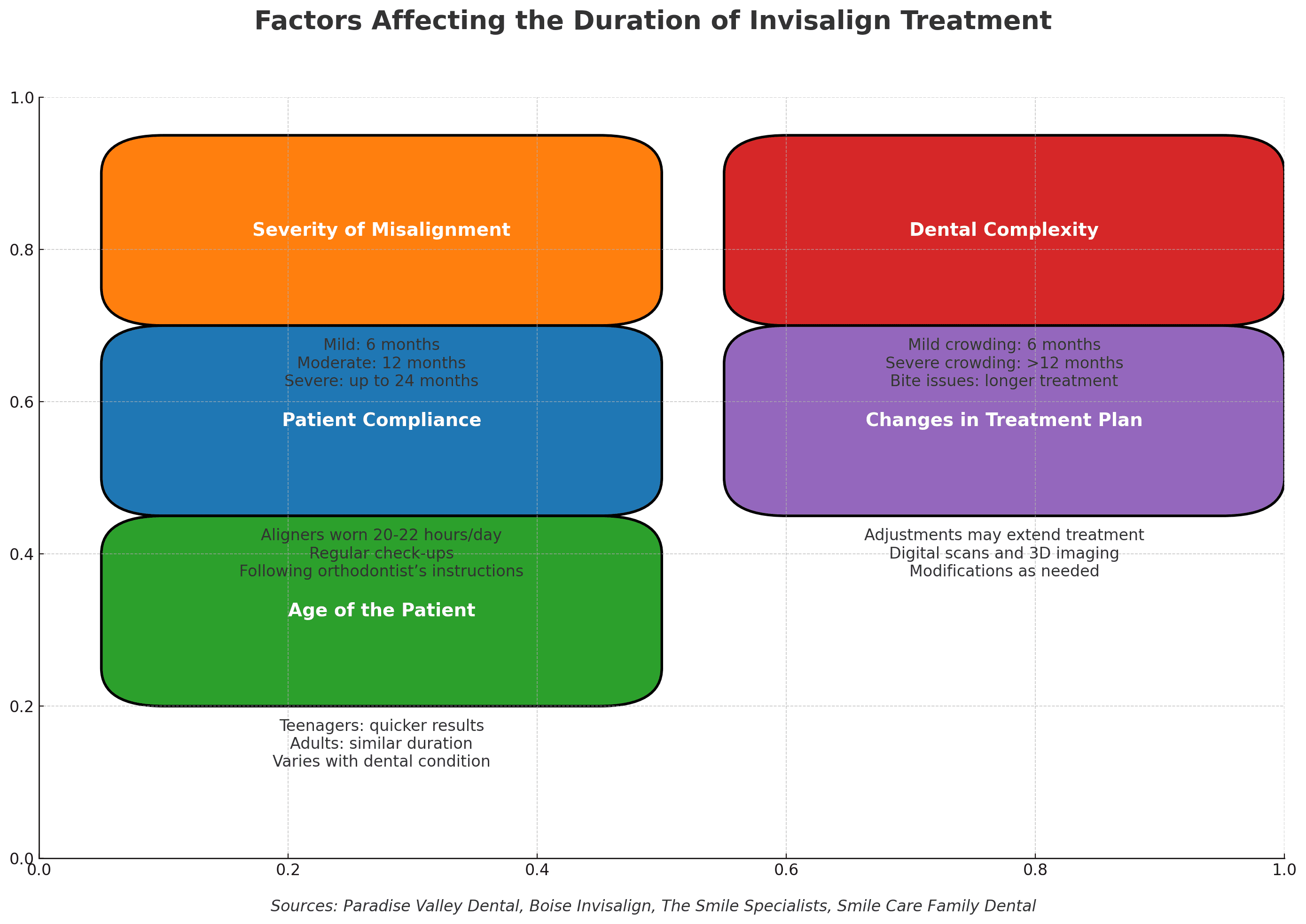
The duration of your Invisalign treatment can depend on a number of factors. Firstly, the complexity of your case plays a major role. If your teeth are significantly misaligned, it may take longer for them to move into the desired position. Your age could also influence the treatment duration as younger patients often respond faster to treatment than adults.

Additionally, your commitment to the treatment is crucial. Invisalign aligners should be worn for about 20-22 hours a day; if not, treatment time could extend. Lastly, each person’s mouth is unique and responds differently to treatment, so it’s impossible to predict an exact timeline. Remember, patience leads to the best results!
how long does invisalign take infographic

II. Invisalign Treatment Process

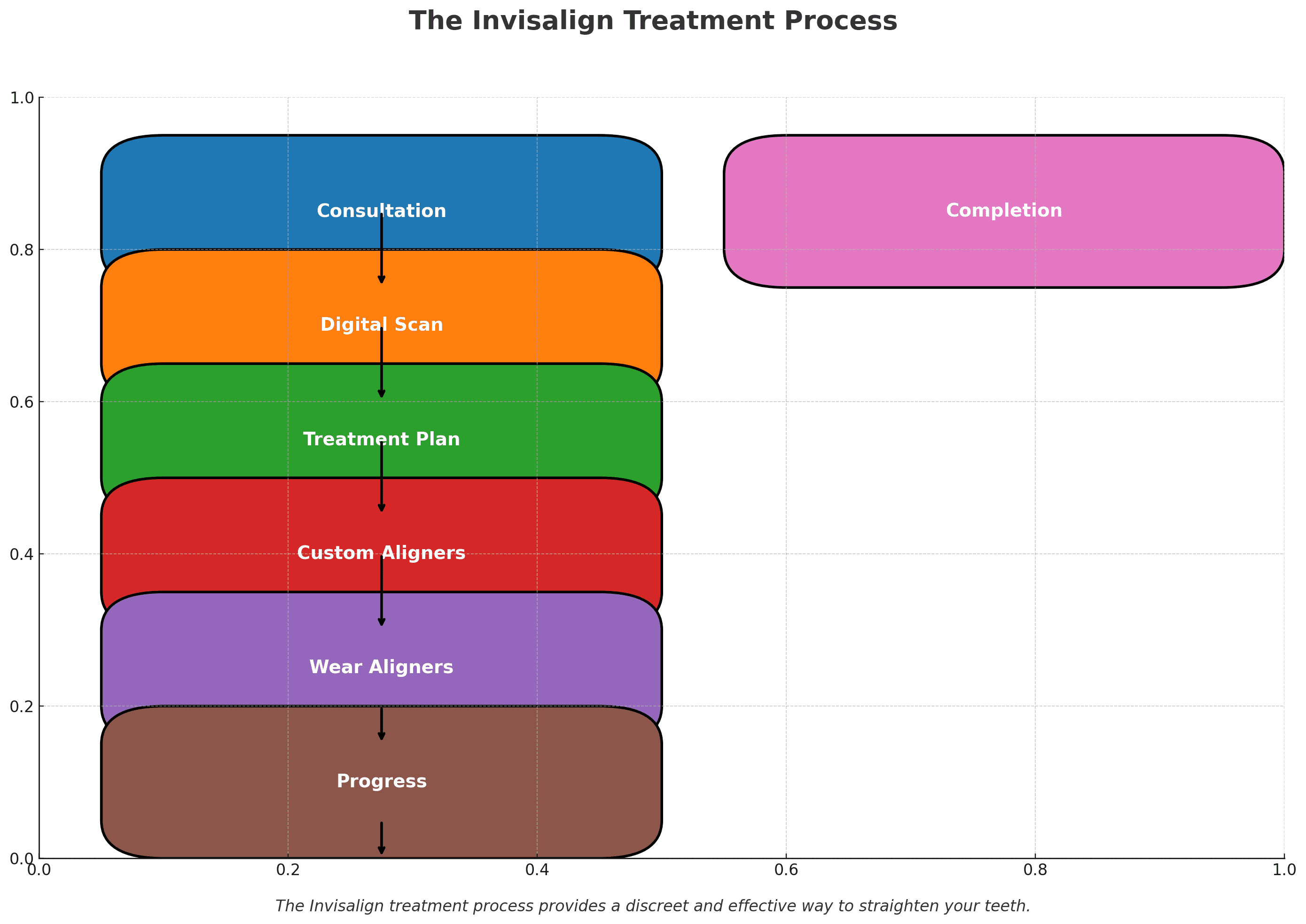
Invisalign treatment is a wonderful and modern approach to straightening your teeth without the use of traditional braces. The process starts with a consultation with your dentist or orthodontist where they’ll assess your teeth and create a personalized treatment plan. They’ll then take a digital scan of your mouth to create precise 3D images of your teeth. Using these images, your doctor will map out a precise treatment plan, including the exact movements of your teeth and how long you’ll wear each set of aligners.

The aligners are then custom-made for you to wear over your teeth. You’ll wear these clear, BPA-free plastic aligners for about 20-22 hours a day, removing them only to eat, drink, brush, and floss. As you progress through the series of aligners, your teeth will gradually and gently shift into place. The best part? Most people won’t even notice you’re going through treatment!
Limestone Hills Orthodontics

III. Average Length of Invisalign Treatment

Research has shown that the average duration of Invisalign treatment typically ranges between 12 to 18 months. However, it’s important to note that this can vary significantly depending on the individual’s specific needs. Some people may find that their treatment is completed in as little as six months, while others may require up to two years.

It all depends on the complexity of the case and how consistently the aligners are worn. Remember, for the best results, it’s recommended to wear your aligners for 20 to 22 hours each day.

IV. Comparison with Traditional Braces

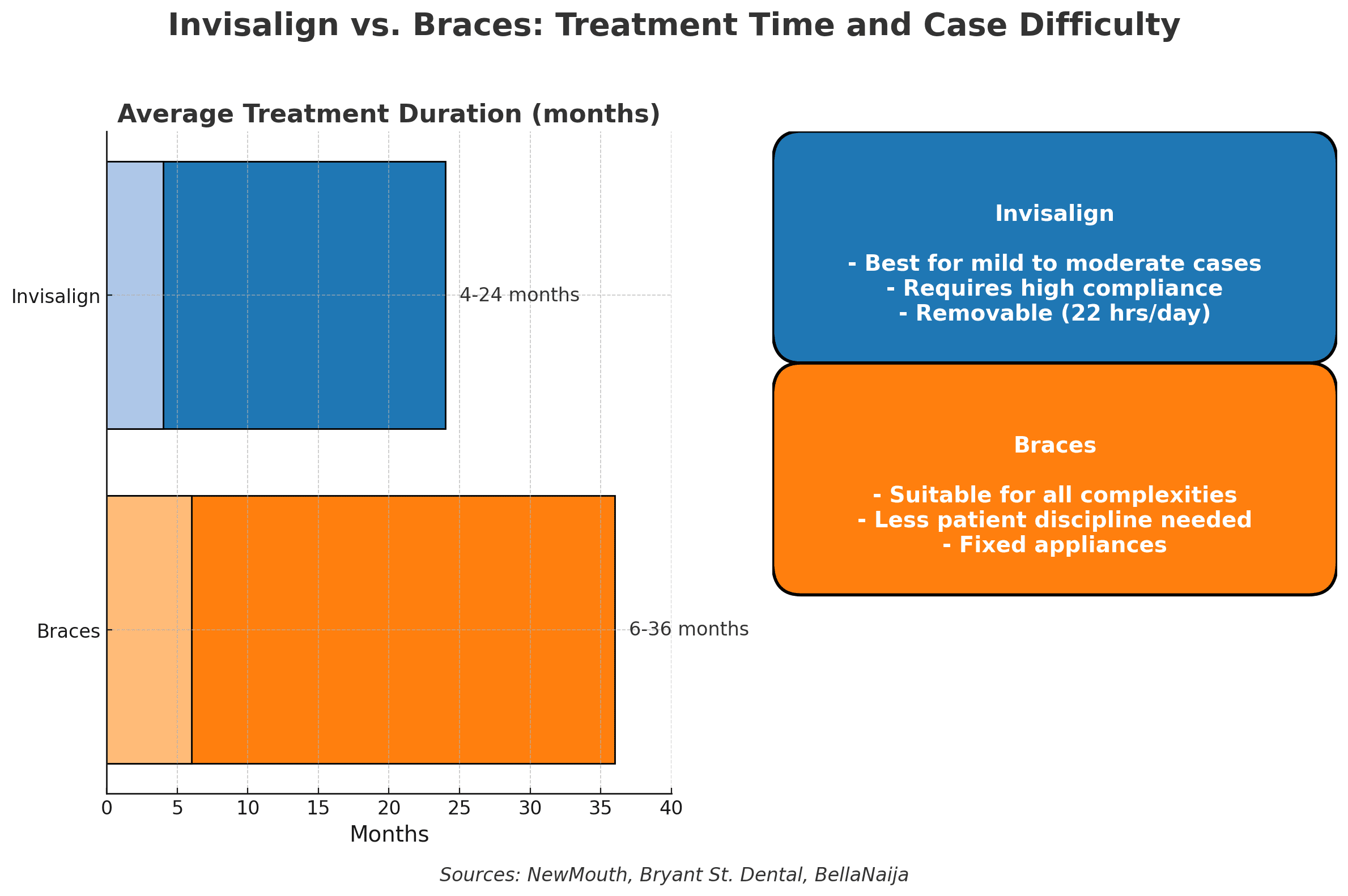
Generally speaking, Invisalign tends to have a quicker treatment time than metal braces for mild cases given that the patient wears the aligners properly. On average, Invisalign treatment can be completed in anywhere from 4 to 18 months, while traditional braces often require 6 months to 3 years. However, it’s important to remember that everyone’s teeth are different, and individual treatment times can vary. Also, the fact Invisalign cases take less time is affected by a bias of case selection, i.e., most doctors prefer to use Invisalign in milder cases.

The great thing about Invisalign is not only could you potentially be flashing that perfect smile sooner, but the aligners are also clear and removable, making the whole process more convenient and less noticeable. So, if saving time and maintaining aesthetics are high on your priority list, Invisalign could be a great option for you! For more detailed information on Invisalign vs. Braces or to find out more info on the question “Is Invisalign Faster than Braces? click the links.
Limestone Hills Orthodontics

V. Factors That May Extend or Shorten Invisalign Treatment

There are several factors that can influence the overall treatment time when it comes to dental procedures. One primary factor is the complexity of the situation, such as overcrowded teeth or the need for significant tooth movement. If your teeth are very crowded, it might take a longer time to align them properly because each tooth needs enough space to move into its correct position. According to Dr. Marty Greenberg, a reliable orthodontist in Jacksonville, FL, severe crowding or bite issues may extend Invisalign treatment time, sometimes requiring additional orthodontic tools. Similarly, if a tooth needs to be moved a significant distance, it will take more time than if it only needs a minor adjustment. Your body’s biological response to the treatment can also impact the duration.

Everyone is unique and responds differently to treatment. Lastly, your commitment to following your dentist’s or orthodontist’s instructions, such as wearing your aligners or braces for the recommended amount of time each day, can also greatly impact the treatment time. So, while it might be a bit daunting, remember that it’s all towards achieving that perfect smile!

VI. Compliance and Treatment Duration

Wearing your aligners as instructed is crucial for achieving the best results. They’re specifically designed for your teeth and need to be worn for a certain amount of time each day to effectively move your teeth into their correct positions. If you don’t follow these instructions, it can significantly prolong your treatment time. Just think of it this way – your aligners are like your best friends on this journey to a beautiful smile. They’re here to help, but they need your cooperation. If you skip wearing them, it’s like taking a detour on your road to a perfect smile, which will naturally take longer to reach. So, for a smooth and speedy journey, make sure you wear your aligners as advised!

VII. Tips for Reducing Invisalign Treatment Time

To potentially reduce your treatment duration, maintaining good oral hygiene is crucial. Regular brushing and flossing help to keep your teeth and gums healthy, which can speed up your recovery process. Additionally, try to avoid foods and drinks that can damage your teeth, such as sugary or acidic items. It’s also recommended to keep up with your dental check-ups, as your dentist can spot any potential issues early, which can prevent further complications. Remember, your cooperation and commitment to your oral hygiene play a significant role in the success and speed of your treatment. So, keep smiling and stay dedicated to your oral health routine!

FAQ

Does Invisalign Take Longer to Straighten Teeth For Adults?

Absolutely not, my friend! The duration it takes for Invisalign to straighten teeth is not necessarily longer for adults. It’s a common misconception, but actually, the length of time depends more on the individual’s dental condition rather than their age. Invisalign treatment can take anywhere from 12 to 18 months on average, but some adults might see results even sooner. So, don’t let the fear of a lengthy process hold you back from achieving that perfect smile. Remember, every smile is unique and so is every treatment timeline!

How strict is the 22 hours per day rule?

Hey there! The ’22 hours per day’ rule is actually quite strict. It’s generally used in scenarios like wearing invisible braces where it’s recommended to wear them for 22 hours per day for the best results. Of course, this allows for a couple of hours of freedom during meal times or special occasions. However, it’s really important to stick to it as closely as possible. The more consistently you follow this rule, the more effective and quicker the process will be. So, it might seem a bit tough, but it’s definitely worth it in the long run!

How quickly does the teeth move with Invisalign?

Hey there! The speed at which your teeth move with Invisalign can depend on a few factors, like your specific dental needs and your consistency in wearing the aligners. Generally speaking, you could see noticeable movement in your teeth within 2-3 months. Invisalign aligners are designed to make slight adjustments to tooth position every week, which is faster than traditional braces. However, keep in mind that every smile is unique, so the pace of progress could vary from person to person. Always remember, your commitment to wearing the aligners for the recommended 20-22 hours per day plays a significant role in how quickly you’ll see results.

When should I start seeing Invisalign’s results?

Hey there! You’ll be excited to know that you can start noticing some changes in your smile within just a few weeks of starting your Invisalign treatment. However, keep in mind that the complete transformation to your dream smile will typically take around 12 to 18 months. Remember, each person is unique and so is their treatment plan, so it might take a little more or less time for you. Rest assured, your patience will definitely pay off in the end with that perfect smile you’ve always wanted!

Is Invisalign faster than braces?

Absolutely, my friend! Invisalign can indeed be faster than traditional braces. The exact treatment time really depends on your specific situation, but generally, Invisalign treatment can be completed in anywhere from 6 to 18 months. On the other hand, traditional braces typically need to be worn for about 18 to 24 months, or even longer in some cases. It’s also worth mentioning that with Invisalign, you’ll be able to see progress throughout your treatment, which can be a nice little morale booster! However, always remember that each person’s teeth and orthodontic needs are unique, so it’s best to consult with your orthodontist for the most accurate information.

Can Invisalign work in 3 months?

Absolutely! Invisalign can indeed work in as little as 3 months. However, it’s important to remember that every smile is unique, and the duration of treatment varies depending on the complexity of the case. For minor corrections, Invisalign can show significant improvement in just 3 months. But for more complex cases, it might take longer. Your orthodontist will be able to give you a more accurate timeline after evaluating your teeth. Invisalign is a fantastic option for straightening your teeth discreetly and comfortably, just remember to wear your aligners as directed!

How can I ensure the quickest possible treatment time with Invisalign?

To ensure the quickest possible treatment time with Invisalign, it’s crucial to follow your orthodontist’s instructions to a tee. Wear your aligners for the recommended 20-22 hours per day, only removing them for eating and brushing your teeth. Regularly attend your check-ups so minor adjustments can be made if necessary. Also, use any supplementary tools like chewies or vibration devices, if suggested by your orthodontist. These devices can help seat the aligner properly. Last but not least, maintain good oral hygiene to avoid any setbacks. Remember, consistency is key to achieving your dream smile sooner!
Mastering IPR Orthodontics: A Austin Orthodontist Guide to Safe Enamel Reduction

IPR stands for interproximal reduction. IPR orthodontics (technique), IPR dental (technique), interproximal reduction technique, are all synonyms of a common procedure for creating more space between teeth, often needed for optimal alignment that can sometimes avoid the need for dental extraction as part of the orthodontic braces or Invisalign treatment plan. This concise guide will explain when an IPR dental procedure is recommended, its safety, and its pivotal role in orchestrating a successful orthodontic treatment.

Key Takeaways for IPR Orthodontic Procedure

  • Interproximal reduction (IPR) is a technique in dentistry designed to do several things:

    1. Correct asymmetry of certain teeth widths that can cause issues with the bite fit of the patient.

    2. Correct proportions between the teeth in the dental arches – lower and upper teeth (Bolton discrepancy)– For instance, an upper lateral incisor is around 75% of the width of the upper central. If it’s smaller or absent, it can lead to spaces in the upper arch or crowding in the lower arch. The lady in the picture below has lower incisors slightly smaller than average, which could cause crowding in the lower arch. Sometimes, this can be corrected with interproximal reduction (or by extracting teeth) to create space and it is one of the main reasons I see for it to be performed clinically. Another way to correct this would be to increase the width of the lateral incisors with composite (filling material) or a veneer. The choice depends on whether the patient thinks she will look better with a larger lateral incisor. If she doesn’t care, interproximal reduction is a no cost or low option that keeps all teeth natural.

      Bolton analysis of the dental arches

      Below you see an illustration of slightly better proportion:

      Limestone Hills Orthodontics
    3. Correct abnormalities of the patient’s dental shape (teeth that are too large in width or have a barrel or triangular shaped teeth) that are causing issues with the bite or crowding, or black triangle spaces near the gumline while the teeth themselves touch.

    4. Indirectly, or directly, create space for dental alignment by removing small amounts of enamel, producing both aesthetic and practical benefits such as enhanced tooth shape and less crowding. For instance, lower crowding can be caused by an incorrect bite due to a larger lower jaw or an increased overbite (deep bite). A proper diagnosis on how to create space to correct crowding is necessary before interproximal reduction is done. Make sure your dentist or orthodontist checks the Bolton values- doing IPR for crowding can be a “lazy” way to correct it if is not optimum for the bite. Interproximal reduction must be done in the correct places to not misalign the bite. It can’t just picked randomly. Sometimes the jaws are too small for the teeth and we have to choose between IPR and tooth extractions for treatment. An orthodontist will make the best choice for your facial appearance and based on the amount of enamel that can be removed.

  • A skilled professional must perform interproximal reduction to harmonize the dental arches within recommended guidelines (no more than 50% of proximal enamel removal) to minimize risks such as dental damage and sensitivity. Sometimes, if the discrepancy of dental widths is too much, we may have to suggest restorations (veneers of fillings) of opposing teeth.

  • Interproximal reduction is both a standalone procedure and a complement to Invisalign treatment and braces, aiding in the customization of orthodontic treatments for both adults and younger patients. Invisalign software usually makes the IPR recommendations very precise due to the use of the digital 3D images of teeth in the proper occlusion, but the dentist makes the final decision on the occlusion.

  • Invisalign technicians may leave a deep overbite during treatment or are forced to because a dentist elected a case for a cheaper modality of Invisalign that doesn’t support overbite correction. Always make sure that you have a second opinion from an Orthodontist before undergoing substantial IPR planned for Invisalign treatment by a general dentist. You may end up not needing it at all, and I say that based on experience in consultations.

Demystifying IPR: A Primer on Interproximal Reduction

Interproximal Reduction, otherwise known as IPR in the orthodontic field, is a procedure intended to correct size to size or arch to arch tooth proportions or compensate for black triangle spaces near the gumline. According to Dr. Yajun Cui, a well-known orthodontist in Arlington, MA, this makes IPR a fine tool to fine-tune both how teeth work and how the smile looks near the gums.

It accomplishes this by selectively removing minor portions of tooth enamel on specific sides of teeth with precision and care. The primary aim behind it is to make use of space more efficiently so that proper dental placement can be achieved along with tighter fitting between neighboring pearly whites. In other words, it’s like giving your choppers some extra wiggle-room when adjusting them into their ideal position!

IPR has numerous perks associated with it. Such as generating necessary clearance required for successful teeth straightening outcomes which leads to improved overall shape and symmetry – Eliminating gaps around the gum line that could mar an immaculate smile even than desired.

Results are typically far more stable not forgetting aesthetically pleasing at well when accomplished properly from qualified personnel only due to its potentially hazardous effects including heightened sensibility or exaggerated elimination beneficial layers if administered through non-specialized means.

The Need to Correct a Tooth Size Discrepancy: Bolton Analysis

Orthodontic treatment is necessary to address issues such as overcrowding or spacing due to discrepancies in tooth size. This calls for Bolton Analysis, a quantitative measurement that evaluates the maxillary and mandibular teeth proportions of an individual. It furnishes information about any differences between the sizes surrounding crowded teeth – this helps attain proper alignment with overjet and bite conditions plus aesthetic enhancement of dental rehabilitation which can be done via Interproximal Enamel Reduction (IPR orthodontics) or restorations.

According to the Bolton study, the sum of all widths of lower left canine to right canine teeth divided by all widths of the same upper teeth should be approximately 77.2%. The sum of all widths of upper teeth from molar to molar divided by all widths of upper teeth should be 91.3%. The most common problems that cause a Bolton discrepancy, which is a deviation from these values are: small upper lateral incisors, large lower premolars and large upper central incisors. Obviously, missing or extra teeth will also cause major issues in dental size proportions.

Teeth enamel reduction or buildup with restorations thus play a crucial role while engaging in orthodontic practice aimed at achieving ideal results for the patient. Make sure to always ask your dentist or orthodontist if a Bolton analysis and proper bite analysis was done to prepare more space for a restoration or perform IPR.

If you plan to do your treatment with a general dentist, usually IPR is their main method or “tool” to correct dental crowding because it’s easy to do. Due to the larger number of misdiagnosis and less than ideal treatments with IPR we see in our practice consultations, we recommend you ask for a Bolton analysis result or take a second opinion from an Orthodontist to see if IPR is the best solution for you, especially if you are hesitant.

Orthodontists have a lot more training than general dentists to diagnose if you really need IPR or it’s being done as “an easy way out” of dental crowding. As some would say, if the only tool you were trained to use to fix something is a hammer, you will use the hammer almost all the time.

The Need for Space: How Interproximal Reduction Helps Align Crowded Teeth and Correct Black Triangles

IPR particularly works well on front teeth when it comes to alleviating overcrowding issues. As much as 6mm can be created in each of the dental arches with its help which helps those patients who have triangular shape teeth that are often victims of crowding problems and need not endure extractions involving their molars or premolars due to an available ample amount of space.

Sometimes patients present with ” dark triangles” or “black triangles”. These black triangles are a black space between the dental contact and the gums caused by bone loss, or abnormalities of dental shape and may require IPR or bone and gingival grafting for correction. In these cases, IPR can be indicated, and the main objective is to reduce the black triangles or black space between teeth.

Precision Matters: Ensuring Safe Enamel Removal

The IPR process requires gentle abrasion with very thin diamond discs or diamond-tipped strips that will surround crowded teeth at the proximal surfaces for removing small portions of dental enamel surfaces. The amount taken away by these stainless steel or round orthodontic wire gauges varies from 0.2mm widths and upwards as approved standards dictate it should be done so in order to minimize any potential risks.

Many times, we need to use unilateral abrasion surfaces on the discs or strips to make sure only target teeth and not adjacent teeth are decreased in width contact area.

Potential risks are less resistance to damage by cavities since there will be less enamel, or prolonged sensitivity post procedure when performed properly without exceeding prescribed limits on reduction size. Interproximal reduction does not expose any nerve endings, but it can make physical stimuli such as heat or cold reach more easily inside the pulp more easily if the enamel is completely removed and the dentinal tubules where the nerve endings extend into are exposed.

Protecting the tooth pulp is critical when performing ipr (interproximal reduction)

When the risks outweigh the benefits of IPR to gain space, and too much has to be done, permanent tooth extraction or extractions may be recommended to create more space. Studies have proven that there isn’t a heightened risk associated if safety measures are met during interproximal reduction.

BOOK A FREE CONSULTATION WITH US HERE TO SEE IF IPR IS RIGHT FOR YOU

The Interproximal Reduction Procedure: What Patients Can Expect

Interproximal Reduction IPR involves using specific tools to delicately remove a small amount of enamel from the outer surfaces of teeth, allowing to achieve extra space and resulting in what patients may call dental polishing. It is relatively painless, with minimal aftercare required.

Tools of the Trade: Instruments Used in IPR

Interproximal reduction treatment makes use of different dental instruments like rotating diamond discs and specialized tools that are exclusively designed for reducing enamel. Dr. Julian DAvila, and orthodontist Indianapolis IN relies on, explains: “The dentist carefully files down the tiny amount between teeth from the top edge to the gum line, which provide quality results along with ease and efficiency.”

Many use burs, but we at Limestone Hills Orthodontics don’t because slight movements of the patient’s mouth or the friction associated with a small bur makes the procedure a lot more prone to cause dental damage.

Polishing is then done with interproximal strips for tooth polishing to prevent rough surfaces. These can have different polishing grades and will also help recontour and round the edges of the teeth to the desired outcome.

Keeping Comfort in Mind: Does Interproximal Reduction IPR Hurt?

Interproximal reduction is a very common procedure, that many people have concerns about regarding the potential pain involved. Fortunately, most individuals don’t experience any significant discomfort when undergoing this routine operation, reporting only slight pressure and mild sensitivity at worst.

The sensation associated with IPR typically isn’t as intense compared to some other dental procedures either. It can be carried out safely by an experienced dentist without causing much distress for patients. Sometimes, minor bleeding near the gums can happen as we have to assure the contour is smooth all the way below the contact point with the gumline.

old, dentist sign, signage

Patients almost never feel anything, and anesthesia is not necessary. It’s important to follow the instructions of the provider and in the case of sensitivity due to heat generated during IPR, not move suddenly. We suggest just lifting a hand so we can move slower if needed. Every person has a different level of sensitivity.

BOOK A FREE CONSULTATION WITH US HERE TO SEE IF IPR IS RIGHT FOR YOU

After the Procedure: Caring for Your Teeth Post-IPR

To reduce the potential for damage and dental decay after having IPR, patients should engage in good dental hygiene habits such as daily brushing and flossing while also adhering to regular check-ups.

This consistent approach will help keep any post-procedure issues minimized since you will have less enamel available to protect your tooth. Thus, interproximal reduction IPR is contra-indicated in individuals with questionable dental hygiene habits that may be a problem in the future.

Beyond Aesthetics: The Functional Benefits of IPR Orthodontics

Properly performed Interproximal Reduction IPR provides not only visual enhancements and enough space, but also important functional advantages. It is essential in improving bite function by narrowing the width of teeth to help with alignment and optimize occlusion while creating even tooth surfaces, that will uphold tooth positioning following treatment.

IPR likewise benefits oral hygiene as it reduces strain on periodontal support plus encourages beneficial tooth contouring leading to no increased risk for gum disease making this procedure secure when considering periodontal health maintenance. The necessary space needed for proper alignment between each individual tooth can be made possible through moderation provided by interproximal reduction.

The Safety Profile of Interproximal Reduction

Performed by a qualified and knowledgeable dentist, IPR is considered a safe orthodontic procedure. Although with only the suggestion of removing no more than 50% of proximal enamel for ensuring long-term protection and healthiness in teeth.

How Much is Too Much? Guidelines on Enamel Reduction

Maintaining the guidelines while performing Interproximal Reduction is paramount for protecting and preserving good oral health. It’s essential to avoid that more than 50% of the proximal surface enamel between two teeth should ever be eradicated in order to avert any dental or periodontal risks.

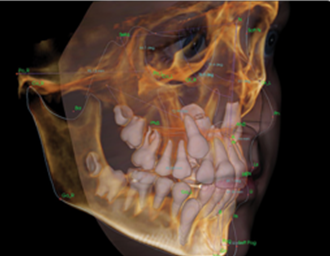
Understanding precisely how much enamel gets extracted during this method is very crucial. In our practice we take CT scans of the teeth and can tell exactly how much enamel is available to assure your safety.

Long-Term Outlook: Is Interproximal Reduction Safe for Future Dental Health?

Patients often have worries about the long-term effects dental IPR might have on their oral health. But research shows that, when done correctly, it does not make one prone to cavities or periodontal disease. Nor is there a heightened risk of sensitivity in the aftermath.

Potential risks of ipr treatment exist – as previously discussed. It is paramount for patients seeking such procedure to get treated by only qualified professionals to preserve a healthy amount of enamel layer.

We never had issues with patients with increased sensitivity after IPR after thousands of patients treated. Which doesn’t mean it will never happen, but it means we make sure to follow safety protocols to avoid problems.

BOOK A FREE CONSULTATION WITH US HERE TO SEE IF IPR IS RIGHT FOR YOU

Customizing Your Smile: IPR in Conjunction with Clear Aligners and Braces

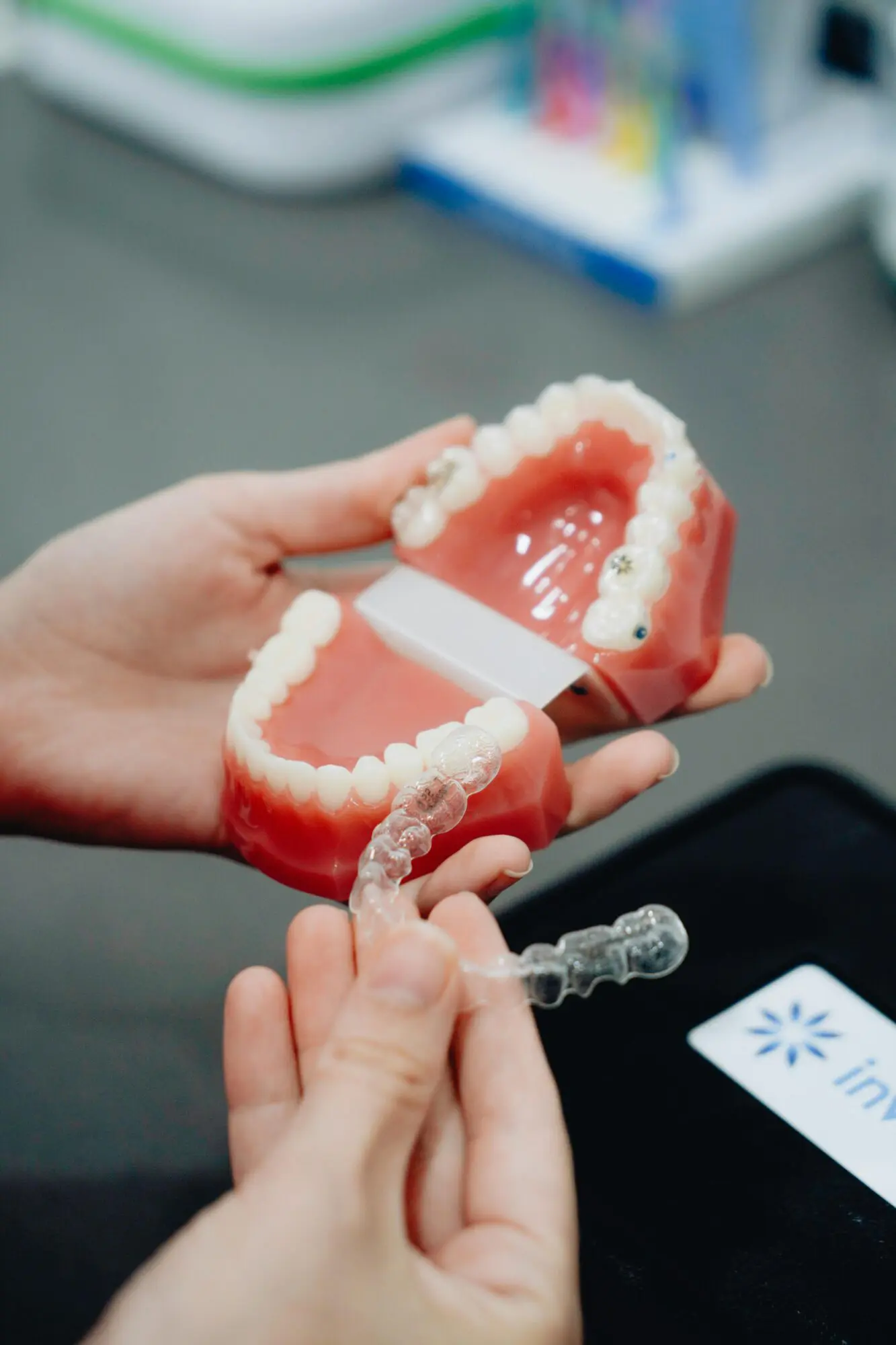
To facilitate the movement of teeth, the IPR method creates room for successful use of both clear aligners or braces.

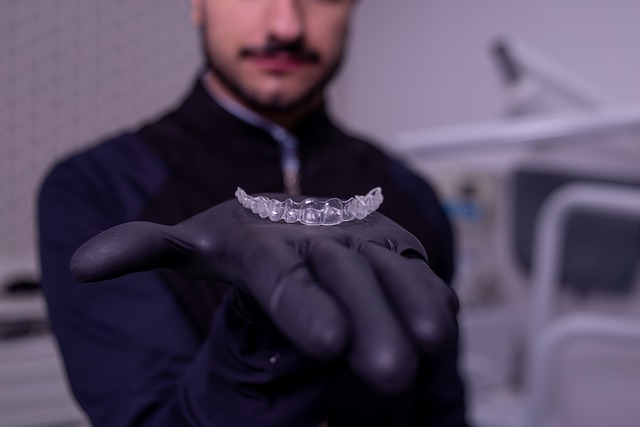
invisalign, clear aligners, dental

This combination empowers a more exhaustive approach to orthodontics through precise extraction of enamel from teeth for ideal results in every patient’s case.

Tailored Treatments: IPR for Specific Dental Shapes and Positions

The IPR method stands out in its great adaptability. It can be altered to suit particular teeth shapes and positions, giving patients the best results possible with a beautiful smile as well.

For certain teeth that are not aligned straight or at an angle, extra care must be taken during IPR by taking off some enamel which will then make room for proper alignment of such teeth. This individualized approach ensures each patient gets their bite just right, so they have full dental function without any complication.

Achieving Harmony: Balancing IPR Across All the Teeth

Achieving a harmonious, well-aligned smile requires an even distribution of IPR across all teeth and making sure dental widths are measured properly to avoid creating asymmetry.

To ensure this is done correctly and achieve the desired result, it’s imperative that dentists focus on certain specific areas for adjustment while taking into account the overall alignment correct position and balance of the dental arches.

Any unevenness or miscalculation while performing IPR can lead to numerous issues such as crowding, excessive incisor flare, midlines, occlusion or bites off or discrepancies with size between teeth.

woman, smile, beauty

Instability due to bone loss or recession can also occur, which can also have detrimental effects on gum health and TMJ disorder development too. For these reasons, there must be emphasis placed on ensuring consistency when conducting IPR among every single one of your patients, for maximum aesthetic effect.

IPR for Adults: Not Just for Teens and Kids

For adults seeking orthodontic care, IPR is often an effective solution that offers several advantages. It reduces tooth width and provides the necessary space in cavities to ensure proper alignment of teeth. Thereby improving overall dental health.

Patients with mild to moderate crowding requiring either enough space or only a small amount of additional space can benefit greatly from this type of treatment which has been performed on numerous adult patients worldwide.

Lifelong Smiles: The Role of IPR in Adult Orthodontics

IPR is a vital part of adult orthodontic treatment. It serves to rectify tooth size discrepancies as well as promote oral health, allowing adults the chance to get the smile they desire. IPR proves immensely helpful in tackling problems such as overcrowding and can also often create room between teeth quickly without having any teeth extracted, making it an important factor for sustained dental wellness over time. This procedure helps modify dentition in order that each individual has a perfectly shaped grin tailored specifically towards them for optimal aesthetic purposes.

woman, face, freckles

Payment Options and Accessibility: Making IPR Feasible for Adult Budgets

Orthodontic treatment which includes interproximal reduction can be expensive for some adults. Fortunately, there are several methods of payment available to make it easier on the wallet and more accessible. The cost usually ranges from $50-350 per case if the dentist or orthodontist charges for it.

We don’t charge for IPR in our practice and consider it part of orthodontic treatment. Most orthodontists offer discounts or installment plans if you pay upfront or use their own financing service that allows payments over time. Dental insurance might cover a portion of your expenses too! All these options help minimize out-of-pocket costs related to IPR Orthodontics so as not to overwhelm individuals with hefty bills all at once.

Summary

Orthodontics IPR, or Interproximal Reduction, is an important orthodontic procedure performed, which can help create the space needed for successful tooth alignment and improve tooth shape. This necessary step can often but not always prevent tooth extraction and can result in a beautiful smile when done by qualified professionals.

By using IPR, you may increase the chances achieve optimum outcomes with your teeth. It is routine procedure should always be performed correctly in order to secure their health and longevity over time. With proper care given throughout each stage of this process, having that sought-after beautiful smile could soon become reality!

BOOK A FREE CONSULTATION WITH US HERE TO SEE IF IPR IS RIGHT FOR YOU

Frequently Asked Questions

What is IPR in dental terms?

IPR in dentistry, more specifically orthodontics, is a routine procedure that stands for interproximal reduction, a technique used to remove small amounts of enamel between teeth to aid in orthodontic treatments involving overcrowding or reshaping.

How much does IPR cost for teeth?

The amount of money one has to pay for teeth shaving, also referred to as IPR, depends on the complexity and individual patient’s needs. This procedure can be between $50-$1,500. Some dental plans may contribute towards covering these expenses. We don’t charge anything extra for it in our office.

What is the IPR process for teeth?

The process for teeth which utilizes flexible strips or diamond-coated discs to delicately remove a small amount of enamel from crowded sections permits clear aligners to move the teeth more efficiently.

Is IPR only for teens and kids?

IPR is not only for teenagers and young ones. It can be an advantageous option to consider by adults who require orthodontic treatment as well, with the procedure often conducted on adult patients.

Is IPR painful? Does Interproximal Reduction Hurt?

Patients typically experience no pain or discomfort during IPR treatments, only slight pressure or sensitivity at most.

BOOK A FREE ORTHODONTIC CONSULTATION IN AUSTIN TX TO SEE IF IPR IS RIGHT FOR YOU

How to Find the Best Orthodontist Near Me?

Are you just starting out your orthodontics process towards a perfect smile and wondering how to find the best orthodontist in Austin TX or anywhere else? Austin offers multiple orthodontic services and a large practice philosophy variety, making it a challenging task to pick the right one for you. What may be more important for your best smile, may not be for the best smile for everyone.

So, how do you find the best fit? In a nutshell, focus on service quality, high involvement of the actual doctor, staff expertise, a well-functioning dedicated team and a treatment plan specifically tailored for the finances, main concerns and financial restrictions of the patient.

A free consultation is always nice. Are they more focused on children, kids, teens or adults? Did you feel forced, nervous and pushed or got all the answers you needed in the time allotted for you during your consultation?

Let’s delve deeper into these elements and more, so you can make an informed choice and observe if there are enough wonderful things to perhaps even develop enough confidence to get started in the same day of your free consultation!

Why Seek the Best Orthodontist in Austin Near You – Orthodontic Care Matters

Before we dive into the how-to, it’s important to recognize the value of quality orthodontic treatment.

A great smile isn’t just about aesthetics; it’s also about oral health. Misaligned teeth and bite can contribute to issues like difficulty in cleaning, gum disease and temporomandibular joint (TMJ) problems.

Aesthetics of smile is also a big concern, since it’s closely tied to health. It’s been shown that there is a natural selection bias in all aspects of life towards better looking people. All those aspects make your choice of an orthodontic practice or dentist a critical one for your best facial appearance and smile.

Check Qualifications and Reviews

We’re in the age of information, and the qualifications of orthodontists are more transparent than ever. Any reputable clinic should list their orthodontists‘ credentials openly. To find the best orthodontist in Austin, look for board-certified professionals with a proven track record as clinicians, academicians and innovators.

Award winning Professor PhD orthodontists in Austin TX like Dr. Rodrigo F. Viecilli are rare, and these doctors are trained to move teeth and have a deeper understanding of the biomechanics and genetics of tooth movement.

Check on PUBMED, the database of peer reviewed publications, if your contender for best orthodontist in Austin has any. Does he have faculty appointments? How often they are invited to lecture and teach?

Google them to see their experience, past inventions and patents and accomplishments and awards and if their area of research can actually help your treatment goals.

Is your contender for best orthodontist in Austin the owner of the practice and the only one that will treat you? Is it a side office, private practice, family, where the orthodontist often puts all of his effort in the name of his family business, or a corporation where orthodontists change often, which can lead to longer treatment times?

Besides official qualifications, patient reviews are essential. Platforms like Google Reviews and Facebook offer unbiased opinions from people who have undergone treatment, making you a bit more confident that you will have a good experience.

These insights are invaluable for gauging service quality, clinic hygiene, and overall patient satisfaction.

Ask for Recommendations

Although online reviews are helpful, personal recommendations also serve to give you some level of trust. Consult friends, family, and colleagues, especially those who’ve recently undergone orthodontic treatment. However, they will often recommend whoever they went to. 

Chances are, you will get a recommendation of a popular and busy orthodontist with a practice that has been running for a long time. Is that the best orthodontist in Austin for you? Can they provide you with more personalized care? Do they perform the consultation themselves or assign 90% of it to someone that is not even a dentist? Perhaps you could do better. Is there professionalism- why choose this provider if he doesn’t have time even to talk to you much? How can you make sure all your treatment needs are met if you are not communicating with the Doctor himself? How much time did he spend looking at your case?

You can also ask your general dentist for recommendations; they often have valuable insights on who the best orthodontist in Austin is. But be careful and do your own research, some opinions can be biased and based on fear of losing you for their Invisalign treatment (they are less trained than orthodontists) or perhaps favor exchanges, or simply habit to refer to a friend or someone famous.

Therefore, doing your own research, and visiting a few offices, see how busy and efficient they are, if the doctor himself really has time to discuss with you and make you feel safe that you trust your treatment during your consultation is critical.

Visit the Clinic

Online research is imperative, but it’s no substitute for an in-person visit. A physical tour helps you assess the clinic’s ambiance, cleanliness, and the technology they use.

The most important aspect of the entire treatment is the diagnosis and development of the treatment plan- how long the doctor listens to your needs and examines and discusses your exams with you. 

Do not call orthodontic clinics simply asking for price. It is not very informative, not a good way to start a relationship, and will probably either get you caught by an unethical clinic or take you to a random direction that is not in your best interest.

You are purchasing orthodontic treatment for your smile- it is a lot more complex and involves a lot more uncertainties than a simple product purchase if you want the best outcome.

You will have to visit the orthodontic clinic anyway. So, after some research, I recommend you compare at least 2 consultations.

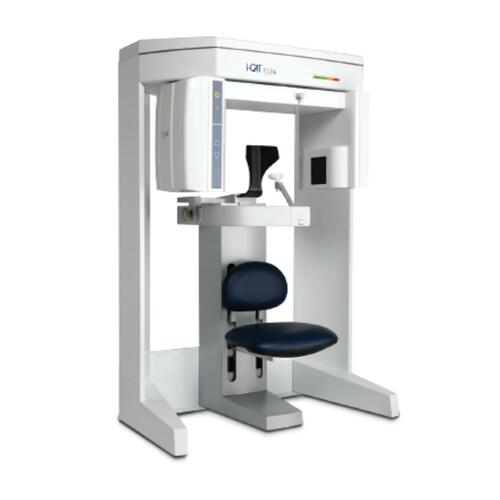
Clinics with 3D radiographic information (CT Scans) like ours could lead to more complete and accurate information about treating the patient’s condition in many cases. We have often caught issues that could have caused damage to the dentition with a treatment plan based on 2D data. It’s common, especially in the early treatment of the mixed dentition of children and later treatment of adults.

Limestone Hills Orthodontics

Our i-Cat Flex CT scan costs as much as a Porsche and was a huge investment we did to provide the most accurate airway and 3d position diagnosis to our patients.

Limestone Hills Orthodontics

Interact with the staff, as their warm behavior often reflects the overall ethos of the clinic. Are they attentive, knowledgeable, and open to answering your questions? Are they busy and still trying to do the best to provide you, family and child with a good experience?

How much time did the actual doctor spend with you? Were they clear with you about the differences of accepting insurance, being in network with insurance and out of network, and what these imply for your pocket? These are all good indicators of a trustworthy service provider.

Compare Costs

Orthodontic procedures can be expensive, often requiring long-term commitments. Costs can differ widely between clinics, but don’t make your choice based solely on price. Lower costs can sometimes mean lower quality or hidden charges. 

Payment Plans

Given that orthodontic treatments can be costly, check if the clinic offers flexible braces payment plans. This flexibility can be a lifesaver, especially if you’re on a tight budget. We offer long payment plans with no interest financing and zero credit check through our practice management and financial management software Orthominds.

The Insurance Game

Usually, more experienced orthodontists are out of network with most insurances, because they don’t need to reduce their fees to get patients (being in network means you are forced to reduce your fee to be listed in their website, out of network can accept your insurance but not be listed).

In general, inexperienced orthodontists out of school open their practice and are often in network with all insurances, even low paying HMOs. It’s all a tradeoff.

However, sometimes experienced orthodontists open new practices and become in network to attract new patients. This is the case of Limestone Hills Orthodontics. Dr. Viecilli was treating thousands of patients, teaching and doing research in two renowned Universities, but his decision to settle in Austin is recent. Therefore, we are in network with almost all PPO insurances, which could give you a good discount and the best deal you can get of experience and price.

Get a detailed breakdown of what the cost includes—braces, aligners, follow-up appointments, etc.— what’s included and not, so you can make a fair comparison. A general rule of thumb is to always prefer clinics that offer transparent Zero Interest Financing and Insurance options. 

Treatment Options

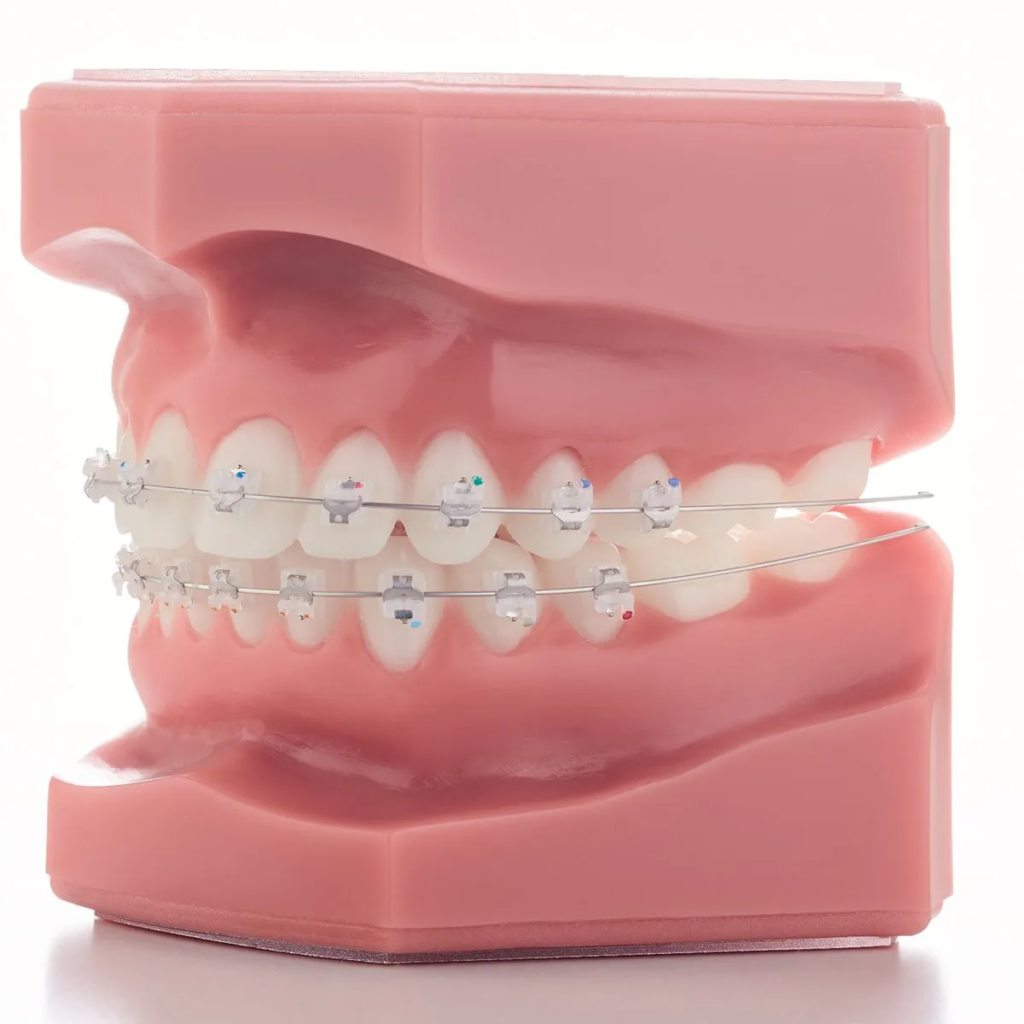
Medical science is always evolving, and braces and orthodontic care is no exception. From traditional metal braces to self-ligating clear braces (they don’t stain because you don’t need to change the small o-tie elastics), clear aligners, like Invisalign, and other more generic clear aligner brands, orthodontics treatment options are expanding that could all lead the path to achieve a beautiful smile.

Limestone Hills Orthodontics

Location and Convenience

Austin is a big city, and a clinic that’s more than an hour away might not be ideal for frequent visits. Additionally, check the clinic’s operating hours. Do they align with your schedule? Do they provide emergency services when they are not open? Is there an extra cost?

Convenience should be a crucial factor in your decision-making process. Limestone Hills Orthodontics is the one of the only (if not the only) private practice that offers a SATURDAY as an option for busy professionals to make an appointment. We also currently offer free consultations and late day emergency appointments 5:30pm-6:30pm. The doctor will be there for you.

Distance

Distance should not be a huge factor in your decision, probably the lowest. We have found practices in poorer neighborhoods that charge 40% more than us and are 20 miles away. Choose a practice within 17 miles of your home that is flexible with their late appointment policy. We rarely leave a patient unseen, but we may have to limit the amount of the procedure planned if the patient is very late especially at the end of the day when the practice is very busy.

Initial Consultation

Most established clinics offer a free or low-cost initial consultation. This meeting is an opportunity for you to understand the treatments available, estimated costs, and timelines. It also provides patients with a chance to gauge the orthodontist’s communication skills and professional bedside manner.

Things to Ask Your Orthodontist 

Finally settled on an orthodontic practice? Now’s when you get to ask the important questions.

While consultations can be taken over call, it’s always a good idea to go in person. The only way you can get a feel of the experience is if you visit the office and get a good look around it. Make sure to get a feel for the environment and get to know the staff. 

Remember kids, this is your chance to ask the orthodontist any important questions you may have. Feel free to inquire about their payment plans and the recommended treatment. No need to stress – the right orthodontist is there to support you.

Make sure you grasp everything before you begin to finalize your decision. While it’s important to trust your doctor, take your time to carefully consider your various treatment options before settling on your orthodontist.

Limestone Hills Orthodontics – Your Best Choice in Austin

While Austin has numerous orthodontist clinics, Limestone Hills Orthodontics stands out as an exceptional choice. Our board-certified orthodontist team has, if not the top, the most accomplished CV in Austin, lectured regularly around the world and the US.

He has over 30 book chapters and peer reviewed publications in the best Orthodontic Journal in the world, being twice in the cover… With glowing reviews and a comprehensive range of treatment options, we cater to all your orthodontic needs. 

The clinic offers free initial consultations, allowing you to explore your options without financial risk. Conveniently located and offering flexible appointment times, Limestone Hills Orthodontics sets the gold standard for orthodontic care in Austin

Schedule a free orthodontic consultation today and take the first step towards a perfect smile.