
Getting Braces A Second Time: What You Need to Know

First, chat with your orthodontist about your concerns and goals—they’ll guide you through the process and recommend the best type of braces for your needs, whether it’s traditional metal, ceramic, or even clear aligners. Remember, this time around, you’re armed with experience, so you know the importance of following through with all those little tips and tricks for maintaining your braces and ensuring your teeth stay in tip-top shape.

Woman with metal braces talking on her mobile phone, smiling after getting braces a second time

Reasons for Getting Braces a Second Time

There are several reasons why someone might require braces more than once. Over time, factors like aging, dental habits, and life changes can impact teeth alignment.

1. Tooth Movement and Shifting

  • Teeth naturally shift as we age, even after wearing braces.
  • Everyday activities like chewing or grinding your teeth can gradually move them out of alignment.
  • Orthodontic treatment might be needed again to correct this shifting and restore alignment.

2. Wisdom Tooth Impact

  • When wisdom teeth erupt, they can push nearby teeth out of place.
  • This pressure can cause crowding, making previously straight teeth appear crooked.
  • Removing wisdom teeth doesn’t always solve the problem; braces or aligners may still be necessary to fix alignment.

3. Neglecting Retainer Use

  • Wearing a retainer regularly after braces is critical for maintaining results.
  • Skipping your retainer can lead to teeth shifting back to their original position.
  • Many patients who didn’t follow their retainer routine find themselves needing braces again.

4. Jaw Pain and Discomfort

  • Misaligned teeth can lead to chronic jaw pain or chewing difficulties.
  • A second round of braces can address jaw-and-bite-related issues, relieving discomfort and improving functionality.

Types of Braces for Second-Time Patients

Thankfully, there are different solutions available for second-time orthodontic patients. The right choice depends on your needs, preferences, and budget.

1. Traditional Braces

  • What They Are: Metal braces with brackets and wires are a tried-and-true method.
  • Benefits: Very effective for even complex alignment issues.
  • Why Choose Them Again: Advances in technology have made them more comfortable and efficient than ever.

2. Clear Aligners

  • What They Are: Transparent, removable trays like Invisalign that straighten teeth discreetly.
  • Benefits: Nearly invisible and easy to remove for eating or brushing.
  • Why Choose Them: Perfect for adults seeking a more aesthetic and convenient option.

3. Lingual Braces

  • What They Are: Braces placed behind the teeth, hidden from view.
  • Benefits: Works like traditional braces but remains out of sight, making them great for patients concerned about appearance.
  • Why Choose Them: A hidden alternative that offers effective results without visible hardware.

Oral Health Considerations

Whether it’s your first or second time with braces, maintaining oral health is critical to treatment success.

1. Oral Hygiene

  • Brush and floss regularly to prevent plaque buildup around brackets or under aligners.
  • Use orthodontic tools like floss threaders and interdental brushes to clean every hard-to-reach spot.
  • Poor hygiene can lead to cavities, gum issues, and treatment delays.

2. Dietary Adjustments

  • Avoid hard foods like nuts, popcorn, and ice that could damage braces.
  • Skip sticky treats like caramels and gum to prevent potential damage to appliances.
  • Focus on braces-safe options like yogurt, scrambled eggs, soft fruits, and pasta.

Managing Pain and Discomfort

Wearing braces a second time can come with temporary discomfort, especially during adjustments or when switching aligners.

Tips for Pain Relief

  • Apply orthodontic wax to smooth any brackets or wires causing irritation.
  • Use over-the-counter pain relievers for minor soreness.
  • Rinse with warm salt water to soothe the gums.
  • A cold compress can reduce swelling or tenderness in the jaw or cheeks.

These strategies can help make the experience more comfortable as you adjust to treatment.

Benefits of a Second Orthodontic Treatment

Although it can feel frustrating to revisit orthodontic treatment, there are many long-term advantages to consider.

1. Improved Oral Health

  • Fixing misalignment issues can make brushing and flossing more effective.
  • Properly aligned teeth are easier to care for, reducing the risk of cavities and gum disease.
  • Realigning your bite can reduce jaw pain and prevent excessive tooth wear.

2. Enhanced Aesthetics

  • Crooked teeth or gaps can impact your confidence.
  • A second treatment helps perfect your smile, letting you feel proud to show it off.
  • The psychological boost of a confident smile can improve both personal and professional interactions.

Blonde woman with metal braces smiling cheerfully after getting braces a second time

Why Choose Our Orthodontic Office in Austin, TX?

At our Austin orthodontic office, we focus on providing top-quality care in a friendly and welcoming environment. Here’s why families trust us with their smiles:

Experienced Orthodontists

Our orthodontist has years of experience treating kids and teens with jaw alignment issues. We use advanced treatments like reverse pull headgear to get great results.

Custom Treatment Plans

Every smile is different, so we create personalized treatment plans to fit each patient’s needs.

Support Every Step of the Way

From the first visit to the last, our team will guide you, answer questions, and make sure treatment goes smoothly.

Multiple Treatment Options

We offer traditional braces, Invisalign, and specialized appliances like reverse pull headgear to help every patient get the best results.

Book Your Free Consultation Today!

Visit our Austin, TX, office for a free consultation! We’ll check your teeth, discuss your options, and create a plan to help you get a straight, confident smile. Scheduling is easy—call us or visit our website to find a time that works for you. Our friendly team is here to answer your questions and support you every step of the way!

About the Authors

Dr. Rodrigo Viecilli – Orthodontist in Austin, TX

Frequently Asked Questions

Is it cheaper to get braces the second time?

If your teeth have shifted slightly, the treatment might be shorter and less complex, which could lower the cost. Some orthodontists offer discounts for repeat patients or have payment plans to make it easier on your wallet. However, if significant work is needed, the price might be similar to the first time. It’s always a good idea to have a chat with your orthodontist to explore your options and find a plan that works for you.

Is there a limit to how many times you can get braces?

There’s really no hard limit on how many times you can have them, as it all depends on your individual dental needs and the advice of your orthodontist. Sometimes teeth can shift back over time, or new dental issues might arise, so getting braces again can be a great option to maintain that perfect smile. Just be sure to have a chat with your orthodontist to explore the best plan for your teeth!

Will I need braces again if I don’t wear my retainer?

If you don’t wear your retainer, there’s a chance your teeth might shift back to their old positions over time. Retainers are like the guardians of your beautiful smile, helping to keep everything in place after your braces have done their job. So, while it might not happen overnight, skipping out on wearing your retainer could mean needing braces again down the road. It’s always a good idea to follow your orthodontist’s advice to keep that smile shining bright!
Tips to Speed Up Orthodontic Treatment

To speed up orthodontic treatment, follow your orthodontist’s instructions, especially for wearing elastics or aligners. Keep up with regular check-ups for timely adjustments. Make sure to wear your elastics or any other appliances as directed, since they play a crucial role in aligning your teeth. Brush and floss daily to avoid dental issues that could slow your progress.

Consider asking your orthodontist about accelerated treatment options like AcceleDent or Propel, which might help speed things up. Lastly, try to avoid hard or sticky foods that could damage your braces and set back your progress.

Orthodontist caring for a female patient during a dental procedure after  she knows how to speed up orthodontic treatment

Understanding Orthodontic Treatment Duration

Before diving into tips, it’s important to understand what influences treatment time.

Factors That Affect Treatment Time

  • Type of Appliance: Invisalign aligners, metal braces, or ceramic braces all have different timelines.
  • Severity of Issue: Mild crowding will likely take less time to fix than a complex overbite or underbite.
  • Age: Younger patients usually see quicker results because their bones are still growing.
  • Patient Compliance: Wearing aligners or elastics as prescribed has a big impact on treatment speed.

Common Misconceptions

  • “Faster is Always Better”: Rushing tooth movement can harm gums and bone. Orthodontists move teeth at a safe pace to protect your oral health.
  • “Skipping Appointments Saves Time”: Missing check-ups actually slow progress because adjustments can’t be made.

Techniques to Speed Up Orthodontic Treatment

Orthodontic technology has advanced in recent years, offering tools to help speed up the process.

Advanced Orthodontic Appliances

  1. High-Frequency Vibration Devices:
    • Small devices like AcceleDent produce gentle vibrations to enhance tooth movement.
    • Using them for just 10-20 minutes a day can improve treatment efficiency.
  2. Low-Level Laser Therapy:
    • This technique uses light energy to stimulate bone remodeling.
    • It reduces discomfort and may decrease overall treatment time.

Innovative Approaches

Orthodontists now explore methods like accelerated tooth movement through bone remodeling. Although still a specialty area, these techniques have shown promising results in certain studies.

Patient Compliance and Its Impact

Your actions as a patient play a huge role in whether your treatment stays on schedule.

1. Wear Elastics and Aligners as Instructed

  • If your orthodontist has given you elastics, wear them exactly as prescribed.
  • Aligners must be worn for 20-22 hours a day, except when eating or cleaning your teeth. Not following these instructions can extend treatment by months.

2. Attend Regular Appointment Check-Ins

  • Orthodontic visits allow your doctor to track progress and make changes to your appliance.
  • Stay consistent with every scheduled appointment to avoid delays.

3. Follow Your Orthodontist’s Instructions

  • Your orthodontist might suggest exercises, like biting on chewies for aligners.
  • Stick to their guidelines to ensure steady progress.

Oral Hygiene and Health

A clean and healthy mouth creates a better environment for tooth movement. Dental issues like cavities or gum infections can slow treatment.

Tips for Maintaining Oral Hygiene

  • Brush and Floss Regularly: Use fluoride toothpaste and floss daily to remove plaque.
  • Rinse with Mouthwash: An antibacterial rinse can keep your gums healthy.
  • Clean Braces and Aligners: Use a soft-bristled brush to clean braces, or soak aligners in a cleansing solution daily.

How Oral Health Impacts Treatment Speed

  • Plaque buildup can irritate gums, leading to inflammation and slower tooth movement.
  • Gum disease may require treatment, delaying your orthodontic progress.

Dietary Considerations

What you eat matters when it comes to speeding up your treatment.

Foods to Avoid

  • Hard Foods: Avoid nuts, hard candies, and crunchy snacks that can damage your braces or aligners.
  • Sticky Foods: Steer clear of caramel, gum, or chewy candies that may get stuck.

Foods That Support Faster Treatment

  • Choose soft, braces-friendly options like yogurt, scrambled eggs, and mashed potatoes.
  • Incorporate foods rich in calcium and vitamin D, such as leafy greens and dairy products, to strengthen your teeth and bones.

Common Challenges and Solutions

Orthodontic treatment doesn’t always go perfectly. Here’s how to address some common issues that can slow your progress.

Challenge: Slow Progress

  • Solution: Speak with your orthodontist to determine if there’s an underlying cause, such as not wearing elastics enough or missing aligner hours. Make adjustments based on their advice.

Challenge: Damaged Braces or Aligners

  • Solution: Handle your orthodontic appliance with care. For broken braces wires, visit your orthodontist promptly. For damaged aligners, request a replacement.

Challenge: Poor Oral Habits

  • Solution: Break habits like chewing on pens, biting nails, or eating hard foods. These actions can damage your braces and cause treatment delays.
Orthodontist holding dental instruments while treating a happy African American patient after she knows how to speed up orthodontic treatment

Top-Quality Orthodontic Care in Austin, TX

Wondering why families choose our orthodontic office in Austin, TX? Here’s what sets us apart:

Experienced Orthodontists

We specialize in treating kids and teens with jaw alignment issues using advanced techniques like reverse pull headgear.

Tailored Treatment Plans

No two smiles are the same! We create custom treatment plans to fit your child’s needs.

Guidance and Support

Our caring team is here to help from your first visit to your last, answering questions and making sure treatment goes smoothly.

Flexible Treatment Options

Whether you prefer braces, Invisalign, or reverse-pull headgear, we’ll help you find the best fit for your smile.

Book Your Free Orthodontic Consultation!

Your perfect smile starts here! Visit our Austin, TX office for a free consultation, where we’ll assess your teeth and outline the best treatment plan for you. Scheduling is simple—call us or book online today. Our friendly and knowledgeable team is ready to guide you through every step of your journey!

About the Authors

Dr. Rodrigo Viecilli – Orthodontist in Austin, TX

Frequently Asked Questions

Can orthodontic treatment be sped up?

Braces and aligners take time, but new techniques can help speed things up. Accelerated orthodontics uses special devices or minor procedures to move teeth faster. Advanced aligner technology and custom treatment plans can also help you get a perfect smile sooner.

What if I’m not happy with my orthodontic treatment?

If you’re feeling a bit unsure or unhappy with your orthodontic treatment, it’s totally okay to speak up. Your smile is important, and your orthodontist is there to help make sure you’re satisfied with the results. Don’t hesitate to schedule a chat with them to discuss your concerns. They can offer adjustments or alternative solutions to get things back on track.

What is the minimum time for orthodontic treatment?

When it comes to orthodontic treatment, the minimum time can vary depending on individual needs and the type of treatment chosen. However, for many people, the shortest duration is typically around six months. This is often possible with certain accelerated treatment options or minor adjustments.

Remove Food from Braces: Tips and Tricks for Easy Cleaning

Start by swishing some water around in your mouth to loosen up any food particles. You can also use your tongue to gently nudge any stubborn bits out from between the brackets. If you have access to a mirror, take a quick peek to see if there’s anything still hanging around. For those extra sticky situations, try using a clean interdental brush or a floss pick to carefully dislodge any remaining food.

At Limestone Hills Orthodontics in Austin, TX, we understand these challenges and offer practical tips to help you remove food from braces without brushing.

Beautiful young woman with metal braces smiling and biting an apple after knowing how to remove food from braces

Understanding Food Debris and Braces

Braces are designed to straighten your teeth, but their brackets and wires can easily trap food. This can leave you feeling uncomfortable, especially if you don’t have a toothbrush handy after meals.

Why Removing Food Debris is Important

  • Prevents Gum Disease: Leftover food can cause gum inflammation and bacteria buildup.
  • Avoids Bad Breath: Food stuck in your braces can lead to unpleasant odors.
  • Prevents Tooth Decay: Sugary and starchy particles can cause cavities over time if not removed.

Effective Tools for Removing Food from Braces

You don’t always need a toothbrush to clean your braces. With the right tools, you can quickly and effectively dislodge food debris after meals.

1. Dental Floss and Floss Threaders

Flossing can be tricky with braces, but a floss threader makes it easier.

  • How to Use: Insert the floss into the threader and guide it under the archwire. Gently floss between teeth to remove stuck food.
  • Why It Works: Floss threaders allow you to clean hard-to-reach areas where regular flossing might be difficult.
  • Bonus Tip: Keep single-use threaders handy in your bag or pocket for quick clean-ups.

2. Interdental Brushes

Interdental brushes are great tools for cleaning braces on the go.

  • How to Use: Slide the small brush between your brackets and wires to remove trapped food.
  • Why It Works: These brushes are specially designed to clean around braces, making them very useful for detailed cleaning.
  • Extra Tip: Choose brushes with a soft, flexible tip for easy maneuvering.

3. Rinsing with Water

Water is a simple and effective solution for cleaning braces when you’re in a hurry.

  • How to Use: Take a sip of water and swish it around your mouth for about 30 seconds before spitting it out. Repeat a few times if needed.
  • Why It Works: Rinsing helps loosen food particles stuck in your braces.
  • Pro Tip: If regular water isn’t enough, carry a small bottle of saline solution or mouthwash for added cleaning power.

Preventive Measures

Preventing food from getting stuck in your braces is often easier than removing it. These small changes can go a long way in keeping your braces clean.

1. Cut Food into Smaller Pieces

Eating smaller bites reduces the chances of large food chunks getting stuck.

  • How to Do It: Before eating, cut foods into manageable pieces. For example, slice apples into thin wedges.
  • Why It Helps: Smaller pieces are easier to chew and less likely to cling to your braces.

2. Avoid Hard and Sticky Foods

Some foods are more likely to get stuck or damage your braces. Avoid them whenever possible.

  • Hard Foods: Foods like nuts, popcorn, or hard candies can break brackets or wires.
  • Sticky Foods: Items like caramel, gum, or taffy can easily cling to your braces and are very hard to remove.
  • Better Choices: Opt for braces-friendly options, like yogurt, bananas, or mashed potatoes.

Additional Tips

There are a few extra steps you can take to ensure your teeth and braces stay clean, even without brushing.

1. Carry a Small Cleaning Kit

Keep a travel-sized kit with floss threaders, interdental brushes, and a water bottle. This can be especially helpful when dining out.

2. Chew Sugar-Free Gum

Chewing gum designed for braces can help dislodge loose food debris. Make sure the gum is sugar-free to prevent cavities.

3. Swish Water After Every Meal

Even if you don’t have tools on hand, make it a habit to rinse your mouth thoroughly with water after eating.

Why Maintenance Matters

Keeping your braces clean isn’t just about appearances—it’s also essential for maintaining healthy teeth and gums. Without regular care, trapped food can lead to:

  • Cavities caused by leftover food sugars.
  • Gum Swelling from bacteria buildup.
  • White Spots or stains on teeth when braces are removed.

By using these simple tools and preventive measures, you can keep food debris at bay and protect your oral health.

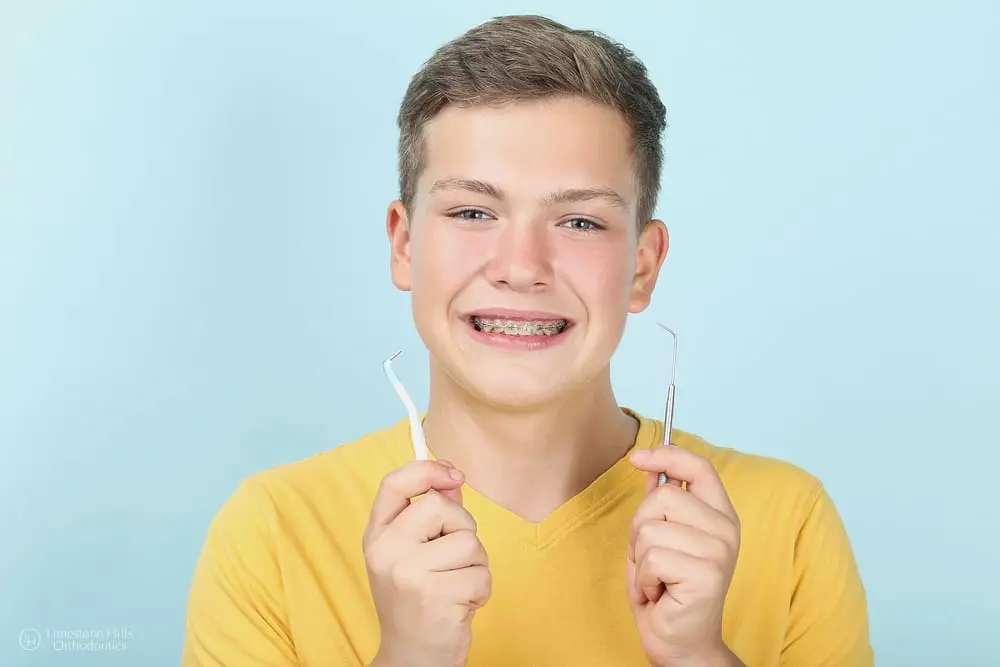
Young man with metal braces holding a toothbrush and dentist tool after knowing about remove food from braces

Why Choose Us for Orthodontic Care in Austin, TX?

At our Austin orthodontic office, we focus on giving each patient the best care possible. Here’s why families trust us with their smiles:

Experienced Orthodontists

Our team has years of experience treating kids and teens with jaw alignment issues. We offer effective treatments like reverse pull headgear for great results.

Customized Treatment Plans

Every smile is different! We create personalized plans that match your child’s unique needs.

Support From Start to Finish

Our friendly team will be there every step of the way, from the first visit to the final result, answering questions and making adjustments as needed.

Multiple Treatment Options

We provide a variety of choices, including reverse pull headgear, Invisalign, and traditional braces, ensuring the right fit for every patient.

Schedule Your Free Consultation Today!

Looking for expert orthodontic care in Austin, TX? Visit us for a free consultation! We’ll examine your smile, discuss personalized treatment options, and create a plan to help you achieve straight, healthy teeth. Booking is easy—give us a call or schedule online. Our friendly team is here to support you every step of the way!

About the Authors

Dr. Rodrigo Viecilli – Orthodontist in Austin, TX

Frequently Asked Questions

How to get rid of plaque in between braces?

First off, make sure you’re brushing after every meal with a soft-bristled toothbrush, paying extra attention to those tricky spots around your brackets and wires. Flossing is super important too, so try using a floss threader or orthodontic floss to get between those teeth. If you’re looking for a little extra help, consider using an interdental brush or a water flosser to reach those hard-to-clean areas. And don’t forget about mouthwash – a good antibacterial rinse can help keep plaque at bay.

What kind of brush do you use to get food out of braces?

If you’re looking to keep those braces sparkling clean and free of food bits, a handy little tool called an interdental brush is your best friend. These tiny brushes are designed to fit perfectly between the wires and brackets, reaching those tricky spots where food loves to hide. They’re super easy to use and come in various sizes, so you can find the perfect fit for your braces. Just gently wiggle it between your teeth and braces, and voilà, you’re all set for a fresh, clean smile!

Will Braces Change My Face Shape?

Yes, when your teeth and jaw are aligned properly, it can enhance your natural features and bring a more harmonious balance to your face. While the changes might be subtle, many people notice improvements in their smile and overall facial symmetry. So, if you’re looking for an answer to “Will Braces Change My Face Shape?” keep reading to discover how orthodontic treatment can enhance your smile and overall facial harmony!

smiling young man metal braces light background after asking about "Will Braces Change My Face Shape?"

Understanding the Basics of Braces

Braces are used to fix problems with teeth and jaw alignment. Orthodontic treatment can improve your smile, oral health, and even how your face looks over time.

What Are Braces?

Braces are special tools that guide teeth into better positions. They include brackets, wires, and sometimes rubber bands. These devices create gentle pressure on your teeth and jaw to move them into alignment.

Goals of Orthodontic Treatment

The main goals of braces are to:

  • Straighten crooked teeth.
  • Fix bite problems, such as overbites or underbites.
  • Align the upper and lower jaw.
  • Improve overall oral health.

By addressing these issues, braces can also make small, positive changes to your facial structure.

Common Issues Braces Fix

Braces are effective for correcting several dental problems, like:

  • Crooked teeth: Help teeth line up properly, creating a straighter smile.
  • Open bite: Fix gaps where the top and bottom teeth don’t meet when closing the mouth.
  • Protruding teeth: Move teeth that stick out back into place, protecting them from injury.

Braces and Facial Structure

Braces can do more than straighten teeth—they can also impact your facial symmetry and shape.

Jaw Alignment

Braces can change the alignment of your upper and lower jaw. This adjustment can affect how your jaw looks and functions. By correcting jaw misalignment, braces can make a face look more balanced.

Facial Asymmetry

If your face looks uneven due to a misaligned jaw, orthodontic treatment can help correct this. Braces can bring symmetry to your face, making it more proportional.

Mouth and Lips

Teeth position plays a big role in how your mouth and lips look. When braces adjust your bite, they can change the way your lips rest. A straighter smile often leads to an improved appearance of the mouth.

Specific Changes to Face Shape

While braces do not drastically change your face, subtle improvements can make a big difference in how you look.

Jawline

If your jaw is misaligned, braces can improve the jawline’s shape. For example, correcting an overbite can give the lower jaw a more defined appearance. Similarly, fixing an underbite can reduce the prominence of the lower jaw.

Cheeks and Lips

Braces can create slight changes to the cheeks. These changes occur as teeth and jaws move to their ideal positions. Additionally, orthodontic treatment can adjust how your lips rest, especially if protruding teeth were pushing them forward.

Facial Symmetry

One of the most significant changes braces can make is improving facial symmetry. A more aligned jaw and evenly spaced teeth often lead to a more harmonious and balanced face.

Case Studies and Findings

What Research Says

Numerous studies have observed that braces can improve facial appearance when teeth or jaw misalignment is significant. Patients with severe overbites or underbites tend to experience noticeable changes in their jaw and lower face structure following treatment.

Patient Examples

Some patients notice small but meaningful changes in their faces after finishing treatment. For example:

  • A teenager with a large overbite saw improvements in their jawline definition.
  • An adult with crowded teeth achieved better facial balance and a more confident smile.

Factors That Influence Change

Factors like age, the severity of the misalignment, and the type of braces or appliances used (e.g., headgear or elastics) can influence the extent of facial changes. Younger patients typically see more noticeable results because their bones are still growing and easier to adjust.

Braces for Adults

Braces can still make adjustments to facial structure in adults, though changes may be less dramatic than in children.

Subtle Improvements

Adults can expect small shifts in jaw alignment and teeth positions that enhance their smile and facial balance.

Bone Growth Factors

Since adults’ bones are no longer growing, treatment focuses on teeth movement rather than major jaw adjustments. In some cases, more complex orthodontic appliances like expanders or surgery may be needed for more dramatic changes.

Why Adults Choose Braces

Many adults seek braces to boost their confidence and improve oral health. A straighter smile not only looks better but also makes teeth easier to clean and maintain.

Creating a Personalized Treatment Plan

The key to achieving the best results from braces is a personalized plan.

Consultation with an Orthodontist

Your orthodontist will evaluate your teeth, jaw, and overall facial structure before creating a treatment plan. They’ll use X-rays, photos, and scans to customize the treatment to meet your goals.

Tailored Approach

Every patient is unique. Whether you’re fixing a small alignment issue or a complex jaw problem, your orthodontist will design the treatment to best suit your needs.

Ongoing Monitoring and Adjustments

Your orthodontist will track your progress during regular appointments. They’ll make adjustments as needed to ensure your teeth and jaw are moving in the right direction.

smiling african american girl pointing finger metal braces her teeth after asking about ""Will Braces Change My Face Shape?

Expert & Caring Orthodontic Care in Austin, TX

We believe every patient deserves high-quality, personalized orthodontic care. That’s why families in Austin, TX, trust us to help them achieve beautiful, healthy smiles!

Experienced Orthodontists

Our specialists have years of experience treating children and teens with jaw alignment issues, using effective treatments like reverse pull headgear.

Customized Treatment Plans

We understand that each smile is unique, so we tailor treatments to fit every patient’s needs.

Support at Every Step

Our friendly team is here to guide you throughout the process, answering questions and making sure everything goes smoothly.

Different Treatment Options

From traditional braces to Invisalign and reverse pull headgear, we offer a range of solutions to suit different needs.

Book Your Free Orthodontic Consultation in Austin!

Take the first step toward a beautiful smile! Visit our Austin, TX office for a free consultation, where we’ll evaluate your teeth and recommend the best treatment options. Scheduling is quick and easy—just give us a call or visit our website. We’re here to support you from start to finish!

About the Authors

Dr. Rodrigo Viecilli – Orthodontist in Austin, TX

Frequently Asked Questions

Can your face shape change with braces?

When you wear braces, they work by aligning your teeth and jaw, which can subtly alter the contours of your face. For instance, if you had an overbite or underbite, correcting these issues can lead to a more balanced and harmonious facial appearance. It’s like giving your face a little makeover, thanks to the wonders of orthodontics! So, while the changes might not be drastic, they can certainly enhance your smile and the overall look of your face, making you feel even more confident.

Will braces improve my jawline?

Braces can definitely play a role in enhancing your jawline, especially if your teeth alignment is affecting the overall structure of your face. By straightening your teeth and correcting your bite, braces can help create a more balanced and harmonious appearance, which might make your jawline look more defined. Of course, the results can vary depending on your unique situation, but many people find that their facial aesthetics improve after orthodontic treatment.

Do braces change your asymmetrical face?

Braces can indeed play a role in changing the appearance of an asymmetrical face, but it’s not a one-size-fits-all solution. By aligning your teeth and adjusting your bite, braces can help create a more balanced look, which might subtly enhance facial symmetry. However, it’s important to remember that everyone’s face is unique, and changes can vary from person to person.

Can Braces Stain My Teeth?

Braces themselves don’t stain your teeth, but they can make it a bit trickier to keep your pearly whites sparkling clean. The brackets and wires can create little nooks and crannies where food particles and plaque love to hide. If these aren’t cleaned away properly, they can lead to staining or even cavities over time.

So, can braces stain my teeth? Not directly—but poor oral hygiene during treatment can. But don’t worry! With diligent brushing, flossing, and regular dental check-ups, you can keep your smile bright and healthy while rocking those braces. Remember, your orthodontist is there to help, so don’t hesitate to ask for tips on maintaining that dazzling smile!

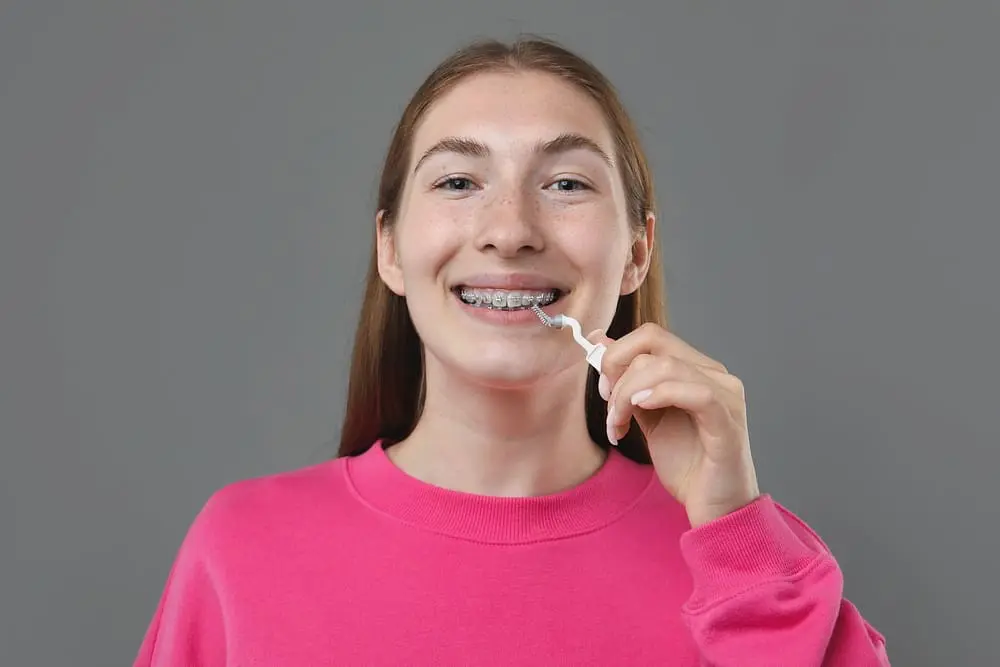
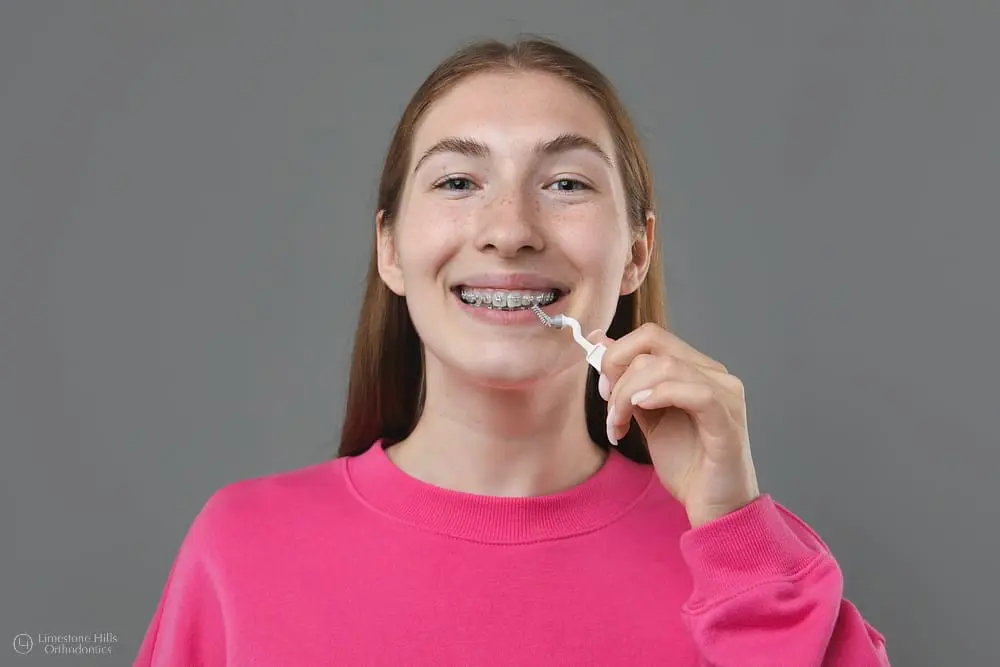
Teenage girl with metal braces cleaning her teeth with an interdental brush, answering the question "can braces stain my teeth?"

Causes of Tooth Staining with Braces

Tooth staining can happen when braces are not paired with good oral care. Here are some key factors that contribute to discoloration:

1. Bracket and Wire Material

The brackets and wires used in braces can sometimes trap food particles and plaque, which increases the chances of staining. If you do not clean around these materials thoroughly, stains may develop where the brackets attached to your teeth.

2. Plaque Buildup

Plaque is a sticky layer of bacteria that forms on teeth. It tends to gather around braces, especially where the brackets and wires meet. If plaque builds up and isn’t removed, it hardens into tartar, which can discolor teeth.

3. Staining Foods and Drinks

Certain foods and beverages are more likely to stain teeth, particularly when wearing braces. These include:

  • Dark beverages: Coffee, tea, and soda can cause stains.
  • Colorful foods: Berries, tomato sauces, and curry can leave behind discoloration.
  • Sugary snacks: Sticky candies and sugary treats encourage plaque buildup, leading to stains.

Limiting these foods and drinks during your treatment can significantly reduce the chances of staining.

4. Poor Oral Hygiene Practices

Inconsistent brushing and flossing increase the risk of stains. When you don’t clean your teeth properly, plaque stays on your teeth longer, leading to discoloration around the brackets and gumline.

Preventing Stains While Wearing Braces

The good news is that stains can be prevented with a well-planned oral care routine and lifestyle adjustments.

1. Regular Brushing and Flossing

Brushing and flossing are your first line of defense against plaque buildup. Brush your teeth at least twice a day, and use floss threaders or orthodontic floss to get between braces and wires.

2. Use of Soft-Bristle Brushes

Soft-bristle toothbrushes are gentle on teeth and gums, making them ideal for cleaning braces. They’re effective at getting around brackets and wires without causing damage. Electric toothbrushes with special orthodontic heads can also be very helpful.

3. Dietary Adjustments

What you eat matters when it comes to preventing stains. To protect your teeth, limit or avoid:

  • Dark drinks like coffee, tea, and red wine.
  • Acidic drinks like soda, which can weaken enamel.
  • Foods with natural or artificial coloring, such as berries, candy, or brightly colored sauces.

Eating more braces-friendly foods, such as plain yogurt, bananas, and steamed veggies, can help keep your teeth clean and reduce staining risks.

4. Professional Cleanings

Visiting your dentist regularly for professional cleanings is crucial when you have braces. Dental professionals can remove plaque and tartar buildup that you might miss during daily brushing and flossing. Regular cleanings can prevent stains from becoming permanent.

Managing Stains and Maintaining Tooth Color

If stains occur despite your best efforts, there are ways to address them after your braces are removed.

1. Composite Restoration

Composite resin can be used to repair discoloration and restore the natural look of your teeth after braces. This method is especially helpful for addressing areas that are darker or unevenly colored.

2. Color Restoration Techniques

After your braces are removed, teeth whitening treatments can brighten your smile. Options include professional whitening at the dentist’s office or at-home whitening kits with custom trays.

3. Addressing White Spots

In some cases, white spots form on teeth during orthodontic treatment. These are areas where plaque was not cleaned properly, causing enamel demineralization. Treatments to address white spots may include:

  • Topical fluoride treatments: Fluoride can help rebuild weakened enamel.
  • Microabrasion: Light polishing removes surface-level spots.
  • Resin infiltration: A technique that fills affected areas with resin to match your tooth color.

Your dentist will recommend the best solution based on the severity of the problem.

Importance of Oral Hygiene During Orthodontic Treatment

Good oral hygiene is essential for preventing stains and keeping your teeth and gums healthy throughout your orthodontic journey.

1. Preventing Tooth Decay and Gum Disease

Braces create more areas for bacteria to hide, so proper cleaning is vital to prevent tooth decay and gum disease. Keep plaque at bay to ensure your teeth and gums remain healthy during and after treatment.

2. Removing Food Particles

Toothbrushes and floss tools designed for braces help remove food particles that can accumulate around brackets and wires. Rinsing with water or a mouthwash after meals can further help keep your mouth clean.

3. Maintaining Consistency

Make oral care part of your daily routine. Aim to brush for at least two minutes and focus on cleaning around each bracket and along the gumline. Consistency will pay off, helping you avoid staining and plaque issues.

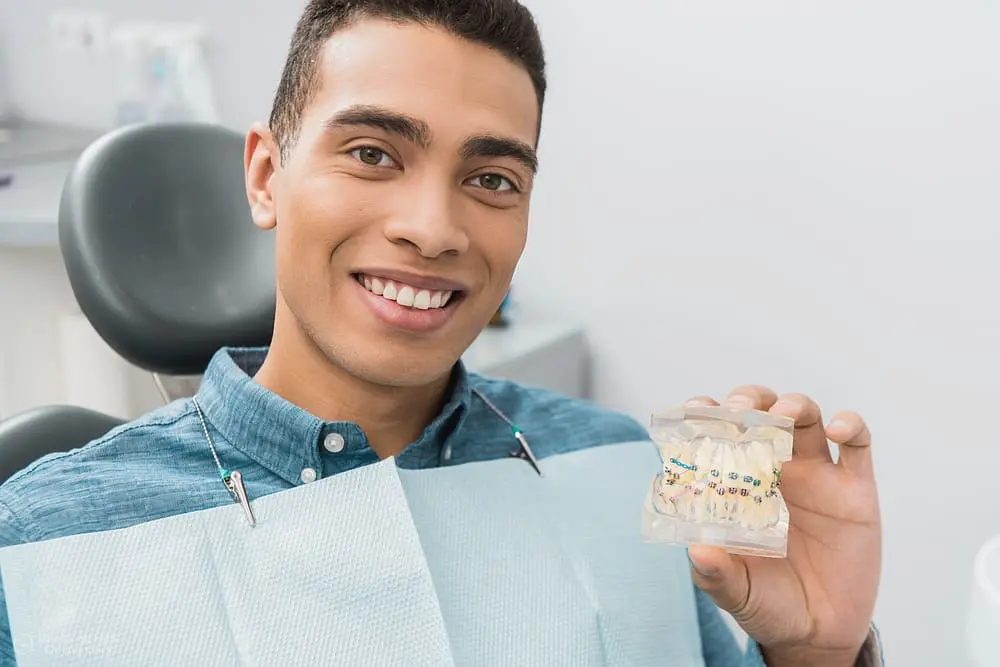
Smiling patient in blue bib holding a dental model with metal braces illustrating "can braces stain my teeth?"

Why Choose Our Orthodontic Practice in Austin, TX?

At our Austin orthodontic office, we’re dedicated to providing high-quality, personalized care to every patient. Here’s why families trust us for their orthodontic needs:

Experienced Orthodontic Experts

Our skilled orthodontists have years of experience treating children and teens with jaw alignment issues. We specialize in effective treatments like reverse pull headgear, delivering exceptional results tailored to each patient.

Customized Treatment Plans

No two smiles are the same, which is why we design personalized treatment plans to meet your child’s unique needs and goals, ensuring the best possible outcome.

Comprehensive Support Throughout Treatment

From your very first consultation to the final reveal of your new smile, our caring team is here to support you. We’re always available to answer questions, make adjustments, and offer guidance every step of the way.

A Wide Range of Treatment Options

We offer more than just reverse pull headgear. Our practice provides a variety of orthodontic solutions, including Invisalign and traditional braces, so we can find the perfect fit for every patient.

Schedule Your Free Consultation Today!

Come see us in Austin, TX, for a free consultation! During your visit, we’ll assess your teeth, go over your treatment options, and discuss how we can help you achieve a straight, confident smile. Scheduling is simple—give us a call or visit our website to book a time that works for you! Our friendly team is ready to answer your questions and guide you every step of the way.

About the Authors

Dr. Rodrigo Viecilli – Orthodontist in Austin, TX

Frequently Asked Questions

Do teeth stains from braces go away?

Teeth stains from braces can definitely go away! Once your braces are removed, your teeth might have some temporary discoloration, but don’t worry. Regular brushing, flossing, and professional cleanings can help brighten your smile. Over time, any stains usually fade, and if you want an extra boost, whitening treatments can be a great option.

How to remove yellow stains from braces?

Start by brushing your teeth thoroughly after every meal with a fluoride toothpaste and a soft-bristled toothbrush. You might also want to try using an interdental brush or a water flosser to get into those hard-to-reach spots around the brackets. Rinsing with a mouthwash can also help keep your braces sparkling clean. For a little extra help, consider using a whitening toothpaste once or twice a week, but make sure it’s safe for braces.

Are Braces Necessary?

Expert Insights on Straightening Teeth

Braces are a great solution for achieving a straight, healthy smile. However, whether you need them depends on your individual dental needs. For some, braces are important to fix medical issues like jaw alignment or bite problems, which can get worse if left untreated. For others, braces are more about improving how their teeth look and boosting confidence. The best way to know “are braces necessary” for you is to visit an orthodontist. They can create a treatment plan that suits your needs.

Smiling teenage boy with metal braces, wearing a red hat, showing his teeth confidently while wondering are braces necessary for him?

Understanding the Purpose of Braces

Braces are designed to make teeth straight and fix alignment problems in the jaw or bite. They can make a big difference for your oral health and how you feel about your smile. The main reasons for braces are either medical or cosmetic.

Medical Reasons for Braces

Are Braces Necessary? Braces may be needed when dental or jaw problems affect your everyday life. Some examples of these problems include:

  • Chewing difficulties: Severe misalignment can make it hard to bite or chew food, which may lead to digestion problems.
  • Jaw pain: A poorly aligned jaw adds stress to your joints and causes discomfort.
  • Difficulty cleaning teeth: Crooked or overcrowded teeth are harder to keep clean, which increases the chances of cavities and gum disease.

Cosmetic Reasons for Braces

Braces are also popular for fixing how teeth look. Straight, well-spaced teeth help create a beautiful smile, which can make people feel more confident. Whether it’s closing gaps or aligning crooked teeth, braces address appearance concerns. While these changes are cosmetic, they can be life-changing for many.

Common Problems Braces Solve

Braces are used to treat a range of dental issues, such as:

  • Crooked or crowded teeth: Teeth growing too close together can cause discomfort and are harder to clean.
  • Bite problems: Overbites, underbites, and crossbites can make chewing or speaking difficult over time.
  • Gaps between teeth: Wide spaces make gums more exposed, leading to sensitivity and hygiene challenges.

By addressing these problems, braces improve both the function and appearance of your teeth.

Health Benefits of Braces

Braces do more than enhance appearances. They improve oral health and prevent potential dental issues in the future.

Short-Term Oral Health Improvements

When teeth are properly aligned, keeping them clean becomes much easier. Braces help by:

  • Reducing the risk of tooth decay: Straight teeth prevent food particles from hiding in hard-to-reach spaces.
  • Improving bite functionality: Braces align your teeth so they fit together correctly, making chewing and speaking easier.

Long-Term Benefits of Braces

The benefits of braces don’t stop once treatment ends. They protect your oral health for years to come:

  • Easier maintenance: Straight teeth are simpler to brush and floss, so you’re more likely to maintain a bright smile and healthy gums.
  • Prevention of major problems: Fixing alignment issues early ensures you won’t require costly, complicated procedures later, such as jaw surgery or dental restorations.

With these benefits, braces lay the foundation for lifelong good oral health.

Boosting Confidence and Social Comfort

How you feel about your smile can have an impact on your confidence. Braces not only improve your oral health but also help you feel good about how you present yourself to others.

Increased Self-Esteem

For many, uneven or crowded teeth cause embarrassment. Braces bring relief by:

  • Helping you feel confident: A healthy, straight smile makes people feel more comfortable in both personal and professional situations.
  • Reducing insecurities: Fixing teeth that you may be self-conscious about leads to feeling happier with your appearance.

Positive Social Perceptions

Your smile affects how others see you. Braces can improve social interactions in several ways:

  • Making strong first impressions: A neat smile gives off a positive impression in social and professional settings.
  • Adding comfort in conversations: When you’re happy with your teeth, you’ll engage more confidently with others.

Braces not only benefit your teeth but also influence the way you feel and how others interact with you, making them a meaningful investment.

Types of Braces and How to Choose

Once you’ve decided to get braces, the next step is to learn about the available options and choose what works best for you.

Traditional Metal Braces

Metal braces use brackets and wires to slowly straighten teeth. These are one of the most effective treatments for fixing complex alignment problems. Though they are more noticeable, they are durable and reliable for a variety of dental issues.

Invisalign Clear Aligners

Clear aligners like Invisalign are a more discreet option. These clear plastic trays shift teeth gradually and can be removed easily for eating and brushing. They are usually ideal for cases with mild to moderate alignment problems and are less obvious than metal braces. However, they require disciplined use to achieve the best results.

Factors to Consider

When deciding on the type of braces, think about:

  • Severity of the problem: Metal braces are better for complex alignment issues, while clear aligners work well for simpler corrections.
  • Lifestyle: If being able to remove the braces is important, clear aligners may be the best option.
  • Budget: Metal braces are generally more affordable than clear aligners, so costs may play a role in the decision.

Your orthodontist will help you weigh these factors and choose the treatment that fits your needs and lifestyle.

Hands holding dental tools near a smiling woman with metal braces, orthodontic treatment scene to explain are braces necessary

Why Choose Our Austin, TX Orthodontic Practice?

At our Austin orthodontic office, we’re dedicated to providing top-quality, personalized care to every patient. Here’s why families trust us with their orthodontic needs:

Expert Orthodontic Care

Our skilled orthodontists have years of experience treating children and teens with jaw alignment issues. We specialize in effective solutions like reverse pull headgear to help patients achieve great results.

Customized Treatment Plans

We understand that every smile is unique. That’s why we design personalized treatment plans tailored to meet your child’s specific needs and goals.

Comprehensive Support Throughout Treatment

From your first consultation to the final results, our friendly team will be with you every step of the way—answering questions, making adjustments, and offering expert advice.

Wide Range of Treatment Options

Along with reverse pull headgear, we offer a variety of options, including Invisalign and traditional braces, ensuring we have the right solution for every patient.

Book Your Free Consultation Today!

Visit our Austin, TX office for a free consultation! We’ll assess your teeth, review treatment options, and discuss how we can help you achieve a straighter, more confident smile. Scheduling is easy—just give us a call or visit our website to choose a time that works best for you. Our team is excited to help guide you on your journey to a beautiful smile!

About the Authors

Dr. Rodrigo Viecilli – Orthodontist in Austin, TX

Frequently Asked Questions

What happens if I don’t wear braces?

If you decide not to wear braces, it’s totally okay, but just keep in mind that your teeth might not align as perfectly as they could. You might experience some crowding or spacing issues, and in some cases, it could affect your bite, which might make chewing a bit tricky. Also, misaligned teeth can sometimes be a little harder to clean, which could lead to other dental issues down the road.

Do I need braces if I have TMJ?

If you’re dealing with TMJ (temporomandibular joint) issues, you might be wondering if braces could help. While braces are typically used to straighten teeth and correct bite issues, they can sometimes alleviate TMJ symptoms by improving the alignment of your bite. However, it’s not a one-size-fits-all solution, and not everyone with TMJ will need braces.

Will braces fix my clicking jaw?

If you’re dealing with a clicking jaw, braces might be part of the solution, but it really depends on the underlying cause. Sometimes, a clicking jaw can be due to misalignment or bite issues, which braces can definitely help with by straightening your teeth and aligning your bite. However, if the clicking is related to other factors like TMJ disorders, you might need a combination of treatments.

How to Get Braces Glue Off Teeth

How to Get Braces Glue Off Teeth: Safe & Effective Methods

First, you might want to try brushing your teeth with a whitening toothpaste, as it can help break down the adhesive. A soft-bristled toothbrush will be gentle on your gums while still doing the trick. You can also try using a dental floss to gently scrape off any remaining glue. If the glue is being particularly stubborn, a visit to your dentist might be the best bet—they have special tools and expertise to safely remove it without damaging your enamel. If you’re trying to find the answer to “How to Get Braces Glue Off Teeth“, keep on reading!

a woman holding teeth replica illustrating How to Get Braces Glue Off Teeth

Understanding Braces Glue

What Is Braces Glue?

Braces glue is a special type of dental adhesive that bonds brackets to your teeth during orthodontic treatment. This glue is designed to be strong enough to hold the brackets in place throughout the treatment process, even when eating and brushing.

Purpose of Braces Glue

Braces glue plays a key role in straightening teeth by ensuring that the brackets and wires stay securely attached. Without this adhesive, braces would not be able to apply the necessary pressure to shift teeth into the correct position.

Since braces glue is made to be strong, it does not always come off easily. Some residue may remain on the surface of the teeth after braces are removed. That is why professional removal is often necessary.

Potential Challenges of Removing Braces Glue

While it might be tempting to try removing braces glue at home, there are several risks to be aware of:

1. Damage to Enamel

Braces glue bonds directly to the enamel, the protective outer layer of your teeth. If you try to scrape or pick at the glue using sharp objects, you could accidentally remove some enamel along with it. This can lead to tooth sensitivity and make teeth more vulnerable to decay.

2. Bracket Breakage

If your braces are still on and you attempt to remove excess glue, you might accidentally break a bracket. This could require additional orthodontic work and extend your treatment time.

3. Ensuring Tooth Safety

The best way to protect your teeth and ensure a smooth transition after braces is to have the glue removed by a professional. Orthodontists have the right tools and experience to remove braces glue safely without harming your teeth.

The Professional Removal Process

1. Expertise of a Dental Professional

Orthodontists and dentists have specialized training in safely removing dental adhesive without damaging the enamel. They use professional tools to gently remove the glue while keeping your teeth healthy and smooth.

2. Tools and Techniques Used

To remove braces glue, dental professionals use the following tools:

  • Dental Scaler – A handheld instrument that gently scrapes off glue without harming the tooth’s surface.
  • Polishing Tool – A high-speed dental polisher with a special paste that smooths out any remaining adhesive.
  • Ultrasonic Scaler – A device that uses vibrations to loosen and remove tough adhesive.

These tools ensure that all glue is removed completely, leaving your teeth feeling smooth and looking clean.

3. Time Efficiency

One of the biggest advantages of professional removal is how quick the process is. It typically takes just a few minutes, with little to no discomfort. In contrast, trying to remove glue at home can be time-consuming and potentially harmful.

Post-Brace Care: Keeping Your Teeth Healthy

Once the braces glue is removed, it is important to take care of your teeth to keep them healthy and strong. Here are some simple steps to follow after braces:

1. Maintain Good Oral Hygiene

After braces, your teeth may be more sensitive, so maintaining proper oral care is crucial. Brush your teeth at least twice a day using a soft-bristled toothbrush and fluoride toothpaste. This will help prevent cavities and keep your enamel strong.

2. Rinse with Warm Water

If your gums feel sore after braces removal, rinsing with warm salt water can help soothe irritation. Mix a teaspoon of salt with a cup of warm water and swish it around your mouth for 30 seconds. This will also help keep your gums healthy.

3. Floss Regularly

Flossing helps remove any remaining plaque or debris between your teeth. After braces, it is easier to floss since there are no wires in the way. Use regular floss or a water flosser to keep your gums and teeth clean.

4. Consider Teeth Whitening

Some patients notice slight discoloration or uneven shading on their teeth after braces. If this is a concern, talk to your orthodontist about safe teeth-whitening options. Avoid over-the-counter whitening products until you get professional advice, as some can be too harsh on newly exposed enamel.

5. Wear a Retainer

Your orthodontist will likely provide a retainer to help keep your teeth in their new position. Wearing your retainer as instructed will prevent shifting and maintain your straight smile. According to Dr. Tate Chauncey, a skilled orthodontist in Henderson, NV, many people lose part of their hard work by skipping retainers, so daily wear is just as key as the time spent in braces.

a woman posing illustrating How to Get Braces Glue Off Teeth

Why Choose Professional Orthodontic Services in Austin, TX?

If you are in Austin, TX, and need professional braces glue removal, choosing an experienced orthodontist is the best option. Here’s why:

1. Local Expertise

Local orthodontists understand the needs of their community and provide personalized care tailored to each patient. You can trust a professional who is experienced in treating patients in your area.

2. Comprehensive Treatment Options

A good orthodontic office offers more than just braces and glue removal. They provide complete orthodontic care, from the initial consultation to post-treatment services such as retainers and teeth whitening.

3. Ensuring a Healthy Smile

The goal of orthodontic treatment is not just to straighten teeth but to ensure long-term oral health. Professional care ensures that your teeth remain healthy, strong, and beautiful even after braces are removed.

Why Choose Our Orthodontic Practice in Austin, TX?

At our orthodontic office in Austin, we are dedicated to providing high-quality, personalized care for every patient. Here’s why families continue to trust us with their orthodontic treatment:

Skilled and Experienced Orthodontists

Our team has years of experience helping children, teens, and adults achieve healthier, more confident smiles. Whether you need braces, Invisalign, or jaw alignment treatment, we have the expertise to deliver outstanding results.

Personalized Treatment Plans

Every smile is unique, and we believe your treatment should be too. We design customized orthodontic plans tailored to your specific needs, ensuring the most effective and comfortable care.

Support Throughout Your Journey

From your first consultation to the final stages of your treatment, we’re here for you every step of the way. Our friendly team is always available to answer questions, make adjustments, and keep you on track toward your perfect smile.

A Wide Range of Treatment Options

We offer various orthodontic solutions, including Invisalign, traditional metal braces, and reverse pull headgear. No matter your dental concerns, we’ll help you find the best treatment for a straight, healthy smile.

Contact Us Today!

Come visit us in Austin, TX, for a free consultation! We’ll check your teeth, talk about your options, and explain how we can help you get the smile you’ve always wanted. Scheduling is easy—just call us or visit our website to pick a time that works for you. Our friendly team is excited to help and answer all your questions!

About the Authors

Dr. Rodrigo Viecilli – Orthodontist in Austin, TX

Frequently Asked Questions

What loosens braces glue?

Eating really hard or sticky foods can sometimes put stress on the brackets and glue, making them more likely to loosen. Also, certain acidic foods and drinks might weaken the adhesive over time. It’s always a good idea to follow your orthodontist’s advice on what to eat and how to care for your braces to keep everything in place.

Can braces glue stain your teeth?

Well, the good news is that the adhesive used to attach braces to your teeth is designed to be tooth-friendly and typically doesn’t cause staining. However, it’s super important to maintain good oral hygiene while wearing braces. Plaque and food particles can accumulate around the brackets, and if not cleaned properly, they might lead to discoloration. So, just keep up with your brushing and flossing routine, and you’ll be flashing that bright smile in no time!

How To Clean Braces

How To Clean Braces: A Comprehensive Guide

Start by brushing your teeth after every meal with a soft-bristled toothbrush and fluoride toothpaste. Make sure to angle your brush at a 45-degree angle to clean around the brackets and wires. Don’t forget to brush your gums and tongue too! Next, use an interdental brush or floss threader to get between your teeth and under the wires. This might take a little practice, but you’ll be a pro in no time. Consider using a mouthwash to rinse away any leftover debris and keep your breath fresh. If you’re trying to find the answer to “How To Clean Braces”, keep on reading!

a woman pointing at her teeth with metal braces illustrating How To Clean Braces

Why Cleaning Braces Is Important

Braces work by slowly shifting your teeth into the correct position. However, because they have brackets and wires, food and bacteria can easily get trapped. If plaque builds up, it can cause problems like:

  • Cavities – Bacteria feed on leftover food, producing acids that wear away tooth enamel.
  • Gum Disease – Poor cleaning can lead to swollen, bleeding gums, which may make your treatment more uncomfortable.
  • White Spots – If plaque stays on your teeth too long, it can cause permanent white stains.
  • Bad Breath – Trapped food and bacteria can create an unpleasant smell.

The good news is that with proper cleaning, you can avoid these issues and keep your teeth in great condition while wearing braces.

Best Tools for Cleaning Braces

Cleaning braces is different from regular tooth brushing. You need extra tools to clean around brackets and wires properly. Here are some of the best tools to use:

1. Choosing the Right Toothbrush

  • Manual Toothbrush: A soft-bristle toothbrush is best for braces. It helps clean around brackets and wires without being too harsh on your gums. Brush at an angle to remove plaque from all sides of the brackets.
  • Electric Toothbrush: An electric toothbrush can make cleaning easier because the vibrating bristles help remove plaque more effectively. Look for one with a sensitive setting to avoid damaging your braces.

2. Flossing with Braces

Flossing is harder with braces, but it is very important to clean between your teeth. Here are some tools that can help:

  • Floss Threader: This small tool helps you thread regular floss under the wires of your braces so you can clean between your teeth.
  • Orthodontic Floss: This type of floss is stiffer on one end, making it easier to slide under your braces.
  • Water Flosser: A water flosser sprays a stream of water between your teeth, helping remove food and plaque from hard-to-reach areas.

3. Interdental Brushes

An interdental brush is a small, thin brush designed to clean between your teeth and around brackets. It can reach areas that a regular toothbrush might miss.

Daily Cleaning Routine for Braces

Brushing and flossing with braces takes extra time, but it is worth the effort. Follow this simple routine every day to keep your teeth and braces clean:

Morning Routine:

  1. Brush your teeth using a soft-bristle toothbrush and fluoride toothpaste for at least two minutes. Make sure to brush all surfaces, including around the brackets and gumline.
  2. Use an interdental brush to clean around the brackets and wires.
  3. Floss using a floss threader or water flosser to remove plaque between your teeth.

After Every Meal:

  1. Rinse your mouth with water to wash away loose food particles.
  2. Brush your teeth if possible, or at least use an interdental brush to clean around brackets.
  3. If brushing isn’t possible, chew sugar-free gum or rinse with mouthwash to help remove bacteria.

Nighttime Routine:

  1. Brush your teeth again, taking extra care to remove any food stuck in your braces.
  2. Floss thoroughly using a floss threader or water flosser.
  3. Use a fluoride mouthwash to strengthen your teeth and help prevent cavities.

Common Cleaning Challenges and Solutions

Cleaning braces can sometimes be tricky, especially when food gets stuck. Here are some common problems and how to solve them:

  • Food Stuck in Braces – Use an interdental brush or water flosser to remove food particles.
  • Plaque Build-up – Make sure you are brushing at least twice a day and flossing daily. Using fluoride toothpaste and mouthwash can help prevent plaque from hardening into tartar.
  • Sore Gums – If your gums feel sore from flossing, rinse with warm salt water to reduce inflammation.

What Foods to Avoid for Easier Cleaning

Certain foods can make cleaning your braces more difficult and increase your risk of cavities. Try to avoid:

  • Sticky foods like caramel, gum, and chewy candy that can get stuck in your braces.
  • Hard foods like popcorn, nuts, and ice that can break brackets or wires.
  • Sugary snacks like soda, juice, and candy, which can increase plaque buildup.

Instead, choose braces-friendly foods like yogurt, soft fruits, steamed vegetables, and lean meats.

How to Keep Your Breath Fresh with Braces

Bad breath can be a problem if food gets trapped in your braces. To keep your breath fresh:

  • Brush and floss regularly to remove food particles.
  • Drink plenty of water to rinse away bacteria.
  • Use a tongue scraper to remove bacteria from your tongue.
  • Chew sugar-free gum or suck on sugar-free mints to keep your mouth moist.
a woman pointing at her teeth with metal braces illustrating How To Clean Braces

Why Choose Our Orthodontic Practice in Austin, TX?

At our orthodontic office in Austin, we are dedicated to providing high-quality, personalized care for every patient. Here’s why families continue to trust us with their orthodontic treatment:

Skilled and Experienced Orthodontists

Our team has years of experience helping children, teens, and adults achieve healthier, more confident smiles. Whether you need braces, Invisalign, or jaw alignment treatment, we have the expertise to deliver outstanding results.

Personalized Treatment Plans

Every smile is unique, and we believe your treatment should be too. We design customized orthodontic plans tailored to your specific needs, ensuring the most effective and comfortable care.

Support Throughout Your Journey

From your first consultation to the final stages of your treatment, we’re here for you every step of the way. Our friendly team is always available to answer questions, make adjustments, and keep you on track toward your perfect smile.

A Wide Range of Treatment Options

We offer various orthodontic solutions, including Invisalign, traditional metal braces, and reverse pull headgear. No matter your dental concerns, we’ll help you find the best treatment for a straight, healthy smile.

Contact Us Today!

Come visit us in Austin, TX, for a free consultation! We’ll check your teeth, talk about your options, and explain how we can help you get the smile you’ve always wanted. Scheduling is easy—just call us or visit our website to pick a time that works for you. Our friendly team is excited to help and answer all your questions!

About the Authors

Dr. Rodrigo Viecilli – Orthodontist in Austin, TX

Frequently Asked Questions

What is the best tool to clean your teeth with braces?

When it comes to keeping your teeth clean with braces, a trusty orthodontic toothbrush is your best friend! These brushes are specially designed with a smaller head and softer bristles to navigate around brackets and wires with ease. Pair it with an interdental brush or a water flosser to reach those tricky spots between your teeth and braces. And don’t forget the fluoride toothpaste to keep your smile bright and healthy.

How to clean under braces wire?

First, grab an interdental brush or a proxabrush, which are small brushes designed to fit under the wires and between the teeth. Gently slide it under the wire and move it back and forth to remove any food particles or plaque. You can also use a water flosser, which uses a stream of water to clean those hard-to-reach areas under the wires. Don’t forget to brush your teeth thoroughly with a soft-bristled toothbrush and fluoride toothpaste, angling the brush to reach the top and bottom of the brackets.

How to get rid of braces band stains?

First off, make sure you’re brushing your teeth after every meal using a good whitening toothpaste. This helps keep stains at bay. Also, try to avoid foods and drinks that are known culprits for staining, like coffee, tea, and berries. If you can’t resist, just rinse your mouth with water afterward. You might also want to give flossing a go, as it helps remove any food particles that could contribute to staining.