Retainer Care Tips for Austin, TX, Residents – Protect Your Smile for Life

Are you looking for retainer care tips for Austin, TX residents? After your braces or Invisalign treatment, wearing your retainer is the best way to protect those results. In Austin, TX, people lead busy and active lives. But no matter your routine, taking good care of your retainer is key to long-term oral health and retention.

This article gives simple, local-focused retainer care tips. Follow these best practices to keep your smile bright for life.
beautiful smiling girl with retainer for teeth close up - Retainer Care Tips for Austin, TX Residents – Protect Your Smile for Life

Why Retainer Care Matters

Your retainer prevents teeth from moving out of place after braces. Without careful retainer maintenance, you risk losing your beautifully aligned smile. Furthermore, good oral hygiene halts bacteria buildup, stains, and bad odors, which can all lead to discomfort and health concerns. Quality care also minimizes the need for repairs or early replacement, preserving the longevity and durability of your device.

Types of Retainers

There are different retainer types used in retention after orthodontic treatment. Each comes with its own care routine.

Clear Plastic (Essix) Retainers

Clear retainers are shaped like thin mouthguards and snap over your teeth. They are comfortable and nearly invisible, so many people like them for everyday wear. However, they are easy to lose or crack and may turn cloudy with use. Their lifespan is usually about 1–3 years, but proper care can help them last longer.

Hawley (Wire & Acrylic) Retainers

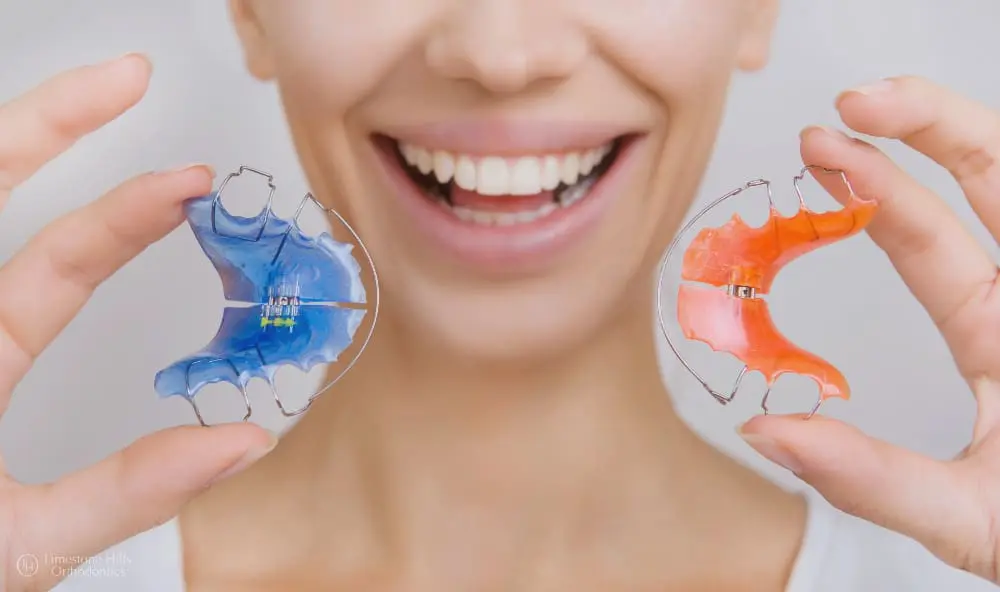
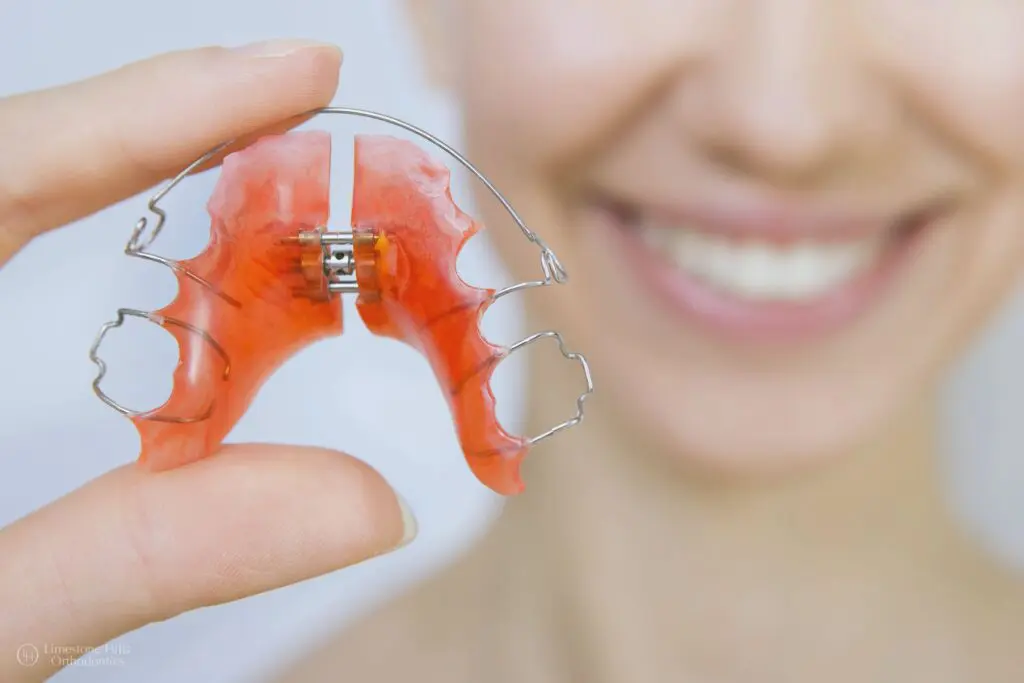
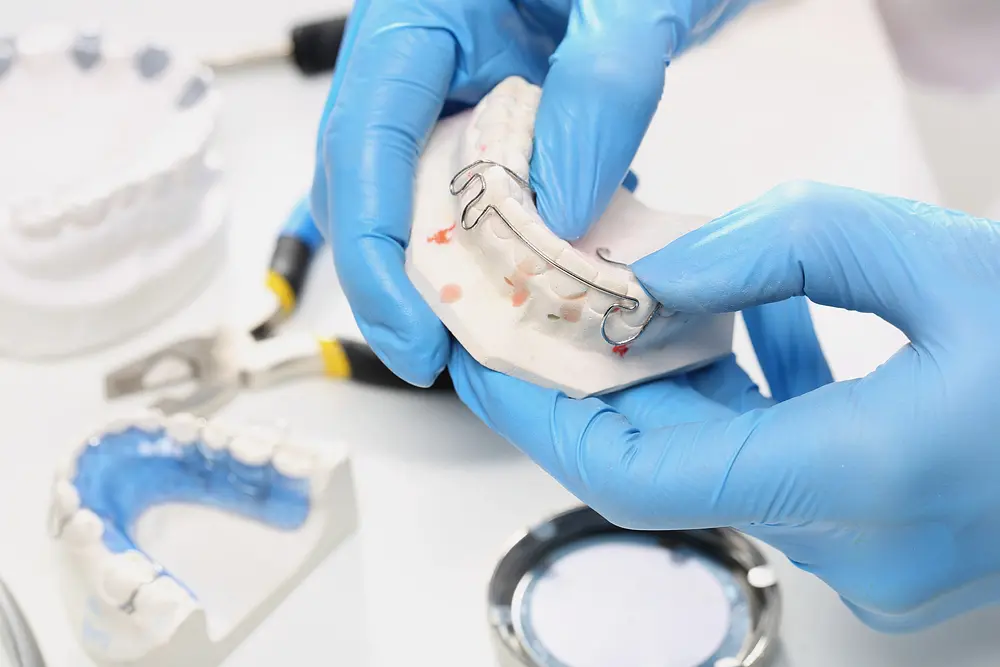
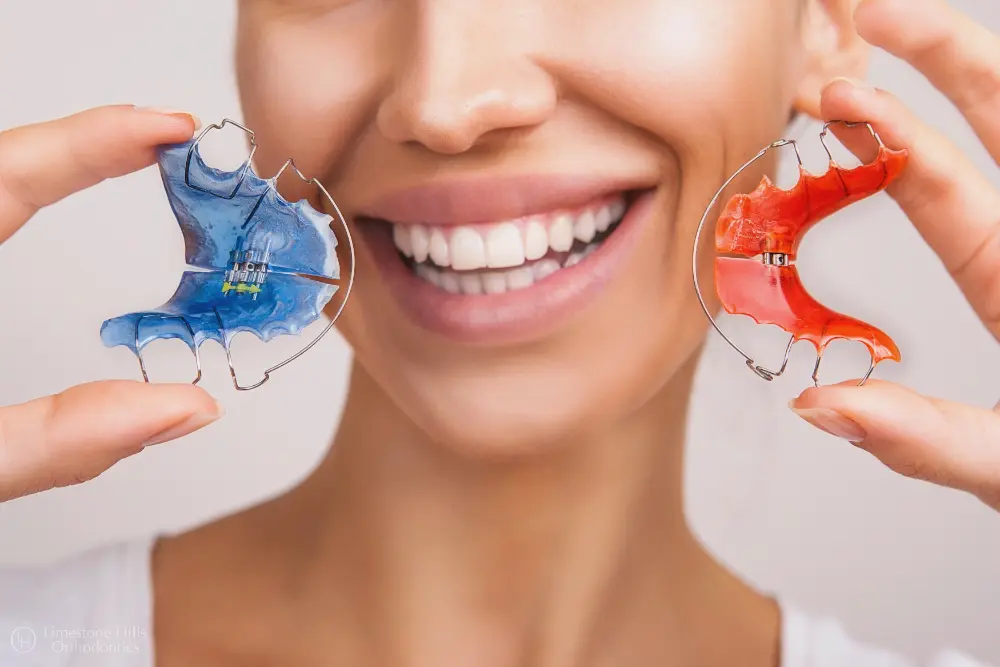
A Hawley retainer uses a sturdy wire set in a colored acrylic base. You can take it out to eat, drink, or brush. Hawley retainers are very durable and can be adjusted for a better fit. They last longer than clear retainers, but they are more visible. They also need careful cleaning because the acrylic can collect food particles and bacteria, leading to odor and stains.

Fixed (Bonded) Retainers

A fixed retainer is a thin wire glued behind your front teeth, usually on the bottom. Only an orthodontist can remove it. Fixed retainers last a long time and help hold results when teeth want to move. This type needs you to brush and floss carefully to clean well around the wire and avoid plaque buildup.

Daily Retainer Care Tips

  • Rinse Quickly: Always rinse your retainer with lukewarm water when you remove it. This washes away food particles and stops bacteria from growing.
  • Use a Toothbrush and Soap: Clean your retainer once a day using a soft toothbrush and mild, clear soap. Toothpaste can scratch some retainers, so check with your orthodontist first.
  • Proper Storage: Keep your retainer in its case whenever you’re not wearing it. Don’t wrap it in a napkin or stick it in your pocket. This helps avoid damage, loss, and bacteria buildup.
  • Wear as Directed: Your orthodontist will tell you when and how to wear your retainer. Following your schedule stops teeth from shifting.
  • Check for Odor: Smell your retainer regularly. If you notice a persistent odor, it may be time for a deeper clean.

Deep Cleaning Your Retainer

A daily clean is essential, but a deeper cleaning routine keeps your retainer sparkling. Plan to deep-clean your retainer once or twice a week.

How to Deep Clean:

  • Soak in Baking Soda or Vinegar Solution: Mix water with baking soda or vinegar and soak your retainer for 15–30 minutes. This breaks down plaque and kills germs.
  • Use Retainer Cleaning Solution: Some stores sell special cleaning tablets or solutions made for retainer care. Follow the directions for best results.
  • Try a Gentle Denture Cleaner: Denture cleaners can also remove stains and bacteria.

Rinse your retainer with plain water before putting it back in your mouth. Never use hot water, bleach, or mouthwash with alcohol. These can cause warping, cracking, or discoloration.

How to Care for Different Types of Retainers

Essix Retainers in Austin, TX

To prevent cloudiness and cracking, clean your retainer each time you remove it. Store it dry in its case, away from direct sunlight. If your retainer gets a white film, soak it in a cleaning solution to break down plaque buildup.

Hawley Retainers

Rinse well after use and gently brush with soap and water daily. Avoid bending the wire. If you notice bending or damage, schedule a checkup. Prevent odor by cleaning the acrylic surface gently and avoiding sugary drinks while wearing your retainer.

Fixed Retainers

Use a floss threader or interdental brush daily to remove debris and plaque between your teeth and the wire. Keeping up with regular dental hygiene visits in Austin helps maintain your bonded retainer and keeps gums healthy.

Common Retainer Problems & How to Prevent Them

  • Warped Retainers: Heat or hot drinks can warp your retainer, making it fit poorly. Never use hot water for cleaning or leave it in your car.
  • Retainers That No Longer Fit: If you forget to wear your retainer, teeth may start to move. Retainers may feel tight or not fit at all. If this happens, do not force it. Call your orthodontist right away.
  • Cracks, Breaks, or Loose Bonded Wires: If you drop your retainer or notice a crack, arrange a replacement appointment. If your fixed retainer wire feels loose or sharp, schedule a repair.
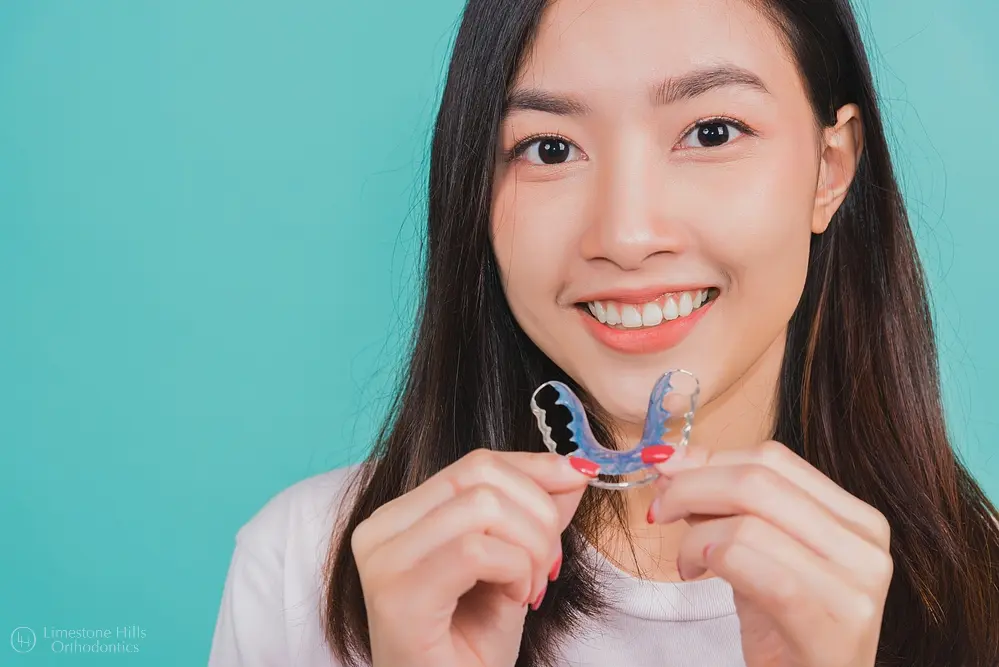
teeth retaining tools removable retainers young asian beautiful woman - Retainer Care Tips for Austin, TX Residents – Protect Your Smile for Life

Replacing Your Retainer in Austin, TX

Retainers don’t last forever. Over time, your retainer will show wear and tear. Watch for these signs:

  • Cracks or chips
  • Cloudy spots or stains that will not clean away
  • Warped or bent shape
  • Odor remains even after cleaning
  • Retainer feels loose or too tight

Your orthodontist may take new scans or molds for your new retainer. Choosing a local Austin office like Limestone Hills Orthodontics means fast replacement and perfect fit.

Schedule a Retainer Check in Austin, TX

Your smile is worth caring for every day. At Limestone Hills Orthodontics, our team in Austin is here to help you build a strong retainer care routine. We offer tips, checks, cleaning, and fast replacement for all types of retainers. With good habits and expert help, your smile can last a lifetime. Call us today to book a check or ask about retainer care tips for you and your family.

Frequently Asked Questions

What’s the best way to keep retainers clean?

Keeping your retainers clean is simple! Rinse them with lukewarm water every time you take them out. For a deeper clean, use a soft toothbrush and a little mild toothpaste to gently brush away buildup. Once a week, soak them in a retainer cleaning solution or a mix of water and white vinegar to keep them fresh and free of germs. Avoid hot water or strong chemicals.

What is the best toothbrush for a permanent retainer?

A soft toothbrush works best for a permanent retainer. It cleans well without hurting the wires or teeth. Small electric toothbrushes can help reach tight spots. Interdental brushes or water flossers are also great for cleaning between teeth and around the wires. Pick a brush that is easy to use and gentle, it will help keep your retainer clean and your smile healthy.

Can I put toothpaste in my retainer overnight?

No. Leaving toothpaste in your retainer overnight can scratch it and cause germs to grow. Instead, clean your retainer with mild soap and water or a special retainer cleaner. This keeps it fresh and in good shape without any harm.
Tips to Speed Up Orthodontic Treatment

To speed up orthodontic treatment, follow your orthodontist’s instructions, especially for wearing elastics or aligners. Keep up with regular check-ups for timely adjustments. Make sure to wear your elastics or any other appliances as directed, since they play a crucial role in aligning your teeth. Brush and floss daily to avoid dental issues that could slow your progress.

Consider asking your orthodontist about accelerated treatment options like AcceleDent or Propel, which might help speed things up. Lastly, try to avoid hard or sticky foods that could damage your braces and set back your progress.

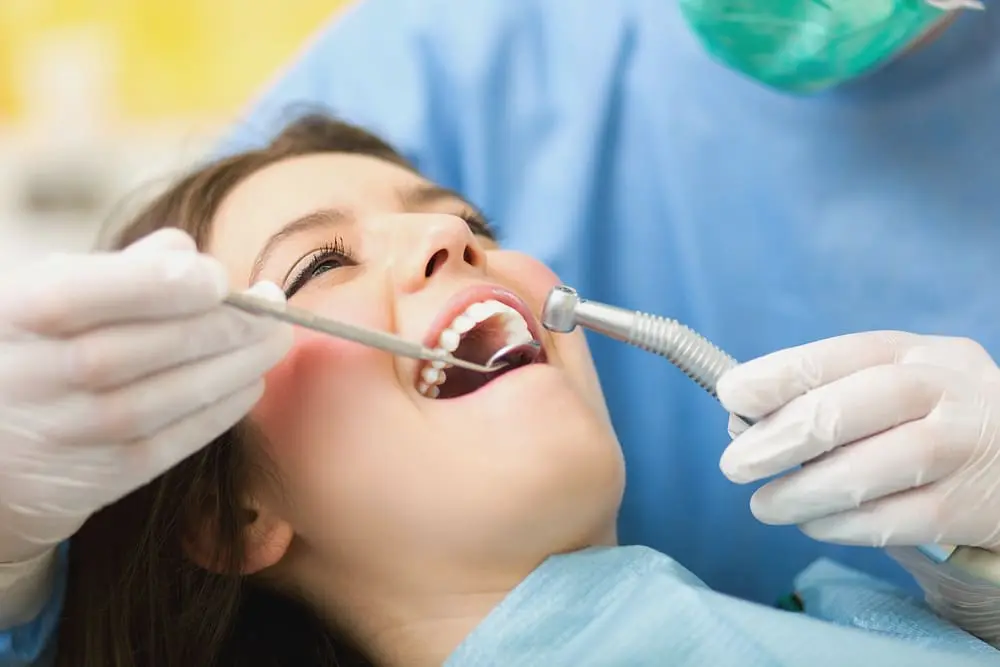
Orthodontist caring for a female patient during a dental procedure after  she knows how to speed up orthodontic treatment

Understanding Orthodontic Treatment Duration

Before diving into tips, it’s important to understand what influences treatment time.

Factors That Affect Treatment Time

  • Type of Appliance: Invisalign aligners, metal braces, or ceramic braces all have different timelines.
  • Severity of Issue: Mild crowding will likely take less time to fix than a complex overbite or underbite.
  • Age: Younger patients usually see quicker results because their bones are still growing.
  • Patient Compliance: Wearing aligners or elastics as prescribed has a big impact on treatment speed.

Common Misconceptions

  • “Faster is Always Better”: Rushing tooth movement can harm gums and bone. Orthodontists move teeth at a safe pace to protect your oral health.
  • “Skipping Appointments Saves Time”: Missing check-ups actually slow progress because adjustments can’t be made.

Techniques to Speed Up Orthodontic Treatment

Orthodontic technology has advanced in recent years, offering tools to help speed up the process.

Advanced Orthodontic Appliances

  1. High-Frequency Vibration Devices:
    • Small devices like AcceleDent produce gentle vibrations to enhance tooth movement.
    • Using them for just 10-20 minutes a day can improve treatment efficiency.
  2. Low-Level Laser Therapy:
    • This technique uses light energy to stimulate bone remodeling.
    • It reduces discomfort and may decrease overall treatment time.

Innovative Approaches

Orthodontists now explore methods like accelerated tooth movement through bone remodeling. Although still a specialty area, these techniques have shown promising results in certain studies.

Patient Compliance and Its Impact

Your actions as a patient play a huge role in whether your treatment stays on schedule.

1. Wear Elastics and Aligners as Instructed

  • If your orthodontist has given you elastics, wear them exactly as prescribed.
  • Aligners must be worn for 20-22 hours a day, except when eating or cleaning your teeth. Not following these instructions can extend treatment by months.

2. Attend Regular Appointment Check-Ins

  • Orthodontic visits allow your doctor to track progress and make changes to your appliance.
  • Stay consistent with every scheduled appointment to avoid delays.

3. Follow Your Orthodontist’s Instructions

  • Your orthodontist might suggest exercises, like biting on chewies for aligners.
  • Stick to their guidelines to ensure steady progress.

Oral Hygiene and Health

A clean and healthy mouth creates a better environment for tooth movement. Dental issues like cavities or gum infections can slow treatment.

Tips for Maintaining Oral Hygiene

  • Brush and Floss Regularly: Use fluoride toothpaste and floss daily to remove plaque.
  • Rinse with Mouthwash: An antibacterial rinse can keep your gums healthy.
  • Clean Braces and Aligners: Use a soft-bristled brush to clean braces, or soak aligners in a cleansing solution daily.

How Oral Health Impacts Treatment Speed

  • Plaque buildup can irritate gums, leading to inflammation and slower tooth movement.
  • Gum disease may require treatment, delaying your orthodontic progress.

Dietary Considerations

What you eat matters when it comes to speeding up your treatment.

Foods to Avoid

  • Hard Foods: Avoid nuts, hard candies, and crunchy snacks that can damage your braces or aligners.
  • Sticky Foods: Steer clear of caramel, gum, or chewy candies that may get stuck.

Foods That Support Faster Treatment

  • Choose soft, braces-friendly options like yogurt, scrambled eggs, and mashed potatoes.
  • Incorporate foods rich in calcium and vitamin D, such as leafy greens and dairy products, to strengthen your teeth and bones.

Common Challenges and Solutions

Orthodontic treatment doesn’t always go perfectly. Here’s how to address some common issues that can slow your progress.

Challenge: Slow Progress

  • Solution: Speak with your orthodontist to determine if there’s an underlying cause, such as not wearing elastics enough or missing aligner hours. Make adjustments based on their advice.

Challenge: Damaged Braces or Aligners

  • Solution: Handle your orthodontic appliance with care. For broken braces wires, visit your orthodontist promptly. For damaged aligners, request a replacement.

Challenge: Poor Oral Habits

  • Solution: Break habits like chewing on pens, biting nails, or eating hard foods. These actions can damage your braces and cause treatment delays.
Orthodontist holding dental instruments while treating a happy African American patient after she knows how to speed up orthodontic treatment

Top-Quality Orthodontic Care in Austin, TX

Wondering why families choose our orthodontic office in Austin, TX? Here’s what sets us apart:

Experienced Orthodontists

We specialize in treating kids and teens with jaw alignment issues using advanced techniques like reverse pull headgear.

Tailored Treatment Plans

No two smiles are the same! We create custom treatment plans to fit your child’s needs.

Guidance and Support

Our caring team is here to help from your first visit to your last, answering questions and making sure treatment goes smoothly.

Flexible Treatment Options

Whether you prefer braces, Invisalign, or reverse-pull headgear, we’ll help you find the best fit for your smile.

Book Your Free Orthodontic Consultation!

Your perfect smile starts here! Visit our Austin, TX office for a free consultation, where we’ll assess your teeth and outline the best treatment plan for you. Scheduling is simple—call us or book online today. Our friendly and knowledgeable team is ready to guide you through every step of your journey!

About the Authors

Dr. Rodrigo Viecilli – Orthodontist in Austin, TX

Frequently Asked Questions

Can orthodontic treatment be sped up?

Braces and aligners take time, but new techniques can help speed things up. Accelerated orthodontics uses special devices or minor procedures to move teeth faster. Advanced aligner technology and custom treatment plans can also help you get a perfect smile sooner.

What if I’m not happy with my orthodontic treatment?

If you’re feeling a bit unsure or unhappy with your orthodontic treatment, it’s totally okay to speak up. Your smile is important, and your orthodontist is there to help make sure you’re satisfied with the results. Don’t hesitate to schedule a chat with them to discuss your concerns. They can offer adjustments or alternative solutions to get things back on track.

What is the minimum time for orthodontic treatment?

When it comes to orthodontic treatment, the minimum time can vary depending on individual needs and the type of treatment chosen. However, for many people, the shortest duration is typically around six months. This is often possible with certain accelerated treatment options or minor adjustments.

The Importance of Wearing a Retainer

After braces, maintaining your perfect smile requires commitment, and that’s where a retainer comes in. The importance of wearing a retainer cannot be overstated—it ensures that all the hard work of straightening your teeth doesn’t go to waste. Without it, your teeth may gradually shift back to their original positions. A retainer helps lock in your progress, supports bite alignment, and promotes long-term oral health. By wearing it as instructed, you can preserve your beautifully aligned smile and enjoy lasting confidence for years to come.

Portrait of a young Asian woman smiling while holding silicone orthodontic retainers against a blue background after learning about the Importance of Wearing a Retainer

The Importance of Wearing a Retainer in Orthodontic Treatment

Preserving Results Post-Braces

Once braces are removed, teeth can slowly move back to their original positions. Retainers stop this from happening. They hold your teeth in place and ensure they stay correctly aligned. Wearing a retainer regularly means all the hard work from braces won’t be wasted.

Teeth shifting back can happen naturally over time, especially in the first year after treatment. Your retainer is your best defense against this. It helps make sure your smile stays straight and aligned for the long term.

Preventing Tooth Shift

Retainers are crucial because they prevent teeth from sliding back into old positions. Orthodontists often recommend wearing a retainer every day at first, then transitioning to nighttime use. This gradual change ensures your teeth stay in place without needing braces again.

Types of Retainers

Removable Retainers

Removable retainers are easy to take out. They are convenient for eating, brushing, and flossing. Popular types include:

  • Hawley Retainers: Made of metal wires and acrylic, these are durable and adjustable.
  • Clear Retainers (Essix): These are plastic retainers that look like Invisalign. They are less noticeable and fit snugly over your teeth.

Removable retainers are a great choice for many people because of their flexibility. However, you must remember to wear them daily to get the best results.

Fixed Retainers

Fixed retainers are attached to the back of your teeth. They are invisible from the front and are perfect for those who might forget to wear a removable retainer. Fixed retainers stay in place and constantly protect your teeth from shifting.

Orthodontists may recommend fixed retainers for people who are more likely to experience tooth movement. They are especially helpful for younger patients or those with major alignment fixes.

Choosing the Right Retainer

The choice between removable and fixed retainers depends on your needs and your lifestyle. Your orthodontist will help you decide what works best for you. In some cases, people use both types for added protection.

Health Benefits of Wearing a Retainer

Oral Health Maintenance

Retainers not only keep your teeth straight but also support good oral health. By keeping teeth aligned, retainers reduce the risk of:

  • Gum Disease: Straighter teeth are easier to clean, which keeps your gums healthy.
  • Tooth Decay: Proper alignment allows you to brush and floss more effectively.

When teeth are crooked, food can get stuck in hard-to-reach places, leading to plaque buildup. Wearing a retainer ensures your teeth stay aligned and easy to clean.

Supporting Gum and Bone Structure

Aligned teeth help protect the gums and bones that support your teeth. Retainers help ensure these structures stay strong and healthy. They evenly distribute pressure when you chew, which reduces stress on your jaw and gums.

Long-Term Benefits of Retainers

A Lasting Smile

One of the biggest perks of wearing a retainer is having a beautiful smile that lasts. Retainers lock in the results of your orthodontic treatment, giving you straight teeth for life.

Avoiding Future Treatments

Wearing a retainer means you’re less likely to need braces again. Retainers protect all the time, effort, and money you’ve invested in your teeth. Consistent retainer use can save you from future orthodontic costs and treatments.

Common Concerns and Solutions

Challenges in Wearing Retainers

Some people find retainers uncomfortable at first. Others worry about losing or forgetting them. These concerns are normal but easy to manage. Here’s how:

  • Discomfort: If your retainer feels tight or odd, give it time. Your mouth will adjust within a few days.
  • Cleaning: Don’t forget to clean your retainer daily. Use a soft brush and mild soap to keep it fresh.
  • Routine: Create a habit of wearing your retainer, such as putting it in at night before bed.

Fixing and Replacing Retainers

Retainers can break, get lost, or wear out over time. If this happens, see your orthodontist right away to get a replacement. Don’t go too long without wearing one, as your teeth may start to shift.

Regular Check-Ups

Visit your orthodontist regularly to make sure your retainer still fits well and is working correctly. They can adjust or repair it if necessary to keep your treatment on track.

Beautiful smiling girl holding colorful retainers for teeth in a close-up shot after learning about the Importance of Wearing a Retainer.

Why Patients Choose Us for Orthodontic Care in Austin, TX

We’re dedicated to creating confident, healthy smiles with top-quality orthodontic care. Here’s what sets our practice apart:

Expert Care from Skilled Orthodontists

Our orthodontists have extensive experience treating alignment and jaw issues, using advanced techniques like reverse pull headgear to achieve the best results.

Personalized Treatment for Every Patient

We customize each treatment plan to ensure our patients receive the care that best suits their unique needs and goals.

Comprehensive Support at Every Stage

From your first consultation to the final adjustment, we’re here to guide you, answer questions, and provide the best care possible.

A Wide Range of Treatment Options

Whether you need traditional braces, Invisalign, or other orthodontic solutions, we offer multiple treatment choices to fit your lifestyle and orthodontic needs.

Contact Us Today!

Come see us in Austin, TX, for a free consultation! During your visit, we’ll assess your teeth, go over your treatment options, and discuss how we can help you achieve a straight, confident smile. Scheduling is simple—give us a call or visit our website to book a time that works for you! Our friendly team is ready to answer your questions and guide you every step of the way.

About the Authors

Dr. Rodrigo Viecilli – Orthodontist in Austin, TX

Frequently Asked Questions

What happens if you don’t wear a retainer?

If you skip wearing your retainer, your teeth might start to shift back to their old positions, which could undo all the hard work you put into achieving that beautiful smile. Over time, without the retainer to keep them in place, your teeth can gradually move, and you might notice changes in your bite or alignment. This can lead to discomfort and may even require additional orthodontic treatment down the line.

How long should you wear your retainer?

Initially, your orthodontist might suggest wearing it full-time for a few months, just to keep those teeth in line. After that, you can usually switch to wearing it only at night. But remember, everyone’s teeth are different, so it’s best to follow your orthodontist’s advice. Keeping your retainer on the regular is key to maintaining that beautiful smile you worked so hard for.

Do you need to wear a retainer forever?

While you might not need to wear it all the time forever, it’s super important to follow your orthodontist’s advice. Typically, after braces, you’ll need to wear your retainer regularly at first, and then you might switch to just wearing it at night. This helps prevent your teeth from shifting back to their old ways.

What Happens When Your Retainer Doesn’t Fit?

Retainer Doesn’t Fit: Understanding Common Issues and Finding Solutions

It’s pretty common for retainers to feel a bit off, especially if you’ve recently had them adjusted or if it’s been a while since your last fitting. Sometimes, it might be due to natural changes in your mouth, like teeth shifting slightly or even changes in your jaw. But worry not, there are some simple solutions! First, make sure you’re wearing it as instructed by your orthodontist, and if it’s still uncomfortable, don’t hesitate to give them a call. They can often make minor adjustments to ensure a snug and comfy fit. Remember, a well-fitting retainer is key to keeping that beautiful smile of yours in tip-top shape!

In this guide, we’ll explain why retainers may stop fitting properly, what you can do about it, and how to prevent future issues.

Young Asian woman smiling and holding a silicone orthodontic retainer to illustrate what happens when your retainer doesn't fit.

Signs Your Retainer Doesn’t Fit Correctly

Having trouble with your retainer often shows up in a few obvious ways. Here are the common signs to watch for:

  • It Feels Too Tight or Too Loose: When a retainer starts to feel uncomfortably tight or so loose that it doesn’t stay in place, this could mean it no longer fits correctly.
  • Painful Pressure: While some slight pressure is normal, sharp pain or serious discomfort when wearing your retainer is a warning sign.
  • Shifting Teeth: If you notice your teeth starting to shift or move out of alignment, your retainer may not be doing its job.

If you experience any of these signs, it’s time to take action.

Why Doesn’t My Retainer Fit Anymore?

A retainer is carefully molded to fit your mouth. However, several factors can cause it to stop fitting the way it used to.

  • Teeth Shifting Over Time: Not wearing your retainer regularly is the most common reason for fit issues. If too much time has passed, your teeth might start to shift back to their original position.
  • Damage or Warping: Retainers are sensitive to heat and rough handling. Cleaning your retainer with hot water or accidentally stepping on it can change its shape, creating a poor fit.
  • Natural Changes in Your Mouth: As we age, our mouths naturally change shape. This process can make a retainer that once fit snugly uncomfortable or ineffective.

Understanding these causes is the first step in fixing the problem.

What Should I Do If My Retainer Doesn’t Fit?

If your retainer no longer fits properly, don’t panic. There are steps you can take to address the issue.

  1. Contact Your Orthodontist: Call us at Limestone Hills Orthodontics to schedule a visit. We can examine your retainer and your teeth to determine the best course of action.
  2. Don’t Force It: Trying to force your retainer into place can damage your teeth or the retainer itself. If it doesn’t fit easily, stop using it until you’ve consulted an orthodontist.
  3. Keep an Eye on Your Teeth: Take note of any changes in your smile or bite. If you notice teeth shifting significantly, mention it to your orthodontist as soon as possible.

Long-term Solutions for Retainer Problems

Ill-fitting retainers can usually be resolved with the help of your orthodontist. Here are some common solutions:

  • Regular Check-ups: Routine orthodontic visits can help catch potential issues early, ensuring your retainer continues to fit well.
  • Getting a Replacement Retainer: If your old retainer is damaged or no longer fits due to shifting teeth, your orthodontist can create a new one for you.
  • Proper Care and Maintenance: To avoid problems in the future, clean your retainer daily with cool water and gentle soap (or a cleaner recommended by your orthodontist). Always store it in a protective case to prevent damage.

These simple steps can save you time, money, and discomfort down the road.

Smiling girl holding a set of braces for teeth, showcasing what happens when your retainer doesn't fit

How to Prevent Your Retainer from Fitting Poorly

The best way to avoid problems with your retainer is by taking good care of it and wearing it consistently. Here’s how:

  1. Wear It Regularly: Follow your orthodontist’s recommendation for how often to wear your retainer. If you don’t wear it as instructed, your teeth may shift.
  2. Store It Safely: When you’re not wearing your retainer, keep it in its protective case to avoid accidents like dropping or crushing it.
  3. Avoid Heat Damage: Retainers can warp in high temperatures. Keep yours away from hot water, dishwashers, or direct sunlight to maintain its shape.

By following these tips, you can keep your retainer in good condition for years.

When to Seek Professional Help

Sometimes, even with the best care, your retainer might not fit correctly. If this happens, it’s essential to seek help from a trusted orthodontist. At Limestone Hills Orthodontics in Austin, TX, we specialize in retainer adjustments and replacements. We’ll work with you to find an effective solution, ensuring your teeth stay in their proper alignment.

Top Reasons to Choose Our Austin, TX Orthodontic Office

Choosing the right orthodontist is important. At our Austin practice, we go above and beyond to provide the best care for your child’s smile.

Trusted Orthodontic Expertise

Our experienced orthodontists have successfully treated children and teens with jaw alignment issues using advanced techniques like reverse pull headgear.

Customized Care for Every Smile

Each patient receives a treatment plan designed specifically for their needs, ensuring optimal results.

Support from Start to Finish

We’re with you at every step of the journey, answering questions, making necessary adjustments, and ensuring your child’s comfort.

Multiple Treatment Options

From Invisalign to traditional braces and reverse pull headgear, we offer a range of solutions to fit your child’s orthodontic needs.

Contact Us Today!

Come see us in Austin, TX, for a free consultation! During your visit, we’ll assess your teeth, go over your treatment options, and discuss how we can help you achieve a straight, confident smile. Scheduling is simple—give us a call or visit our website to book a time that works for you! Our friendly team is ready to answer your questions and guide you every step of the way.

About the Authors

Dr. Rodrigo Viecilli – Orthodontist in Austin, TX

Frequently Asked Questions

What to do when my retainer doesn’t fit?

No worries, it happens! First things first, don’t force it in, as that could cause damage. Instead, give your orthodontist a call to schedule an appointment. They’ll be able to assess the situation and see if your teeth have shifted or if the retainer needs adjusting. In the meantime, try to wear it as much as you comfortably can, but don’t stress if it’s not possible. Remember, your orthodontist is there to help, and they’ll have you back on track in no time!

Should I force my retainer to fit?

It’s really important not to force your retainer to fit if it’s feeling too tight or uncomfortable. Forcing it could cause damage to your teeth or the retainer itself. Instead, it’s a good idea to reach out to your orthodontist. They can check if adjustments are needed or if a new retainer is in order. Taking care of your smile is super important, and your orthodontist is there to help keep it in tip-top shape!