Invisalign with Missing Teeth: Will Invisalign Work if I’m Missing Teeth?

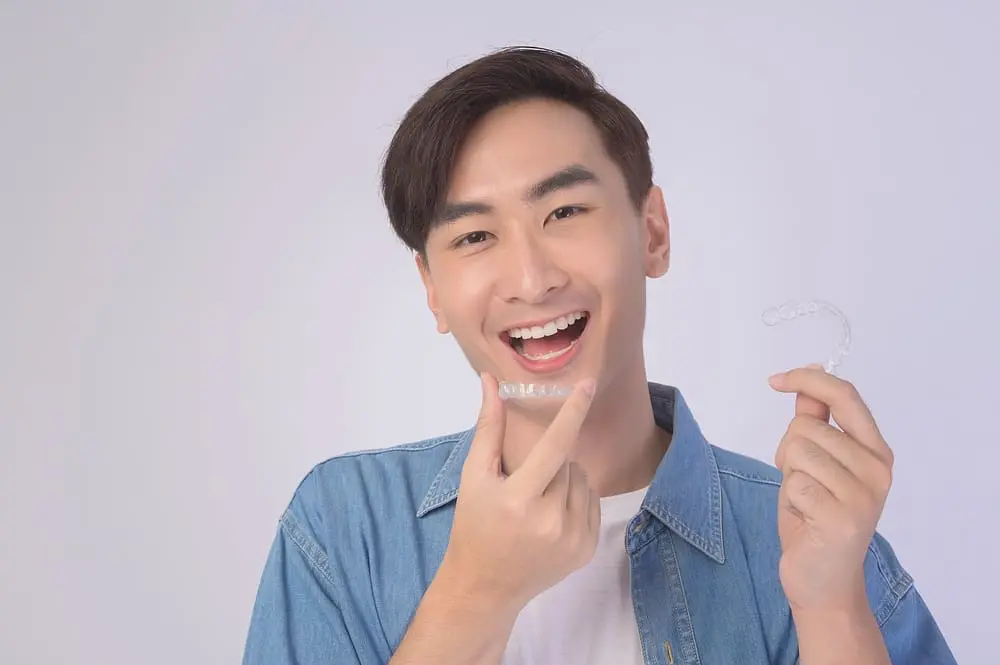
You can still wear Invisalign with missing teeth, as it’s a common situation that aligners can accommodate. Your orthodontist will create a custom treatment plan to either close gaps left by missing teeth or make space for future dental work, such as implants or bridges. With Invisalign, missing teeth won’t stop you from achieving the beautiful smile you’ve been dreaming of!
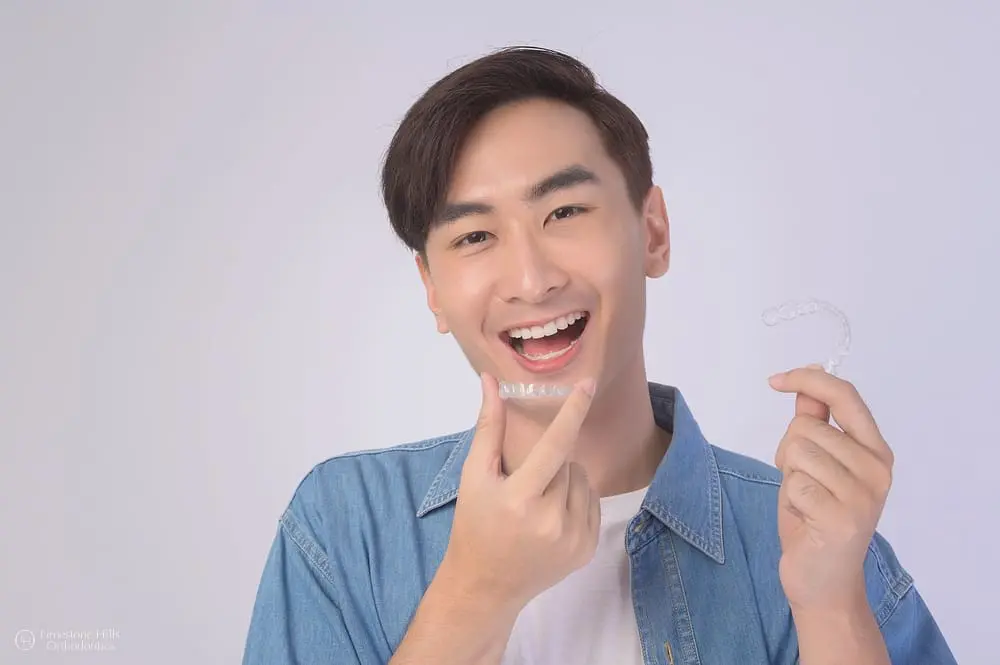
Young man in a light blue shirt smiling while holding clear aligners after not worrying about getting invisalign with missing teeth

Understanding Invisalign

Invisalign is a clear, removable aligner that helps straighten teeth without metal braces.

How It Works

  • Invisalign aligners are custom-made for each patient to fit snugly over the teeth.
  • The aligners use gentle pressure to shift teeth into their desired positions over time.
  • Unlike traditional braces, Invisalign is nearly invisible and can be easily removed for eating and cleaning.

General Benefits of Invisalign

  • Aesthetic Appeal: The clear design makes Invisalign a discreet choice.
  • Comfort: No metal wires or brackets to irritate the inside of your mouth.
  • Convenience: Aligners can be taken out for meals, making it easier to maintain oral hygiene.
  • Effective Treatment: Invisalign can address many common alignment issues, such as crooked teeth, spacing, and bite problems.

Can Invisalign Work with Missing Teeth?

Losing a tooth doesn’t necessarily exclude you from Invisalign treatment. In many cases, Invisalign can still be used to improve your smile and alignment.

Adapting to Gaps

  • Invisalign aligners are custom-designed to fit your unique dental structure, including any gaps caused by missing teeth.
  • Aligners help improve spacing and alignment, even in areas with missing teeth.

Prevention of Tooth Shifting

  • Gaps from missing teeth may cause adjacent teeth to shift over time, leading to misalignment.
  • Invisalign prevents this by keeping teeth in their proper positions, ensuring your bite remains stable.

Collaborative Solutions

  • If you plan to replace a missing tooth with an implant or bridge, Invisalign can align your teeth first to create the ideal space for restoration.
  • Orthodontists often coordinate with dentists or oral surgeons to develop a comprehensive treatment plan.

Benefits of Using Invisalign with Missing Teeth

Invisalign doesn’t just straighten your teeth; it also provides specific benefits for patients with missing teeth.

1. Improving Smile Aesthetics

  • While gaps from missing teeth may feel noticeable, Invisalign can reduce spacing and enhance the appearance of your smile.
  • This improvement can boost confidence and make interactions easier.

2. Preventing Tooth Shift

  • Teeth naturally shift to fill spaces caused by missing teeth.
  • Invisalign prevents this movement, maintaining proper alignment and bite balance.

3. Maintaining Dental Health

  • Invisalign aligners are removable, making it easier to brush and floss.
  • Preventing gaps from closing improperly reduces the risk of food getting stuck, which aids in avoiding gum disease or tooth decay.

Challenges and Considerations

While Invisalign is a great option for many, there are a few factors to keep in mind if you have missing teeth.

1. Alignment Challenges

  • Closing large gaps or creating specific spaces for future restorations may take more time or specialized aligner adjustments.
  • Some complex cases may require additional tools or treatments to achieve optimal results.

2. Complementary Tooth Replacement Options

  • Invisalign alone doesn’t replace missing teeth. However, it works beautifully alongside restorations like:
    • Dental Implants: A permanent solution to fill a missing tooth space.
    • Partial Dentures: A removable option that enhances function and aesthetics.
  • Orthodontists and dentists can recommend combining Invisalign with these solutions for the best outcome.

3. Gum Disease Concerns

  • Gums must be healthy before starting orthodontic treatment.
  • Existing issues like inflammation or gum disease should be resolved through dental care before using Invisalign.

Who is a Good Candidate for Invisalign with Missing Teeth?

Not everyone is a candidate, but many patients with missing teeth may be eligible for Invisalign.

Characteristics of a Good Candidate

  • Good Oral Health: Gums and surrounding tissue must be healthy for orthodontic treatment.
  • Mild to Moderate Alignment Issues: Invisalign is effective for cases involving gaps, crowding, or bite alignment.
  • Commitment to Wearing Aligners: Invisalign requires daily wear for 20-22 hours to achieve results.

Factors to Discuss with Your Orthodontist

  • Any pre-existing dental conditions.
  • Your plans for replacing missing teeth, such as getting dental implants or bridges.
  • Your treatment goals, whether they’re aesthetic or functional.

Developing a Customized Treatment Plan

The key to successful Invisalign treatment for missing teeth is a personalized approach.

Tailored Plans from Orthodontists in Austin, TX

  • At Limestone Hills Orthodontics, we create custom treatment plans to address each patient’s unique needs.
  • Advanced technology, including digital scans and 3D imaging, allows us to design aligners that work with your individual dental gaps.

Team Approach to Care

  • We work with dentists and specialists to make sure your missing teeth are properly handled. If you need a tooth replacement, orthodontic treatment can help align your teeth first for the best results.
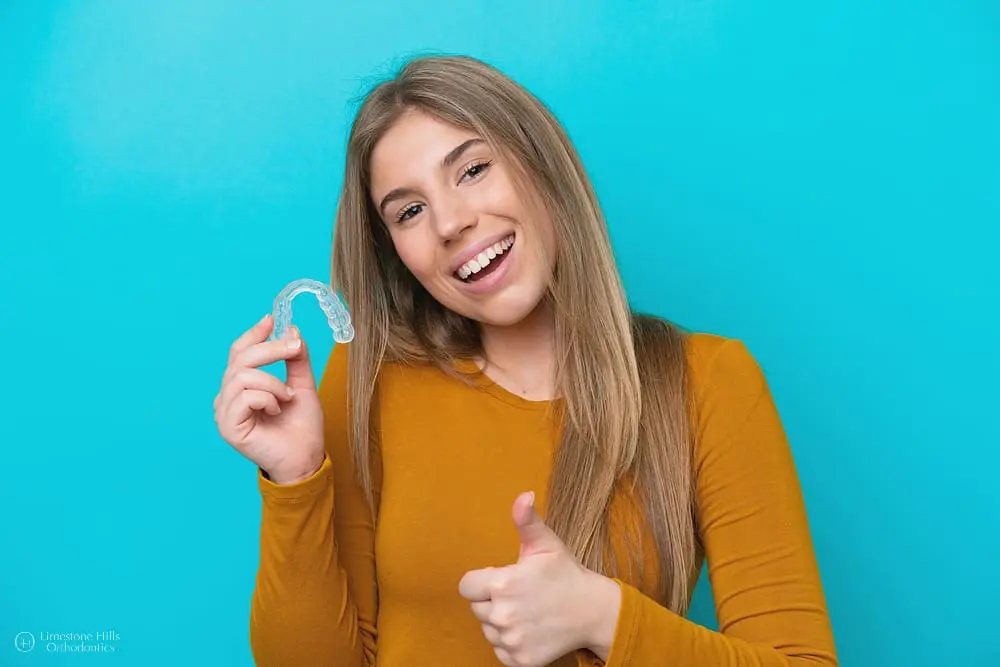
Happy woman in an orange sweater holding clear aligners against a blue background after not worrying about getting invisalign with missing teeth

Austin’s Trusted Orthodontic Experts

We’re here to make orthodontic treatment simple, effective, and stress-free for kids, teens, and their families. Here’s why patients choose us in Austin, TX:

Experienced Orthodontists

Our team provides expert care for jaw alignment issues and offers treatments like reverse pull headgear for the best results.

Custom Care for Every Patient

We believe every smile is unique, so we create treatment plans designed just for you.

Support from Start to Finish

We’ll be with you through the entire process, from the first appointment to the final smile reveal.

A Range of Options

Whether you need braces, Invisalign, or other orthodontic treatments, we have solutions for every smile.

Get Started on Your Smile Today!

Come see us in Austin, TX, for a free consultation! We’ll take a look at your teeth, discuss your treatment options, and help you get closer to the smile you’ve always wanted. Scheduling is easy—just call us or visit our website to book your visit. Our friendly team is ready to assist you every step of the way!

About the Authors

Dr. Rodrigo Viecilli – Orthodontist in Austin, TX

Frequently Asked Questions

What teeth don’t qualify for Invisalign?

When it comes to Invisalign, most people can enjoy the benefits of these clear aligners, but there are a few exceptions. Invisalign may not work for teeth with severe alignment or bite problems. It might also not be the best choice if you have large gaps, twisted teeth, or poor dental health.

How do you hide missing teeth with Invisalign?

While Invisalign is primarily known for straightening teeth, it can also be a clever solution for concealing gaps left by missing teeth. One option is to use Invisalign attachments or buttons, which are small, tooth-colored dots that help the aligners grip better and can subtly mask those spaces. Additionally, your orthodontist might suggest using pontics, which are fake teeth that fit into the aligners, to fill in the gaps and give you a more complete smile while you’re undergoing treatment.
Will Braces Change My Face Shape?

Yes, when your teeth and jaw are aligned properly, it can enhance your natural features and bring a more harmonious balance to your face. While the changes might be subtle, many people notice improvements in their smile and overall facial symmetry. So, if you’re looking for an answer to “Will Braces Change My Face Shape?” keep reading to discover how orthodontic treatment can enhance your smile and overall facial harmony!

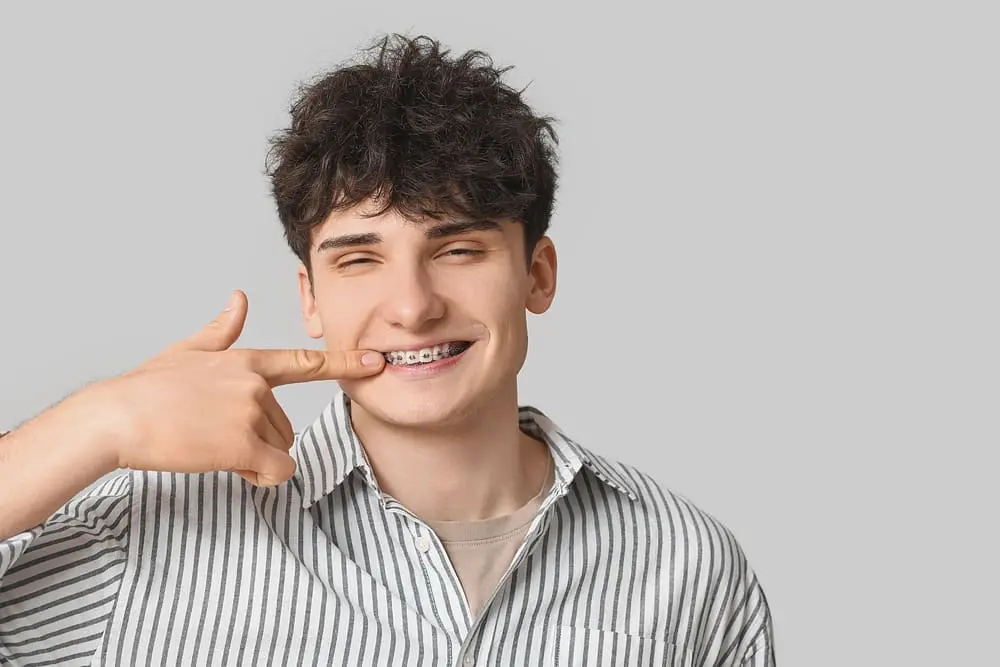
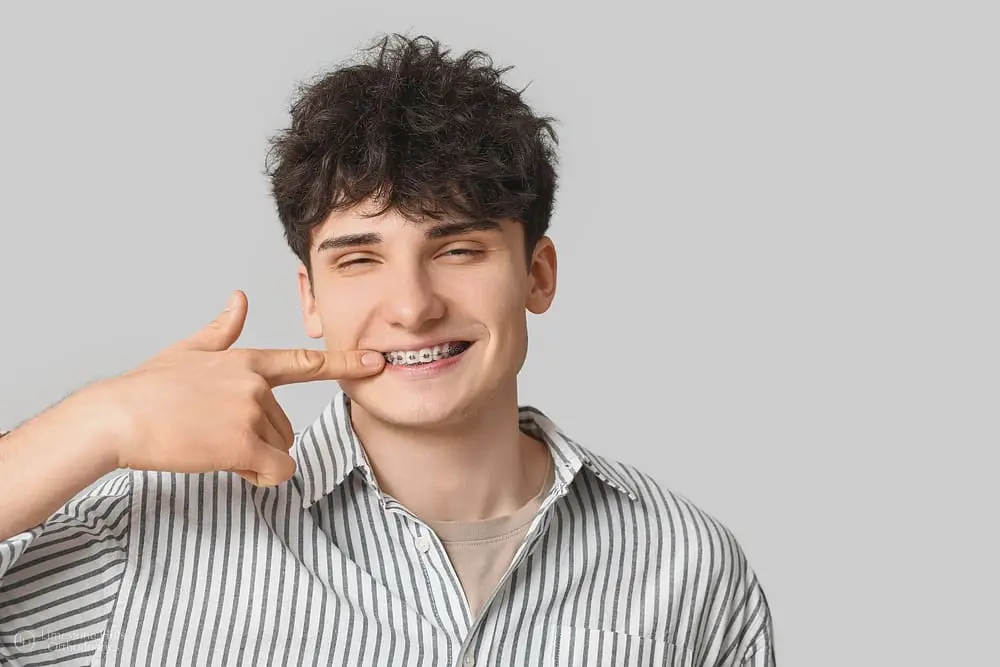
smiling young man metal braces light background after asking about "Will Braces Change My Face Shape?"

Understanding the Basics of Braces

Braces are used to fix problems with teeth and jaw alignment. Orthodontic treatment can improve your smile, oral health, and even how your face looks over time.

What Are Braces?

Braces are special tools that guide teeth into better positions. They include brackets, wires, and sometimes rubber bands. These devices create gentle pressure on your teeth and jaw to move them into alignment.

Goals of Orthodontic Treatment

The main goals of braces are to:

  • Straighten crooked teeth.
  • Fix bite problems, such as overbites or underbites.
  • Align the upper and lower jaw.
  • Improve overall oral health.

By addressing these issues, braces can also make small, positive changes to your facial structure.

Common Issues Braces Fix

Braces are effective for correcting several dental problems, like:

  • Crooked teeth: Help teeth line up properly, creating a straighter smile.
  • Open bite: Fix gaps where the top and bottom teeth don’t meet when closing the mouth.
  • Protruding teeth: Move teeth that stick out back into place, protecting them from injury.

Braces and Facial Structure

Braces can do more than straighten teeth—they can also impact your facial symmetry and shape.

Jaw Alignment

Braces can change the alignment of your upper and lower jaw. This adjustment can affect how your jaw looks and functions. By correcting jaw misalignment, braces can make a face look more balanced.

Facial Asymmetry

If your face looks uneven due to a misaligned jaw, orthodontic treatment can help correct this. Braces can bring symmetry to your face, making it more proportional.

Mouth and Lips

Teeth position plays a big role in how your mouth and lips look. When braces adjust your bite, they can change the way your lips rest. A straighter smile often leads to an improved appearance of the mouth.

Specific Changes to Face Shape

While braces do not drastically change your face, subtle improvements can make a big difference in how you look.

Jawline

If your jaw is misaligned, braces can improve the jawline’s shape. For example, correcting an overbite can give the lower jaw a more defined appearance. Similarly, fixing an underbite can reduce the prominence of the lower jaw.

Cheeks and Lips

Braces can create slight changes to the cheeks. These changes occur as teeth and jaws move to their ideal positions. Additionally, orthodontic treatment can adjust how your lips rest, especially if protruding teeth were pushing them forward.

Facial Symmetry

One of the most significant changes braces can make is improving facial symmetry. A more aligned jaw and evenly spaced teeth often lead to a more harmonious and balanced face.

Case Studies and Findings

What Research Says

Numerous studies have observed that braces can improve facial appearance when teeth or jaw misalignment is significant. Patients with severe overbites or underbites tend to experience noticeable changes in their jaw and lower face structure following treatment.

Patient Examples

Some patients notice small but meaningful changes in their faces after finishing treatment. For example:

  • A teenager with a large overbite saw improvements in their jawline definition.
  • An adult with crowded teeth achieved better facial balance and a more confident smile.

Factors That Influence Change

Factors like age, the severity of the misalignment, and the type of braces or appliances used (e.g., headgear or elastics) can influence the extent of facial changes. Younger patients typically see more noticeable results because their bones are still growing and easier to adjust.

Braces for Adults

Braces can still make adjustments to facial structure in adults, though changes may be less dramatic than in children.

Subtle Improvements

Adults can expect small shifts in jaw alignment and teeth positions that enhance their smile and facial balance.

Bone Growth Factors

Since adults’ bones are no longer growing, treatment focuses on teeth movement rather than major jaw adjustments. In some cases, more complex orthodontic appliances like expanders or surgery may be needed for more dramatic changes.

Why Adults Choose Braces

Many adults seek braces to boost their confidence and improve oral health. A straighter smile not only looks better but also makes teeth easier to clean and maintain.

Creating a Personalized Treatment Plan

The key to achieving the best results from braces is a personalized plan.

Consultation with an Orthodontist

Your orthodontist will evaluate your teeth, jaw, and overall facial structure before creating a treatment plan. They’ll use X-rays, photos, and scans to customize the treatment to meet your goals.

Tailored Approach

Every patient is unique. Whether you’re fixing a small alignment issue or a complex jaw problem, your orthodontist will design the treatment to best suit your needs.

Ongoing Monitoring and Adjustments

Your orthodontist will track your progress during regular appointments. They’ll make adjustments as needed to ensure your teeth and jaw are moving in the right direction.

smiling african american girl pointing finger metal braces her teeth after asking about ""Will Braces Change My Face Shape?

Expert & Caring Orthodontic Care in Austin, TX

We believe every patient deserves high-quality, personalized orthodontic care. That’s why families in Austin, TX, trust us to help them achieve beautiful, healthy smiles!

Experienced Orthodontists

Our specialists have years of experience treating children and teens with jaw alignment issues, using effective treatments like reverse pull headgear.

Customized Treatment Plans

We understand that each smile is unique, so we tailor treatments to fit every patient’s needs.

Support at Every Step

Our friendly team is here to guide you throughout the process, answering questions and making sure everything goes smoothly.

Different Treatment Options

From traditional braces to Invisalign and reverse pull headgear, we offer a range of solutions to suit different needs.

Book Your Free Orthodontic Consultation in Austin!

Take the first step toward a beautiful smile! Visit our Austin, TX office for a free consultation, where we’ll evaluate your teeth and recommend the best treatment options. Scheduling is quick and easy—just give us a call or visit our website. We’re here to support you from start to finish!

About the Authors

Dr. Rodrigo Viecilli – Orthodontist in Austin, TX

Frequently Asked Questions

Can your face shape change with braces?

When you wear braces, they work by aligning your teeth and jaw, which can subtly alter the contours of your face. For instance, if you had an overbite or underbite, correcting these issues can lead to a more balanced and harmonious facial appearance. It’s like giving your face a little makeover, thanks to the wonders of orthodontics! So, while the changes might not be drastic, they can certainly enhance your smile and the overall look of your face, making you feel even more confident.

Will braces improve my jawline?

Braces can definitely play a role in enhancing your jawline, especially if your teeth alignment is affecting the overall structure of your face. By straightening your teeth and correcting your bite, braces can help create a more balanced and harmonious appearance, which might make your jawline look more defined. Of course, the results can vary depending on your unique situation, but many people find that their facial aesthetics improve after orthodontic treatment.

Do braces change your asymmetrical face?

Braces can indeed play a role in changing the appearance of an asymmetrical face, but it’s not a one-size-fits-all solution. By aligning your teeth and adjusting your bite, braces can help create a more balanced look, which might subtly enhance facial symmetry. However, it’s important to remember that everyone’s face is unique, and changes can vary from person to person.

Common Causes of Crooked Teeth

Uncovering the Common Causes of Crooked Teeth

There are a few causes of crooked teeth. Sometimes, it’s all in the genes—just like eye color or height, the way our teeth align can be inherited from our parents. Other times, it might be due to childhood habits like thumb sucking or prolonged use of a pacifier, which can gently nudge those teeth out of place. Then there’s the space issue; if your mouth is a bit too small for all those teeth, they might crowd together or overlap. And let’s not forget about losing baby tooth too early or too late, which can also affect how adult teeth come in. So, while crooked teeth can be a bit of a mystery, it’s usually a mix of genetics, habits, and timing that shapes those unique smiles!

Group of orthodontists looking at a dental X-ray together in a clinic setting to investigate the causes of crooked teeth

1. Genetic Factors

Genetics play a major role in the alignment of your teeth. You may have inherited traits from your parents or relatives that make your smile unique but also cause dental challenges.

  • Jaw and Tooth Size: If your jaw size is too small for your teeth, it can cause overcrowding, leading to crooked teeth. On the other hand, extra spacing in a larger jaw may create gaps.
  • Misalignment Runs in Families: Having a family history of misaligned teeth could explain similar issues in your smile.
  • Overbite or Underbite: These are often inherited conditions that can impact your teeth’s alignment over time.

2. Developmental Issues

Sometimes dental alignment problems begin during childhood as the teeth and jaw develop. Early intervention can play a key role in preventing these issues from worsening later on.

  • Premature Loss of Baby Teeth: Losing baby teeth earlier than usual creates gaps that may interfere with how adult teeth grow in. Without proper guidance, they can shift out of place.
  • Delayed Eruption of Adult Teeth: If adult teeth come in late, existing teeth may drift into the wrong positions, resulting in misalignment.
  • Jaw Development Complications: Problems during jaw growth can lead to improper alignment, making early dental care vital for healthy development.

3. Myofunctional Habits

Certain childhood habits can have a lasting impact on tooth alignment. These habits should be addressed early to prevent misalignment.

  • Thumb Sucking: Prolonged thumb sucking can push the upper teeth forward or change the shape of the jaw, leading to an overbite.
  • Tongue Thrusting: Frequent tongue pressing against the teeth can alter their alignment, creating gaps or causing them to flare out.
  • Pacifier Use: Pacifiers can mimic the effects of thumb sucking if used beyond the recommended age. Limiting prolonged pacifier use can help protect dental alignment.

4. Oral Health and Hygiene

Maintaining good oral hygiene is essential for preventing alignment issues. Dental health problems can directly or indirectly cause teeth to shift into crooked positions.

  • Tooth Decay: Untreated cavities may lead to tooth loss, creating gaps that allow neighboring teeth to move out of place.
  • Gum Disease: Advanced gum disease weakens the gums and bone that support the teeth, increasing the likelihood of misalignment.
  • Consistent Oral Care: Prevention is the best medicine. Regular brushing, flossing, and professional cleanings keep your teeth and gums healthy, reducing the risk of crooked teeth.

5. Structural and Jaw Issues

The structure of your jaw and overall facial development can contribute to how your teeth align. Even minor irregularities in the jaw can lead to noticeable dental misalignment.

  • Poor Jaw Growth: If your jaw doesn’t develop properly, it can result in overcrowding, gaps, or crooked teeth.
  • Underbite and Overbite: These conditions affect how the upper and lower teeth come together, often pushing teeth out of proper alignment.
  • Crooked Jaw: Even a minor misalignment in the jaw can throw off the positioning of your teeth, causing uneven bites and alignment issues.

6. External Factors

Life events or accidents can also affect dental alignment. Injuries or dental trauma require prompt care to minimize long-term effects.

  • Injury to Teeth: Impact from a fall or accident can shift teeth out of their natural position. Broken teeth may also cause surrounding teeth to move over time.
  • Tooth Loss: Missing teeth, especially if left untreated, can cause other teeth to shift, leading to misalignment.
  • Regular Dental Checkups: Early identification of trauma or misalignment by a dental professional helps prevent further complications.

7. Treatment Options at Limestone Hills Orthodontics

No matter the cause, there are effective ways to fix crooked teeth. At Limestone Hills Orthodontics in Austin, TX, we offer a range of treatments tailored to your needs.

  • Braces: Traditional metal or ceramic braces remain one of the most reliable solutions for severe misalignment. They gradually shift teeth into proper positions with consistent adjustments.
  • Clear Aligners: Modern options like Invisalign are nearly invisible and perfect for fixing minor alignment problems. These custom-made aligners are removable for eating and brushing.
  • Rubber Bands: For jaw misalignment issues like overbites or underbites, orthodontic rubber bands can help pull the jaw and teeth into alignment over time.
  • Early Orthodontic Intervention: Treating alignment issues during childhood makes it easier to correct problems before they worsen.

Every smile is unique, and we believe in creating personalized treatment plans that address your specific concerns. By fixing crooked teeth, you’re not only improving your appearance but also enhancing your oral health and confidence.

Prevention Tips for Crooked Teeth

While not all causes of crooked teeth can be prevented, certain habits can help maintain better alignment:

  1. Practice good oral hygiene to prevent gum disease and decay.
  2. Avoid habits like thumb sucking or prolonged pacifier use.
  3. Schedule regular dental checkups to catch alignment issues early.
  4. Wear mouthguards during sports to protect your teeth from injuries.
  5. Consider orthodontic evaluations for children to address developmental concerns.

By staying proactive, many alignment issues can be minimized or avoided altogether.

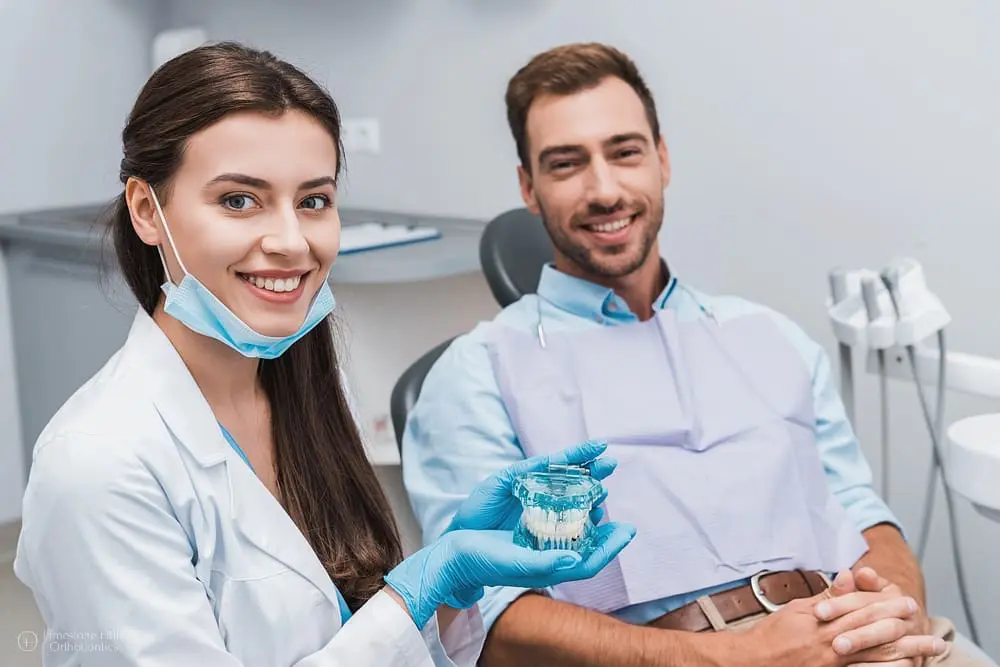
Female orthodontist smiling while showing a dental jaw model with braces to explain about the causes of crooked teeth

Why Choose Our Austin, TX Orthodontic Practice?

At our Austin orthodontic office, we provide exceptional, personalized care to help every patient achieve a healthy, confident smile. Here’s why families choose us for their orthodontic needs:

Experienced Orthodontists

Our skilled orthodontists specialize in treating children and teens with jaw alignment issues. We offer advanced solutions like reverse pull headgear for effective results.

Tailored Treatment Plans

No two smiles are the same! We customize each treatment plan to fit your child’s unique orthodontic needs.

Guidance at Every Stage

From the initial consultation to the final smile reveal, our team is here to support you with expert advice, adjustments, and care.

Comprehensive Treatment Options

We offer a variety of solutions, including reverse pull headgear, Invisalign, and traditional braces, so every patient gets the best possible treatment.

Discover Your Smile at Limestone Hills Orthodontics

At Limestone Hills Orthodontics, we’re passionate about helping patients in Austin, TX, achieve their healthiest and most beautiful smiles. If you’re dealing with crooked teeth, our experienced team is here to provide expert care and personalized treatment plans.

Schedule a free consultation with us today to explore your options. Whether you’re considering braces, Invisalign, or other orthodontic solutions, we’ll guide you every step of the way. Let’s work together to transform your smile and boost your confidence!

About the Authors

Dr. Rodrigo Viecilli – Orthodontist in Austin, TX

Frequently Asked Questions

Can your teeth get crooked as an adult?

Yes, your teeth can indeed become crooked as an adult! It’s not just something that happens during childhood or adolescence. Various factors like natural aging, losing teeth, or even habits like grinding your teeth at night can lead to shifts in your smile. Even if you had braces as a kid, changes in your jawbone or gums over time can cause your teeth to move. But don’t worry, there are plenty of options to help keep your smile straight and healthy, from retainers to modern orthodontic treatments. So, if you’re noticing some changes, it might be a good idea to chat with your dentist or orthodontist!

Orthodontic Treatment for Sleep Apnea

Orthodontic treatment for sleep apnea like mandibular advancement devices (MADs) can help by gently repositioning your jaw to keep your airway open while you snooze. These custom-made devices are designed to fit comfortably in your mouth, making it easier to breathe and reducing those pesky sleep disruptions. Plus, they’re a non-invasive option compared to other treatments, so it’s worth chatting with your orthodontist to see if this could be a good fit for you.

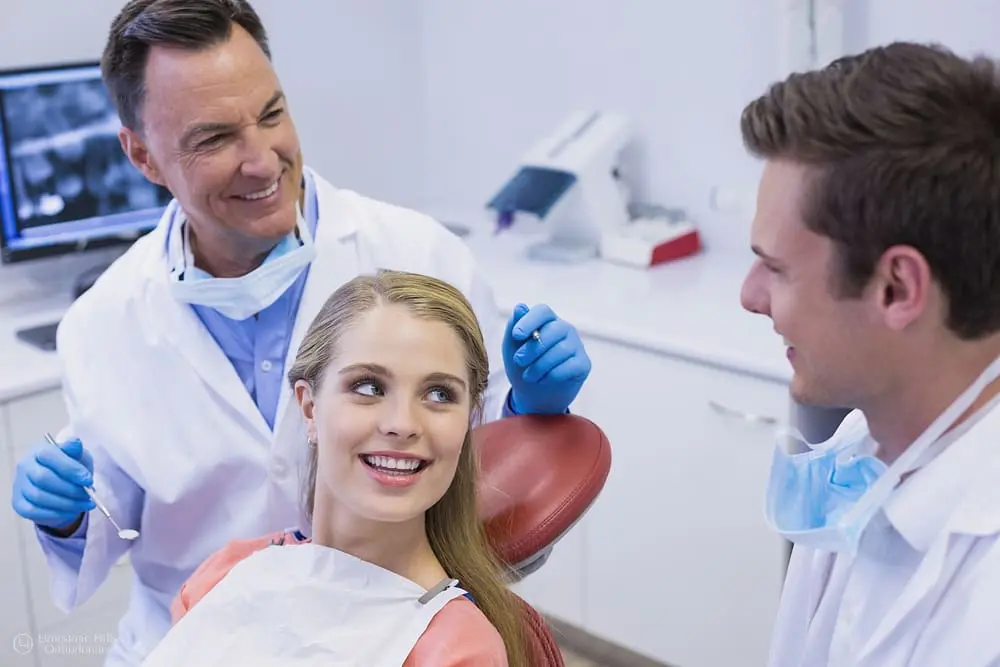
Orthodontist and assistant discussing treatment options with a female patient after her Orthodontic Treatment for Sleep Apnea

What Is Sleep Apnea?

Sleep apnea is a condition that causes breathing to stop and start during sleep. These pauses can last a few seconds or minutes and happen many times during the night. This disrupts your sleep and makes you feel tired during the day. If untreated, it can lead to problems like high blood pressure, heart issues, diabetes, or strokes.

Types of Sleep Apnea

There are three types of sleep apnea:

  • Obstructive Sleep Apnea (OSA): The most common type. It happens when muscles in your throat relax too much, blocking your airway.
  • Central Sleep Apnea: This occurs when your brain doesn’t signal your breathing muscles properly.
  • Complex Sleep Apnea Syndrome: A mix of obstructive and central sleep apnea.

Of these, OSA is the most common and often treatable with orthodontic solutions. Orthodontic treatments address structural issues in the jaw and palate, helping keep the airway open during sleep.

How Orthodontics Can Treat Sleep Apnea

Orthodontic care is not just for straightening teeth. It can also help people with sleep apnea by improving airflow and reducing blockages. Orthodontists can adjust the jaw and palate to fix problems that cause breathing issues during sleep.

Some of the ways orthodontic treatments help with sleep apnea include:

  • Moving the jaw: Adjustments to the upper or lower jaw can stop the tongue or soft tissues in the throat from blocking the airway.
  • Widening the upper jaw: Expanding the roof of the mouth creates more space for air to flow through the nasal passages.
  • Improving airway support: Structural corrections can prevent the airway from collapsing while sleeping.

These approaches help ensure a clear airway, making it easier to breathe throughout the night.

Mandibular Advancement Devices

A common orthodontic tool for sleep apnea is a mandibular advancement device (MAD). It works like a mouthguard and is worn while sleeping. It moves the lower jaw slightly forward to keep the airway open.

Benefits of MADs:

  • MADs prevent the tongue or tissues in the throat from blocking the airway.
  • They improve airflow to reduce snoring and breathing interruptions.
  • They provide a comfortable and less invasive option for mild to moderate OSA.

Patients prefer MADs because they are easy to use, non-invasive, and less cumbersome than other devices like CPAP machines.

Maxillary Expansion Techniques

Patients with narrow upper jaws may benefit from rapid maxillary expansion (RME). This treatment widens the upper jaw using a custom device, creating more room for air to flow.

Benefits of RME:

  • Better nasal breathing: Expanding the upper jaw improves airflow through the nasal passages, making breathing easier and more natural.
  • Reduced blockages: The additional space in the airway prevents it from collapsing during sleep.

This technique works especially well for children and teens, as their jawbones are still growing and can be adjusted more easily.

Surgical Orthodontic Options

Severe sleep apnea cases may need surgery. These surgeries fix jaw problems that cannot be addressed with devices. Examples include:

  • Maxillary Expansion: Expands the upper jaw for better airflow.
  • Jaw Advancement: Moves the upper jaw forward to stop airway blockages.

While surgery involves more recovery time, it can be a highly effective and long-lasting solution for severe sleep apnea.

Why Orthodontic Treatment Is Beneficial

Orthodontic care has many benefits for sleep apnea patients:

  • Better Sleep: Clearer airways mean fewer interruptions and deeper rest.
  • More Energy: You’ll wake up feeling refreshed and energized.
  • Improved Health: Treating sleep apnea lowers the risk of heart problems and other conditions.
  • Comfortable Options: MADs are easy to use and more comfortable than CPAP machines.

Orthodontic treatments address the root issues behind sleep apnea, creating long-term benefits for sleep and health.

Comparing Orthodontics and CPAP

CPAP machines are a popular treatment for sleep apnea. However, many people find them bulky and hard to use. Orthodontic solutions like MADs offer a simpler and more convenient alternative.

Orthodontic Treatments vs. CPAP Machines:

  • Ease of Use: Orthodontic appliances like MADs are small, lightweight, and portable compared to CPAP machines, which have multiple components.
  • Comfort: MADs fit comfortably in the mouth and are custom-made for each patient, unlike CPAP masks that can feel bulky.
  • Addressing the Cause: CPAP machines help manage symptoms by ensuring airflow, but orthodontic treatments can fix the structural issues causing sleep apnea.

For patients with mild to moderate OSA or those who struggle with CPAP therapy, orthodontics provides a practical, convenient alternative.

Female patient talking to her orthodontist during a consultation for her Orthodontic Treatment for Sleep Apnea

Why Choose Our Orthodontic Practice in Austin, TX?

At our Austin orthodontic office, we’re dedicated to providing high-quality, personalized care to every patient. Here’s why families trust us for their orthodontic needs:

Experienced Orthodontic Experts

Our skilled orthodontists have years of experience treating children and teens with jaw alignment issues. We specialize in effective treatments like reverse pull headgear, delivering exceptional results tailored to each patient.

Customized Treatment Plans

No two smiles are the same, which is why we design personalized treatment plans to meet your child’s unique needs and goals, ensuring the best possible outcome.

Comprehensive Support Throughout Treatment

From your very first consultation to the final reveal of your new smile, our caring team is here to support you. We’re always available to answer questions, make adjustments, and offer guidance every step of the way.

A Wide Range of Treatment Options

We offer more than just reverse pull headgear. Our practice provides a variety of orthodontic solutions, including Invisalign and traditional braces, so we can find the perfect fit for every patient.

Schedule Your Free Consultation Today!

Come see us in Austin, TX, for a free consultation! During your visit, we’ll assess your teeth, go over your treatment options, and discuss how we can help you achieve a straight, confident smile. Scheduling is simple—give us a call or visit our website to book a time that works for you! Our friendly team is ready to answer your questions and guide you every step of the way.

About the Authors

Dr. Rodrigo Viecilli – Orthodontist in Austin, TX

Frequently Asked Questions

Will insurance cover orthodontics for sleep apnea?

When it comes to orthodontics for sleep apnea, coverage really depends on your specific insurance plan. Some insurance providers do offer coverage if the orthodontic treatment is deemed medically necessary to treat sleep apnea. It’s a great idea to check in with your insurance company to get the scoop on what’s covered under your plan. They can provide the most accurate and detailed information, so you know exactly what to expect.

What is the most successful treatment for sleep apnea?

When it comes to tackling sleep apnea, the most successful treatment is often Continuous Positive Airway Pressure, or CPAP for short. It’s like having a trusty sidekick by your bedside, gently keeping your airways open with a steady stream of air while you catch those much-needed Z’s. Many folks find it to be a game-changer, helping them wake up refreshed and ready to take on the day. Of course, there are other options like lifestyle changes, oral appliances, or even surgery, but CPAP tends to be the go-to hero for many battling sleep apnea.

Are Braces Necessary?

Expert Insights on Straightening Teeth

Braces are a great solution for achieving a straight, healthy smile. However, whether you need them depends on your individual dental needs. For some, braces are important to fix medical issues like jaw alignment or bite problems, which can get worse if left untreated. For others, braces are more about improving how their teeth look and boosting confidence. The best way to know “are braces necessary” for you is to visit an orthodontist. They can create a treatment plan that suits your needs.

Smiling teenage boy with metal braces, wearing a red hat, showing his teeth confidently while wondering are braces necessary for him?

Understanding the Purpose of Braces

Braces are designed to make teeth straight and fix alignment problems in the jaw or bite. They can make a big difference for your oral health and how you feel about your smile. The main reasons for braces are either medical or cosmetic.

Medical Reasons for Braces

Are Braces Necessary? Braces may be needed when dental or jaw problems affect your everyday life. Some examples of these problems include:

  • Chewing difficulties: Severe misalignment can make it hard to bite or chew food, which may lead to digestion problems.
  • Jaw pain: A poorly aligned jaw adds stress to your joints and causes discomfort.
  • Difficulty cleaning teeth: Crooked or overcrowded teeth are harder to keep clean, which increases the chances of cavities and gum disease.

Cosmetic Reasons for Braces

Braces are also popular for fixing how teeth look. Straight, well-spaced teeth help create a beautiful smile, which can make people feel more confident. Whether it’s closing gaps or aligning crooked teeth, braces address appearance concerns. While these changes are cosmetic, they can be life-changing for many.

Common Problems Braces Solve

Braces are used to treat a range of dental issues, such as:

  • Crooked or crowded teeth: Teeth growing too close together can cause discomfort and are harder to clean.
  • Bite problems: Overbites, underbites, and crossbites can make chewing or speaking difficult over time.
  • Gaps between teeth: Wide spaces make gums more exposed, leading to sensitivity and hygiene challenges.

By addressing these problems, braces improve both the function and appearance of your teeth.

Health Benefits of Braces

Braces do more than enhance appearances. They improve oral health and prevent potential dental issues in the future.

Short-Term Oral Health Improvements

When teeth are properly aligned, keeping them clean becomes much easier. Braces help by:

  • Reducing the risk of tooth decay: Straight teeth prevent food particles from hiding in hard-to-reach spaces.
  • Improving bite functionality: Braces align your teeth so they fit together correctly, making chewing and speaking easier.

Long-Term Benefits of Braces

The benefits of braces don’t stop once treatment ends. They protect your oral health for years to come:

  • Easier maintenance: Straight teeth are simpler to brush and floss, so you’re more likely to maintain a bright smile and healthy gums.
  • Prevention of major problems: Fixing alignment issues early ensures you won’t require costly, complicated procedures later, such as jaw surgery or dental restorations.

With these benefits, braces lay the foundation for lifelong good oral health.

Boosting Confidence and Social Comfort

How you feel about your smile can have an impact on your confidence. Braces not only improve your oral health but also help you feel good about how you present yourself to others.

Increased Self-Esteem

For many, uneven or crowded teeth cause embarrassment. Braces bring relief by:

  • Helping you feel confident: A healthy, straight smile makes people feel more comfortable in both personal and professional situations.
  • Reducing insecurities: Fixing teeth that you may be self-conscious about leads to feeling happier with your appearance.

Positive Social Perceptions

Your smile affects how others see you. Braces can improve social interactions in several ways:

  • Making strong first impressions: A neat smile gives off a positive impression in social and professional settings.
  • Adding comfort in conversations: When you’re happy with your teeth, you’ll engage more confidently with others.

Braces not only benefit your teeth but also influence the way you feel and how others interact with you, making them a meaningful investment.

Types of Braces and How to Choose

Once you’ve decided to get braces, the next step is to learn about the available options and choose what works best for you.

Traditional Metal Braces

Metal braces use brackets and wires to slowly straighten teeth. These are one of the most effective treatments for fixing complex alignment problems. Though they are more noticeable, they are durable and reliable for a variety of dental issues.

Invisalign Clear Aligners

Clear aligners like Invisalign are a more discreet option. These clear plastic trays shift teeth gradually and can be removed easily for eating and brushing. They are usually ideal for cases with mild to moderate alignment problems and are less obvious than metal braces. However, they require disciplined use to achieve the best results.

Factors to Consider

When deciding on the type of braces, think about:

  • Severity of the problem: Metal braces are better for complex alignment issues, while clear aligners work well for simpler corrections.
  • Lifestyle: If being able to remove the braces is important, clear aligners may be the best option.
  • Budget: Metal braces are generally more affordable than clear aligners, so costs may play a role in the decision.

Your orthodontist will help you weigh these factors and choose the treatment that fits your needs and lifestyle.

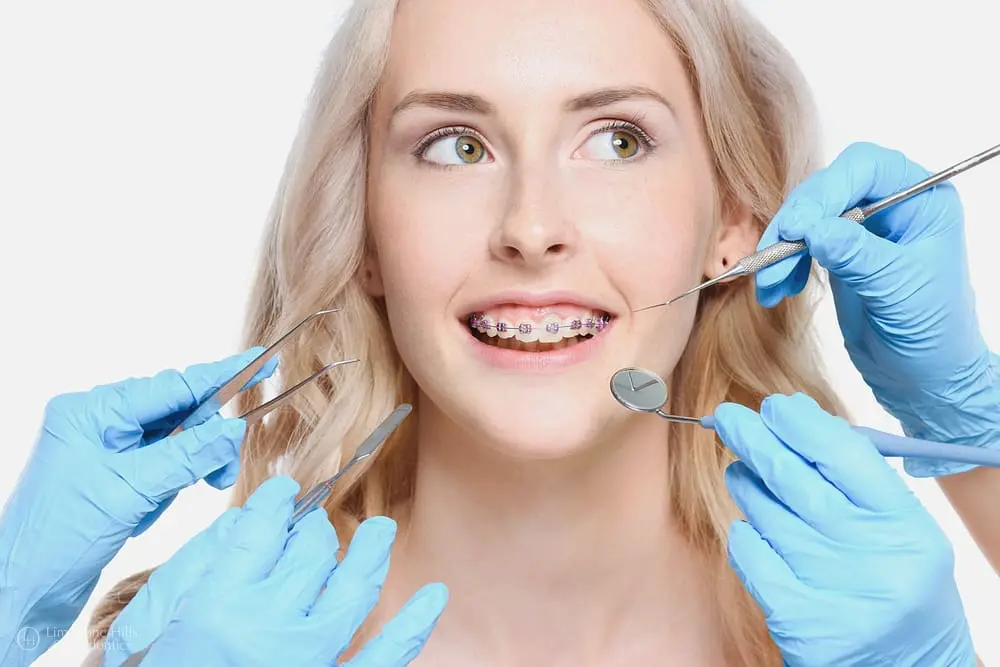
Hands holding dental tools near a smiling woman with metal braces, orthodontic treatment scene to explain are braces necessary

Why Choose Our Austin, TX Orthodontic Practice?

At our Austin orthodontic office, we’re dedicated to providing top-quality, personalized care to every patient. Here’s why families trust us with their orthodontic needs:

Expert Orthodontic Care

Our skilled orthodontists have years of experience treating children and teens with jaw alignment issues. We specialize in effective solutions like reverse pull headgear to help patients achieve great results.

Customized Treatment Plans

We understand that every smile is unique. That’s why we design personalized treatment plans tailored to meet your child’s specific needs and goals.

Comprehensive Support Throughout Treatment

From your first consultation to the final results, our friendly team will be with you every step of the way—answering questions, making adjustments, and offering expert advice.

Wide Range of Treatment Options

Along with reverse pull headgear, we offer a variety of options, including Invisalign and traditional braces, ensuring we have the right solution for every patient.

Book Your Free Consultation Today!

Visit our Austin, TX office for a free consultation! We’ll assess your teeth, review treatment options, and discuss how we can help you achieve a straighter, more confident smile. Scheduling is easy—just give us a call or visit our website to choose a time that works best for you. Our team is excited to help guide you on your journey to a beautiful smile!

About the Authors

Dr. Rodrigo Viecilli – Orthodontist in Austin, TX

Frequently Asked Questions

What happens if I don’t wear braces?

If you decide not to wear braces, it’s totally okay, but just keep in mind that your teeth might not align as perfectly as they could. You might experience some crowding or spacing issues, and in some cases, it could affect your bite, which might make chewing a bit tricky. Also, misaligned teeth can sometimes be a little harder to clean, which could lead to other dental issues down the road.

Do I need braces if I have TMJ?

If you’re dealing with TMJ (temporomandibular joint) issues, you might be wondering if braces could help. While braces are typically used to straighten teeth and correct bite issues, they can sometimes alleviate TMJ symptoms by improving the alignment of your bite. However, it’s not a one-size-fits-all solution, and not everyone with TMJ will need braces.

Will braces fix my clicking jaw?

If you’re dealing with a clicking jaw, braces might be part of the solution, but it really depends on the underlying cause. Sometimes, a clicking jaw can be due to misalignment or bite issues, which braces can definitely help with by straightening your teeth and aligning your bite. However, if the clicking is related to other factors like TMJ disorders, you might need a combination of treatments.

Overbite vs Underbite: Understanding the Differences

When discussing overbite vs underbite, it all comes down to how your teeth and jaw are aligned. An overbite happens when your upper teeth extend over your lower teeth, often resulting in a “rabbit teeth” appearance. On the other hand, an underbite occurs when your lower teeth sit in front of your upper teeth, sometimes giving a “bulldog-like” look. Both overbite and underbite can affect the balance of your smile and may require orthodontic treatment to improve chewing, speaking, and overall jaw alignment.

Attractive orthodontist wearing latex gloves holding dental tools near smiling patient in clinic after explaining him about overbite vs underbite

Defining Overbite vs Underbite

Both overbite and underbite refer to forms of malocclusion, which means misalignment of the teeth when the jaws are closed.

  • Overbite: This occurs when your upper teeth significantly overlap your bottom teeth. While a slight overbite (1–2 mm) is common, a pronounced overbite can lead to dental complications.
  • Underbite: This is when your lower teeth protrude past your upper teeth, creating a reverse alignment. Underbites are less common but can have a significant impact on function and appearance.

Understanding these conditions is the first step in finding the right treatment.

Causes and Contributing Factors

What leads to these bite issues? There are multiple factors:

1. Genetic Factors

Jaw shape and size often run in families. If misaligned bites are hereditary, someone in your family might have had a similar condition, whether an overbite vs underbite.

2. Habits During Childhood

Some behaviors during early childhood influence bite alignment, including:

  • Prolonged thumb-sucking
  • Excessive use of pacifiers beyond 2–3 years of age
  • Tongue thrusting, where the tongue presses forward against the teeth

3. Jaw Development Discrepancies

Uneven growth of the upper or lower jaw during childhood can result in misaligned bites. External factors or injury during jaw development may also contribute to this problem.

By identifying these causes, we can better tailor treatment plans suited to your needs.

The Impact on Oral Health

Both overbites and underbites can affect more than just the way your smile looks. They can result in a range of oral health problems, including:

1. Jaw Pain and Discomfort

A misaligned bite puts extra stress on the jaw joints, often resulting in pain or temporomandibular joint dysfunction (TMD). This can lead to jaw stiffness and discomfort during chewing or speaking.

2. Tooth Wear and Tear

When your teeth don’t align properly, some teeth receive more pressure than others. This increases the risk of wear and tear, leading to fractures, enamel erosion, or sensitivity.

3. Speech Challenges

Severe cases of bite misalignment can make it harder to pronounce certain words, resulting in speech issues. As Dr. Karl Lugus, a reliable pediatric dentist in Cumming, GA, explains, treating bite misalignment early often resolves speech problems and improves confidence in kids.

4. Gum Problems

Overlapping teeth caused by an overbite may create areas that are harder to clean, increasing the likelihood of plaque buildup, gum disease, and cavities.

Treatment Options

Thankfully, modern orthodontics offers a variety of treatments for overbite and underbite. These options cater to patients of all ages and are carefully tailored to the individual’s condition.

1. Braces

Traditional metal braces remain one of the most effective ways to fix overbite and underbite. Braces gradually realign teeth and correct the bite over time. Advanced options like ceramic braces provide a subtler appearance while delivering the same results.

2. Clear Aligners

Products like Invisalign offer a discreet and removable solution to align teeth. This option is popular with teens and adults who want flexibility in their orthodontic treatment. Clear aligners are ideal for mild to moderate cases of overbite vs underbite.

3. Surgical Solutions

For severe cases where the jaw structure is heavily misaligned, orthognathic surgery may be needed. This involves repositioning the upper or lower jaw for improved alignment. While surgery is more invasive, it provides permanent results for complex cases.

Treatment Costs:

  • Braces: $3,000–$7,000, depending on severity and duration
  • Clear Aligners: $3,500–$8,000 based on the complexity of the case and aligner brand
  • Jaw Surgery: $20,000–$40,000, often covered partially by insurance for medical necessity

Long-Term Benefits of Treatment

Correcting an overbite vs underbite does much more than improve your smile. There are significant long-term advantages, including:

  1. Improved Oral Function: Easier chewing, speaking, and biting down without discomfort.
  2. Healthier Teeth & Gums: Proper alignment eliminates strain on your gums and reduces the risk of cavities or gum disease.
  3. Enhanced Confidence: A straight, beautiful smile boosts self-esteem and leaves you feeling more confident in social interactions.
  4. Reduced Jaw Pain: Alleviating pressure on your jaw joints leads to less discomfort and better functionality.

Investing in treatment now prevents oral health complications down the road.

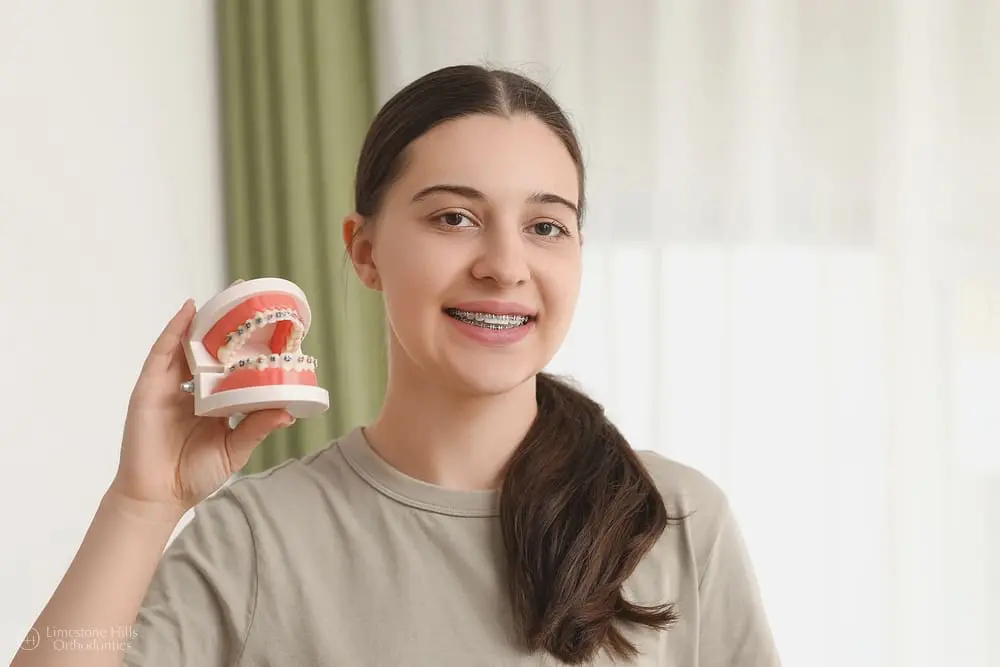
Beautiful young woman with metal braces holding a dental jaw model, orthodontic concept, to illustrate overbite vs underbite in Austin, TX

Why Choose Our Austin, TX Orthodontic Practice?

At our Austin orthodontic office, we’re dedicated to providing top-quality, personalized care to every patient. Here’s why families trust us with their orthodontic needs:

Expert Orthodontic Care

Our skilled orthodontists have years of experience treating children and teens with jaw alignment issues. We specialize in effective solutions like reverse pull headgear to help patients achieve great results.

Customized Treatment Plans

We understand that every smile is unique. That’s why we design personalized treatment plans tailored to meet your child’s specific needs and goals.

Comprehensive Support Throughout Treatment

From your first consultation to the final results, our friendly team will be with you every step of the way—answering questions, making adjustments, and offering expert advice.

Wide Range of Treatment Options

Along with reverse pull headgear, we offer a variety of options, including Invisalign and traditional braces, ensuring we have the right solution for every patient.

Book Your Free Consultation Today!

Visit our Austin, TX office for a free consultation! We’ll assess your teeth, review treatment options, and discuss how we can help you achieve a straighter, more confident smile. Scheduling is easy—just give us a call or visit our website to choose a time that works best for you. Our team is excited to help guide you on your journey to a beautiful smile!

About the Authors

Dr. Rodrigo Viecilli – Orthodontist in Austin, TX

Frequently Asked Questions

What is worse, overbite vs underbite?

Both can cause discomfort and affect your smile, but they each have their own set of challenges. Overbites might lead to issues like jaw pain or excessive wear on your teeth, while underbites can sometimes cause difficulties with chewing or speaking.

Does overbite get worse with age?

So, when it comes to overbites, it’s kind of like how some things in life tend to change as we get older. For some folks, an overbite might become more noticeable with age due to factors like natural shifts in teeth alignment, changes in jaw structure, or even habits like teeth grinding. But don’t worry too much! There are plenty of options out there to help manage or correct an overbite, whether you’re a kid or an adult.

When is it too late to fix an overbite?

It’s never really too late to fix an overbite! While it’s true that addressing dental issues is often easier during childhood or adolescence when the jaw is still growing, adults have plenty of options too. Modern orthodontics offers a variety of treatments, like braces or clear aligners, that can help correct an overbite at any age. So, whether you’re 15 or 50, there’s likely a solution out there for you.

Can Invisalign Fix Overbite?

Can Invisalign Fix an Overbite? Orthodontist in Austin, TX Answers

These clear aligners are designed to gradually shift your teeth into their ideal positions, including correcting overbites. The process involves wearing a series of custom-made aligners that gently and discreetly move your teeth over time. It’s a comfortable and convenient alternative to traditional braces, and many people love that they’re nearly invisible. If you’re trying to find the answer to “Can Invisalign Fix Overbite?”, keep on reading!

What Is an Overbite?

An overbite happens when the upper teeth extend too far over the lower teeth. It can be caused by the upper jaw being too big or the lower jaw being too small. An overbite can cause problems like difficulty chewing, jaw pain, and wearing down of teeth. In some cases, it may even affect speech.

How Severe is Your Overbite?

The severity of your overbite affects how it should be treated. A mild overbite may need only small adjustments, while a more severe overbite might need more treatment. The good news is that Invisalign can help with both mild and moderate overbites. For more serious cases, your orthodontist might suggest additional treatments or traditional braces.

How Does Invisalign Work for Overbite?

Invisalign uses clear plastic aligners to move teeth gradually into the correct position. These aligners are custom-made for your teeth and are designed to shift your teeth slowly over time. For an overbite, Invisalign can help realign your teeth to improve the bite and make it more comfortable.

Your orthodontist will take a digital scan of your teeth and create a treatment plan using advanced 3D imaging. This plan shows exactly how your teeth will move with each new set of aligners.

a woman smiling at the camera pointing at the Invisalign. Can Invisalign Fix Overbite?

Invisalign vs. Traditional Braces

Here’s a comparison of Invisalign and traditional braces:

  • Appearance: Invisalign aligners are clear, so they are less noticeable than metal braces.
  • Comfort: Invisalign is made from smooth plastic, which is often more comfortable than the wires and brackets of traditional braces.
  • Removable: You can remove your Invisalign aligners to eat, drink, and brush your teeth, making it easier to maintain good oral hygiene. Traditional braces are fixed in place, so they can be harder to clean.

Can Invisalign Fix Your Overbite?

Yes, Invisalign can help with overbite correction. Many studies show that Invisalign is effective for treating mild to moderate overbites. The aligners gently push your teeth into position, slowly improving your bite over time.

In more severe cases, traditional braces may still be needed. But for many patients with moderate overbites, Invisalign provides an effective and comfortable solution.

What to Expect During Treatment

When you start Invisalign treatment, you’ll receive custom-made aligners. You’ll wear each set for about 20-22 hours per day, only removing them to eat, drink, or brush your teeth. Every few weeks, you’ll switch to a new set of aligners that continue to shift your teeth.

The aligners work by applying gentle pressure to move your teeth into the correct position. Your orthodontist will monitor your progress with regular checkups to ensure everything is going as planned.

Who Is a Good Candidate for Invisalign?

Invisalign works well for patients with mild to moderate overbites. If your overbite is severe, you may need to combine Invisalign with other treatments. Your orthodontist will evaluate your teeth and bite to determine if Invisalign is the right choice for you.

Benefits of Invisalign for Overbite

  • Better Oral Hygiene: Since Invisalign aligners are removable, you can brush and floss your teeth as usual, which is harder with traditional braces.
  • Comfort: Invisalign aligners are made of smooth plastic, which reduces the chances of irritation inside your mouth.
  • Aesthetics: Invisalign aligners are clear, making them less noticeable than traditional metal braces.

Challenges of Invisalign Treatment

Although Invisalign is effective, it’s important to know about potential challenges:

  • Discomfort: You may feel some discomfort when switching to a new set of aligners. This is normal and should go away after a few days.
  • Compliance: To get the best results, you need to wear your aligners as directed. If you don’t wear them enough, treatment may take longer or not work as well.
a woman holding an Invisalign. Can Invisalign Fix Overbite?

Why Choose Our Orthodontic Office in Austin, TX?

At our office in Austin, we focus on giving each patient the best, personalized care. Here are a few reasons why families trust us with their orthodontic needs:

Experienced Orthodontists

Our team has years of experience helping kids, teens, and adults improve their smiles. Whether you need aligners, braces, or help with your jaw, we have the skills to get great results.

Custom Treatment Plans

Everyone’s smile is different, and so is our approach. We create treatment plans just for you, based on your unique needs, to make sure you get the best care.

Support Every Step of the Way

From your first visit to the end of your treatment, we’re with you all the way. Our friendly team is here to answer your questions, make changes when needed, and help keep your treatment on track.

Multiple Treatment Options

We offer a variety of treatments, including Invisalign, traditional braces, and reverse pull headgear. Whatever your dental needs are, we’ll help you choose the best option for a healthy, straight smile.

Contact Us Today!

Come visit us in Austin, TX, for a free consultation! We’ll check your teeth, talk about your options, and explain how we can help you get the smile you’ve always wanted. Scheduling is easy—just call us or visit our website to pick a time that works for you. Our friendly team is excited to help and answer all your questions!

About the Authors

Dr. Rodrigo Viecilli – Orthodontist in Austin, TX

Frequently Asked Questions

How long does it take to fix an overbite with Invisalign?

It usually takes anywhere from 6 months to 2 years to see the full results, depending on the severity of the overbite and how diligently you wear your aligners. Most people start noticing improvements within a few months, which is super encouraging!

What is the 22 hour rule for Invisalign?

Basically, it means you should wear your Invisalign aligners for at least 22 hours each day. This gives your teeth the time they need to shift into their new positions while still allowing you a couple of hours to eat, drink, and brush your teeth without the aligners in. It’s all about making sure your treatment stays on track and you achieve that beautiful smile you’re aiming for.

Does fixing overbite change face shape?

When an overbite is corrected, it often leads to a more balanced and harmonious facial appearance. This is because the alignment of your teeth and jaw plays a significant role in the overall structure of your face. By addressing an overbite, you

The Role of Dentofacial Orthopedics in Correcting Facial Imbalances

Dentofacial orthopedics is a specialized branch of orthodontics that focuses on correcting facial imbalances and skeletal discrepancies. While traditional orthodontic treatment primarily focuses on straightening teeth, dentofacial orthopedics takes a more comprehensive approach by addressing the underlying skeletal and muscular issues that contribute to facial imbalances. In this article, we will explore the role of dentofacial orthopedics in correcting facial imbalances and how it can benefit patients.

What is Dentofacial Orthopedics?

Dentofacial orthopedics is a specialized field of dentistry that focuses on the growth and development of the face and jaws. It involves the use of orthodontic appliances, such as braces and headgear, to guide the growth of the facial bones and correct any imbalances. This treatment is typically done in children and teenagers, as their facial bones are still developing and can be easily influenced.

How Does Dentofacial Orthopedics Correct Facial Imbalances?

Limestone Hills Orthodontics

Facial imbalances can be caused by a variety of factors, including genetics, trauma, or habits like thumb sucking. These imbalances can lead to issues such as an overbite, underbite, or crossbite, which can affect the appearance and function of the face and jaw. Dentofacial orthopedics works by using orthodontic appliances to guide the growth of the facial bones and correct any discrepancies. By addressing the underlying skeletal issues, dentofacial orthopedics can not only improve the appearance of the face but also improve the function of the jaw and bite.

The Benefits of Dentofacial Orthopedics

Dentofacial orthopedics offers a range of benefits for patients, including:

  • Improved facial aesthetics: By correcting facial imbalances, dentofacial orthopedics can improve the overall appearance of the face, leading to a more symmetrical and harmonious facial structure.
  • Better oral health: Facial imbalances can also affect the function of the jaw and bite, leading to issues such as difficulty chewing and speaking. By correcting these imbalances, dentofacial orthopedics can improve oral health and function.
  • Enhanced self-confidence: Many patients with facial imbalances may feel self-conscious about their appearance. By correcting these imbalances, dentofacial orthopedics can boost self-confidence and self-esteem.

Choosing the Right Dentofacial Orthopedist

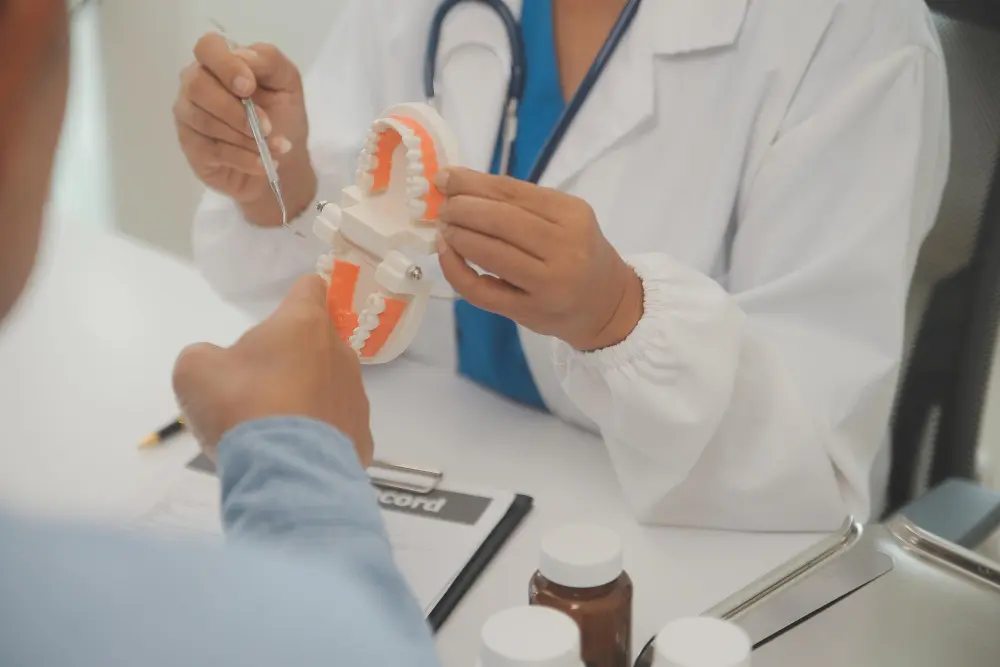
a doctor showing a model of a human jaw

When seeking dentofacial orthopedic treatment, it is important to choose a qualified and experienced orthodontist who specializes in this field. Dr. Rodrigo F. Viecilli, DDS, PhD is a highly reputable orthodontist who specializes in dentofacial orthopedics. He has extensive experience and training in this field and can provide personalized treatment plans to address each patient’s unique needs.

Conclusion

Dentofacial orthopedics plays a crucial role in correcting facial imbalances and improving the overall appearance and function of the face and jaw. By addressing the underlying skeletal issues, this specialized treatment can provide long-lasting results and improve the quality of life for patients. If you or your child have facial imbalances, consider consulting with a qualified dentofacial orthopedist to see if this treatment is right for you.

Have you or someone you know undergone dentofacial orthopedic treatment? Share your experience in the comments below.