Consequences of Not Wearing Orthodontic Elastics

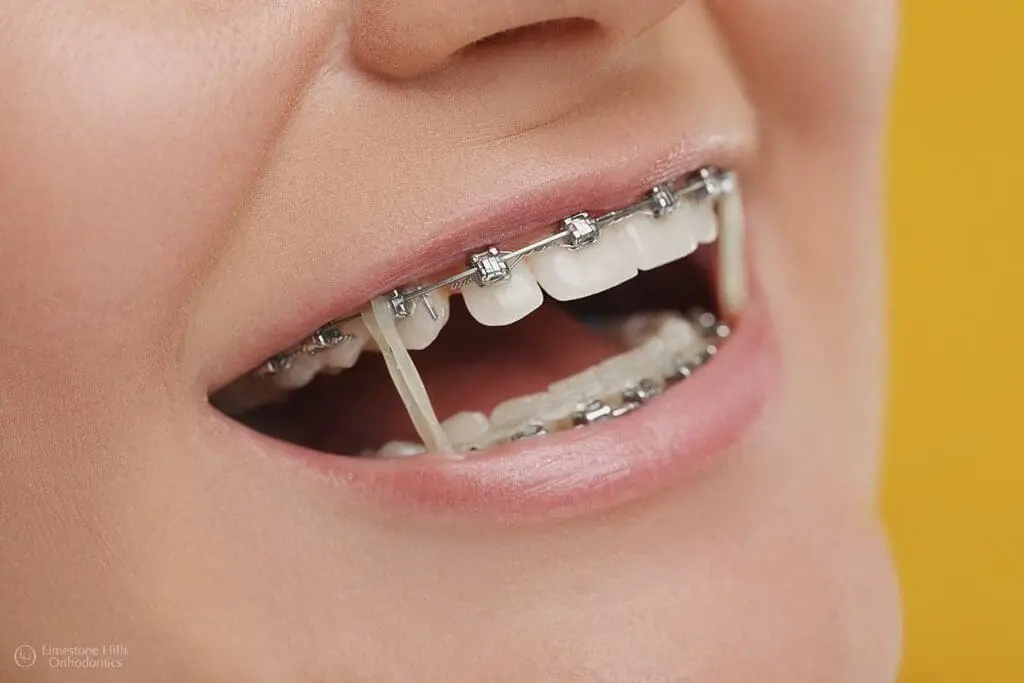
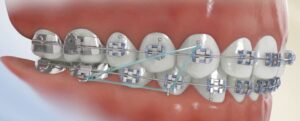
If you’re not wearing orthodontic elastics, it can slow down your treatment progress, meaning you’ll be in braces longer than you’d like. Plus, not wearing them as directed can lead to misalignment issues not being corrected properly, which might result in an uneven bite or even the need for additional treatments down the line. It’s kind of like skipping leg day at the gym—eventually, you’ll notice the difference!

braces rubber band and its consequences of Not Wearing Orthodontic Elastics

The Role of Orthodontic Elastics in Treatment

Elastics are small bands that help move teeth into their correct position. They apply pressure that braces alone cannot achieve.

How Do Elastics Work?

Elastics are often attached to brackets on the upper and lower teeth. This creates a force that helps fix problems like:

  • Overbites or underbites: They align the upper and lower jaw.
  • Crossbites: They ensure your teeth meet properly when you chew.
  • Tooth Gaps: They pull teeth together to close spaces.

Elastics are a key part of your treatment. They help your orthodontist guide your teeth and jaw into the right positions for a perfect smile.

Consequences of Not Wearing Elastics

Not wearing elastics as directed can slow down your progress. It may also cause other problems, undoing the work braces are trying to do.

1. Extended Treatment Time

Elastics are designed to apply constant force on your teeth. This force is needed to complete your treatment on time. If you stop wearing them, the treatment slows down. You might end up wearing braces longer than planned.

2. Incomplete Tooth Movement

If you skip wearing elastics, your teeth may not move into their proper positions. Elastics are essential for fine-tuning tooth alignment. Without them, the results may not meet your treatment goals.

3. Open Bite Issues

Elastics help ensure the upper and lower teeth meet correctly. Neglecting to wear them can create or worsen an open bite, where there is a gap between the top and bottom teeth when you close your mouth.

4. Jaw Misalignment

Elastics also work on aligning the jaw. If you don’t wear them, you might end up with misalignment issues. This can affect your bite, make chewing harder, and even cause discomfort in your jaw.

5. Overall Oral Health

Elastics help improve your bite, which is essential for good oral health. A bad bite can lead to uneven wear on your teeth, gum problems, and difficulty keeping your mouth clean.

Importance of Compliance

Compliance is key to successful orthodontic treatment. Wearing elastics exactly as your orthodontist instructs will ensure your teeth and jaw are moving as planned.

Why Is Compliance Important?

  • Speeds Up Treatment: You’ll reach the final result faster.
  • Prevents Problems: It avoids issues like incomplete alignment or bite problems.
  • Improves Results: Following instructions guarantees the best possible smile.

Think of elastics as part of a team. They work together with your braces to achieve a great outcome. Skipping elastics is like ignoring a teammate—they can’t do their job without your help!

Common Questions About Orthodontic Elastics

Why do I need to wear elastics?

Elastics provide the extra force needed to move teeth and align the jaw properly. Without them, your treatment may not work as intended.

How long should I wear them each day?

Your orthodontist will explain the specifics for your case. Usually, elastics need to be worn most of the day—even while sleeping. You should only remove them when eating or brushing your teeth.

What happens if I forget or remove them?

Skipping elastics makes treatment take longer. Removing them too often prevents your teeth from staying on track, delaying progress.

Are elastics painful?

Elastics may cause slight discomfort at first, but that’s normal. It means they’re working! The discomfort should fade as your teeth adjust.

Tips for Remembering to Wear Elastics

Wearing elastics consistently is a habit you can build with a few simple tricks.

1. Set Reminders

Use your phone to set daily reminders. You can even set alarms to remind you when it’s time to change elastics.

2. Keep Extras Handy

Store extra elastics in different places:

  • Your bag
  • Your car
  • Your desk at work or school
    This way, you’ll always have some nearby if one snaps or you forget to put them back in.

3. Make It Routine

Incorporate elastics into your daily routine. Put them on right after brushing your teeth in the morning and at night. Over time, it will become second nature.

4. Follow Instructions

Listen to your orthodontist’s recommendations. They know what’s best for your treatment. Adhering to their guidance will give you the best results.

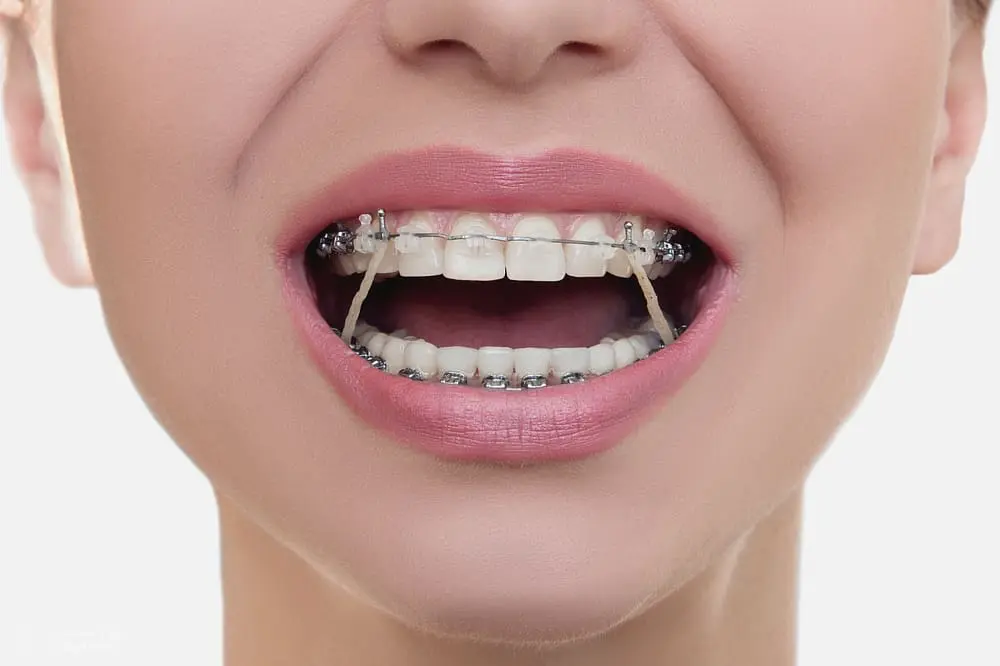
woman opening her mouth with orthodontic elastics after knowing the consequences of Not Wearing Orthodontic Elastics

Your Trusted Orthodontist in Austin, TX

Choosing the right orthodontist can make all the difference in your smile! At our Austin, TX office, we provide top-quality care and a comfortable experience. Here’s what makes us special:

Skilled Orthodontists

Our experts help kids and teens correct jaw alignment issues with proven treatments like reverse pull headgear.

Personalized Treatment

No two smiles are the same! We create treatment plans tailored to each patient’s needs.

Support from Start to Finish

Our team is with you every step of the way, answering questions and ensuring the best care.

Flexible Treatment Choices

We offer options like Invisalign, traditional braces, and more to help patients achieve their perfect smile.

Contact Us Today!

Come see us in Austin, TX, for a free consultation! During your visit, we’ll assess your teeth, go over your treatment options, and discuss how we can help you achieve a straight, confident smile. Scheduling is simple—give us a call or visit our website to book a time that works for you! Our friendly team is ready to answer your questions and guide you every step of the way.

About the Authors

Dr. Rodrigo Viecilli – Orthodontist in Austin, TX

Frequently Asked Questions

Are elastics mandatory?

When it comes to elastics, whether they’re mandatory or not really depends on the situation. In the world of orthodontics, for example, elastics might be a key part of your treatment plan, helping to align your teeth just right. But if you’re talking about something like clothing or accessories, elastics are more about comfort and fit rather than a requirement.

Is it OK to not wear elastics for a few hours?

It’s totally understandable to wonder about taking a little break from wearing your elastics. While it’s generally best to stick to your orthodontist’s recommendations for the best results, skipping them for a few hours every now and then usually isn’t a big deal. Just try to pop them back in as soon as you can to keep your treatment on track.

Choosing the Best Orthodontic Treatment in Austin, TX

When choosing the best orthodontic treatment, it’s essential to consider what suits your lifestyle and dental needs. Whether you prefer traditional braces, discreet Invisalign clear aligners, or lingual braces that stay hidden behind your teeth, finding the right option is key to a smooth treatment journey. Scheduling consultations with different orthodontists can help you understand their approach and determine the best fit for you. Be sure to check reviews, ask about their experience, and explore payment plans or insurance options to keep your treatment affordable. With the right research and guidance, you’ll be on your way to a confident, beautiful smile!

Choosing the Best Orthodontic Treatment for You

The first step is to think about what treatment suits your needs best. Do you want traditional metal braces, clear aligners like Invisalign, or lingual braces that stay hidden behind your teeth? Each option has its own benefits. For example:

  • Metal Braces: Perfect for complex alignment issues.
  • Clear Aligners: Ideal if you want a discreet, removable solution.
  • Lingual Braces: Great if you prefer braces that don’t show at all.

Your lifestyle also plays a role. Teens may like braces with colorful bands for a fun look. Adults often prefer Invisalign because it is nearly invisible. Consulting with a trusted orthodontist is the best way to figure out what will work for you.

Understanding Your Orthodontic Needs

Before choosing a treatment, it’s important to understand your specific concerns. Are your teeth crowded or crooked? Do you have a bite issue, like an overbite or underbite? Knowing this helps orthodontists recommend the best solution.

Assessing Orthodontic Issues

Your orthodontist will evaluate problems like:

  • Misalignment: Teeth that overlap or stick out.
  • Jaw Irregularities: Problems with how your upper and lower jaws align.
  • Bite Problems: Issues like crossbites, overbites, or underbites.

Setting Your Goals

Ask yourself what you want to achieve through treatment. Is it purely cosmetic, or do you want to improve your oral health as well? A clear goal will help you and your orthodontist create the right plan.

Types of Orthodontic Treatments Available

Austin has many orthodontic clinics offering a range of treatments. Here are the main types:

Traditional Metal Braces

Metal braces are the most common type of treatment. They are durable and effective, especially for more challenging cases. While they are visible, many patients choose colorful bands to make them fun.

Ceramic Braces

Ceramic braces work like metal ones but are made with clear or tooth-colored materials. They are less noticeable but a bit more delicate than metal braces.

Lingual Braces

These braces attach to the back of your teeth, making them completely hidden. They require a bit more maintenance and may cost more but are great for those who want a subtle option.

Clear Aligners (Invisalign)

Clear aligners, like Invisalign, are extremely popular. They are removable, nearly invisible, and convenient for eating and cleaning. Aligners are great for mild to moderate alignment issues.

Factors to Consider When Choosing Treatment

Every treatment has its pros and cons. Here’s what you should think about when weighing your options:

Oral Hygiene

Metal braces require extra care to clean around brackets. Clear aligners are removable, making brushing and flossing easier. If maintaining oral health is a top concern, aligners may be your best choice.

Treatment Duration

Treatment times vary by the method and severity of your issue. Metal braces often require about 18-24 months, while Invisalign treatments may be slightly faster for minor corrections.

Cost and Insurance

Orthodontic treatments can be expensive. Metal braces tend to be more affordable, while options like Invisalign and lingual braces may cost more. Check with your insurance provider to see what is covered and discuss payment plans with your orthodontist.

Comfort and Convenience

Metal braces may cause discomfort, especially after adjustments. Invisalign aligners are smooth and less likely to irritate your gums. Consider how much convenience and comfort matter to you when making a decision.

How to Choose the Right Orthodontist

Picking an orthodontist is just as important as choosing the treatment. A skilled, experienced professional will guide you through the entire process and ensure you achieve your goals.

Experience and Expertise

Look for an orthodontist with experience in the treatment you’re considering. Ask if they have worked with cases like yours before.

Reviews and Testimonials

Check online for reviews or ask for testimonials from past patients. This gives you an idea of the quality of care and results the orthodontist provides.

Consultation and Communication

Schedule a consultation to ask questions and discuss your concerns. Pay attention to how the orthodontist communicates. A good orthodontist will take the time to explain options, listen to your needs, and ensure you feel comfortable.

Questions to Ask During Your Consultation

When meeting your orthodontist, make sure you ask these key questions:

  1. What treatment options are available for me?
  2. How long will my treatment take?
  3. What will the costs be, and are payment plans available?
  4. How often will I need to visit for adjustments?
  5. How will this treatment affect my daily life?

Getting clear answers will help you feel confident in your decision.

Upset woman sitting in a dental chair while a dentist wearing latex gloves holds dental instruments after Choosing the Best Orthodontic Treatment.

Transforming Smiles with Expert Care in Austin, TX

At our Austin orthodontic office, we’re committed to delivering high-quality, personalized care. Here’s why families choose us for their orthodontic treatments:

Specialized Orthodontic Expertise

Our experienced orthodontists specialize in jaw alignment and bite correction for children and teens, offering cutting-edge solutions like reverse pull headgear.

Individualized Treatment Plans

We believe no two smiles are the same, which is why we create treatment plans designed to address each patient’s unique orthodontic needs.

Support You Can Count On

From the first visit to the final results, our friendly team provides continuous support, ensuring you feel comfortable and informed throughout your treatment.

Flexible Treatment Options

We offer traditional braces, Invisalign, and specialty appliances to accommodate various orthodontic needs, making it easy to find the right solution for you.

Contact Us Today!

Come see us in Austin, TX, for a free consultation! During your visit, we’ll assess your teeth, go over your treatment options, and discuss how we can help you achieve a straight, confident smile. Scheduling is simple—give us a call or visit our website to book a time that works for you! Our friendly team is ready to answer your questions and guide you every step of the way.

About the Authors

Dr. Rodrigo Viecilli – Orthodontist in Austin, TX

Frequently Asked Questions

What is the most effective orthodontic treatment?

Many people like Invisalign because it is clear and can be removed for eating or cleaning. These aligners are almost invisible, making them a popular choice. For more complex issues, traditional braces work well and give precise control over tooth movement. The most effective treatment is the one that fits your needs.

Which type of braces gives the best results?

The best braces for you depend on your specific dental needs. Metal braces are trusted for their ability to fix a wide range of problems. Ceramic braces are less visible but offer similar results. Clear aligners, like Invisalign, are removable and convenient but may not work for all cases. Good results come from choosing the right type of braces and taking care of your teeth. Ask your orthodontist which option is best for you.

How do I choose a good orthodontist?

Finding a good orthodontist is easy if you know what to look for. Start by asking friends, family, or your dentist for recommendations. Read online reviews to see if patients are happy with the care they receive. Make sure the orthodontist is board-certified, proving they have proper training. Look for a clinic that is close and has office hours that match your schedule. Book a consultation to meet the orthodontist and their team. A good orthodontist will answer your questions and make you feel comfortable with your treatment plan.

Orthodontic Rubber Bands: Don’t Skip It!

Orthodontic elastic bands, also called rubber bands, are tiny but powerful tools in orthodontic treatment. They play an essential role in moving teeth and aligning the jaws. If you’re wearing braces or considering braces, you’ve likely heard about orthodontic rubber bands. But how exactly do they work, and why are they important?

This guide explains the types of orthodontic elastic bands, how they are used, and what you need to know to ensure your treatment is successful.

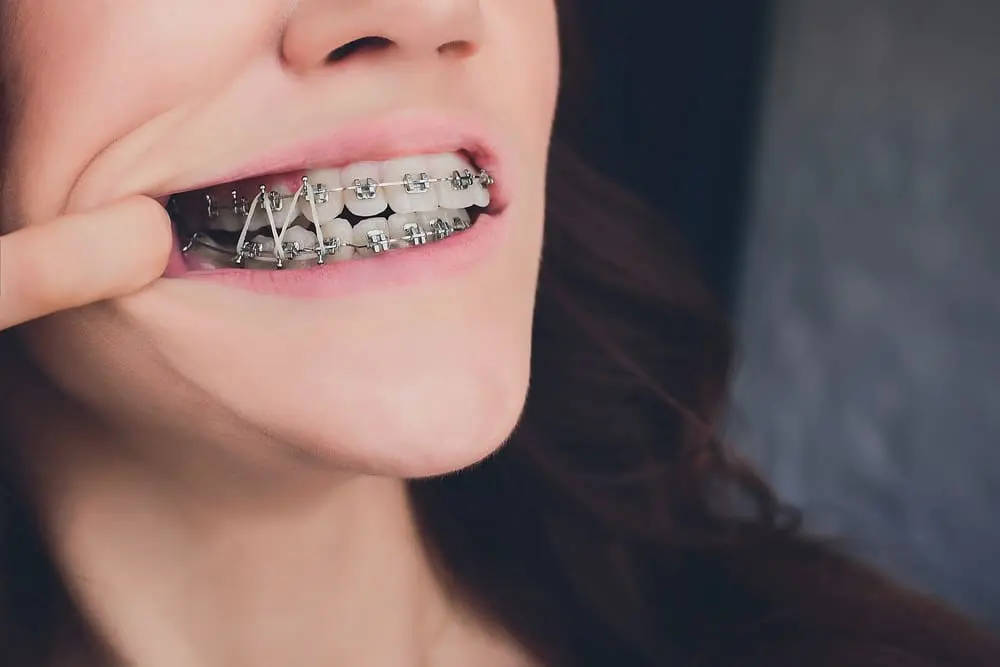
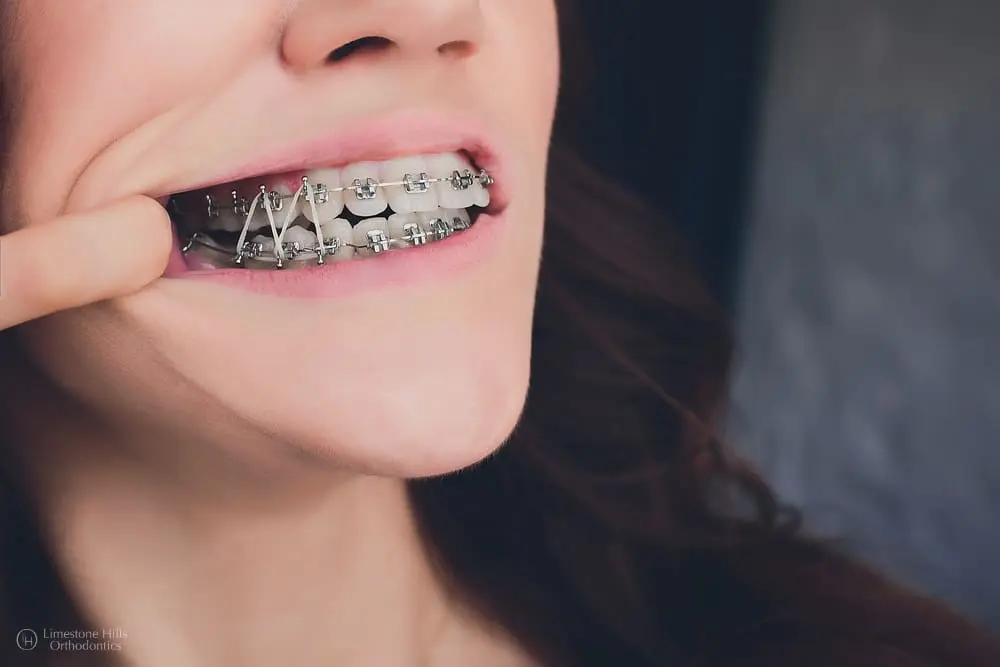
Close-up of a woman wearing orthodontic rubber bands on her braces.

Why Are Orthodontic Rubber Bands Important?

Orthodontic elastic bands help apply pressure to move teeth and adjust the jaw’s position. Braces alone might not be enough to correct bite issues or close gaps between teeth. Orthodontic rubber bands provide that extra push to make sure your smile is properly aligned.

These small rubber bands are stretched across different hooks on your braces to guide your teeth into the desired position. With consistent use, elastics can dramatically improve the results of your orthodontic treatment.

Types of Orthodontic Elastic Bands

Did you know there are several types of orthodontic rubber bands? Each one has specific jobs based on what kind of bite or alignment issue you need to fix.

  • Class II Rubber Bands: These are used when patients have an overbite. They work by pulling the upper teeth backward and the lower teeth forward to correct the bite.
  • Class III Rubber Bands: These are for patients with an underbite. Class III orthodontic rubber bands work in the opposite way of Class II elastics—they move the lower teeth backward and the upper teeth forward.
  • Vertical Rubber Bands: These are used to help close gaps between the upper and lower teeth, making the bite fit together correctly. They are often applied to improve overall alignment as well.

Your orthodontist will determine which type of orthodontic rubber bands you need based on your treatment plan.

How Are Orthodontic Rubber Bands Attached?

Attaching elastics is straightforward, but it’s important to do it correctly to ensure that your treatment progresses as planned. Here’s how they generally work:

  • Hooks on the Upper Canine Teeth: These are common anchor points for elastics. They allow the rubber bands to pull the upper teeth into the correct position.
  • Hooks on the Lower Brackets: These are used to adjust the position of the lower teeth and jaw.

Elastics are placed between these hooks to create the tension needed to move your teeth. Your orthodontist will show you exactly how to attach them during your appointments. Proper attachment is crucial to ensure the bands work as intended.

How to Use Orthodontic Rubber Bands

Wearing elastics may seem challenging at first, but with practice, it becomes part of your routine. To get the best results, follow these tips:

  • Wear Them as Directed: Most orthodontists recommend wearing them 20–24 hours a day. Remove them only during meals, brushing, and flossing. Consistency is the key to achieving results as quickly as possible.
  • Replace Them Daily: Orthodontic elastics lose their elasticity over time, which can make them less effective. Change them at least once a day or as directed by your orthodontist. Keeping them fresh ensures they provide the proper tension.
  • Keep Extras on Hand: Always carry extra bands with you. If one breaks or gets lost, you’ll be able to replace it right away and avoid delays in your treatment.

Caring for Your Orthodontic Rubber Bands and Braces

Maintaining your elastics and braces is essential for keeping your teeth healthy during treatment. Here are some tips to ensure success:

  • Brush Your Teeth Regularly: Brushing at least twice a day—and preferably after meals—will help prevent plaque buildup around your brackets and elastics. This keeps your teeth and gums healthy.
  • Remove Elastics Before Meals: Orthodontic rubber bands should always be taken out when you eat or drink (except for water). Otherwise, they might snap or lose their elasticity. Removing them during meals also allows for easy cleaning of your teeth and braces.
  • Inspect for Wear and Tear: Check your elastics and braces daily to make sure nothing is broken or out of place. If you notice a problem, contact your orthodontist.

Common Challenges with Orthodontic Rubber Bands (and How to Handle Them)

Using orthodontic rubber bands can take some getting used to, and you might experience a few bumps along the way. Here are some common challenges and how to deal with them:

  • Elastic Breakage: Rubber bands can break, especially when you first start using them. If this happens, replace the elastic immediately. Missing even a few hours of wear time can slow down your progress.
  • Discomfort or Soreness: When you first start wearing orthodontic rubber bands, you might feel some soreness in your teeth or jaw. This is normal because your teeth are moving. Over-the-counter pain relief can help, but if the discomfort persists, let your orthodontist know.
  • Difficulty Attaching Them: Attaching your orthodontic rubber bands might feel tricky at first, but with practice, it becomes easier. Use a mirror and follow your orthodontist’s instructions closely. Carrying a small mirror with you can also help when you’re not at home.

How Long Will You Need to Wear Orthodontic Rubber Bands?

The amount of time you’ll need orthodontic rubber bands depends on your specific treatment plan. Some patients wear them for just a few months, while others might need them for most of their treatment. Following your orthodontist’s instructions for how often and how long to wear elastics is critical to finishing your treatment on schedule.

Happy teenage girl with metal braces and glasses with orthodontic rubber bands, smiling at the camera.

Why Families Trust Our Austin, TX Orthodontic Practice

Your child’s smile deserves expert care, and our Austin orthodontic office is here to provide just that. Here’s what sets us apart:

Expert Orthodontists

We have extensive experience treating jaw alignment issues in children and teens, using effective solutions like reverse pull headgear.

Custom Treatment for Every Patient

We believe in personalized care, tailoring treatment plans to fit each patient’s unique smile.

Compassionate, Ongoing Support

Our team is here to answer questions, adjust treatments, and support your child through every step of their orthodontic journey.

Advanced Treatment Choices

From Invisalign to braces and reverse pull headgear, we offer multiple options to ensure the best results for each patient.

Contact Us Today!

Come see us in Austin, TX, for a free consultation! During your visit, we’ll assess your teeth, go over your treatment options, and discuss how we can help you achieve a straight, confident smile. Scheduling is simple—give us a call or visit our website to book a time that works for you! Our friendly team is ready to answer your questions and guide you every step of the way.

About the Authors

Dr. Rodrigo Viecilli – Orthodontist in Austin, TX

Frequently Asked Questions

What is the rule of 3 orthodontic rubber bands?

The rule of 3 rubber bands is a delightful little trick to keep your hair game strong and steady! Imagine you’re out and about, and suddenly, your trusty hair tie snaps—oh no! That’s where the rule of 3 rubber bands comes in handy. It’s all about having three hair ties on your wrist or in your bag at all times. This way, you’re always prepared for any hair emergency, whether it’s a sudden gust of wind or an impromptu workout session.

How long should you wear rubber bands in braces?

When it comes to wearing rubber bands with your braces, it’s all about following your orthodontist’s advice, as they know what’s best for your unique smile. Generally, you’ll need to wear them most of the day, even while sleeping, but you can take them out when eating or brushing your teeth. The duration can vary from a few weeks to several months, depending on your treatment plan.

What happens if I don t wear my rubber bands for a few days?

If you skip wearing your rubber bands for a few days, it might slow down the progress of your orthodontic treatment. Your teeth need consistent pressure to move into the right position, and taking a break can cause them to shift back a bit. But don’t worry too much! Just try to get back on track as soon as you can, and remember that every day counts towards that perfect smile. Keep up the great work!

Invisalign Attachments in Austin, TX

Invisalign is a popular way to straighten teeth without using braces. It’s a clear and discreet option that many people in Austin, TX, choose for their orthodontic care. To make Invisalign even more effective, small tools called Invisalign attachments are often used. These attachments are tiny, tooth-colored bumps bonded to the teeth. They help the aligner grip the teeth better, making tooth movement faster and more precise. This guide explains everything you should know about Invisalign attachments and their importance in achieving a great smile.

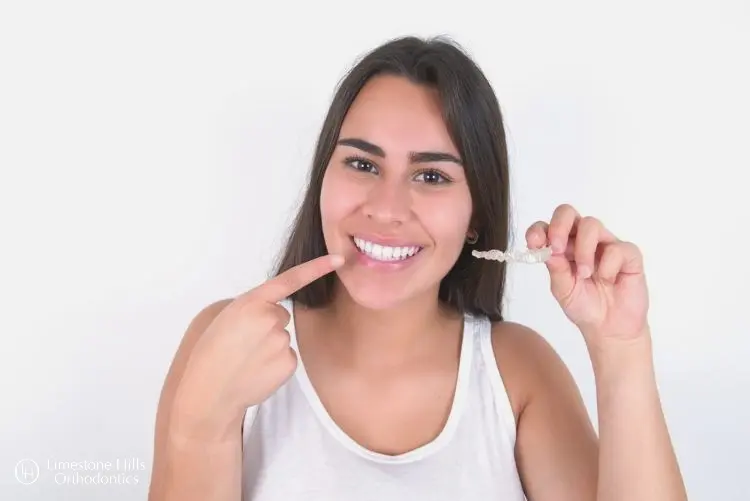
Smiling woman in green sweater points to aligner, referencing Limestone Hills Orthodontics in Austin, TX, and Invisalign insurance.

What Are Invisalign Attachments?

Invisalign attachments are small, bump-like additions placed on certain teeth during your treatment. Made from a resin material, these attachments are almost the same color as your teeth, so they blend in well and are not very noticeable.

Attachments enhance the effectiveness of Invisalign aligners by giving them a better grip on your teeth. This extra grip allows the aligners to apply pressure more precisely, helping with tough movements like rotating or tilting teeth.

Do All Patients Need Attachments?

No, not everyone requires attachments. They are mainly used for people who need more complex tooth adjustments. Cases with minor tooth movements may not need attachments, but if your teeth require extra force to move, attachments will likely be part of your treatment plan.

Why Are Invisalign Attachments Important?

Invisalign attachments play a critical role in many orthodontic cases. Their primary job is to help the aligners work better by ensuring the right amount of pressure is applied to specific teeth. Here’s why they’re important:

  1. Anchor Points: Attachments act as small handles, giving the aligners a place to grip the teeth tightly.
  2. Precise Pressure: With attachments, aligners can apply targeted pressure to move teeth in specific directions.
  3. Improved Results: Attachments allow Invisalign to handle complex cases like crowded teeth, gaps, bite problems, or tilted teeth.

What Types of Tooth Movements Need Attachments?

Attachments are required for specific types of movements, such as:

  • Rotating Teeth: If a tooth is twisted, attachments help the aligner turn it to the correct position.
  • Vertical Movements: Teeth that need to be moved up or down to align properly.
  • Closing Gaps: Attachments help aligners push teeth closer together to close spaces.
  • Crowding Issues: If teeth are overlapping, attachments provide the extra force needed to align them.

Without attachments, aligners may not have the strength to achieve these movements effectively.

Invisalign Attachments vs. Braces Brackets

While attachments and braces brackets both help move teeth, they are very different:

  • Size and Appearance: Attachments are much smaller and tooth-colored, making them less noticeable. Braces brackets are larger and often made of metal.
  • Removability: Invisalign aligners, along with their attachments, are removable, while braces are fixed and cannot be taken off during treatment.
  • Comfort: Attachments are smooth and subtle, while braces may cause discomfort due to their wires and brackets.

This makes Invisalign with attachments a great choice for people looking to fix their teeth discreetly.

How Are Invisalign Attachments Applied?

The Placement Process

Getting attachments is a simple and painless procedure that takes about 20–30 minutes. Here’s how it works:

  1. Cleaning: The orthodontist cleans and dries the surface of your teeth where the attachments will go.
  2. Template Creation: A custom template, made from aligner material, is placed over your teeth. This template ensures the attachments are positioned correctly.
  3. Bonding: A small amount of composite resin is placed in the template on the designated teeth. A special light is used to harden the resin and secure the attachments to your teeth.
  4. Final Touches: The template is removed, and the orthodontist polishes around the attachments to ensure your comfort.

Once the attachments are in place, the aligners will fit snugly over them, providing the grip needed to move the teeth efficiently.

How to Care for Invisalign Attachments

Keeping Them Clean

Proper cleaning is essential when you have attachments to avoid buildup of food or plaque around them. Here are tips to maintain good oral hygiene during treatment:

  • Brush your teeth after every meal, focusing on the areas around the attachments.
  • Use floss or an interdental brush to clean between your teeth and around the attachments.
  • Consider using a water flosser for a deeper clean.

By keeping your attachments clean, you can prevent staining and maintain a healthy, bright smile.

Adjusting to Attachments

At first, you might feel the attachments when you run your tongue over your teeth, but most patients get used to them quickly. If brushing feels tricky around the attachments, take your time and use tools like angled flossers or interdental brushes to ensure thorough cleaning.

Do Attachments Stay On Forever?

Attachments are temporary and will only stay on your teeth for the duration of your Invisalign treatment. Once your treatment is complete, the orthodontist will carefully remove the attachments. The teeth are then polished to remove any leftover adhesive, leaving your teeth smooth and clean.

Who Can Benefit Most from Invisalign Attachments?

Invisalign attachments are helpful for people with:

  • Crowded Teeth: Attachments provide the force needed to align tightly overlapped teeth.
  • Teeth Gaps: If there are spaces between your teeth, attachments help close the gaps more effectively.
  • Bite Problems: Attachments are often used to fix issues like overbites and underbites.
  • Rotated Teeth: Teeth that need to be turned can be adjusted faster with attachments.

An orthodontist will decide if you need attachments based on your specific needs during your consultation.

Benefits of Invisalign Attachments

Here are some key advantages of Invisalign attachments:

  • Better Results: Attachments make it possible to treat more complex cases, ensuring your teeth move into the correct position.
  • Discreet Appearance: They are small and tooth-colored, so they’re hard to see.
  • Comfortable and Removable: Unlike braces, Invisalign aligners and attachments are easy to remove when eating or brushing.

With these benefits, Invisalign attachments make orthodontic treatment more effective without sacrificing comfort or appearance.

Brunette woman smiling while holding Invisalign attachments clear aligners.

Why Choose Our Orthodontic Practice in Austin, TX?

At our Austin orthodontic office, we’re dedicated to providing high-quality, personalized care to every patient. Here’s why families trust us for their orthodontic needs:

Experienced Orthodontic Experts

Our skilled orthodontists have years of experience treating children and teens with jaw alignment issues. We specialize in effective treatments like reverse pull headgear, delivering exceptional results tailored to each patient.

Customized Treatment Plans

No two smiles are the same, which is why we design personalized treatment plans to meet your child’s unique needs and goals, ensuring the best possible outcome.

Comprehensive Support Throughout Treatment

From your very first consultation to the final reveal of your new smile, our caring team is here to support you. We’re always available to answer questions, make adjustments, and offer guidance every step of the way.

A Wide Range of Treatment Options

We offer more than just reverse pull headgear. Our practice provides a variety of orthodontic solutions, including Invisalign and traditional braces, so we can find the perfect fit for every patient.

Schedule Your Free Consultation Today!

Come see us in Austin, TX, for a free consultation! During your visit, we’ll assess your teeth, go over your treatment options, and discuss how we can help you achieve a straight, confident smile. Scheduling is simple—give us a call or visit our website to book a time that works for you! Our friendly team is ready to answer your questions and guide you every step of the way.

About the Authors

Dr. Rodrigo Viecilli – Orthodontist in Austin, TX

Frequently Asked Questions about Invisalign Attachment

Are Invisalign attachments necessary?

Invisalign attachments can be quite helpful, but whether they’re necessary really depends on your specific dental needs. These tiny, tooth-colored shapes are bonded to your teeth to help the aligners make the precise movements needed to straighten your smile. Think of them as little helpers that give your aligners a better grip! While not everyone will need them, they can be essential for more complex tooth movements.

Your orthodontist will be the best person to guide you on whether attachments are a must for your treatment plan. So, it’s always a good idea to have a chat with them to see what’s best for your journey to a straighter smile!

How long do Invisalign attachments stay on?

Invisalign attachments typically stay on your teeth for the duration of your Invisalign treatment, which can range from several months to a couple of years, depending on your specific orthodontic needs. These tiny, tooth-colored bumps are designed to help the aligners fit snugly and move your teeth more effectively. Your orthodontist will monitor them during your regular check-ups and ensure they’re doing their job. Once your treatment is complete, they’ll be gently removed, leaving you with a beautiful, straight smile!

Can you say no to Invisalign attachments?

Absolutely, you can say no to Invisalign attachments! It’s important to remember that your orthodontic journey is a personal one, and you have every right to discuss your preferences and concerns with your orthodontist. While attachments can enhance the effectiveness of your treatment by providing additional grip for the aligners, if you’re not comfortable with them, it’s perfectly okay to explore alternative options or adjustments to your treatment plan.

Orthodontic Treatment for Sleep Apnea

Orthodontic treatment for sleep apnea like mandibular advancement devices (MADs) can help by gently repositioning your jaw to keep your airway open while you snooze. These custom-made devices are designed to fit comfortably in your mouth, making it easier to breathe and reducing those pesky sleep disruptions. Plus, they’re a non-invasive option compared to other treatments, so it’s worth chatting with your orthodontist to see if this could be a good fit for you.

Orthodontist and assistant discussing treatment options with a female patient after her Orthodontic Treatment for Sleep Apnea

What Is Sleep Apnea?

Sleep apnea is a condition that causes breathing to stop and start during sleep. These pauses can last a few seconds or minutes and happen many times during the night. This disrupts your sleep and makes you feel tired during the day. If untreated, it can lead to problems like high blood pressure, heart issues, diabetes, or strokes.

Types of Sleep Apnea

There are three types of sleep apnea:

  • Obstructive Sleep Apnea (OSA): The most common type. It happens when muscles in your throat relax too much, blocking your airway.
  • Central Sleep Apnea: This occurs when your brain doesn’t signal your breathing muscles properly.
  • Complex Sleep Apnea Syndrome: A mix of obstructive and central sleep apnea.

Of these, OSA is the most common and often treatable with orthodontic solutions. Orthodontic treatments address structural issues in the jaw and palate, helping keep the airway open during sleep.

How Orthodontics Can Treat Sleep Apnea

Orthodontic care is not just for straightening teeth. It can also help people with sleep apnea by improving airflow and reducing blockages. Orthodontists can adjust the jaw and palate to fix problems that cause breathing issues during sleep.

Some of the ways orthodontic treatments help with sleep apnea include:

  • Moving the jaw: Adjustments to the upper or lower jaw can stop the tongue or soft tissues in the throat from blocking the airway.
  • Widening the upper jaw: Expanding the roof of the mouth creates more space for air to flow through the nasal passages.
  • Improving airway support: Structural corrections can prevent the airway from collapsing while sleeping.

These approaches help ensure a clear airway, making it easier to breathe throughout the night.

Mandibular Advancement Devices

A common orthodontic tool for sleep apnea is a mandibular advancement device (MAD). It works like a mouthguard and is worn while sleeping. It moves the lower jaw slightly forward to keep the airway open.

Benefits of MADs:

  • MADs prevent the tongue or tissues in the throat from blocking the airway.
  • They improve airflow to reduce snoring and breathing interruptions.
  • They provide a comfortable and less invasive option for mild to moderate OSA.

Patients prefer MADs because they are easy to use, non-invasive, and less cumbersome than other devices like CPAP machines.

Maxillary Expansion Techniques

Patients with narrow upper jaws may benefit from rapid maxillary expansion (RME). This treatment widens the upper jaw using a custom device, creating more room for air to flow.

Benefits of RME:

  • Better nasal breathing: Expanding the upper jaw improves airflow through the nasal passages, making breathing easier and more natural.
  • Reduced blockages: The additional space in the airway prevents it from collapsing during sleep.

This technique works especially well for children and teens, as their jawbones are still growing and can be adjusted more easily.

Surgical Orthodontic Options

Severe sleep apnea cases may need surgery. These surgeries fix jaw problems that cannot be addressed with devices. Examples include:

  • Maxillary Expansion: Expands the upper jaw for better airflow.
  • Jaw Advancement: Moves the upper jaw forward to stop airway blockages.

While surgery involves more recovery time, it can be a highly effective and long-lasting solution for severe sleep apnea.

Why Orthodontic Treatment Is Beneficial

Orthodontic care has many benefits for sleep apnea patients:

  • Better Sleep: Clearer airways mean fewer interruptions and deeper rest.
  • More Energy: You’ll wake up feeling refreshed and energized.
  • Improved Health: Treating sleep apnea lowers the risk of heart problems and other conditions.
  • Comfortable Options: MADs are easy to use and more comfortable than CPAP machines.

Orthodontic treatments address the root issues behind sleep apnea, creating long-term benefits for sleep and health.

Comparing Orthodontics and CPAP

CPAP machines are a popular treatment for sleep apnea. However, many people find them bulky and hard to use. Orthodontic solutions like MADs offer a simpler and more convenient alternative.

Orthodontic Treatments vs. CPAP Machines:

  • Ease of Use: Orthodontic appliances like MADs are small, lightweight, and portable compared to CPAP machines, which have multiple components.
  • Comfort: MADs fit comfortably in the mouth and are custom-made for each patient, unlike CPAP masks that can feel bulky.
  • Addressing the Cause: CPAP machines help manage symptoms by ensuring airflow, but orthodontic treatments can fix the structural issues causing sleep apnea.

For patients with mild to moderate OSA or those who struggle with CPAP therapy, orthodontics provides a practical, convenient alternative.

Female patient talking to her orthodontist during a consultation for her Orthodontic Treatment for Sleep Apnea

Why Choose Our Orthodontic Practice in Austin, TX?

At our Austin orthodontic office, we’re dedicated to providing high-quality, personalized care to every patient. Here’s why families trust us for their orthodontic needs:

Experienced Orthodontic Experts

Our skilled orthodontists have years of experience treating children and teens with jaw alignment issues. We specialize in effective treatments like reverse pull headgear, delivering exceptional results tailored to each patient.

Customized Treatment Plans

No two smiles are the same, which is why we design personalized treatment plans to meet your child’s unique needs and goals, ensuring the best possible outcome.

Comprehensive Support Throughout Treatment

From your very first consultation to the final reveal of your new smile, our caring team is here to support you. We’re always available to answer questions, make adjustments, and offer guidance every step of the way.

A Wide Range of Treatment Options

We offer more than just reverse pull headgear. Our practice provides a variety of orthodontic solutions, including Invisalign and traditional braces, so we can find the perfect fit for every patient.

Schedule Your Free Consultation Today!

Come see us in Austin, TX, for a free consultation! During your visit, we’ll assess your teeth, go over your treatment options, and discuss how we can help you achieve a straight, confident smile. Scheduling is simple—give us a call or visit our website to book a time that works for you! Our friendly team is ready to answer your questions and guide you every step of the way.

About the Authors

Dr. Rodrigo Viecilli – Orthodontist in Austin, TX

Frequently Asked Questions

Will insurance cover orthodontics for sleep apnea?

When it comes to orthodontics for sleep apnea, coverage really depends on your specific insurance plan. Some insurance providers do offer coverage if the orthodontic treatment is deemed medically necessary to treat sleep apnea. It’s a great idea to check in with your insurance company to get the scoop on what’s covered under your plan. They can provide the most accurate and detailed information, so you know exactly what to expect.

What is the most successful treatment for sleep apnea?

When it comes to tackling sleep apnea, the most successful treatment is often Continuous Positive Airway Pressure, or CPAP for short. It’s like having a trusty sidekick by your bedside, gently keeping your airways open with a steady stream of air while you catch those much-needed Z’s. Many folks find it to be a game-changer, helping them wake up refreshed and ready to take on the day. Of course, there are other options like lifestyle changes, oral appliances, or even surgery, but CPAP tends to be the go-to hero for many battling sleep apnea.

How Does Invisalign Work?

How Does Invisalign Work? A Step-by-Step Guide in Austin, TX

Invisalign is a modern alternative to traditional braces that helps straighten teeth with clear plastic aligners. Unlike traditional metal braces, Invisalign aligners are removable, comfortable, and virtually invisible. In this article, we will explore how Invisalign works, step-by-step, and why it may be the right option for you!

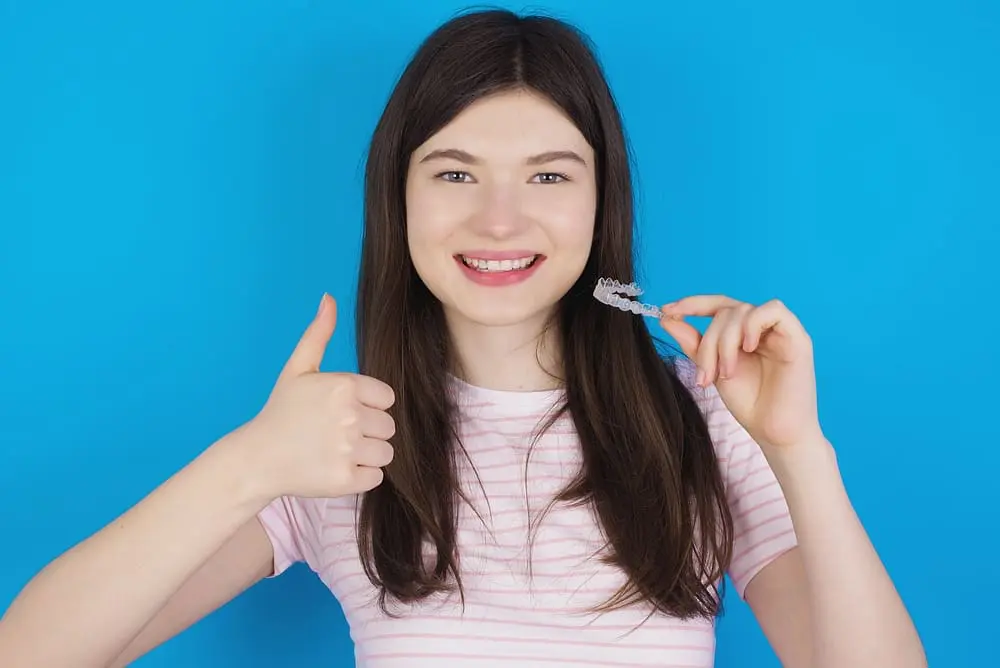
a girl posing with her thumb up and holding Invisalign. How Does Invisalign Work?

What Is Invisalign?

Invisalign is a clear aligner system designed to gradually straighten your teeth. The aligners are made from a smooth, clear plastic material, making them almost invisible when worn. The system allows you to straighten your teeth without the use of metal brackets or wires.

How Does Invisalign Work?

1. Initial Consultation

Your journey with Invisalign starts with a visit to an orthodontist or dentist. During the consultation:

  • Your orthodontist will evaluate your teeth and gums to determine if Invisalign is the best treatment for you.
  • They will take digital scans or 3D images of your teeth to create a detailed treatment plan.
  • You will also see a virtual representation of how your teeth will look after treatment.

If Invisalign is suitable for you, the next step is creating your custom aligners.

2. Customized Treatment Plan

Using the digital scans and 3D imaging, your orthodontist will create a personalized treatment plan. This plan will map out how your teeth will move over time and how long the treatment will take. It will also show you the end result of your treatment.

3. Creation of Custom Aligners

Once the treatment plan is set, Invisalign aligners are made specifically for you. Each aligner is:

  • Designed to fit your teeth perfectly for maximum comfort.
  • Crafted from SmartTrack® material, which is a clear, durable, and smooth plastic that helps gently move teeth into place.

You will receive multiple sets of aligners, and you’ll need to switch to a new set every 1 to 2 weeks.

4. Wearing the Aligners

Invisalign aligners must be worn 20 to 22 hours a day for the treatment to be effective. Here’s how to use them:

  • Wear your aligners as much as possible throughout the day and night. Remove them only when eating, drinking (except water), brushing, and flossing.
  • Make sure to clean your aligners regularly by rinsing them with water and brushing them gently.

The more compliant you are with wearing the aligners, the faster and more effective the treatment will be.

5. Monitoring Progress

You’ll need to visit your orthodontist every 6 to 8 weeks to check your progress. During these visits:

  • Your orthodontist will ensure your teeth are moving correctly.
  • You’ll receive your next set of aligners.
  • If needed, your treatment plan may be adjusted.

Since Invisalign doesn’t use wires or brackets, these visits are quick and usually require less time than traditional braces appointments.

6. Step-by-Step Tooth Movement

Invisalign aligners work by applying gentle pressure to move your teeth. Each new set of aligners shifts your teeth slightly, so that by the end of your treatment, your teeth will be in their correct positions.

  • Every new aligner set moves your teeth gradually.
  • Some people feel mild discomfort when switching to a new set, but this is a normal part of the process.

Over time, this gentle and consistent pressure helps you achieve the smile you’ve always wanted!

Invisalign for Kids

Invisalign isn’t just for adults; it’s also a great option for children and teens. Here’s why:

  • Comfortable – There are no metal brackets or wires, which can irritate the mouth.
  • Easier to Clean – Kids can remove their aligners to brush and floss their teeth.
  • More Confidence – The aligners are clear and almost invisible, so kids won’t feel self-conscious about their smile.

Invisalign can also help children maintain good oral hygiene, which can be difficult with traditional braces.

Invisalign vs Braces: What’s the Difference?

Many people wonder how Invisalign compares to traditional braces. Here are some key differences:

  • Visibility: Invisalign aligners are clear and nearly invisible, while traditional braces are made from metal, which is much more noticeable.
  • Comfort: Invisalign aligners are made from smooth plastic, so they are more comfortable and less likely to irritate your mouth compared to the metal wires and brackets used in braces.
  • Removability: Invisalign aligners are removable, so you can eat and drink what you like, and you can clean your teeth easily. Traditional braces are fixed in place, and there are more restrictions on food choices.
  • Oral Hygiene: Since Invisalign can be removed, you can brush and floss your teeth like normal, which makes it easier to maintain good oral hygiene. With traditional braces, it’s harder to clean around the brackets and wires.

Maintaining Oral Health During Treatment

It’s important to maintain good oral hygiene throughout Invisalign treatment to prevent any issues like cavities or gum disease. Here are a few tips:

  • Brush your teeth after every meal before putting your aligners back in.
  • Floss daily to remove food particles and plaque from between your teeth.
  • Clean your aligners by rinsing them with lukewarm water and gently brushing them to prevent bacteria buildup.
  • Avoid sugary drinks while wearing your aligners to prevent cavities.

How Long Does Invisalign Treatment Take?

The length of Invisalign treatment depends on how much movement your teeth need. On average, treatment lasts between 6 and 18 months. Here’s a general breakdown:

  • Mild cases may take around 6 months.
  • Moderate cases could take about 12 to 18 months.
  • Severe cases may take longer than 18 months.

Your orthodontist will give you a more specific time estimate based on your individual case.

Limestone Hills Orthodontics

Final Results: What to Expect

By the end of your Invisalign treatment, your teeth should be straight and properly aligned. To keep your teeth in their new position, you will need to wear a retainer. A retainer is a custom-made appliance that helps prevent your teeth from shifting back over time.

Is Invisalign Right for You?

Invisalign could be the perfect option if you want:

  • Comfortable and removable aligners.
  • A discreet treatment that doesn’t interfere with your daily life.
  • The ability to straighten your teeth without the hassle of traditional braces.

Why Choose Our Orthodontic Practice in Austin, TX?

At our orthodontic office in Austin, we are committed to providing top-quality, personalized care for each patient. Here are just a few reasons families trust us with their orthodontic care:

Experienced Orthodontists

Our team has years of experience helping kids, teens, and adults straighten their teeth and improve their smiles. Whether you need aligners, braces, or jaw alignment treatment, we have the expertise to get great results.

Customized Treatment Plans

Every smile is unique, and so is our approach. We create personalized treatment plans based on your needs, ensuring you get the best care for your specific dental concerns.

Support from Start to Finish

From your first visit to the day your treatment is complete, we’re with you every step of the way. Our friendly team is here to answer questions, make adjustments, and keep your treatment on track.

Multiple Treatment Options

We offer a range of orthodontic solutions, including Invisalign, traditional braces, and reverse pull headgear. No matter your dental needs, we’ll help you find the best option for a straight, healthy smile.

Contact Us Today!

Come see us in Austin, TX, for a free consultation! During your visit, we’ll assess your teeth, go over your treatment options, and discuss how we can help you achieve a straight, confident smile. Scheduling is simple—give us a call or visit our website to book a time that works for you! Our friendly team is ready to answer your questions and guide you every step of the way.

About the Authors

Dr. Rodrigo Viecilli – Orthodontist in Austin, TX

Frequently Asked Questions

How quickly do teeth move with Invisalign?

On average, you might start noticing some movement in just a few weeks, but most people complete their treatment in about 12 to 18 months. It’s pretty exciting to see those changes happen, and your orthodontist will be there to guide you every step of the way.

Do I sleep with my Invisalign on?

Absolutely, you should definitely sleep with your Invisalign on! It’s important to wear your aligners for about 20 to 22 hours a day to ensure they’re doing their job effectively. Sleeping with them in is a big part of reaching your smile goals, so pop them in before you hit the hay and let them work their magic overnight.

What Dental Issues Can Invisalign Fix?

Invisalign can effectively tackle a variety of dental issues, including crowded teeth, gaps between teeth, and even some cases of overbite, underbite, and crossbite. These clear aligners are designed to gently and gradually shift your teeth into the desired position, making them a great choice for those seeking a more discreet orthodontic treatment.

How Long Does Invisalign Take? Expert Guide

Invisalign typically takes anywhere between 12 to 18 months, but this can change depending on the complexity of your case and how often you wear your aligners.

Would you like to know more to answer the question “How long does Invisalign take ?” for your particular case? Keep on reading! Invisalign is a revolutionary orthodontic treatment that uses clear, removable aligners to gradually shift your teeth into the desired position. Unlike traditional braces, Invisalign aligners are virtually invisible and can be easily taken out for eating, brushing and special occasions.

Now, it’s important to understand that the duration of Invisalign treatment can vary from person to person. Remember, the more dedicated you are to wearing your aligners, the quicker you’ll see results!

I. Factors Affecting the Duration of Invisalign Treatment

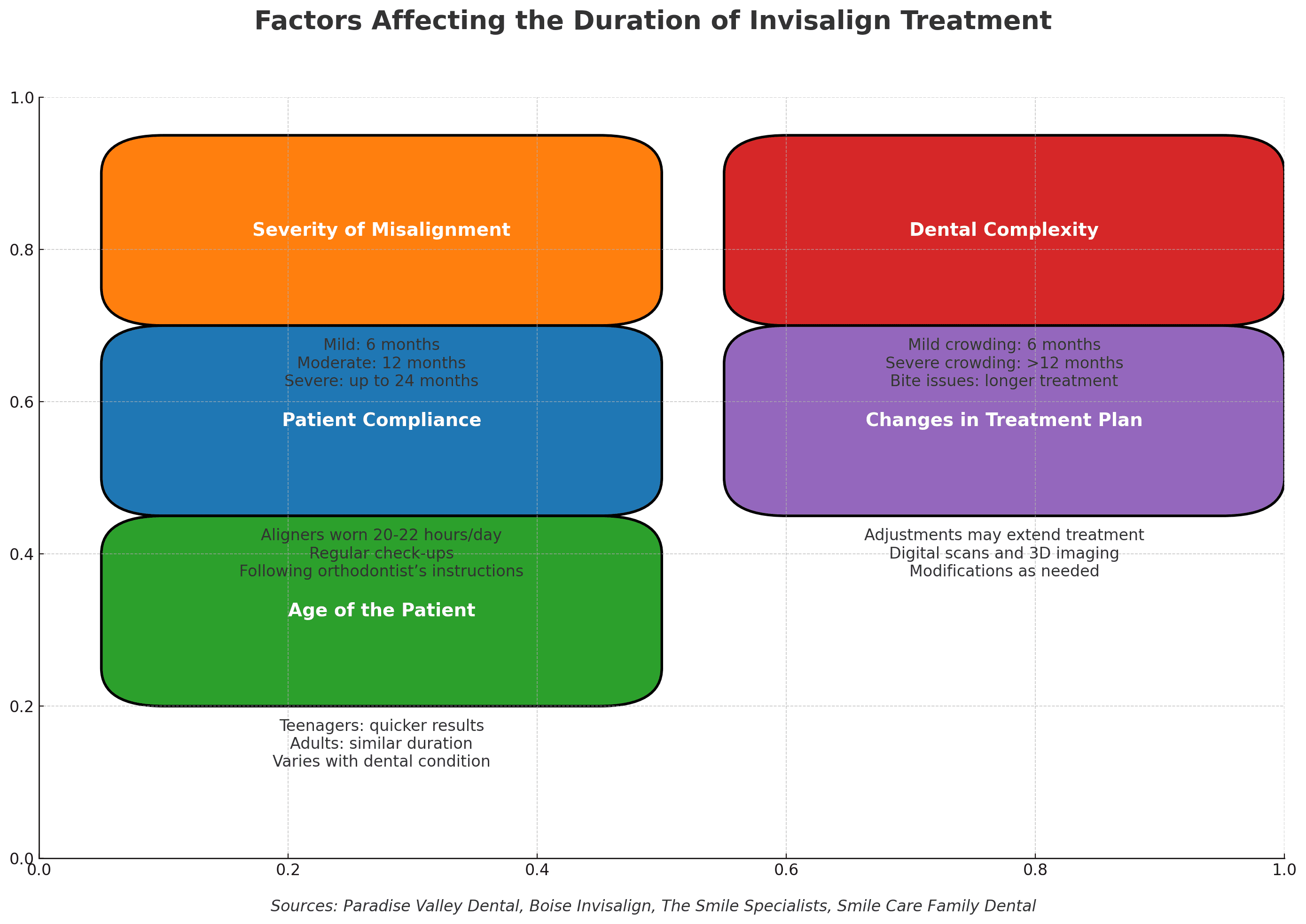
The duration of your Invisalign treatment can depend on a number of factors. Firstly, the complexity of your case plays a major role. If your teeth are significantly misaligned, it may take longer for them to move into the desired position. Your age could also influence the treatment duration as younger patients often respond faster to treatment than adults.

Additionally, your commitment to the treatment is crucial. Invisalign aligners should be worn for about 20-22 hours a day; if not, treatment time could extend. Lastly, each person’s mouth is unique and responds differently to treatment, so it’s impossible to predict an exact timeline. Remember, patience leads to the best results!

how long does invisalign take infographic

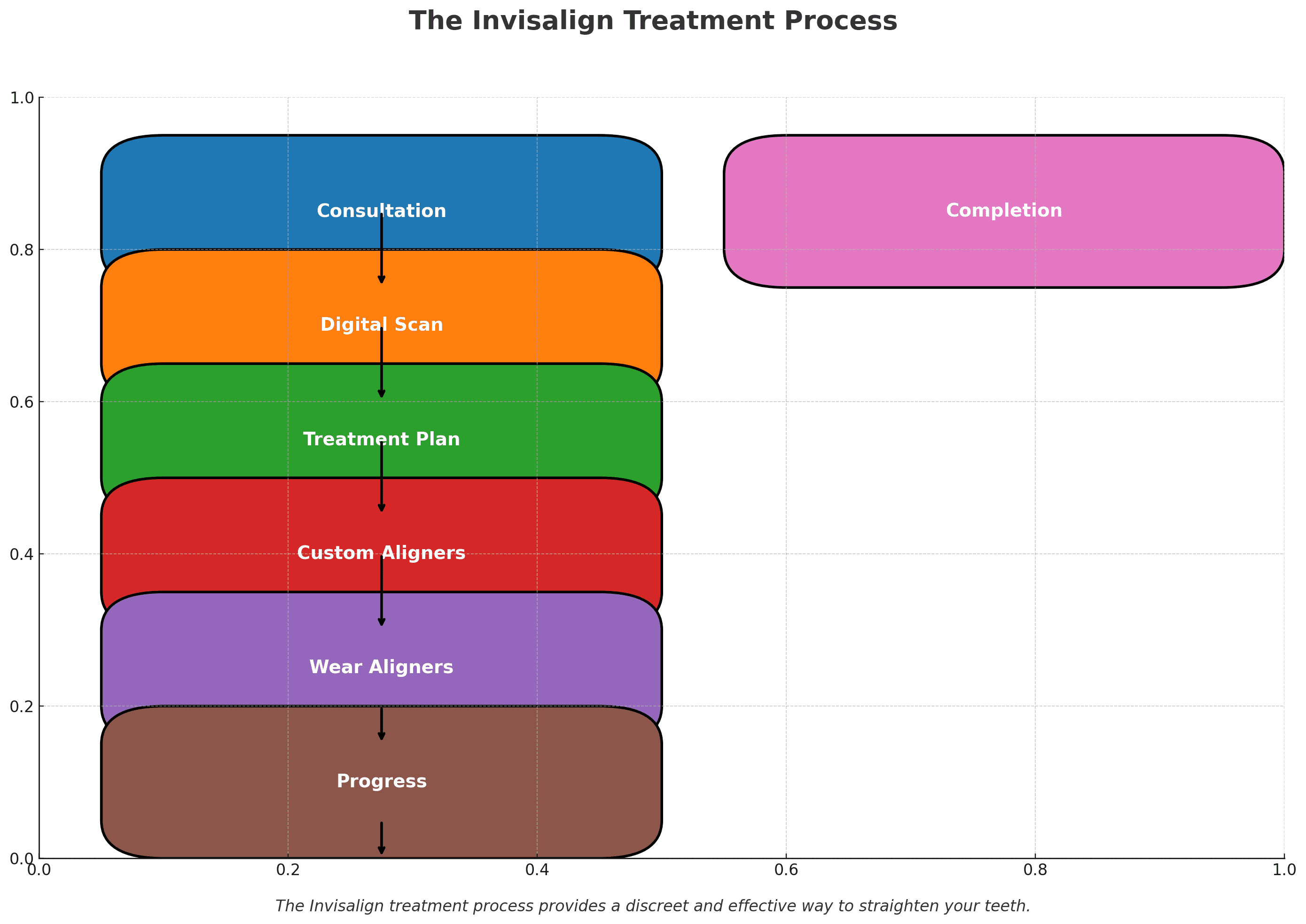
II. Invisalign Treatment Process

Invisalign treatment is a wonderful and modern approach to straightening your teeth without the use of traditional braces. The process starts with a consultation with your dentist or orthodontist where they’ll assess your teeth and create a personalized treatment plan. They’ll then take a digital scan of your mouth to create precise 3D images of your teeth. Using these images, your doctor will map out a precise treatment plan, including the exact movements of your teeth and how long you’ll wear each set of aligners.

The aligners are then custom-made for you to wear over your teeth. You’ll wear these clear, BPA-free plastic aligners for about 20-22 hours a day, removing them only to eat, drink, brush, and floss. As you progress through the series of aligners, your teeth will gradually and gently shift into place. The best part? Most people won’t even notice you’re going through treatment!

Limestone Hills Orthodontics

III. Average Length of Invisalign Treatment

Research has shown that the average duration of Invisalign treatment typically ranges between 12 to 18 months. However, it’s important to note that this can vary significantly depending on the individual’s specific needs. Some people may find that their treatment is completed in as little as six months, while others may require up to two years.

It all depends on the complexity of the case and how consistently the aligners are worn. Remember, for the best results, it’s recommended to wear your aligners for 20 to 22 hours each day.

IV. Comparison with Traditional Braces

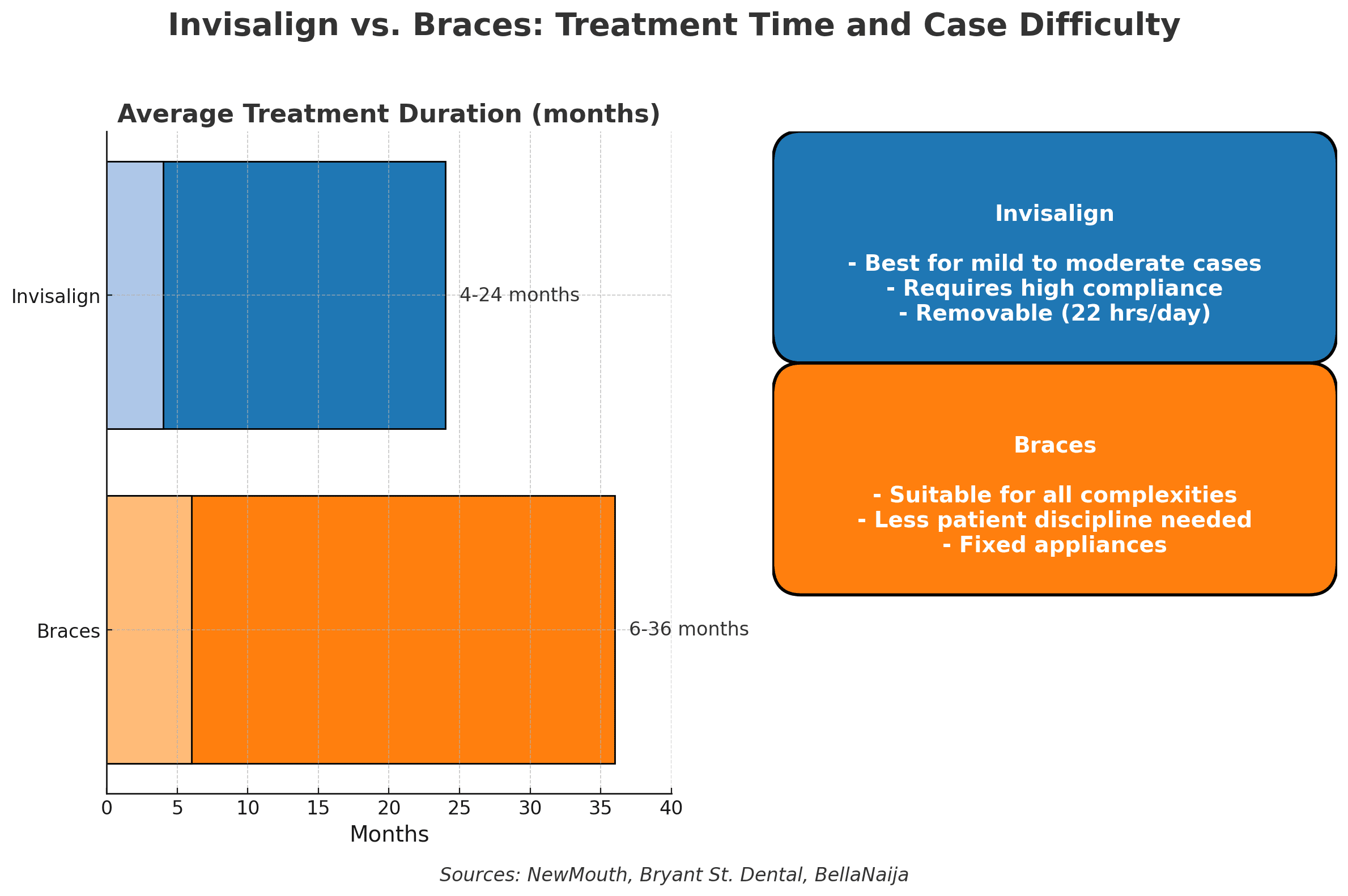
Generally speaking, Invisalign tends to have a quicker treatment time than metal braces for mild cases given that the patient wears the aligners properly. On average, Invisalign treatment can be completed in anywhere from 4 to 18 months, while traditional braces often require 6 months to 3 years. However, it’s important to remember that everyone’s teeth are different, and individual treatment times can vary. Also, the fact Invisalign cases take less time is affected by a bias of case selection, i.e., most doctors prefer to use Invisalign in milder cases.

The great thing about Invisalign is not only could you potentially be flashing that perfect smile sooner, but the aligners are also clear and removable, making the whole process more convenient and less noticeable. So, if saving time and maintaining aesthetics are high on your priority list, Invisalign could be a great option for you! For more detailed information on Invisalign vs. Braces or to find out more info on the question “Is Invisalign Faster than Braces? click the links.

Limestone Hills Orthodontics

V. Factors That May Extend or Shorten Invisalign Treatment

There are several factors that can influence the overall treatment time when it comes to dental procedures. One primary factor is the complexity of the situation, such as overcrowded teeth or the need for significant tooth movement. If your teeth are very crowded, it might take a longer time to align them properly because each tooth needs enough space to move into its correct position. According to Dr. Marty Greenberg, a reliable orthodontist in Jacksonville, FL, severe crowding or bite issues may extend Invisalign treatment time, sometimes requiring additional orthodontic tools. Similarly, if a tooth needs to be moved a significant distance, it will take more time than if it only needs a minor adjustment. Your body’s biological response to the treatment can also impact the duration.

Everyone is unique and responds differently to treatment. Lastly, your commitment to following your dentist’s or orthodontist’s instructions, such as wearing your aligners or braces for the recommended amount of time each day, can also greatly impact the treatment time. So, while it might be a bit daunting, remember that it’s all towards achieving that perfect smile!

VI. Compliance and Treatment Duration

Wearing your aligners as instructed is crucial for achieving the best results. They’re specifically designed for your teeth and need to be worn for a certain amount of time each day to effectively move your teeth into their correct positions. If you don’t follow these instructions, it can significantly prolong your treatment time. Just think of it this way – your aligners are like your best friends on this journey to a beautiful smile. They’re here to help, but they need your cooperation. If you skip wearing them, it’s like taking a detour on your road to a perfect smile, which will naturally take longer to reach. So, for a smooth and speedy journey, make sure you wear your aligners as advised!

VII. Tips for Reducing Invisalign Treatment Time

To potentially reduce your treatment duration, maintaining good oral hygiene is crucial. Regular brushing and flossing help to keep your teeth and gums healthy, which can speed up your recovery process. Additionally, try to avoid foods and drinks that can damage your teeth, such as sugary or acidic items. It’s also recommended to keep up with your dental check-ups, as your dentist can spot any potential issues early, which can prevent further complications. Remember, your cooperation and commitment to your oral hygiene play a significant role in the success and speed of your treatment. So, keep smiling and stay dedicated to your oral health routine!

FAQ

Does Invisalign Take Longer to Straighten Teeth For Adults?

Absolutely not, my friend! The duration it takes for Invisalign to straighten teeth is not necessarily longer for adults. It’s a common misconception, but actually, the length of time depends more on the individual’s dental condition rather than their age. Invisalign treatment can take anywhere from 12 to 18 months on average, but some adults might see results even sooner. So, don’t let the fear of a lengthy process hold you back from achieving that perfect smile. Remember, every smile is unique and so is every treatment timeline!

How strict is the 22 hours per day rule?

Hey there! The ’22 hours per day’ rule is actually quite strict. It’s generally used in scenarios like wearing invisible braces where it’s recommended to wear them for 22 hours per day for the best results. Of course, this allows for a couple of hours of freedom during meal times or special occasions. However, it’s really important to stick to it as closely as possible. The more consistently you follow this rule, the more effective and quicker the process will be. So, it might seem a bit tough, but it’s definitely worth it in the long run!

How quickly does the teeth move with Invisalign?

Hey there! The speed at which your teeth move with Invisalign can depend on a few factors, like your specific dental needs and your consistency in wearing the aligners. Generally speaking, you could see noticeable movement in your teeth within 2-3 months. Invisalign aligners are designed to make slight adjustments to tooth position every week, which is faster than traditional braces. However, keep in mind that every smile is unique, so the pace of progress could vary from person to person. Always remember, your commitment to wearing the aligners for the recommended 20-22 hours per day plays a significant role in how quickly you’ll see results.

When should I start seeing Invisalign’s results?

Hey there! You’ll be excited to know that you can start noticing some changes in your smile within just a few weeks of starting your Invisalign treatment. However, keep in mind that the complete transformation to your dream smile will typically take around 12 to 18 months. Remember, each person is unique and so is their treatment plan, so it might take a little more or less time for you. Rest assured, your patience will definitely pay off in the end with that perfect smile you’ve always wanted!

Is Invisalign faster than braces?

Absolutely, my friend! Invisalign can indeed be faster than traditional braces. The exact treatment time really depends on your specific situation, but generally, Invisalign treatment can be completed in anywhere from 6 to 18 months. On the other hand, traditional braces typically need to be worn for about 18 to 24 months, or even longer in some cases. It’s also worth mentioning that with Invisalign, you’ll be able to see progress throughout your treatment, which can be a nice little morale booster! However, always remember that each person’s teeth and orthodontic needs are unique, so it’s best to consult with your orthodontist for the most accurate information.

Can Invisalign work in 3 months?

Absolutely! Invisalign can indeed work in as little as 3 months. However, it’s important to remember that every smile is unique, and the duration of treatment varies depending on the complexity of the case. For minor corrections, Invisalign can show significant improvement in just 3 months. But for more complex cases, it might take longer. Your orthodontist will be able to give you a more accurate timeline after evaluating your teeth. Invisalign is a fantastic option for straightening your teeth discreetly and comfortably, just remember to wear your aligners as directed!

How can I ensure the quickest possible treatment time with Invisalign?

To ensure the quickest possible treatment time with Invisalign, it’s crucial to follow your orthodontist’s instructions to a tee. Wear your aligners for the recommended 20-22 hours per day, only removing them for eating and brushing your teeth. Regularly attend your check-ups so minor adjustments can be made if necessary. Also, use any supplementary tools like chewies or vibration devices, if suggested by your orthodontist. These devices can help seat the aligner properly. Last but not least, maintain good oral hygiene to avoid any setbacks. Remember, consistency is key to achieving your dream smile sooner!

How Long Do Braces Take? Find Out Here – Expert Guide

Braces can take from 6 to 36 months. The average treatment time is around 24 months. Want to know more to answer “how long do braces take” on your own? Keep on reading.

Braces are dental devices that are designed to align and straighten your teeth, improve your dental health, and enhance your smile. They apply gentle pressure over time to slowly move your teeth into the desired position.

Understanding the duration of orthodontic treatment is crucial because it helps you manage your expectations and prepare for the journey ahead. It’s not a quick fix, but a gradual process that requires patience and commitment. However, the end result is a beautiful, healthy smile that boosts your confidence, and that’s definitely worth the wait!

Factors Affecting the Duration of Braces Treatment

Orthodontist recommendations and expertise

As an orthodontist, I highly recommend maintaining a regular check-up schedule to ensure your oral health is up to par. Our expertise lies in diagnosing, preventing, and treating dental and facial irregularities. This includes a wide range of conditions such as crooked teeth, overbites, and even jaw-related problems.

The expertise of the orthodontist, how much training it has, if he is American Board of Orthodontics certified, and how many cases he has treated with excellence, can influence the treatment time you will wear braces for. If the orthodontist has a Faculty appointment in a University, it can also be a good indicator of expertise to correct orthodontic problems.

Limestone Hills Orthodontics

We’re here to guide you through the process, providing advice tailored to your specific needs. Whether it’s suggesting the right type of braces or advising on post-treatment care, our main goal is to help you achieve a healthier, more confident smile. Remember, a happy smile is a healthy smile!

Length of time braces need to be worn

The length of time braces need to be worn can vary greatly depending on the individual case. On average, most people wear braces for about 1 to 3 years. Some might need them for a shorter period, while others might need them a bit longer. Factors like the severity of the issue, the health of your teeth, gums, and supporting bone, and how closely you follow your orthodontist’s instructions can all influence the duration.

Rest assured, your orthodontist will be able to give you an estimated timeline based on your specific needs. Remember, the goal is to ensure you end up with a healthier and more confident smile!

Use of rubber bands and their impact on treatment duration

Rubber bands work in conjunction with braces to correct misaligned bites. These handy little tools apply extra pressure to the teeth and jaw, which aids in aligning and straightening.

Limestone Hills Orthodontics

Now, as for their impact on treatment duration, it really depends on the patient’s consistency in using them. If used as directed by the orthodontist, rubber bands can significantly speed up the treatment process. However, if not used correctly or consistently, they can extend the treatment duration. So, remember to follow your orthodontist’s instructions and your journey to a perfect smile will be a whole lot quicker!

Severity of orthodontic issues: number of teeth requiring correction

The number of teeth requiring correction can vary greatly from person to person. Some individuals may need correction for a small tooth gap, while others may need their entire set of teeth corrected. This could be due to a variety of reasons such as crooked teeth, overcrowding, underbites, overbites, or other dental issues.

It’s important to remember that everyone’s smile is unique, and there’s no standard number of teeth that need to be corrected. Your dentist or orthodontist can provide the best advice based on your individual needs.

Suitability for clear aligners

Clear aligners are ideal for individuals who have mild to moderate dental misalignments such as overbites, underbites, crossbites, gaps, and overcrowding. They are a fantastic option if you’re looking for a virtually invisible solution and want to avoid the traditional metal braces. However, they may not be suitable for severe or complex cases.

It’s always best to consult with your orthodontist or dentist who can assess your dental situation and guide you on the right path to achieving that perfect smile!

Types of braces

Absolutely, let’s talk about dental braces! There are several types each with different treatment times. Traditional metal braces are the most common and typically take about 2 years, but they’re super effective. Then, we have ceramic braces, which are less noticeable than metal ones and generally require 18 months to 3 years. Lingual braces, fixed at the back of your teeth, take a bit longer, around 2 to 3 years due to their location.

Lastly, there are clear aligners like Invisalign. They’re almost invisible and removable, making them a popular choice. Treatment time varies greatly, from 10 months to 2 years, depending on the individual’s needs. So, there are lots of options to create that perfect smile, each with their own timeframe!

Average Duration of Braces

Typical length of treatment for different types of braces

So you’re curious about the typical length of treatment for different types of braces, right? Well, it generally varies depending on the complexity of the case, but I can certainly give you a ballpark. Traditional metal braces usually require about 18 months to 3 years. Ceramic braces, which are a tad more discreet, have a similar timeline.

Lingual braces, which are hidden behind your teeth, may take a bit longer, up to 3 years. Then there’s Invisalign, the clear, removable aligners, which can take anywhere from 6 to 18 months. Remember, these are just averages and each person’s smile is unique, so your orthodontist can provide the most accurate estimate.

Factors that may shorten or lengthen the treatment time

The duration of any treatment can be influenced by several factors. For instance, the severity of orthodontic issues being treated can greatly impact the timeline. More severe or complex conditions often require a longer treatment period. Individual responses to treatment can also vary, with some people responding quicker than others.

Additionally, the patient’s overall health and lifestyle, including diet, exercise, and sleep habits, can play a significant role in treatment time. Lastly, the consistency and accuracy in following the prescribed treatment or medication schedule can either shorten or lengthen the process. So, it’s always important to follow your healthcare provider’s instructions closely, maintain a healthy lifestyle, and keep an open line of communication about your treatment progress.

Importance of following the orthodontist’s instructions

You see, your orthodontist is like a friendly guide on your journey to a healthier, more beautiful smile. They are trained professionals who have studied extensively to understand the complexities of our mouth and teeth. When they give you instructions, it’s because they know exactly what’s best for your dental health.

Limestone Hills Orthodontics

Whether it’s about wearing your retainer regularly, maintaining oral hygiene, or avoiding certain foods, each guideline is designed to ensure a smooth and effective treatment process. So, adhering to their advice not only speeds up your treatment but also prevents potential complications. Think of it as teamwork – you and your orthodontist working together to unveil the best version of your smile!

Conclusion

Remember, orthodontic treatment, such as getting braces, is not an overnight process. It’s a journey that requires time and patience, but the result is definitely worth it. You will get that beautiful smile you’ve always wanted! Commitment is equally important. Keeping up with your appointments and following your orthodontist’s advice about care and maintenance will ensure the best possible outcome.

I know it might seem daunting, but millions of people have been through this and come out the other side with a fantastic smile. So, hang in there and stay committed. Your dazzling new smile is just around the corner!

FAQ

How long do braces stay on for kids?

Hey there! The duration that braces stay on for kids can vary quite a bit, mostly depending on the specific needs of each child. However, the average time frame is usually between one to three years. This might sound like a long time, but remember, the goal is to ensure your child’s teeth align perfectly for a bright and beautiful smile. Plus, regular check-ups with the orthodontist can make the process go smoothly and maybe even quicker. So hang in there, kiddo, the end result is totally worth it!

How long do braces for adult usually last?

The duration for which an adult might need to wear braces can vary quite a bit. On average, it typically ranges from 18 months to three years. However, it’s important to remember this can depend on a number of factors, such as the complexity of the alignment issue and how well you follow your orthodontist’s instructions. Don’t worry though, your orthodontist will give you an estimated timeline at the beginning of your treatment. Remember, the end result of a beautiful, confident smile is definitely worth the wait!

Is 18 months a realistic estimate for a treatment plan?

An 18-month timeframe can certainly be a realistic estimate for a treatment plan. This, of course, largely depends on the nature and severity of the condition being treated. Some health conditions may require a longer-term commitment, while others might see significant improvements in a shorter time span. It’s important to remember that everyone’s body responds differently to treatment, so timelines can vary. Regular consultation with your healthcare provider will ensure that your treatment plan continues to be effective and tailored to your specific needs.

How long do I need to wear braces to fix protruding teeth?

The duration you’ll need to wear braces to fix protruding teeth can vary significantly depending on your individual situation. On average, it usually takes about 1 to 2 years, but in some cases, it could be shorter or longer. Factors like the severity of your protrusion, your age, and how well you follow your orthodontist’s instructions can all influence the timeframe. It’s best to have a chat with your orthodontist who can give you a more accurate estimate based on your specific needs. Remember, every smile is unique and so is every treatment plan!

Can you wear braces for only 8 months?

It’s important to remember that the duration of time you need to wear braces really depends on your individual circumstances, like the severity of your dental issues and the type of braces you choose. Some people may see significant improvements within an 8-month period, especially with fast-acting treatments like clear aligner systems. It’s crucial though to have a chat with your orthodontist to get a more precise timeline based on your specific needs. Always remember, the end goal is a healthier, happier smile!

Orthodontist vs Dentist

An orthodontist is a dentist, but a dentist is not necessarily an Orthodontist. All orthodontists are dentists first, but though not every dentist has the qualifications to be an orthodontist. An orthodontist continued his formal education for 2 or 3 additional years before receiving the necessary license and certification. An orthodontist, has spent years studying nothing but how and why to move teeth. This includes what to do, how to plan, and how to execute the appropriate treatment plan.

Why does it matter if you see an orthodontist?

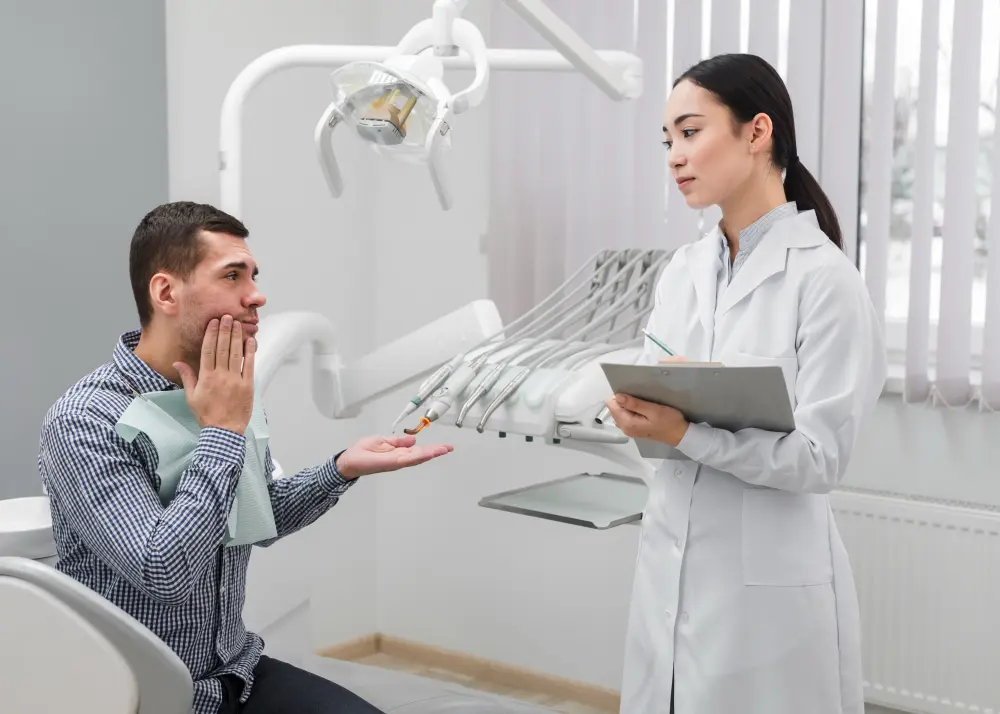
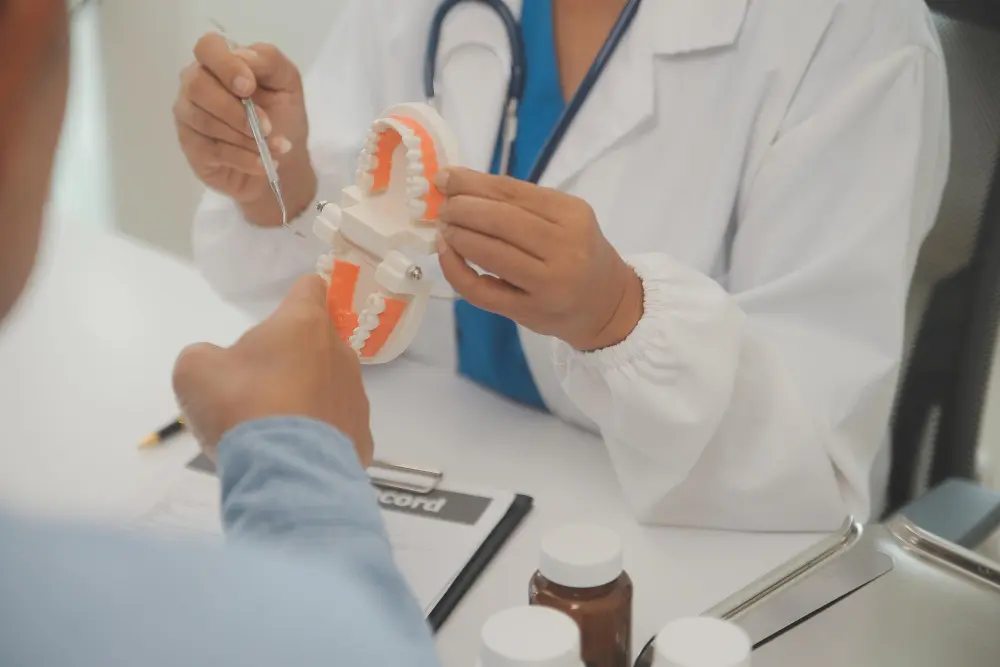
a woman in a white coat talking to a man in a chair

Specialists receive additional training to give them the skills needed to deal with more complex orthodontic problems. Dentists receive basic orthodontic training which allows them to perform root canals, extract wisdom teeth, and treat young children who do not need to see an orthodontist yet.

Seeing a specialist like your Austin orthodontist may change your experience in braces by:

  • Providing additional treatment options.
  • Giving you more efficient treatment and visits, because it is the office’s primary area of care.
  • Knowing that you’ll receive the best possible outcome on your treatment plan, especially if you have severe bite problems that need to be addressed.
  • Personal experience treating multiple cases that share your unique concerns
  • Being seen more quickly, as a family dentist will be focused on longer patient cases or emergencies throughout the day.
  • You may think it’s easier to have your orthodontic work completed by your dentist. Convenience shouldn’t be a concern, because you will only be stopping by your orthodontist office every six to eight weeks.

And don’t let price be a problem either! Limestone Hills Orthodontics is proud to provide affordable treatment in the Austin area.

Spacers for Teeth: Orthodontic Spacers | Orthodontist Austin TX

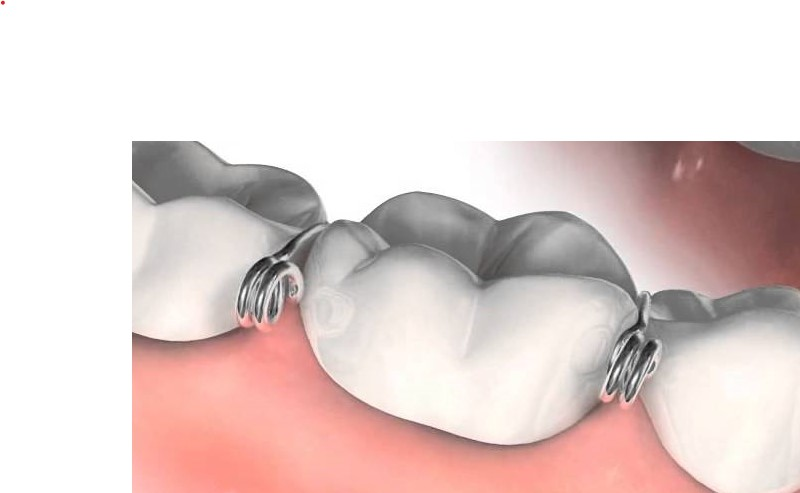
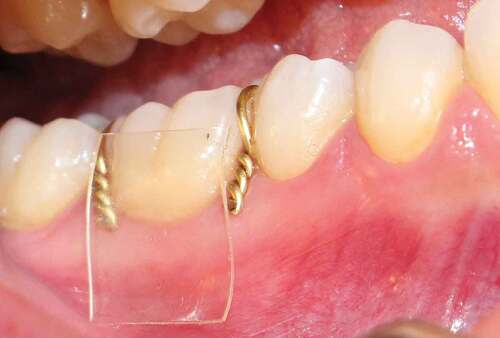
These small but vital tools are key in preparing your mouth for braces by creating space between teeth, normally to place metal bands, which are metal rings that are fit around teeth to support traditional braces. This article dives into the types of “orthodontic spacers for teeth”, outlines their function, and offers insights on installation and care, equipping you with the knowledge to navigate your orthodontic journey.

Spacers for Teeth: Key Takeaways

  • In orthodontic language, orthodontic spacers, available as rubber or metal varieties, create space between teeth for metal bands of traditional braces and are essential for proper teeth alignment and the installation of orthodontic appliances. Many people, however, refer to orthodontic spacers when they actually mean an orthodontic palatal expander (click the link for more info),
  • The discomfort associated with orthodontic separators is temporary and can be alleviated with over-the-counter pain relievers and good oral hygiene, including gentle brushing and the use of fluoride mouthwash, is vital while wearing spacers.
  • At Limestone Hills Orthodontics in Austin TX, almost no patients get spacers, or orthodontic separators, because we use the latest technology of 3D printed appliances which are fit around the tooth contact and do not need spacers to be placed. We use the latest high strength bonding techniques and products and rarely use metal bands and therefore rarely need separators. Less pain for you! Book your appointment with us here.
  • The cost of spacers varies but is often included within the broader braces treatment including metal bands based palatal expanders, costing between $1,700 and $6,000.

Understanding Spacers for Teeth – They are also called Orthodontic Separators- The Basics

Metal spacers for teeth opening space for metal bands.

Do not confuse these with palate expanders (palatal expanders). Orthodontic spacers, as suggested by their name, function to create room between the teeth. They primarily aid in the placement of metal bands for a tooth brace and ensure sufficient space for proper teeth alignment and the installation of orthodontic appliances. These separators are the unsung heroes of orthodontic therapy, paving the way for the incoming permanent teeth and the traditional braces that will guide them into their perfect positions.

Rubber and metal represent two varieties of spacers, each possessing its distinct advantages. Rubber spacers, due to their soft nature, are gentle on both teeth and gums. On the other hand, metal separators, with their durable characteristics, are used when long-term space maintenance is required. Both types are essential in orthodontics, and the choice between them depends on the patient’s specific needs and the dentist’s recommendation.

Types of Spacers or Orthodontic Separators

A range of spacers are available in orthodontics to address varying dental conditions. The two major types are rubber spacers, also known as orthodontic separators, and metal spacers. The selection typically depends on the patient’s dental condition and the orthodontist’s professional judgment.

Owing to their elastic nature, rubber spacers are mild on the teeth and gums, earning them popularity among many patients. However, on the flip side, they can sometimes lead to gum irritation and discomfort post-insertion.

Contrarily, metal separators are known for their durability and sturdiness. They ensure proper fitting of traditional braces with metal bands and are especially important when preparing for incoming permanent teeth- for instance, helping a second molar impacted behind a first molar to erupt into the mouth. They can be placed between baby teeth or permanent teeth.

Rubber Spacers: The Soft Option

Rubber spacers are a soft and flexible orthodontic tool. They are made of natural or synthetic rubber, contributing to their elastic properties and reducing the likelihood of causing discomfort or irritation. These characteristics make rubber spacers the go-to option when dealing with a child’s teeth, particularly when baby teeth are still present, and space needs to be created for the incoming adult teeth.

The process of inserting spacers, specifically rubber spacers, is an intricate one. It involves an orthodontist using a tool or dental floss to stretch the spacer and then carefully wiggle it into place between the molars while the patient holds their mouth open wide.

Despite their many benefits, rubber spacers do have their disadvantages. Over time, natural rubber may deteriorate and lose elasticity, and synthetic rubber alternatives may lack the durability of natural rubber. These types of separators usually tend to fall off between 1-2 weeks.

Metal Separators: The Durable Alternative

In contrast to their rubber counterparts, metal spacers offer durability and strength. They are made from robust metals and alloys such as small metal rings made of titanium, stainless steel or brass.

Metal separators are generally worn for a period of one to six weeks. They provide enhanced security and stability, minimizing the risk of displacement and thereby reducing the initial discomfort. According to Dr. Nick Kim, a patient-focused orthodontist in Tucker, GA, metal spacers work best when you need the space to last longer, especially for more complex cases. Additionally, they contribute to expediting the alignment process and effectively creating the required space between closely positioned and wedged back teeth, making them a suitable long-term solution.

The Purpose of Spacers in Dental Treatment

Brass wire spacer placement for orthodontic space creation for band placement

In dental treatment, spacers play a significant role. Their primary function is to:

  • Preserve space for the proper growth of adult teeth
  • Prevent neighboring teeth from moving into the vacant space, thereby ensuring correct alignment
  • Prepare the mouth for the subsequent installation of traditional braces.

The need for dental spacers is particularly prevalent in children who experience premature loss of a baby tooth, and the permanent teeth have not yet emerged. In such cases, spacers preserve oral health by maintaining the required space. Therefore, understanding the purpose of spacers in dental treatment is essential for any individual undergoing orthodonthia.

Comfort and Care with Spacers

Despite their crucial role in orthodontic treatment, spacers can occasionally lead to discomfort. The initial discomfort, however, usually subsides after a couple of days as the patient adjusts to the spacers. Moreover, some patients report a sense of relief after the spacers are removed.

Maintaining good oral hygiene while wearing spacers is crucial. Proper cleaning around the areas of the spacers and careful brushing can help prevent any potential dental issues. Let’s delve deeper into the comfort and maintenance aspects of wearing spacers.

Are Spacers Uncomfortable?

The discomfort from spacers generally subsides within the first few days after insertion. The level of discomfort can vary based on several factors such as:

  • the individual’s pain threshold
  • dental anxiety
  • cold sensitivity
  • current emotional state

Various methods can alleviate discomfort caused by dental spacers. Over-the-counter pain relievers can help, as can rinsing with a warm salt-water mixture several times a day. Remember, the discomfort is temporary and subsides as the mouth adjusts to the spacers.

Maintenance and Hygiene

Good oral hygiene is crucial while wearing spacers. Here are some tips to follow:

  1. Brush gently, particularly around the rear teeth, to ensure thorough cleaning around the spacers.
  2. Regular and thorough brushing and flossing are vital.
  3. Take care not to dislodge the spacers during the process.

Incorporating mouthwash into daily oral hygiene can also be beneficial. An alcohol-free, fluoride mouthwash, such as Peroxyl Antiseptic Mouthwash, is recommended as it aids in mouth cleansing and supports healing. Colgate toothpaste and toothbrushes are typically recommended for individuals with spacers to maintain oral health.

Eating Habits with Spacers

The comfort and maintenance of spacers are largely impacted by eating habits. Certain foods have the potential to dislodge or harm dental spacers and should be avoided. On the other hand, consuming soft, easy-to-swallow foods can offer soothing relief to sore teeth caused by spacers.

The suggested diet for individuals with spacers typically includes soft foods, such as:

  • soup
  • yogurt
  • milkshakes
  • ice cream
  • applesauce
  • cottage cheese
  • soft boneless meat
  • steamed vegetables diced into small pieces
  • mashed potatoes
  • oatmeal

Let’s delve deeper into the dos and don’ts of eating habits while wearing spacers, as we hold space for understanding the importance of proper care.

Foods to Avoid

Certain foods can damage or dislodge dental spacers and should be avoided. These include:

  • Popcorn
  • Gum or gummy candies
  • Chewing ice
  • Sticky or hard candies like toffee
  • Hard foods like pretzels, tortillas, nuts, and crusted bread
  • Raw vegetables that are too hard to chew

Chewing gum, in particular, can be problematic. Sticky or hard gum can damage or dislodge dental spacers, so it is advisable to refrain from chewing gum, and if necessary, opt for sugar-free gum that does not adhere to the spacers. Crunchy snacks, including nuts, popcorn, and hard candies, can break brackets or wires, leading to their loosening.

Safe Snacking and Meals

While some foods should be avoided, there are plenty of safe and delicious options for those wearing spacers. Here are some soft foods that are advised:

  • Yogurt
  • Pudding
  • Soft cheeses
  • Dairy products like milkshakes

Fruits and vegetables such as applesauce, cooked tomatoes, spinach, squash, and creamed vegetables like broccoli and cauliflower, as well as soups are safe to consume. It is, however, advisable to avoid raw vegetables and salads. Cooking methods also play a role in what foods are safe to eat. Steaming or cooking vegetables to soften them, boiling chicken or meat to make them tender, and avoiding sticky foods that can get trapped in the spacers are all recommended cooking methods.

The Process of Inserting and Removing Spacers

Inserting and removing spacers process

An orthodontist or an assistant typically performs the detailed process of spacer insertion. The process involves:

  1. Stretching the spacer
  2. Flossing it between the baby teeth or adult teeth
  3. Pulling it through to ensure visibility on both sides
  4. Using the floss to adjust the spacer into the proper position.

Spacers are removed once they have fulfilled their purpose. The removal process is straightforward and quick, often carried out by using a specialized small tool. Let’s delve deeper into the insertion and removal processes.

Insertion Techniques

The insertion of teeth spacers requires the use of a small tool or dental floss to stretch each spacer before carefully placing it between the molars. For rubber spacers, the process involves stretching the spacer and using dental floss to guide and position it between the teeth.

The insertion of metal spacers, on the other hand, involves different procedures due to their structural differences. They are larger, approximately a centimeter in size, and typically utilized for a longer duration.

When and How to Remove Spacers

Spacers are typically removed after a period of one to two weeks, based on the readiness of the permanent tooth to erupt. They are removed using an orthodontic bracket removing pliers or dental adhesive removing pliers.

In some cases, dental spacers can dislodge independently, particularly when the permanent teeth start to emerge and exert pressure, causing the spacers to shift out of place.

Cost and Considerations for Spacer Treatment

Depending on the type of spacer and the patient’s unique needs, the cost of spacer treatment can fluctuate. On average, the cost of rubber spacers typically ranges from $50 to $100 per spacer. For metal spacers, there is no extra cost as they are included within the braces treatment, which typically ranges from $1,700 to $6,000.

Patients have a range of payment options for orthodontic treatment, such as:

  • Utilizing dental insurance
  • Flexible spending accounts
  • Health savings accounts
  • Taking advantage of payment plans provided by orthodontists

Despite the costs, the use of spacers is generally considered a worthwhile investment in long-term dental health.

Cost and Considerations for Spacer Treatment

Just as children’s dental needs are distinct, so is their requirement for spacer treatment when it comes to a child’s teeth. When assessing the necessity of dental spacers in children, various factors are considered, including the speed of eruption of the adult tooth, the location of the lost baby tooth, and the time elapsed since the tooth was lost.

The age of the child, which aligns with their stages of dental development, influences the selection of dental spacers. Fixed and removable spacers are the most suitable types for children, with fixed spacers offering simplicity and longevity, and removable spacers providing flexibility in hygiene and adjustment.

Assessing a Child’s Need for Spacers

To assess a child’s need for spacers, a comprehensive examination of the child’s teeth is conducted, taking into account factors such as the speed of the permanent tooth’s eruption, the location of the lost baby tooth, and the time since the tooth’s loss. The type of spacers suitable for a child is determined by factors such as the severity of crowding or spacing, the patient’s age, and dental development.

These assessments ensure that the child receives the most appropriate treatment. They are crucial in determining the need for spacers and in selecting the appropriate type of spacer for the child’s specific dental needs.

Specialized Spacers for Kids

Designed keeping children’s comfort and needs in mind, specialized spacers cater specifically to kids. Pediatric spacers are meticulously crafted to prioritize safety, comfort, and ease of wear for children. These spacers are specifically engineered to establish a gap between the child’s mouth and the treatment, and may come in the form of fixed or removable dental spacers.

The utilization of specialized spacers for children has been documented to be favored by both children and parents, with a considerable number finding them to be more efficient and convenient. Therefore, understanding the options and benefits of specialized spacers for children can ensure a comfortable and effective treatment experience.

Summary

Orthodontic spacers, although small, play a significant role in orthodontic treatment. Whether rubber or metal, their primary function is to create the necessary space for braces and ensure proper teeth alignment. While they may cause initial discomfort, there are various ways to manage this, and good oral hygiene can minimize potential dental issues. Dietary adjustments can also enhance comfort and prevent damage to spacers. Understanding the process of inserting and removing spacers, the costs involved, and how spacer treatments can be customized for children can help patients and parents make informed decisions about their orthodontic treatment.

Frequently Asked Questions

What does a spacer do for teeth?

Spacers are used to create space between molars so that braces components can fit properly, especially for patients with very close back teeth. This helps ensure effective orthodontic treatment.

How long do teeth spacers stay in?

Teeth spacers usually stay in for one to two weeks while the appropriate amount of space is achieved. In some cases, your orthodontist may opt for the metal variety if a longer duration is necessary.

How painful is a spacer?

The pain from spacers can vary from person to person, ranging from mild discomfort to more severe pain. However, the good news is that the pain tends to lessen over time.

Can you eat with spacers?

Yes, you can eat with spacers, but you should avoid sticky foods like chewing gum, toffee, caramel, and gummy candies as they can pull the spacers out of position.

What are the different types of spacers?

The main types of spacers are rubber and metal. Rubber spacers are a good choice for absorbing vibrations, while metal spacers are known for their durability and strength.

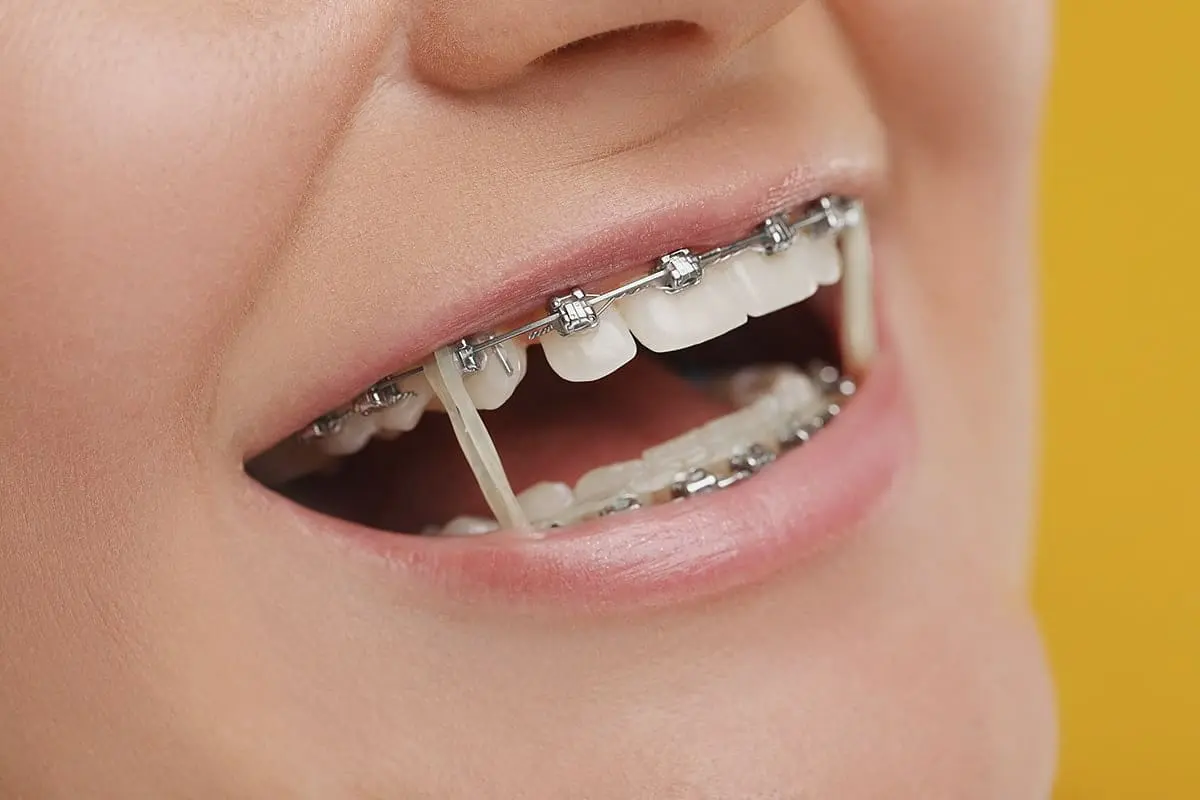
Mastering IPR Orthodontics: A Austin Orthodontist Guide to Safe Enamel Reduction

IPR stands for interproximal reduction. IPR orthodontics (technique), IPR dental (technique), interproximal reduction technique, are all synonyms of a common procedure for creating more space between teeth, often needed for optimal alignment that can sometimes avoid the need for dental extraction as part of the orthodontic braces or Invisalign treatment plan. This concise guide will explain when an IPR dental procedure is recommended, its safety, and its pivotal role in orchestrating a successful orthodontic treatment.

Key Takeaways for IPR Orthodontic Procedure

  • Interproximal reduction (IPR) is a technique in dentistry designed to do several things:

    1. Correct asymmetry of certain teeth widths that can cause issues with the bite fit of the patient.

    2. Correct proportions between the teeth in the dental arches – lower and upper teeth (Bolton discrepancy)– For instance, an upper lateral incisor is around 75% of the width of the upper central. If it’s smaller or absent, it can lead to spaces in the upper arch or crowding in the lower arch. The lady in the picture below has lower incisors slightly smaller than average, which could cause crowding in the lower arch. Sometimes, this can be corrected with interproximal reduction (or by extracting teeth) to create space and it is one of the main reasons I see for it to be performed clinically. Another way to correct this would be to increase the width of the lateral incisors with composite (filling material) or a veneer. The choice depends on whether the patient thinks she will look better with a larger lateral incisor. If she doesn’t care, interproximal reduction is a no cost or low option that keeps all teeth natural.

      Bolton analysis of the dental arches

      Below you see an illustration of slightly better proportion:

      Limestone Hills Orthodontics
    3. Correct abnormalities of the patient’s dental shape (teeth that are too large in width or have a barrel or triangular shaped teeth) that are causing issues with the bite or crowding, or black triangle spaces near the gumline while the teeth themselves touch.

    4. Indirectly, or directly, create space for dental alignment by removing small amounts of enamel, producing both aesthetic and practical benefits such as enhanced tooth shape and less crowding. For instance, lower crowding can be caused by an incorrect bite due to a larger lower jaw or an increased overbite (deep bite). A proper diagnosis on how to create space to correct crowding is necessary before interproximal reduction is done. Make sure your dentist or orthodontist checks the Bolton values- doing IPR for crowding can be a “lazy” way to correct it if is not optimum for the bite. Interproximal reduction must be done in the correct places to not misalign the bite. It can’t just picked randomly. Sometimes the jaws are too small for the teeth and we have to choose between IPR and tooth extractions for treatment. An orthodontist will make the best choice for your facial appearance and based on the amount of enamel that can be removed.

  • A skilled professional must perform interproximal reduction to harmonize the dental arches within recommended guidelines (no more than 50% of proximal enamel removal) to minimize risks such as dental damage and sensitivity. Sometimes, if the discrepancy of dental widths is too much, we may have to suggest restorations (veneers of fillings) of opposing teeth.

  • Interproximal reduction is both a standalone procedure and a complement to Invisalign treatment and braces, aiding in the customization of orthodontic treatments for both adults and younger patients. Invisalign software usually makes the IPR recommendations very precise due to the use of the digital 3D images of teeth in the proper occlusion, but the dentist makes the final decision on the occlusion.

  • Invisalign technicians may leave a deep overbite during treatment or are forced to because a dentist elected a case for a cheaper modality of Invisalign that doesn’t support overbite correction. Always make sure that you have a second opinion from an Orthodontist before undergoing substantial IPR planned for Invisalign treatment by a general dentist. You may end up not needing it at all, and I say that based on experience in consultations.

Demystifying IPR: A Primer on Interproximal Reduction

Interproximal Reduction, otherwise known as IPR in the orthodontic field, is a procedure intended to correct size to size or arch to arch tooth proportions or compensate for black triangle spaces near the gumline. According to Dr. Yajun Cui, a well-known orthodontist in Arlington, MA, this makes IPR a fine tool to fine-tune both how teeth work and how the smile looks near the gums.

It accomplishes this by selectively removing minor portions of tooth enamel on specific sides of teeth with precision and care. The primary aim behind it is to make use of space more efficiently so that proper dental placement can be achieved along with tighter fitting between neighboring pearly whites. In other words, it’s like giving your choppers some extra wiggle-room when adjusting them into their ideal position!

IPR has numerous perks associated with it. Such as generating necessary clearance required for successful teeth straightening outcomes which leads to improved overall shape and symmetry – Eliminating gaps around the gum line that could mar an immaculate smile even than desired.

Results are typically far more stable not forgetting aesthetically pleasing at well when accomplished properly from qualified personnel only due to its potentially hazardous effects including heightened sensibility or exaggerated elimination beneficial layers if administered through non-specialized means.

The Need to Correct a Tooth Size Discrepancy: Bolton Analysis

Orthodontic treatment is necessary to address issues such as overcrowding or spacing due to discrepancies in tooth size. This calls for Bolton Analysis, a quantitative measurement that evaluates the maxillary and mandibular teeth proportions of an individual. It furnishes information about any differences between the sizes surrounding crowded teeth – this helps attain proper alignment with overjet and bite conditions plus aesthetic enhancement of dental rehabilitation which can be done via Interproximal Enamel Reduction (IPR orthodontics) or restorations.

According to the Bolton study, the sum of all widths of lower left canine to right canine teeth divided by all widths of the same upper teeth should be approximately 77.2%. The sum of all widths of upper teeth from molar to molar divided by all widths of upper teeth should be 91.3%. The most common problems that cause a Bolton discrepancy, which is a deviation from these values are: small upper lateral incisors, large lower premolars and large upper central incisors. Obviously, missing or extra teeth will also cause major issues in dental size proportions.

Teeth enamel reduction or buildup with restorations thus play a crucial role while engaging in orthodontic practice aimed at achieving ideal results for the patient. Make sure to always ask your dentist or orthodontist if a Bolton analysis and proper bite analysis was done to prepare more space for a restoration or perform IPR.

If you plan to do your treatment with a general dentist, usually IPR is their main method or “tool” to correct dental crowding because it’s easy to do. Due to the larger number of misdiagnosis and less than ideal treatments with IPR we see in our practice consultations, we recommend you ask for a Bolton analysis result or take a second opinion from an Orthodontist to see if IPR is the best solution for you, especially if you are hesitant.

Orthodontists have a lot more training than general dentists to diagnose if you really need IPR or it’s being done as “an easy way out” of dental crowding. As some would say, if the only tool you were trained to use to fix something is a hammer, you will use the hammer almost all the time.

The Need for Space: How Interproximal Reduction Helps Align Crowded Teeth and Correct Black Triangles

IPR particularly works well on front teeth when it comes to alleviating overcrowding issues. As much as 6mm can be created in each of the dental arches with its help which helps those patients who have triangular shape teeth that are often victims of crowding problems and need not endure extractions involving their molars or premolars due to an available ample amount of space.

Sometimes patients present with ” dark triangles” or “black triangles”. These black triangles are a black space between the dental contact and the gums caused by bone loss, or abnormalities of dental shape and may require IPR or bone and gingival grafting for correction. In these cases, IPR can be indicated, and the main objective is to reduce the black triangles or black space between teeth.

Precision Matters: Ensuring Safe Enamel Removal

The IPR process requires gentle abrasion with very thin diamond discs or diamond-tipped strips that will surround crowded teeth at the proximal surfaces for removing small portions of dental enamel surfaces. The amount taken away by these stainless steel or round orthodontic wire gauges varies from 0.2mm widths and upwards as approved standards dictate it should be done so in order to minimize any potential risks.

Many times, we need to use unilateral abrasion surfaces on the discs or strips to make sure only target teeth and not adjacent teeth are decreased in width contact area.

Potential risks are less resistance to damage by cavities since there will be less enamel, or prolonged sensitivity post procedure when performed properly without exceeding prescribed limits on reduction size. Interproximal reduction does not expose any nerve endings, but it can make physical stimuli such as heat or cold reach more easily inside the pulp more easily if the enamel is completely removed and the dentinal tubules where the nerve endings extend into are exposed.

Protecting the tooth pulp is critical when performing ipr (interproximal reduction)

When the risks outweigh the benefits of IPR to gain space, and too much has to be done, permanent tooth extraction or extractions may be recommended to create more space. Studies have proven that there isn’t a heightened risk associated if safety measures are met during interproximal reduction.

BOOK A FREE CONSULTATION WITH US HERE TO SEE IF IPR IS RIGHT FOR YOU

The Interproximal Reduction Procedure: What Patients Can Expect

Interproximal Reduction IPR involves using specific tools to delicately remove a small amount of enamel from the outer surfaces of teeth, allowing to achieve extra space and resulting in what patients may call dental polishing. It is relatively painless, with minimal aftercare required.

Tools of the Trade: Instruments Used in IPR

Interproximal reduction treatment makes use of different dental instruments like rotating diamond discs and specialized tools that are exclusively designed for reducing enamel. Dr. Julian DAvila, and orthodontist Indianapolis IN relies on, explains: “The dentist carefully files down the tiny amount between teeth from the top edge to the gum line, which provide quality results along with ease and efficiency.”

Many use burs, but we at Limestone Hills Orthodontics don’t because slight movements of the patient’s mouth or the friction associated with a small bur makes the procedure a lot more prone to cause dental damage.

Polishing is then done with interproximal strips for tooth polishing to prevent rough surfaces. These can have different polishing grades and will also help recontour and round the edges of the teeth to the desired outcome.

Keeping Comfort in Mind: Does Interproximal Reduction IPR Hurt?

Interproximal reduction is a very common procedure, that many people have concerns about regarding the potential pain involved. Fortunately, most individuals don’t experience any significant discomfort when undergoing this routine operation, reporting only slight pressure and mild sensitivity at worst.

The sensation associated with IPR typically isn’t as intense compared to some other dental procedures either. It can be carried out safely by an experienced dentist without causing much distress for patients. Sometimes, minor bleeding near the gums can happen as we have to assure the contour is smooth all the way below the contact point with the gumline.

old, dentist sign, signage

Patients almost never feel anything, and anesthesia is not necessary. It’s important to follow the instructions of the provider and in the case of sensitivity due to heat generated during IPR, not move suddenly. We suggest just lifting a hand so we can move slower if needed. Every person has a different level of sensitivity.

BOOK A FREE CONSULTATION WITH US HERE TO SEE IF IPR IS RIGHT FOR YOU

After the Procedure: Caring for Your Teeth Post-IPR

To reduce the potential for damage and dental decay after having IPR, patients should engage in good dental hygiene habits such as daily brushing and flossing while also adhering to regular check-ups.

This consistent approach will help keep any post-procedure issues minimized since you will have less enamel available to protect your tooth. Thus, interproximal reduction IPR is contra-indicated in individuals with questionable dental hygiene habits that may be a problem in the future.

Beyond Aesthetics: The Functional Benefits of IPR Orthodontics

Properly performed Interproximal Reduction IPR provides not only visual enhancements and enough space, but also important functional advantages. It is essential in improving bite function by narrowing the width of teeth to help with alignment and optimize occlusion while creating even tooth surfaces, that will uphold tooth positioning following treatment.

IPR likewise benefits oral hygiene as it reduces strain on periodontal support plus encourages beneficial tooth contouring leading to no increased risk for gum disease making this procedure secure when considering periodontal health maintenance. The necessary space needed for proper alignment between each individual tooth can be made possible through moderation provided by interproximal reduction.

The Safety Profile of Interproximal Reduction

Performed by a qualified and knowledgeable dentist, IPR is considered a safe orthodontic procedure. Although with only the suggestion of removing no more than 50% of proximal enamel for ensuring long-term protection and healthiness in teeth.

How Much is Too Much? Guidelines on Enamel Reduction

Maintaining the guidelines while performing Interproximal Reduction is paramount for protecting and preserving good oral health. It’s essential to avoid that more than 50% of the proximal surface enamel between two teeth should ever be eradicated in order to avert any dental or periodontal risks.

Understanding precisely how much enamel gets extracted during this method is very crucial. In our practice we take CT scans of the teeth and can tell exactly how much enamel is available to assure your safety.

Long-Term Outlook: Is Interproximal Reduction Safe for Future Dental Health?

Patients often have worries about the long-term effects dental IPR might have on their oral health. But research shows that, when done correctly, it does not make one prone to cavities or periodontal disease. Nor is there a heightened risk of sensitivity in the aftermath.

Potential risks of ipr treatment exist – as previously discussed. It is paramount for patients seeking such procedure to get treated by only qualified professionals to preserve a healthy amount of enamel layer.

We never had issues with patients with increased sensitivity after IPR after thousands of patients treated. Which doesn’t mean it will never happen, but it means we make sure to follow safety protocols to avoid problems.

BOOK A FREE CONSULTATION WITH US HERE TO SEE IF IPR IS RIGHT FOR YOU

Customizing Your Smile: IPR in Conjunction with Clear Aligners and Braces

To facilitate the movement of teeth, the IPR method creates room for successful use of both clear aligners or braces.

invisalign, clear aligners, dental

This combination empowers a more exhaustive approach to orthodontics through precise extraction of enamel from teeth for ideal results in every patient’s case.

Tailored Treatments: IPR for Specific Dental Shapes and Positions

The IPR method stands out in its great adaptability. It can be altered to suit particular teeth shapes and positions, giving patients the best results possible with a beautiful smile as well.

For certain teeth that are not aligned straight or at an angle, extra care must be taken during IPR by taking off some enamel which will then make room for proper alignment of such teeth. This individualized approach ensures each patient gets their bite just right, so they have full dental function without any complication.

Achieving Harmony: Balancing IPR Across All the Teeth

Achieving a harmonious, well-aligned smile requires an even distribution of IPR across all teeth and making sure dental widths are measured properly to avoid creating asymmetry.

To ensure this is done correctly and achieve the desired result, it’s imperative that dentists focus on certain specific areas for adjustment while taking into account the overall alignment correct position and balance of the dental arches.

Any unevenness or miscalculation while performing IPR can lead to numerous issues such as crowding, excessive incisor flare, midlines, occlusion or bites off or discrepancies with size between teeth.

woman, smile, beauty

Instability due to bone loss or recession can also occur, which can also have detrimental effects on gum health and TMJ disorder development too. For these reasons, there must be emphasis placed on ensuring consistency when conducting IPR among every single one of your patients, for maximum aesthetic effect.

IPR for Adults: Not Just for Teens and Kids

For adults seeking orthodontic care, IPR is often an effective solution that offers several advantages. It reduces tooth width and provides the necessary space in cavities to ensure proper alignment of teeth. Thereby improving overall dental health.

Patients with mild to moderate crowding requiring either enough space or only a small amount of additional space can benefit greatly from this type of treatment which has been performed on numerous adult patients worldwide.

Lifelong Smiles: The Role of IPR in Adult Orthodontics

IPR is a vital part of adult orthodontic treatment. It serves to rectify tooth size discrepancies as well as promote oral health, allowing adults the chance to get the smile they desire. IPR proves immensely helpful in tackling problems such as overcrowding and can also often create room between teeth quickly without having any teeth extracted, making it an important factor for sustained dental wellness over time. This procedure helps modify dentition in order that each individual has a perfectly shaped grin tailored specifically towards them for optimal aesthetic purposes.

woman, face, freckles

Payment Options and Accessibility: Making IPR Feasible for Adult Budgets

Orthodontic treatment which includes interproximal reduction can be expensive for some adults. Fortunately, there are several methods of payment available to make it easier on the wallet and more accessible. The cost usually ranges from $50-350 per case if the dentist or orthodontist charges for it.

We don’t charge for IPR in our practice and consider it part of orthodontic treatment. Most orthodontists offer discounts or installment plans if you pay upfront or use their own financing service that allows payments over time. Dental insurance might cover a portion of your expenses too! All these options help minimize out-of-pocket costs related to IPR Orthodontics so as not to overwhelm individuals with hefty bills all at once.

Summary

Orthodontics IPR, or Interproximal Reduction, is an important orthodontic procedure performed, which can help create the space needed for successful tooth alignment and improve tooth shape. This necessary step can often but not always prevent tooth extraction and can result in a beautiful smile when done by qualified professionals.

By using IPR, you may increase the chances achieve optimum outcomes with your teeth. It is routine procedure should always be performed correctly in order to secure their health and longevity over time. With proper care given throughout each stage of this process, having that sought-after beautiful smile could soon become reality!

BOOK A FREE CONSULTATION WITH US HERE TO SEE IF IPR IS RIGHT FOR YOU

Frequently Asked Questions

What is IPR in dental terms?

IPR in dentistry, more specifically orthodontics, is a routine procedure that stands for interproximal reduction, a technique used to remove small amounts of enamel between teeth to aid in orthodontic treatments involving overcrowding or reshaping.

How much does IPR cost for teeth?

The amount of money one has to pay for teeth shaving, also referred to as IPR, depends on the complexity and individual patient’s needs. This procedure can be between $50-$1,500. Some dental plans may contribute towards covering these expenses. We don’t charge anything extra for it in our office.

What is the IPR process for teeth?

The process for teeth which utilizes flexible strips or diamond-coated discs to delicately remove a small amount of enamel from crowded sections permits clear aligners to move the teeth more efficiently.

Is IPR only for teens and kids?

IPR is not only for teenagers and young ones. It can be an advantageous option to consider by adults who require orthodontic treatment as well, with the procedure often conducted on adult patients.

Is IPR painful? Does Interproximal Reduction Hurt?

Patients typically experience no pain or discomfort during IPR treatments, only slight pressure or sensitivity at most.

BOOK A FREE ORTHODONTIC CONSULTATION IN AUSTIN TX TO SEE IF IPR IS RIGHT FOR YOU

The Role of Dentofacial Orthopedics in Correcting Facial Imbalances

Dentofacial orthopedics is a specialized branch of orthodontics that focuses on correcting facial imbalances and skeletal discrepancies. While traditional orthodontic treatment primarily focuses on straightening teeth, dentofacial orthopedics takes a more comprehensive approach by addressing the underlying skeletal and muscular issues that contribute to facial imbalances. In this article, we will explore the role of dentofacial orthopedics in correcting facial imbalances and how it can benefit patients.

What is Dentofacial Orthopedics?

Dentofacial orthopedics is a specialized field of dentistry that focuses on the growth and development of the face and jaws. It involves the use of orthodontic appliances, such as braces and headgear, to guide the growth of the facial bones and correct any imbalances. This treatment is typically done in children and teenagers, as their facial bones are still developing and can be easily influenced.

How Does Dentofacial Orthopedics Correct Facial Imbalances?

Limestone Hills Orthodontics

Facial imbalances can be caused by a variety of factors, including genetics, trauma, or habits like thumb sucking. These imbalances can lead to issues such as an overbite, underbite, or crossbite, which can affect the appearance and function of the face and jaw. Dentofacial orthopedics works by using orthodontic appliances to guide the growth of the facial bones and correct any discrepancies. By addressing the underlying skeletal issues, dentofacial orthopedics can not only improve the appearance of the face but also improve the function of the jaw and bite.

The Benefits of Dentofacial Orthopedics

Dentofacial orthopedics offers a range of benefits for patients, including:

  • Improved facial aesthetics: By correcting facial imbalances, dentofacial orthopedics can improve the overall appearance of the face, leading to a more symmetrical and harmonious facial structure.
  • Better oral health: Facial imbalances can also affect the function of the jaw and bite, leading to issues such as difficulty chewing and speaking. By correcting these imbalances, dentofacial orthopedics can improve oral health and function.
  • Enhanced self-confidence: Many patients with facial imbalances may feel self-conscious about their appearance. By correcting these imbalances, dentofacial orthopedics can boost self-confidence and self-esteem.

Choosing the Right Dentofacial Orthopedist

a doctor showing a model of a human jaw

When seeking dentofacial orthopedic treatment, it is important to choose a qualified and experienced orthodontist who specializes in this field. Dr. Rodrigo F. Viecilli, DDS, PhD is a highly reputable orthodontist who specializes in dentofacial orthopedics. He has extensive experience and training in this field and can provide personalized treatment plans to address each patient’s unique needs.

Conclusion

Dentofacial orthopedics plays a crucial role in correcting facial imbalances and improving the overall appearance and function of the face and jaw. By addressing the underlying skeletal issues, this specialized treatment can provide long-lasting results and improve the quality of life for patients. If you or your child have facial imbalances, consider consulting with a qualified dentofacial orthopedist to see if this treatment is right for you.

Have you or someone you know undergone dentofacial orthopedic treatment? Share your experience in the comments below.