
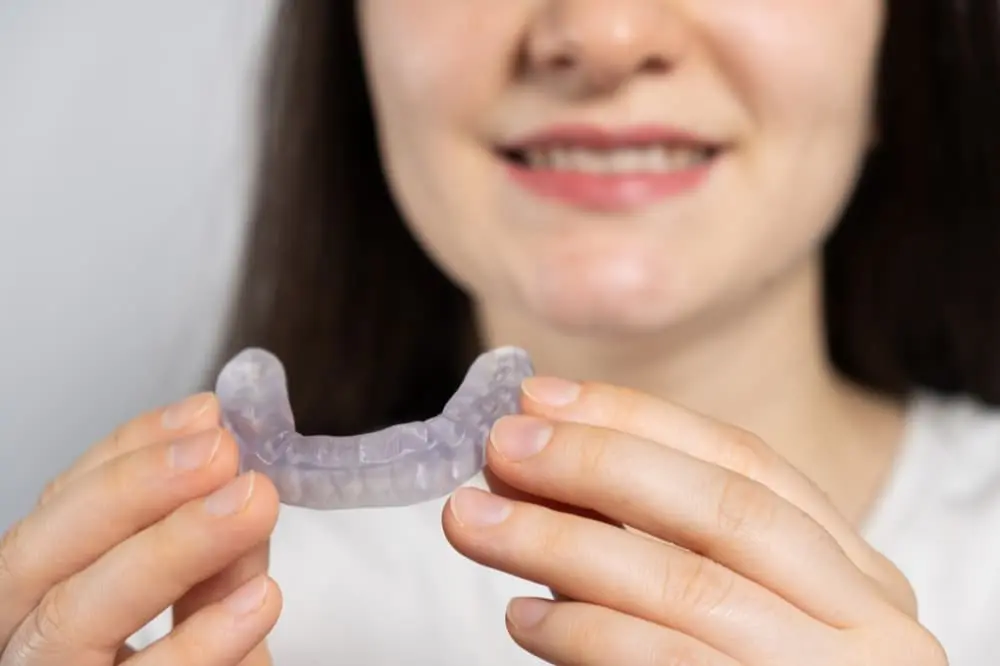
Two Appliances, Two Very Different Jobs
TMJ mouth guard is a category, not a single device. The appliance the patient needs depends on what the appliance is solving. Limestone Hills makes a clear distinction between two products that share the same shape and very different jobs.
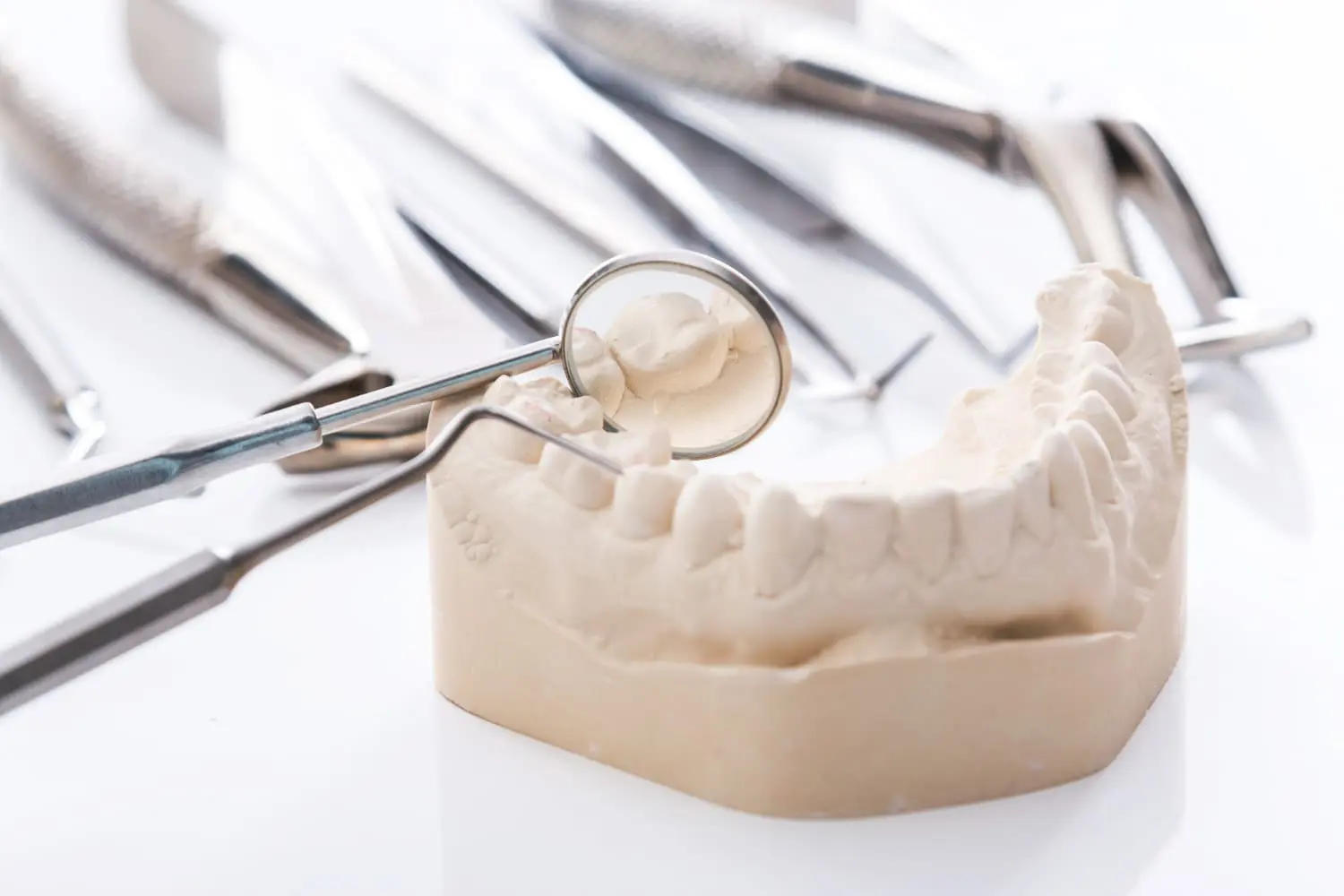
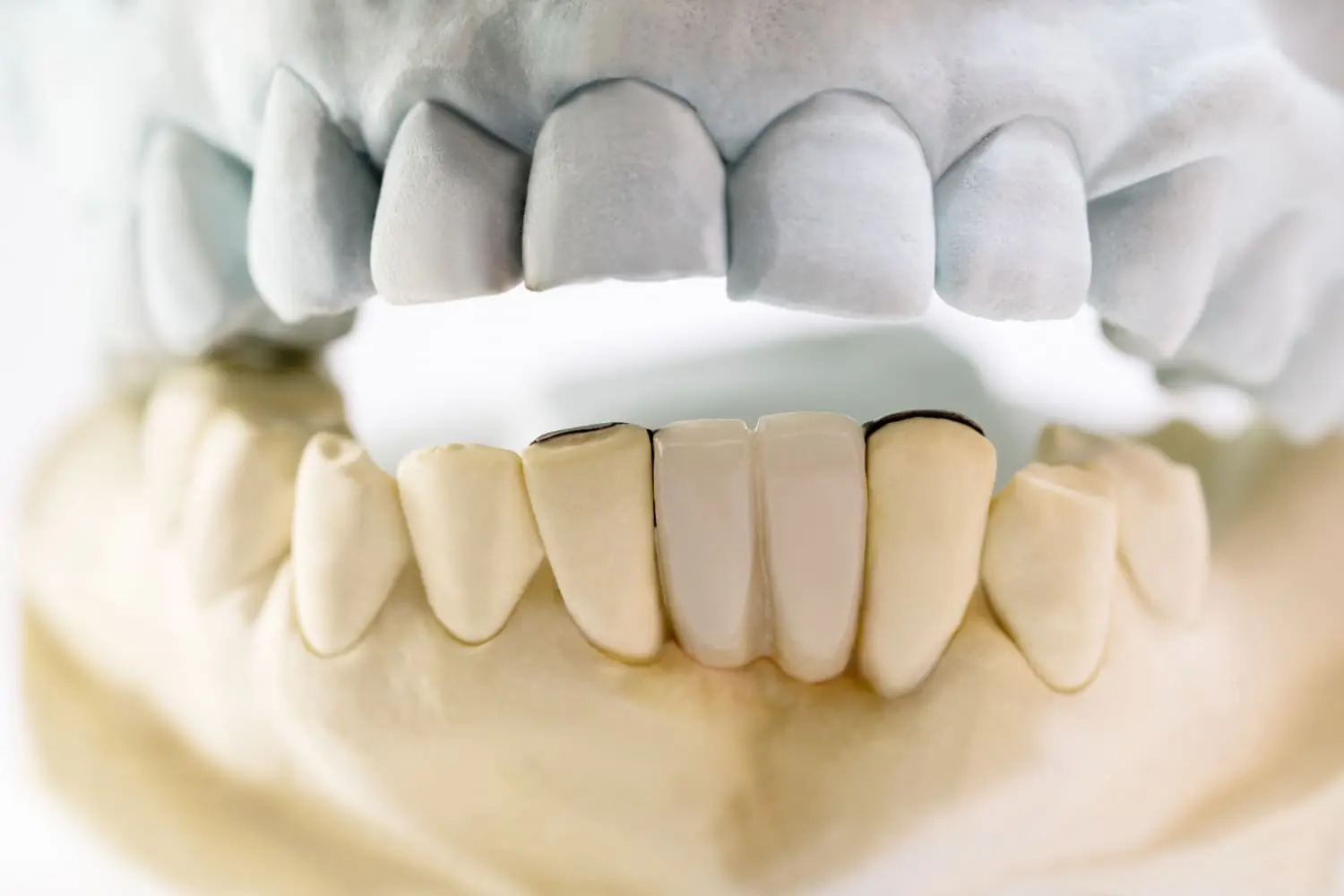
1. TMJ Stabilization Splint
A custom stabilization splint covers all teeth in one arch and delivers even, balanced contact across the entire bite. Hard acrylic construction holds dimensional stability across months of nightly wear, unlike soft over-the-counter guards that compress and distort within weeks. The splint spreads grinding load across all teeth so no single tooth or restoration absorbs the force, calms the muscles by removing bite-trigger imbalances, and protects the TMJ disc from the load spike that nighttime grinding produces. Studies of properly calibrated stabilization splints document jaw-stress reduction up to 71 percent during active wear. The splint does not stop grinding (no appliance does), but it absorbs the load so the teeth, restorations, and joint do not.
2. Sports Mouthguard
A custom sports mouthguard is a separate appliance from the TMJ splint. It is thicker, shock-absorbing, and designed to stay put during contact play. Limestone Hills fabricates sports guards in single-arch coverage with boil-and-bite finishing for a precise fit, priced at $300. Patients who need both a TMJ splint and a sports guard can have both appliances scanned during the same digital-scan appointment and pick them up together at the fit visit. The two devices are never substituted for each other; a sports guard cannot protect against nighttime grinding load, and a TMJ splint cannot survive contact-sport impact.
When a TMJ Splint Is Indicated

A TMJ stabilization splint is the right tool when grinding or clenching is producing measurable wear, when joint or muscle pain interferes with sleep or daily function, or when finished orthodontic work needs protection from continued parafunction. The decision is clinical, not cosmetic, and is made on examination findings rather than self-report alone. The most common indications:
Nighttime Bruxism
Clenching & Jaw Fatigue
Temple & Tension Headaches
Protecting Ortho Work
Protecting Restorations
Orthodontic Stability
How a Limestone Hills TMJ Splint Is Fabricated
Every Limestone Hills splint is custom-made, from start to finish: a digital scan rather than a goopy alginate impression, in-house fabrication on hard acrylic rather than ordered from an outside lab in soft thermoplastic, and fitting plus calibration by Dr. Viecilli rather than a delivered device that the patient has to live with even if the bite contacts feel wrong. The six-step workflow:
Clinical Exam & Bite Analysis
Dr. Viecilli evaluates jaw range of motion, muscle tenderness on palpation of the masseter and temporalis, joint sounds during opening and closing, and current occlusal wear patterns. The exam answers two questions before any appliance is ordered: is the problem muscular, joint-internal, or both, and is a splint genuinely the right next step or should the visit pivot to a sleep medicine, ENT, or maxillofacial referral first.
i-CAT FLX V7 Joint Imaging
The 3D CBCT scan included with every consultation captures the bony architecture of the joint, the position of the condyle within the glenoid fossa, and the airway dimensions in three dimensions. Disc displacement is inferred from condylar position rather than imaged directly (MRI is the imaging of choice when soft-tissue disc anatomy needs to be confirmed). For most TMJ-splint candidates, the CBCT is sufficient to plan the splint design and to rule out structural concerns that would redirect to a different specialty.
Medit i700 Digital Impression
A Medit i700 intraoral scan captures the dental arches in a 3D digital model in roughly five minutes. No tray, no alginate, no gag reflex. The scan resolution is precise enough to capture every cusp tip and incisal edge that the splint will contact, which directly determines how evenly the calibrated occlusal contacts can be set during fabrication.
In-House Fabrication
The splint is milled from a hard acrylic block in-house rather than printed in soft thermoplastic by an outside lab. Hard acrylic holds the calibrated contacts across months of nightly wear; soft thermoplastic compresses within weeks and changes the bite registration the splint was designed to deliver. In-house fabrication compresses the timeline from the typical 2 to 3 week lab turnaround to a same-week or next-day delivery.
Delivery & Calibration
Dr. Viecilli fits the splint personally at the delivery visit. Calibrated centric stops are placed at every cusp tip so the bite closes on even contacts across the arch. Anterior guidance is verified for protrusive and lateral movements so the back teeth disclude during excursive function. Adjustments are made chairside until the bite registration is correct; the patient does not leave with a splint that needs to be sent back for refinishing.
Follow-Up Protocol
Stabilization splint patients return at 2 to 4 weeks for an occlusal check after the muscles have settled. The calibrated contacts often shift by fractions of a millimeter as the joint position normalizes; the follow-up adjusts the splint to the new bite. TMJ Treatment Program patients additionally see Dr. Viecilli at 6 and 12 weeks for muscle reassessment, range-of-motion measurement, and any further calibration the splint needs. Monitoring continues every 3 months as long as the case is symptomatic.
Custom Splint vs. Drugstore Night Guard
| Feature | Custom Splint at Limestone Hills | Drugstore Night Guard |
|---|---|---|
| Material |
Hard acrylic, dimensionally stable for months
|
Soft thermoplastic, compresses within weeks
|
| Bite Calibration |
Centric stops at every cusp, anterior guidance verified, mutually protected occlusion
|
Boil-and-bite imprint of whatever the bite happened to be at the moment of forming, no calibration
|
| Coverage |
Full arch, calibrated to the individual occlusion
|
One-size-fits-most, gaps, and pressure points are common
|
| Force Distribution |
Spreads the grinding load evenly across the arch
|
Uneven contacts often concentrate force on one or two teeth
|
| Joint Protection |
Stabilizes condylar position; documented jaw-stress reduction up to 71 percent during wear
|
No calibrated joint position; protective effect limited to the enamel surface
|
| Lifespan |
3 to 5 years with normal wear
|
3 to 9 months before compression distorts the fit
|
| Doctor Adjustment |
Included: chairside calibration over the first 3 months
|
Not available
|
| Cost |
$1,000 standalone or $1,500 per 3-month TMJ Treatment Program
|
$15 to $80; replacement cost across years exceeds a single custom splint
|
What a TMJ Splint Cannot Do
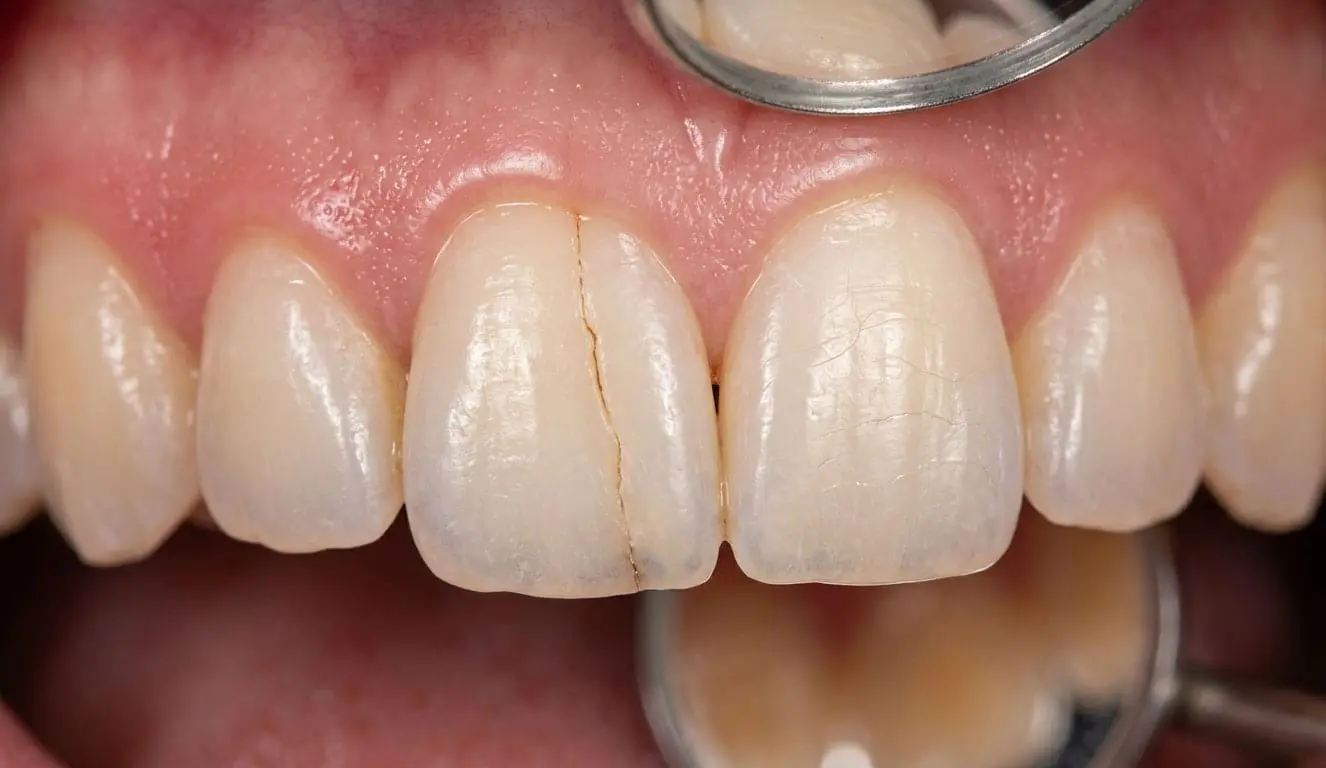
A mouth guard does not stop grinding or clenching. The neurological drivers of bruxism are central, not dental. Documented contributors include certain medications (SSRIs, SNRIs, stimulants, some antipsychotics), sleep disorders (sleep apnea, restless leg, periodic limb movement), neurotransmitter imbalances in dopaminergic and serotonergic pathways, stress and anxiety with cortical activation patterns, and caffeine, alcohol, or nicotine intake. A mouth guard does not influence any of these factors. It protects the teeth and joint from the load. It does not treat the cause. When the cause is medication-related, sleep-related, or stress-related, the appropriate next step is to address the root cause with the right specialist alongside the splint, not in place of one or the other.
When Limestone Hills Refers Out
Limestone Hills practices TMJ care within evidence-based clinical boundaries and refers out when the case exceeds what an orthodontist should be managing alone:
The standard at Limestone Hills is the same as for any orthodontic intervention: evidence-based diagnosis, clear indication, measurable outcome, transparent pricing, and co-management with the right specialty partner when the problem extends beyond orthodontics.
How Much Does a TMJ Mouth Guard Cost?
Standalone TMJ Stabilization Splint: $1,000
Flat fee. Includes digital scan, in-house fabrication in hard acrylic, fitting appointment, and three calibration adjustments over the first three months. For patients whose primary concern is mechanical protection of teeth and restorations from grinding load.
TMJ Splint Therapy Program: $1,500 per 3-month cycle
Includes the custom splint, three in-office calibration and monitoring visits, targeted muscle and range-of-motion reassessment, and written home-care instructions. Renewable only when clinically warranted. For patients whose TMJ symptoms benefit from structured follow-up beyond a single fitting.
Sports Mouthguard: $300
A separate appliance from the TMJ splint. Thicker, shock-absorbing, and designed to stay put during contact play. Families can add a sports guard at the same visit the TMJ splint scan is taken.
Most PPO dental insurance plans cover a portion of a custom TMJ stabilization splint when the diagnostic codes are documented; medical insurance covers TMJ-related appliances less often unless the diagnosis includes a documented sleep or pain condition. The Limestone Hills front desk verifies dental benefits at the consultation and provides the diagnostic codes that the patient’s medical carrier needs to evaluate coverage. OrthoSync 0% in-house financing, CareCredit, Cherry, and a 3% pay-in-full discount are all available. Community discounts (military, teachers, first responders, healthcare workers, family) apply when the splint is part of a comprehensive treatment plan; standalone splints are not eligible for stacked discounts.
Frequently Asked Questions
Will a mouth guard stop my grinding?
When the cause is medication-related, sleep-disorder-related, or stress-related, the splint protects the structure while the right specialist addresses the cause.
What is the difference between a stabilization splint and a deprogramming splint?
Deprogramming splints cover only the anterior teeth and force the back teeth out of contact, which deprograms the muscle memory of a habitual bite position; they are used short-term as a diagnostic tool before orthodontic records are taken when the resting bite is suspected to be a learned position rather than a true skeletal one.
Limestone Hills uses stabilization splints for nightly wear and deprogramming splints for short diagnostic windows when indicated.
How much does a TMJ mouth guard cost at Limestone Hills?
The Treatment Program is renewable every three months until symptoms resolve. Sports mouthguards are a separate appliance at $300. Insurance varies by plan; the front desk verifies dental benefits at the consultation.
How long does a custom splint last?
Can the splint be combined with orthodontic treatment?
After comprehensive orthodontic treatment, a stabilization splint can be worn nightly to protect the finished bite from continued grinding load, especially in patients with bonded lingual retainers, aligner attachments, or large restorations.