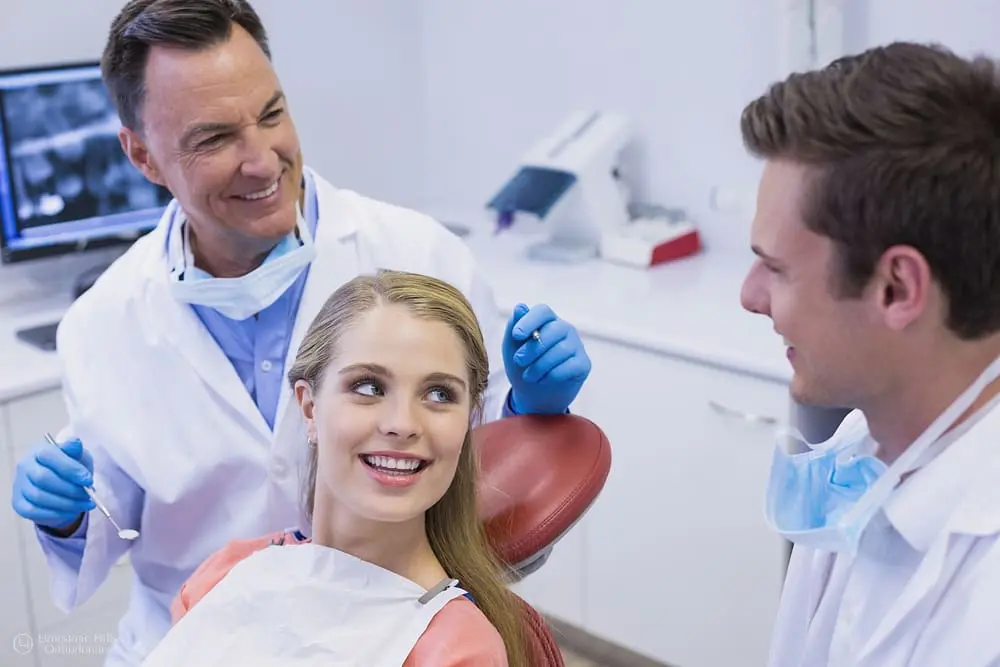

Risks of Mail Order Orthodontics

Without in-person visits, hidden risks of mail order orthodontics can be missed. This can cause health issue later. Lack of professional supervision during treatment can lead to poor results or even harm your teeth and gums. It’s wise to think about these risks and visit a licensed orthodontist to keep your smile in expert hands.

Why You Should Not Use Mail Order Aligners?

Mail order aligners may seem easy and affordable, but they come with risks. Without an orthodontist’s supervision, you won’t get personalized care or important adjustments for the best results.

If problems arise, they might not be fixed quickly, leading to bigger issues later. Seeing a local orthodontist ensures expert care and a treatment plan made just for you!

Major Risks of Mail Order Orthodontics: No Professional Supervision

One major risk of mail order orthodontics is the absence of professional oversight. With mail order systems, you don’t meet with a licensed orthodontist face-to-face. Instead, you rely on virtual assessments or no professional guidance at all.

Orthodontic treatment requires ongoing supervision. A professional monitors how your teeth are moving and adjusts the treatment plan as needed. Without expert care, the aligners may not work properly. Incorrect changes to your teeth could result in more dental issues, including discomfort or even damage to your jaw.

In contrast, visiting an orthodontist ensures your treatment is safe and effective. Professionals track your progress and can make real-time adjustments to prevent harm.

Inadequate Initial Examination

Mail order orthodontics skips a key step: a thorough initial exam. Proper orthodontic care starts with an in-person assessment by a trained professional. This includes x-rays, scans, or other diagnostic tools to assess your dental health fully.

Mail order systems often rely on photos or videos sent by the patient. These methods can miss critical issues, such as gum disease, cavities, or bone loss. Treating teeth without addressing these problems first can make them worse.

An orthodontist provides a comprehensive exam to ensure your teeth, gums, and jaw are healthy before starting treatment. This step prevents complications and ensures the aligners are safe for long-term use.

Improper Impressions and Fitting

Mail order orthodontics asks patients to take their own teeth impressions using at-home kits. This sounds easy, but it’s challenging to get it right. Taking impressions requires precise technique, and even small mistakes can lead to big issues.

Inaccurate impressions can result in poorly fitting aligners. Aligners that don’t fit properly might not move your teeth as planned. Worse, they could shift teeth incorrectly, causing more alignment problems.

Orthodontists use state-of-the-art tools to take precise impressions of your teeth. They also ensure the aligners fit comfortably and make adjustments if necessary. This personalized care increases the success of your treatment.

Lack of Truly Customized Treatment Plans

Mail order orthodontics often uses general treatment plans that might not match your unique needs. Every smile is different, and a one-size-fits-all approach rarely works.

Orthodontic treatment should be tailored to your unique dental structure. For example, some patients need advanced solutions for bite issues, jaw problems, or severe crowding. These cases require ongoing adjustments and monitoring to achieve the desired results.

Mail order systems lack this personalization and hands-on care. Without an orthodontist checking your progress and adjusting your plan, the results may not turn out as expected.

Potential Health Issues

Choosing mail order orthodontics over professional care could lead to avoidable health problems. Misaligned teeth and untreated dental issues can cause several complications, such as:

  • Bite problems that worsen over time.
  • Jaw pain or discomfort.
  • Gum recession or damage.
  • Exacerbation of existing oral health issues, like cavities or infections.

Orthodontists are trained to watch for these concerns and address them quickly. Without expert supervision, mail-order treatments can lead to long-term damage or expensive corrections later.

Regulatory and Professional Concerns

Dental experts and groups like the American Association of Orthodontists (AAO) have raised concerns about mail-order orthodontics. These treatments often bypass important health checks, putting patients at risk.

Regulations exist to protect patients, but mail order companies don’t always follow the same safety standards as in-office orthodontic care. The lack of clinical oversight raises questions about the safety and effectiveness of these systems.

Orthodontists are licensed specialists committed to delivering safe and effective care. They work under strict guidelines to protect your health. Choosing professional care reduces risks and ensures you’re getting treatment from a trusted expert.

Why Professional Orthodontic Care is Better

Mail-order orthodontics may seem like a simple solution, but the risks outweigh the benefits. Without proper exams and supervision, these treatments can cause more harm than good. Visiting a licensed orthodontist ensures every step of your treatment is safe and effective.

At Limestone Hills Orthodontics in Austin, TX, we provide personalized care to help patients achieve their best smiles. Our experienced team uses advanced tools and techniques to create tailored treatment plans that fit your needs. Trust us to guide you through your orthodontic journey with expert care and support.

Happy young red-haired woman smiling with clear braces after she is free from risks of mail order orthodontics

Treatment for All Your Orthodontic Needs

We are dedicated to helping kids and teens achieve healthier, straighter smiles with high-quality, customized orthodontic care.

Professional Supervision During Treatment

Our specialists treat jaw alignment issues and use proven solutions like clear braces or Invisalign.

Personalized Care

We tailor treatment plans to fit each patient’s unique needs.

Continuous Support

From the first visit to the final result, we’re here to help every step of the way.

Different Treatment Choices

We offer options like Invisalign and traditional braces to find the best fit for you.

Get Started on Your Dream Smile Today!

Looking for expert orthodontic care in Austin, TX? Book a free consultation with us today! We’ll check your teeth, explain your treatment options, and create a personalized plan for your smile. Call now or visit our website to schedule an appointment that fits your schedule. Our team is ready to help!

About the Authors

Dr. Rodrigo Viecilli – Orthodontist in Austin, TX

Frequently Asked Questions

Are mail-order aligners safe?

These aligners might be safe for some, but it’s important to check with a dental expert first to see if you’re a good candidate. This way, you can make sure your teeth and gums are healthy enough for aligners and that you’re getting the right treatment for your needs. So, if you’re considering mail-order aligners, a quick chat with your dentist can help set you on the right path to a beautiful smile!

Is it better to get Invisalign from a dentist or online?

If you want a professional to guide your treatment and ensure everything is done correctly, visiting a dentist is a better option. They can offer personalized advice and adjustments, ensuring your smile turns out just the way you want it. If you prefer convenience and saving money, online aligners might work for you, as they offer flexibility and lower costs. Both options can create a better smile, so choose what fits your needs best.

Can Invisalign be done virtually?

Many orthodontists now have virtual consultations. You can share pictures of your teeth, talk about your goals, and get advice—all from home. This convenient approach means you can start your journey to a straighter smile without stepping into an office right away. You’ll still need to visit in person for scans and to collect your aligners. However, starting online makes it easier to begin your treatment.
Tips to Speed Up Orthodontic Treatment

To speed up orthodontic treatment, follow your orthodontist’s instructions, especially for wearing elastics or aligners. Keep up with regular check-ups for timely adjustments. Make sure to wear your elastics or any other appliances as directed, since they play a crucial role in aligning your teeth. Brush and floss daily to avoid dental issues that could slow your progress.

Consider asking your orthodontist about accelerated treatment options like AcceleDent or Propel, which might help speed things up. Lastly, try to avoid hard or sticky foods that could damage your braces and set back your progress.

Orthodontist caring for a female patient during a dental procedure after  she knows how to speed up orthodontic treatment

Understanding Orthodontic Treatment Duration

Before diving into tips, it’s important to understand what influences treatment time.

Factors That Affect Treatment Time

  • Type of Appliance: Invisalign aligners, metal braces, or ceramic braces all have different timelines.
  • Severity of Issue: Mild crowding will likely take less time to fix than a complex overbite or underbite.
  • Age: Younger patients usually see quicker results because their bones are still growing.
  • Patient Compliance: Wearing aligners or elastics as prescribed has a big impact on treatment speed.

Common Misconceptions

  • “Faster is Always Better”: Rushing tooth movement can harm gums and bone. Orthodontists move teeth at a safe pace to protect your oral health.
  • “Skipping Appointments Saves Time”: Missing check-ups actually slow progress because adjustments can’t be made.

Techniques to Speed Up Orthodontic Treatment

Orthodontic technology has advanced in recent years, offering tools to help speed up the process.

Advanced Orthodontic Appliances

  1. High-Frequency Vibration Devices:
    • Small devices like AcceleDent produce gentle vibrations to enhance tooth movement.
    • Using them for just 10-20 minutes a day can improve treatment efficiency.
  2. Low-Level Laser Therapy:
    • This technique uses light energy to stimulate bone remodeling.
    • It reduces discomfort and may decrease overall treatment time.

Innovative Approaches

Orthodontists now explore methods like accelerated tooth movement through bone remodeling. Although still a specialty area, these techniques have shown promising results in certain studies.

Patient Compliance and Its Impact

Your actions as a patient play a huge role in whether your treatment stays on schedule.

1. Wear Elastics and Aligners as Instructed

  • If your orthodontist has given you elastics, wear them exactly as prescribed.
  • Aligners must be worn for 20-22 hours a day, except when eating or cleaning your teeth. Not following these instructions can extend treatment by months.

2. Attend Regular Appointment Check-Ins

  • Orthodontic visits allow your doctor to track progress and make changes to your appliance.
  • Stay consistent with every scheduled appointment to avoid delays.

3. Follow Your Orthodontist’s Instructions

  • Your orthodontist might suggest exercises, like biting on chewies for aligners.
  • Stick to their guidelines to ensure steady progress.

Oral Hygiene and Health

A clean and healthy mouth creates a better environment for tooth movement. Dental issues like cavities or gum infections can slow treatment.

Tips for Maintaining Oral Hygiene

  • Brush and Floss Regularly: Use fluoride toothpaste and floss daily to remove plaque.
  • Rinse with Mouthwash: An antibacterial rinse can keep your gums healthy.
  • Clean Braces and Aligners: Use a soft-bristled brush to clean braces, or soak aligners in a cleansing solution daily.

How Oral Health Impacts Treatment Speed

  • Plaque buildup can irritate gums, leading to inflammation and slower tooth movement.
  • Gum disease may require treatment, delaying your orthodontic progress.

Dietary Considerations

What you eat matters when it comes to speeding up your treatment.

Foods to Avoid

  • Hard Foods: Avoid nuts, hard candies, and crunchy snacks that can damage your braces or aligners.
  • Sticky Foods: Steer clear of caramel, gum, or chewy candies that may get stuck.

Foods That Support Faster Treatment

  • Choose soft, braces-friendly options like yogurt, scrambled eggs, and mashed potatoes.
  • Incorporate foods rich in calcium and vitamin D, such as leafy greens and dairy products, to strengthen your teeth and bones.

Common Challenges and Solutions

Orthodontic treatment doesn’t always go perfectly. Here’s how to address some common issues that can slow your progress.

Challenge: Slow Progress

  • Solution: Speak with your orthodontist to determine if there’s an underlying cause, such as not wearing elastics enough or missing aligner hours. Make adjustments based on their advice.

Challenge: Damaged Braces or Aligners

  • Solution: Handle your orthodontic appliance with care. For broken braces wires, visit your orthodontist promptly. For damaged aligners, request a replacement.

Challenge: Poor Oral Habits

  • Solution: Break habits like chewing on pens, biting nails, or eating hard foods. These actions can damage your braces and cause treatment delays.
Orthodontist holding dental instruments while treating a happy African American patient after she knows how to speed up orthodontic treatment

Top-Quality Orthodontic Care in Austin, TX

Wondering why families choose our orthodontic office in Austin, TX? Here’s what sets us apart:

Experienced Orthodontists

We specialize in treating kids and teens with jaw alignment issues using advanced techniques like reverse pull headgear.

Tailored Treatment Plans

No two smiles are the same! We create custom treatment plans to fit your child’s needs.

Guidance and Support

Our caring team is here to help from your first visit to your last, answering questions and making sure treatment goes smoothly.

Flexible Treatment Options

Whether you prefer braces, Invisalign, or reverse-pull headgear, we’ll help you find the best fit for your smile.

Book Your Free Orthodontic Consultation!

Your perfect smile starts here! Visit our Austin, TX office for a free consultation, where we’ll assess your teeth and outline the best treatment plan for you. Scheduling is simple—call us or book online today. Our friendly and knowledgeable team is ready to guide you through every step of your journey!

About the Authors

Dr. Rodrigo Viecilli – Orthodontist in Austin, TX

Frequently Asked Questions

Can orthodontic treatment be sped up?

Braces and aligners take time, but new techniques can help speed things up. Accelerated orthodontics uses special devices or minor procedures to move teeth faster. Advanced aligner technology and custom treatment plans can also help you get a perfect smile sooner.

What if I’m not happy with my orthodontic treatment?

If you’re feeling a bit unsure or unhappy with your orthodontic treatment, it’s totally okay to speak up. Your smile is important, and your orthodontist is there to help make sure you’re satisfied with the results. Don’t hesitate to schedule a chat with them to discuss your concerns. They can offer adjustments or alternative solutions to get things back on track.

What is the minimum time for orthodontic treatment?

When it comes to orthodontic treatment, the minimum time can vary depending on individual needs and the type of treatment chosen. However, for many people, the shortest duration is typically around six months. This is often possible with certain accelerated treatment options or minor adjustments.

Common Causes of Crooked Teeth

Uncovering the Common Causes of Crooked Teeth

There are a few causes of crooked teeth. Sometimes, it’s all in the genes—just like eye color or height, the way our teeth align can be inherited from our parents. Other times, it might be due to childhood habits like thumb sucking or prolonged use of a pacifier, which can gently nudge those teeth out of place. Then there’s the space issue; if your mouth is a bit too small for all those teeth, they might crowd together or overlap. And let’s not forget about losing baby tooth too early or too late, which can also affect how adult teeth come in. So, while crooked teeth can be a bit of a mystery, it’s usually a mix of genetics, habits, and timing that shapes those unique smiles!

Group of orthodontists looking at a dental X-ray together in a clinic setting to investigate the causes of crooked teeth

1. Genetic Factors

Genetics play a major role in the alignment of your teeth. You may have inherited traits from your parents or relatives that make your smile unique but also cause dental challenges.

  • Jaw and Tooth Size: If your jaw size is too small for your teeth, it can cause overcrowding, leading to crooked teeth. On the other hand, extra spacing in a larger jaw may create gaps.
  • Misalignment Runs in Families: Having a family history of misaligned teeth could explain similar issues in your smile.
  • Overbite or Underbite: These are often inherited conditions that can impact your teeth’s alignment over time.

2. Developmental Issues

Sometimes dental alignment problems begin during childhood as the teeth and jaw develop. Early intervention can play a key role in preventing these issues from worsening later on.

  • Premature Loss of Baby Teeth: Losing baby teeth earlier than usual creates gaps that may interfere with how adult teeth grow in. Without proper guidance, they can shift out of place.
  • Delayed Eruption of Adult Teeth: If adult teeth come in late, existing teeth may drift into the wrong positions, resulting in misalignment.
  • Jaw Development Complications: Problems during jaw growth can lead to improper alignment, making early dental care vital for healthy development.

3. Myofunctional Habits

Certain childhood habits can have a lasting impact on tooth alignment. These habits should be addressed early to prevent misalignment.

  • Thumb Sucking: Prolonged thumb sucking can push the upper teeth forward or change the shape of the jaw, leading to an overbite.
  • Tongue Thrusting: Frequent tongue pressing against the teeth can alter their alignment, creating gaps or causing them to flare out.
  • Pacifier Use: Pacifiers can mimic the effects of thumb sucking if used beyond the recommended age. Limiting prolonged pacifier use can help protect dental alignment.

4. Oral Health and Hygiene

Maintaining good oral hygiene is essential for preventing alignment issues. Dental health problems can directly or indirectly cause teeth to shift into crooked positions.

  • Tooth Decay: Untreated cavities may lead to tooth loss, creating gaps that allow neighboring teeth to move out of place.
  • Gum Disease: Advanced gum disease weakens the gums and bone that support the teeth, increasing the likelihood of misalignment.
  • Consistent Oral Care: Prevention is the best medicine. Regular brushing, flossing, and professional cleanings keep your teeth and gums healthy, reducing the risk of crooked teeth.

5. Structural and Jaw Issues

The structure of your jaw and overall facial development can contribute to how your teeth align. Even minor irregularities in the jaw can lead to noticeable dental misalignment.

  • Poor Jaw Growth: If your jaw doesn’t develop properly, it can result in overcrowding, gaps, or crooked teeth.
  • Underbite and Overbite: These conditions affect how the upper and lower teeth come together, often pushing teeth out of proper alignment.
  • Crooked Jaw: Even a minor misalignment in the jaw can throw off the positioning of your teeth, causing uneven bites and alignment issues.

6. External Factors

Life events or accidents can also affect dental alignment. Injuries or dental trauma require prompt care to minimize long-term effects.

  • Injury to Teeth: Impact from a fall or accident can shift teeth out of their natural position. Broken teeth may also cause surrounding teeth to move over time.
  • Tooth Loss: Missing teeth, especially if left untreated, can cause other teeth to shift, leading to misalignment.
  • Regular Dental Checkups: Early identification of trauma or misalignment by a dental professional helps prevent further complications.

7. Treatment Options at Limestone Hills Orthodontics

No matter the cause, there are effective ways to fix crooked teeth. At Limestone Hills Orthodontics in Austin, TX, we offer a range of treatments tailored to your needs.

  • Braces: Traditional metal or ceramic braces remain one of the most reliable solutions for severe misalignment. They gradually shift teeth into proper positions with consistent adjustments.
  • Clear Aligners: Modern options like Invisalign are nearly invisible and perfect for fixing minor alignment problems. These custom-made aligners are removable for eating and brushing.
  • Rubber Bands: For jaw misalignment issues like overbites or underbites, orthodontic rubber bands can help pull the jaw and teeth into alignment over time.
  • Early Orthodontic Intervention: Treating alignment issues during childhood makes it easier to correct problems before they worsen.

Every smile is unique, and we believe in creating personalized treatment plans that address your specific concerns. By fixing crooked teeth, you’re not only improving your appearance but also enhancing your oral health and confidence.

Prevention Tips for Crooked Teeth

While not all causes of crooked teeth can be prevented, certain habits can help maintain better alignment:

  1. Practice good oral hygiene to prevent gum disease and decay.
  2. Avoid habits like thumb sucking or prolonged pacifier use.
  3. Schedule regular dental checkups to catch alignment issues early.
  4. Wear mouthguards during sports to protect your teeth from injuries.
  5. Consider orthodontic evaluations for children to address developmental concerns.

By staying proactive, many alignment issues can be minimized or avoided altogether.

Female orthodontist smiling while showing a dental jaw model with braces to explain about the causes of crooked teeth

Why Choose Our Austin, TX Orthodontic Practice?

At our Austin orthodontic office, we provide exceptional, personalized care to help every patient achieve a healthy, confident smile. Here’s why families choose us for their orthodontic needs:

Experienced Orthodontists

Our skilled orthodontists specialize in treating children and teens with jaw alignment issues. We offer advanced solutions like reverse pull headgear for effective results.

Tailored Treatment Plans

No two smiles are the same! We customize each treatment plan to fit your child’s unique orthodontic needs.

Guidance at Every Stage

From the initial consultation to the final smile reveal, our team is here to support you with expert advice, adjustments, and care.

Comprehensive Treatment Options

We offer a variety of solutions, including reverse pull headgear, Invisalign, and traditional braces, so every patient gets the best possible treatment.

Discover Your Smile at Limestone Hills Orthodontics

At Limestone Hills Orthodontics, we’re passionate about helping patients in Austin, TX, achieve their healthiest and most beautiful smiles. If you’re dealing with crooked teeth, our experienced team is here to provide expert care and personalized treatment plans.

Schedule a free consultation with us today to explore your options. Whether you’re considering braces, Invisalign, or other orthodontic solutions, we’ll guide you every step of the way. Let’s work together to transform your smile and boost your confidence!

About the Authors

Dr. Rodrigo Viecilli – Orthodontist in Austin, TX

Frequently Asked Questions

Can your teeth get crooked as an adult?

Yes, your teeth can indeed become crooked as an adult! It’s not just something that happens during childhood or adolescence. Various factors like natural aging, losing teeth, or even habits like grinding your teeth at night can lead to shifts in your smile. Even if you had braces as a kid, changes in your jawbone or gums over time can cause your teeth to move. But don’t worry, there are plenty of options to help keep your smile straight and healthy, from retainers to modern orthodontic treatments. So, if you’re noticing some changes, it might be a good idea to chat with your dentist or orthodontist!

Sports with Braces: A Comprehensive Guide for Athletes in Austin, TX

Balancing orthodontic treatment with athletic activities is essential for anyone playing sport with braces. Athletes, especially those in Austin, TX, can still enjoy their favorite sports while protecting their braces and maintaining good oral health. This guide offers helpful tips and recommendations to ensure you can safely participate in sports with braces without compromising your orthodontic treatment.

Young man with clear braces smiling outdoors, taking a break during a workout and sports with braces.

The Importance of Protecting Oral Health in Sports

Playing sports is a great way to stay active and healthy, but for athletes with braces, extra precautions are necessary. Braces introduce unique challenges, such as increased vulnerabilities to oral injuries and potential damage to braces. Protecting your teeth, mouth, and braces is essential to ensure both your safety and the effectiveness of your orthodontic treatment.

Oral Injuries and Braces

Sports-related activities pose risks to your mouth while wearing braces. Understanding these risks can help you plan preventive measures:

  • Lip Bumps and Cuts: Braces have metal brackets and wires that can cause cuts inside your lips and cheeks if there is sudden impact. This is especially common in contact sports.
  • Damage to Braces: Sports accidents like hits to the face can bend wires or break brackets, which may prolong your orthodontic treatment.
  • Tooth Damage: Without proper protection, your teeth could be damaged during physical activities.

By addressing these concerns in advance, athletes can minimize the risk of sports-related oral injuries.

Essential Protective Gear for Athletes With Braces

To stay safe while playing sports, it’s important to use protective gear specifically designed for people with braces.

Mouthguards: Your Best Defense

Wearing a mouthguard is the most effective way to protect your teeth and braces during sports. There are different types of mouthguards to choose from:

  1. Custom-Made Mouthguards:
    These are created by your orthodontist to fit your teeth perfectly. They provide the best protection but are more expensive than other options.
  2. Boil-and-Bite Mouthguards:
    You can shape these mouthguards at home by softening them in hot water and biting into them to create a fit. They are affordable but may not be as comfortable or effective for braces wearers.
  3. Orthodontic Mouthguards:
    Designed specifically for people with braces, these mouthguards are larger and softer than standard options. They adjust to your teeth as they move during treatment, offering consistent protection.
  4. Shock Doctor Mouthguards:
    These are highly durable and provide great protection for high-contact sports like football, hockey, or basketball. They are often recommended for athletes with braces.

Lip Guards for Extra Safety

In contact sports, lip guards can add another layer of protection. These guards cover the lips to protect them from cuts caused by braces. Some lip guards are made from soft silicone and are specially designed for athletes with braces.

How to Safely Play Sports With Braces

Athletes with braces don’t need to give up their favorite sports. With the right precautions, you can keep playing safely.

Tips for Contact Sports

Contact sports such as football, hockey, and basketball involve a higher risk of collisions and facial impact. Here’s how to stay safe:

  • Always Wear a Mouthguard: Use an orthodontic or custom-made mouthguard to protect your braces, teeth, and soft tissues.
  • Understand the Risks: Be aware of the common risks in your sport. For example, football players are more likely to encounter tackles that could injure their mouths.
  • Wear Protective Gear Consistently: Make sure to wear your mouthguard and other protective gear even during warm-ups or casual play.

Tips for Non-Contact Sports

Non-contact sports like running, swimming, or tennis are generally less risky, but athletes should still take some precautions:

  • Stay Hydrated: Drinking water prevents a dry mouth, which can make braces feel uncomfortable during long exercises.
  • Use a Mouthguard for Peace of Mind: Even in non-contact sports, wearing a simple mouthguard can protect you from accidental bumps or falls.
  • Be Gentle: Avoid hitting your mouth with hands, equipment, or other objects.

Working With Your Orthodontist During Sports Seasons

Your orthodontic treatment can continue smoothly even if you’re an active athlete. With careful planning and communication, you can balance sports and braces.

Plan Around Your Sports Schedule

Talk to your orthodontist about your sports commitments. They can help you schedule adjustments or appointments at times that don’t interfere with big games or practices. For example:

  • Schedule appointments early in the week so any soreness from adjustments doesn’t affect weekend games.

Be Prepared for Emergencies

Accidents can happen, especially in contact sports. If a bracket breaks or a wire comes loose during a game, let your orthodontist know right away. They can guide you on how to temporarily manage the issue until it can be fixed.

Options for Orthodontic Treatment for Athletes

Athletes have several options for orthodontic treatment, allowing them to choose what works best for their lifestyle:

Traditional Metal Braces

Metal braces are the most common and durable option. With proper protective gear, athletes can safely participate in sports without worrying about damaging their braces.

Clear Aligners

Clear aligners, like Invisalign, are a great option for athletes concerned about appearance or comfort. They are removable, which means you can take them out during games or practices when needed. However, it’s important to wear them as prescribed to stay on track with your treatment.

Ceramic Braces

Ceramic braces are similar to metal braces, but they use clear or tooth-colored brackets to make them less noticeable. While they are more fragile than metal braces, they remain a good choice for athletes who want a more discreet look.

Caring for Your Braces While Playing Sports

Proper care for your braces is essential when participating in sports. Follow these tips to maintain both your oral health and your orthodontic treatment:

  • Brush and Floss After Practices: Clean your teeth thoroughly to remove food and prevent buildup around braces.
  • Check Your Mouthguard Regularly: Inspect it for signs of wear and replace it if necessary.
  • Handle Emergencies Quickly: If your braces get damaged during a game, contact your orthodontist for guidance.
Happy young athlete pointing at his metal braces and smiling after doing sports with braces

Why Choose Our Orthodontic Practice in Austin, TX?

At our Austin orthodontic office, we’re dedicated to providing high-quality, personalized care to every patient. Here’s why families trust us for their orthodontic needs:

Experienced Orthodontic Experts

Our skilled orthodontists have years of experience treating children and teens with jaw alignment issues. We specialize in effective treatments like reverse pull headgear, delivering exceptional results tailored to each patient.

Customized Treatment Plans

No two smiles are the same, which is why we design personalized treatment plans to meet your child’s unique needs and goals, ensuring the best possible outcome.

Comprehensive Support Throughout Treatment

From your very first consultation to the final reveal of your new smile, our caring team is here to support you. We’re always available to answer questions, make adjustments, and offer guidance every step of the way.

A Wide Range of Treatment Options

We offer more than just reverse pull headgear. Our practice provides a variety of orthodontic solutions, including Invisalign and traditional braces, so we can find the perfect fit for every patient.

Schedule Your Free Consultation Today!

Come see us in Austin, TX, for a free consultation! During your visit, we’ll assess your teeth, go over your treatment options, and discuss how we can help you achieve a straight, confident smile. Scheduling is simple—give us a call or visit our website to book a time that works for you! Our friendly team is ready to answer your questions and guide you every step of the way.

About the Authors

Dr. Rodrigo Viecilli – Orthodontist in Austin, TX

Frequently Asked Questions

Can you still play sports with braces?

Absolutely, you can still play sports with braces! It’s all about taking a few extra precautions to keep your smile safe while you’re out there having fun. Many athletes with braces choose to wear a mouthguard, which is a simple and effective way to protect your teeth and braces from any unexpected bumps or falls. Plus, mouthguards come in all sorts of colors and styles, so you can even match them to your team colors if you want!

Can you play in the NFL with braces?

Yes, you can play in the NFL with braces! Many professional athletes, including football players, wear braces to protect their teeth and ensure their smiles stay intact while they tackle the gridiron. The key is to make sure your braces are well-fitted and that you use a proper mouthguard designed to accommodate them. This way, you can focus on the game without worrying about your dental gear.

Orthodontic Treatment for Sleep Apnea

Orthodontic treatment for sleep apnea like mandibular advancement devices (MADs) can help by gently repositioning your jaw to keep your airway open while you snooze. These custom-made devices are designed to fit comfortably in your mouth, making it easier to breathe and reducing those pesky sleep disruptions. Plus, they’re a non-invasive option compared to other treatments, so it’s worth chatting with your orthodontist to see if this could be a good fit for you.

Orthodontist and assistant discussing treatment options with a female patient after her Orthodontic Treatment for Sleep Apnea

What Is Sleep Apnea?

Sleep apnea is a condition that causes breathing to stop and start during sleep. These pauses can last a few seconds or minutes and happen many times during the night. This disrupts your sleep and makes you feel tired during the day. If untreated, it can lead to problems like high blood pressure, heart issues, diabetes, or strokes.

Types of Sleep Apnea

There are three types of sleep apnea:

  • Obstructive Sleep Apnea (OSA): The most common type. It happens when muscles in your throat relax too much, blocking your airway.
  • Central Sleep Apnea: This occurs when your brain doesn’t signal your breathing muscles properly.
  • Complex Sleep Apnea Syndrome: A mix of obstructive and central sleep apnea.

Of these, OSA is the most common and often treatable with orthodontic solutions. Orthodontic treatments address structural issues in the jaw and palate, helping keep the airway open during sleep.

How Orthodontics Can Treat Sleep Apnea

Orthodontic care is not just for straightening teeth. It can also help people with sleep apnea by improving airflow and reducing blockages. Orthodontists can adjust the jaw and palate to fix problems that cause breathing issues during sleep.

Some of the ways orthodontic treatments help with sleep apnea include:

  • Moving the jaw: Adjustments to the upper or lower jaw can stop the tongue or soft tissues in the throat from blocking the airway.
  • Widening the upper jaw: Expanding the roof of the mouth creates more space for air to flow through the nasal passages.
  • Improving airway support: Structural corrections can prevent the airway from collapsing while sleeping.

These approaches help ensure a clear airway, making it easier to breathe throughout the night.

Mandibular Advancement Devices

A common orthodontic tool for sleep apnea is a mandibular advancement device (MAD). It works like a mouthguard and is worn while sleeping. It moves the lower jaw slightly forward to keep the airway open.

Benefits of MADs:

  • MADs prevent the tongue or tissues in the throat from blocking the airway.
  • They improve airflow to reduce snoring and breathing interruptions.
  • They provide a comfortable and less invasive option for mild to moderate OSA.

Patients prefer MADs because they are easy to use, non-invasive, and less cumbersome than other devices like CPAP machines.

Maxillary Expansion Techniques

Patients with narrow upper jaws may benefit from rapid maxillary expansion (RME). This treatment widens the upper jaw using a custom device, creating more room for air to flow.

Benefits of RME:

  • Better nasal breathing: Expanding the upper jaw improves airflow through the nasal passages, making breathing easier and more natural.
  • Reduced blockages: The additional space in the airway prevents it from collapsing during sleep.

This technique works especially well for children and teens, as their jawbones are still growing and can be adjusted more easily.

Surgical Orthodontic Options

Severe sleep apnea cases may need surgery. These surgeries fix jaw problems that cannot be addressed with devices. Examples include:

  • Maxillary Expansion: Expands the upper jaw for better airflow.
  • Jaw Advancement: Moves the upper jaw forward to stop airway blockages.

While surgery involves more recovery time, it can be a highly effective and long-lasting solution for severe sleep apnea.

Why Orthodontic Treatment Is Beneficial

Orthodontic care has many benefits for sleep apnea patients:

  • Better Sleep: Clearer airways mean fewer interruptions and deeper rest.
  • More Energy: You’ll wake up feeling refreshed and energized.
  • Improved Health: Treating sleep apnea lowers the risk of heart problems and other conditions.
  • Comfortable Options: MADs are easy to use and more comfortable than CPAP machines.

Orthodontic treatments address the root issues behind sleep apnea, creating long-term benefits for sleep and health.

Comparing Orthodontics and CPAP

CPAP machines are a popular treatment for sleep apnea. However, many people find them bulky and hard to use. Orthodontic solutions like MADs offer a simpler and more convenient alternative.

Orthodontic Treatments vs. CPAP Machines:

  • Ease of Use: Orthodontic appliances like MADs are small, lightweight, and portable compared to CPAP machines, which have multiple components.
  • Comfort: MADs fit comfortably in the mouth and are custom-made for each patient, unlike CPAP masks that can feel bulky.
  • Addressing the Cause: CPAP machines help manage symptoms by ensuring airflow, but orthodontic treatments can fix the structural issues causing sleep apnea.

For patients with mild to moderate OSA or those who struggle with CPAP therapy, orthodontics provides a practical, convenient alternative.

Female patient talking to her orthodontist during a consultation for her Orthodontic Treatment for Sleep Apnea

Why Choose Our Orthodontic Practice in Austin, TX?

At our Austin orthodontic office, we’re dedicated to providing high-quality, personalized care to every patient. Here’s why families trust us for their orthodontic needs:

Experienced Orthodontic Experts

Our skilled orthodontists have years of experience treating children and teens with jaw alignment issues. We specialize in effective treatments like reverse pull headgear, delivering exceptional results tailored to each patient.

Customized Treatment Plans

No two smiles are the same, which is why we design personalized treatment plans to meet your child’s unique needs and goals, ensuring the best possible outcome.

Comprehensive Support Throughout Treatment

From your very first consultation to the final reveal of your new smile, our caring team is here to support you. We’re always available to answer questions, make adjustments, and offer guidance every step of the way.

A Wide Range of Treatment Options

We offer more than just reverse pull headgear. Our practice provides a variety of orthodontic solutions, including Invisalign and traditional braces, so we can find the perfect fit for every patient.

Schedule Your Free Consultation Today!

Come see us in Austin, TX, for a free consultation! During your visit, we’ll assess your teeth, go over your treatment options, and discuss how we can help you achieve a straight, confident smile. Scheduling is simple—give us a call or visit our website to book a time that works for you! Our friendly team is ready to answer your questions and guide you every step of the way.

About the Authors

Dr. Rodrigo Viecilli – Orthodontist in Austin, TX

Frequently Asked Questions

Will insurance cover orthodontics for sleep apnea?

When it comes to orthodontics for sleep apnea, coverage really depends on your specific insurance plan. Some insurance providers do offer coverage if the orthodontic treatment is deemed medically necessary to treat sleep apnea. It’s a great idea to check in with your insurance company to get the scoop on what’s covered under your plan. They can provide the most accurate and detailed information, so you know exactly what to expect.

What is the most successful treatment for sleep apnea?

When it comes to tackling sleep apnea, the most successful treatment is often Continuous Positive Airway Pressure, or CPAP for short. It’s like having a trusty sidekick by your bedside, gently keeping your airways open with a steady stream of air while you catch those much-needed Z’s. Many folks find it to be a game-changer, helping them wake up refreshed and ready to take on the day. Of course, there are other options like lifestyle changes, oral appliances, or even surgery, but CPAP tends to be the go-to hero for many battling sleep apnea.