

Why Retention Is Half the Case
The Biology of Relapse
Retainer Types at Limestone Hills Orthodontics
Not every retainer fits every patient. The comparison below lays out what each option does, what it costs, and when Dr. Viecilli recommends it.
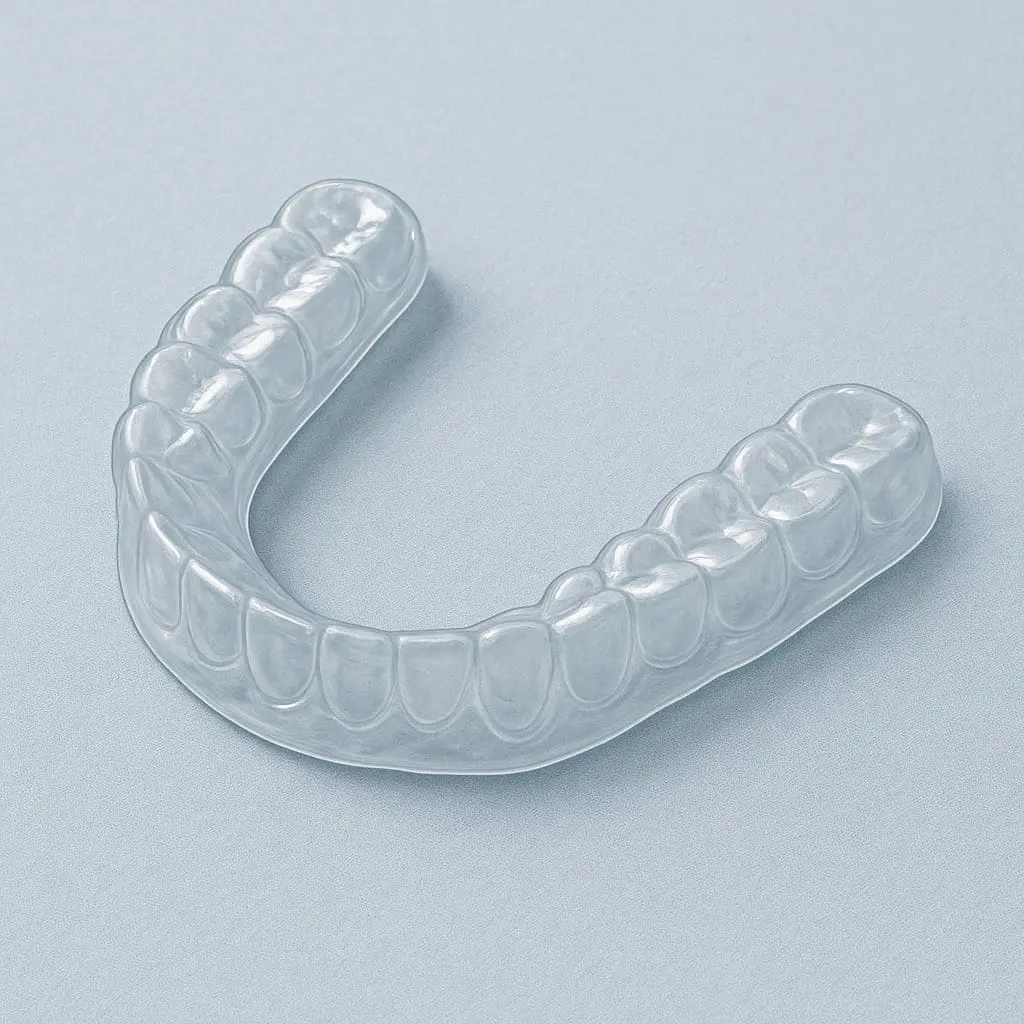
Essix Clear Retainer
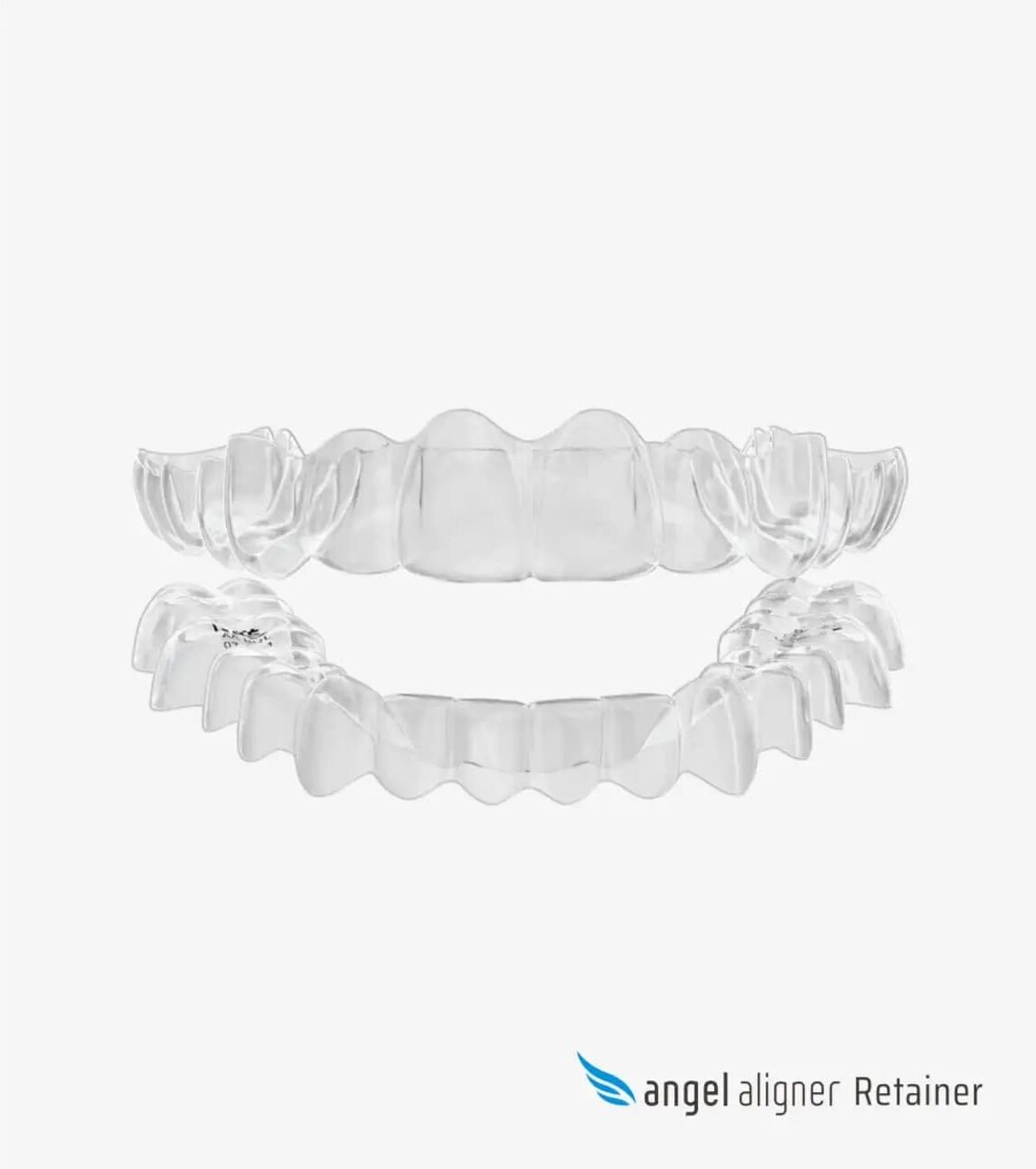
Angel Retainer
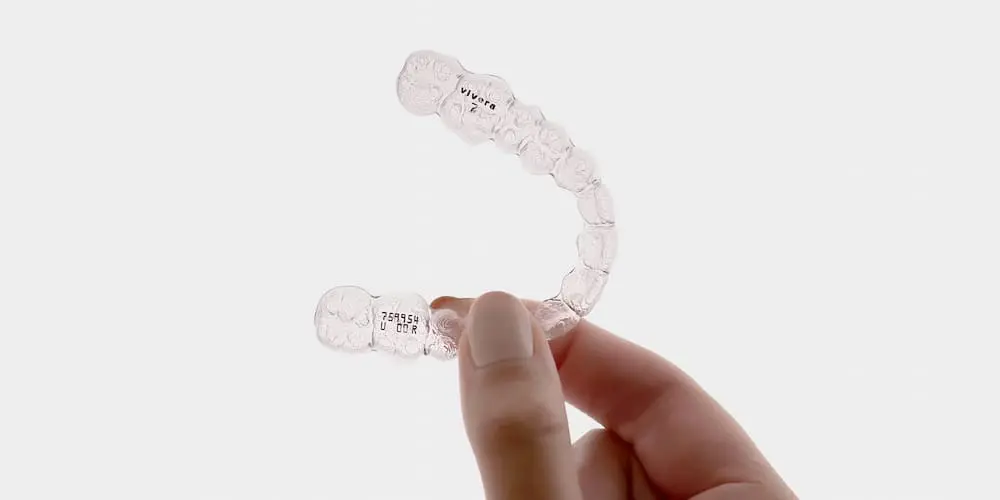
Vivera Retainer
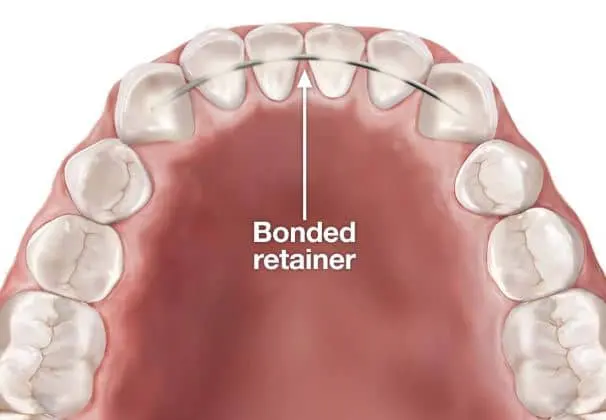
Fixed (Bonded) Retainer
The fee is $500 for the upper, $600 for the lower (if clinically indicated). Bonded retainers are not Limestone Hills’ default because they complicate flossing, can fail silently when the bond breaks without the patient noticing, and are not necessary for the vast majority of cases.
Essix retainers worn nightly produce the same long-term retention with less hygiene risk.
Fabricated In-House, Not Outsourced
Same-Day In-House Workflow
Medit i700 intraoral scan (5 minutes)
Captures the final tooth positions in a 3D digital model. No goopy impression material.
3D model print (45 minutes)
The dental model is printed in-house on a Phrozen 3D printer using biocompatible model resin.
Thermoform (15 minutes)
A clear retainer sheet is heated and vacuum-formed over the printed model. Edges are trimmed by hand. The retainer is then polished and fitted.
Fit check with Dr. Viecilli (10 minutes)
The patient confirms the fit while Dr. Viecilli assesses the edge contour and any rough spots that need additional polishing. Total time from check-in to walking out: 75 to 90 minutes. The patient can wait in the office or run errands and return when the retainer is ready.
How Long a Retainer Has To Be Worn
The single most common retainer problem Dr. Viecilli sees is patients stopping wearing them. That is the failure mode behind almost every relapse case that comes back to Limestone Hills years after treatment finishes.
A fixed schedule like “wear nightly forever” sounds simple, but it asks every patient to follow the same cadence regardless of how their teeth are actually behaving, and most people quietly drift off the schedule once treatment feels far enough in the past.
The tightness test is the practice’s answer. The starting schedule is full-time wear for the first few months after braces or aligners come off, then a transition to nighttime-only. From there, the retainer itself becomes the guide.
If it feels tight on the way in at night, the teeth are still trying to drift and regular wear stays on the schedule. If it slides in with no pressure for several nights in a row, the bone has remodeled around the new positions and wear can taper to a few nights a week.
Patients learn to feel the difference within the first year, and Dr. Viecilli reviews the test at each retainer check.
The tightness test outlasts a fixed schedule because every biology settles at a different pace. A patient whose case involved heavy rotations or extractions may need full nightly wear for years; a patient with a simple alignment correction may taper after a year.
The test gives the right protocol without either feeling over- or under-treated. A retainer worn at any honest cadence beats a forgotten retainer in a drawer.
What To Expect at the Retainer Visit
What looks like a quick retainer visit is treated at Limestone Hills as a full orthodontic consultation. Dr. Viecilli reviews the current alignment for any drift since active treatment ended, screens for airway-related concerns the patient may not know to mention, and discloses anything found that affects long-term bite stability or breathing before any retainer recommendation is made.
If the alignment is stable and a retainer is the right call, Dr. Viecilli walks through the options and quotes the fee in writing.
The Limestone Hills retainer menu is three options: an in-house Essix, fabricated same-visit on a Phrozen-printed model from a Medit i700 intraoral scan; an Angel-brand retainer for patients who finished on the Angel Aligners platform; and a Vivera retainer for patients who finished on Invisalign and want a brand-matched retainer.
A bonded fixed retainer is available only for the specific case of an upper diastema with a thick gingival frenum, where passive Essix pressure cannot hold the closure.
If something more is needed, like a short course of aligner refinement to recover lost positions or a referral for an airway evaluation, that is presented honestly with no pressure to start same-day. Patients leave with the right plan for their case, not whichever option fits the visit code on the schedule.
Retainer Pricing
Limestone Hills Orthodontics fabricates retainers for current patients, former patients, and patients from other practices. A referral letter is not required. Fees are quoted in writing at the visit and eligible for HSA and FSA.
| Retainer Type | Price | Turnaround & notes |
|---|---|---|
| Essix (with model on file) |
$150/arch
|
Bring the 3D-printed model from the end of treatment. Same-visit turnaround.
|
| Essix (new scan required) |
$250/arch
|
New digital scan + 3D-printed model + retainer. Patient keeps the new model for future replacements.
|
| Angel Retainer |
$300/arch
|
Angel Aligners brand. 2 to 3 week turnaround (fabricated off-site).
|
| Vivera Retainer |
$350/arch
|
Align Technology (Invisalign brand). New scan required. 2 to 3 week turnaround.
|
| Fixed (Bonded) Upper |
$500
|
Reserved for upper diastema with a thick gingival frenum. Not the default.
|
| Fixed (Bonded) Lower |
$600
|
Offered by request but not recommended for most patients.
|
What Patients Say About Retainer Care
Frequently Asked Questions
How much does a retainer cost at Limestone Hills Orthodontics?
Fixed bonded retainers, used only for upper diastema with a thick frenum, are $500 upper and $600 lower. Current Limestone Hills Orthodontics patients receive their first set of retainers with treatment. HSA and FSA are accepted.
How long do I need to wear my retainer?
If it slides in with zero pressure night after night, wear can gradually taper. The tightness test outlasts any one-size schedule because every biology is different.
Can a retainer move teeth back after they have already shifted?
A short course of active treatment, usually clear aligners, is the better answer. Dr. Viecilli evaluates this at a free consultation and quotes the options in writing.
What is the difference between Essix and Vivera?
Essix is thermoformed from a trimmed sheet over the 3D-printed model – at Limestone Hills Orthodontics that happens on-site, same-visit when the model is on hand. Vivera ships from Align Technology’s central manufacturing and takes 2 to 3 weeks.
Because the material performance is identical, Dr. Viecilli uses Essix as the default and offers Vivera for patients who finished on Invisalign and want a matched brand.
Should I get a “permanent” (fixed) retainer?
The one clinical scenario where a bonded retainer earns its place is an upper diastema (front-tooth gap) with a thick gingival frenum pulling the central incisors apart. In that specific case, the passive pressure of an Essix is not enough to hold the closure.
For every other pattern, Essix retention is the safer long-term call. Dr. Viecilli also avoids the word “permanent” on purpose. No wire is permanent, and framing it that way sets the wrong expectation for hygiene and monitoring.