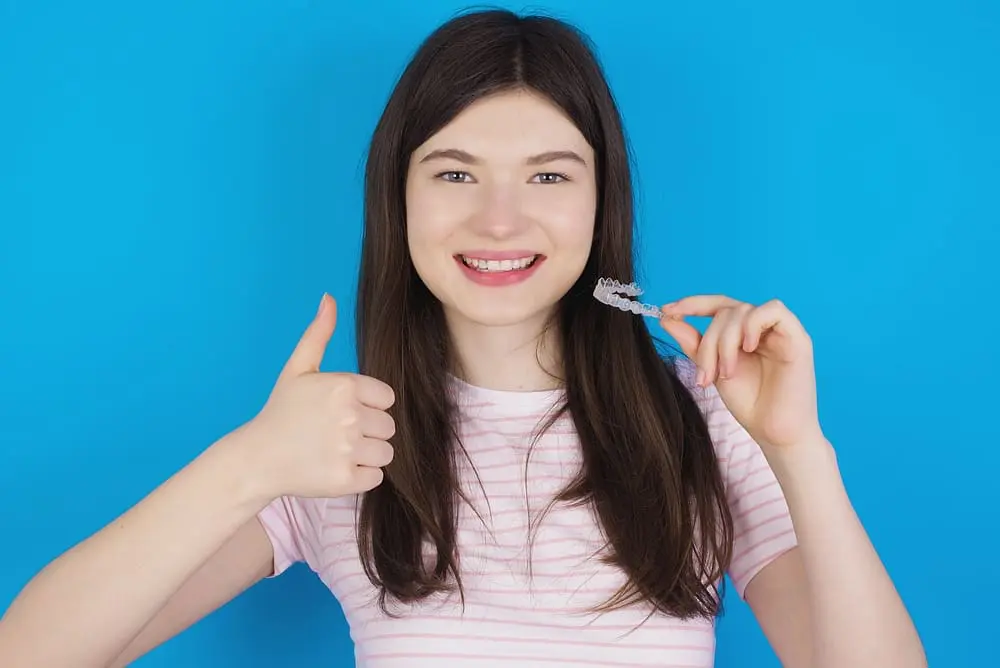
Invisalign Attachments in Austin, TX

Invisalign is a popular way to straighten teeth without using braces. It’s a clear and discreet option that many people in Austin, TX, choose for their orthodontic care. To make Invisalign even more effective, small tools called Invisalign attachments are often used. These attachments are tiny, tooth-colored bumps bonded to the teeth. They help the aligner grip the teeth better, making tooth movement faster and more precise. This guide explains everything you should know about Invisalign attachments and their importance in achieving a great smile.

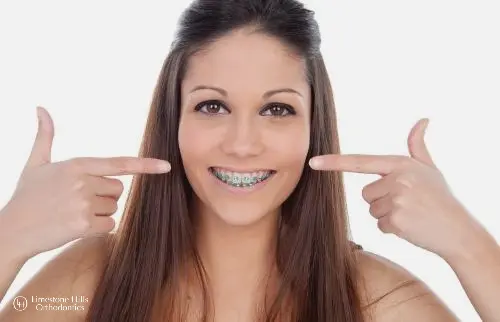
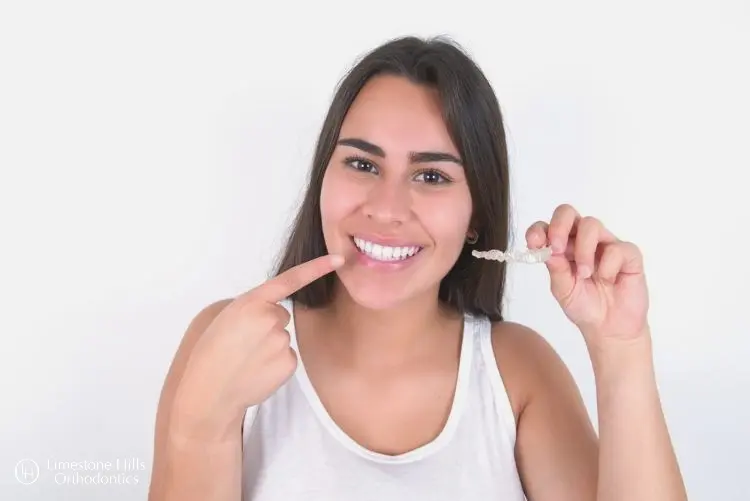
Smiling woman in green sweater points to aligner, referencing Limestone Hills Orthodontics in Austin, TX, and Invisalign insurance.

What Are Invisalign Attachments?

Invisalign attachments are small, bump-like additions placed on certain teeth during your treatment. Made from a resin material, these attachments are almost the same color as your teeth, so they blend in well and are not very noticeable.

Attachments enhance the effectiveness of Invisalign aligners by giving them a better grip on your teeth. This extra grip allows the aligners to apply pressure more precisely, helping with tough movements like rotating or tilting teeth.

Do All Patients Need Attachments?

No, not everyone requires attachments. They are mainly used for people who need more complex tooth adjustments. Cases with minor tooth movements may not need attachments, but if your teeth require extra force to move, attachments will likely be part of your treatment plan.

Why Are Invisalign Attachments Important?

Invisalign attachments play a critical role in many orthodontic cases. Their primary job is to help the aligners work better by ensuring the right amount of pressure is applied to specific teeth. Here’s why they’re important:

  1. Anchor Points: Attachments act as small handles, giving the aligners a place to grip the teeth tightly.
  2. Precise Pressure: With attachments, aligners can apply targeted pressure to move teeth in specific directions.
  3. Improved Results: Attachments allow Invisalign to handle complex cases like crowded teeth, gaps, bite problems, or tilted teeth.

What Types of Tooth Movements Need Attachments?

Attachments are required for specific types of movements, such as:

  • Rotating Teeth: If a tooth is twisted, attachments help the aligner turn it to the correct position.
  • Vertical Movements: Teeth that need to be moved up or down to align properly.
  • Closing Gaps: Attachments help aligners push teeth closer together to close spaces.
  • Crowding Issues: If teeth are overlapping, attachments provide the extra force needed to align them.

Without attachments, aligners may not have the strength to achieve these movements effectively.

Invisalign Attachments vs. Braces Brackets

While attachments and braces brackets both help move teeth, they are very different:

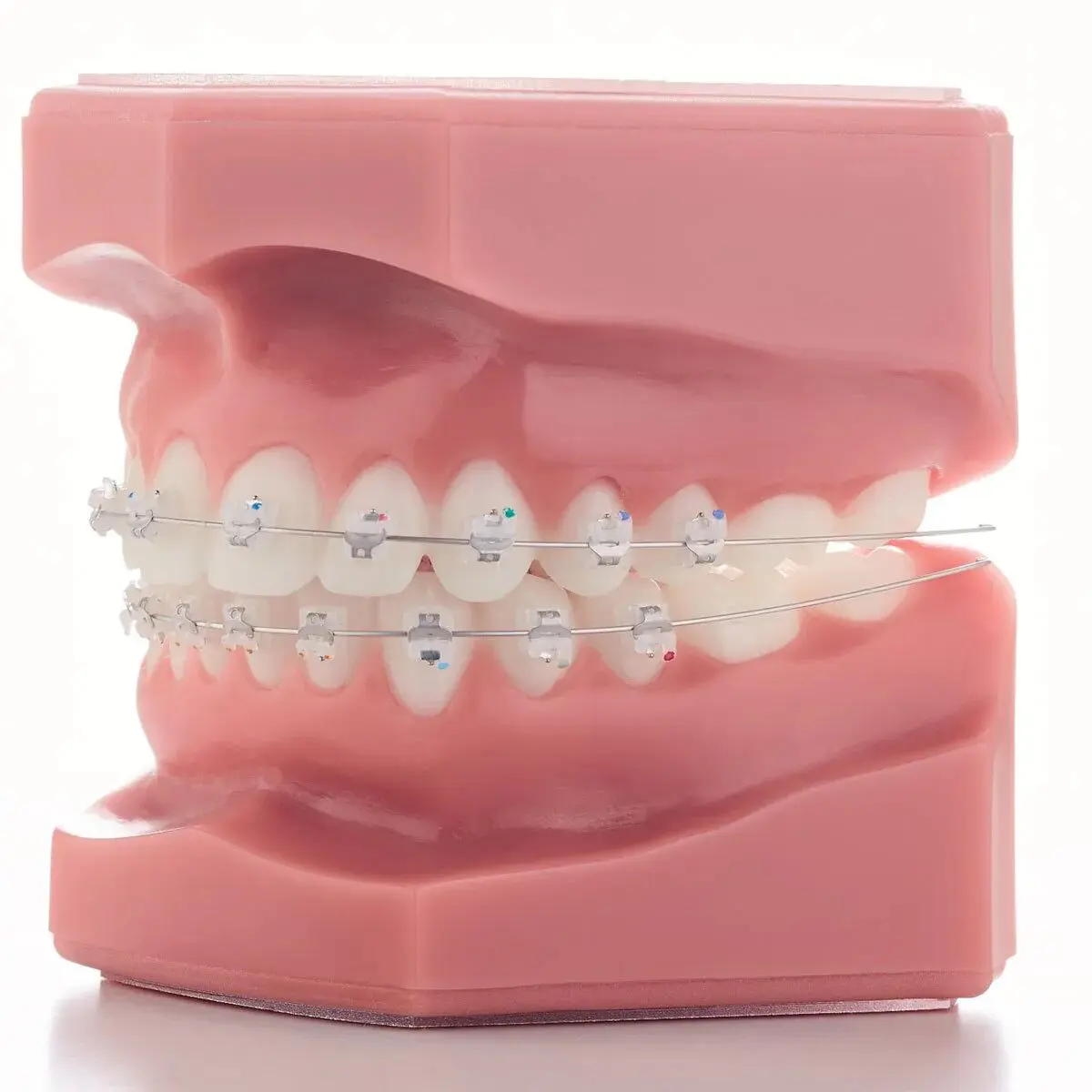
  • Size and Appearance: Attachments are much smaller and tooth-colored, making them less noticeable. Braces brackets are larger and often made of metal.
  • Removability: Invisalign aligners, along with their attachments, are removable, while braces are fixed and cannot be taken off during treatment.
  • Comfort: Attachments are smooth and subtle, while braces may cause discomfort due to their wires and brackets.

This makes Invisalign with attachments a great choice for people looking to fix their teeth discreetly.

How Are Invisalign Attachments Applied?

The Placement Process

Getting attachments is a simple and painless procedure that takes about 20–30 minutes. Here’s how it works:

  1. Cleaning: The orthodontist cleans and dries the surface of your teeth where the attachments will go.
  2. Template Creation: A custom template, made from aligner material, is placed over your teeth. This template ensures the attachments are positioned correctly.
  3. Bonding: A small amount of composite resin is placed in the template on the designated teeth. A special light is used to harden the resin and secure the attachments to your teeth.
  4. Final Touches: The template is removed, and the orthodontist polishes around the attachments to ensure your comfort.

Once the attachments are in place, the aligners will fit snugly over them, providing the grip needed to move the teeth efficiently.

How to Care for Invisalign Attachments

Keeping Them Clean

Proper cleaning is essential when you have attachments to avoid buildup of food or plaque around them. Here are tips to maintain good oral hygiene during treatment:

  • Brush your teeth after every meal, focusing on the areas around the attachments.
  • Use floss or an interdental brush to clean between your teeth and around the attachments.
  • Consider using a water flosser for a deeper clean.

By keeping your attachments clean, you can prevent staining and maintain a healthy, bright smile.

Adjusting to Attachments

At first, you might feel the attachments when you run your tongue over your teeth, but most patients get used to them quickly. If brushing feels tricky around the attachments, take your time and use tools like angled flossers or interdental brushes to ensure thorough cleaning.

Do Attachments Stay On Forever?

Attachments are temporary and will only stay on your teeth for the duration of your Invisalign treatment. Once your treatment is complete, the orthodontist will carefully remove the attachments. The teeth are then polished to remove any leftover adhesive, leaving your teeth smooth and clean.

Who Can Benefit Most from Invisalign Attachments?

Invisalign attachments are helpful for people with:

  • Crowded Teeth: Attachments provide the force needed to align tightly overlapped teeth.
  • Teeth Gaps: If there are spaces between your teeth, attachments help close the gaps more effectively.
  • Bite Problems: Attachments are often used to fix issues like overbites and underbites.
  • Rotated Teeth: Teeth that need to be turned can be adjusted faster with attachments.

An orthodontist will decide if you need attachments based on your specific needs during your consultation.

Benefits of Invisalign Attachments

Here are some key advantages of Invisalign attachments:

  • Better Results: Attachments make it possible to treat more complex cases, ensuring your teeth move into the correct position.
  • Discreet Appearance: They are small and tooth-colored, so they’re hard to see.
  • Comfortable and Removable: Unlike braces, Invisalign aligners and attachments are easy to remove when eating or brushing.

With these benefits, Invisalign attachments make orthodontic treatment more effective without sacrificing comfort or appearance.

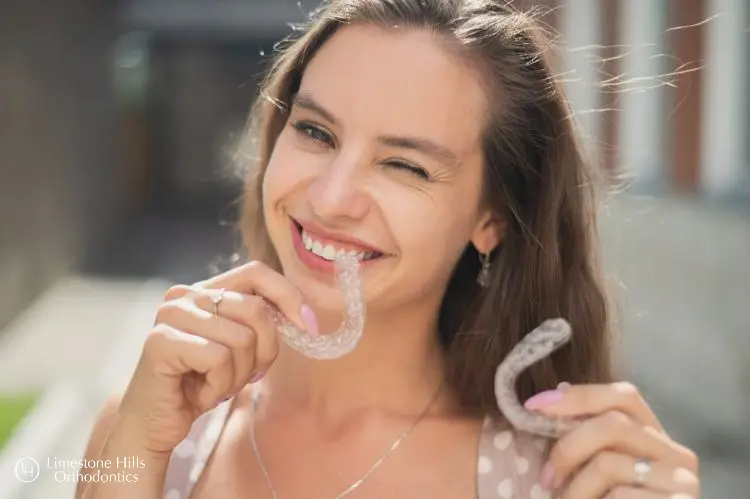
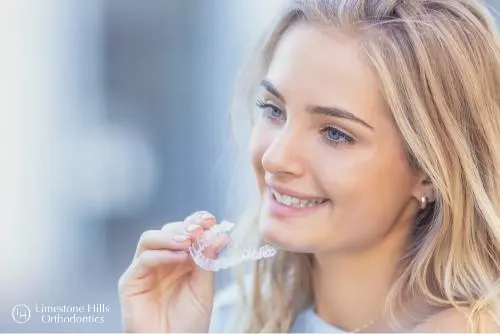
Brunette woman smiling while holding Invisalign attachments clear aligners.

Why Choose Our Orthodontic Practice in Austin, TX?

At our Austin orthodontic office, we’re dedicated to providing high-quality, personalized care to every patient. Here’s why families trust us for their orthodontic needs:

Experienced Orthodontic Experts

Our skilled orthodontists have years of experience treating children and teens with jaw alignment issues. We specialize in effective treatments like reverse pull headgear, delivering exceptional results tailored to each patient.

Customized Treatment Plans

No two smiles are the same, which is why we design personalized treatment plans to meet your child’s unique needs and goals, ensuring the best possible outcome.

Comprehensive Support Throughout Treatment

From your very first consultation to the final reveal of your new smile, our caring team is here to support you. We’re always available to answer questions, make adjustments, and offer guidance every step of the way.

A Wide Range of Treatment Options

We offer more than just reverse pull headgear. Our practice provides a variety of orthodontic solutions, including Invisalign and traditional braces, so we can find the perfect fit for every patient.

Schedule Your Free Consultation Today!

Come see us in Austin, TX, for a free consultation! During your visit, we’ll assess your teeth, go over your treatment options, and discuss how we can help you achieve a straight, confident smile. Scheduling is simple—give us a call or visit our website to book a time that works for you! Our friendly team is ready to answer your questions and guide you every step of the way.

About the Authors

Dr. Rodrigo Viecilli – Orthodontist in Austin, TX

Frequently Asked Questions about Invisalign Attachment

Are Invisalign attachments necessary?

Invisalign attachments can be quite helpful, but whether they’re necessary really depends on your specific dental needs. These tiny, tooth-colored shapes are bonded to your teeth to help the aligners make the precise movements needed to straighten your smile. Think of them as little helpers that give your aligners a better grip! While not everyone will need them, they can be essential for more complex tooth movements.

Your orthodontist will be the best person to guide you on whether attachments are a must for your treatment plan. So, it’s always a good idea to have a chat with them to see what’s best for your journey to a straighter smile!

How long do Invisalign attachments stay on?

Invisalign attachments typically stay on your teeth for the duration of your Invisalign treatment, which can range from several months to a couple of years, depending on your specific orthodontic needs. These tiny, tooth-colored bumps are designed to help the aligners fit snugly and move your teeth more effectively. Your orthodontist will monitor them during your regular check-ups and ensure they’re doing their job. Once your treatment is complete, they’ll be gently removed, leaving you with a beautiful, straight smile!

Can you say no to Invisalign attachments?

Absolutely, you can say no to Invisalign attachments! It’s important to remember that your orthodontic journey is a personal one, and you have every right to discuss your preferences and concerns with your orthodontist. While attachments can enhance the effectiveness of your treatment by providing additional grip for the aligners, if you’re not comfortable with them, it’s perfectly okay to explore alternative options or adjustments to your treatment plan.

Orthodontic Treatment for Sleep Apnea

Orthodontic treatment for sleep apnea like mandibular advancement devices (MADs) can help by gently repositioning your jaw to keep your airway open while you snooze. These custom-made devices are designed to fit comfortably in your mouth, making it easier to breathe and reducing those pesky sleep disruptions. Plus, they’re a non-invasive option compared to other treatments, so it’s worth chatting with your orthodontist to see if this could be a good fit for you.

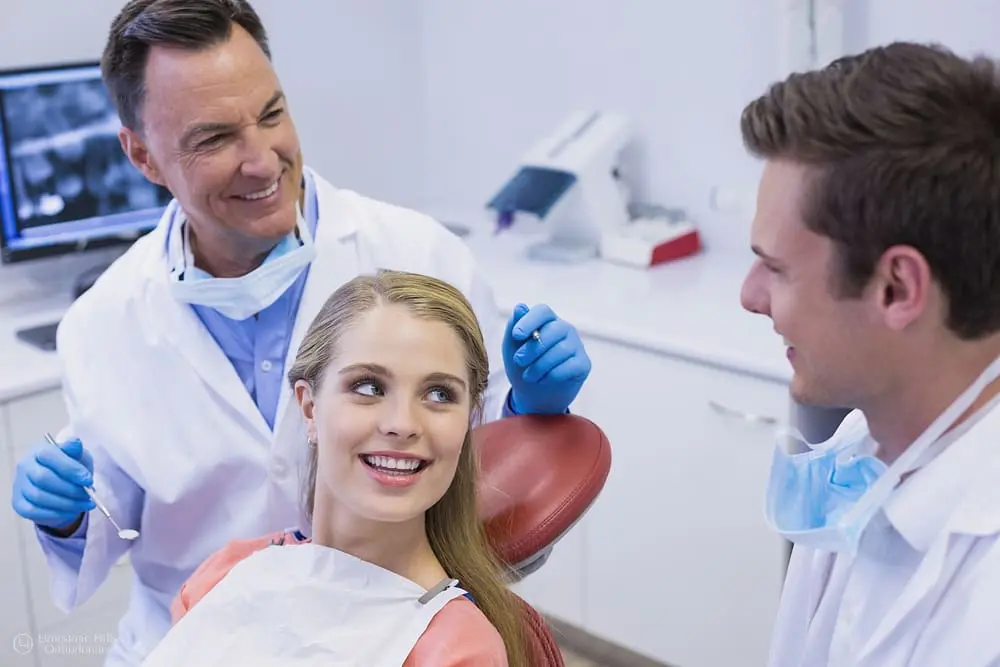
Orthodontist and assistant discussing treatment options with a female patient after her Orthodontic Treatment for Sleep Apnea

What Is Sleep Apnea?

Sleep apnea is a condition that causes breathing to stop and start during sleep. These pauses can last a few seconds or minutes and happen many times during the night. This disrupts your sleep and makes you feel tired during the day. If untreated, it can lead to problems like high blood pressure, heart issues, diabetes, or strokes.

Types of Sleep Apnea

There are three types of sleep apnea:

  • Obstructive Sleep Apnea (OSA): The most common type. It happens when muscles in your throat relax too much, blocking your airway.
  • Central Sleep Apnea: This occurs when your brain doesn’t signal your breathing muscles properly.
  • Complex Sleep Apnea Syndrome: A mix of obstructive and central sleep apnea.

Of these, OSA is the most common and often treatable with orthodontic solutions. Orthodontic treatments address structural issues in the jaw and palate, helping keep the airway open during sleep.

How Orthodontics Can Treat Sleep Apnea

Orthodontic care is not just for straightening teeth. It can also help people with sleep apnea by improving airflow and reducing blockages. Orthodontists can adjust the jaw and palate to fix problems that cause breathing issues during sleep.

Some of the ways orthodontic treatments help with sleep apnea include:

  • Moving the jaw: Adjustments to the upper or lower jaw can stop the tongue or soft tissues in the throat from blocking the airway.
  • Widening the upper jaw: Expanding the roof of the mouth creates more space for air to flow through the nasal passages.
  • Improving airway support: Structural corrections can prevent the airway from collapsing while sleeping.

These approaches help ensure a clear airway, making it easier to breathe throughout the night.

Mandibular Advancement Devices

A common orthodontic tool for sleep apnea is a mandibular advancement device (MAD). It works like a mouthguard and is worn while sleeping. It moves the lower jaw slightly forward to keep the airway open.

Benefits of MADs:

  • MADs prevent the tongue or tissues in the throat from blocking the airway.
  • They improve airflow to reduce snoring and breathing interruptions.
  • They provide a comfortable and less invasive option for mild to moderate OSA.

Patients prefer MADs because they are easy to use, non-invasive, and less cumbersome than other devices like CPAP machines.

Maxillary Expansion Techniques

Patients with narrow upper jaws may benefit from rapid maxillary expansion (RME). This treatment widens the upper jaw using a custom device, creating more room for air to flow.

Benefits of RME:

  • Better nasal breathing: Expanding the upper jaw improves airflow through the nasal passages, making breathing easier and more natural.
  • Reduced blockages: The additional space in the airway prevents it from collapsing during sleep.

This technique works especially well for children and teens, as their jawbones are still growing and can be adjusted more easily.

Surgical Orthodontic Options

Severe sleep apnea cases may need surgery. These surgeries fix jaw problems that cannot be addressed with devices. Examples include:

  • Maxillary Expansion: Expands the upper jaw for better airflow.
  • Jaw Advancement: Moves the upper jaw forward to stop airway blockages.

While surgery involves more recovery time, it can be a highly effective and long-lasting solution for severe sleep apnea.

Why Orthodontic Treatment Is Beneficial

Orthodontic care has many benefits for sleep apnea patients:

  • Better Sleep: Clearer airways mean fewer interruptions and deeper rest.
  • More Energy: You’ll wake up feeling refreshed and energized.
  • Improved Health: Treating sleep apnea lowers the risk of heart problems and other conditions.
  • Comfortable Options: MADs are easy to use and more comfortable than CPAP machines.

Orthodontic treatments address the root issues behind sleep apnea, creating long-term benefits for sleep and health.

Comparing Orthodontics and CPAP

CPAP machines are a popular treatment for sleep apnea. However, many people find them bulky and hard to use. Orthodontic solutions like MADs offer a simpler and more convenient alternative.

Orthodontic Treatments vs. CPAP Machines:

  • Ease of Use: Orthodontic appliances like MADs are small, lightweight, and portable compared to CPAP machines, which have multiple components.
  • Comfort: MADs fit comfortably in the mouth and are custom-made for each patient, unlike CPAP masks that can feel bulky.
  • Addressing the Cause: CPAP machines help manage symptoms by ensuring airflow, but orthodontic treatments can fix the structural issues causing sleep apnea.

For patients with mild to moderate OSA or those who struggle with CPAP therapy, orthodontics provides a practical, convenient alternative.

Female patient talking to her orthodontist during a consultation for her Orthodontic Treatment for Sleep Apnea

Why Choose Our Orthodontic Practice in Austin, TX?

At our Austin orthodontic office, we’re dedicated to providing high-quality, personalized care to every patient. Here’s why families trust us for their orthodontic needs:

Experienced Orthodontic Experts

Our skilled orthodontists have years of experience treating children and teens with jaw alignment issues. We specialize in effective treatments like reverse pull headgear, delivering exceptional results tailored to each patient.

Customized Treatment Plans

No two smiles are the same, which is why we design personalized treatment plans to meet your child’s unique needs and goals, ensuring the best possible outcome.

Comprehensive Support Throughout Treatment

From your very first consultation to the final reveal of your new smile, our caring team is here to support you. We’re always available to answer questions, make adjustments, and offer guidance every step of the way.

A Wide Range of Treatment Options

We offer more than just reverse pull headgear. Our practice provides a variety of orthodontic solutions, including Invisalign and traditional braces, so we can find the perfect fit for every patient.

Schedule Your Free Consultation Today!

Come see us in Austin, TX, for a free consultation! During your visit, we’ll assess your teeth, go over your treatment options, and discuss how we can help you achieve a straight, confident smile. Scheduling is simple—give us a call or visit our website to book a time that works for you! Our friendly team is ready to answer your questions and guide you every step of the way.

About the Authors

Dr. Rodrigo Viecilli – Orthodontist in Austin, TX

Frequently Asked Questions

Will insurance cover orthodontics for sleep apnea?

When it comes to orthodontics for sleep apnea, coverage really depends on your specific insurance plan. Some insurance providers do offer coverage if the orthodontic treatment is deemed medically necessary to treat sleep apnea. It’s a great idea to check in with your insurance company to get the scoop on what’s covered under your plan. They can provide the most accurate and detailed information, so you know exactly what to expect.

What is the most successful treatment for sleep apnea?

When it comes to tackling sleep apnea, the most successful treatment is often Continuous Positive Airway Pressure, or CPAP for short. It’s like having a trusty sidekick by your bedside, gently keeping your airways open with a steady stream of air while you catch those much-needed Z’s. Many folks find it to be a game-changer, helping them wake up refreshed and ready to take on the day. Of course, there are other options like lifestyle changes, oral appliances, or even surgery, but CPAP tends to be the go-to hero for many battling sleep apnea.

Can Braces Stain My Teeth?

Braces themselves don’t stain your teeth, but they can make it a bit trickier to keep your pearly whites sparkling clean. The brackets and wires can create little nooks and crannies where food particles and plaque love to hide. If these aren’t cleaned away properly, they can lead to staining or even cavities over time.

So, can braces stain my teeth? Not directly—but poor oral hygiene during treatment can. But don’t worry! With diligent brushing, flossing, and regular dental check-ups, you can keep your smile bright and healthy while rocking those braces. Remember, your orthodontist is there to help, so don’t hesitate to ask for tips on maintaining that dazzling smile!

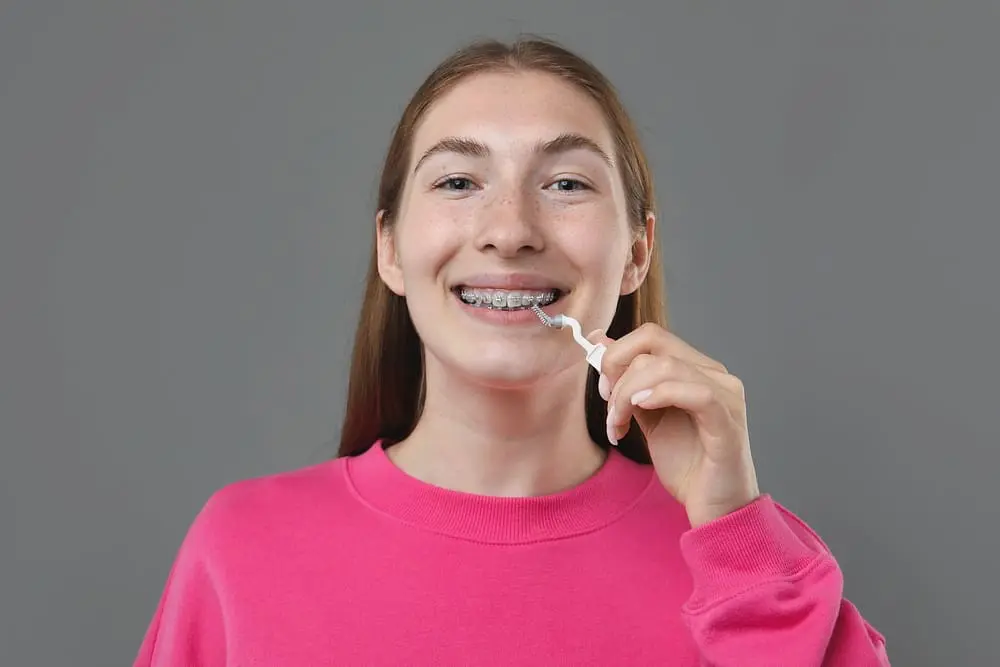
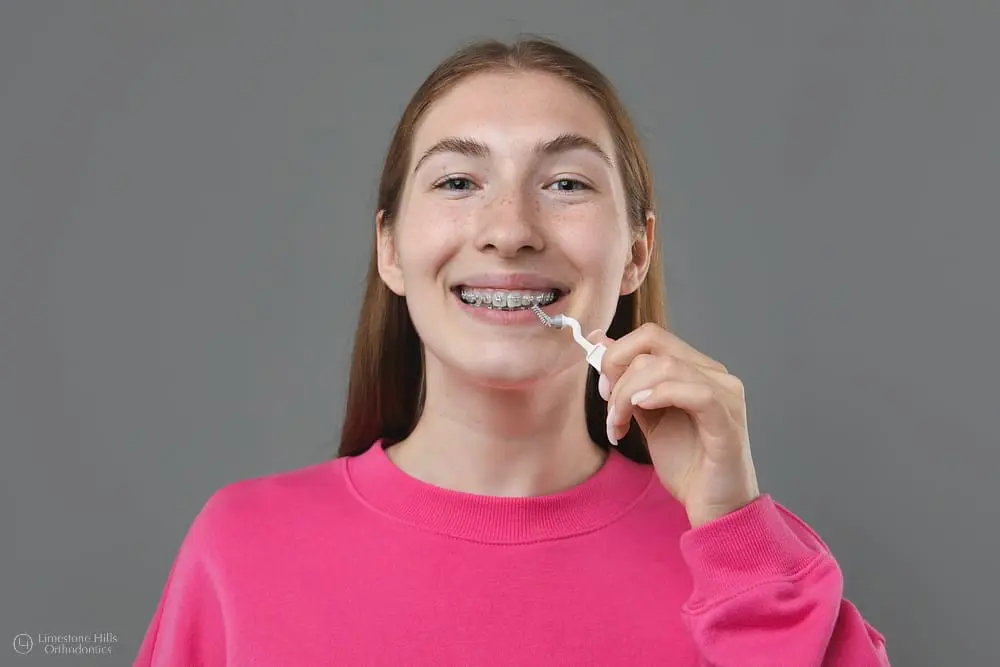
Teenage girl with metal braces cleaning her teeth with an interdental brush, answering the question "can braces stain my teeth?"

Causes of Tooth Staining with Braces

Tooth staining can happen when braces are not paired with good oral care. Here are some key factors that contribute to discoloration:

1. Bracket and Wire Material

The brackets and wires used in braces can sometimes trap food particles and plaque, which increases the chances of staining. If you do not clean around these materials thoroughly, stains may develop where the brackets attached to your teeth.

2. Plaque Buildup

Plaque is a sticky layer of bacteria that forms on teeth. It tends to gather around braces, especially where the brackets and wires meet. If plaque builds up and isn’t removed, it hardens into tartar, which can discolor teeth.

3. Staining Foods and Drinks

Certain foods and beverages are more likely to stain teeth, particularly when wearing braces. These include:

  • Dark beverages: Coffee, tea, and soda can cause stains.
  • Colorful foods: Berries, tomato sauces, and curry can leave behind discoloration.
  • Sugary snacks: Sticky candies and sugary treats encourage plaque buildup, leading to stains.

Limiting these foods and drinks during your treatment can significantly reduce the chances of staining.

4. Poor Oral Hygiene Practices

Inconsistent brushing and flossing increase the risk of stains. When you don’t clean your teeth properly, plaque stays on your teeth longer, leading to discoloration around the brackets and gumline.

Preventing Stains While Wearing Braces

The good news is that stains can be prevented with a well-planned oral care routine and lifestyle adjustments.

1. Regular Brushing and Flossing

Brushing and flossing are your first line of defense against plaque buildup. Brush your teeth at least twice a day, and use floss threaders or orthodontic floss to get between braces and wires.

2. Use of Soft-Bristle Brushes

Soft-bristle toothbrushes are gentle on teeth and gums, making them ideal for cleaning braces. They’re effective at getting around brackets and wires without causing damage. Electric toothbrushes with special orthodontic heads can also be very helpful.

3. Dietary Adjustments

What you eat matters when it comes to preventing stains. To protect your teeth, limit or avoid:

  • Dark drinks like coffee, tea, and red wine.
  • Acidic drinks like soda, which can weaken enamel.
  • Foods with natural or artificial coloring, such as berries, candy, or brightly colored sauces.

Eating more braces-friendly foods, such as plain yogurt, bananas, and steamed veggies, can help keep your teeth clean and reduce staining risks.

4. Professional Cleanings

Visiting your dentist regularly for professional cleanings is crucial when you have braces. Dental professionals can remove plaque and tartar buildup that you might miss during daily brushing and flossing. Regular cleanings can prevent stains from becoming permanent.

Managing Stains and Maintaining Tooth Color

If stains occur despite your best efforts, there are ways to address them after your braces are removed.

1. Composite Restoration

Composite resin can be used to repair discoloration and restore the natural look of your teeth after braces. This method is especially helpful for addressing areas that are darker or unevenly colored.

2. Color Restoration Techniques

After your braces are removed, teeth whitening treatments can brighten your smile. Options include professional whitening at the dentist’s office or at-home whitening kits with custom trays.

3. Addressing White Spots

In some cases, white spots form on teeth during orthodontic treatment. These are areas where plaque was not cleaned properly, causing enamel demineralization. Treatments to address white spots may include:

  • Topical fluoride treatments: Fluoride can help rebuild weakened enamel.
  • Microabrasion: Light polishing removes surface-level spots.
  • Resin infiltration: A technique that fills affected areas with resin to match your tooth color.

Your dentist will recommend the best solution based on the severity of the problem.

Importance of Oral Hygiene During Orthodontic Treatment

Good oral hygiene is essential for preventing stains and keeping your teeth and gums healthy throughout your orthodontic journey.

1. Preventing Tooth Decay and Gum Disease

Braces create more areas for bacteria to hide, so proper cleaning is vital to prevent tooth decay and gum disease. Keep plaque at bay to ensure your teeth and gums remain healthy during and after treatment.

2. Removing Food Particles

Toothbrushes and floss tools designed for braces help remove food particles that can accumulate around brackets and wires. Rinsing with water or a mouthwash after meals can further help keep your mouth clean.

3. Maintaining Consistency

Make oral care part of your daily routine. Aim to brush for at least two minutes and focus on cleaning around each bracket and along the gumline. Consistency will pay off, helping you avoid staining and plaque issues.

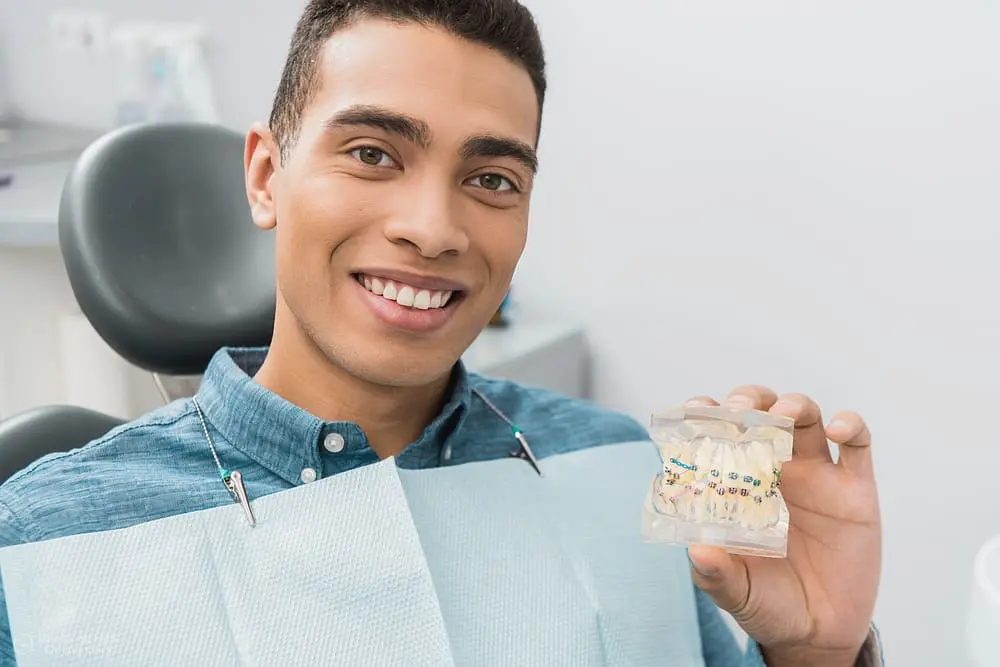
Smiling patient in blue bib holding a dental model with metal braces illustrating "can braces stain my teeth?"

Why Choose Our Orthodontic Practice in Austin, TX?

At our Austin orthodontic office, we’re dedicated to providing high-quality, personalized care to every patient. Here’s why families trust us for their orthodontic needs:

Experienced Orthodontic Experts

Our skilled orthodontists have years of experience treating children and teens with jaw alignment issues. We specialize in effective treatments like reverse pull headgear, delivering exceptional results tailored to each patient.

Customized Treatment Plans

No two smiles are the same, which is why we design personalized treatment plans to meet your child’s unique needs and goals, ensuring the best possible outcome.

Comprehensive Support Throughout Treatment

From your very first consultation to the final reveal of your new smile, our caring team is here to support you. We’re always available to answer questions, make adjustments, and offer guidance every step of the way.

A Wide Range of Treatment Options

We offer more than just reverse pull headgear. Our practice provides a variety of orthodontic solutions, including Invisalign and traditional braces, so we can find the perfect fit for every patient.

Schedule Your Free Consultation Today!

Come see us in Austin, TX, for a free consultation! During your visit, we’ll assess your teeth, go over your treatment options, and discuss how we can help you achieve a straight, confident smile. Scheduling is simple—give us a call or visit our website to book a time that works for you! Our friendly team is ready to answer your questions and guide you every step of the way.

About the Authors

Dr. Rodrigo Viecilli – Orthodontist in Austin, TX

Frequently Asked Questions

Do teeth stains from braces go away?

Teeth stains from braces can definitely go away! Once your braces are removed, your teeth might have some temporary discoloration, but don’t worry. Regular brushing, flossing, and professional cleanings can help brighten your smile. Over time, any stains usually fade, and if you want an extra boost, whitening treatments can be a great option.

How to remove yellow stains from braces?

Start by brushing your teeth thoroughly after every meal with a fluoride toothpaste and a soft-bristled toothbrush. You might also want to try using an interdental brush or a water flosser to get into those hard-to-reach spots around the brackets. Rinsing with a mouthwash can also help keep your braces sparkling clean. For a little extra help, consider using a whitening toothpaste once or twice a week, but make sure it’s safe for braces.

Are Braces Necessary?

Expert Insights on Straightening Teeth

Braces are a great solution for achieving a straight, healthy smile. However, whether you need them depends on your individual dental needs. For some, braces are important to fix medical issues like jaw alignment or bite problems, which can get worse if left untreated. For others, braces are more about improving how their teeth look and boosting confidence. The best way to know “are braces necessary” for you is to visit an orthodontist. They can create a treatment plan that suits your needs.

Smiling teenage boy with metal braces, wearing a red hat, showing his teeth confidently while wondering are braces necessary for him?

Understanding the Purpose of Braces

Braces are designed to make teeth straight and fix alignment problems in the jaw or bite. They can make a big difference for your oral health and how you feel about your smile. The main reasons for braces are either medical or cosmetic.

Medical Reasons for Braces

Are Braces Necessary? Braces may be needed when dental or jaw problems affect your everyday life. Some examples of these problems include:

  • Chewing difficulties: Severe misalignment can make it hard to bite or chew food, which may lead to digestion problems.
  • Jaw pain: A poorly aligned jaw adds stress to your joints and causes discomfort.
  • Difficulty cleaning teeth: Crooked or overcrowded teeth are harder to keep clean, which increases the chances of cavities and gum disease.

Cosmetic Reasons for Braces

Braces are also popular for fixing how teeth look. Straight, well-spaced teeth help create a beautiful smile, which can make people feel more confident. Whether it’s closing gaps or aligning crooked teeth, braces address appearance concerns. While these changes are cosmetic, they can be life-changing for many.

Common Problems Braces Solve

Braces are used to treat a range of dental issues, such as:

  • Crooked or crowded teeth: Teeth growing too close together can cause discomfort and are harder to clean.
  • Bite problems: Overbites, underbites, and crossbites can make chewing or speaking difficult over time.
  • Gaps between teeth: Wide spaces make gums more exposed, leading to sensitivity and hygiene challenges.

By addressing these problems, braces improve both the function and appearance of your teeth.

Health Benefits of Braces

Braces do more than enhance appearances. They improve oral health and prevent potential dental issues in the future.

Short-Term Oral Health Improvements

When teeth are properly aligned, keeping them clean becomes much easier. Braces help by:

  • Reducing the risk of tooth decay: Straight teeth prevent food particles from hiding in hard-to-reach spaces.
  • Improving bite functionality: Braces align your teeth so they fit together correctly, making chewing and speaking easier.

Long-Term Benefits of Braces

The benefits of braces don’t stop once treatment ends. They protect your oral health for years to come:

  • Easier maintenance: Straight teeth are simpler to brush and floss, so you’re more likely to maintain a bright smile and healthy gums.
  • Prevention of major problems: Fixing alignment issues early ensures you won’t require costly, complicated procedures later, such as jaw surgery or dental restorations.

With these benefits, braces lay the foundation for lifelong good oral health.

Boosting Confidence and Social Comfort

How you feel about your smile can have an impact on your confidence. Braces not only improve your oral health but also help you feel good about how you present yourself to others.

Increased Self-Esteem

For many, uneven or crowded teeth cause embarrassment. Braces bring relief by:

  • Helping you feel confident: A healthy, straight smile makes people feel more comfortable in both personal and professional situations.
  • Reducing insecurities: Fixing teeth that you may be self-conscious about leads to feeling happier with your appearance.

Positive Social Perceptions

Your smile affects how others see you. Braces can improve social interactions in several ways:

  • Making strong first impressions: A neat smile gives off a positive impression in social and professional settings.
  • Adding comfort in conversations: When you’re happy with your teeth, you’ll engage more confidently with others.

Braces not only benefit your teeth but also influence the way you feel and how others interact with you, making them a meaningful investment.

Types of Braces and How to Choose

Once you’ve decided to get braces, the next step is to learn about the available options and choose what works best for you.

Traditional Metal Braces

Metal braces use brackets and wires to slowly straighten teeth. These are one of the most effective treatments for fixing complex alignment problems. Though they are more noticeable, they are durable and reliable for a variety of dental issues.

Invisalign Clear Aligners

Clear aligners like Invisalign are a more discreet option. These clear plastic trays shift teeth gradually and can be removed easily for eating and brushing. They are usually ideal for cases with mild to moderate alignment problems and are less obvious than metal braces. However, they require disciplined use to achieve the best results.

Factors to Consider

When deciding on the type of braces, think about:

  • Severity of the problem: Metal braces are better for complex alignment issues, while clear aligners work well for simpler corrections.
  • Lifestyle: If being able to remove the braces is important, clear aligners may be the best option.
  • Budget: Metal braces are generally more affordable than clear aligners, so costs may play a role in the decision.

Your orthodontist will help you weigh these factors and choose the treatment that fits your needs and lifestyle.

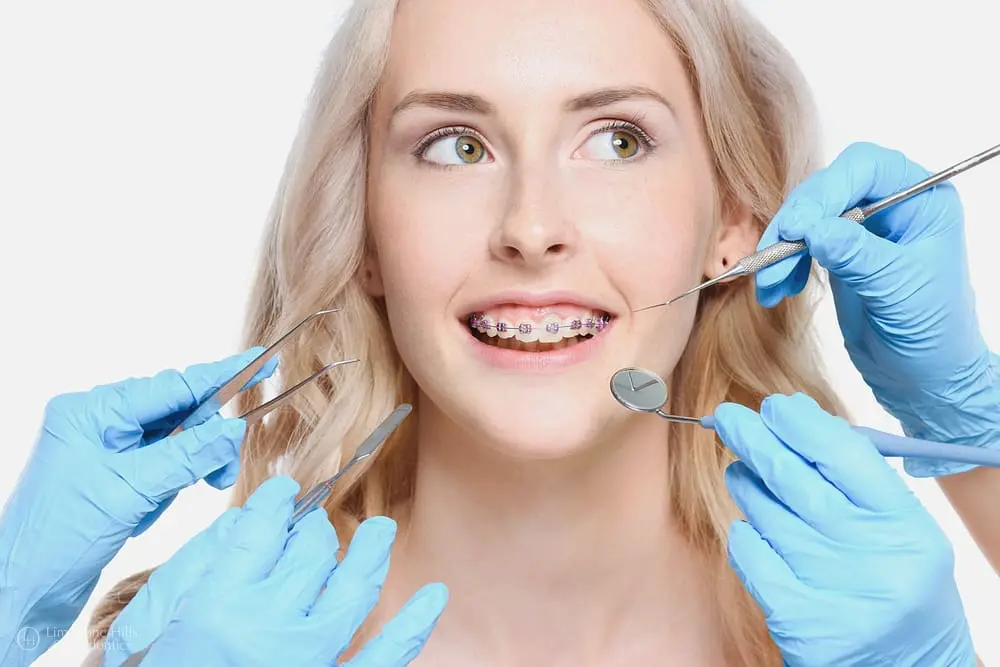
Hands holding dental tools near a smiling woman with metal braces, orthodontic treatment scene to explain are braces necessary

Why Choose Our Austin, TX Orthodontic Practice?

At our Austin orthodontic office, we’re dedicated to providing top-quality, personalized care to every patient. Here’s why families trust us with their orthodontic needs:

Expert Orthodontic Care

Our skilled orthodontists have years of experience treating children and teens with jaw alignment issues. We specialize in effective solutions like reverse pull headgear to help patients achieve great results.

Customized Treatment Plans

We understand that every smile is unique. That’s why we design personalized treatment plans tailored to meet your child’s specific needs and goals.

Comprehensive Support Throughout Treatment

From your first consultation to the final results, our friendly team will be with you every step of the way—answering questions, making adjustments, and offering expert advice.

Wide Range of Treatment Options

Along with reverse pull headgear, we offer a variety of options, including Invisalign and traditional braces, ensuring we have the right solution for every patient.

Book Your Free Consultation Today!

Visit our Austin, TX office for a free consultation! We’ll assess your teeth, review treatment options, and discuss how we can help you achieve a straighter, more confident smile. Scheduling is easy—just give us a call or visit our website to choose a time that works best for you. Our team is excited to help guide you on your journey to a beautiful smile!

About the Authors

Dr. Rodrigo Viecilli – Orthodontist in Austin, TX

Frequently Asked Questions

What happens if I don’t wear braces?

If you decide not to wear braces, it’s totally okay, but just keep in mind that your teeth might not align as perfectly as they could. You might experience some crowding or spacing issues, and in some cases, it could affect your bite, which might make chewing a bit tricky. Also, misaligned teeth can sometimes be a little harder to clean, which could lead to other dental issues down the road.

Do I need braces if I have TMJ?

If you’re dealing with TMJ (temporomandibular joint) issues, you might be wondering if braces could help. While braces are typically used to straighten teeth and correct bite issues, they can sometimes alleviate TMJ symptoms by improving the alignment of your bite. However, it’s not a one-size-fits-all solution, and not everyone with TMJ will need braces.

Will braces fix my clicking jaw?

If you’re dealing with a clicking jaw, braces might be part of the solution, but it really depends on the underlying cause. Sometimes, a clicking jaw can be due to misalignment or bite issues, which braces can definitely help with by straightening your teeth and aligning your bite. However, if the clicking is related to other factors like TMJ disorders, you might need a combination of treatments.

What Does an Orthodontist Do?

An orthodontist is a dental specialist who focuses on aligning teeth and jaws to create healthier, straighter smiles. Using tools like braces and clear aligners, they gently reposition teeth and correct bite issues. Whether it’s crooked teeth, gaps, or jaw misalignment, orthodontists are trained to tackle these problems with tailored treatment plans. Over time, they help patients achieve smiles that look great and function properly.

So, if you’re wondering “what does an orthodontist do?” it’s all about crafting that confident, picture-perfect grin while ensuring your oral health stays in top shape!

What Does an Orthodontist Do? Young patient with braces checking results in a dental mirror during an orthodontic appointment

What Do Orthodontists Specialize In?

Orthodontists concentrate on diagnosing and fixing problems involving tooth alignment and jaw positioning. By doing so, they help patients resolve issues that interfere with daily activities like eating, speaking, and smiling. Their work also improves oral hygiene by making teeth easier to clean.

Common Issues Orthodontists Treat

Orthodontists solve a variety of problems, including:

  1. Crooked or crowded teeth: This happens when teeth overlap or grow too close together.
  2. Gaps between teeth: Spaces between teeth can impact appearance and make gums more prone to problems.
  3. Bite issues: Common bite problems include:
    • Overbites: Upper teeth extend too far over the bottom teeth.
    • Underbites: Lower teeth protrude past the upper teeth.
    • Crossbites: Teeth don’t line up properly when the jaw is closed.
    • Open bites: Some teeth don’t meet at all, even when the jaw is closed.

Unlike general dentists, orthodontists zero in on straightening teeth and fixing bite issues. This focus allows them to create smiles that are not only beautiful but also functional.

Why Do Patients See an Orthodontist?

Patients visit orthodontists for two main reasons:

  1. To improve dental health: Misaligned teeth can cause jaw pain, uneven tooth wear, and make teeth harder to clean, leading to cavities and gum issues.
  2. To enhance appearance: A straighter smile boosts confidence and self-esteem, making orthodontic care an investment in both health and happiness.

With individualized treatment, orthodontists ensure each patient’s unique needs are met.

How Are Orthodontists Trained?

Orthodontists undergo years of advanced training to develop their expertise. Here’s the process:

1. Dental School

Orthodontists start by completing a four-year program in dental school, where they learn the basics of dentistry.

2. Orthodontic Residency

After earning a dental degree, orthodontists spend an additional 2–3 years in a residency program. During this time, they focus exclusively on:

  • Bite correction for issues like overbites, underbites, and crossbites.
  • Jaw growth and development, particularly in children.
  • Using technology such as 3D dental scans and digital X-rays to diagnose problems and plan treatments.

These extra years of training prepare orthodontists to handle both simple and complex cases with precision.

How Do Orthodontists Diagnose Problems?

Orthodontic care begins with a thorough assessment. During a consultation, orthodontists evaluate the patient’s teeth, jaw, and overall oral health. Typically, they:

  1. Examine the teeth visually to spot alignment issues such as gaps, crowding, or bite problems.
  2. Use digital scans or X-rays to get a deeper understanding of how teeth and jawbones align.
  3. Discuss patient concerns and goals for treatment.

Using this information, orthodontists build a personalized treatment plan that outlines the tools and techniques needed to achieve the best results.

What does an orthodontist do? Orthodontist showing Invisalign clear aligners to patient during consultation

What Treatments Do Orthodontists Provide?

Orthodontists offer a range of treatments to align teeth and jaws. Some of the most common include:

1. Braces

Traditional braces use metal brackets and wires to shift teeth into place over time. They are highly effective for correcting even severe alignment issues.

  • Best for: Crooked teeth, crowded teeth, and bite problems.
  • Treatment time: Typically 18–24 months.

2. Clear Aligners

Clear aligners, such as Invisalign, are a popular alternative to braces. These removable trays are custom-made for each patient and gradually shift teeth into place. Aligners are nearly invisible, making them a favorite option for teens and adults.

  • Best for: Mild to moderate alignment issues.
  • Treatment time: 6–18 months, depending on complexity.

3. Palatal Expanders

For growing children with narrow upper jaws, palatal expanders are used to create more space for teeth and improve bite alignment.

  • Best for: Young patients with developing jaws and crowded teeth.

4. Tooth Extractions

When overcrowding is severe, orthodontists sometimes remove teeth to make room for proper alignment.

5. Retainers

After braces or aligners, patients wear retainers to hold teeth in their new positions. Wearing a retainer is essential to maintaining the results of treatment.

Benefits of Orthodontic Treatment?

Correcting alignment and bite problems provides several benefits beyond just a nicer smile:

  1. Healthier Teeth and Gums
    Straight teeth are easier to clean, which reduces the risk of tooth decay and gum disease.
  2. Improved Bite Function
    Proper jaw alignment makes it easier to chew and speak clearly.
  3. Increased Confidence
    A straight smile boosts self-esteem, making it easier to face social and professional situations with confidence.
  4. Prevention of Future Problems
    Treating alignment issues early can prevent tooth wear, jaw pain, and expensive restorative treatments farther down the road.

When Should I See an Orthodontist?

It’s time to see an orthodontist if you notice:

  • Crooked, crowded, or spaced teeth.
  • Difficulty chewing or jaw pain.
  • Bite issues, like an overbite or underbite.

For children, a first orthodontic checkup is recommended by age 7. Early detection allows orthodontists to guide jaw growth and prevent more severe problems later. Adults can also benefit from orthodontic care—modern treatments are effective at any age.

Orthodontists vs. General Dentists

While both support oral health, their areas of focus differ:

  • General Dentists: Perform cleanings, fill cavities, and handle day-to-day dental needs.
  • Orthodontists: Focus on straightening teeth and fixing misaligned jaws.

Often, dentists and orthodontists work together. For example, a dentist might refer you to an orthodontist, while orthodontists encourage regular cleanings with a dentist during treatment.

Why Choose Our Austin, TX Orthodontic Practice?

At our Austin orthodontic office, we’re dedicated to providing top-quality, personalized care to every patient. Here’s why families trust us with their orthodontic needs:

Expert Orthodontic Care

Our skilled orthodontists have years of experience treating children and teens with jaw alignment issues. We specialize in effective solutions like reverse pull headgear to help patients achieve great results.

Customized Treatment Plans

We understand that every smile is unique. That’s why we design personalized treatment plans tailored to meet your child’s specific needs and goals.

Comprehensive Support Throughout Treatment

From your first consultation to the final results, our friendly team will be with you every step of the way—answering questions, making adjustments, and offering expert advice.

Wide Range of Treatment Options

Along with reverse pull headgear, we offer a variety of options, including Invisalign and traditional braces, ensuring we have the right solution for every patient.

Book Your Free Consultation Today!

Visit our Austin, TX office for a free consultation! We’ll assess your teeth, review treatment options, and discuss how we can help you achieve a straighter, more confident smile. Scheduling is easy—just give us a call or visit our website to choose a time that works best for you. Our team is excited to help guide you on your journey to a beautiful smile!

About the Authors

Dr. Rodrigo Viecilli – Orthodontist in Austin, TX

Frequently Asked Questions

What does an orthodontist do differently than a dentist?

While dentists address general oral health, orthodontists specialize in correcting the alignment of teeth and jaws. They use braces, aligners, and other tools to straighten teeth and improve bite function.

When should kids see an orthodontist?

By age 7, children should have their first orthodontic checkup. This allows orthodontists to spot any emerging alignment issues and determine if early intervention is needed.

Is orthodontic care worth it for adults?

Yes! Adults can achieve great results with braces, clear aligners, or other treatments. It’s never too late to enjoy the benefits of straight teeth and a healthy bite.

How to Get Braces Glue Off Teeth

How to Get Braces Glue Off Teeth: Safe & Effective Methods

First, you might want to try brushing your teeth with a whitening toothpaste, as it can help break down the adhesive. A soft-bristled toothbrush will be gentle on your gums while still doing the trick. You can also try using a dental floss to gently scrape off any remaining glue. If the glue is being particularly stubborn, a visit to your dentist might be the best bet—they have special tools and expertise to safely remove it without damaging your enamel. If you’re trying to find the answer to “How to Get Braces Glue Off Teeth“, keep on reading!

a woman holding teeth replica illustrating How to Get Braces Glue Off Teeth

Understanding Braces Glue

What Is Braces Glue?

Braces glue is a special type of dental adhesive that bonds brackets to your teeth during orthodontic treatment. This glue is designed to be strong enough to hold the brackets in place throughout the treatment process, even when eating and brushing.

Purpose of Braces Glue

Braces glue plays a key role in straightening teeth by ensuring that the brackets and wires stay securely attached. Without this adhesive, braces would not be able to apply the necessary pressure to shift teeth into the correct position.

Since braces glue is made to be strong, it does not always come off easily. Some residue may remain on the surface of the teeth after braces are removed. That is why professional removal is often necessary.

Potential Challenges of Removing Braces Glue

While it might be tempting to try removing braces glue at home, there are several risks to be aware of:

1. Damage to Enamel

Braces glue bonds directly to the enamel, the protective outer layer of your teeth. If you try to scrape or pick at the glue using sharp objects, you could accidentally remove some enamel along with it. This can lead to tooth sensitivity and make teeth more vulnerable to decay.

2. Bracket Breakage

If your braces are still on and you attempt to remove excess glue, you might accidentally break a bracket. This could require additional orthodontic work and extend your treatment time.

3. Ensuring Tooth Safety

The best way to protect your teeth and ensure a smooth transition after braces is to have the glue removed by a professional. Orthodontists have the right tools and experience to remove braces glue safely without harming your teeth.

The Professional Removal Process

1. Expertise of a Dental Professional

Orthodontists and dentists have specialized training in safely removing dental adhesive without damaging the enamel. They use professional tools to gently remove the glue while keeping your teeth healthy and smooth.

2. Tools and Techniques Used

To remove braces glue, dental professionals use the following tools:

  • Dental Scaler – A handheld instrument that gently scrapes off glue without harming the tooth’s surface.
  • Polishing Tool – A high-speed dental polisher with a special paste that smooths out any remaining adhesive.
  • Ultrasonic Scaler – A device that uses vibrations to loosen and remove tough adhesive.

These tools ensure that all glue is removed completely, leaving your teeth feeling smooth and looking clean.

3. Time Efficiency

One of the biggest advantages of professional removal is how quick the process is. It typically takes just a few minutes, with little to no discomfort. In contrast, trying to remove glue at home can be time-consuming and potentially harmful.

Post-Brace Care: Keeping Your Teeth Healthy

Once the braces glue is removed, it is important to take care of your teeth to keep them healthy and strong. Here are some simple steps to follow after braces:

1. Maintain Good Oral Hygiene

After braces, your teeth may be more sensitive, so maintaining proper oral care is crucial. Brush your teeth at least twice a day using a soft-bristled toothbrush and fluoride toothpaste. This will help prevent cavities and keep your enamel strong.

2. Rinse with Warm Water

If your gums feel sore after braces removal, rinsing with warm salt water can help soothe irritation. Mix a teaspoon of salt with a cup of warm water and swish it around your mouth for 30 seconds. This will also help keep your gums healthy.

3. Floss Regularly

Flossing helps remove any remaining plaque or debris between your teeth. After braces, it is easier to floss since there are no wires in the way. Use regular floss or a water flosser to keep your gums and teeth clean.

4. Consider Teeth Whitening

Some patients notice slight discoloration or uneven shading on their teeth after braces. If this is a concern, talk to your orthodontist about safe teeth-whitening options. Avoid over-the-counter whitening products until you get professional advice, as some can be too harsh on newly exposed enamel.

5. Wear a Retainer

Your orthodontist will likely provide a retainer to help keep your teeth in their new position. Wearing your retainer as instructed will prevent shifting and maintain your straight smile. According to Dr. Tate Chauncey, a skilled orthodontist in Henderson, NV, many people lose part of their hard work by skipping retainers, so daily wear is just as key as the time spent in braces.

a woman posing illustrating How to Get Braces Glue Off Teeth

Why Choose Professional Orthodontic Services in Austin, TX?

If you are in Austin, TX, and need professional braces glue removal, choosing an experienced orthodontist is the best option. Here’s why:

1. Local Expertise

Local orthodontists understand the needs of their community and provide personalized care tailored to each patient. You can trust a professional who is experienced in treating patients in your area.

2. Comprehensive Treatment Options

A good orthodontic office offers more than just braces and glue removal. They provide complete orthodontic care, from the initial consultation to post-treatment services such as retainers and teeth whitening.

3. Ensuring a Healthy Smile

The goal of orthodontic treatment is not just to straighten teeth but to ensure long-term oral health. Professional care ensures that your teeth remain healthy, strong, and beautiful even after braces are removed.

Why Choose Our Orthodontic Practice in Austin, TX?

At our orthodontic office in Austin, we are dedicated to providing high-quality, personalized care for every patient. Here’s why families continue to trust us with their orthodontic treatment:

Skilled and Experienced Orthodontists

Our team has years of experience helping children, teens, and adults achieve healthier, more confident smiles. Whether you need braces, Invisalign, or jaw alignment treatment, we have the expertise to deliver outstanding results.

Personalized Treatment Plans

Every smile is unique, and we believe your treatment should be too. We design customized orthodontic plans tailored to your specific needs, ensuring the most effective and comfortable care.

Support Throughout Your Journey

From your first consultation to the final stages of your treatment, we’re here for you every step of the way. Our friendly team is always available to answer questions, make adjustments, and keep you on track toward your perfect smile.

A Wide Range of Treatment Options

We offer various orthodontic solutions, including Invisalign, traditional metal braces, and reverse pull headgear. No matter your dental concerns, we’ll help you find the best treatment for a straight, healthy smile.

Contact Us Today!

Come visit us in Austin, TX, for a free consultation! We’ll check your teeth, talk about your options, and explain how we can help you get the smile you’ve always wanted. Scheduling is easy—just call us or visit our website to pick a time that works for you. Our friendly team is excited to help and answer all your questions!

About the Authors

Dr. Rodrigo Viecilli – Orthodontist in Austin, TX

Frequently Asked Questions

What loosens braces glue?

Eating really hard or sticky foods can sometimes put stress on the brackets and glue, making them more likely to loosen. Also, certain acidic foods and drinks might weaken the adhesive over time. It’s always a good idea to follow your orthodontist’s advice on what to eat and how to care for your braces to keep everything in place.

Can braces glue stain your teeth?

Well, the good news is that the adhesive used to attach braces to your teeth is designed to be tooth-friendly and typically doesn’t cause staining. However, it’s super important to maintain good oral hygiene while wearing braces. Plaque and food particles can accumulate around the brackets, and if not cleaned properly, they might lead to discoloration. So, just keep up with your brushing and flossing routine, and you’ll be flashing that bright smile in no time!

How To Clean Braces

How To Clean Braces: A Comprehensive Guide

Start by brushing your teeth after every meal with a soft-bristled toothbrush and fluoride toothpaste. Make sure to angle your brush at a 45-degree angle to clean around the brackets and wires. Don’t forget to brush your gums and tongue too! Next, use an interdental brush or floss threader to get between your teeth and under the wires. This might take a little practice, but you’ll be a pro in no time. Consider using a mouthwash to rinse away any leftover debris and keep your breath fresh. If you’re trying to find the answer to “How To Clean Braces”, keep on reading!

a woman pointing at her teeth with metal braces illustrating How To Clean Braces

Why Cleaning Braces Is Important

Braces work by slowly shifting your teeth into the correct position. However, because they have brackets and wires, food and bacteria can easily get trapped. If plaque builds up, it can cause problems like:

  • Cavities – Bacteria feed on leftover food, producing acids that wear away tooth enamel.
  • Gum Disease – Poor cleaning can lead to swollen, bleeding gums, which may make your treatment more uncomfortable.
  • White Spots – If plaque stays on your teeth too long, it can cause permanent white stains.
  • Bad Breath – Trapped food and bacteria can create an unpleasant smell.

The good news is that with proper cleaning, you can avoid these issues and keep your teeth in great condition while wearing braces.

Best Tools for Cleaning Braces

Cleaning braces is different from regular tooth brushing. You need extra tools to clean around brackets and wires properly. Here are some of the best tools to use:

1. Choosing the Right Toothbrush

  • Manual Toothbrush: A soft-bristle toothbrush is best for braces. It helps clean around brackets and wires without being too harsh on your gums. Brush at an angle to remove plaque from all sides of the brackets.
  • Electric Toothbrush: An electric toothbrush can make cleaning easier because the vibrating bristles help remove plaque more effectively. Look for one with a sensitive setting to avoid damaging your braces.

2. Flossing with Braces

Flossing is harder with braces, but it is very important to clean between your teeth. Here are some tools that can help:

  • Floss Threader: This small tool helps you thread regular floss under the wires of your braces so you can clean between your teeth.
  • Orthodontic Floss: This type of floss is stiffer on one end, making it easier to slide under your braces.
  • Water Flosser: A water flosser sprays a stream of water between your teeth, helping remove food and plaque from hard-to-reach areas.

3. Interdental Brushes

An interdental brush is a small, thin brush designed to clean between your teeth and around brackets. It can reach areas that a regular toothbrush might miss.

Daily Cleaning Routine for Braces

Brushing and flossing with braces takes extra time, but it is worth the effort. Follow this simple routine every day to keep your teeth and braces clean:

Morning Routine:

  1. Brush your teeth using a soft-bristle toothbrush and fluoride toothpaste for at least two minutes. Make sure to brush all surfaces, including around the brackets and gumline.
  2. Use an interdental brush to clean around the brackets and wires.
  3. Floss using a floss threader or water flosser to remove plaque between your teeth.

After Every Meal:

  1. Rinse your mouth with water to wash away loose food particles.
  2. Brush your teeth if possible, or at least use an interdental brush to clean around brackets.
  3. If brushing isn’t possible, chew sugar-free gum or rinse with mouthwash to help remove bacteria.

Nighttime Routine:

  1. Brush your teeth again, taking extra care to remove any food stuck in your braces.
  2. Floss thoroughly using a floss threader or water flosser.
  3. Use a fluoride mouthwash to strengthen your teeth and help prevent cavities.

Common Cleaning Challenges and Solutions

Cleaning braces can sometimes be tricky, especially when food gets stuck. Here are some common problems and how to solve them:

  • Food Stuck in Braces – Use an interdental brush or water flosser to remove food particles.
  • Plaque Build-up – Make sure you are brushing at least twice a day and flossing daily. Using fluoride toothpaste and mouthwash can help prevent plaque from hardening into tartar.
  • Sore Gums – If your gums feel sore from flossing, rinse with warm salt water to reduce inflammation.

What Foods to Avoid for Easier Cleaning

Certain foods can make cleaning your braces more difficult and increase your risk of cavities. Try to avoid:

  • Sticky foods like caramel, gum, and chewy candy that can get stuck in your braces.
  • Hard foods like popcorn, nuts, and ice that can break brackets or wires.
  • Sugary snacks like soda, juice, and candy, which can increase plaque buildup.

Instead, choose braces-friendly foods like yogurt, soft fruits, steamed vegetables, and lean meats.

How to Keep Your Breath Fresh with Braces

Bad breath can be a problem if food gets trapped in your braces. To keep your breath fresh:

  • Brush and floss regularly to remove food particles.
  • Drink plenty of water to rinse away bacteria.
  • Use a tongue scraper to remove bacteria from your tongue.
  • Chew sugar-free gum or suck on sugar-free mints to keep your mouth moist.
a woman pointing at her teeth with metal braces illustrating How To Clean Braces

Why Choose Our Orthodontic Practice in Austin, TX?

At our orthodontic office in Austin, we are dedicated to providing high-quality, personalized care for every patient. Here’s why families continue to trust us with their orthodontic treatment:

Skilled and Experienced Orthodontists

Our team has years of experience helping children, teens, and adults achieve healthier, more confident smiles. Whether you need braces, Invisalign, or jaw alignment treatment, we have the expertise to deliver outstanding results.

Personalized Treatment Plans

Every smile is unique, and we believe your treatment should be too. We design customized orthodontic plans tailored to your specific needs, ensuring the most effective and comfortable care.

Support Throughout Your Journey

From your first consultation to the final stages of your treatment, we’re here for you every step of the way. Our friendly team is always available to answer questions, make adjustments, and keep you on track toward your perfect smile.

A Wide Range of Treatment Options

We offer various orthodontic solutions, including Invisalign, traditional metal braces, and reverse pull headgear. No matter your dental concerns, we’ll help you find the best treatment for a straight, healthy smile.

Contact Us Today!

Come visit us in Austin, TX, for a free consultation! We’ll check your teeth, talk about your options, and explain how we can help you get the smile you’ve always wanted. Scheduling is easy—just call us or visit our website to pick a time that works for you. Our friendly team is excited to help and answer all your questions!

About the Authors

Dr. Rodrigo Viecilli – Orthodontist in Austin, TX

Frequently Asked Questions

What is the best tool to clean your teeth with braces?

When it comes to keeping your teeth clean with braces, a trusty orthodontic toothbrush is your best friend! These brushes are specially designed with a smaller head and softer bristles to navigate around brackets and wires with ease. Pair it with an interdental brush or a water flosser to reach those tricky spots between your teeth and braces. And don’t forget the fluoride toothpaste to keep your smile bright and healthy.

How to clean under braces wire?

First, grab an interdental brush or a proxabrush, which are small brushes designed to fit under the wires and between the teeth. Gently slide it under the wire and move it back and forth to remove any food particles or plaque. You can also use a water flosser, which uses a stream of water to clean those hard-to-reach areas under the wires. Don’t forget to brush your teeth thoroughly with a soft-bristled toothbrush and fluoride toothpaste, angling the brush to reach the top and bottom of the brackets.

How to get rid of braces band stains?

First off, make sure you’re brushing your teeth after every meal using a good whitening toothpaste. This helps keep stains at bay. Also, try to avoid foods and drinks that are known culprits for staining, like coffee, tea, and berries. If you can’t resist, just rinse your mouth with water afterward. You might also want to give flossing a go, as it helps remove any food particles that could contribute to staining.

Can Invisalign Fix Overbite?

Can Invisalign Fix an Overbite? Orthodontist in Austin, TX Answers

These clear aligners are designed to gradually shift your teeth into their ideal positions, including correcting overbites. The process involves wearing a series of custom-made aligners that gently and discreetly move your teeth over time. It’s a comfortable and convenient alternative to traditional braces, and many people love that they’re nearly invisible. If you’re trying to find the answer to “Can Invisalign Fix Overbite?”, keep on reading!

What Is an Overbite?

An overbite happens when the upper teeth extend too far over the lower teeth. It can be caused by the upper jaw being too big or the lower jaw being too small. An overbite can cause problems like difficulty chewing, jaw pain, and wearing down of teeth. In some cases, it may even affect speech.

How Severe is Your Overbite?

The severity of your overbite affects how it should be treated. A mild overbite may need only small adjustments, while a more severe overbite might need more treatment. The good news is that Invisalign can help with both mild and moderate overbites. For more serious cases, your orthodontist might suggest additional treatments or traditional braces.

How Does Invisalign Work for Overbite?

Invisalign uses clear plastic aligners to move teeth gradually into the correct position. These aligners are custom-made for your teeth and are designed to shift your teeth slowly over time. For an overbite, Invisalign can help realign your teeth to improve the bite and make it more comfortable.

Your orthodontist will take a digital scan of your teeth and create a treatment plan using advanced 3D imaging. This plan shows exactly how your teeth will move with each new set of aligners.

a woman smiling at the camera pointing at the Invisalign. Can Invisalign Fix Overbite?

Invisalign vs. Traditional Braces

Here’s a comparison of Invisalign and traditional braces:

  • Appearance: Invisalign aligners are clear, so they are less noticeable than metal braces.
  • Comfort: Invisalign is made from smooth plastic, which is often more comfortable than the wires and brackets of traditional braces.
  • Removable: You can remove your Invisalign aligners to eat, drink, and brush your teeth, making it easier to maintain good oral hygiene. Traditional braces are fixed in place, so they can be harder to clean.

Can Invisalign Fix Your Overbite?

Yes, Invisalign can help with overbite correction. Many studies show that Invisalign is effective for treating mild to moderate overbites. The aligners gently push your teeth into position, slowly improving your bite over time.

In more severe cases, traditional braces may still be needed. But for many patients with moderate overbites, Invisalign provides an effective and comfortable solution.

What to Expect During Treatment

When you start Invisalign treatment, you’ll receive custom-made aligners. You’ll wear each set for about 20-22 hours per day, only removing them to eat, drink, or brush your teeth. Every few weeks, you’ll switch to a new set of aligners that continue to shift your teeth.

The aligners work by applying gentle pressure to move your teeth into the correct position. Your orthodontist will monitor your progress with regular checkups to ensure everything is going as planned.

Who Is a Good Candidate for Invisalign?

Invisalign works well for patients with mild to moderate overbites. If your overbite is severe, you may need to combine Invisalign with other treatments. Your orthodontist will evaluate your teeth and bite to determine if Invisalign is the right choice for you.

Benefits of Invisalign for Overbite

  • Better Oral Hygiene: Since Invisalign aligners are removable, you can brush and floss your teeth as usual, which is harder with traditional braces.
  • Comfort: Invisalign aligners are made of smooth plastic, which reduces the chances of irritation inside your mouth.
  • Aesthetics: Invisalign aligners are clear, making them less noticeable than traditional metal braces.

Challenges of Invisalign Treatment

Although Invisalign is effective, it’s important to know about potential challenges:

  • Discomfort: You may feel some discomfort when switching to a new set of aligners. This is normal and should go away after a few days.
  • Compliance: To get the best results, you need to wear your aligners as directed. If you don’t wear them enough, treatment may take longer or not work as well.
a woman holding an Invisalign. Can Invisalign Fix Overbite?

Why Choose Our Orthodontic Office in Austin, TX?

At our office in Austin, we focus on giving each patient the best, personalized care. Here are a few reasons why families trust us with their orthodontic needs:

Experienced Orthodontists

Our team has years of experience helping kids, teens, and adults improve their smiles. Whether you need aligners, braces, or help with your jaw, we have the skills to get great results.

Custom Treatment Plans

Everyone’s smile is different, and so is our approach. We create treatment plans just for you, based on your unique needs, to make sure you get the best care.

Support Every Step of the Way

From your first visit to the end of your treatment, we’re with you all the way. Our friendly team is here to answer your questions, make changes when needed, and help keep your treatment on track.

Multiple Treatment Options

We offer a variety of treatments, including Invisalign, traditional braces, and reverse pull headgear. Whatever your dental needs are, we’ll help you choose the best option for a healthy, straight smile.

Contact Us Today!

Come visit us in Austin, TX, for a free consultation! We’ll check your teeth, talk about your options, and explain how we can help you get the smile you’ve always wanted. Scheduling is easy—just call us or visit our website to pick a time that works for you. Our friendly team is excited to help and answer all your questions!

About the Authors

Dr. Rodrigo Viecilli – Orthodontist in Austin, TX

Frequently Asked Questions

How long does it take to fix an overbite with Invisalign?

It usually takes anywhere from 6 months to 2 years to see the full results, depending on the severity of the overbite and how diligently you wear your aligners. Most people start noticing improvements within a few months, which is super encouraging!

What is the 22 hour rule for Invisalign?

Basically, it means you should wear your Invisalign aligners for at least 22 hours each day. This gives your teeth the time they need to shift into their new positions while still allowing you a couple of hours to eat, drink, and brush your teeth without the aligners in. It’s all about making sure your treatment stays on track and you achieve that beautiful smile you’re aiming for.

Does fixing overbite change face shape?

When an overbite is corrected, it often leads to a more balanced and harmonious facial appearance. This is because the alignment of your teeth and jaw plays a significant role in the overall structure of your face. By addressing an overbite, you

Does Invisalign Hurt?

What to Expect During Treatment in Austin, TX

As an orthodontist in Austin, TX, it is essential to address common concerns potential patients may have about Invisalign treatment, particularly regarding discomfort or pain. This page aims to provide a comprehensive overview of whether Invisalign hurts, helping to attract and inform potential patients. If you’re trying to find the answer to “Does Invisalign Hurt?“, keep on reading!

a woman smiling to the camera holding two Invisaligns. Does Invisalign Hurt?

Understanding Invisalign Discomfort

When you start Invisalign treatment, you may feel some discomfort, but it’s usually mild. Here’s what you can expect:

1. Initial Adjustment Period

  • Minor Discomfort: When you first begin wearing Invisalign aligners, you may feel some discomfort. This is completely normal. Your teeth are getting used to the new aligners, and this slight discomfort is a part of the adjustment process.
  • New Aligner Sensation: Each time you switch to a new set of aligners, you may feel mild pain. This happens because the aligners apply pressure to shift your teeth into the right position.

2. Common Experiences

You may experience some pressure on your teeth during treatment, and this is the most common reason for discomfort. Here’s what that feels like:

  • Pressure on Teeth: The aligners gently push on your teeth to move them. This pressure can cause discomfort, especially when you first wear a new set of aligners.
  • Discomfort Days: The first few days after changing to a new aligner are typically when you’ll feel the most discomfort. After that, it should gradually go away as your teeth start to adjust.

Managing Invisalign Pain

Although the discomfort is usually mild, here are some tips to help manage it:

  • Cold Compress: Applying a cold compress or ice pack to your face near your teeth can help reduce pain and swelling. It’s a simple and effective way to ease discomfort.
  • Remove Aligners While Eating: When eating, take your aligners out to avoid extra pressure on your teeth. This can prevent additional discomfort while chewing.

When to Seek Help

In most cases, any pain you feel will be temporary and go away after a few days. However, in some cases, you may need extra help:

  • Persistent Pain: If pain continues even after the initial adjustment period, it’s important to contact your orthodontist. They can check if the aligners are fitting properly and if any adjustments need to be made.
  • Sharp Edges: Sometimes, the edges of the aligners may feel sharp and cause irritation. If this happens, your orthodontist can smooth out the edges to make them more comfortable.

Comparing Invisalign to Traditional Braces

When comparing Invisalign to traditional metal braces, many people find that Invisalign is more comfortable. Here’s why:

  • No Sharp Edges: Traditional braces have metal brackets and wires, which can cause cuts or sores inside your mouth. Invisalign aligners are made of smooth plastic, so they don’t irritate your gums or the inside of your mouth in the same way.
  • Less Intrusive: Since Invisalign aligners are clear and removable, they cause less discomfort and don’t interfere with your daily life as much as braces do.

Conclusion: The Good News

Invisalign may cause some mild discomfort, but it is generally manageable and less noticeable than traditional braces. Many patients, including those seen by Dr. Taylor Kauffman, a family orthodontist in New Braunfels, TX, experience only temporary discomfort, such as pressure tooth pain, and there are simple ways to help ease the pain away. With Invisalign treatment, you can enjoy a more comfortable experience while straightening your teeth.

a woman in blue shirt smiling at the camera holding an Invisalign. Does Invisalign Hurt?

Why Choose Our Orthodontic Practice in Austin, TX?

At our orthodontic office in Austin, we are committed to providing top-quality, personalized care for each patient. Here are just a few reasons families trust us with their orthodontic care:

Experienced Orthodontists

Our team has years of experience helping kids, teens, and adults straighten their teeth and improve their smiles. Whether you need aligners, braces, or jaw alignment treatment, we have the expertise to get great results.

Customized Treatment Plans

Every smile is unique, and so is our approach. We create personalized treatment plans based on your needs, ensuring you get the best care for your specific dental concerns.

Support from Start to Finish

From your first visit to the day your treatment is complete, we’re with you every step of the way. Our friendly team is here to answer questions, make adjustments, and keep your treatment on track.

Multiple Treatment Options

We offer a range of orthodontic solutions, including Invisalign, traditional braces, and reverse pull headgear. No matter your dental needs, we’ll help you find the best option for a straight, healthy smile.

Contact Us Today!

Come see us in Austin, TX, for a free consultation! During your visit, we’ll assess your teeth, go over your treatment options, and discuss how we can help you achieve a straight, confident smile. Scheduling is simple—give us a call or visit our website to book a time that works for you! Our friendly team is ready to answer your questions and guide you every step of the way.

About the Authors

Dr. Rodrigo Viecilli – Orthodontist in Austin, TX

Dr. Taylor Kauffman – Orthodontist in New Braunfels, TX

Frequently Asked Questions

How long does it take for Invisalign to stop hurting?

Typically, this sensation lasts for just a few days after you switch to a new set of aligners. Most people find that the discomfort fades away after about 2 to 3 days, and by then, your mouth will have gotten used to the new aligners. Just remember, a little bit of discomfort means they’re doing their job, and before you know it, you’ll be flashing that new smile!

Is Invisalign more painful than braces?

Invisalign tends to be less painful because it uses smooth plastic aligners that gently shift your teeth into place, whereas braces involve metal brackets and wires that can sometimes cause discomfort or irritation in your mouth. Many people find that while there is some initial pressure or mild discomfort when switching to a new set of aligners, it’s usually manageable and less intrusive than the soreness often associated with braces.

When is the most painful part of Invisalign?

The most painful part of Invisalign is usually right after you switch to a new set of aligners. You might feel some discomfort or pressure as your teeth begin to adjust to the new trays, but don’t worry, this is completely normal! It’s a sign that your teeth are on the move towards that perfect smile. The good news is that this discomfort typically only lasts for a few days, and you can manage it with over-the-counter pain relievers if needed.

How Does Invisalign Work?

How Does Invisalign Work? A Step-by-Step Guide in Austin, TX

Invisalign is a modern alternative to traditional braces that helps straighten teeth with clear plastic aligners. Unlike traditional metal braces, Invisalign aligners are removable, comfortable, and virtually invisible. In this article, we will explore how Invisalign works, step-by-step, and why it may be the right option for you!

a girl posing with her thumb up and holding Invisalign. How Does Invisalign Work?

What Is Invisalign?

Invisalign is a clear aligner system designed to gradually straighten your teeth. The aligners are made from a smooth, clear plastic material, making them almost invisible when worn. The system allows you to straighten your teeth without the use of metal brackets or wires.

How Does Invisalign Work?

1. Initial Consultation

Your journey with Invisalign starts with a visit to an orthodontist or dentist. During the consultation:

  • Your orthodontist will evaluate your teeth and gums to determine if Invisalign is the best treatment for you.
  • They will take digital scans or 3D images of your teeth to create a detailed treatment plan.
  • You will also see a virtual representation of how your teeth will look after treatment.

If Invisalign is suitable for you, the next step is creating your custom aligners.

2. Customized Treatment Plan

Using the digital scans and 3D imaging, your orthodontist will create a personalized treatment plan. This plan will map out how your teeth will move over time and how long the treatment will take. It will also show you the end result of your treatment.
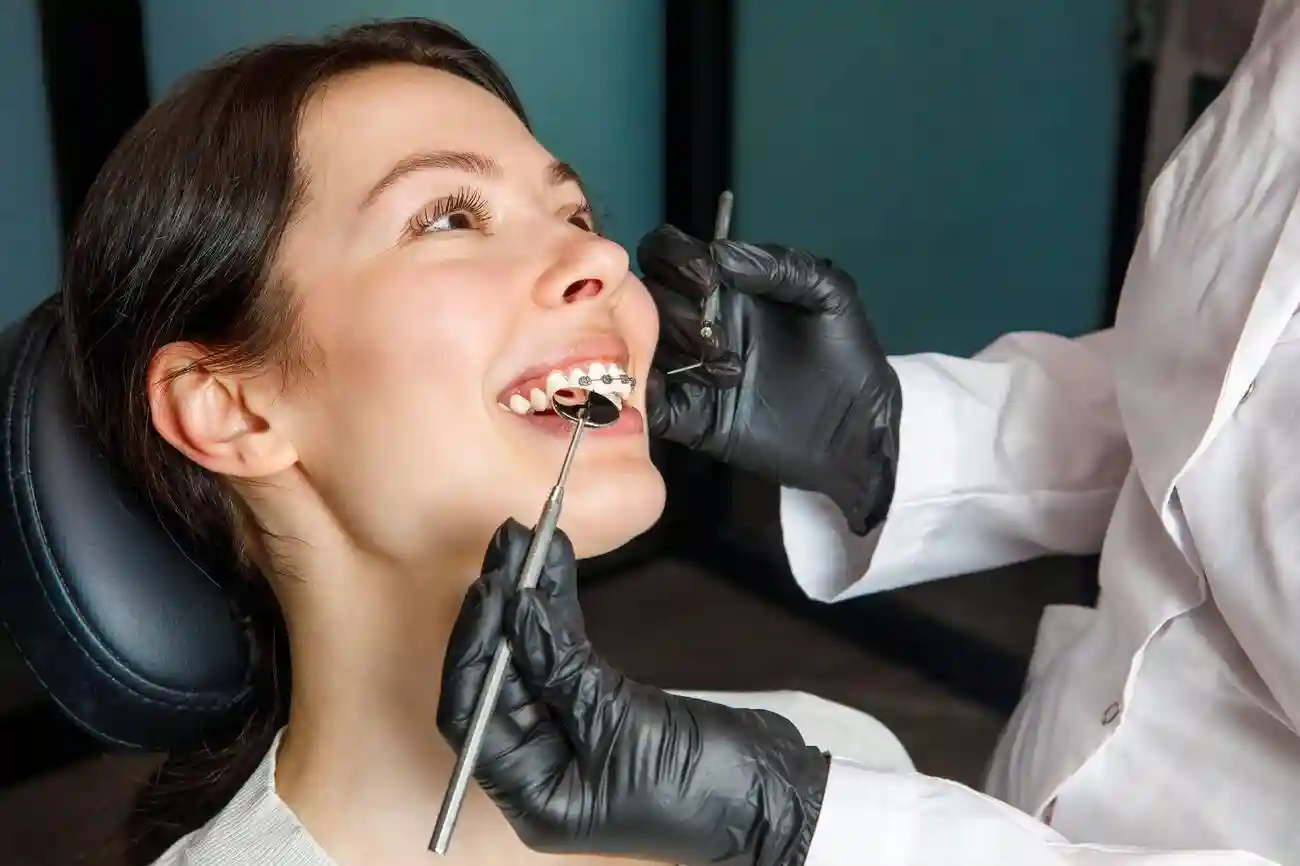
3. Creation of Custom Aligners

Once the treatment plan is set, Invisalign aligners are made specifically for you. Each aligner is:

  • Designed to fit your teeth perfectly for maximum comfort.
  • Crafted from SmartTrack® material, which is a clear, durable, and smooth plastic that helps gently move teeth into place.

You will receive multiple sets of aligners, and you’ll need to switch to a new set every 1 to 2 weeks.

4. Wearing the Aligners

Invisalign aligners must be worn 20 to 22 hours a day for the treatment to be effective. Here’s how to use them:

  • Wear your aligners as much as possible throughout the day and night. Remove them only when eating, drinking (except water), brushing, and flossing.
  • Make sure to clean your aligners regularly by rinsing them with water and brushing them gently.

The more compliant you are with wearing the aligners, the faster and more effective the treatment will be.

5. Monitoring Progress

You’ll need to visit your orthodontist every 6 to 8 weeks to check your progress. During these visits:

  • Your orthodontist will ensure your teeth are moving correctly.
  • You’ll receive your next set of aligners.
  • If needed, your treatment plan may be adjusted.

Since Invisalign doesn’t use wires or brackets, these visits are quick and usually require less time than traditional braces appointments.

6. Step-by-Step Tooth Movement

Invisalign aligners work by applying gentle pressure to move your teeth. Each new set of aligners shifts your teeth slightly, so that by the end of your treatment, your teeth will be in their correct positions.

  • Every new aligner set moves your teeth gradually.
  • Some people feel mild discomfort when switching to a new set, but this is a normal part of the process.

Over time, this gentle and consistent pressure helps you achieve the smile you’ve always wanted!

Invisalign for Kids

Invisalign isn’t just for adults; it’s also a great option for children and teens. Here’s why:

  • Comfortable – There are no metal brackets or wires, which can irritate the mouth.
  • Easier to Clean – Kids can remove their aligners to brush and floss their teeth.
  • More Confidence – The aligners are clear and almost invisible, so kids won’t feel self-conscious about their smile.

Invisalign can also help children maintain good oral hygiene, which can be difficult with traditional braces.

Invisalign vs Braces: What’s the Difference?

Many people wonder how Invisalign compares to traditional braces. Here are some key differences:

  • Visibility: Invisalign aligners are clear and nearly invisible, while traditional braces are made from metal, which is much more noticeable.
  • Comfort: Invisalign aligners are made from smooth plastic, so they are more comfortable and less likely to irritate your mouth compared to the metal wires and brackets used in braces.
  • Removability: Invisalign aligners are removable, so you can eat and drink what you like, and you can clean your teeth easily. Traditional braces are fixed in place, and there are more restrictions on food choices.
  • Oral Hygiene: Since Invisalign can be removed, you can brush and floss your teeth like normal, which makes it easier to maintain good oral hygiene. With traditional braces, it’s harder to clean around the brackets and wires.

Maintaining Oral Health During Treatment

It’s important to maintain good oral hygiene throughout Invisalign treatment to prevent any issues like cavities or gum disease. Here are a few tips:

  • Brush your teeth after every meal before putting your aligners back in.
  • Floss daily to remove food particles and plaque from between your teeth.
  • Clean your aligners by rinsing them with lukewarm water and gently brushing them to prevent bacteria buildup.
  • Avoid sugary drinks while wearing your aligners to prevent cavities.

How Long Does Invisalign Treatment Take?

The length of Invisalign treatment depends on how much movement your teeth need. On average, treatment lasts between 6 and 18 months. Here’s a general breakdown:

  • Mild cases may take around 6 months.
  • Moderate cases could take about 12 to 18 months.
  • Severe cases may take longer than 18 months.

Your orthodontist will give you a more specific time estimate based on your individual case.

Limestone Hills Orthodontics

Final Results: What to Expect

By the end of your Invisalign treatment, your teeth should be straight and properly aligned. To keep your teeth in their new position, you will need to wear a retainer. A retainer is a custom-made appliance that helps prevent your teeth from shifting back over time.

Is Invisalign Right for You?

Invisalign could be the perfect option if you want:

  • Comfortable and removable aligners.
  • A discreet treatment that doesn’t interfere with your daily life.
  • The ability to straighten your teeth without the hassle of traditional braces.

Why Choose Our Orthodontic Practice in Austin, TX?

At our orthodontic office in Austin, we are committed to providing top-quality, personalized care for each patient. Here are just a few reasons families trust us with their orthodontic care:

Experienced Orthodontists

Our team has years of experience helping kids, teens, and adults straighten their teeth and improve their smiles. Whether you need aligners, braces, or jaw alignment treatment, we have the expertise to get great results.

Customized Treatment Plans

Every smile is unique, and so is our approach. We create personalized treatment plans based on your needs, ensuring you get the best care for your specific dental concerns.

Support from Start to Finish

From your first visit to the day your treatment is complete, we’re with you every step of the way. Our friendly team is here to answer questions, make adjustments, and keep your treatment on track.

Multiple Treatment Options

We offer a range of orthodontic solutions, including Invisalign, traditional braces, and reverse pull headgear. No matter your dental needs, we’ll help you find the best option for a straight, healthy smile.

Contact Us Today!

Come see us in Austin, TX, for a free consultation! During your visit, we’ll assess your teeth, go over your treatment options, and discuss how we can help you achieve a straight, confident smile. Scheduling is simple—give us a call or visit our website to book a time that works for you! Our friendly team is ready to answer your questions and guide you every step of the way.

About the Authors

Dr. Rodrigo Viecilli – Orthodontist in Austin, TX

Frequently Asked Questions

How quickly do teeth move with Invisalign?

On average, you might start noticing some movement in just a few weeks, but most people complete their treatment in about 12 to 18 months. It’s pretty exciting to see those changes happen, and your orthodontist will be there to guide you every step of the way.

Do I sleep with my Invisalign on?

Absolutely, you should definitely sleep with your Invisalign on! It’s important to wear your aligners for about 20 to 22 hours a day to ensure they’re doing their job effectively. Sleeping with them in is a big part of reaching your smile goals, so pop them in before you hit the hay and let them work their magic overnight.

What Dental Issues Can Invisalign Fix?

Invisalign can effectively tackle a variety of dental issues, including crowded teeth, gaps between teeth, and even some cases of overbite, underbite, and crossbite. These clear aligners are designed to gently and gradually shift your teeth into the desired position, making them a great choice for those seeking a more discreet orthodontic treatment.

Invisalign vs Braces Cost in Austin, TX

Invisalign vs Braces Cost: Making the Right Choice in Austin, TX

Generally, Invisalign can be a bit pricier, with costs ranging from $3,000 to $8,000, depending on the complexity of your case and your location. Traditional braces, on the other hand, typically range from $2,500 to $7,500. However, prices can vary widely based on your orthodontist and the type of braces you choose. If you’re trying to compare between Invisalign vs Braces cost, keep reading to find out which aligner is best for you!

a woman holding a clear Invisalign vs Braces Cost

Invisalign Treatment

Clear aligners

The primary feature of Invisalign aligners is that they are made from a transparent, smooth plastic material. This makes them virtually invisible, which is one of the main reasons why so many people, especially adults and teens, prefer them over the noticeable appearance of metal braces. You can straighten your teeth without drawing attention to your orthodontic treatment.

Custom-made for each patient

One of the key benefits of Invisalign is that the aligners are custom-designed specifically for your teeth. Using 3D technology, your orthodontist creates a personalized treatment plan. This allows the aligners to fit perfectly and ensures the treatment works effectively by moving your teeth in small, controlled steps.
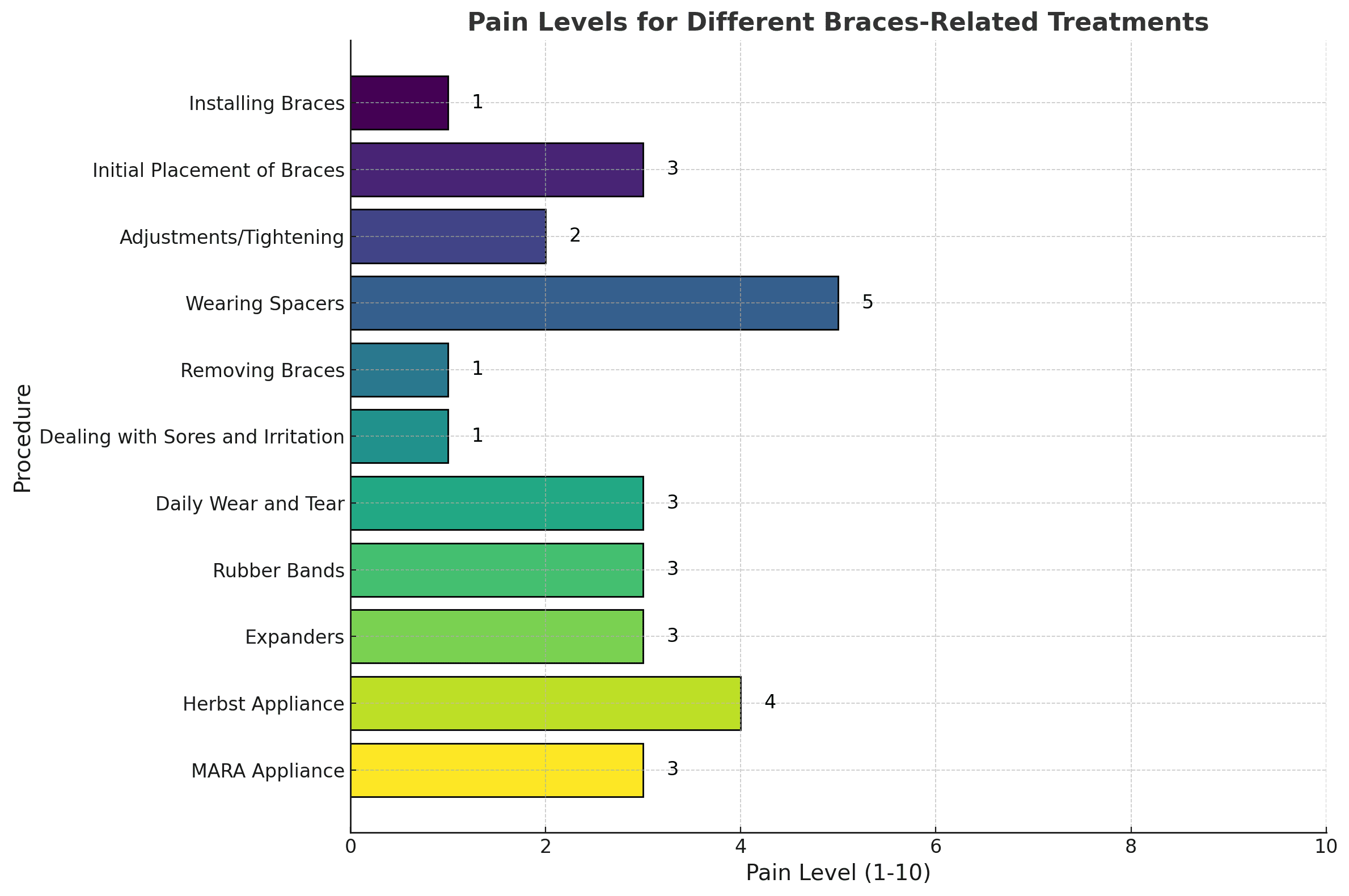
Removable for eating and drinking

Another significant advantage of Invisalign is that the aligners are removable. You can take them out when eating, drinking, or brushing your teeth. This makes it easier to maintain good oral hygiene, and you don’t have to worry about food getting stuck in your braces. You can enjoy your meals and snacks without any limitations, unlike with traditional braces.

Requires wearing for 20-22 hours a day

For Invisalign to work properly, you must wear the aligners for 20 to 22 hours each day. The only times you should remove them are when you eat, drink, or clean your teeth. This consistency is important because wearing the aligners for the required time each day helps ensure your teeth shift in the right direction and that the treatment stays on track.

Traditional Braces

Metal brackets and wires

Traditional braces consist of metal brackets that are attached to your teeth using a special adhesive. These brackets are connected by a metal wire, which is tightened periodically to gradually shift your teeth. The brackets apply continuous pressure to your teeth, moving them over time. This method has been proven effective for treating a wide range of orthodontic issues.

Fixed to teeth

Unlike Invisalign, traditional braces are fixed to your teeth throughout the entire treatment period. Once they are attached, they stay in place until your orthodontist removes them at the end of treatment. This feature can be helpful for patients who may have difficulty remembering to wear removable aligners or struggle with keeping track of their treatment schedule.

Regular adjustments needed

One of the key differences between braces and Invisalign is that braces require regular in-office visits for adjustments. These visits are necessary for your orthodontist to tighten the wires, ensuring your teeth are moving as planned. During these adjustments, rubber bands or other appliances might be added to help address specific issues like bite problems or spacing.

Challenges with hard and sticky foods

Traditional braces can make eating some foods difficult. Foods that are hard, sticky, or chewy can damage the brackets and wires or get stuck between them, which can lead to discomfort or the need for repairs. This can be frustrating for patients who enjoy a variety of foods but want to avoid harming their braces.

Cost Comparison: Invisalign vs Braces

When it comes to choosing between Invisalign and traditional braces, one of the most important factors to consider is cost. Let’s dive into the details and break down the expenses associated with each option.

Initial Consultation

Before you start your journey to a perfect smile, you’ll need an initial consultation with your orthodontist. This step is crucial for assessing your dental needs and discussing treatment options.

  • Invisalign: The initial consultation for Invisalign is often free, but some clinics may charge a small fee.
  • Braces: Similarly, many orthodontists offer a complimentary consultation for braces, though fees can vary.

Overall Treatment Costs

The total cost of treatment is a major consideration for anyone looking to straighten their teeth. Here’s a breakdown of what you might expect to pay:

  1. Invisalign: Typically, Invisalign costs range from $3,000 to $7,000. The price depends on the complexity of your case and the length of treatment.
  2. Braces: Traditional metal braces generally cost between $2,500 and $6,000. Ceramic braces or lingual braces can be more expensive, often ranging from $4,000 to $8,000.

Insurance Coverage

Insurance can play a significant role in reducing out-of-pocket expenses for orthodontic treatment. Here’s how it typically works:

  • Invisalign: Many dental insurance plans cover Invisalign similarly to braces, often up to a certain percentage or dollar amount.
  • Braces: Traditional braces are usually covered by insurance plans, with coverage often being similar to that for Invisalign.

Payment Plans and Financing

Both Invisalign and braces providers often offer flexible payment plans to make treatment more affordable. Here’s what you can expect:

  • Invisalign: Many orthodontists offer monthly payment plans, allowing you to spread the cost over the duration of your treatment.
  • Braces: Similar to Invisalign, braces providers frequently offer financing options to help manage the cost.

Additional Costs

There are some additional costs to consider when comparing Invisalign and braces:

  • Invisalign: You may need to purchase additional aligners if you lose or damage them, which can add to the overall cost.
  • Braces: Retainers are typically required after braces to maintain your new smile, and these can be an additional expense.

Factors Affecting Cost

According to Dr. Fateh Ra’ed Arslan, a highly recommended orthodontist in San Antonio, TX, several key factors influence the final cost of orthodontic treatment:

  • Complexity of the case (e.g., crooked teeth, bite issues)
  • Treatment time required
  • Insurance plans and coverage
  • Geographic location and orthodontist expertise

Average Invisalign vs Braces Costs in Austin, TX

On average, Invisalign can set you back anywhere from $3,500 to $8,000, depending on the complexity of your case and the specific provider you choose. Traditional braces, on the other hand, typically range from $2,500 to $7,500. While braces might seem like the more budget-friendly option at first glance, keep in mind that Invisalign offers the perk of being nearly invisible and often more comfortable.

Insurance and Payment Options for

  • How insurance plans can affect costs
  • Available payment plans and financing options

Cost-Effectiveness and Value

Invisalign

  • Convenience of removable aligners
  • Potential for fewer office visits

Braces

  • Durability and effectiveness for complex cases
  • Potentially lower initial cost
a girl pointing at her teeth with Invisalign vs Braces Cost

Why Choose Our Orthodontic Office in Austin, TX?

At our Austin office, we provide high-quality, personalized care to help you achieve a perfect smile. Here’s why families trust us with their orthodontic needs:

Experienced Orthodontists

Our team has years of experience helping kids, teens, and adults straighten their teeth. Whether you need braces, aligners, or jaw correction, we have the skills to get great results.

Personalized Treatment Plans

Every smile is different, so we create a custom plan based on your needs. This ensures you get the best care for your teeth.

Support from Start to Finish

From your first visit to the end of your Invisalign treatment, we’re here to help. Our friendly team will answer your questions, make adjustments, and keep your progress on track.

Various Treatment Options

We offer Invisalign, traditional braces, and reverse pull headgear to suit different needs. Whatever your dental goals, we’ll help you find the right solution.

Book a Free Consultation Today!

Come see us in Austin, TX, for a free consultation! During your visit, we’ll assess your teeth, go over your treatment options, and discuss how we can help you achieve a straight, confident smile. Scheduling is simple—give us a call or visit our website to book a time that works for you! Our friendly team is ready to answer your questions and guide you every step of the way.

About the Authors

Dr. Rodrigo Viecilli – Orthodontist in Austin, TX

Dr. Fateh Ra’ed Arslan – Orthodontist in San Antonio, TX

Frequently Asked Questions

Which is better braces or Invisalign?

Braces are a tried-and-true option, especially for more complex alignment issues, and they come in fun colors that can add a bit of flair to your smile. On the other hand, Invisalign offers a more discreet way to straighten your teeth, with clear aligners that are almost invisible and can be removed for eating and brushing. If you value aesthetics and convenience, Invisalign might be your go-to. But if you’re looking for something reliable and don’t mind a bit of metal, braces could be your best bet.

Is it cheaper to get braces or Invisalign?

When it comes to choosing between braces and Invisalign, the cost can vary depending on a few factors like your location, the complexity of your dental needs, and your orthodontist’s pricing. Generally, traditional metal braces tend to be a bit cheaper than Invisalign. However, Invisalign offers the benefit of being nearly invisible and removable, which some folks find worth the extra cost.

Do braces hurt more than Invisalign?

Generally, traditional braces might cause a bit more discomfort, especially right after adjustments, because they involve metal brackets and wires that can sometimes irritate your mouth. Invisalign, on the other hand, tends to be a bit gentler since it uses smooth plastic aligners. However, both options can cause some pressure and soreness as your teeth are shifting. The good news is, most people find that any discomfort is temporary and totally manageable with a little patience and maybe some over-the-counter pain relief.

How Much Do Braces Hurt on a Scale 1-10? Expert Guide.

Limestone Hills Orthodontics

Getting braces is a breeze, ranking at a mere 1 on the pain scale for 80% of people. Embarking on your first orthodontic treatment journey doesn’t have to be painful, although some procedures are more uncomfortable than others.

So do you want to know in more depth how much do braces hurt on a scale 1-10? Let’s dive into the subject to share helpful tips to make your orthodontics experience a breeze.

Adults are less used to discomfort so we tend to recommend more comfortable and aesthetic forms of treatment for this type of patient when possible. Some patients are unusually sensitive to pain. Having braces might be unfamiliar, but it’s not deeply painful.

The gum inflammation is normal from having braces. We urge our patients to resist the irritation before covering it with comfort wax we provide so keratinized tissue (calluses) can create a natural relief and comfort for the braces throughout treatment.

How much do braces hurt on a scale 1-10? Infographic showing how much difference phases of braces and types of appliances hurt

How to Get Pain Relief for Braces in Austin

Does it change depending on where you are? Colder climate patients tend to feel less pain as our latest alloys tend to soften with colder air. In Texas, you can compensate with cold water or a frozen cotton swab pushed with the finger on the wire, not gums. Eating soft foods such as mashed potatoes and avoiding chewy or crunchy foods when a wire is first inserted will keep your appliances intact and accelerate your tooth movement by allowing the teeth to stay stable so new bone can form around them. if you want more information about food and braces, we have written blog posts about “What can you eat with braces?” and “What can’t you eat with braces?”.

The alignment wires we use change their crystalline structure and material property and get softer when you eat colder foods! so, if you are having a hard time, have some ice cream, use an ice pack on your cheeks, or drink some cold water!

Limestone Hills Orthodontics

In Austin, icy cold drinks s the way to go. Cold drinks not only change the crystalline structure of initial orthodontic wires, making them less stiff, but also relieve inflammation itself. So, consuming icy cold foods is the best natural solution to pain with braces!

It is important to note that our technology is totally different and improved. Your orthodontic appointment frequency and mouth adjusts will be a lot lower than your parents used to be! Thanks to Dr. Viecilli’s research, and others, we nailed it to make sure you get the least amount of the discomfort and side effect with the most amount of tooth movement. No oral anesthetics are ever needed!

Our orthodontic team canprovide you with all the tools to assure your experience will be the most comfortable possible. But remember, it will never be like you have nothing in your mouth. You have to make sure to keep your teeth clean and gums inflammation under control to minimize pain both during treatment and braces removal.

If you don’t brush your teeth, you’ll pay the price with more pain throughout your treatment or have the risk to have it interrupted to prevent damage to your teeth and gums. Sometimes, the parents have to assist with brushing to prevent painful bleeding gums. We don’t want any family to leave without their children with teeth straight and a loss of investment.

Although pain is usually highest and most unusual in the beginning of braces treatment, having your braces tightened a couple of times can renew the inflammatory process. But this usually occurs for just a few teeth. Dr. Nicholas Andros, a top-rated orthodontist in Pasco, WA, The longer the treatment goes on, the less the level of discomfort for the patient tends to be. Sometimes, rubber bands are added to connect the top and bottom braces at the end of treatment. This can also cause some mild pain and discomfort. If you want more information, we have written a blog post about “How to relieve pain from rubber bands on braces?”.

How do we put orthodontic treatment appliances on?

Putting braces on your child your mouth is a simple and virtually painless process. We etch your teeth with a slightly acidic substance that may be a bit sour when washed off. This is to make the enamel more porous to attach brackets to your teeth using color-matched dental cement and thread thin wires through them. After treating the surface of the enamel, we add glue to the bracket and cure it, attaching it to the tooth.

Tightening braces with o-ties or metallic ligatures might cause some discomfort. Your orthodontist will adjust the wires to gradually shift your teeth into alignment. It’s like a little pressure, nothing to worry about. And if you need it, over-the-counter pain relief is available. We only recommend Tylenol- ask the Doc about dosage. For instance, Dr. Cameron Freelove, an orthodontist Sammamish WA relies on, agrees with the recommendation. many pain relievers can slow down tooth movement and prolong the pain overall.

Limestone Hills Orthodontics

Old clear braces for adults used to be milled and be very sharp around the corners. They also had elastics around them, which tend to stain. Our self-ligating metal transparent braces have rounded edges and do not stain because they don’t need the tiny elastics that keep the wire attached to the braces! Most patients are frustrated that their o-ties get yellow during treatment with transparent braces but we spend 4x the cost to make sure you don’t have to come back to the office to change your o-ties if you take a turmeric shot or drink some wine.

Relax and we guarantee our ceramic Japanese high tech self-ligating brackets will keep the wire in place and reduce your dental visits while optimizing aesthetics.

Removal

We use Instruments that do not damage the teeth, and a black light that makes the glue fluoresce do we touch your teeth the least amount of time possible! We use the latest scientific advancements to make sure you are comfortable. When it’s time to say goodbye to your metal braces, the removal process is painless. A bit of mild discomfort might be felt to disconnect the brackets from the braces, but your tooth is secured during the process. so overall, it’s a breeze. Your orthodontist will clean your teeth and possibly suggest a permanent retainer, to maintain your newly-aligned smile.

Braces Pain Relief – Smartarch to Optimize Comfort During Treatment

If braces start causing discomfort, don’t worry! We have tips to ease the pain. Orthodontic wax provides a protective barrier, and pain medications can offer relief. Always consult your orthodontist for the best treatment options.

With braces, pain is no longer a concern. Get ready to embrace your journey to a confident smile! Learn more about the innovative SmartArch™ wire that can speed up your treatment time and require fewer adjustments. This wire was invented by Dr. Rodrigo Viecilli, orthodontist here at Limestone Hills Orthodontics. It is laser treated to soften specific areas and make sure all teeth have ideal forces from the start.

How much do braces hurt?

Smartarch can reduce inflammation and stay with your mouth on it up to 4 months because it can replace up to 3 wire changes! it’s the most expensive archwire in the world but our office team offers it for free because our Doctor is one of the inventors. Each little area of the wire between the brackets has a different stiffness optimizing the force for each tooth! Amazing!

Does Invisalign Hurt as much as metal braces? About the same with smartarch

Does Invisalign Hurt as Much as Traditional Metal Braces?

The research shows that with conventional wires, Invisalign or clear aligners in general may actually hurt less and cause less side effects than braces. But the Smartarch is a game changer, and no research has been done comparing the two, but our personal opinion is that it’s a tie with slight favor to the Smartarch which is scientifically validated.

Radiant Smiles and Confident Journeys With Dr. Viecilli and Limestone Hills Orthodontics Treatment

Your comfort, well-being, and radiant smile are at the heart of what our orthodontist and our friendly staff deliver to your family or yourself (yes we also treat adults!).

Trust in our expertise, and get ready to unveil a confident, beaming you with a beautiful smile. Your dream smile awaits, and we’re here to make it reality. Contact us today for a free consultation!