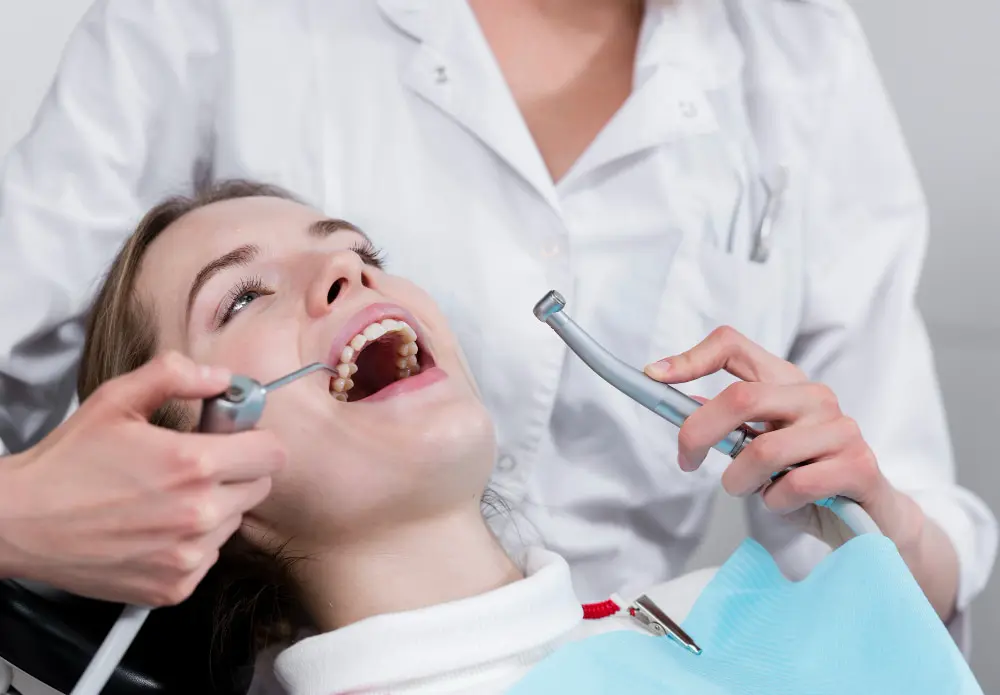
How to Stop Braces Pain: Tips and Tricks

Orthodontic treatments like braces or aligners can sometimes cause discomfort or even a bit of pain, and that’s completely normal. If you’re in too much pain, you might be tempted to skip wearing your aligners or avoid certain foods, which could delay your progress. So, how to stop braces pain? Make sure to use pain relievers such as Tylenol (which doesn’t delay tooth movement), drink cold liquids, apply orthodontic wax on any irritating brackets, and maintain a soft food diet when necessary.

When we move those pearly whites into their proper positions, it can put a bit of pressure on your gums and teeth. This can lead to tenderness, especially after the braces are adjusted. But don’t worry, this discomfort usually subsides within a few days. Managing this pain effectively is super important, not just for your comfort, but also to keep your treatment on track. If you are asking yourself “Do Braces Hurt?”, click the link to find out more detailed information. Remember, it’s all part of the journey to achieving that beautiful, straight smile!
Limestone Hills Orthodontics

1. Understanding Braces Pain

Pain occurs because braces work by applying a constant pressure on your teeth to gradually move them into their proper positions. As Dr. Mo Zainal, an expert orthodontist in Colleyville, TX, points out, this pressure causes your gums and teeth to feel sore or sensitive, especially in the first few days after getting your braces or after adjustments.. The same goes when you get them tightened, as the orthodontist is increasing the pressure to continue guiding your teeth to their new locations. But don’t worry, this discomfort is completely normal and temporary.

Your mouth will soon adjust to the braces, and the soreness will fade. In the meantime, over-the-counter pain relievers or a soft foods diet can help ease any discomfort.

Limestone Hills Orthodontics

2. Immediate Relief Techniques

Using an ice pack, drink cold ice water and eat cold foods to numb the area and reduce inflammation and tooth soreness

When braces are adjusted, they can sometimes cause your teeth and gums to feel sore. Applying a cold compress externally to the affected area can help to numb the pain and reduce inflammation. Similarly, drinking cold water or eating cold foods like ice cream can provide a soothing effect, relieving the soreness from the inside. It’s a simple and effective remedy that can provide instant relief. Always remember, though, if the pain persists, it’s best to consult with your orthodontist to ensure everything is okay.

Rinsing the mouth with salt water to alleviate soreness on cheeks

When you first get your braces, it’s common to experience some discomfort. A salt water rinse can help soothe your mouth and reduce inflammation. It’s like giving your mouth a warm hug! Just mix half a teaspoon of salt in a glass of warm water and rinse your mouth gently. Do this up to 4 times a day, especially after meals. It’s a simple, natural remedy that can make a big difference in your comfort.

Taking over-the-counter pain relievers as directed by the orthodontist can help relieve tooth soreness

Indeed, the utilization of over-the-counter pain relievers, as prescribed by a qualified orthodontist, can significantly mitigate tooth discomfort caused by braces. These medications typically contain anti-inflammatory properties that effectively alleviate the pressure exerted by the braces on the teeth and gums, thereby reducing the associated pain and discomfort. However, it is crucial to strictly adhere to the orthodontist’s instructions regarding the dosage and frequency of these medications to avoid potential side effects. Therefore, while the braces work towards aligning your teeth, over-the-counter pain relievers can provide the much-needed relief from the accompanying soreness.

Applying orthodontic wax to smooth out rough edges can relief cheek soreness

When you first get braces, your mouth might not be used to the new addition, causing a bit of discomfort. But don’t worry, it’s totally normal and temporary. Orthodontic wax acts like a barrier, protecting the inside of your cheeks and lips from the metal brackets and wires. It’s super easy to apply and it creates a smooth surface, reducing irritation and making your braces more comfortable. So, if your braces are causing you some discomfort, orthodontic wax might just be your new best friend!

3. Long-Term Pain Management

Managing long-term pain following the installation of braces can be approached in several effective ways. It’s crucial to follow your orthodontist’s instructions for wearing braces, as this will ensure the best results and minimize discomfort. Opting for softer foods can also significantly lessen the pain when chewing. If you experience swelling, using an ice pack can help reduce it and numb the area, providing temporary relief.

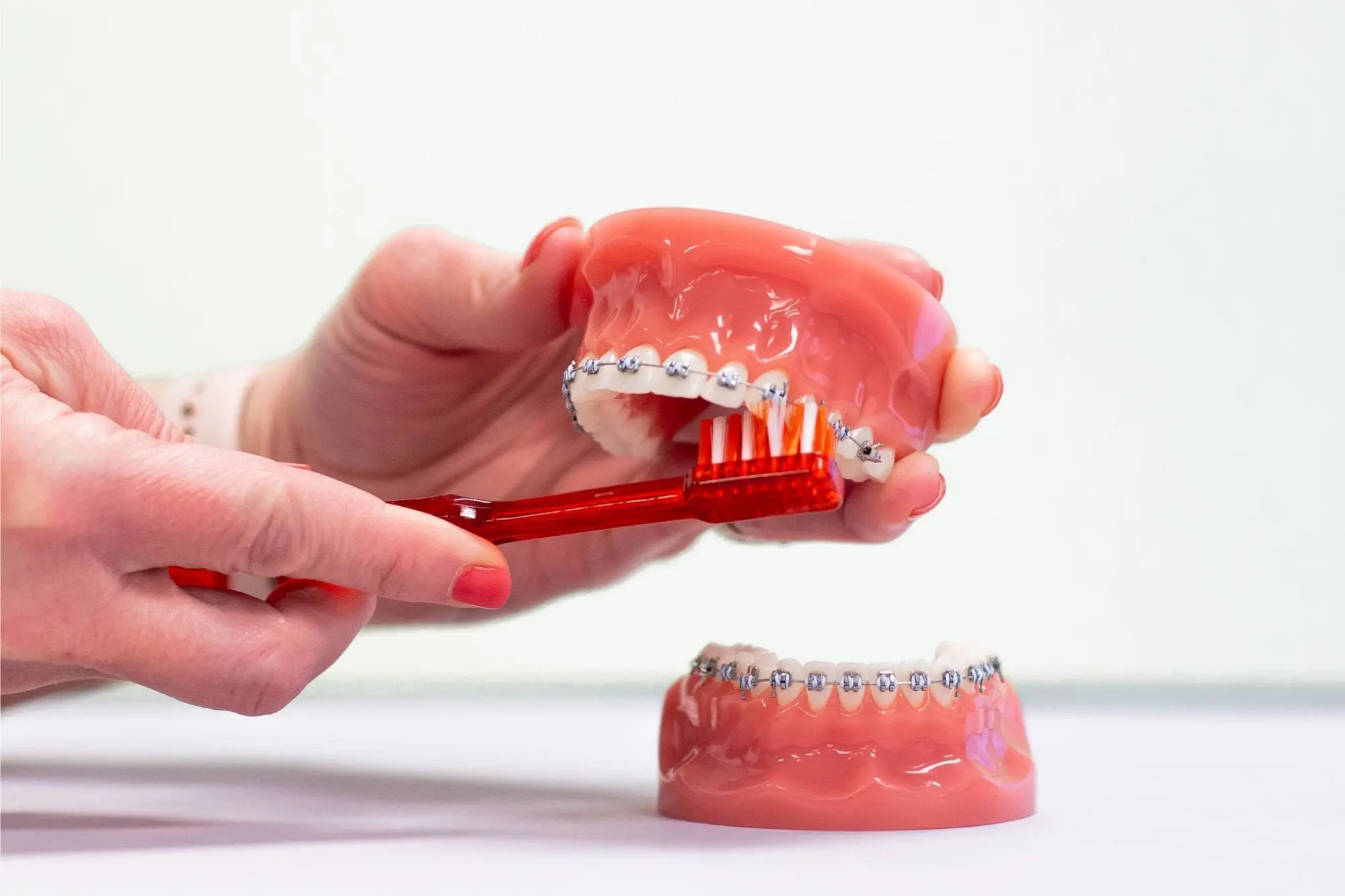
Additionally, regular brushing of your teeth and gums is essential to prevent further irritation and maintain good oral hygiene. Remember, these steps will make your journey with braces much more comfortable!

4. When and how to consult the orthodontist for severe or persistent pain?

If you’re experiencing severe or persistent pain in your mouth or teeth, it’s essential to consult an orthodontist as soon as possible. Don’t try to tough it out, your comfort and health are too important! You can get in touch with your orthodontist by giving them a call, sending an email, or even scheduling an appointment online if that’s an option. When you contact them, describe your pain as accurately as you can: its intensity, location, and how long it’s been going on. This will help them understand your situation better. Remember, it’s their job to help you feel better, so don’t hesitate to reach out when you’re in discomfort.

5. Types of Braces and Pain

Pain related to braces it can vary depending on the type you choose. Most modern metal braces have a low profile and are more comfortable than most ceramic ones, that can be bulkier and have less rounded edges, thus being more uncomfortable for the cheeks.

Lingual braces, placed behind your teeth, might cause a bit more soreness on the tongue at the beginning because of their location. But don’t worry, the pain is manageable! Over-the-counter pain relievers and orthodontic wax can help ease any discomfort. Also, a soft food diet can be beneficial during the first few days after an adjustment. Remember, everyone’s experience is different, so it’s important to communicate with your orthodontist about your pain levels. They can provide personalized advice and solutions.

FAQ

Help. I’m having excruciating pain with my braces.

I’m really sorry to hear that you’re experiencing such discomfort with your braces. It’s not uncommon to feel some pain after getting braces or after adjustments, but if it’s excruciating, it might be a good idea to reach out to your orthodontist. They can check if everything is okay and might be able to adjust your braces to reduce discomfort. In the meantime, try rinsing your mouth with warm salt water and taking over-the-counter pain relievers, like ibuprofen. Use orthodontic wax to cover any sharp edges that might be causing irritation. Hang in there, the initial discomfort usually subsides after a few days.

How to make my spacers stop hurting?

I’m really sorry to hear that your spacers are causing you discomfort. The pain usually subsides after a few days as your mouth gets used to them. In the meantime, you can try rinsing your mouth with warm salt water or taking over-the-counter pain relievers to help with the discomfort. Eating soft foods can also help, as hard or sticky foods can exacerbate the pain. If the pain persists or becomes unbearable, it’s important to contact your orthodontist right away. They may be able to adjust the spacers or offer other solutions to alleviate the pain. Remember, it’s just a temporary phase and you’ll soon get used to them!

How do you deal with pain from power chain braces?

Addressing the discomfort that can arise from power chain braces requires a multifaceted approach. Initially, over-the-counter pain relievers such as ibuprofen or acetaminophen can be utilized to mitigate the acute discomfort following the braces’ adjustment. Topical oral anesthetics are also beneficial as they numb the affected area, providing temporary relief. Regular use of dental wax can help alleviate discomfort from the braces rubbing against the inside of the mouth. Moreover, maintaining a diet consisting of soft foods can lessen the strain on the teeth during chewing, thereby reducing pain. Lastly, practicing good oral hygiene, including regular brushing and flossing, can prevent inflammation and soreness caused by food particles trapped in the braces. Should the pain persist or intensify, it is advisable to consult with your orthodontist to ensure there are no underlying issues.

How to treat pain produced by the rubber bands in braces?

The discomfort or pain induced by the rubber bands in braces can be managed through various methods. Over-the-counter pain relievers such as ibuprofen or acetaminophen may be utilized to alleviate the discomfort. It is also recommended to rinse the mouth with warm salt water, as this can soothe the irritated gums and mouth tissues. Chilled foods and beverages can also provide relief by numbing the area. The application of a topical oral anesthetic gel, available at most pharmacies, can also help to numb the area and reduce pain. However, if the pain persists or intensifies, it is advisable to consult with your orthodontist to ensure the braces are properly adjusted and not causing unnecessary discomfort.

How do you get rid of braces sores?

Braces sores, also known as ulcers, can be quite discomforting. They can be managed effectively through several means. First, a dental wax may be applied to the braces, creating a smooth surface that reduces friction between the braces and the mouth’s interior. Secondly, over-the-counter oral gels or ointments can be used to soothe the sores and speed up the healing process. Regular saltwater rinses can also aid in alleviating discomfort and promoting healing. However, if the sores persist, it is prudent to consult a dental professional for further evaluation and treatment. It is essential to understand that these methods do not eliminate braces but rather manage the discomfort associated with them.

Does heat help braces pain?

Absolutely, heat can indeed be a helpful remedy for relieving braces pain! Using a warm compress or even sipping on a warm beverage can often help to reduce discomfort and inflammation. The warmth helps to relax the oral muscles and alleviate tension around the brackets and wires of your braces. Just remember, while heat can be a great help, if the pain persists or becomes too much to handle, it’s always a good idea to reach out to your orthodontist.


What to Eat with Braces the First Week

So, finding out what to eat with braces the first week can be a bit challenging as your mouth adjusts to the new hardware. It’s really important to maintain a braces-friendly diet during this time to prevent any discomfort, damage to the braces, and to ensure a smoother transition. Eating soft foods like soups, yogurt, mashed potatoes, and smoothies can help ease any initial soreness.

Cold foods can help relieve soreness. Also, avoiding hard, chewy, or sticky foods prevents any unwanted pressure on the braces or risk of breaking them. Remember, a well-balanced, nutritious diet also promotes quicker healing and can even reduce the overall time you need to wear your braces.

What to Eat with Braces the First Week

Cold foods that can promote relief to teeth and cheek soreness

Cold foods can indeed provide relief to teeth and cheek soreness. Consuming cold foods such as ice cream, yogurt, or frozen fruits can alleviate discomfort by numbing the affected area and reducing inflammation. Moreover, foods with high water content like cucumbers or watermelons can also promote healing and provide relief due to their cooling effect. However, it is essential to remember that these remedies are temporary and consulting with a healthcare professional is necessary for persistent pain or discomfort. The soothing effect of these cold foods can provide immediate relief, but they should not replace professional dental care.

what to eat with braces the first week: strawberry ice cream on cone

Soft foods that require minimal chewing

Soft foods that require minimal chewing encompass a variety of options suitable for individuals with oral health issues or those recovering from dental procedures. These include foods like yogurt, applesauce, mashed potatoes, scrambled eggs, and smoothies. In addition, soups, broths, and stews can be consumed, provided they are pureed or finely chopped. Cooked vegetables and fruits, ripe bananas, and avocados are also suitable due to their soft texture. Moreover, protein can be obtained from sources such as tofu, finely chopped or ground meats, and well-cooked legumes. It is important to ensure that these foods are prepared appropriately to maintain their soft texture and minimize the need for extensive chewing.

Foods that are easy to chew and won’t cause discomfort

Foods that are easy to chew and won’t cause discomfort are typically soft, well-cooked, or pureed. Examples of such foods include ripe bananas, applesauce, cooked cereals like oatmeal, mashed potatoes, steamed vegetables, soft boiled eggs, and pureed meats or soups. These foods are not only gentle on the teeth and gums, but they also require less effort to chew and swallow. They are particularly recommended for individuals experiencing oral discomfort or difficulty in swallowing, such as those recovering from oral surgery or suffering from certain medical conditions. It is advisable to consult a healthcare professional or a dietitian for personalized dietary advice.

Cooking vegetables to make them softer and easier to eat

Cooking vegetables is a common practice that not only enhances their taste but also makes them softer and easier to consume. The process of cooking breaks down the tough cell walls of the vegetables, thereby making them more palatable and easier to digest. This is particularly beneficial for individuals with certain digestive issues or dental problems, as softer foods cause less strain on the digestive system and teeth. Moreover, cooking can also increase the bioavailability of certain nutrients, making it easier for the body to absorb them. Therefore, cooking vegetables is a practical method to improve their texture, digestibility, and nutritional absorption.

Opting for small-sized food portions

Opting for small-sized food portions can be a highly effective strategy for maintaining a balanced diet and promoting overall health. Dr. Granit Morina, a top-rated orthodontist in Leominster and Gardner, MA, explains that cutting food into bite-sized pieces makes it easier to chew and reduces the risk of putting unnecessary pressure on braces, helping to protect the hardware and ensure successful treatment. Consuming smaller portions can assist in regulating calorie intake, preventing overeating, and managing weight. It encourages mindful eating and allows for a diverse range of nutrients to be incorporated into one’s diet. Moreover, it can also aid in controlling blood sugar levels and reducing the risk of heart disease. Therefore, the choice of smaller food portions can be a crucial element in fostering healthier eating habits and lifestyle.

Foods that won’t damage braces or cause them to tighten

Certain foods are recommended for those wearing braces as they are less likely to cause damage or induce unintentional tightening. Soft foods are generally safe, including dairy products such as cheese and yogurt, as well as soft fruits like bananas and berries. Cooked vegetables, soft grains, pasta, and tender meats can also be consumed with minimal risk. Additionally, smoothies and soups are not only gentle on braces but also provide a variety of important nutrients. It is advisable to avoid hard, crunchy, or sticky foods such as popcorn, nuts, hard candies, and chewing gum, as these can potentially cause damage to the braces’ structure.

Importance of knowing what foods to eat to support orthodontic treatment

Understanding the appropriate foods to consume during orthodontic treatment is of paramount importance for several reasons. Primarily, certain foods can potentially damage orthodontic appliances, prolonging the treatment period and possibly increasing the associated costs. Furthermore, the consumption of appropriate foods can facilitate better oral hygiene, which is essential during orthodontic treatment to prevent complications such as tooth decay and gum disease. Additionally, a well-balanced diet can aid in maintaining overall oral health, providing essential nutrients required for tissue repair and inflammation control, thereby supporting faster and more efficient treatment outcomes. Therefore, knowledge of suitable foods to consume during orthodontic treatment is not merely beneficial, but a fundamental aspect of successful orthodontic care.

Incorporating fruits and vegetables into the diet

Incorporating fruits and vegetables into one’s daily diet is of paramount importance for maintaining optimal health. These natural food sources are rich in essential vitamins, minerals, and dietary fiber, all of which contribute significantly to the body’s proper functioning. They aid in digestion, boost the immune system, and play a vital role in preventing a variety of chronic diseases, including heart disease and certain types of cancer. Furthermore, due to their low calorie and high water content, fruits and vegetables can contribute to weight management and hydration. Thus, the inclusion of a diverse range of fruits and vegetables in one’s diet is a crucial component of a balanced and healthy lifestyle.

Balancing the diet throughout the week

Balancing one’s diet throughout the week is an essential aspect of maintaining optimal health and wellness. It involves consuming a variety of foods from all food groups in the right proportions to ensure a well-rounded intake of essential nutrients. This includes proteins, carbohydrates, fats, vitamins, and minerals. A balanced diet is not about strict restrictions or depriving oneself of the foods one loves, but rather about feeling great, having more energy, and stabilizing one’s mood. It can prevent chronic diseases like heart disease and cancer, and promote overall health. Therefore, it is critical to plan meals and snacks throughout the week that incorporate a diverse mix of nutrients to uphold a balanced diet.

Specific Foods to Consider

  • Mashed potatoes as a soft and easy-to-chew option
  • Yogurt and cottage cheese for a soft and protein-rich choice
  • Recommendations for soft fruits and vegetables
  • Sweet potatoes as a nutritious and soft alternative
  • Soft foods that can be cut into smaller pieces for easier consumption
  • Enjoying ice cream as a treat while being mindful of sugar content

Foods to Avoid Until You Get Your Braces Off

In order to maintain optimal dental health and prevent any potential damage to dental appliances such as braces, certain types of food and behaviors should be avoided. Foods that necessitate excessive chewing or may cause discomfort should be minimized. This includes hard and sticky foods such as caramel or hard candies, which can potentially damage braces. Furthermore, it is advisable to refrain from chewing on hard objects like ice or pens, as these can also cause harm to your dental health.


Limestone Hills Orthodontics

Lastly, high consumption of sugary foods should be avoided due to the increased risk of tooth decay and gum problems. These recommendations are essential for maintaining good oral hygiene and the integrity of any dental appliances. Click the link for more detailed information on how to answer “what can you eat with braces?”


FAQ

First day with top braces! No idea what to eat.

Congratulations on getting your top braces! It’s completely normal to feel a bit unsure about what to eat on your first day. Start with soft foods that are easy to chew. Soups, smoothies, mashed potatoes, yogurt, and soft fruits like bananas are great choices. You might also find it comfortable to eat pasta or scrambled eggs. Remember to avoid hard, chewy, or sticky foods which can damage your new braces. It might take a little while to get used to, but soon you’ll be back to eating most of your favorite foods. Happy eating!

What are some meals that someone who just got braces can eat the day that they got braces, and they day after?

Individuals who have just received braces should focus on consuming soft, easy-to-chew meals in order to mitigate discomfort and prevent potential damage to the orthodontic appliances. On the day of the procedure, and the subsequent day, suitable meal options may include smoothies, mashed potatoes, soups, or soft fruits such as bananas. Other options might encompass soft, cooked pasta, scrambled eggs, or yogurt. It is crucial to avoid hard, crunchy, or sticky foods during this period, as they can potentially cause harm to the braces. Ultimately, the key is to opt for meals that require minimal chewing and are gentle on the teeth and gums.

What’s it like to eat with braces the day you get them?

Eating with braces on the initial day of their installation can be a considerably challenging experience. This is primarily due to the unfamiliarity and discomfort that the oral cavity has to adjust to, as a result of the newly inserted foreign objects. The pressure exerted by the braces on the teeth might lead to a certain level of pain and sensitivity, which could potentially hinder the process of mastication. Moreover, the individual may struggle with the consumption of hard or crunchy food items, as they could cause harm or dislodge the braces. Therefore, it is advised to consume soft foods and to take small bites to ensure a smoother transition during this period.

What fast food can I eat with braces the first week?

During the initial week after receiving your braces, it is crucial to consume soft foods that do not exert excessive pressure on your teeth and braces. Many fast food options are suitable for this purpose. For instance, you may opt for mashed potatoes, macaroni and cheese, or a soft bread sandwich with tender fillings from various fast food chains. Additionally, milkshakes, smoothies, and soft-serve ice cream are also suitable choices. However, it is advisable to avoid items that are excessively sugary to prevent potential cavities. It is essential to make choices that not only satisfy your fast food cravings but also ensure the integrity of your braces.

Can I eat rice first week of braces?

Yes, you may consume rice during the first week of having braces. It is generally recommended by orthodontists to eat softer foods after braces are initially applied or adjusted, as your teeth may be sensitive. Rice, being a soft and easily chewable food, falls into this category. However, it is essential to ensure that the rice is cooked thoroughly to a soft consistency to avoid any discomfort while chewing. It is also advised to maintain good oral hygiene by thoroughly cleaning your braces after eating to remove any food particles that may get lodged.

What Can You Eat with Braces? | Limestone Hills Orthodontics

When you have braces, maintaining a proper diet is crucial. So what can you eat with braces? This means avoiding hard, crunchy, or sticky foods that can damage the braces or get stuck. Consuming a balanced diet contributes to overall oral health and accelerates the corrective process. The aim is to make your journey with braces easier and more comfortable, while ensuring you achieve the best possible results.

Understanding Braces

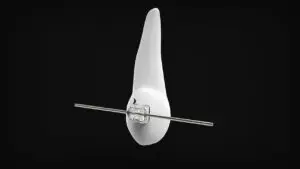
Braces consist of several components including brackets, which are small squares attached directly to each tooth; wires, which apply pressure to the teeth to move them into the desired position; and bands, which wrap around the teeth to provide additional support. Braces can indeed impact your eating habits and food choices. You may need to avoid certain foods like hard, sticky, or chewy foods that can damage the braces. But don’t worry, this small change in your diet will be worth it once you see your beautiful, straight smile!


components of braces, including brackets, wires,
Diagram of tooth, bracket and wire


What Foods to Eat with Braces

Eating with braces doesn’t have to be a daunting task, and you can still enjoy a variety of foods while ensuring your braces stay in tip-top condition. It’s important to maintain a balanced diet for overall health, and this becomes even more crucial when you have braces as your teeth need all the essential nutrients to stay strong during this period.

Soft foods are your best friends at this time! Scrambled eggs, cooked vegetables, and soft cheese are not only brace-friendly but also delicious and nutritious. If you eat slightly chewer foods, like a steak, don’t forget to cut your food into small, manageable pieces to avoid any discomfort or potential damage to your braces. Eating softer foods during your brace time can also provide a comfortable eating experience and help reduce the risk of irritating your gums or dislodging your braces. So, enjoy your brace journey with a bit of culinary creativity!

A photo collage of brace-friendly foods.

Foods to Avoid with Braces

If you’re sporting braces, it’s essential to steer clear of certain foods that could potentially cause damage. Sticky and hard foods are your braces’ arch-nemeses. These include certain candies, corn on the cob, and gum, which can get stuck in your braces and brackets, making them tricky to clean. The risk here is that such foods can cause your brackets to snap or wires to bend or break, which may lead to unexpected orthodontist visits for repairs. Eating damaging foods can also prolong your treatment process. So, for the sake of your beautiful future smile, it’s critical to avoid foods that could harm your braces.

Maintaining Oral Health with Braces

Maintaining oral health while wearing braces is incredibly important to ensure the success of your orthodontic treatment. It’s vital to keep your teeth and braces clean, as they can easily trap food particles and plaque, which can lead to cavities and gum disease. To remove these effectively, consider using interdental brushes or floss threaders that are specifically designed for braces. When brushing, don’t forget to brush each tooth at the gum line and above and below the brackets to ensure all plaque is removed.

Flossing might be a bit trickier but it’s essential to floss daily to keep your gums healthy. Remember, a healthy mouth contributes to the success of your orthodontic treatment and leads to a beautiful, radiant smile once your braces come off. So, keep up with your oral hygiene and look forward to the day you’ll flash your beautiful, brace-free smile!

Additional Tips and Considerations

Taking care of your braces is an essential part of your journey to achieving a stunning smile! It’s crucial to avoid habits that could potentially harm your braces, such as nail-biting or chewing on pens. These habits can loosen or break the brackets and wires, leading to unplanned orthodontist visits. Additionally, certain foods like hard candies, popcorn, or crunchy veggies can damage both your braces and teeth. But don’t worry, there are plenty of tasty and braces-friendly food options available.

Soft foods like mashed potatoes or ripe fruits are not only easy on your braces but also contribute to your overall health. Even with braces, you can enjoy a variety of foods! Just remember to cut them into small pieces or cook until they’re soft enough to eat comfortably. And here’s the best part – eating with braces isn’t a problem at all. With a little caution and care, you can continue to enjoy your meals while your braces work their magic on your smile.

FAQ

What are the worst things you can eat with braces?

Hey there! As someone wearing braces, there are a few foods you should avoid to protect your dental hardware and ensure a smooth braces journey. Sticky and hard foods are the main culprits. These include candies like caramel and gummy bears, which can get lodged in your braces, and hard foods like popcorn, nuts, and hard candies, which can potentially damage your braces. Chewy foods like bagels or tough meats can also be problematic as they can get stuck and be hard to remove. And don’t forget corn on the cob, which can dislodge your braces. So while it’s a bit of a bummer, steering clear of these foods can help keep your braces intact and your orthodontic treatment on track.

Can you eat pizza with braces?

Absolutely, you can eat pizza with braces! Just remember to be careful and considerate of your braces. It’s best to avoid biting into a whole slice of pizza, as the crust can be tough and potentially harm your braces. Instead, consider cutting your pizza into small, bite-sized pieces. This way, you can still enjoy your favorite food without putting too much stress on your braces. Happy pizza eating!

Can I eat a burger with braces?

Yes, you can still enjoy a juicy burger even if you have braces! However, there are a few things to keep in mind for a more comfortable eating experience. Instead of biting into it with your front teeth, try cutting the burger into smaller, bite-sized pieces. This way, it’s easier to chew and less likely to get stuck in your braces. Also, be sure to avoid any overly hard or crunchy toppings that could potentially damage your braces. With these simple adjustments, you can continue to enjoy your favorite burgers!

Best foods to eat in your first week of braces?

During your initial week with braces, it is highly recommended to consume soft foods to minimize discomfort and prevent damage to your braces. Foods such as mashed potatoes, yogurt, soups, soft fruits like bananas, cooked vegetables, pasta, and rice are excellent choices. Dairy products like milk, cheese, and smoothies are also beneficial as they are rich in calcium, promoting stronger teeth. Avoid hard, crunchy, and sticky foods like nuts, popcorn, caramel, and hard candies, as these can potentially dislodge or damage your braces. It is also prudent to cut larger foods into smaller pieces to reduce the pressure on your braces while chewing. Healthy, soft food choices will not only ensure the integrity of your braces but also promote oral health.

What chewy candy can I eat with braces?

If you have braces, you might be thinking that chewy candies are off-limits, but that’s not entirely true. While it’s important to avoid very sticky and hard candies that can damage your braces, there are still some chewy candies you can enjoy. Soft, non-sticky candies like marshmallows or gummy bears are generally safe. Remember, though, sweets should be eaten in moderation and it’s crucial to brush your teeth afterwards to prevent cavities. Always check with your orthodontist if you’re unsure about a particular candy. Happy snacking!

Can I eat chips with braces?

Absolutely, you can still enjoy chips while wearing braces! However, it’s important to be careful. Hard, crunchy chips could potentially damage your braces or get stuck in them. Therefore, it’s recommended to opt for softer chip options or break them into smaller pieces before eating. Always remember to brush and floss after snacking to keep your braces clean. So, go ahead and enjoy your chips, just be mindful and take care of your braces!

Spacers for Teeth: Orthodontic Spacers | Orthodontist Austin TX

These small but vital tools are key in preparing your mouth for braces by creating space between teeth, normally to place metal bands, which are metal rings that are fit around teeth to support traditional braces. This article dives into the types of “orthodontic spacers for teeth”, outlines their function, and offers insights on installation and care, equipping you with the knowledge to navigate your orthodontic journey.

Spacers for Teeth: Key Takeaways

  • In orthodontic language, orthodontic spacers, available as rubber or metal varieties, create space between teeth for metal bands of traditional braces and are essential for proper teeth alignment and the installation of orthodontic appliances. Many people, however, refer to orthodontic spacers when they actually mean an orthodontic palatal expander (click the link for more info),
  • The discomfort associated with orthodontic separators is temporary and can be alleviated with over-the-counter pain relievers and good oral hygiene, including gentle brushing and the use of fluoride mouthwash, is vital while wearing spacers.
  • At Limestone Hills Orthodontics in Austin TX, almost no patients get spacers, or orthodontic separators, because we use the latest technology of 3D printed appliances which are fit around the tooth contact and do not need spacers to be placed. We use the latest high strength bonding techniques and products and rarely use metal bands and therefore rarely need separators. Less pain for you! Book your appointment with us here.
  • The cost of spacers varies but is often included within the broader braces treatment including metal bands based palatal expanders, costing between $1,700 and $6,000.

Understanding Spacers for Teeth – They are also called Orthodontic Separators- The Basics

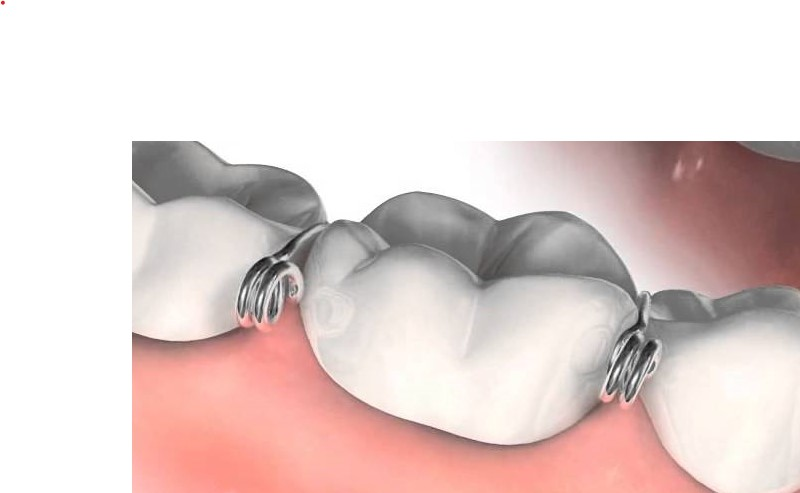
Metal spacers for teeth opening space for metal bands.

Do not confuse these with palate expanders (palatal expanders). Orthodontic spacers, as suggested by their name, function to create room between the teeth. They primarily aid in the placement of metal bands for a tooth brace and ensure sufficient space for proper teeth alignment and the installation of orthodontic appliances. These separators are the unsung heroes of orthodontic therapy, paving the way for the incoming permanent teeth and the traditional braces that will guide them into their perfect positions.

Rubber and metal represent two varieties of spacers, each possessing its distinct advantages. Rubber spacers, due to their soft nature, are gentle on both teeth and gums. On the other hand, metal separators, with their durable characteristics, are used when long-term space maintenance is required. Both types are essential in orthodontics, and the choice between them depends on the patient’s specific needs and the dentist’s recommendation.

Types of Spacers or Orthodontic Separators

A range of spacers are available in orthodontics to address varying dental conditions. The two major types are rubber spacers, also known as orthodontic separators, and metal spacers. The selection typically depends on the patient’s dental condition and the orthodontist’s professional judgment.

Owing to their elastic nature, rubber spacers are mild on the teeth and gums, earning them popularity among many patients. However, on the flip side, they can sometimes lead to gum irritation and discomfort post-insertion.

Contrarily, metal separators are known for their durability and sturdiness. They ensure proper fitting of traditional braces with metal bands and are especially important when preparing for incoming permanent teeth- for instance, helping a second molar impacted behind a first molar to erupt into the mouth. They can be placed between baby teeth or permanent teeth.

Rubber Spacers: The Soft Option

Rubber spacers are a soft and flexible orthodontic tool. They are made of natural or synthetic rubber, contributing to their elastic properties and reducing the likelihood of causing discomfort or irritation. These characteristics make rubber spacers the go-to option when dealing with a child’s teeth, particularly when baby teeth are still present, and space needs to be created for the incoming adult teeth.

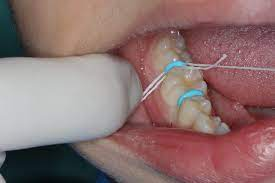
The process of inserting spacers, specifically rubber spacers, is an intricate one. It involves an orthodontist using a tool or dental floss to stretch the spacer and then carefully wiggle it into place between the molars while the patient holds their mouth open wide.

Despite their many benefits, rubber spacers do have their disadvantages. Over time, natural rubber may deteriorate and lose elasticity, and synthetic rubber alternatives may lack the durability of natural rubber. These types of separators usually tend to fall off between 1-2 weeks.

Metal Separators: The Durable Alternative

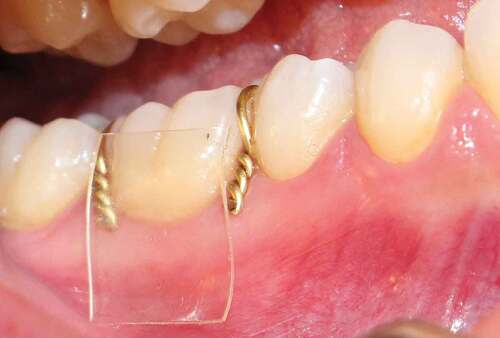
In contrast to their rubber counterparts, metal spacers offer durability and strength. They are made from robust metals and alloys such as small metal rings made of titanium, stainless steel or brass.

Metal separators are generally worn for a period of one to six weeks. They provide enhanced security and stability, minimizing the risk of displacement and thereby reducing the initial discomfort. According to Dr. Nick Kim, a patient-focused orthodontist in Tucker, GA, metal spacers work best when you need the space to last longer, especially for more complex cases. Additionally, they contribute to expediting the alignment process and effectively creating the required space between closely positioned and wedged back teeth, making them a suitable long-term solution.

The Purpose of Spacers in Dental Treatment

Brass wire spacer placement for orthodontic space creation for band placement

In dental treatment, spacers play a significant role. Their primary function is to:

  • Preserve space for the proper growth of adult teeth
  • Prevent neighboring teeth from moving into the vacant space, thereby ensuring correct alignment
  • Prepare the mouth for the subsequent installation of traditional braces.

The need for dental spacers is particularly prevalent in children who experience premature loss of a baby tooth, and the permanent teeth have not yet emerged. In such cases, spacers preserve oral health by maintaining the required space. Therefore, understanding the purpose of spacers in dental treatment is essential for any individual undergoing orthodonthia.

Comfort and Care with Spacers

Despite their crucial role in orthodontic treatment, spacers can occasionally lead to discomfort. The initial discomfort, however, usually subsides after a couple of days as the patient adjusts to the spacers. Moreover, some patients report a sense of relief after the spacers are removed.

Maintaining good oral hygiene while wearing spacers is crucial. Proper cleaning around the areas of the spacers and careful brushing can help prevent any potential dental issues. Let’s delve deeper into the comfort and maintenance aspects of wearing spacers.

Are Spacers Uncomfortable?

The discomfort from spacers generally subsides within the first few days after insertion. The level of discomfort can vary based on several factors such as:

  • the individual’s pain threshold
  • dental anxiety
  • cold sensitivity
  • current emotional state

Various methods can alleviate discomfort caused by dental spacers. Over-the-counter pain relievers can help, as can rinsing with a warm salt-water mixture several times a day. Remember, the discomfort is temporary and subsides as the mouth adjusts to the spacers.

Maintenance and Hygiene

Good oral hygiene is crucial while wearing spacers. Here are some tips to follow:

  1. Brush gently, particularly around the rear teeth, to ensure thorough cleaning around the spacers.
  2. Regular and thorough brushing and flossing are vital.
  3. Take care not to dislodge the spacers during the process.

Incorporating mouthwash into daily oral hygiene can also be beneficial. An alcohol-free, fluoride mouthwash, such as Peroxyl Antiseptic Mouthwash, is recommended as it aids in mouth cleansing and supports healing. Colgate toothpaste and toothbrushes are typically recommended for individuals with spacers to maintain oral health.

Eating Habits with Spacers

The comfort and maintenance of spacers are largely impacted by eating habits. Certain foods have the potential to dislodge or harm dental spacers and should be avoided. On the other hand, consuming soft, easy-to-swallow foods can offer soothing relief to sore teeth caused by spacers.

The suggested diet for individuals with spacers typically includes soft foods, such as:

  • soup
  • yogurt
  • milkshakes
  • ice cream
  • applesauce
  • cottage cheese
  • soft boneless meat
  • steamed vegetables diced into small pieces
  • mashed potatoes
  • oatmeal

Let’s delve deeper into the dos and don’ts of eating habits while wearing spacers, as we hold space for understanding the importance of proper care.

Foods to Avoid

Certain foods can damage or dislodge dental spacers and should be avoided. These include:

  • Popcorn
  • Gum or gummy candies
  • Chewing ice
  • Sticky or hard candies like toffee
  • Hard foods like pretzels, tortillas, nuts, and crusted bread
  • Raw vegetables that are too hard to chew

Chewing gum, in particular, can be problematic. Sticky or hard gum can damage or dislodge dental spacers, so it is advisable to refrain from chewing gum, and if necessary, opt for sugar-free gum that does not adhere to the spacers. Crunchy snacks, including nuts, popcorn, and hard candies, can break brackets or wires, leading to their loosening.

Safe Snacking and Meals

While some foods should be avoided, there are plenty of safe and delicious options for those wearing spacers. Here are some soft foods that are advised:

  • Yogurt
  • Pudding
  • Soft cheeses
  • Dairy products like milkshakes

Fruits and vegetables such as applesauce, cooked tomatoes, spinach, squash, and creamed vegetables like broccoli and cauliflower, as well as soups are safe to consume. It is, however, advisable to avoid raw vegetables and salads. Cooking methods also play a role in what foods are safe to eat. Steaming or cooking vegetables to soften them, boiling chicken or meat to make them tender, and avoiding sticky foods that can get trapped in the spacers are all recommended cooking methods.

The Process of Inserting and Removing Spacers

Inserting and removing spacers process

An orthodontist or an assistant typically performs the detailed process of spacer insertion. The process involves:

  1. Stretching the spacer
  2. Flossing it between the baby teeth or adult teeth
  3. Pulling it through to ensure visibility on both sides
  4. Using the floss to adjust the spacer into the proper position.

Spacers are removed once they have fulfilled their purpose. The removal process is straightforward and quick, often carried out by using a specialized small tool. Let’s delve deeper into the insertion and removal processes.

Insertion Techniques

The insertion of teeth spacers requires the use of a small tool or dental floss to stretch each spacer before carefully placing it between the molars. For rubber spacers, the process involves stretching the spacer and using dental floss to guide and position it between the teeth.

The insertion of metal spacers, on the other hand, involves different procedures due to their structural differences. They are larger, approximately a centimeter in size, and typically utilized for a longer duration.

When and How to Remove Spacers

Spacers are typically removed after a period of one to two weeks, based on the readiness of the permanent tooth to erupt. They are removed using an orthodontic bracket removing pliers or dental adhesive removing pliers.

In some cases, dental spacers can dislodge independently, particularly when the permanent teeth start to emerge and exert pressure, causing the spacers to shift out of place.

Cost and Considerations for Spacer Treatment

Depending on the type of spacer and the patient’s unique needs, the cost of spacer treatment can fluctuate. On average, the cost of rubber spacers typically ranges from $50 to $100 per spacer. For metal spacers, there is no extra cost as they are included within the braces treatment, which typically ranges from $1,700 to $6,000.

Patients have a range of payment options for orthodontic treatment, such as:

  • Utilizing dental insurance
  • Flexible spending accounts
  • Health savings accounts
  • Taking advantage of payment plans provided by orthodontists

Despite the costs, the use of spacers is generally considered a worthwhile investment in long-term dental health.

Cost and Considerations for Spacer Treatment

Just as children’s dental needs are distinct, so is their requirement for spacer treatment when it comes to a child’s teeth. When assessing the necessity of dental spacers in children, various factors are considered, including the speed of eruption of the adult tooth, the location of the lost baby tooth, and the time elapsed since the tooth was lost.

The age of the child, which aligns with their stages of dental development, influences the selection of dental spacers. Fixed and removable spacers are the most suitable types for children, with fixed spacers offering simplicity and longevity, and removable spacers providing flexibility in hygiene and adjustment.

Assessing a Child’s Need for Spacers

To assess a child’s need for spacers, a comprehensive examination of the child’s teeth is conducted, taking into account factors such as the speed of the permanent tooth’s eruption, the location of the lost baby tooth, and the time since the tooth’s loss. The type of spacers suitable for a child is determined by factors such as the severity of crowding or spacing, the patient’s age, and dental development.

These assessments ensure that the child receives the most appropriate treatment. They are crucial in determining the need for spacers and in selecting the appropriate type of spacer for the child’s specific dental needs.

Specialized Spacers for Kids

Designed keeping children’s comfort and needs in mind, specialized spacers cater specifically to kids. Pediatric spacers are meticulously crafted to prioritize safety, comfort, and ease of wear for children. These spacers are specifically engineered to establish a gap between the child’s mouth and the treatment, and may come in the form of fixed or removable dental spacers.

The utilization of specialized spacers for children has been documented to be favored by both children and parents, with a considerable number finding them to be more efficient and convenient. Therefore, understanding the options and benefits of specialized spacers for children can ensure a comfortable and effective treatment experience.

Summary

Orthodontic spacers, although small, play a significant role in orthodontic treatment. Whether rubber or metal, their primary function is to create the necessary space for braces and ensure proper teeth alignment. While they may cause initial discomfort, there are various ways to manage this, and good oral hygiene can minimize potential dental issues. Dietary adjustments can also enhance comfort and prevent damage to spacers. Understanding the process of inserting and removing spacers, the costs involved, and how spacer treatments can be customized for children can help patients and parents make informed decisions about their orthodontic treatment.

Frequently Asked Questions

What does a spacer do for teeth?

Spacers are used to create space between molars so that braces components can fit properly, especially for patients with very close back teeth. This helps ensure effective orthodontic treatment.

How long do teeth spacers stay in?

Teeth spacers usually stay in for one to two weeks while the appropriate amount of space is achieved. In some cases, your orthodontist may opt for the metal variety if a longer duration is necessary.

How painful is a spacer?

The pain from spacers can vary from person to person, ranging from mild discomfort to more severe pain. However, the good news is that the pain tends to lessen over time.

Can you eat with spacers?

Yes, you can eat with spacers, but you should avoid sticky foods like chewing gum, toffee, caramel, and gummy candies as they can pull the spacers out of position.

What are the different types of spacers?

The main types of spacers are rubber and metal. Rubber spacers are a good choice for absorbing vibrations, while metal spacers are known for their durability and strength.

Mastering IPR Orthodontics: A Austin Orthodontist Guide to Safe Enamel Reduction

IPR stands for interproximal reduction. IPR orthodontics (technique), IPR dental (technique), interproximal reduction technique, are all synonyms of a common procedure for creating more space between teeth, often needed for optimal alignment that can sometimes avoid the need for dental extraction as part of the orthodontic braces or Invisalign treatment plan. This concise guide will explain when an IPR dental procedure is recommended, its safety, and its pivotal role in orchestrating a successful orthodontic treatment.

Key Takeaways for IPR Orthodontic Procedure

  • Interproximal reduction (IPR) is a technique in dentistry designed to do several things:

    1. Correct asymmetry of certain teeth widths that can cause issues with the bite fit of the patient.

    2. Correct proportions between the teeth in the dental arches – lower and upper teeth (Bolton discrepancy)– For instance, an upper lateral incisor is around 75% of the width of the upper central. If it’s smaller or absent, it can lead to spaces in the upper arch or crowding in the lower arch. The lady in the picture below has lower incisors slightly smaller than average, which could cause crowding in the lower arch. Sometimes, this can be corrected with interproximal reduction (or by extracting teeth) to create space and it is one of the main reasons I see for it to be performed clinically. Another way to correct this would be to increase the width of the lateral incisors with composite (filling material) or a veneer. The choice depends on whether the patient thinks she will look better with a larger lateral incisor. If she doesn’t care, interproximal reduction is a no cost or low option that keeps all teeth natural.

      Bolton analysis of the dental arches

      Below you see an illustration of slightly better proportion:

      Limestone Hills Orthodontics
    3. Correct abnormalities of the patient’s dental shape (teeth that are too large in width or have a barrel or triangular shaped teeth) that are causing issues with the bite or crowding, or black triangle spaces near the gumline while the teeth themselves touch.

    4. Indirectly, or directly, create space for dental alignment by removing small amounts of enamel, producing both aesthetic and practical benefits such as enhanced tooth shape and less crowding. For instance, lower crowding can be caused by an incorrect bite due to a larger lower jaw or an increased overbite (deep bite). A proper diagnosis on how to create space to correct crowding is necessary before interproximal reduction is done. Make sure your dentist or orthodontist checks the Bolton values- doing IPR for crowding can be a “lazy” way to correct it if is not optimum for the bite. Interproximal reduction must be done in the correct places to not misalign the bite. It can’t just picked randomly. Sometimes the jaws are too small for the teeth and we have to choose between IPR and tooth extractions for treatment. An orthodontist will make the best choice for your facial appearance and based on the amount of enamel that can be removed.

  • A skilled professional must perform interproximal reduction to harmonize the dental arches within recommended guidelines (no more than 50% of proximal enamel removal) to minimize risks such as dental damage and sensitivity. Sometimes, if the discrepancy of dental widths is too much, we may have to suggest restorations (veneers of fillings) of opposing teeth.

  • Interproximal reduction is both a standalone procedure and a complement to Invisalign treatment and braces, aiding in the customization of orthodontic treatments for both adults and younger patients. Invisalign software usually makes the IPR recommendations very precise due to the use of the digital 3D images of teeth in the proper occlusion, but the dentist makes the final decision on the occlusion.

  • Invisalign technicians may leave a deep overbite during treatment or are forced to because a dentist elected a case for a cheaper modality of Invisalign that doesn’t support overbite correction. Always make sure that you have a second opinion from an Orthodontist before undergoing substantial IPR planned for Invisalign treatment by a general dentist. You may end up not needing it at all, and I say that based on experience in consultations.

Demystifying IPR: A Primer on Interproximal Reduction

Interproximal Reduction, otherwise known as IPR in the orthodontic field, is a procedure intended to correct size to size or arch to arch tooth proportions or compensate for black triangle spaces near the gumline. According to Dr. Yajun Cui, a well-known orthodontist in Arlington, MA, this makes IPR a fine tool to fine-tune both how teeth work and how the smile looks near the gums.

It accomplishes this by selectively removing minor portions of tooth enamel on specific sides of teeth with precision and care. The primary aim behind it is to make use of space more efficiently so that proper dental placement can be achieved along with tighter fitting between neighboring pearly whites. In other words, it’s like giving your choppers some extra wiggle-room when adjusting them into their ideal position!

IPR has numerous perks associated with it. Such as generating necessary clearance required for successful teeth straightening outcomes which leads to improved overall shape and symmetry – Eliminating gaps around the gum line that could mar an immaculate smile even than desired.

Results are typically far more stable not forgetting aesthetically pleasing at well when accomplished properly from qualified personnel only due to its potentially hazardous effects including heightened sensibility or exaggerated elimination beneficial layers if administered through non-specialized means.

The Need to Correct a Tooth Size Discrepancy: Bolton Analysis

Orthodontic treatment is necessary to address issues such as overcrowding or spacing due to discrepancies in tooth size. This calls for Bolton Analysis, a quantitative measurement that evaluates the maxillary and mandibular teeth proportions of an individual. It furnishes information about any differences between the sizes surrounding crowded teeth – this helps attain proper alignment with overjet and bite conditions plus aesthetic enhancement of dental rehabilitation which can be done via Interproximal Enamel Reduction (IPR orthodontics) or restorations.

According to the Bolton study, the sum of all widths of lower left canine to right canine teeth divided by all widths of the same upper teeth should be approximately 77.2%. The sum of all widths of upper teeth from molar to molar divided by all widths of upper teeth should be 91.3%. The most common problems that cause a Bolton discrepancy, which is a deviation from these values are: small upper lateral incisors, large lower premolars and large upper central incisors. Obviously, missing or extra teeth will also cause major issues in dental size proportions.

Teeth enamel reduction or buildup with restorations thus play a crucial role while engaging in orthodontic practice aimed at achieving ideal results for the patient. Make sure to always ask your dentist or orthodontist if a Bolton analysis and proper bite analysis was done to prepare more space for a restoration or perform IPR.

If you plan to do your treatment with a general dentist, usually IPR is their main method or “tool” to correct dental crowding because it’s easy to do. Due to the larger number of misdiagnosis and less than ideal treatments with IPR we see in our practice consultations, we recommend you ask for a Bolton analysis result or take a second opinion from an Orthodontist to see if IPR is the best solution for you, especially if you are hesitant.

Orthodontists have a lot more training than general dentists to diagnose if you really need IPR or it’s being done as “an easy way out” of dental crowding. As some would say, if the only tool you were trained to use to fix something is a hammer, you will use the hammer almost all the time.

The Need for Space: How Interproximal Reduction Helps Align Crowded Teeth and Correct Black Triangles

IPR particularly works well on front teeth when it comes to alleviating overcrowding issues. As much as 6mm can be created in each of the dental arches with its help which helps those patients who have triangular shape teeth that are often victims of crowding problems and need not endure extractions involving their molars or premolars due to an available ample amount of space.

Sometimes patients present with ” dark triangles” or “black triangles”. These black triangles are a black space between the dental contact and the gums caused by bone loss, or abnormalities of dental shape and may require IPR or bone and gingival grafting for correction. In these cases, IPR can be indicated, and the main objective is to reduce the black triangles or black space between teeth.

Precision Matters: Ensuring Safe Enamel Removal

The IPR process requires gentle abrasion with very thin diamond discs or diamond-tipped strips that will surround crowded teeth at the proximal surfaces for removing small portions of dental enamel surfaces. The amount taken away by these stainless steel or round orthodontic wire gauges varies from 0.2mm widths and upwards as approved standards dictate it should be done so in order to minimize any potential risks.

Many times, we need to use unilateral abrasion surfaces on the discs or strips to make sure only target teeth and not adjacent teeth are decreased in width contact area.

Potential risks are less resistance to damage by cavities since there will be less enamel, or prolonged sensitivity post procedure when performed properly without exceeding prescribed limits on reduction size. Interproximal reduction does not expose any nerve endings, but it can make physical stimuli such as heat or cold reach more easily inside the pulp more easily if the enamel is completely removed and the dentinal tubules where the nerve endings extend into are exposed.

Protecting the tooth pulp is critical when performing ipr (interproximal reduction)

When the risks outweigh the benefits of IPR to gain space, and too much has to be done, permanent tooth extraction or extractions may be recommended to create more space. Studies have proven that there isn’t a heightened risk associated if safety measures are met during interproximal reduction.

BOOK A FREE CONSULTATION WITH US HERE TO SEE IF IPR IS RIGHT FOR YOU

The Interproximal Reduction Procedure: What Patients Can Expect

Interproximal Reduction IPR involves using specific tools to delicately remove a small amount of enamel from the outer surfaces of teeth, allowing to achieve extra space and resulting in what patients may call dental polishing. It is relatively painless, with minimal aftercare required.

Tools of the Trade: Instruments Used in IPR

Interproximal reduction treatment makes use of different dental instruments like rotating diamond discs and specialized tools that are exclusively designed for reducing enamel. Dr. Julian DAvila, and orthodontist Indianapolis IN relies on, explains: “The dentist carefully files down the tiny amount between teeth from the top edge to the gum line, which provide quality results along with ease and efficiency.”

Many use burs, but we at Limestone Hills Orthodontics don’t because slight movements of the patient’s mouth or the friction associated with a small bur makes the procedure a lot more prone to cause dental damage.

Polishing is then done with interproximal strips for tooth polishing to prevent rough surfaces. These can have different polishing grades and will also help recontour and round the edges of the teeth to the desired outcome.

Keeping Comfort in Mind: Does Interproximal Reduction IPR Hurt?

Interproximal reduction is a very common procedure, that many people have concerns about regarding the potential pain involved. Fortunately, most individuals don’t experience any significant discomfort when undergoing this routine operation, reporting only slight pressure and mild sensitivity at worst.

The sensation associated with IPR typically isn’t as intense compared to some other dental procedures either. It can be carried out safely by an experienced dentist without causing much distress for patients. Sometimes, minor bleeding near the gums can happen as we have to assure the contour is smooth all the way below the contact point with the gumline.

old, dentist sign, signage

Patients almost never feel anything, and anesthesia is not necessary. It’s important to follow the instructions of the provider and in the case of sensitivity due to heat generated during IPR, not move suddenly. We suggest just lifting a hand so we can move slower if needed. Every person has a different level of sensitivity.

BOOK A FREE CONSULTATION WITH US HERE TO SEE IF IPR IS RIGHT FOR YOU

After the Procedure: Caring for Your Teeth Post-IPR

To reduce the potential for damage and dental decay after having IPR, patients should engage in good dental hygiene habits such as daily brushing and flossing while also adhering to regular check-ups.

This consistent approach will help keep any post-procedure issues minimized since you will have less enamel available to protect your tooth. Thus, interproximal reduction IPR is contra-indicated in individuals with questionable dental hygiene habits that may be a problem in the future.

Beyond Aesthetics: The Functional Benefits of IPR Orthodontics

Properly performed Interproximal Reduction IPR provides not only visual enhancements and enough space, but also important functional advantages. It is essential in improving bite function by narrowing the width of teeth to help with alignment and optimize occlusion while creating even tooth surfaces, that will uphold tooth positioning following treatment.

IPR likewise benefits oral hygiene as it reduces strain on periodontal support plus encourages beneficial tooth contouring leading to no increased risk for gum disease making this procedure secure when considering periodontal health maintenance. The necessary space needed for proper alignment between each individual tooth can be made possible through moderation provided by interproximal reduction.

The Safety Profile of Interproximal Reduction

Performed by a qualified and knowledgeable dentist, IPR is considered a safe orthodontic procedure. Although with only the suggestion of removing no more than 50% of proximal enamel for ensuring long-term protection and healthiness in teeth.

How Much is Too Much? Guidelines on Enamel Reduction

Maintaining the guidelines while performing Interproximal Reduction is paramount for protecting and preserving good oral health. It’s essential to avoid that more than 50% of the proximal surface enamel between two teeth should ever be eradicated in order to avert any dental or periodontal risks.

Understanding precisely how much enamel gets extracted during this method is very crucial. In our practice we take CT scans of the teeth and can tell exactly how much enamel is available to assure your safety.

Long-Term Outlook: Is Interproximal Reduction Safe for Future Dental Health?

Patients often have worries about the long-term effects dental IPR might have on their oral health. But research shows that, when done correctly, it does not make one prone to cavities or periodontal disease. Nor is there a heightened risk of sensitivity in the aftermath.

Potential risks of ipr treatment exist – as previously discussed. It is paramount for patients seeking such procedure to get treated by only qualified professionals to preserve a healthy amount of enamel layer.

We never had issues with patients with increased sensitivity after IPR after thousands of patients treated. Which doesn’t mean it will never happen, but it means we make sure to follow safety protocols to avoid problems.

BOOK A FREE CONSULTATION WITH US HERE TO SEE IF IPR IS RIGHT FOR YOU

Customizing Your Smile: IPR in Conjunction with Clear Aligners and Braces

To facilitate the movement of teeth, the IPR method creates room for successful use of both clear aligners or braces.

invisalign, clear aligners, dental

This combination empowers a more exhaustive approach to orthodontics through precise extraction of enamel from teeth for ideal results in every patient’s case.

Tailored Treatments: IPR for Specific Dental Shapes and Positions

The IPR method stands out in its great adaptability. It can be altered to suit particular teeth shapes and positions, giving patients the best results possible with a beautiful smile as well.

For certain teeth that are not aligned straight or at an angle, extra care must be taken during IPR by taking off some enamel which will then make room for proper alignment of such teeth. This individualized approach ensures each patient gets their bite just right, so they have full dental function without any complication.

Achieving Harmony: Balancing IPR Across All the Teeth

Achieving a harmonious, well-aligned smile requires an even distribution of IPR across all teeth and making sure dental widths are measured properly to avoid creating asymmetry.

To ensure this is done correctly and achieve the desired result, it’s imperative that dentists focus on certain specific areas for adjustment while taking into account the overall alignment correct position and balance of the dental arches.

Any unevenness or miscalculation while performing IPR can lead to numerous issues such as crowding, excessive incisor flare, midlines, occlusion or bites off or discrepancies with size between teeth.

woman, smile, beauty

Instability due to bone loss or recession can also occur, which can also have detrimental effects on gum health and TMJ disorder development too. For these reasons, there must be emphasis placed on ensuring consistency when conducting IPR among every single one of your patients, for maximum aesthetic effect.

IPR for Adults: Not Just for Teens and Kids

For adults seeking orthodontic care, IPR is often an effective solution that offers several advantages. It reduces tooth width and provides the necessary space in cavities to ensure proper alignment of teeth. Thereby improving overall dental health.

Patients with mild to moderate crowding requiring either enough space or only a small amount of additional space can benefit greatly from this type of treatment which has been performed on numerous adult patients worldwide.

Lifelong Smiles: The Role of IPR in Adult Orthodontics

IPR is a vital part of adult orthodontic treatment. It serves to rectify tooth size discrepancies as well as promote oral health, allowing adults the chance to get the smile they desire. IPR proves immensely helpful in tackling problems such as overcrowding and can also often create room between teeth quickly without having any teeth extracted, making it an important factor for sustained dental wellness over time. This procedure helps modify dentition in order that each individual has a perfectly shaped grin tailored specifically towards them for optimal aesthetic purposes.

woman, face, freckles

Payment Options and Accessibility: Making IPR Feasible for Adult Budgets

Orthodontic treatment which includes interproximal reduction can be expensive for some adults. Fortunately, there are several methods of payment available to make it easier on the wallet and more accessible. The cost usually ranges from $50-350 per case if the dentist or orthodontist charges for it.

We don’t charge for IPR in our practice and consider it part of orthodontic treatment. Most orthodontists offer discounts or installment plans if you pay upfront or use their own financing service that allows payments over time. Dental insurance might cover a portion of your expenses too! All these options help minimize out-of-pocket costs related to IPR Orthodontics so as not to overwhelm individuals with hefty bills all at once.

Summary

Orthodontics IPR, or Interproximal Reduction, is an important orthodontic procedure performed, which can help create the space needed for successful tooth alignment and improve tooth shape. This necessary step can often but not always prevent tooth extraction and can result in a beautiful smile when done by qualified professionals.

By using IPR, you may increase the chances achieve optimum outcomes with your teeth. It is routine procedure should always be performed correctly in order to secure their health and longevity over time. With proper care given throughout each stage of this process, having that sought-after beautiful smile could soon become reality!

BOOK A FREE CONSULTATION WITH US HERE TO SEE IF IPR IS RIGHT FOR YOU

Frequently Asked Questions

What is IPR in dental terms?

IPR in dentistry, more specifically orthodontics, is a routine procedure that stands for interproximal reduction, a technique used to remove small amounts of enamel between teeth to aid in orthodontic treatments involving overcrowding or reshaping.

How much does IPR cost for teeth?

The amount of money one has to pay for teeth shaving, also referred to as IPR, depends on the complexity and individual patient’s needs. This procedure can be between $50-$1,500. Some dental plans may contribute towards covering these expenses. We don’t charge anything extra for it in our office.

What is the IPR process for teeth?

The process for teeth which utilizes flexible strips or diamond-coated discs to delicately remove a small amount of enamel from crowded sections permits clear aligners to move the teeth more efficiently.

Is IPR only for teens and kids?

IPR is not only for teenagers and young ones. It can be an advantageous option to consider by adults who require orthodontic treatment as well, with the procedure often conducted on adult patients.

Is IPR painful? Does Interproximal Reduction Hurt?

Patients typically experience no pain or discomfort during IPR treatments, only slight pressure or sensitivity at most.

BOOK A FREE ORTHODONTIC CONSULTATION IN AUSTIN TX TO SEE IF IPR IS RIGHT FOR YOU

The Role of Dentofacial Orthopedics in Correcting Facial Imbalances

Dentofacial orthopedics is a specialized branch of orthodontics that focuses on correcting facial imbalances and skeletal discrepancies. While traditional orthodontic treatment primarily focuses on straightening teeth, dentofacial orthopedics takes a more comprehensive approach by addressing the underlying skeletal and muscular issues that contribute to facial imbalances. In this article, we will explore the role of dentofacial orthopedics in correcting facial imbalances and how it can benefit patients.

What is Dentofacial Orthopedics?

Dentofacial orthopedics is a specialized field of dentistry that focuses on the growth and development of the face and jaws. It involves the use of orthodontic appliances, such as braces and headgear, to guide the growth of the facial bones and correct any imbalances. This treatment is typically done in children and teenagers, as their facial bones are still developing and can be easily influenced.

How Does Dentofacial Orthopedics Correct Facial Imbalances?

Limestone Hills Orthodontics

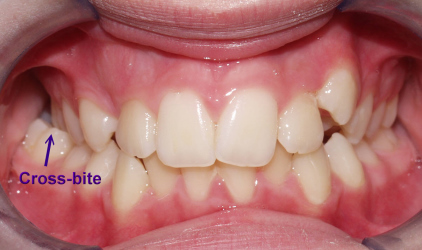
Facial imbalances can be caused by a variety of factors, including genetics, trauma, or habits like thumb sucking. These imbalances can lead to issues such as an overbite, underbite, or crossbite, which can affect the appearance and function of the face and jaw. Dentofacial orthopedics works by using orthodontic appliances to guide the growth of the facial bones and correct any discrepancies. By addressing the underlying skeletal issues, dentofacial orthopedics can not only improve the appearance of the face but also improve the function of the jaw and bite.

The Benefits of Dentofacial Orthopedics

Dentofacial orthopedics offers a range of benefits for patients, including:

  • Improved facial aesthetics: By correcting facial imbalances, dentofacial orthopedics can improve the overall appearance of the face, leading to a more symmetrical and harmonious facial structure.
  • Better oral health: Facial imbalances can also affect the function of the jaw and bite, leading to issues such as difficulty chewing and speaking. By correcting these imbalances, dentofacial orthopedics can improve oral health and function.
  • Enhanced self-confidence: Many patients with facial imbalances may feel self-conscious about their appearance. By correcting these imbalances, dentofacial orthopedics can boost self-confidence and self-esteem.

Choosing the Right Dentofacial Orthopedist

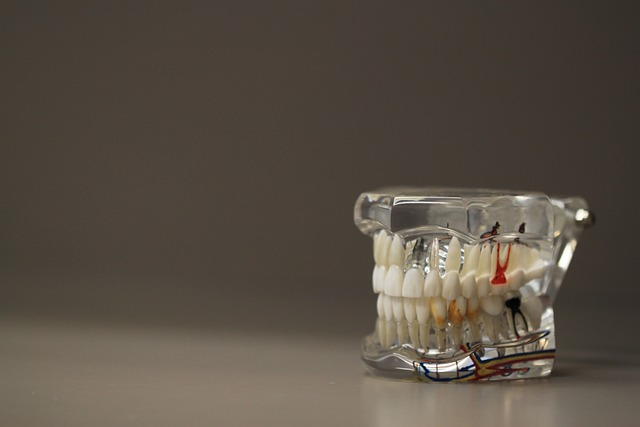
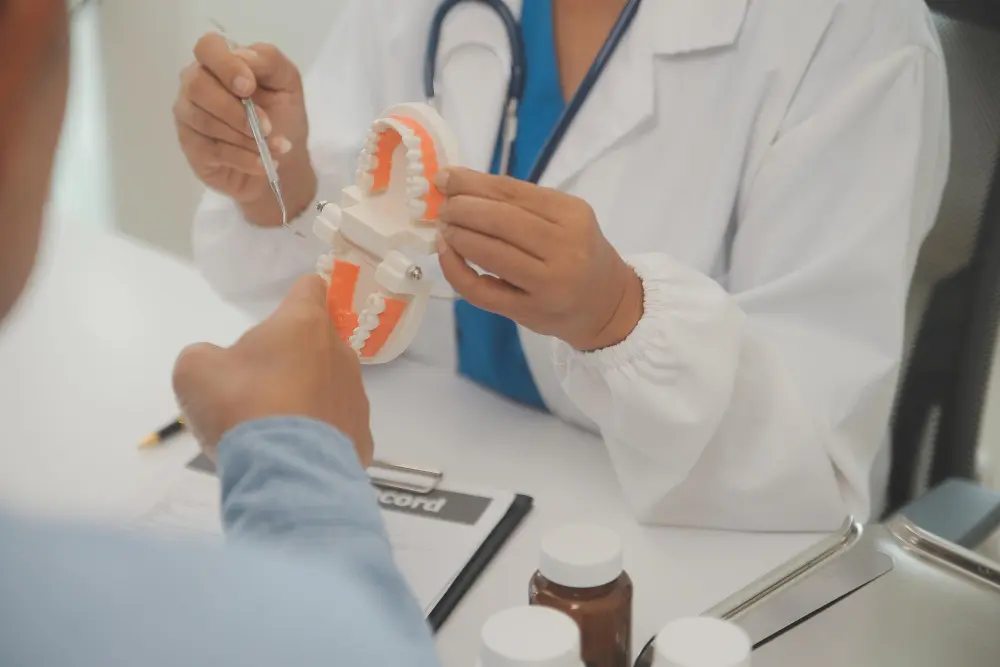
a doctor showing a model of a human jaw

When seeking dentofacial orthopedic treatment, it is important to choose a qualified and experienced orthodontist who specializes in this field. Dr. Rodrigo F. Viecilli, DDS, PhD is a highly reputable orthodontist who specializes in dentofacial orthopedics. He has extensive experience and training in this field and can provide personalized treatment plans to address each patient’s unique needs.

Conclusion

Dentofacial orthopedics plays a crucial role in correcting facial imbalances and improving the overall appearance and function of the face and jaw. By addressing the underlying skeletal issues, this specialized treatment can provide long-lasting results and improve the quality of life for patients. If you or your child have facial imbalances, consider consulting with a qualified dentofacial orthopedist to see if this treatment is right for you.

Have you or someone you know undergone dentofacial orthopedic treatment? Share your experience in the comments below.

When Do Kids Get Braces? The Ultimate Guide for Parents

When Do Kids Get Braces?

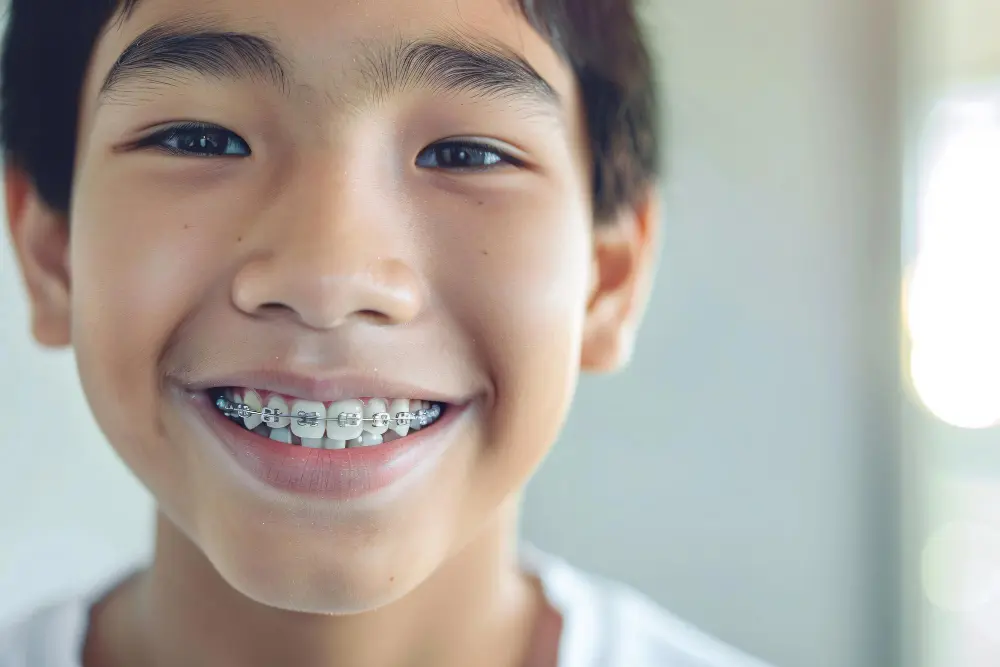
a boy smiling with braces

The Austin orthodontics journey towards a perfect smile is most often paved with traditional metal braces here in Texas like everywhere else. This orthodontic tool has been instrumental in correcting dental imperfections, improving oral health, and boosting self-esteem for millions of individuals worldwide. However, many parents often ask themselves: “What age can kids get braces?” or “What age do kids get braces?”, although some now also look for clear aligners brands such as Invisalign Teen as a treatment option, or even clear braces. Usually, parents think of pediatric dentists when their kids have dental issues and often forget about the orthodontist.

Pediatric dentistry usually focuses more on the tooth itself and their restorative process, and sometimes restorative processes of facial malformations at birth. A pediatric dentist has minimal dental experience in growth and development compared to a dentist, and only sometimes has some experience addressing it with appliance therapy. An orthodontist deeply studies all the growth and development of the face and learns how to subtly detect abnormalities like no other dental specialist. It is a regular question in our orthodontic clinic, when we find a large issue “But we have been going to the dentist or pediatric dentist and nobody ever told us this before! And sadly, sometimes it can be too late before surgery is needed as part of the therapeutic plan.

Understanding Orthodontics and Dentofacial Orthopedics: what age do kids get braces?

Orthodontics is a specialized field of dentistry that’s not just about straightening teeth. It’s also about diagnosing, preventing, and addressing dental and facial abnormalities to improve both function and appearance.

Dentofacial orthopedics is a specialized area within orthodontics which focuses on guiding facial growth and development, particularly in children. It is not a subspecialty of pediatric dentistry. As Dr. David Carpinello, a popular orthodontist in Drexel Hill, PA, says, orthodontics covers more than just teeth, it also guides how the face and jaws grow. The name of our specialty is “Orthodontics and Dentofacial Orthopedics” because the specialist Dr has to know how the face grows, how muscle imbalances affect the bones and how to intervene to modify it when needed.

These fields cover and treat a broad range of conditions that can warrant early interventions. For instance, habits like tongue thrusting or mouthbreathing can have long-term effects on dentition and jaw appearance. If left untreated, these conditions might require surgical correction later in life to achieve the best smile and recover self confidence.

Understanding Orofacial Myofunctional Disorders and Early Orthodontic Treatment

Orofacial myofunctional disorders (OMDs) encompass a variety of conditions that involve the muscles and functions of the face and mouth. These can include mouth breathing, tongue thrusting and inadequate posturing, and persistent sucking habits of the fingers, lip or objects. The best orthodontists pay close attention to these disorders and treating them is crucial for good health. If left untreated, OMDs can lead to improper muscle function, abnormal swallowing patterns, and even skeletal deformities that if not caught early can only be corrected surgically, with costs often surpassing $20,000, when addressing them early could have reasonable prices.

The Impact of Mouthbreathing

Mouthbreathing is a common issue among children, often resulting from airway restrictions or nasal congestion. However, chronic mouthbreathing can have significant implications for craniofacial development. It can lead to a condition known as “long face syndrome,” characterized by a long, narrow face, a high-arched palate, and an open bite.

At what age can kids get braces

Early intervention can help patients address these issues. For instance, myofunctional training, strengthening the hyoid muscles and educating tongue position with exercises, or oral appliance therapy with expanders on tongue trainers can promote optimal tongue function and positioning, reducing symptoms of sleep-disordered breathing and modifying mouthbreathing habits. Our clinic and office is equipped with a CT scan where we can not only detect but measure the benefit of our therapies and detect anatomical abnormalities or discard them, identifying the cause and referring the patient to the proper professional for multidisciplinary treatment plan options, such as an ENT. For instance, we are one of the few offices in Austin tx that offer patients a free CT Scan (3D x rays) as part of our free consultation. ENTs charge up to $800 for those and very few orthodontic offices have them.

Tongue Posture and Thrust: Potential Consequences

Tongue thrusting refers to pushing the tongue against or between the arches while swallowing, speaking, or at rest. This abnormal tongue function can contribute to dental issues, such as open bites, spacing, anterior crossbites (underbites) and misalignments in different areas of the dentition. Furthermore, improper tongue posture can lead to atypical swallowing patterns and exacerbate orthodontic problems.

Orthopedic interventions can help improve tongue posture and function. Treatment options may include orofacial myofunctional therapy, which aims to establish correct swallowing patterns and proper tongue resting positions.

When do kids get braces?

Finger and Lip Sucking Habits: The Need for Early Intervention and identification by Pediatric Dentistry

Nonnutritive sucking habits, such as finger or pacifier sucking, can significantly influence craniofacial growth7. These habits can result in atypical swallowing, oral breathing, and skeletal changes, including open bites and crossbites.

Early functional orthodontic treatment can help patients manage these bad oral habits and guide proper jaw development7. Pediatric dentistry professionals can also provide patient guidance on habit cessation techniques to prevent long-term dental and skeletal effects.

The Role of Early Orthopedic Intervention in the Dental Office

Early orthopedic intervention plays a crucial role in addressing these issues. By identifying and managing these habits early, healthcare professionals can guide proper craniofacial growth and reduce the need for extensive orthodontic care later in life.

In conclusion, the importance of early orthopedic intervention in managing breathing, tongue posture and thrust, and finger and lip sucking habits cannot be overstated. These habits can have significant effects on craniofacial growth and development, highlighting the need for timely detection and treatment. Most often, the optimal maturity time for treating lack of space issues in my practice is around 9, when their little oral cavity and psyche are a bit more developed to withstand the experience in the chair. But for situations such as underbites and underdeveloped upper jaws and underbites, treatment must be done by 7 years old. Dr Viecilli and the staff of the practice will work with the parents as a team on the psychological aspects of how to best prepare your child for appliance treatment.

The Early Loss of Baby Teeth: A Concern for Parents

One common issue that parents encounter is the early loss of baby teeth in their children. Losing them too soon can lead to space loss in the dental arches and crowding, affecting the alignment of the permanent ones that are yet to come3. This is where early intervention from an orthodontist comes into play. By guiding the growth and development of the jaws, orthodontists can ensure adequate space for the eruption of the permanent dentition and potentially minimize the need for future orthodontic care.

The Role of the Dr Orthodontist in Dental Health Services

Orthodontists are dental specialists who have undergone additional years of rigorous training after dental school. Their training equips them with the expertise to manage complex conditions that general dentists may not be equipped to handle. These conditions include malocclusions (improper bites) and facial irregularities. These are reasons kids should get braces or appliances.

Recognizing the importance of early intervention, to make it clear, the American Association of Orthodontists recommends that every child should have their first check-up with an orthodontist no later than age 7. It is the best age for his early evaluation because it allows for the timely identification of potential issues and the planning of future service, if necessary.

Timing of Orthodontic Care: Not a One-Size-Fits-All Approach

When it comes to the timing of orthodontic care, there’s no one-size-fits-all answer for doctors. The appropriate timing for appliances, traditional braces or clear trays, or even the extraction of a tooth or more in severe cases, varies greatly depending on the individual’s specific needs and the nature of the problem.

Although many times braces are needed after primary treatment to address lack of space for permanent tooth eruption when others inside the bone are at risk of damage, general guideline is that the most suitable time to consider placing ceramic braces or regular brackets is usually the first visit after all primary dentition has been replaced by permanent dentition, which typically happens around ages 10 to 14. By this time, significant growth has occurred, allowing for efficient and effective treatment.

Braces for kids: The Importance of Early Intervention in Orthodontics

While the range of 10 to 14 years old is often ideal for the initiation of comprehensive orthodontic procedures, certain problems may benefit from earlier intervention. Early treatment, also known as Phase I treatment, can help guide jaw growth, correct harmful oral habits, lower the risk of trauma to protruded front dentition, and guide them into a more favorable position.

The Multifaceted Benefits of Orthodontics

Our services serve several critical purposes beyond just straightening crooked teeth here. They can provide solutions for issues such as grinding, jaw alignment, gum health, and injury prevention.

Teeth Grinding and Deep Overlap of the anterior dentition

Teeth grinding, or bruxism, can lead to enamel wear and tear, increased tooth sensitivity, and even fractures in the dentition. Braces can help alleviate this issue by correcting the anterior overlap of teeth that locks the jaw, thus reducing the tendency to grind. One of the perks of Invisalign is that it can help control grinding and bruxing habits by shifting the bite position to the front teeth, triggering a proprioception mechanism that decreases the grinding force. Additionally, it also protects the the dental enamel against wear.

Jaw Alignment

Misalignment of the jaw can cause difficulties in speaking, breathing, and eating. By aligning the dentition and improving the fit of the teeth, orthodontics can enhance jaw function.

The Role of Braces in Gum Health

Straight teeth are easier to clean, reducing the likelihood of plaque build-up and subsequent gum disease. Crowding has been determined to be the number one factor for calculus formation which can contribute to periodontal disease, tooth mobility and loss. Through orthodontic alignment, we can contribute to improved oral hygiene and healthier gums. Here in Austin and in Texas, people have a sweet tooth, so this becomes even more important!

Injury Prevention through Orthodontics

If the dentition is protruding on the front are, they are more prone to injury, especially in individuals engaged in contact sports. Braces can correct this, thereby reducing the risk of traumatic injuries.

When Can Kids Get Braces: A Closer Look

While the ideal age to get braces is usually when most permanent dentition is present, these days it happens around 11 to 12 years old. All permanent dentition should have erupted, with the exception maybe of the second molars, which we normally engage later anyway. Orthodontic consultations should begin much earlier. Taking your child for a consultation at age 7 allows the best Austin tx orthodontist around to monitor their growth and development and intervene at the optimal time for the best possible outcome. A dentist or pediatric dentist may miss many issues, and it’s not their fault, it’s just that orthodontists are specialists in this.

Visiting the Austin Orthodontics Office in Adulthood: It’s Never Too Late!

Braces are not exclusively for children, kids, teens or teenagers. More and more adults are seeking orthodontic services to improve their smiles and oral health. Whether they missed out on braces during childhood or there was shifting of the dentition over time, adults can benefit significantly from orthodontic treatment. before placing implants or restorative procedures.

In some instances, adults with severe jaw discrepancies may require a combination of orthodontic care and orthognathic (jaw) surgery. This combined approach can dramatically improve facial aesthetics and function these patients.

Adjusting to Braces: A Parent’s Role

Parents and even friends play a crucial role in helping their family, dentist and their children adjust to braces. From building excitement about the treatment to teaching good oral hygiene and preparing the family and kids for potential discomfort, parents can provide their family with much-needed support throughout the orthodontic journey as an adventure here in Austin TX.

Building Excitement About Orthodontic Treatment

One way parents can help their children adjust to braces is by building excitement about early orthodontic treatment. You can do this by focusing on the ultimate positive outcomes of it such as a beautiful, healthy smile and harmonized esthetic facial structure.

Teaching Good Oral Hygiene with Braces in Austin

Another crucial role for parents is teaching their children good oral hygiene while wearing braces. This includes showing them how to brush carefully around the brackets and wires to prevent tooth decay and gum disease. In Texas, patients are known to have a sweet tooth. Sometimes Invisalign Teen can be a good option for patients with neurological or anatomical difficulties to brush, as there is a lot less tendency for plaque to accumulate and cause inflammation that can lead to bone loss- an undesirable side effect for the kids and a headache for the Austin Dr.

Preparing for Potential Discomfort from Braces

It’s also important to talk openly with your child about any potential discomfort they may experience while wearing braces. Let them know that they might feel a bit sore after adjustments but reassure them that this discomfort is temporary. Invisalign Teen or some other clear aligner may be an option for compliant kids that are more sensitive to braces discomfort. Retainers are not always needed at the end of early treatment but we always recommend a personalized regimen for their wear after comprehensive orthodontics of the adult dentition is completed.

A Confident Smile at Anytime with a Top Contender for Austin Best Orthodontist!

At Limestone Hill Orthodontics, we believe in the power of a beautiful smile for everyone from 7 to 80 or beyond. Whether you’re considering orthodontic care for your child with brackets or Invisalign, or contemplating braces as an adult here in Austin, our dedicated team is here to guide you every step of the way. With a personalized approach to care with the traditional hospitality known here in Austin TX, we’re committed to helping you achieve the smile of your dreams. If you or your kid are a potential new patient and found us after googling and like what you’ve read, contact our friendly staff in the office today to schedule a consultation that is totally free now, and let’s embark on this journey together!

How to Find the Best Orthodontist Near Me?

Are you just starting out your orthodontics process towards a perfect smile and wondering how to find the best orthodontist in Austin TX or anywhere else? Austin offers multiple orthodontic services and a large practice philosophy variety, making it a challenging task to pick the right one for you. What may be more important for your best smile, may not be for the best smile for everyone.

So, how do you find the best fit? In a nutshell, focus on service quality, high involvement of the actual doctor, staff expertise, a well-functioning dedicated team and a treatment plan specifically tailored for the finances, main concerns and financial restrictions of the patient.

A free consultation is always nice. Are they more focused on children, kids, teens or adults? Did you feel forced, nervous and pushed or got all the answers you needed in the time allotted for you during your consultation?

Let’s delve deeper into these elements and more, so you can make an informed choice and observe if there are enough wonderful things to perhaps even develop enough confidence to get started in the same day of your free consultation!

Why Seek the Best Orthodontist in Austin Near You – Orthodontic Care Matters

Before we dive into the how-to, it’s important to recognize the value of quality orthodontic treatment.

A great smile isn’t just about aesthetics; it’s also about oral health. Misaligned teeth and bite can contribute to issues like difficulty in cleaning, gum disease and temporomandibular joint (TMJ) problems.

Aesthetics of smile is also a big concern, since it’s closely tied to health. It’s been shown that there is a natural selection bias in all aspects of life towards better looking people. All those aspects make your choice of an orthodontic practice or dentist a critical one for your best facial appearance and smile.

Check Qualifications and Reviews

We’re in the age of information, and the qualifications of orthodontists are more transparent than ever. Any reputable clinic should list their orthodontists‘ credentials openly. To find the best orthodontist in Austin, look for board-certified professionals with a proven track record as clinicians, academicians and innovators.

Award winning Professor PhD orthodontists in Austin TX like Dr. Rodrigo F. Viecilli are rare, and these doctors are trained to move teeth and have a deeper understanding of the biomechanics and genetics of tooth movement.

Check on PUBMED, the database of peer reviewed publications, if your contender for best orthodontist in Austin has any. Does he have faculty appointments? How often they are invited to lecture and teach?

Google them to see their experience, past inventions and patents and accomplishments and awards and if their area of research can actually help your treatment goals.

Is your contender for best orthodontist in Austin the owner of the practice and the only one that will treat you? Is it a side office, private practice, family, where the orthodontist often puts all of his effort in the name of his family business, or a corporation where orthodontists change often, which can lead to longer treatment times?

Besides official qualifications, patient reviews are essential. Platforms like Google Reviews and Facebook offer unbiased opinions from people who have undergone treatment, making you a bit more confident that you will have a good experience.

These insights are invaluable for gauging service quality, clinic hygiene, and overall patient satisfaction.

Ask for Recommendations

Although online reviews are helpful, personal recommendations also serve to give you some level of trust. Consult friends, family, and colleagues, especially those who’ve recently undergone orthodontic treatment. However, they will often recommend whoever they went to. 

Chances are, you will get a recommendation of a popular and busy orthodontist with a practice that has been running for a long time. Is that the best orthodontist in Austin for you? Can they provide you with more personalized care? Do they perform the consultation themselves or assign 90% of it to someone that is not even a dentist? Perhaps you could do better. Is there professionalism- why choose this provider if he doesn’t have time even to talk to you much? How can you make sure all your treatment needs are met if you are not communicating with the Doctor himself? How much time did he spend looking at your case?

You can also ask your general dentist for recommendations; they often have valuable insights on who the best orthodontist in Austin is. But be careful and do your own research, some opinions can be biased and based on fear of losing you for their Invisalign treatment (they are less trained than orthodontists) or perhaps favor exchanges, or simply habit to refer to a friend or someone famous.

Therefore, doing your own research, and visiting a few offices, see how busy and efficient they are, if the doctor himself really has time to discuss with you and make you feel safe that you trust your treatment during your consultation is critical.

Visit the Clinic

Online research is imperative, but it’s no substitute for an in-person visit. A physical tour helps you assess the clinic’s ambiance, cleanliness, and the technology they use.

The most important aspect of the entire treatment is the diagnosis and development of the treatment plan- how long the doctor listens to your needs and examines and discusses your exams with you. 

Do not call orthodontic clinics simply asking for price. It is not very informative, not a good way to start a relationship, and will probably either get you caught by an unethical clinic or take you to a random direction that is not in your best interest.

You are purchasing orthodontic treatment for your smile- it is a lot more complex and involves a lot more uncertainties than a simple product purchase if you want the best outcome.

You will have to visit the orthodontic clinic anyway. So, after some research, I recommend you compare at least 2 consultations.

Clinics with 3D radiographic information (CT Scans) like ours could lead to more complete and accurate information about treating the patient’s condition in many cases. We have often caught issues that could have caused damage to the dentition with a treatment plan based on 2D data. It’s common, especially in the early treatment of the mixed dentition of children and later treatment of adults.

Limestone Hills Orthodontics

Our i-Cat Flex CT scan costs as much as a Porsche and was a huge investment we did to provide the most accurate airway and 3d position diagnosis to our patients.

Limestone Hills Orthodontics

Interact with the staff, as their warm behavior often reflects the overall ethos of the clinic. Are they attentive, knowledgeable, and open to answering your questions? Are they busy and still trying to do the best to provide you, family and child with a good experience?

How much time did the actual doctor spend with you? Were they clear with you about the differences of accepting insurance, being in network with insurance and out of network, and what these imply for your pocket? These are all good indicators of a trustworthy service provider.

Compare Costs

Orthodontic procedures can be expensive, often requiring long-term commitments. Costs can differ widely between clinics, but don’t make your choice based solely on price. Lower costs can sometimes mean lower quality or hidden charges. 

Payment Plans

Given that orthodontic treatments can be costly, check if the clinic offers flexible braces payment plans. This flexibility can be a lifesaver, especially if you’re on a tight budget. We offer long payment plans with no interest financing and zero credit check through our practice management and financial management software Orthominds.

The Insurance Game

Usually, more experienced orthodontists are out of network with most insurances, because they don’t need to reduce their fees to get patients (being in network means you are forced to reduce your fee to be listed in their website, out of network can accept your insurance but not be listed).

In general, inexperienced orthodontists out of school open their practice and are often in network with all insurances, even low paying HMOs. It’s all a tradeoff.

However, sometimes experienced orthodontists open new practices and become in network to attract new patients. This is the case of Limestone Hills Orthodontics. Dr. Viecilli was treating thousands of patients, teaching and doing research in two renowned Universities, but his decision to settle in Austin is recent. Therefore, we are in network with almost all PPO insurances, which could give you a good discount and the best deal you can get of experience and price.

Get a detailed breakdown of what the cost includes—braces, aligners, follow-up appointments, etc.— what’s included and not, so you can make a fair comparison. A general rule of thumb is to always prefer clinics that offer transparent Zero Interest Financing and Insurance options. 

Treatment Options

Medical science is always evolving, and braces and orthodontic care is no exception. From traditional metal braces to self-ligating clear braces (they don’t stain because you don’t need to change the small o-tie elastics), clear aligners, like Invisalign, and other more generic clear aligner brands, orthodontics treatment options are expanding that could all lead the path to achieve a beautiful smile.

Limestone Hills Orthodontics

Location and Convenience

Austin is a big city, and a clinic that’s more than an hour away might not be ideal for frequent visits. Additionally, check the clinic’s operating hours. Do they align with your schedule? Do they provide emergency services when they are not open? Is there an extra cost?

Convenience should be a crucial factor in your decision-making process. Limestone Hills Orthodontics is the one of the only (if not the only) private practice that offers a SATURDAY as an option for busy professionals to make an appointment. We also currently offer free consultations and late day emergency appointments 5:30pm-6:30pm. The doctor will be there for you.

Distance

Distance should not be a huge factor in your decision, probably the lowest. We have found practices in poorer neighborhoods that charge 40% more than us and are 20 miles away. Choose a practice within 17 miles of your home that is flexible with their late appointment policy. We rarely leave a patient unseen, but we may have to limit the amount of the procedure planned if the patient is very late especially at the end of the day when the practice is very busy.

Initial Consultation

Most established clinics offer a free or low-cost initial consultation. This meeting is an opportunity for you to understand the treatments available, estimated costs, and timelines. It also provides patients with a chance to gauge the orthodontist’s communication skills and professional bedside manner.

Things to Ask Your Orthodontist 

Finally settled on an orthodontic practice? Now’s when you get to ask the important questions.

While consultations can be taken over call, it’s always a good idea to go in person. The only way you can get a feel of the experience is if you visit the office and get a good look around it. Make sure to get a feel for the environment and get to know the staff. 

Remember kids, this is your chance to ask the orthodontist any important questions you may have. Feel free to inquire about their payment plans and the recommended treatment. No need to stress – the right orthodontist is there to support you.

Make sure you grasp everything before you begin to finalize your decision. While it’s important to trust your doctor, take your time to carefully consider your various treatment options before settling on your orthodontist.

Limestone Hills Orthodontics – Your Best Choice in Austin

While Austin has numerous orthodontist clinics, Limestone Hills Orthodontics stands out as an exceptional choice. Our board-certified orthodontist team has, if not the top, the most accomplished CV in Austin, lectured regularly around the world and the US.

He has over 30 book chapters and peer reviewed publications in the best Orthodontic Journal in the world, being twice in the cover… With glowing reviews and a comprehensive range of treatment options, we cater to all your orthodontic needs. 

The clinic offers free initial consultations, allowing you to explore your options without financial risk. Conveniently located and offering flexible appointment times, Limestone Hills Orthodontics sets the gold standard for orthodontic care in Austin

Schedule a free orthodontic consultation today and take the first step towards a perfect smile.

How to Brush Your Teeth with Braces

Caring For Braces

Rodrigo F. Viecilli, DDS, PhD

Orthodontist Austin TX

We are known for creating beautiful smiles. Here are some tips for taking care of your braces.

Ortho Care

Take especially good care of your teeth during orthodontic treatment. By brushing and flossing regularly, you’ll keep your teeth and gums at their best and ensure that your orthodontic treatment will deliver the healthiest smile possible.

When your braces come off, you’ll see that your extra efforts have been rewarded with a healthy, great-looking smile that’s good for life! If you fail to spend a little extra time caring for your braces, you may end up with white spots on your teeth once the braces are removed. This is an unsightly condition that no one wants.

Limestone Hills Orthodontics

Doing Your Part

To get the the healthy and beautiful smile that you want, you, your family dentist, friends and [Dr.] will have to work together as a team.

As the patient, you play the key part. It’s up to you to make sure that your treatment is successful. Most importantly, you must keep your teeth clean and maintain good dental hygiene while you’re wearing braces.

Proper dental care will take a little extra time and effort but the results are well worth it. It will help you enjoy the best possible smile from your orthodontic treatment.

Plaque Is Your Enemy

Plaque is a sticky, colorless film that collects on your teeth. It’s made of bacteria, food, and saliva. If you let plaque and trapped food stay on your and and around your braces, they can cause swollen gums, bad breath, cavities, and permanent marks on your teeth.

As your [city] orthodontist, we advise brushing your teeth regularly to remove this plaque. We teach all of our patients the correct way to floss while wearing braces to make sure you remove all plaque on a regular basis.

When to Clean

Brush thoroughly each time you have a meal or snack. If you can’t brush right away after a meal, be sure to at least rinse your mouth well with water until you can brush.

Carry a travel toothbrush so that you can brush when you aren’t home. At least once every day, brush your teeth and braces thoroughly until they are spotlessly clean, and then floss. This takes a little extra time, so you may want to do it at night before going to bed.

How to Brush

a girl holding a toothbrush

During your braces treatment, you will need to relearn the basics of brushing your teeth. Relearning this everyday task will teach you to pay attention to the cracks and crevices not only between teeth but around brackets and wires.

Keep these tips in mind when brushing your teeth with braces:

  • Use a fluoride toothpaste and a soft, rounded-bristle toothbrush that’s in good condition. Because braces wear out a toothbrush quickly, replace your brush as soon as it shows signs of wear.
  • Brush around all the parts of your braces and every surface of your teeth – fronts, sides and backs. Be sure to brush your tongue and the roof of your mouth. A good way to tell if you’re brushing correctly is if your braces look clean and shiny and you can see the edges of the brackets clearly.
  • Brush your gums gently and thoroughly.
  • Rinse thoroughly after brushing.
  • Inspect your teeth and braces carefully to make sure they are spotless. Look closely in a well-lighted mirror. This is a good time to check for loose or broken brackets. If you find a problem, contact [office name] to see if it needs to be checked out and if we need to schedule a time to make a repair.

How to Floss

Our helpful Austin orthodontist staff will help you learn proper flossing techniques when you choose us for your orthodontic care. These tips for flossing with braces will make the process smoother for you, and you’ll be a pro in no time.

  • Floss every night before you go to bed. That way, you won’t feel rushed.
  • When flossing with braces on, it might be necessary to use what’s called a floss threader. This reusable tool allows you to get dental floss underneath your archwire easily.
  • Make sure you clean carefully along and under the gumlines.
  • Flossing with braces on may seem like a difficult process, but it’s very important. And as with anything, a little practice will make it go a lot faster.

Other Hygiene Helpers

In addition to the regular dental hygiene tools we are familiar with like toothbrushes and floss, there are a few products we can recommend that make brushing teeth with braces a little easier to manage.

  • Interproximal Brush: This tool slips under your archwire to more completely remove plaque and food particles near your brackets.
  • Prescription Fluoride Toothpaste or Fluoride Rinse: Use once a day as part of your cleaning routine, if prescribed by [Dr.]. For the best results, use with your interproximal brush to deliver maximum fluoride protection to your teeth.
  • Power Toothbrush or Waterpik: These devices, such as the Oral-B Professional Series toothbrush, are designed to make brushing easier and more efficient.

Problems Caused By Poor Oral Hygiene

Dr. Jeryn Jacob a highly recommended orthodontist in Sunnyvale, TX agreed that good dental hygiene is critical during orthodontic treatment. Without it, plaque and food can accumulate around your braces.

The bacteria in plaque react with sugars and starches in food and form an acid that can eat away the enamel on your teeth, leading to white marks, cavities or gum disease.

  • If plaque accumulates around your braces, it can leave permanent stains on your teeth called decalcification. Lines and spots from decalcification will remain on your teeth for life.
  • Periodontal disease, caused by the build-up of plaque, occurs in three stages. In the first stage, plaque accumulation irritates the gums. Your gums may be puffy or swollen. They may bleed when you brush or floss. This is called gingivitis.
  • Over time, the build-up of plaque may harden into a substance called tartar. As tartar accumulates, gaps or pockets may form between your gums and teeth. Even more tartar can collect in these pockets. This is called periodontitis.
  • Pockets of bacteria form and deepen beneath your gums, attacking and destroying the bone that anchors your teeth. This can even cause healthy teeth to loosen or eventually fall out. This is called advanced periodontitis.

Early gum disease is reversible with professional help and good home care, but if you ignore it, it can get worse.

Gum disease is usually painless, so you need to pay attention to signs like bleeding, or swollen and puffy gums.

Carefully follow [Dr.] and staff’s directions on hygiene to avoid these problems.

Orthodontic Emergencies

You probably won’t experience a true orthodontic emergency, but Dr. Viecilli provides emergency orthodontic care in Austin TX. For instance, getting hit on the face and getting your braces stuck on your lips is an emergency. Emergencies of this type are rare. Our office only charges for true emergencies outside of business hours.  Dr. Viecilli will come see you when available for a fee. There are, however, minor issues that do happen from time to time, and you can come during our business hours for comfort adjustments, so it’s important for you to know how to handle them. They are not an emergency and do not require you to come to the office after hours.

Common Issues

a woman getting her teeth checked

The following orthodontic emergencies and their treatments are listed in the order from least severe to most severe. Only the most severe emergencies may require immediate attention by Dr. Viecilli.

Broken or Lost Retainer

Dr. Viecilli will usually suggest a removable Essix (clear plastic tray) type of retainer because what patients call a permanent retainer is not permanent at all. Those wire retainers are nowadays mostly used to keep spaces closed in the upper front teeth which tend to reopen easily.  Clear plastic retainers are more hygienic, don’t bend or unbend to inadvertently move teeth and are the choice most modern orthodontists recommend. And some people can wear them only once a week eventually to keep the teeth in place. If you have a broken or lost retainer, you have to call the practice a book a full examination before making a new retainer. The consultation is free.

Food Caught Between Your Teeth

This is not an emergency, but it can be uncomfortable or embarrassing. It’s easily fixed with a piece of dental floss.

Try tying a small knot in the middle of the floss to help remove the food, or use an interproximal brush or toothpick to dislodge food caught between your teeth and your braces.

Ligatures Coming Off

Tiny rubber bands or small, fine wires, known as ligatures, hold the wire to the bracket. If a rubber ligature should come off, you may be able to put it back in place using sterile tweezers. If a wire ligature comes loose, simply remove it with sterile tweezers.

If your wire ligature is sticking out into the lip but is not loose, you can bend it back down with a Q-tip or pencil eraser so it doesn’t irritate your lip. Of course, when one ligature pops off or breaks, others may follow.

Be sure to examine all ligatures. Missing or broken ligatures should be brought to the attention of the office. If a rubber or wire ligature is lost, tell the office so we can advise whether you should be seen.

Discomfort

It’s normal for you to have discomfort for a day or two after braces or retainers are adjusted, but it can make eating uncomfortable.

This discomfort is very normal and only for a short time.

Try eating soft foods and rinse the mouth with warm salt water.

Mouth Sores

You may be susceptible to mouth sores. While your braces don’t cause them, they may be made worse by irritation from braces.

One or several areas patches of sores may appear on the cheeks, lips or tongue. This is not an emergency, but may be very uncomfortable for you.

Get quick relief by applying a small amount of topical anesthetic (such as Orabase or Ora-Gel) directly to the area with sores using a cotton swab.

You can reapply as needed.

Irritated Lips or Cheeks

a boy with mouth open and mouth open with hands on his face

Sometimes new braces can irritate your mouth, especially when you’re eating. A small amount of non-medicinal relief wax makes an excellent buffer between the metal and your mouth.

Simply pinch off a small piece and roll it into a ball the size of a small pea. Flatten the ball and place it completely over the area of the braces causing irritation.

Then, you can eat more comfortably. If you accidentally swallow the wax, it’s not a problem. The wax is harmless.

Protruding Wire

Occasionally, the end of a wire will work itself out of place and irritate your mouth. Use a Q-tip or pencil eraser to push the wire so that it is flat against the tooth.

If the wire cannot be moved into a comfortable position, cover it with relief wax. (See Irritated of Lips or Cheeks above for instructions on applying relief wax.)

You’ll need to make the office aware of the problem.

In a situation where the wire is extremely bothersome and you can’t see the doctor anytime soon, you may, as a last resort, clip the wire.

Reduce the possibility swallowing the snipped piece of wire by using folded tissue or gauze around the area.

Use a pair of sharp clippers and snip off the protruding wire. Relief wax may still be necessary to provide comfort to the irritated area.

Loose Brackets, Wires, or Bands

If your braces come loose in any way, call the doctor to determine the next steps.

Brackets are the parts of braces attached to teeth with a special adhesive. They are generally positioned in the center of each tooth. The bracket can be knocked off if you’ve eaten one of those hard or crunchy foods you are instructed to avoid, or if the mouth is struck while at play.

We encourage all patients, especially those with braces, to wear a protective mouth guard while playing sports.

If the bracket is off center, the adhesive may have failed. In this instance, it is best to immediately notify [Dr.], who will determine the course of action.

If the loose bracket has rotated on the wire and is sticking out and you can’t come to our office immediately, you can do a temporary fix to alleviate discomfort and prevent further damage, but take care to prevent swallowing or another injury.

To put the bracket back in place, use sterile tweezers to slide the bracket along the wire until it is between two teeth.

You Swallow a Piece of Your Appliance

This is rare, but when it does happen, it can be alarming but stay calm.

If you’re coughing excessively or having difficulty breathing, you may have inhaled the piece into your airways or lungs.

If you are able to see the piece, you may carefully attempt to remove it.

DO NOT make the attempt if you could cause harm.

If appropriate under the circumstances, examine your braces for problems that may result from the missing piece, such as looseness or irritation, and treat as specified above.

If you are unable to see the piece and believe it could have been inhaled, call and leave a voicemail and text the office immediately.