
The Importance of Wearing a Retainer

After braces, maintaining your perfect smile requires commitment, and that’s where a retainer comes in. The importance of wearing a retainer cannot be overstated—it ensures that all the hard work of straightening your teeth doesn’t go to waste. Without it, your teeth may gradually shift back to their original positions. A retainer helps lock in your progress, supports bite alignment, and promotes long-term oral health. By wearing it as instructed, you can preserve your beautifully aligned smile and enjoy lasting confidence for years to come.

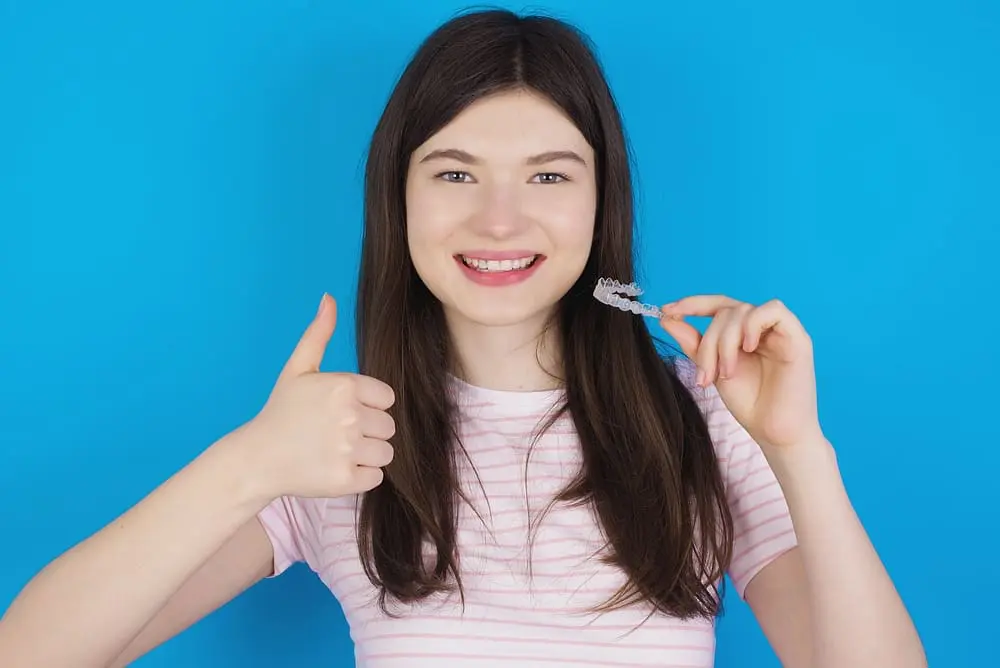
Portrait of a young Asian woman smiling while holding silicone orthodontic retainers against a blue background after learning about the Importance of Wearing a Retainer

The Importance of Wearing a Retainer in Orthodontic Treatment

Preserving Results Post-Braces

Once braces are removed, teeth can slowly move back to their original positions. Retainers stop this from happening. They hold your teeth in place and ensure they stay correctly aligned. Wearing a retainer regularly means all the hard work from braces won’t be wasted.

Teeth shifting back can happen naturally over time, especially in the first year after treatment. Your retainer is your best defense against this. It helps make sure your smile stays straight and aligned for the long term.

Preventing Tooth Shift

Retainers are crucial because they prevent teeth from sliding back into old positions. Orthodontists often recommend wearing a retainer every day at first, then transitioning to nighttime use. This gradual change ensures your teeth stay in place without needing braces again.

Types of Retainers

Removable Retainers

Removable retainers are easy to take out. They are convenient for eating, brushing, and flossing. Popular types include:

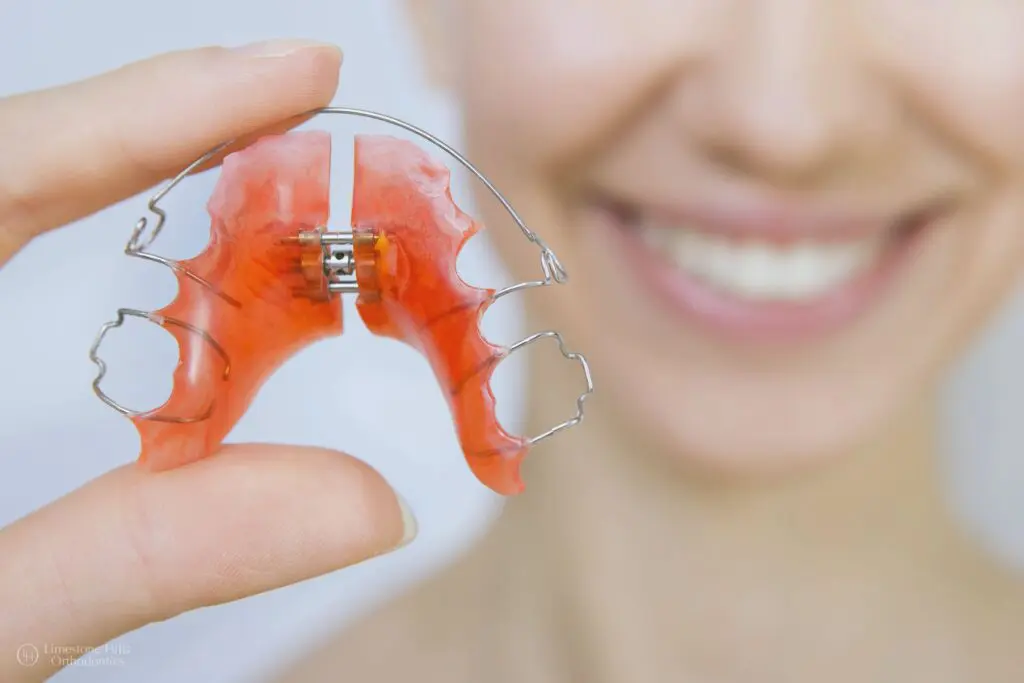
  • Hawley Retainers: Made of metal wires and acrylic, these are durable and adjustable.
  • Clear Retainers (Essix): These are plastic retainers that look like Invisalign. They are less noticeable and fit snugly over your teeth.

Removable retainers are a great choice for many people because of their flexibility. However, you must remember to wear them daily to get the best results.

Fixed Retainers

Fixed retainers are attached to the back of your teeth. They are invisible from the front and are perfect for those who might forget to wear a removable retainer. Fixed retainers stay in place and constantly protect your teeth from shifting.

Orthodontists may recommend fixed retainers for people who are more likely to experience tooth movement. They are especially helpful for younger patients or those with major alignment fixes.

Choosing the Right Retainer

The choice between removable and fixed retainers depends on your needs and your lifestyle. Your orthodontist will help you decide what works best for you. In some cases, people use both types for added protection.

Health Benefits of Wearing a Retainer

Oral Health Maintenance

Retainers not only keep your teeth straight but also support good oral health. By keeping teeth aligned, retainers reduce the risk of:

  • Gum Disease: Straighter teeth are easier to clean, which keeps your gums healthy.
  • Tooth Decay: Proper alignment allows you to brush and floss more effectively.

When teeth are crooked, food can get stuck in hard-to-reach places, leading to plaque buildup. Wearing a retainer ensures your teeth stay aligned and easy to clean.

Supporting Gum and Bone Structure

Aligned teeth help protect the gums and bones that support your teeth. Retainers help ensure these structures stay strong and healthy. They evenly distribute pressure when you chew, which reduces stress on your jaw and gums.

Long-Term Benefits of Retainers

A Lasting Smile

One of the biggest perks of wearing a retainer is having a beautiful smile that lasts. Retainers lock in the results of your orthodontic treatment, giving you straight teeth for life.

Avoiding Future Treatments

Wearing a retainer means you’re less likely to need braces again. Retainers protect all the time, effort, and money you’ve invested in your teeth. Consistent retainer use can save you from future orthodontic costs and treatments.

Common Concerns and Solutions

Challenges in Wearing Retainers

Some people find retainers uncomfortable at first. Others worry about losing or forgetting them. These concerns are normal but easy to manage. Here’s how:

  • Discomfort: If your retainer feels tight or odd, give it time. Your mouth will adjust within a few days.
  • Cleaning: Don’t forget to clean your retainer daily. Use a soft brush and mild soap to keep it fresh.
  • Routine: Create a habit of wearing your retainer, such as putting it in at night before bed.

Fixing and Replacing Retainers

Retainers can break, get lost, or wear out over time. If this happens, see your orthodontist right away to get a replacement. Don’t go too long without wearing one, as your teeth may start to shift.

Regular Check-Ups

Visit your orthodontist regularly to make sure your retainer still fits well and is working correctly. They can adjust or repair it if necessary to keep your treatment on track.
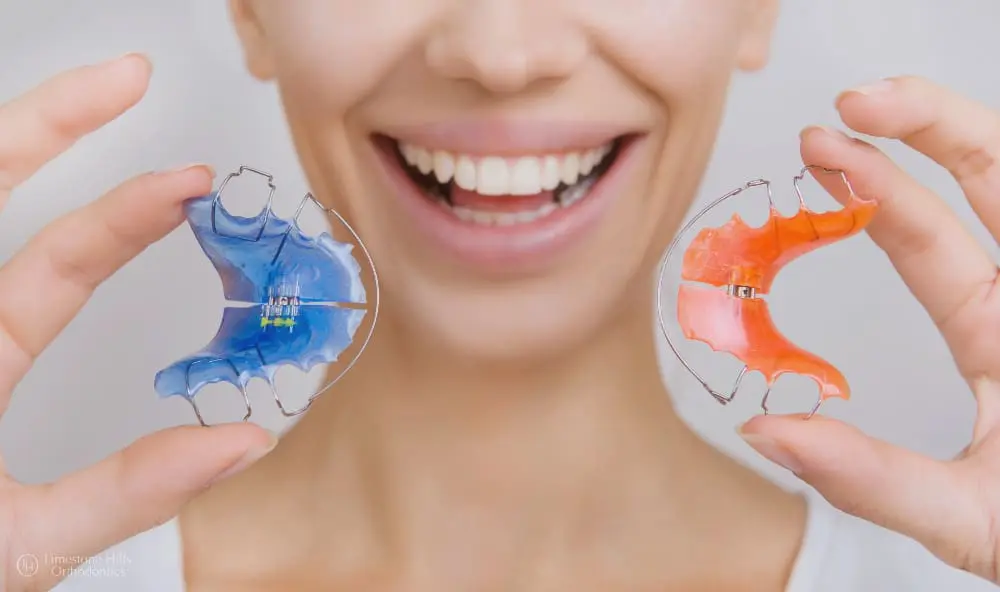
Beautiful smiling girl holding colorful retainers for teeth in a close-up shot after learning about the Importance of Wearing a Retainer.

Why Patients Choose Us for Orthodontic Care in Austin, TX

We’re dedicated to creating confident, healthy smiles with top-quality orthodontic care. Here’s what sets our practice apart:

Expert Care from Skilled Orthodontists

Our orthodontists have extensive experience treating alignment and jaw issues, using advanced techniques like reverse pull headgear to achieve the best results.

Personalized Treatment for Every Patient

We customize each treatment plan to ensure our patients receive the care that best suits their unique needs and goals.

Comprehensive Support at Every Stage

From your first consultation to the final adjustment, we’re here to guide you, answer questions, and provide the best care possible.

A Wide Range of Treatment Options

Whether you need traditional braces, Invisalign, or other orthodontic solutions, we offer multiple treatment choices to fit your lifestyle and orthodontic needs.

Contact Us Today!

Come see us in Austin, TX, for a free consultation! During your visit, we’ll assess your teeth, go over your treatment options, and discuss how we can help you achieve a straight, confident smile. Scheduling is simple—give us a call or visit our website to book a time that works for you! Our friendly team is ready to answer your questions and guide you every step of the way.

About the Authors

Dr. Rodrigo Viecilli – Orthodontist in Austin, TX

Frequently Asked Questions

What happens if you don’t wear a retainer?

If you skip wearing your retainer, your teeth might start to shift back to their old positions, which could undo all the hard work you put into achieving that beautiful smile. Over time, without the retainer to keep them in place, your teeth can gradually move, and you might notice changes in your bite or alignment. This can lead to discomfort and may even require additional orthodontic treatment down the line.

How long should you wear your retainer?

Initially, your orthodontist might suggest wearing it full-time for a few months, just to keep those teeth in line. After that, you can usually switch to wearing it only at night. But remember, everyone’s teeth are different, so it’s best to follow your orthodontist’s advice. Keeping your retainer on the regular is key to maintaining that beautiful smile you worked so hard for.

Do you need to wear a retainer forever?

While you might not need to wear it all the time forever, it’s super important to follow your orthodontist’s advice. Typically, after braces, you’ll need to wear your retainer regularly at first, and then you might switch to just wearing it at night. This helps prevent your teeth from shifting back to their old ways.
Choosing the Best Orthodontic Treatment in Austin, TX

When choosing the best orthodontic treatment, it’s essential to consider what suits your lifestyle and dental needs. Whether you prefer traditional braces, discreet Invisalign clear aligners, or lingual braces that stay hidden behind your teeth, finding the right option is key to a smooth treatment journey. Scheduling consultations with different orthodontists can help you understand their approach and determine the best fit for you. Be sure to check reviews, ask about their experience, and explore payment plans or insurance options to keep your treatment affordable. With the right research and guidance, you’ll be on your way to a confident, beautiful smile!

Choosing the Best Orthodontic Treatment for You

The first step is to think about what treatment suits your needs best. Do you want traditional metal braces, clear aligners like Invisalign, or lingual braces that stay hidden behind your teeth? Each option has its own benefits. For example:

  • Metal Braces: Perfect for complex alignment issues.
  • Clear Aligners: Ideal if you want a discreet, removable solution.
  • Lingual Braces: Great if you prefer braces that don’t show at all.

Your lifestyle also plays a role. Teens may like braces with colorful bands for a fun look. Adults often prefer Invisalign because it is nearly invisible. Consulting with a trusted orthodontist is the best way to figure out what will work for you.

Understanding Your Orthodontic Needs

Before choosing a treatment, it’s important to understand your specific concerns. Are your teeth crowded or crooked? Do you have a bite issue, like an overbite or underbite? Knowing this helps orthodontists recommend the best solution.

Assessing Orthodontic Issues

Your orthodontist will evaluate problems like:

  • Misalignment: Teeth that overlap or stick out.
  • Jaw Irregularities: Problems with how your upper and lower jaws align.
  • Bite Problems: Issues like crossbites, overbites, or underbites.

Setting Your Goals

Ask yourself what you want to achieve through treatment. Is it purely cosmetic, or do you want to improve your oral health as well? A clear goal will help you and your orthodontist create the right plan.

Types of Orthodontic Treatments Available

Austin has many orthodontic clinics offering a range of treatments. Here are the main types:

Traditional Metal Braces

Metal braces are the most common type of treatment. They are durable and effective, especially for more challenging cases. While they are visible, many patients choose colorful bands to make them fun.

Ceramic Braces

Ceramic braces work like metal ones but are made with clear or tooth-colored materials. They are less noticeable but a bit more delicate than metal braces.

Lingual Braces

These braces attach to the back of your teeth, making them completely hidden. They require a bit more maintenance and may cost more but are great for those who want a subtle option.

Clear Aligners (Invisalign)

Clear aligners, like Invisalign, are extremely popular. They are removable, nearly invisible, and convenient for eating and cleaning. Aligners are great for mild to moderate alignment issues.

Factors to Consider When Choosing Treatment

Every treatment has its pros and cons. Here’s what you should think about when weighing your options:

Oral Hygiene

Metal braces require extra care to clean around brackets. Clear aligners are removable, making brushing and flossing easier. If maintaining oral health is a top concern, aligners may be your best choice.

Treatment Duration

Treatment times vary by the method and severity of your issue. Metal braces often require about 18-24 months, while Invisalign treatments may be slightly faster for minor corrections.

Cost and Insurance

Orthodontic treatments can be expensive. Metal braces tend to be more affordable, while options like Invisalign and lingual braces may cost more. Check with your insurance provider to see what is covered and discuss payment plans with your orthodontist.

Comfort and Convenience

Metal braces may cause discomfort, especially after adjustments. Invisalign aligners are smooth and less likely to irritate your gums. Consider how much convenience and comfort matter to you when making a decision.

How to Choose the Right Orthodontist

Picking an orthodontist is just as important as choosing the treatment. A skilled, experienced professional will guide you through the entire process and ensure you achieve your goals.

Experience and Expertise

Look for an orthodontist with experience in the treatment you’re considering. Ask if they have worked with cases like yours before.

Reviews and Testimonials

Check online for reviews or ask for testimonials from past patients. This gives you an idea of the quality of care and results the orthodontist provides.

Consultation and Communication

Schedule a consultation to ask questions and discuss your concerns. Pay attention to how the orthodontist communicates. A good orthodontist will take the time to explain options, listen to your needs, and ensure you feel comfortable.

Questions to Ask During Your Consultation

When meeting your orthodontist, make sure you ask these key questions:

  1. What treatment options are available for me?
  2. How long will my treatment take?
  3. What will the costs be, and are payment plans available?
  4. How often will I need to visit for adjustments?
  5. How will this treatment affect my daily life?

Getting clear answers will help you feel confident in your decision.

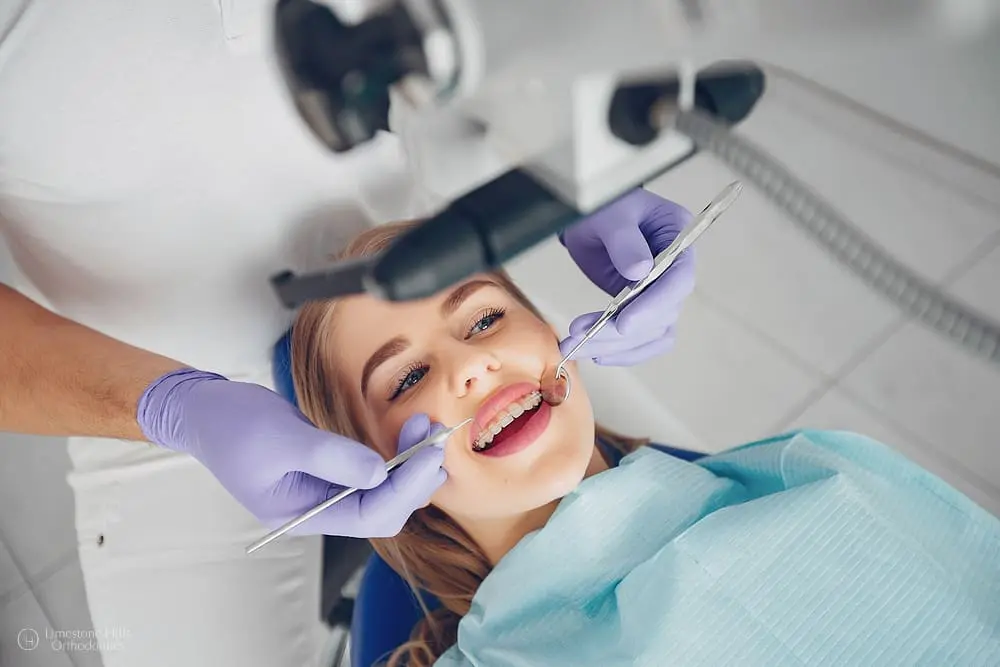
Upset woman sitting in a dental chair while a dentist wearing latex gloves holds dental instruments after Choosing the Best Orthodontic Treatment.

Transforming Smiles with Expert Care in Austin, TX

At our Austin orthodontic office, we’re committed to delivering high-quality, personalized care. Here’s why families choose us for their orthodontic treatments:

Specialized Orthodontic Expertise

Our experienced orthodontists specialize in jaw alignment and bite correction for children and teens, offering cutting-edge solutions like reverse pull headgear.

Individualized Treatment Plans

We believe no two smiles are the same, which is why we create treatment plans designed to address each patient’s unique orthodontic needs.

Support You Can Count On

From the first visit to the final results, our friendly team provides continuous support, ensuring you feel comfortable and informed throughout your treatment.

Flexible Treatment Options

We offer traditional braces, Invisalign, and specialty appliances to accommodate various orthodontic needs, making it easy to find the right solution for you.

Contact Us Today!

Come see us in Austin, TX, for a free consultation! During your visit, we’ll assess your teeth, go over your treatment options, and discuss how we can help you achieve a straight, confident smile. Scheduling is simple—give us a call or visit our website to book a time that works for you! Our friendly team is ready to answer your questions and guide you every step of the way.

About the Authors

Dr. Rodrigo Viecilli – Orthodontist in Austin, TX

Frequently Asked Questions

What is the most effective orthodontic treatment?

Many people like Invisalign because it is clear and can be removed for eating or cleaning. These aligners are almost invisible, making them a popular choice. For more complex issues, traditional braces work well and give precise control over tooth movement. The most effective treatment is the one that fits your needs.

Which type of braces gives the best results?

The best braces for you depend on your specific dental needs. Metal braces are trusted for their ability to fix a wide range of problems. Ceramic braces are less visible but offer similar results. Clear aligners, like Invisalign, are removable and convenient but may not work for all cases. Good results come from choosing the right type of braces and taking care of your teeth. Ask your orthodontist which option is best for you.

How do I choose a good orthodontist?

Finding a good orthodontist is easy if you know what to look for. Start by asking friends, family, or your dentist for recommendations. Read online reviews to see if patients are happy with the care they receive. Make sure the orthodontist is board-certified, proving they have proper training. Look for a clinic that is close and has office hours that match your schedule. Book a consultation to meet the orthodontist and their team. A good orthodontist will answer your questions and make you feel comfortable with your treatment plan.

Advanced Orthodontic Technology in Austin, TX

From 3D imaging and digital impressions that eliminate the need for messy molds to innovative options like Invisalign clear aligners and self-ligating braces, patients have access to a range of state-of-the-art treatments. These technologies not only enhance precision and customization but also improve the overall experience, ensuring that achieving a perfect smile is as seamless and stress-free as possible.

With advanced orthodontic technology in Austin, TX, patients can enjoy a smoother, more comfortable treatment journey.

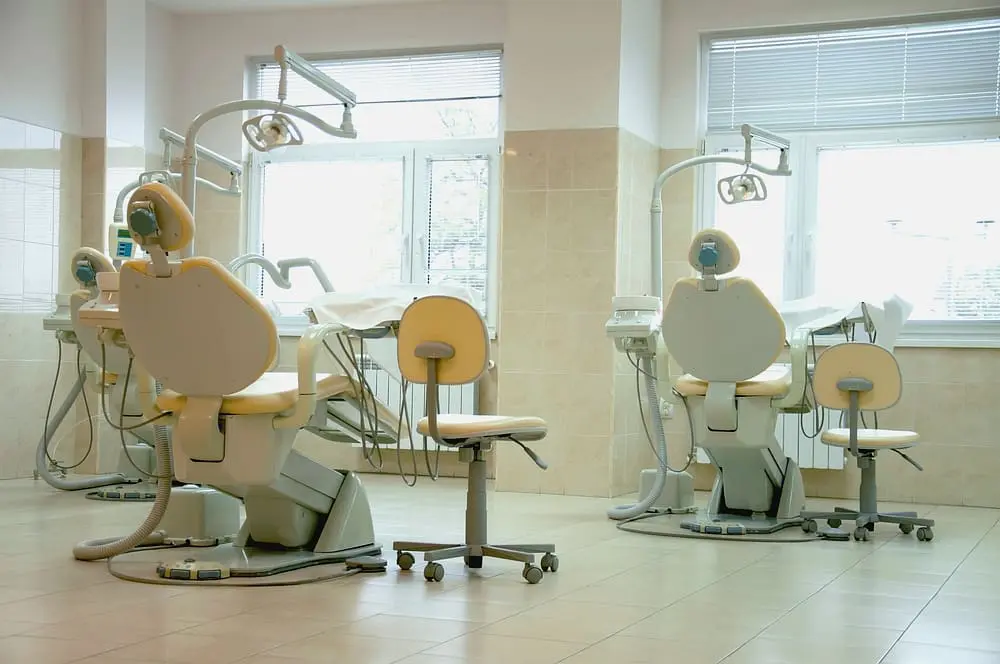
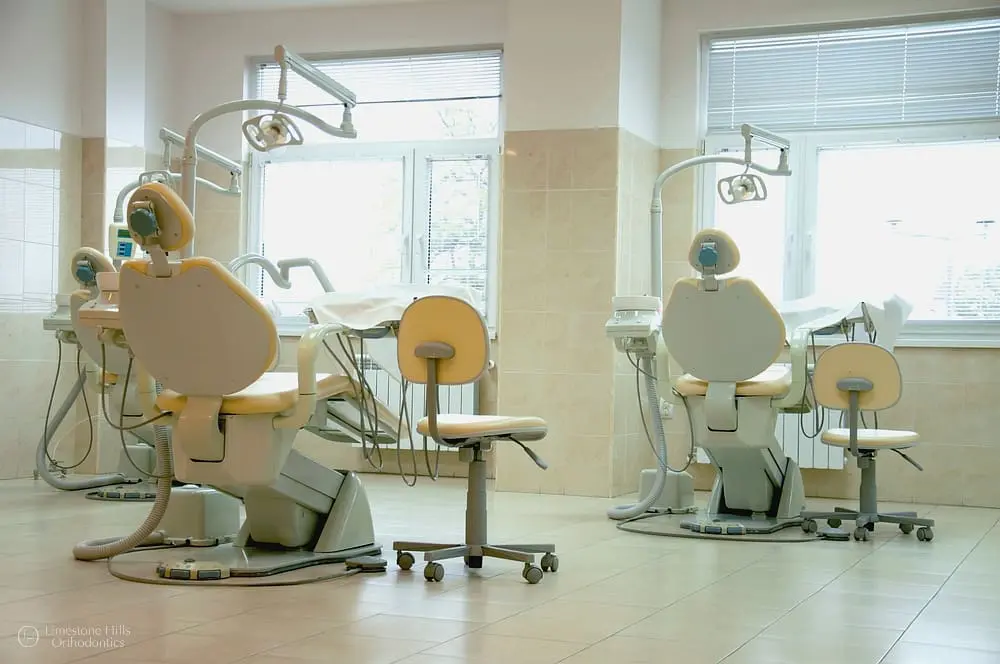
Modern dental office with chairs and equipment, showcasing advanced orthodontic technology and a clean and professional setting.

What Is Advanced Orthodontic Technology?

Advanced orthodontic technology is the use of modern tools to make dental care easier and more precise. This includes things like 3D imaging, digital tools, and clear aligner systems like Invisalign. These tools make the treatment process smoother and give patients better results.

Why Does Advanced Technology Matter?

Technology plays a big role in your orthodontic care. It helps orthodontists make better diagnoses, plan with precision, and complete treatments faster. For patients, this means fewer visits, less discomfort, and a smile that lasts a lifetime.

Orthodontic Treatments Using Advanced Technology in Austin

At Limestone Hills Orthodontics in Austin, TX, we use the latest technology to make treatment better for kids, teens, and adults.

Invisalign and Clear Aligners

Clear aligners, such as Invisalign, are a top choice for people who want straight teeth without wearing braces. These aligners are:

  • Transparent: They are almost invisible, so no one will notice you are wearing them.
  • Removable: You can take them out to eat, drink, or brush your teeth.
  • Custom-Made: Advanced scanners create aligners that fit your teeth perfectly.

Aligners are especially popular with adults who want a discreet option for orthodontic treatment.

Modern Braces

We also offer advanced options for braces.

  • Clear Braces: These braces are less noticeable because they match the color of your teeth.
  • Self-Ligating Braces: Without elastic bands, they feel more comfortable and work faster than traditional braces.

Digital Scanners and 3D Imaging

We use digital scanners instead of the messy molds you might remember. These scanners take precise pictures of your teeth and jaws, which helps us design your treatment more accurately.

How Technology Makes Treatment Better

Faster Treatments

Modern tools reduce the time it takes to fix your teeth. This means fewer visits and faster results.

More Comfortable Treatments

Advanced braces and aligners are designed with your comfort in mind. They cause less irritation and require fewer adjustments.

Better Results

Tools like 3D imaging allow orthodontists to plan treatments that are precise and effective. This means you can count on getting the results you want with fewer surprises along the way.

Who Can Benefit from Orthodontic Technology?

The great thing about modern orthodontic tools is that they work for everyone!

  • Kids and Teens: Braces and aligners help growing teeth get straight and aligned correctly.
  • Adults: Adults love Invisalign because it provides a discreet way to improve their smile without interrupting their lifestyle.
  • Seniors: Even older adults can use braces or aligners to fix crooked teeth or alignment problems.

Modern technology ensures that there is a treatment option that fits your age, needs, and goals.

Planning for Orthodontic Treatment

Advanced care starts with a well-thought-out plan.

Understanding Your Needs

Before beginning treatment, you and your orthodontist will discuss what you’d like to achieve. Do you want straighter teeth? Are you fixing jaw issues? Your smile goals will determine the best plan.

Treatment Options

At Limestone Hills Orthodontics, we offer a wide range of treatments, such as:

  • Invisalign: Ideal for adults and teens who want a removable, clear option.
  • Metal Braces: Best for severe alignment issues.
  • Clear Braces: A less noticeable choice for people who don’t want metal braces.
  • Other Appliances: Includes retainers and expanders for more specialized cases.

Cost and Payment Plans

Orthodontic treatments with advanced technology may cost more, but they are worth it because of the faster and better results. We make care affordable by offering payment plans. You can also check with your insurance provider to see if some costs are covered.

Beautiful girl sitting in the dentist's office, smiling while receiving dental care using advanced orthodontic technology.

Exceptional Orthodontic Care in Austin, TX

At our Austin orthodontic practice, we’re dedicated to providing top-tier, personalized care for every patient. Here’s why families choose us for their orthodontic needs:

Expert Orthodontists

With years of experience, our skilled orthodontists specialize in treating children and teens with jaw alignment concerns. We offer advanced treatments like reverse pull headgear to ensure optimal results.

Tailored Treatment Plans

Every smile is unique, and so is our approach. We create customized treatment plans designed to meet each patient’s specific needs and goals.

Comprehensive Support

From your initial consultation to the final step of your treatment, our compassionate team is here to guide you, answer questions, and make adjustments as needed.

Multiple Treatment Options

We offer a range of orthodontic solutions, including Invisalign, traditional braces, and specialized appliances like reverse pull headgear, so you can find the best fit for your smile journey.

Experience Cutting-Edge Care at Limestone Hills Orthodontics

Come see us in Austin, TX, for a free consultation! During your visit, we’ll assess your teeth, go over your treatment options, and discuss how we can help you achieve a straight, confident smile. Scheduling is simple—give us a call or visit our website to book a time that works for you! Our friendly team is ready to answer your questions and guide you every step of the way.

About the Authors

Dr. Rodrigo Viecilli – Orthodontist in Austin, TX

Frequently Asked Questions

What is the latest technology in orthodontics?

The world of braces and aligners is getting a high-tech makeover with the introduction of 3D-printed braces and clear aligners. These nifty gadgets are customized to fit your teeth perfectly, thanks to advanced imaging technology that maps out your mouth in incredible detail. Plus, AI is stepping in to help orthodontists plan treatments more efficiently and accurately, making the whole process smoother and faster for patients.

How much does accelerated orthodontics cost?

On average, you might be looking at a range from $3,000 to $8,000. Of course, this is just a ballpark figure, and it’s always a great idea to chat with your orthodontist to get a more precise estimate tailored to your unique smile needs.

What is the new method to straighten teeth?

If you’re curious about the latest and greatest way to straighten teeth, let me introduce you to clear aligners! These nifty little devices are like magic for your smile. They’re transparent, removable, and custom-made to fit your teeth perfectly. You just pop them in and go about your day. Plus, they’re super easy to clean and don’t come with any dietary restrictions.

Fix Broken Braces Bracket: Expert Tips & Solutions

If you have a broken braces bracket, the first step is to stay calm and assess the situation. If the bracket is still attached to the wire, gently push it back into place using a clean cotton swab or the eraser end of a pencil. To prevent irritation, apply a small amount of orthodontic wax to cushion any sharp edges.

It’s important to schedule an appointment with your orthodontist as soon as possible to have the bracket properly repaired. In the meantime, avoid hard or sticky foods that could make the issue worse.

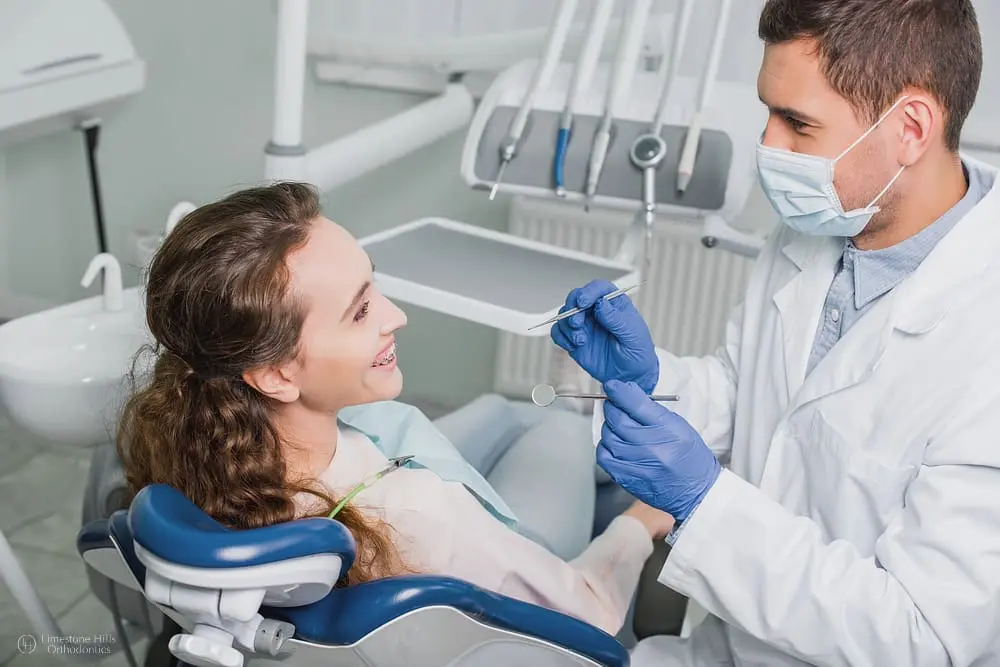
At Limestone Hills Orthodontics in Austin, TX, a dentist with gloves and mask discusses treatment with a smiling patient in a chair.

What to Do If a Braces Bracket Breaks

A broken bracket may seem like a big problem, but with some quick action, you can minimize discomfort and keep your treatment on track.

  1. Stay Calm and Assess the Situation
    Start by checking the broken bracket’s condition. Is it still attached to the wire, or has it come completely loose? If it’s still connected, carefully push it back into place using the eraser end of a pencil or a clean cotton swab.
  2. Apply Orthodontic Wax
    Broken or loose brackets can sometimes cause irritation inside your mouth due to sharp edges. To protect your cheeks and gums, place a small piece of orthodontic wax over the bracket to cushion it. This temporary fix will reduce discomfort until you can visit your orthodontist.
  3. Avoid Hard or Sticky Foods
    Eating such foods can cause further damage to your braces. Stick to soft foods like yogurt, mashed potatoes, and soup until the issue is resolved.
  4. Call Your Orthodontist
    Schedule an appointment with your orthodontist as soon as possible. It’s important to get the bracket repaired to ensure your treatment stays on schedule and effective. Let them know about the situation in detail so they can guide you on the next steps.

These quick actions can help prevent the problem from worsening and keep you comfortable until professional help is available.

Common Causes of Broken Braces Brackets

Braces are designed to be durable, but accidents can happen. Understanding the common causes of broken brackets can help you prevent future issues:

  • Eating Hard Foods: Foods like nuts, popcorn, and ice can put excessive pressure on your braces. Sticky treats like caramel and gummy candies can pull on the brackets, causing them to loosen or break.
  • Oral Habits: Chewing on pens, fingernails, or other non-food items can wear down your braces over time. These habits may seem harmless but can lead to bracket damage.
  • Accidental Impact: Sports injuries or minor accidents, such as bumping your face, can damage the wires or brackets. Protective measures like mouthguards during physical activities can help prevent this.

By avoiding these common causes, you can protect your braces and ensure smooth progress in your orthodontic journey.

Immediate Actions for Broken Braces Brackets

If you discover a broken bracket, here are some immediate actions you can take:

  • Contact Your Orthodontist: The sooner you address the issue, the better. A broken bracket can delay your treatment or cause additional problems if left unchecked. An orthodontist will determine whether the bracket needs to be fixed immediately or if it can wait until your next scheduled appointment.
  • Use Orthodontic Wax to Reduce Irritation: Orthodontic wax provides a temporary solution by covering sharp edges, helping to prevent cuts or sores inside your mouth. Keep some wax on hand at all times for emergencies.
  • Quick Fixes for Protruding Wires: If a wire is sticking out and causing discomfort, you can use tweezers to move it back into place. If it’s too long, carefully trim the end with sterilized nail clippers. Be gentle to avoid further damage.

These steps are easy to follow and can provide temporary relief until a professional repair can be made.

Preventing Braces Bracket Damage

Prevention is a key part of ensuring a trouble-free orthodontic experience. Follow these tips to minimize the chances of breaking a bracket:

  1. Avoid Hard, Sticky, or Crunchy Foods
    Stick to a braces-friendly diet. Soft foods like rice, mashed potatoes, fish, and bananas are gentle on your braces and reduce the risk of damage. Cut harder foods, like apples or carrots, into smaller pieces before eating. Avoid candy and sticky treats altogether.
  2. Use Protective Gear
    If you play sports, especially contact sports, always wear a mouthguard to shield your braces from impact. A custom-made orthodontic mouthguard offers the best protection and ensures a comfortable fit.
  3. Practice Good Oral Hygiene
    Regular brushing, flossing, and dental check-ups keep your braces clean and strong. Use a soft-bristled toothbrush to gently clean around your brackets and wires. An oral irrigator or orthodontic floss threader can help remove any trapped food particles.

Taking these precautions will extend the life of your braces and help you avoid unnecessary repairs.

Why Prompt Action is Important

Broken brackets need to be fixed as quickly as possible—not just for comfort, but to ensure your treatment stays on schedule. Braces work by applying consistent pressure to your teeth. A loose or broken bracket interrupts this process and can cause delays in achieving your results.

Additionally, leaving a broken bracket unrepaired can lead to further problems, such as wire misalignment or discomfort due to irritation in your mouth. Acting quickly ensures your orthodontic journey remains smooth and effective.

Orthodontic Treatment and Ongoing Care

At Limestone Hills Orthodontics, we believe that quality orthodontic care doesn’t end with braces installation—it includes consistent support and guidance throughout treatment. Our team emphasizes regular check-ups and education to help patients maintain their braces and address issues like broken brackets promptly.

Here’s what ongoing orthodontic care should look like:

  • Regular Appointments: Routine adjustments and inspections keep your braces effective and ensure any problems are caught early.
  • Emergency Repairs: If you experience a broken bracket or wire, our team ensures you receive timely assistance to prevent any disruption in your treatment plan.

Our goal is to make your orthodontic journey smooth and stress-free.

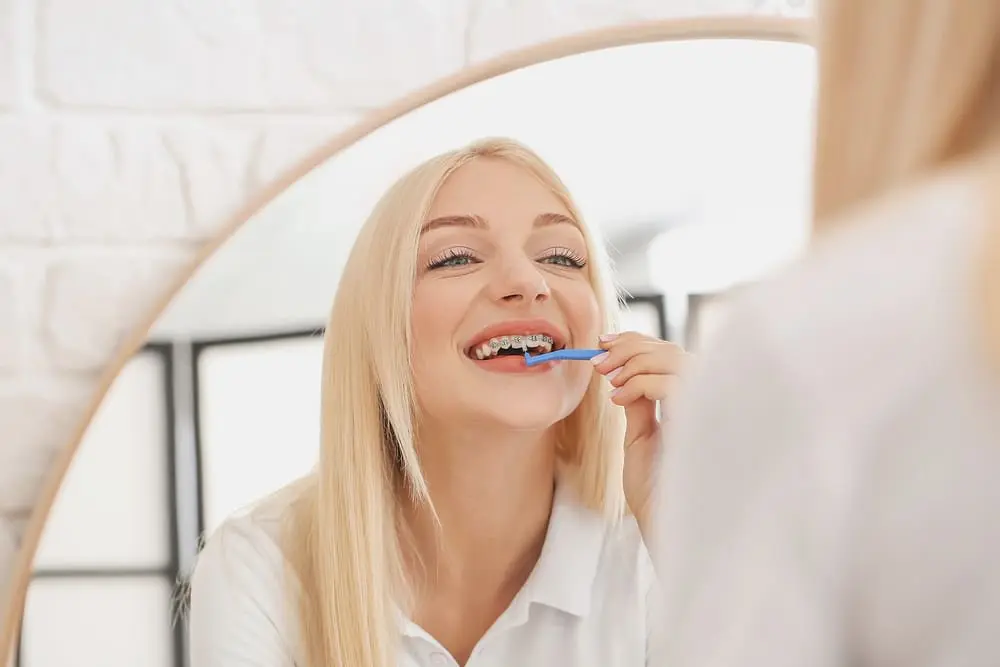
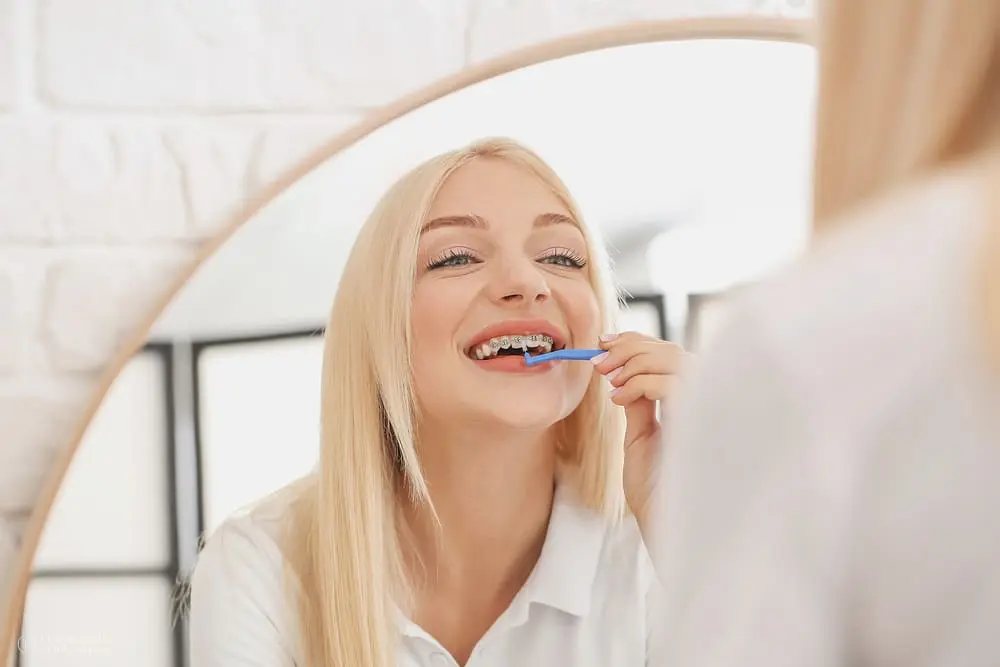
Young woman with metal braces holding a toothbrush at home, smiling confidently not worrying about her broken braces bracket

Why Choose Our Orthodontic Treatment in Austin, TX

At our Austin orthodontic office, we prioritize expert care and personalized treatment. Here’s what makes our practice the top choice for families in the area:

Top Orthodontic Expertise

Our highly trained orthodontists bring years of experience in treating children and teens with jaw alignment concerns, offering specialized treatments like reverse pull headgear.

Tailored Treatment Plans

No two smiles are alike, and neither are our treatment plans. We customize every patient’s care to ensure optimal results for their unique orthodontic needs.

Supportive & Friendly Team

We walk with you every step of the way, from your first consultation to the final result. Our team is here to answer questions, make adjustments, and ensure your comfort.

Wide Range of Treatment Options

From Invisalign and traditional braces to reverse pull headgear, we offer the latest orthodontic treatments to suit your specific needs.

Contact Us Today!

Come see us in Austin, TX, for a free consultation! During your visit, we’ll assess your teeth, go over your treatment options, and discuss how we can help you achieve a straight, confident smile. Scheduling is simple—give us a call or visit our website to book a time that works for you! Our friendly team is ready to answer your questions and guide you every step of the way.

About the Authors

Dr. Rodrigo Viecilli – Orthodontist in Austin, TX

Frequently Asked Questions

What to do if you break a braces bracket?

First things first, try to stay calm and check if the bracket is still attached to the wire. If it’s loose, gently push it back into place with a clean finger or the eraser end of a pencil. If it’s causing discomfort, you can cover it with orthodontic wax to prevent irritation. It’s a good idea to give your orthodontist a call and let them know what happened—they’ll advise you on whether you need to come in for a repair or if it can wait until your next appointment. Meanwhile, try to avoid sticky or hard foods that might cause more damage.

How long can I go with a broken brace bracket?

If you find yourself with a broken brace bracket, it’s generally okay to wait a short while before getting it fixed, but it’s best not to delay too long. Ideally, you should contact your orthodontist as soon as possible to schedule a repair appointment. They can provide guidance on how to manage any discomfort or issues in the meantime. Remember, keeping your treatment on track is important for achieving that perfect smile, so try to get it sorted out within a week or so.

Do orthodontists charge for broken brackets?

When it comes to broken brackets, orthodontists usually have different policies. Some might offer a free fix for the first few incidents, while others may charge a small fee to cover the cost of materials and time. It’s always a good idea to check with your orthodontist directly to understand their specific policy. They’re usually pretty understanding, especially if it’s a rare occurrence. So, don’t hesitate to reach out and ask them about it!

Orthodontic Rubber Bands: Don’t Skip It!

Orthodontic elastic bands, also called rubber bands, are tiny but powerful tools in orthodontic treatment. They play an essential role in moving teeth and aligning the jaws. If you’re wearing braces or considering braces, you’ve likely heard about orthodontic rubber bands. But how exactly do they work, and why are they important?

This guide explains the types of orthodontic elastic bands, how they are used, and what you need to know to ensure your treatment is successful.

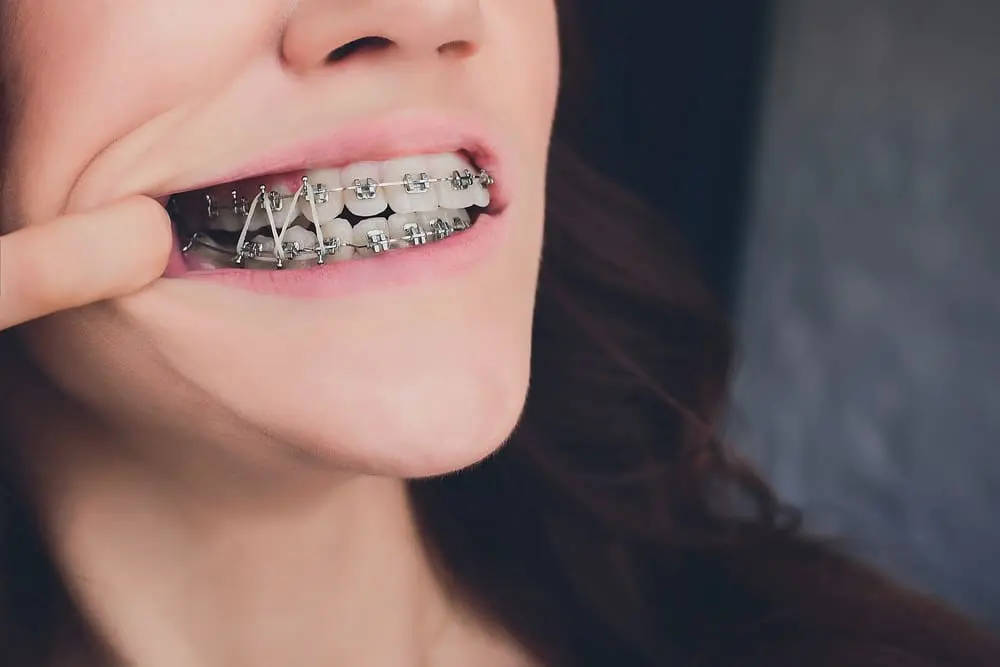
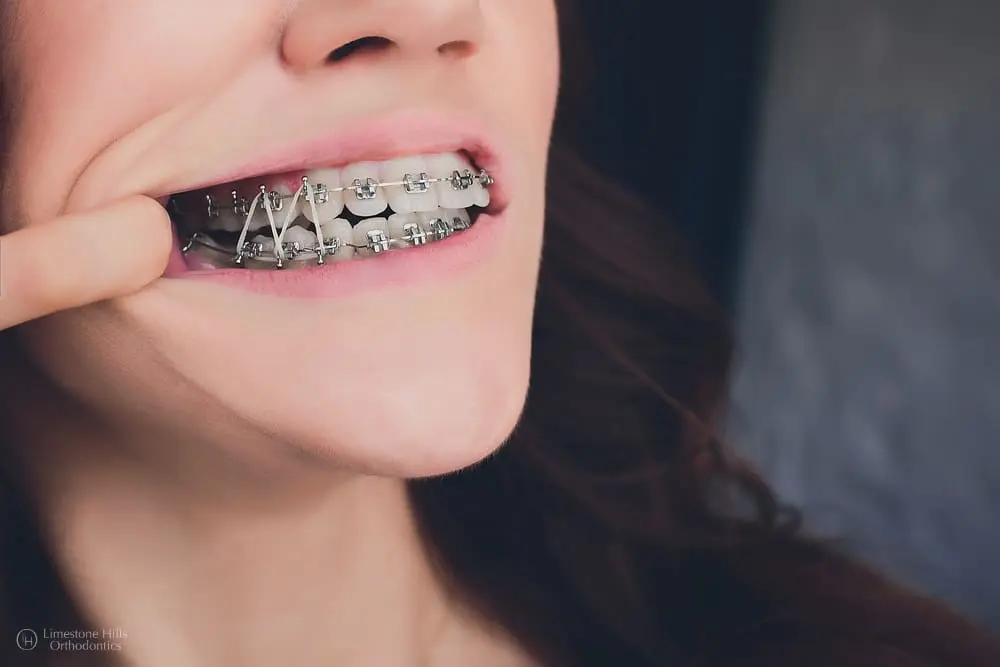
Close-up of a woman wearing orthodontic rubber bands on her braces.

Why Are Orthodontic Rubber Bands Important?

Orthodontic elastic bands help apply pressure to move teeth and adjust the jaw’s position. Braces alone might not be enough to correct bite issues or close gaps between teeth. Orthodontic rubber bands provide that extra push to make sure your smile is properly aligned.

These small rubber bands are stretched across different hooks on your braces to guide your teeth into the desired position. With consistent use, elastics can dramatically improve the results of your orthodontic treatment.

Types of Orthodontic Elastic Bands

Did you know there are several types of orthodontic rubber bands? Each one has specific jobs based on what kind of bite or alignment issue you need to fix.

  • Class II Rubber Bands: These are used when patients have an overbite. They work by pulling the upper teeth backward and the lower teeth forward to correct the bite.
  • Class III Rubber Bands: These are for patients with an underbite. Class III orthodontic rubber bands work in the opposite way of Class II elastics—they move the lower teeth backward and the upper teeth forward.
  • Vertical Rubber Bands: These are used to help close gaps between the upper and lower teeth, making the bite fit together correctly. They are often applied to improve overall alignment as well.

Your orthodontist will determine which type of orthodontic rubber bands you need based on your treatment plan.

How Are Orthodontic Rubber Bands Attached?

Attaching elastics is straightforward, but it’s important to do it correctly to ensure that your treatment progresses as planned. Here’s how they generally work:

  • Hooks on the Upper Canine Teeth: These are common anchor points for elastics. They allow the rubber bands to pull the upper teeth into the correct position.
  • Hooks on the Lower Brackets: These are used to adjust the position of the lower teeth and jaw.

Elastics are placed between these hooks to create the tension needed to move your teeth. Your orthodontist will show you exactly how to attach them during your appointments. Proper attachment is crucial to ensure the bands work as intended.

How to Use Orthodontic Rubber Bands

Wearing elastics may seem challenging at first, but with practice, it becomes part of your routine. To get the best results, follow these tips:

  • Wear Them as Directed: Most orthodontists recommend wearing them 20–24 hours a day. Remove them only during meals, brushing, and flossing. Consistency is the key to achieving results as quickly as possible.
  • Replace Them Daily: Orthodontic elastics lose their elasticity over time, which can make them less effective. Change them at least once a day or as directed by your orthodontist. Keeping them fresh ensures they provide the proper tension.
  • Keep Extras on Hand: Always carry extra bands with you. If one breaks or gets lost, you’ll be able to replace it right away and avoid delays in your treatment.

Caring for Your Orthodontic Rubber Bands and Braces

Maintaining your elastics and braces is essential for keeping your teeth healthy during treatment. Here are some tips to ensure success:

  • Brush Your Teeth Regularly: Brushing at least twice a day—and preferably after meals—will help prevent plaque buildup around your brackets and elastics. This keeps your teeth and gums healthy.
  • Remove Elastics Before Meals: Orthodontic rubber bands should always be taken out when you eat or drink (except for water). Otherwise, they might snap or lose their elasticity. Removing them during meals also allows for easy cleaning of your teeth and braces.
  • Inspect for Wear and Tear: Check your elastics and braces daily to make sure nothing is broken or out of place. If you notice a problem, contact your orthodontist.

Common Challenges with Orthodontic Rubber Bands (and How to Handle Them)

Using orthodontic rubber bands can take some getting used to, and you might experience a few bumps along the way. Here are some common challenges and how to deal with them:

  • Elastic Breakage: Rubber bands can break, especially when you first start using them. If this happens, replace the elastic immediately. Missing even a few hours of wear time can slow down your progress.
  • Discomfort or Soreness: When you first start wearing orthodontic rubber bands, you might feel some soreness in your teeth or jaw. This is normal because your teeth are moving. Over-the-counter pain relief can help, but if the discomfort persists, let your orthodontist know.
  • Difficulty Attaching Them: Attaching your orthodontic rubber bands might feel tricky at first, but with practice, it becomes easier. Use a mirror and follow your orthodontist’s instructions closely. Carrying a small mirror with you can also help when you’re not at home.

How Long Will You Need to Wear Orthodontic Rubber Bands?

The amount of time you’ll need orthodontic rubber bands depends on your specific treatment plan. Some patients wear them for just a few months, while others might need them for most of their treatment. Following your orthodontist’s instructions for how often and how long to wear elastics is critical to finishing your treatment on schedule.

Happy teenage girl with metal braces and glasses with orthodontic rubber bands, smiling at the camera.

Why Families Trust Our Austin, TX Orthodontic Practice

Your child’s smile deserves expert care, and our Austin orthodontic office is here to provide just that. Here’s what sets us apart:

Expert Orthodontists

We have extensive experience treating jaw alignment issues in children and teens, using effective solutions like reverse pull headgear.

Custom Treatment for Every Patient

We believe in personalized care, tailoring treatment plans to fit each patient’s unique smile.

Compassionate, Ongoing Support

Our team is here to answer questions, adjust treatments, and support your child through every step of their orthodontic journey.

Advanced Treatment Choices

From Invisalign to braces and reverse pull headgear, we offer multiple options to ensure the best results for each patient.

Contact Us Today!

Come see us in Austin, TX, for a free consultation! During your visit, we’ll assess your teeth, go over your treatment options, and discuss how we can help you achieve a straight, confident smile. Scheduling is simple—give us a call or visit our website to book a time that works for you! Our friendly team is ready to answer your questions and guide you every step of the way.

About the Authors

Dr. Rodrigo Viecilli – Orthodontist in Austin, TX

Frequently Asked Questions

What is the rule of 3 orthodontic rubber bands?

The rule of 3 rubber bands is a delightful little trick to keep your hair game strong and steady! Imagine you’re out and about, and suddenly, your trusty hair tie snaps—oh no! That’s where the rule of 3 rubber bands comes in handy. It’s all about having three hair ties on your wrist or in your bag at all times. This way, you’re always prepared for any hair emergency, whether it’s a sudden gust of wind or an impromptu workout session.

How long should you wear rubber bands in braces?

When it comes to wearing rubber bands with your braces, it’s all about following your orthodontist’s advice, as they know what’s best for your unique smile. Generally, you’ll need to wear them most of the day, even while sleeping, but you can take them out when eating or brushing your teeth. The duration can vary from a few weeks to several months, depending on your treatment plan.

What happens if I don t wear my rubber bands for a few days?

If you skip wearing your rubber bands for a few days, it might slow down the progress of your orthodontic treatment. Your teeth need consistent pressure to move into the right position, and taking a break can cause them to shift back a bit. But don’t worry too much! Just try to get back on track as soon as you can, and remember that every day counts towards that perfect smile. Keep up the great work!

What Happens When Your Retainer Doesn’t Fit?

Retainer Doesn’t Fit: Understanding Common Issues and Finding Solutions

It’s pretty common for retainers to feel a bit off, especially if you’ve recently had them adjusted or if it’s been a while since your last fitting. Sometimes, it might be due to natural changes in your mouth, like teeth shifting slightly or even changes in your jaw. But worry not, there are some simple solutions! First, make sure you’re wearing it as instructed by your orthodontist, and if it’s still uncomfortable, don’t hesitate to give them a call. They can often make minor adjustments to ensure a snug and comfy fit. Remember, a well-fitting retainer is key to keeping that beautiful smile of yours in tip-top shape!

In this guide, we’ll explain why retainers may stop fitting properly, what you can do about it, and how to prevent future issues.

Young Asian woman smiling and holding a silicone orthodontic retainer to illustrate what happens when your retainer doesn't fit.

Signs Your Retainer Doesn’t Fit Correctly

Having trouble with your retainer often shows up in a few obvious ways. Here are the common signs to watch for:

  • It Feels Too Tight or Too Loose: When a retainer starts to feel uncomfortably tight or so loose that it doesn’t stay in place, this could mean it no longer fits correctly.
  • Painful Pressure: While some slight pressure is normal, sharp pain or serious discomfort when wearing your retainer is a warning sign.
  • Shifting Teeth: If you notice your teeth starting to shift or move out of alignment, your retainer may not be doing its job.

If you experience any of these signs, it’s time to take action.

Why Doesn’t My Retainer Fit Anymore?

A retainer is carefully molded to fit your mouth. However, several factors can cause it to stop fitting the way it used to.

  • Teeth Shifting Over Time: Not wearing your retainer regularly is the most common reason for fit issues. If too much time has passed, your teeth might start to shift back to their original position.
  • Damage or Warping: Retainers are sensitive to heat and rough handling. Cleaning your retainer with hot water or accidentally stepping on it can change its shape, creating a poor fit.
  • Natural Changes in Your Mouth: As we age, our mouths naturally change shape. This process can make a retainer that once fit snugly uncomfortable or ineffective.

Understanding these causes is the first step in fixing the problem.

What Should I Do If My Retainer Doesn’t Fit?

If your retainer no longer fits properly, don’t panic. There are steps you can take to address the issue.

  1. Contact Your Orthodontist: Call us at Limestone Hills Orthodontics to schedule a visit. We can examine your retainer and your teeth to determine the best course of action.
  2. Don’t Force It: Trying to force your retainer into place can damage your teeth or the retainer itself. If it doesn’t fit easily, stop using it until you’ve consulted an orthodontist.
  3. Keep an Eye on Your Teeth: Take note of any changes in your smile or bite. If you notice teeth shifting significantly, mention it to your orthodontist as soon as possible.

Long-term Solutions for Retainer Problems

Ill-fitting retainers can usually be resolved with the help of your orthodontist. Here are some common solutions:

  • Regular Check-ups: Routine orthodontic visits can help catch potential issues early, ensuring your retainer continues to fit well.
  • Getting a Replacement Retainer: If your old retainer is damaged or no longer fits due to shifting teeth, your orthodontist can create a new one for you.
  • Proper Care and Maintenance: To avoid problems in the future, clean your retainer daily with cool water and gentle soap (or a cleaner recommended by your orthodontist). Always store it in a protective case to prevent damage.

These simple steps can save you time, money, and discomfort down the road.

Smiling girl holding a set of braces for teeth, showcasing what happens when your retainer doesn't fit

How to Prevent Your Retainer from Fitting Poorly

The best way to avoid problems with your retainer is by taking good care of it and wearing it consistently. Here’s how:

  1. Wear It Regularly: Follow your orthodontist’s recommendation for how often to wear your retainer. If you don’t wear it as instructed, your teeth may shift.
  2. Store It Safely: When you’re not wearing your retainer, keep it in its protective case to avoid accidents like dropping or crushing it.
  3. Avoid Heat Damage: Retainers can warp in high temperatures. Keep yours away from hot water, dishwashers, or direct sunlight to maintain its shape.

By following these tips, you can keep your retainer in good condition for years.

When to Seek Professional Help

Sometimes, even with the best care, your retainer might not fit correctly. If this happens, it’s essential to seek help from a trusted orthodontist. At Limestone Hills Orthodontics in Austin, TX, we specialize in retainer adjustments and replacements. We’ll work with you to find an effective solution, ensuring your teeth stay in their proper alignment.

Top Reasons to Choose Our Austin, TX Orthodontic Office

Choosing the right orthodontist is important. At our Austin practice, we go above and beyond to provide the best care for your child’s smile.

Trusted Orthodontic Expertise

Our experienced orthodontists have successfully treated children and teens with jaw alignment issues using advanced techniques like reverse pull headgear.

Customized Care for Every Smile

Each patient receives a treatment plan designed specifically for their needs, ensuring optimal results.

Support from Start to Finish

We’re with you at every step of the journey, answering questions, making necessary adjustments, and ensuring your child’s comfort.

Multiple Treatment Options

From Invisalign to traditional braces and reverse pull headgear, we offer a range of solutions to fit your child’s orthodontic needs.

Contact Us Today!

Come see us in Austin, TX, for a free consultation! During your visit, we’ll assess your teeth, go over your treatment options, and discuss how we can help you achieve a straight, confident smile. Scheduling is simple—give us a call or visit our website to book a time that works for you! Our friendly team is ready to answer your questions and guide you every step of the way.

About the Authors

Dr. Rodrigo Viecilli – Orthodontist in Austin, TX

Frequently Asked Questions

What to do when my retainer doesn’t fit?

No worries, it happens! First things first, don’t force it in, as that could cause damage. Instead, give your orthodontist a call to schedule an appointment. They’ll be able to assess the situation and see if your teeth have shifted or if the retainer needs adjusting. In the meantime, try to wear it as much as you comfortably can, but don’t stress if it’s not possible. Remember, your orthodontist is there to help, and they’ll have you back on track in no time!

Should I force my retainer to fit?

It’s really important not to force your retainer to fit if it’s feeling too tight or uncomfortable. Forcing it could cause damage to your teeth or the retainer itself. Instead, it’s a good idea to reach out to your orthodontist. They can check if adjustments are needed or if a new retainer is in order. Taking care of your smile is super important, and your orthodontist is there to help keep it in tip-top shape!

Common Causes of Crooked Teeth

Uncovering the Common Causes of Crooked Teeth

There are a few causes of crooked teeth. Sometimes, it’s all in the genes—just like eye color or height, the way our teeth align can be inherited from our parents. Other times, it might be due to childhood habits like thumb sucking or prolonged use of a pacifier, which can gently nudge those teeth out of place. Then there’s the space issue; if your mouth is a bit too small for all those teeth, they might crowd together or overlap. And let’s not forget about losing baby tooth too early or too late, which can also affect how adult teeth come in. So, while crooked teeth can be a bit of a mystery, it’s usually a mix of genetics, habits, and timing that shapes those unique smiles!

Group of orthodontists looking at a dental X-ray together in a clinic setting to investigate the causes of crooked teeth

1. Genetic Factors

Genetics play a major role in the alignment of your teeth. You may have inherited traits from your parents or relatives that make your smile unique but also cause dental challenges.

  • Jaw and Tooth Size: If your jaw size is too small for your teeth, it can cause overcrowding, leading to crooked teeth. On the other hand, extra spacing in a larger jaw may create gaps.
  • Misalignment Runs in Families: Having a family history of misaligned teeth could explain similar issues in your smile.
  • Overbite or Underbite: These are often inherited conditions that can impact your teeth’s alignment over time.

2. Developmental Issues

Sometimes dental alignment problems begin during childhood as the teeth and jaw develop. Early intervention can play a key role in preventing these issues from worsening later on.

  • Premature Loss of Baby Teeth: Losing baby teeth earlier than usual creates gaps that may interfere with how adult teeth grow in. Without proper guidance, they can shift out of place.
  • Delayed Eruption of Adult Teeth: If adult teeth come in late, existing teeth may drift into the wrong positions, resulting in misalignment.
  • Jaw Development Complications: Problems during jaw growth can lead to improper alignment, making early dental care vital for healthy development.

3. Myofunctional Habits

Certain childhood habits can have a lasting impact on tooth alignment. These habits should be addressed early to prevent misalignment.

  • Thumb Sucking: Prolonged thumb sucking can push the upper teeth forward or change the shape of the jaw, leading to an overbite.
  • Tongue Thrusting: Frequent tongue pressing against the teeth can alter their alignment, creating gaps or causing them to flare out.
  • Pacifier Use: Pacifiers can mimic the effects of thumb sucking if used beyond the recommended age. Limiting prolonged pacifier use can help protect dental alignment.

4. Oral Health and Hygiene

Maintaining good oral hygiene is essential for preventing alignment issues. Dental health problems can directly or indirectly cause teeth to shift into crooked positions.

  • Tooth Decay: Untreated cavities may lead to tooth loss, creating gaps that allow neighboring teeth to move out of place.
  • Gum Disease: Advanced gum disease weakens the gums and bone that support the teeth, increasing the likelihood of misalignment.
  • Consistent Oral Care: Prevention is the best medicine. Regular brushing, flossing, and professional cleanings keep your teeth and gums healthy, reducing the risk of crooked teeth.

5. Structural and Jaw Issues

The structure of your jaw and overall facial development can contribute to how your teeth align. Even minor irregularities in the jaw can lead to noticeable dental misalignment.

  • Poor Jaw Growth: If your jaw doesn’t develop properly, it can result in overcrowding, gaps, or crooked teeth.
  • Underbite and Overbite: These conditions affect how the upper and lower teeth come together, often pushing teeth out of proper alignment.
  • Crooked Jaw: Even a minor misalignment in the jaw can throw off the positioning of your teeth, causing uneven bites and alignment issues.

6. External Factors

Life events or accidents can also affect dental alignment. Injuries or dental trauma require prompt care to minimize long-term effects.

  • Injury to Teeth: Impact from a fall or accident can shift teeth out of their natural position. Broken teeth may also cause surrounding teeth to move over time.
  • Tooth Loss: Missing teeth, especially if left untreated, can cause other teeth to shift, leading to misalignment.
  • Regular Dental Checkups: Early identification of trauma or misalignment by a dental professional helps prevent further complications.

7. Treatment Options at Limestone Hills Orthodontics

No matter the cause, there are effective ways to fix crooked teeth. At Limestone Hills Orthodontics in Austin, TX, we offer a range of treatments tailored to your needs.

  • Braces: Traditional metal or ceramic braces remain one of the most reliable solutions for severe misalignment. They gradually shift teeth into proper positions with consistent adjustments.
  • Clear Aligners: Modern options like Invisalign are nearly invisible and perfect for fixing minor alignment problems. These custom-made aligners are removable for eating and brushing.
  • Rubber Bands: For jaw misalignment issues like overbites or underbites, orthodontic rubber bands can help pull the jaw and teeth into alignment over time.
  • Early Orthodontic Intervention: Treating alignment issues during childhood makes it easier to correct problems before they worsen.

Every smile is unique, and we believe in creating personalized treatment plans that address your specific concerns. By fixing crooked teeth, you’re not only improving your appearance but also enhancing your oral health and confidence.

Prevention Tips for Crooked Teeth

While not all causes of crooked teeth can be prevented, certain habits can help maintain better alignment:

  1. Practice good oral hygiene to prevent gum disease and decay.
  2. Avoid habits like thumb sucking or prolonged pacifier use.
  3. Schedule regular dental checkups to catch alignment issues early.
  4. Wear mouthguards during sports to protect your teeth from injuries.
  5. Consider orthodontic evaluations for children to address developmental concerns.

By staying proactive, many alignment issues can be minimized or avoided altogether.

Female orthodontist smiling while showing a dental jaw model with braces to explain about the causes of crooked teeth

Why Choose Our Austin, TX Orthodontic Practice?

At our Austin orthodontic office, we provide exceptional, personalized care to help every patient achieve a healthy, confident smile. Here’s why families choose us for their orthodontic needs:

Experienced Orthodontists

Our skilled orthodontists specialize in treating children and teens with jaw alignment issues. We offer advanced solutions like reverse pull headgear for effective results.

Tailored Treatment Plans

No two smiles are the same! We customize each treatment plan to fit your child’s unique orthodontic needs.

Guidance at Every Stage

From the initial consultation to the final smile reveal, our team is here to support you with expert advice, adjustments, and care.

Comprehensive Treatment Options

We offer a variety of solutions, including reverse pull headgear, Invisalign, and traditional braces, so every patient gets the best possible treatment.

Discover Your Smile at Limestone Hills Orthodontics

At Limestone Hills Orthodontics, we’re passionate about helping patients in Austin, TX, achieve their healthiest and most beautiful smiles. If you’re dealing with crooked teeth, our experienced team is here to provide expert care and personalized treatment plans.

Schedule a free consultation with us today to explore your options. Whether you’re considering braces, Invisalign, or other orthodontic solutions, we’ll guide you every step of the way. Let’s work together to transform your smile and boost your confidence!

About the Authors

Dr. Rodrigo Viecilli – Orthodontist in Austin, TX

Frequently Asked Questions

Can your teeth get crooked as an adult?

Yes, your teeth can indeed become crooked as an adult! It’s not just something that happens during childhood or adolescence. Various factors like natural aging, losing teeth, or even habits like grinding your teeth at night can lead to shifts in your smile. Even if you had braces as a kid, changes in your jawbone or gums over time can cause your teeth to move. But don’t worry, there are plenty of options to help keep your smile straight and healthy, from retainers to modern orthodontic treatments. So, if you’re noticing some changes, it might be a good idea to chat with your dentist or orthodontist!

Sports with Braces: A Comprehensive Guide for Athletes in Austin, TX

Balancing orthodontic treatment with athletic activities is essential for anyone playing sport with braces. Athletes, especially those in Austin, TX, can still enjoy their favorite sports while protecting their braces and maintaining good oral health. This guide offers helpful tips and recommendations to ensure you can safely participate in sports with braces without compromising your orthodontic treatment.

Young man with clear braces smiling outdoors, taking a break during a workout and sports with braces.

The Importance of Protecting Oral Health in Sports

Playing sports is a great way to stay active and healthy, but for athletes with braces, extra precautions are necessary. Braces introduce unique challenges, such as increased vulnerabilities to oral injuries and potential damage to braces. Protecting your teeth, mouth, and braces is essential to ensure both your safety and the effectiveness of your orthodontic treatment.

Oral Injuries and Braces

Sports-related activities pose risks to your mouth while wearing braces. Understanding these risks can help you plan preventive measures:

  • Lip Bumps and Cuts: Braces have metal brackets and wires that can cause cuts inside your lips and cheeks if there is sudden impact. This is especially common in contact sports.
  • Damage to Braces: Sports accidents like hits to the face can bend wires or break brackets, which may prolong your orthodontic treatment.
  • Tooth Damage: Without proper protection, your teeth could be damaged during physical activities.

By addressing these concerns in advance, athletes can minimize the risk of sports-related oral injuries.

Essential Protective Gear for Athletes With Braces

To stay safe while playing sports, it’s important to use protective gear specifically designed for people with braces.

Mouthguards: Your Best Defense

Wearing a mouthguard is the most effective way to protect your teeth and braces during sports. There are different types of mouthguards to choose from:

  1. Custom-Made Mouthguards:
    These are created by your orthodontist to fit your teeth perfectly. They provide the best protection but are more expensive than other options.
  2. Boil-and-Bite Mouthguards:
    You can shape these mouthguards at home by softening them in hot water and biting into them to create a fit. They are affordable but may not be as comfortable or effective for braces wearers.
  3. Orthodontic Mouthguards:
    Designed specifically for people with braces, these mouthguards are larger and softer than standard options. They adjust to your teeth as they move during treatment, offering consistent protection.
  4. Shock Doctor Mouthguards:
    These are highly durable and provide great protection for high-contact sports like football, hockey, or basketball. They are often recommended for athletes with braces.

Lip Guards for Extra Safety

In contact sports, lip guards can add another layer of protection. These guards cover the lips to protect them from cuts caused by braces. Some lip guards are made from soft silicone and are specially designed for athletes with braces.

How to Safely Play Sports With Braces

Athletes with braces don’t need to give up their favorite sports. With the right precautions, you can keep playing safely.

Tips for Contact Sports

Contact sports such as football, hockey, and basketball involve a higher risk of collisions and facial impact. Here’s how to stay safe:

  • Always Wear a Mouthguard: Use an orthodontic or custom-made mouthguard to protect your braces, teeth, and soft tissues.
  • Understand the Risks: Be aware of the common risks in your sport. For example, football players are more likely to encounter tackles that could injure their mouths.
  • Wear Protective Gear Consistently: Make sure to wear your mouthguard and other protective gear even during warm-ups or casual play.

Tips for Non-Contact Sports

Non-contact sports like running, swimming, or tennis are generally less risky, but athletes should still take some precautions:

  • Stay Hydrated: Drinking water prevents a dry mouth, which can make braces feel uncomfortable during long exercises.
  • Use a Mouthguard for Peace of Mind: Even in non-contact sports, wearing a simple mouthguard can protect you from accidental bumps or falls.
  • Be Gentle: Avoid hitting your mouth with hands, equipment, or other objects.

Working With Your Orthodontist During Sports Seasons

Your orthodontic treatment can continue smoothly even if you’re an active athlete. With careful planning and communication, you can balance sports and braces.

Plan Around Your Sports Schedule

Talk to your orthodontist about your sports commitments. They can help you schedule adjustments or appointments at times that don’t interfere with big games or practices. For example:

  • Schedule appointments early in the week so any soreness from adjustments doesn’t affect weekend games.

Be Prepared for Emergencies

Accidents can happen, especially in contact sports. If a bracket breaks or a wire comes loose during a game, let your orthodontist know right away. They can guide you on how to temporarily manage the issue until it can be fixed.

Options for Orthodontic Treatment for Athletes

Athletes have several options for orthodontic treatment, allowing them to choose what works best for their lifestyle:

Traditional Metal Braces

Metal braces are the most common and durable option. With proper protective gear, athletes can safely participate in sports without worrying about damaging their braces.

Clear Aligners

Clear aligners, like Invisalign, are a great option for athletes concerned about appearance or comfort. They are removable, which means you can take them out during games or practices when needed. However, it’s important to wear them as prescribed to stay on track with your treatment.

Ceramic Braces

Ceramic braces are similar to metal braces, but they use clear or tooth-colored brackets to make them less noticeable. While they are more fragile than metal braces, they remain a good choice for athletes who want a more discreet look.

Caring for Your Braces While Playing Sports

Proper care for your braces is essential when participating in sports. Follow these tips to maintain both your oral health and your orthodontic treatment:

  • Brush and Floss After Practices: Clean your teeth thoroughly to remove food and prevent buildup around braces.
  • Check Your Mouthguard Regularly: Inspect it for signs of wear and replace it if necessary.
  • Handle Emergencies Quickly: If your braces get damaged during a game, contact your orthodontist for guidance.
Happy young athlete pointing at his metal braces and smiling after doing sports with braces

Why Choose Our Orthodontic Practice in Austin, TX?

At our Austin orthodontic office, we’re dedicated to providing high-quality, personalized care to every patient. Here’s why families trust us for their orthodontic needs:

Experienced Orthodontic Experts

Our skilled orthodontists have years of experience treating children and teens with jaw alignment issues. We specialize in effective treatments like reverse pull headgear, delivering exceptional results tailored to each patient.

Customized Treatment Plans

No two smiles are the same, which is why we design personalized treatment plans to meet your child’s unique needs and goals, ensuring the best possible outcome.

Comprehensive Support Throughout Treatment

From your very first consultation to the final reveal of your new smile, our caring team is here to support you. We’re always available to answer questions, make adjustments, and offer guidance every step of the way.

A Wide Range of Treatment Options

We offer more than just reverse pull headgear. Our practice provides a variety of orthodontic solutions, including Invisalign and traditional braces, so we can find the perfect fit for every patient.

Schedule Your Free Consultation Today!

Come see us in Austin, TX, for a free consultation! During your visit, we’ll assess your teeth, go over your treatment options, and discuss how we can help you achieve a straight, confident smile. Scheduling is simple—give us a call or visit our website to book a time that works for you! Our friendly team is ready to answer your questions and guide you every step of the way.

About the Authors

Dr. Rodrigo Viecilli – Orthodontist in Austin, TX

Frequently Asked Questions

Can you still play sports with braces?

Absolutely, you can still play sports with braces! It’s all about taking a few extra precautions to keep your smile safe while you’re out there having fun. Many athletes with braces choose to wear a mouthguard, which is a simple and effective way to protect your teeth and braces from any unexpected bumps or falls. Plus, mouthguards come in all sorts of colors and styles, so you can even match them to your team colors if you want!

Can you play in the NFL with braces?

Yes, you can play in the NFL with braces! Many professional athletes, including football players, wear braces to protect their teeth and ensure their smiles stay intact while they tackle the gridiron. The key is to make sure your braces are well-fitted and that you use a proper mouthguard designed to accommodate them. This way, you can focus on the game without worrying about your dental gear.

Invisalign Attachments in Austin, TX

Invisalign is a popular way to straighten teeth without using braces. It’s a clear and discreet option that many people in Austin, TX, choose for their orthodontic care. To make Invisalign even more effective, small tools called Invisalign attachments are often used. These attachments are tiny, tooth-colored bumps bonded to the teeth. They help the aligner grip the teeth better, making tooth movement faster and more precise. This guide explains everything you should know about Invisalign attachments and their importance in achieving a great smile.

Smiling woman in green sweater points to aligner, referencing Limestone Hills Orthodontics in Austin, TX, and Invisalign insurance.

What Are Invisalign Attachments?

Invisalign attachments are small, bump-like additions placed on certain teeth during your treatment. Made from a resin material, these attachments are almost the same color as your teeth, so they blend in well and are not very noticeable.

Attachments enhance the effectiveness of Invisalign aligners by giving them a better grip on your teeth. This extra grip allows the aligners to apply pressure more precisely, helping with tough movements like rotating or tilting teeth.

Do All Patients Need Attachments?

No, not everyone requires attachments. They are mainly used for people who need more complex tooth adjustments. Cases with minor tooth movements may not need attachments, but if your teeth require extra force to move, attachments will likely be part of your treatment plan.

Why Are Invisalign Attachments Important?

Invisalign attachments play a critical role in many orthodontic cases. Their primary job is to help the aligners work better by ensuring the right amount of pressure is applied to specific teeth. Here’s why they’re important:

  1. Anchor Points: Attachments act as small handles, giving the aligners a place to grip the teeth tightly.
  2. Precise Pressure: With attachments, aligners can apply targeted pressure to move teeth in specific directions.
  3. Improved Results: Attachments allow Invisalign to handle complex cases like crowded teeth, gaps, bite problems, or tilted teeth.

What Types of Tooth Movements Need Attachments?

Attachments are required for specific types of movements, such as:

  • Rotating Teeth: If a tooth is twisted, attachments help the aligner turn it to the correct position.
  • Vertical Movements: Teeth that need to be moved up or down to align properly.
  • Closing Gaps: Attachments help aligners push teeth closer together to close spaces.
  • Crowding Issues: If teeth are overlapping, attachments provide the extra force needed to align them.

Without attachments, aligners may not have the strength to achieve these movements effectively.

Invisalign Attachments vs. Braces Brackets

While attachments and braces brackets both help move teeth, they are very different:

  • Size and Appearance: Attachments are much smaller and tooth-colored, making them less noticeable. Braces brackets are larger and often made of metal.
  • Removability: Invisalign aligners, along with their attachments, are removable, while braces are fixed and cannot be taken off during treatment.
  • Comfort: Attachments are smooth and subtle, while braces may cause discomfort due to their wires and brackets.

This makes Invisalign with attachments a great choice for people looking to fix their teeth discreetly.

How Are Invisalign Attachments Applied?

The Placement Process

Getting attachments is a simple and painless procedure that takes about 20–30 minutes. Here’s how it works:

  1. Cleaning: The orthodontist cleans and dries the surface of your teeth where the attachments will go.
  2. Template Creation: A custom template, made from aligner material, is placed over your teeth. This template ensures the attachments are positioned correctly.
  3. Bonding: A small amount of composite resin is placed in the template on the designated teeth. A special light is used to harden the resin and secure the attachments to your teeth.
  4. Final Touches: The template is removed, and the orthodontist polishes around the attachments to ensure your comfort.

Once the attachments are in place, the aligners will fit snugly over them, providing the grip needed to move the teeth efficiently.

How to Care for Invisalign Attachments

Keeping Them Clean

Proper cleaning is essential when you have attachments to avoid buildup of food or plaque around them. Here are tips to maintain good oral hygiene during treatment:

  • Brush your teeth after every meal, focusing on the areas around the attachments.
  • Use floss or an interdental brush to clean between your teeth and around the attachments.
  • Consider using a water flosser for a deeper clean.

By keeping your attachments clean, you can prevent staining and maintain a healthy, bright smile.

Adjusting to Attachments

At first, you might feel the attachments when you run your tongue over your teeth, but most patients get used to them quickly. If brushing feels tricky around the attachments, take your time and use tools like angled flossers or interdental brushes to ensure thorough cleaning.

Do Attachments Stay On Forever?

Attachments are temporary and will only stay on your teeth for the duration of your Invisalign treatment. Once your treatment is complete, the orthodontist will carefully remove the attachments. The teeth are then polished to remove any leftover adhesive, leaving your teeth smooth and clean.

Who Can Benefit Most from Invisalign Attachments?

Invisalign attachments are helpful for people with:

  • Crowded Teeth: Attachments provide the force needed to align tightly overlapped teeth.
  • Teeth Gaps: If there are spaces between your teeth, attachments help close the gaps more effectively.
  • Bite Problems: Attachments are often used to fix issues like overbites and underbites.
  • Rotated Teeth: Teeth that need to be turned can be adjusted faster with attachments.

An orthodontist will decide if you need attachments based on your specific needs during your consultation.

Benefits of Invisalign Attachments

Here are some key advantages of Invisalign attachments:

  • Better Results: Attachments make it possible to treat more complex cases, ensuring your teeth move into the correct position.
  • Discreet Appearance: They are small and tooth-colored, so they’re hard to see.
  • Comfortable and Removable: Unlike braces, Invisalign aligners and attachments are easy to remove when eating or brushing.

With these benefits, Invisalign attachments make orthodontic treatment more effective without sacrificing comfort or appearance.

Brunette woman smiling while holding Invisalign attachments clear aligners.

Why Choose Our Orthodontic Practice in Austin, TX?

At our Austin orthodontic office, we’re dedicated to providing high-quality, personalized care to every patient. Here’s why families trust us for their orthodontic needs:

Experienced Orthodontic Experts

Our skilled orthodontists have years of experience treating children and teens with jaw alignment issues. We specialize in effective treatments like reverse pull headgear, delivering exceptional results tailored to each patient.

Customized Treatment Plans

No two smiles are the same, which is why we design personalized treatment plans to meet your child’s unique needs and goals, ensuring the best possible outcome.

Comprehensive Support Throughout Treatment

From your very first consultation to the final reveal of your new smile, our caring team is here to support you. We’re always available to answer questions, make adjustments, and offer guidance every step of the way.

A Wide Range of Treatment Options

We offer more than just reverse pull headgear. Our practice provides a variety of orthodontic solutions, including Invisalign and traditional braces, so we can find the perfect fit for every patient.

Schedule Your Free Consultation Today!

Come see us in Austin, TX, for a free consultation! During your visit, we’ll assess your teeth, go over your treatment options, and discuss how we can help you achieve a straight, confident smile. Scheduling is simple—give us a call or visit our website to book a time that works for you! Our friendly team is ready to answer your questions and guide you every step of the way.

About the Authors

Dr. Rodrigo Viecilli – Orthodontist in Austin, TX

Frequently Asked Questions about Invisalign Attachment

Are Invisalign attachments necessary?

Invisalign attachments can be quite helpful, but whether they’re necessary really depends on your specific dental needs. These tiny, tooth-colored shapes are bonded to your teeth to help the aligners make the precise movements needed to straighten your smile. Think of them as little helpers that give your aligners a better grip! While not everyone will need them, they can be essential for more complex tooth movements.

Your orthodontist will be the best person to guide you on whether attachments are a must for your treatment plan. So, it’s always a good idea to have a chat with them to see what’s best for your journey to a straighter smile!

How long do Invisalign attachments stay on?

Invisalign attachments typically stay on your teeth for the duration of your Invisalign treatment, which can range from several months to a couple of years, depending on your specific orthodontic needs. These tiny, tooth-colored bumps are designed to help the aligners fit snugly and move your teeth more effectively. Your orthodontist will monitor them during your regular check-ups and ensure they’re doing their job. Once your treatment is complete, they’ll be gently removed, leaving you with a beautiful, straight smile!

Can you say no to Invisalign attachments?

Absolutely, you can say no to Invisalign attachments! It’s important to remember that your orthodontic journey is a personal one, and you have every right to discuss your preferences and concerns with your orthodontist. While attachments can enhance the effectiveness of your treatment by providing additional grip for the aligners, if you’re not comfortable with them, it’s perfectly okay to explore alternative options or adjustments to your treatment plan.

Orthodontic Treatment for Sleep Apnea

Orthodontic treatment for sleep apnea like mandibular advancement devices (MADs) can help by gently repositioning your jaw to keep your airway open while you snooze. These custom-made devices are designed to fit comfortably in your mouth, making it easier to breathe and reducing those pesky sleep disruptions. Plus, they’re a non-invasive option compared to other treatments, so it’s worth chatting with your orthodontist to see if this could be a good fit for you.

Orthodontist and assistant discussing treatment options with a female patient after her Orthodontic Treatment for Sleep Apnea

What Is Sleep Apnea?

Sleep apnea is a condition that causes breathing to stop and start during sleep. These pauses can last a few seconds or minutes and happen many times during the night. This disrupts your sleep and makes you feel tired during the day. If untreated, it can lead to problems like high blood pressure, heart issues, diabetes, or strokes.

Types of Sleep Apnea

There are three types of sleep apnea:

  • Obstructive Sleep Apnea (OSA): The most common type. It happens when muscles in your throat relax too much, blocking your airway.
  • Central Sleep Apnea: This occurs when your brain doesn’t signal your breathing muscles properly.
  • Complex Sleep Apnea Syndrome: A mix of obstructive and central sleep apnea.

Of these, OSA is the most common and often treatable with orthodontic solutions. Orthodontic treatments address structural issues in the jaw and palate, helping keep the airway open during sleep.

How Orthodontics Can Treat Sleep Apnea

Orthodontic care is not just for straightening teeth. It can also help people with sleep apnea by improving airflow and reducing blockages. Orthodontists can adjust the jaw and palate to fix problems that cause breathing issues during sleep.

Some of the ways orthodontic treatments help with sleep apnea include:

  • Moving the jaw: Adjustments to the upper or lower jaw can stop the tongue or soft tissues in the throat from blocking the airway.
  • Widening the upper jaw: Expanding the roof of the mouth creates more space for air to flow through the nasal passages.
  • Improving airway support: Structural corrections can prevent the airway from collapsing while sleeping.

These approaches help ensure a clear airway, making it easier to breathe throughout the night.

Mandibular Advancement Devices

A common orthodontic tool for sleep apnea is a mandibular advancement device (MAD). It works like a mouthguard and is worn while sleeping. It moves the lower jaw slightly forward to keep the airway open.

Benefits of MADs:

  • MADs prevent the tongue or tissues in the throat from blocking the airway.
  • They improve airflow to reduce snoring and breathing interruptions.
  • They provide a comfortable and less invasive option for mild to moderate OSA.

Patients prefer MADs because they are easy to use, non-invasive, and less cumbersome than other devices like CPAP machines.

Maxillary Expansion Techniques

Patients with narrow upper jaws may benefit from rapid maxillary expansion (RME). This treatment widens the upper jaw using a custom device, creating more room for air to flow.

Benefits of RME:

  • Better nasal breathing: Expanding the upper jaw improves airflow through the nasal passages, making breathing easier and more natural.
  • Reduced blockages: The additional space in the airway prevents it from collapsing during sleep.

This technique works especially well for children and teens, as their jawbones are still growing and can be adjusted more easily.

Surgical Orthodontic Options

Severe sleep apnea cases may need surgery. These surgeries fix jaw problems that cannot be addressed with devices. Examples include:

  • Maxillary Expansion: Expands the upper jaw for better airflow.
  • Jaw Advancement: Moves the upper jaw forward to stop airway blockages.

While surgery involves more recovery time, it can be a highly effective and long-lasting solution for severe sleep apnea.

Why Orthodontic Treatment Is Beneficial

Orthodontic care has many benefits for sleep apnea patients:

  • Better Sleep: Clearer airways mean fewer interruptions and deeper rest.
  • More Energy: You’ll wake up feeling refreshed and energized.
  • Improved Health: Treating sleep apnea lowers the risk of heart problems and other conditions.
  • Comfortable Options: MADs are easy to use and more comfortable than CPAP machines.

Orthodontic treatments address the root issues behind sleep apnea, creating long-term benefits for sleep and health.

Comparing Orthodontics and CPAP

CPAP machines are a popular treatment for sleep apnea. However, many people find them bulky and hard to use. Orthodontic solutions like MADs offer a simpler and more convenient alternative.

Orthodontic Treatments vs. CPAP Machines:

  • Ease of Use: Orthodontic appliances like MADs are small, lightweight, and portable compared to CPAP machines, which have multiple components.
  • Comfort: MADs fit comfortably in the mouth and are custom-made for each patient, unlike CPAP masks that can feel bulky.
  • Addressing the Cause: CPAP machines help manage symptoms by ensuring airflow, but orthodontic treatments can fix the structural issues causing sleep apnea.

For patients with mild to moderate OSA or those who struggle with CPAP therapy, orthodontics provides a practical, convenient alternative.

Female patient talking to her orthodontist during a consultation for her Orthodontic Treatment for Sleep Apnea

Why Choose Our Orthodontic Practice in Austin, TX?

At our Austin orthodontic office, we’re dedicated to providing high-quality, personalized care to every patient. Here’s why families trust us for their orthodontic needs:

Experienced Orthodontic Experts

Our skilled orthodontists have years of experience treating children and teens with jaw alignment issues. We specialize in effective treatments like reverse pull headgear, delivering exceptional results tailored to each patient.

Customized Treatment Plans

No two smiles are the same, which is why we design personalized treatment plans to meet your child’s unique needs and goals, ensuring the best possible outcome.

Comprehensive Support Throughout Treatment

From your very first consultation to the final reveal of your new smile, our caring team is here to support you. We’re always available to answer questions, make adjustments, and offer guidance every step of the way.

A Wide Range of Treatment Options

We offer more than just reverse pull headgear. Our practice provides a variety of orthodontic solutions, including Invisalign and traditional braces, so we can find the perfect fit for every patient.

Schedule Your Free Consultation Today!

Come see us in Austin, TX, for a free consultation! During your visit, we’ll assess your teeth, go over your treatment options, and discuss how we can help you achieve a straight, confident smile. Scheduling is simple—give us a call or visit our website to book a time that works for you! Our friendly team is ready to answer your questions and guide you every step of the way.

About the Authors

Dr. Rodrigo Viecilli – Orthodontist in Austin, TX

Frequently Asked Questions

Will insurance cover orthodontics for sleep apnea?

When it comes to orthodontics for sleep apnea, coverage really depends on your specific insurance plan. Some insurance providers do offer coverage if the orthodontic treatment is deemed medically necessary to treat sleep apnea. It’s a great idea to check in with your insurance company to get the scoop on what’s covered under your plan. They can provide the most accurate and detailed information, so you know exactly what to expect.

What is the most successful treatment for sleep apnea?

When it comes to tackling sleep apnea, the most successful treatment is often Continuous Positive Airway Pressure, or CPAP for short. It’s like having a trusty sidekick by your bedside, gently keeping your airways open with a steady stream of air while you catch those much-needed Z’s. Many folks find it to be a game-changer, helping them wake up refreshed and ready to take on the day. Of course, there are other options like lifestyle changes, oral appliances, or even surgery, but CPAP tends to be the go-to hero for many battling sleep apnea.

Can Braces Stain My Teeth?

Braces themselves don’t stain your teeth, but they can make it a bit trickier to keep your pearly whites sparkling clean. The brackets and wires can create little nooks and crannies where food particles and plaque love to hide. If these aren’t cleaned away properly, they can lead to staining or even cavities over time.

So, can braces stain my teeth? Not directly—but poor oral hygiene during treatment can. But don’t worry! With diligent brushing, flossing, and regular dental check-ups, you can keep your smile bright and healthy while rocking those braces. Remember, your orthodontist is there to help, so don’t hesitate to ask for tips on maintaining that dazzling smile!

Teenage girl with metal braces cleaning her teeth with an interdental brush, answering the question "can braces stain my teeth?"

Causes of Tooth Staining with Braces

Tooth staining can happen when braces are not paired with good oral care. Here are some key factors that contribute to discoloration:

1. Bracket and Wire Material

The brackets and wires used in braces can sometimes trap food particles and plaque, which increases the chances of staining. If you do not clean around these materials thoroughly, stains may develop where the brackets attached to your teeth.

2. Plaque Buildup

Plaque is a sticky layer of bacteria that forms on teeth. It tends to gather around braces, especially where the brackets and wires meet. If plaque builds up and isn’t removed, it hardens into tartar, which can discolor teeth.

3. Staining Foods and Drinks

Certain foods and beverages are more likely to stain teeth, particularly when wearing braces. These include:

  • Dark beverages: Coffee, tea, and soda can cause stains.
  • Colorful foods: Berries, tomato sauces, and curry can leave behind discoloration.
  • Sugary snacks: Sticky candies and sugary treats encourage plaque buildup, leading to stains.

Limiting these foods and drinks during your treatment can significantly reduce the chances of staining.

4. Poor Oral Hygiene Practices

Inconsistent brushing and flossing increase the risk of stains. When you don’t clean your teeth properly, plaque stays on your teeth longer, leading to discoloration around the brackets and gumline.

Preventing Stains While Wearing Braces

The good news is that stains can be prevented with a well-planned oral care routine and lifestyle adjustments.

1. Regular Brushing and Flossing

Brushing and flossing are your first line of defense against plaque buildup. Brush your teeth at least twice a day, and use floss threaders or orthodontic floss to get between braces and wires.

2. Use of Soft-Bristle Brushes

Soft-bristle toothbrushes are gentle on teeth and gums, making them ideal for cleaning braces. They’re effective at getting around brackets and wires without causing damage. Electric toothbrushes with special orthodontic heads can also be very helpful.

3. Dietary Adjustments

What you eat matters when it comes to preventing stains. To protect your teeth, limit or avoid:

  • Dark drinks like coffee, tea, and red wine.
  • Acidic drinks like soda, which can weaken enamel.
  • Foods with natural or artificial coloring, such as berries, candy, or brightly colored sauces.

Eating more braces-friendly foods, such as plain yogurt, bananas, and steamed veggies, can help keep your teeth clean and reduce staining risks.

4. Professional Cleanings

Visiting your dentist regularly for professional cleanings is crucial when you have braces. Dental professionals can remove plaque and tartar buildup that you might miss during daily brushing and flossing. Regular cleanings can prevent stains from becoming permanent.

Managing Stains and Maintaining Tooth Color

If stains occur despite your best efforts, there are ways to address them after your braces are removed.

1. Composite Restoration

Composite resin can be used to repair discoloration and restore the natural look of your teeth after braces. This method is especially helpful for addressing areas that are darker or unevenly colored.

2. Color Restoration Techniques

After your braces are removed, teeth whitening treatments can brighten your smile. Options include professional whitening at the dentist’s office or at-home whitening kits with custom trays.

3. Addressing White Spots

In some cases, white spots form on teeth during orthodontic treatment. These are areas where plaque was not cleaned properly, causing enamel demineralization. Treatments to address white spots may include:

  • Topical fluoride treatments: Fluoride can help rebuild weakened enamel.
  • Microabrasion: Light polishing removes surface-level spots.
  • Resin infiltration: A technique that fills affected areas with resin to match your tooth color.

Your dentist will recommend the best solution based on the severity of the problem.

Importance of Oral Hygiene During Orthodontic Treatment

Good oral hygiene is essential for preventing stains and keeping your teeth and gums healthy throughout your orthodontic journey.

1. Preventing Tooth Decay and Gum Disease

Braces create more areas for bacteria to hide, so proper cleaning is vital to prevent tooth decay and gum disease. Keep plaque at bay to ensure your teeth and gums remain healthy during and after treatment.

2. Removing Food Particles

Toothbrushes and floss tools designed for braces help remove food particles that can accumulate around brackets and wires. Rinsing with water or a mouthwash after meals can further help keep your mouth clean.

3. Maintaining Consistency

Make oral care part of your daily routine. Aim to brush for at least two minutes and focus on cleaning around each bracket and along the gumline. Consistency will pay off, helping you avoid staining and plaque issues.

Smiling patient in blue bib holding a dental model with metal braces illustrating "can braces stain my teeth?"

Why Choose Our Orthodontic Practice in Austin, TX?

At our Austin orthodontic office, we’re dedicated to providing high-quality, personalized care to every patient. Here’s why families trust us for their orthodontic needs:

Experienced Orthodontic Experts

Our skilled orthodontists have years of experience treating children and teens with jaw alignment issues. We specialize in effective treatments like reverse pull headgear, delivering exceptional results tailored to each patient.

Customized Treatment Plans

No two smiles are the same, which is why we design personalized treatment plans to meet your child’s unique needs and goals, ensuring the best possible outcome.

Comprehensive Support Throughout Treatment

From your very first consultation to the final reveal of your new smile, our caring team is here to support you. We’re always available to answer questions, make adjustments, and offer guidance every step of the way.

A Wide Range of Treatment Options

We offer more than just reverse pull headgear. Our practice provides a variety of orthodontic solutions, including Invisalign and traditional braces, so we can find the perfect fit for every patient.

Schedule Your Free Consultation Today!

Come see us in Austin, TX, for a free consultation! During your visit, we’ll assess your teeth, go over your treatment options, and discuss how we can help you achieve a straight, confident smile. Scheduling is simple—give us a call or visit our website to book a time that works for you! Our friendly team is ready to answer your questions and guide you every step of the way.

About the Authors

Dr. Rodrigo Viecilli – Orthodontist in Austin, TX

Frequently Asked Questions

Do teeth stains from braces go away?

Teeth stains from braces can definitely go away! Once your braces are removed, your teeth might have some temporary discoloration, but don’t worry. Regular brushing, flossing, and professional cleanings can help brighten your smile. Over time, any stains usually fade, and if you want an extra boost, whitening treatments can be a great option.

How to remove yellow stains from braces?

Start by brushing your teeth thoroughly after every meal with a fluoride toothpaste and a soft-bristled toothbrush. You might also want to try using an interdental brush or a water flosser to get into those hard-to-reach spots around the brackets. Rinsing with a mouthwash can also help keep your braces sparkling clean. For a little extra help, consider using a whitening toothpaste once or twice a week, but make sure it’s safe for braces.

Are Braces Necessary?

Expert Insights on Straightening Teeth

Braces are a great solution for achieving a straight, healthy smile. However, whether you need them depends on your individual dental needs. For some, braces are important to fix medical issues like jaw alignment or bite problems, which can get worse if left untreated. For others, braces are more about improving how their teeth look and boosting confidence. The best way to know “are braces necessary” for you is to visit an orthodontist. They can create a treatment plan that suits your needs.

Smiling teenage boy with metal braces, wearing a red hat, showing his teeth confidently while wondering are braces necessary for him?

Understanding the Purpose of Braces

Braces are designed to make teeth straight and fix alignment problems in the jaw or bite. They can make a big difference for your oral health and how you feel about your smile. The main reasons for braces are either medical or cosmetic.

Medical Reasons for Braces

Are Braces Necessary? Braces may be needed when dental or jaw problems affect your everyday life. Some examples of these problems include:

  • Chewing difficulties: Severe misalignment can make it hard to bite or chew food, which may lead to digestion problems.
  • Jaw pain: A poorly aligned jaw adds stress to your joints and causes discomfort.
  • Difficulty cleaning teeth: Crooked or overcrowded teeth are harder to keep clean, which increases the chances of cavities and gum disease.

Cosmetic Reasons for Braces

Braces are also popular for fixing how teeth look. Straight, well-spaced teeth help create a beautiful smile, which can make people feel more confident. Whether it’s closing gaps or aligning crooked teeth, braces address appearance concerns. While these changes are cosmetic, they can be life-changing for many.

Common Problems Braces Solve

Braces are used to treat a range of dental issues, such as:

  • Crooked or crowded teeth: Teeth growing too close together can cause discomfort and are harder to clean.
  • Bite problems: Overbites, underbites, and crossbites can make chewing or speaking difficult over time.
  • Gaps between teeth: Wide spaces make gums more exposed, leading to sensitivity and hygiene challenges.

By addressing these problems, braces improve both the function and appearance of your teeth.

Health Benefits of Braces

Braces do more than enhance appearances. They improve oral health and prevent potential dental issues in the future.

Short-Term Oral Health Improvements

When teeth are properly aligned, keeping them clean becomes much easier. Braces help by:

  • Reducing the risk of tooth decay: Straight teeth prevent food particles from hiding in hard-to-reach spaces.
  • Improving bite functionality: Braces align your teeth so they fit together correctly, making chewing and speaking easier.

Long-Term Benefits of Braces

The benefits of braces don’t stop once treatment ends. They protect your oral health for years to come:

  • Easier maintenance: Straight teeth are simpler to brush and floss, so you’re more likely to maintain a bright smile and healthy gums.
  • Prevention of major problems: Fixing alignment issues early ensures you won’t require costly, complicated procedures later, such as jaw surgery or dental restorations.

With these benefits, braces lay the foundation for lifelong good oral health.

Boosting Confidence and Social Comfort

How you feel about your smile can have an impact on your confidence. Braces not only improve your oral health but also help you feel good about how you present yourself to others.

Increased Self-Esteem

For many, uneven or crowded teeth cause embarrassment. Braces bring relief by:

  • Helping you feel confident: A healthy, straight smile makes people feel more comfortable in both personal and professional situations.
  • Reducing insecurities: Fixing teeth that you may be self-conscious about leads to feeling happier with your appearance.

Positive Social Perceptions

Your smile affects how others see you. Braces can improve social interactions in several ways:

  • Making strong first impressions: A neat smile gives off a positive impression in social and professional settings.
  • Adding comfort in conversations: When you’re happy with your teeth, you’ll engage more confidently with others.

Braces not only benefit your teeth but also influence the way you feel and how others interact with you, making them a meaningful investment.

Types of Braces and How to Choose

Once you’ve decided to get braces, the next step is to learn about the available options and choose what works best for you.

Traditional Metal Braces

Metal braces use brackets and wires to slowly straighten teeth. These are one of the most effective treatments for fixing complex alignment problems. Though they are more noticeable, they are durable and reliable for a variety of dental issues.

Invisalign Clear Aligners

Clear aligners like Invisalign are a more discreet option. These clear plastic trays shift teeth gradually and can be removed easily for eating and brushing. They are usually ideal for cases with mild to moderate alignment problems and are less obvious than metal braces. However, they require disciplined use to achieve the best results.

Factors to Consider

When deciding on the type of braces, think about:

  • Severity of the problem: Metal braces are better for complex alignment issues, while clear aligners work well for simpler corrections.
  • Lifestyle: If being able to remove the braces is important, clear aligners may be the best option.
  • Budget: Metal braces are generally more affordable than clear aligners, so costs may play a role in the decision.

Your orthodontist will help you weigh these factors and choose the treatment that fits your needs and lifestyle.

Hands holding dental tools near a smiling woman with metal braces, orthodontic treatment scene to explain are braces necessary

Why Choose Our Austin, TX Orthodontic Practice?

At our Austin orthodontic office, we’re dedicated to providing top-quality, personalized care to every patient. Here’s why families trust us with their orthodontic needs:

Expert Orthodontic Care

Our skilled orthodontists have years of experience treating children and teens with jaw alignment issues. We specialize in effective solutions like reverse pull headgear to help patients achieve great results.

Customized Treatment Plans

We understand that every smile is unique. That’s why we design personalized treatment plans tailored to meet your child’s specific needs and goals.

Comprehensive Support Throughout Treatment

From your first consultation to the final results, our friendly team will be with you every step of the way—answering questions, making adjustments, and offering expert advice.

Wide Range of Treatment Options

Along with reverse pull headgear, we offer a variety of options, including Invisalign and traditional braces, ensuring we have the right solution for every patient.

Book Your Free Consultation Today!

Visit our Austin, TX office for a free consultation! We’ll assess your teeth, review treatment options, and discuss how we can help you achieve a straighter, more confident smile. Scheduling is easy—just give us a call or visit our website to choose a time that works best for you. Our team is excited to help guide you on your journey to a beautiful smile!

About the Authors

Dr. Rodrigo Viecilli – Orthodontist in Austin, TX

Frequently Asked Questions

What happens if I don’t wear braces?

If you decide not to wear braces, it’s totally okay, but just keep in mind that your teeth might not align as perfectly as they could. You might experience some crowding or spacing issues, and in some cases, it could affect your bite, which might make chewing a bit tricky. Also, misaligned teeth can sometimes be a little harder to clean, which could lead to other dental issues down the road.

Do I need braces if I have TMJ?

If you’re dealing with TMJ (temporomandibular joint) issues, you might be wondering if braces could help. While braces are typically used to straighten teeth and correct bite issues, they can sometimes alleviate TMJ symptoms by improving the alignment of your bite. However, it’s not a one-size-fits-all solution, and not everyone with TMJ will need braces.

Will braces fix my clicking jaw?

If you’re dealing with a clicking jaw, braces might be part of the solution, but it really depends on the underlying cause. Sometimes, a clicking jaw can be due to misalignment or bite issues, which braces can definitely help with by straightening your teeth and aligning your bite. However, if the clicking is related to other factors like TMJ disorders, you might need a combination of treatments.