
Why Your Child Should Have Two-Phase Orthodontic Treatment in Austin, TX

Choosing two-phase orthodontic treatment for your child in Austin, TX, can be a fantastic decision for their long-term dental health and confidence. This approach allows orthodontists to address developmental issues early on, guiding the growth of your child’s jaw and teeth in the first phase, and then fine-tuning their smile in the second phase.

happiness facial expressions woman smile wears metal braces teeth pink - Why Your Child Should Have Two-Phase Orthodontic Treatment in Austin, TX

What is Two-Phase Orthodontic Treatment?

Two-phase orthodontic treatment is a treatment approach designed for children whose teeth and jaws are still growing. Instead of waiting until all adult teeth appear, the orthodontist treats certain problems early. The treatment happens in two separate stages over several years.

Phase 1: Early Treatment

Phase 1 usually begins when a child is between the ages of 6 and 10. At this age, children still have baby teeth along with some adult teeth. The goal of Phase 1 is to guide jaw growth and tooth development. This helps create enough space for adult teeth to grow in the right position.

Early treatment may help:

  • Guide jaw growth
  • Create room for incoming teeth
  • Reduce severe crowding
  • Correct early bite problems

This phase builds a strong foundation for future orthodontic care.

Rest Period

After Phase 1 ends, there is a rest period. During this time, the child’s teeth and jaw continue to grow naturally. The orthodontist will monitor your child during this stage. Regular check-ups allow the doctor to track tooth eruption and jaw growth. This break lets the body grow without active treatment.

Phase 2: Final Alignment

Phase 2 begins once most or all adult teeth have erupted. This stage usually starts between the ages of 11 and 13. During this phase, braces or aligners move teeth into their final positions. The goal is to create a healthy bite and a balanced smile.

Phase 2 focuses on:

  • Final tooth alignment
  • Bite correction
  • Improving the overall smile

Together, the two phases create lasting results.

Why Early Orthodontic Care Matters in Austin, TX

Early orthodontic care can prevent small dental problems from becoming serious ones. Children grow quickly, especially in their early years. During this time, the orthodontist can guide jaw development and tooth alignment while the bones are still flexible.

When treatment begins at the right age, it may help prevent:

  • Severe crowding
  • Bite problems
  • Jaw misalignment
  • The need for tooth removal later

Early evaluation allows orthodontists to find issues before they become harder to treat. As Dr. Fiona Shi, a recommended orthodontist in Kirkland, WA, often tells parents, catching problems early saves time and makes treatment much simpler for kids.

The Role of Growth and Development in Treatment Success

Jaw growth and development play an important role in orthodontic treatment outcomes. Because children’s bones are still growing, orthodontists can guide jaw development and correct bite problems more easily. Starting treatment at the right growth stage often leads to faster and better results.

Studies show that two-phase treatment during childhood can lead to healthier teeth, better alignment, and improved confidence. By using natural growth early, orthodontists can often reduce the need for more complex treatment later, leading to more successful outcomes.

Common Orthodontic Issues Addressed in Two-Phase Treatment

The following list highlights the most common orthodontic problems treated during two-phase care.

Bite correction

This fixes overbite, underbite, and crossbite issues. These problems affect chewing and speech. Good bite correction improves function and comfort.

Jaw alignment

The treatment guides upper and lower jaw growth. This creates balance and proper function. Strong jaw alignment supports overall oral health.

Crowding and spacing

The treatment makes room for adult teeth to come in straight. It prevents overlap and crooked teeth. Proper spacing is part of good alignment.

Tooth alignment issues

The treatment fixes crooked or rotated teeth. This creates a healthy, even smile. Straight teeth are easier to clean.

Treating these issues early prevents future oral health problems. You avoid gum disease, tooth wear, and jaw pain. Early intervention builds a strong foundation for life.

Why Choose Two-Phase Orthodontic Treatment in Austin, TX?

Every child is unique, so orthodontists in Austin create custom treatment plans based on each child’s needs, age, and growth stage. They use modern tools like digital X-rays and 3D scans to assess jaw development and tooth placement, improving diagnosis and planning.

A personalized plan helps achieve the best results in the shortest time. Treatment begins with a full examination and clear goals for each phase. Austin families trust local experts to provide personalized care and ongoing support.

Benefits of Two-Phase Treatment for Your Child

Two-phase treatment offers several long-term advantages.

Better long-term oral health

Straight teeth are easier to clean. This lowers the risk of cavities and gum disease. Good oral hygiene becomes simple. Your child builds strong habits early.

Stronger confidence

A beautiful smile boosts self-esteem during childhood and beyond. Kids feel better about themselves. Confidence helps in school and social settings.

Less need for invasive steps

Early intervention can prevent tooth removal or surgery. You avoid major procedures. Prevention is always better than fixing big problems later.

Better alignment

Straight teeth and jaws improve chewing, speaking, and breathing. Good alignment supports overall health. Your child feels more comfortable.

Solid foundation

Two-phase treatment builds a base for lifelong dental health. Early care sets kids up for success. The advantages of this treatment approach are clear. You get healthier teeth, fewer problems, and a bright smile. The benefits last a lifetime.

The Role of Austin Orthodontists in Early Evaluation

Book an early consultation. The American Association of Orthodontists says children should have their first orthodontic examination by age 7. Austin orthodontists check growth stages, jaw development, and tooth alignment during this visit. They look for signs of trouble. Early diagnosis helps spot issues that are easier to fix during childhood.

The orthodontist explains the assessment results. They tell you the best treatment timing for your child. They answer your questions and give clear advice. Regular check-ups ensure treatment starts at the ideal age. This timing leads to the best success and outcomes.

Appliances Used in Two-Phase Treatment

Orthodontists use several tools during treatment.

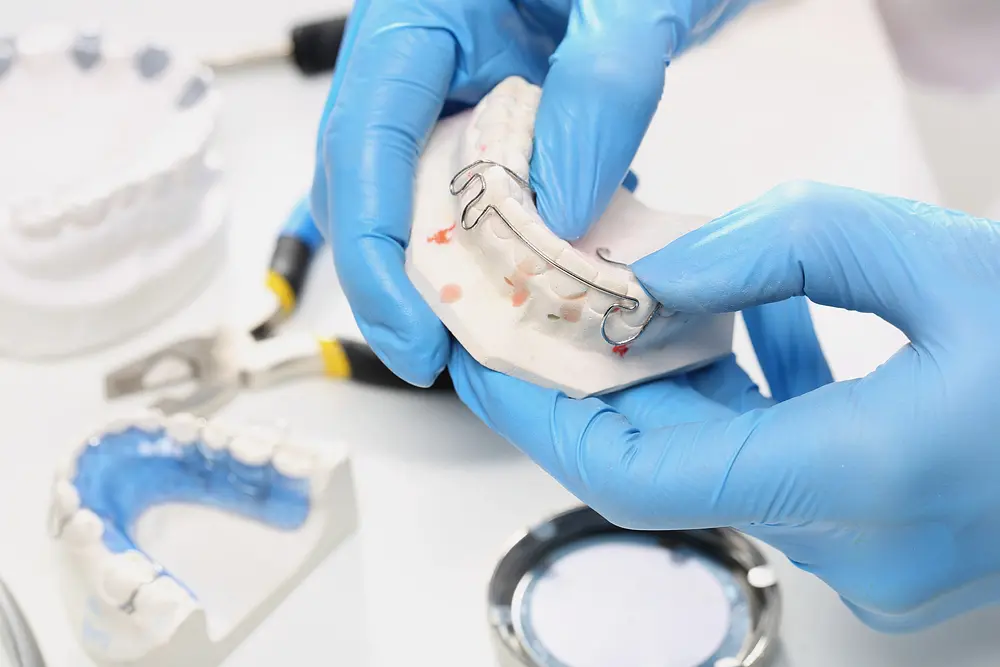
Expanders

These appliances widen the upper jaw to create space. They also fix crossbites. Expanders work best during childhood when bones are still growing. They use natural growth potential.

Braces

Metal or ceramic braces are often used in phase 2. They move teeth into perfect alignment. Braces give exact control and great outcomes. They are a trusted tool in orthodontics.

Aligners

Clear aligners like Invisalign Teen may work for older children in phase 2. Aligners are removable and nearly invisible. They offer comfort and ease.

Retainers

After active treatment, retainers hold teeth in place. They prevent relapse. Wearing retainers as directed protects your investment. They maintain results and keep your smile straight.

Why Timing Matters: Early vs. Late Treatment

Starting treatment at the right age offers major advantages. Early intervention guides growth, prevents more serious issues, and leads to better outcomes. Waiting too long can result in more complex problems, longer treatment time, and higher costs.

Two-phase treatment works with childhood growth and natural development to achieve the best results. Proper treatment timing is very important in orthodontics, and good planning from the start can make a big difference in treatment success and long-term smile health.

Detailed Look at Phase 1 Treatment

The following points explain what Phase 1 treatment includes and how it helps your child’s dental development.

1. When Phase 1 begins

Phase 1 is the first stage of a two-phase orthodontic treatment. It often starts when children are between the ages 6 and 10. At this age, kids still have baby teeth and some adult teeth. This stage allows orthodontists to guide early growth.

2. Goal of Phase 1

The goal is to guide jaw growth and make space for adult teeth. Early care helps teeth grow in the right direction. It can also correct bite problems before they become worse.

3. Appliances used

Common appliances include expanders and partial braces. Expanders widen the upper jaw to create space. Partial braces move certain teeth into better positions.

4. Treatment length

Phase 1 usually lasts about 9 to 18 months. This is the first of the treatment phases, and the timeline depends on the child’s needs and growth. After treatment, there is a rest period to allow natural growth.

5. Monitoring growth

During the rest period, the orthodontist checks your child’s teeth regularly. These visits help track jaw growth and new teeth. This monitoring helps plan the second phase of treatment.

6. Why Phase 1 matters

Phase 1 builds a strong base for future treatment. Early care can prevent bigger dental problems. It also helps guide jaw growth and create space for permanent teeth.

Detailed Look at Phase 2 Treatment

Here are the main steps and objectives of Phase 2 treatment.

1. When Phase 2 begins

Phase 2 is the final stage of treatment. It usually starts between ages 11 and 13. By this time, most adult teeth have erupted.

2. Goal of Phase 2

The goal is to improve tooth alignment and bite. This stage fine-tunes the smile. It helps create a healthy and balanced bite.

3. Appliances used

Orthodontists often use full braces or clear aligners. Braces move teeth with precise control. Aligners are removable and less visible.

4. Treatment length

Phase 2 usually lasts about 12 to 24 months, but the treatment timeline varies for each child. Good oral hygiene and following instructions help keep treatment on schedule.

5. Retainers after treatment

After braces or aligners, retainers keep teeth in place. They prevent teeth from shifting back. Retainers help maintain the final results.

6. Final results

Phase 2 completes the orthodontic process. It delivers the final straight smile. This stage improves both dental health and confidence.

How Two-Phase Treatment Supports Oral Hygiene and Health

Straight teeth are easier to clean, and good alignment makes brushing and flossing more effective. This improves oral hygiene and lowers the risk of cavities and gum disease while helping children build healthy habits early.

Proper jaw alignment also supports better breathing, chewing, and speech. Two-phase treatment builds a strong foundation for oral health, helps prevent future problems, and protects your child’s smile and overall well-being.

The Importance of a Comprehensive Evaluation and Diagnosis

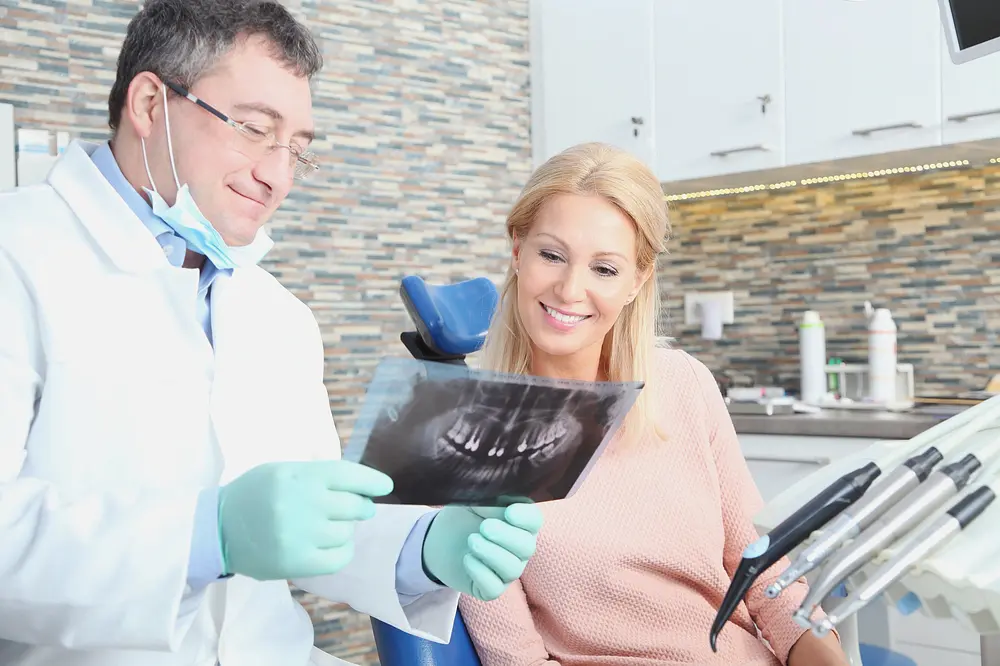
A full evaluation is the first step in any orthodontic treatment. During the examination, the orthodontist checks the teeth, jaws, bite, growth, and development. Digital X-rays, photos, and 3D scans help create a clear diagnosis and improve treatment planning.

The orthodontist then creates a custom treatment plan based on your child’s needs, age, and growth stage. Early evaluation helps catch problems before they worsen and allows orthodontists to guide treatment using natural growth for better results.

Building Confidence Through Orthodontic Care

A healthy smile does more than look good. It builds confidence and self-esteem. Children with straight teeth often feel more comfortable smiling, talking, and participating in school, sports, and social activities.

Two-phase orthodontic treatment helps fix problems early before they affect confidence. The benefits also go beyond appearance, as good alignment and oral hygiene support overall health and long-term well-being.
light curing seals the woman at the orthodontist - Why Your Child Should Have Two-Phase Orthodontic Treatment in Austin, TX

Choosing the Right Orthodontist in Austin, TX

Choosing the right orthodontist in Austin, TX takes careful thought. Look for a provider with strong training, experience in two-phase treatment, and a good reputation working with children. Visiting the office and asking questions can help you feel confident in your choice.

A good practice should offer modern technology, a friendly team, and a comfortable environment for kids. Many local clinics focus on family care and understand community needs. Choose an orthodontist who listens, communicates clearly, and supports your child’s health and smile.

Give Your Child the Best Start for a Healthy Smile

Two-phase orthodontic treatment can make a lasting difference in your child’s dental health and confidence. By guiding jaw growth early and refining alignment later, this approach helps prevent bigger problems down the road. Schedule a consultation with a trusted orthodontist in Austin, TX, to learn if two-phase treatment is right for your child. Early evaluation can lead to easier treatment, healthier teeth, and a confident smile that lasts a lifetime.

About the Authors

Dr. Rodrigo Viecilli – Orthodontist in Austin, TX

Dr. Fiona Shi – Orthodontist in Kirkland, WA

Frequently Asked Questions

Does every child need two-phase orthodontic treatment?

No, not every child needs two-phase orthodontic treatment. Some children only need one phase of treatment during their teenage years when all permanent teeth have come in. Two-phase treatment is usually recommended only if there are jaw growth problems, severe crowding, bite issues, or habits that affect dental development.

What happens if we skip Phase 1 and wait until the teenage years?

If early treatment is recommended but delayed, some problems may become more severe and harder to treat later. This could lead to longer treatment time, tooth extractions, or even jaw surgery in severe cases. However, not all children need Phase 1 treatment, so it is important to follow the orthodontist’s recommendation after an early evaluation.

How do I know if my child needs an early orthodontic evaluation?

You should schedule an orthodontic evaluation if you notice crowded teeth, early or late loss of baby teeth, difficulty chewing, mouth breathing, thumb sucking, or jaw shifting when your child bites. Even if you do not notice problems, orthodontists recommend a first evaluation around age 7 to check growth and development.

How Orthodontic Insurance Works in Austin, TX

Understanding how orthodontic insurance works in Austin, TX, can be challenging. At Limestone Hills Orthodontics, we want to help you learn about your insurance coverage before your treatment begins. When you know how your insurance plan works, you have the power to plan. You can set a budget and avoid surprise bills.

Continue reading to understand your coverage options and feel confident about your orthodontic care decisions.

denstist shows invisalign clear aligners - How Orthodontic Insurance Works in Austin, TX

What Is Orthodontic Insurance?

Orthodontic insurance is a special type of help. It is often a part of your main dental plan. But it is only for moving teeth. It helps pay for braces, Invisalign, and other tools. General dental insurance is for things like checkups and fillings. Orthodontic insurance is just for orthodontic treatment. It does not pay for routine care or small tooth repairs.

Each insurance plan is unique. As Dr. Kayla Carr, a highly recommended orthodontist in Fairview, TN, often explains, no two plans are the same. Some plans help a lot. Others offer only small support. Always read the fine print so you know what to expect. Some offer orthodontic benefits for kids. Others may have strict requirements for adults. You must always check the age limits before you begin.

What Orthodontic Insurance May Cover

  • Traditional metal braces: These use wires and brackets to move teeth.
  • Clear aligners: This includes things like Invisalign trays.
  • Initial exams: This is your first consultation at the office.
  • X-rays: These are pictures of your teeth and jaw.
  • Follow-up visits: These are visits to check your progress.
  • Retainers: These keep your teeth straight after the braces come off.

Before you begin, read your policy terms. Look for your coverage benefits. Check the limitations of the plan. Always bring your insurance information to your first visit.

Does Regular Dental Insurance Cover Braces and Other Orthodontic Treatment?

Not every dental plan has orthodontic benefits. This is a common mistake. People think all dental plans are the same. But they are not. If you are not sure, call your insurance carrier. You can also review your benefits package. This is the set of papers you got when you signed up for the plan.

If you do have orthodontic coverage, look for these things:

  1. Coverage Amount: Most plans cover a percentage of the bill. This is often 50%.
  2. Lifetime Maximum: This is a big one. It is the most money the plan will ever pay for your teeth. Once you hit this lifetime maximum, the plan pays no more.
  3. Age Limits: Many plans stop paying for orthodontic treatment at age 18 or 19.
  4. Coinsurance: This is the part of the bill you must pay.
  5. Deductible: This is a set amount of cash you pay before the insurance starts to help.

Read your policy and speak with our office if you have questions. We are happy to talk to insurance companies for you. We can help with claims and verification..

What Does Orthodontic Insurance Usually Cover?

Most orthodontic coverage helps pay for the tools and visits needed to move your teeth. This includes:

  • Metal, clear, or ceramic braces.
  • Invisalign and other clear trays.
  • The first exam at the start of your treatment plan.
  • X-rays and digital photos of your jaw.
  • Office visits for progress checks and new wires.
  • Retainers at the end to keep your teeth in place.

Ask our team at Limestone Hills Orthodontics to review your plan. We can tell you about your coverage details before you start. Different insurance providers have different rules. It is smart to check ahead of time.

What Does Orthodontic Insurance NOT Cover?

Insurance coverage has limits. These are called exclusions. You may have to pay for some things on your own. Here are some common things plans do not cover:

  • Cosmetic Work: If the work is only for looks, the plan may say no.
  • Lost Tools: If you lose your Invisalign tray or break your braces, the plan may not pay for new ones.
  • Going Over the Max: If your treatment costs are more than your lifetime maximum, you pay the rest.
  • Adult Care: Many plans have very strict rules for adults.

Knowing these things helps you with budgeting. You can make smart choices when you know the facts.

Understanding Dental Insurance Terms

There are four big terms you should know. They are:

1. Deductible

A deductible is the money you pay first. Your insurance coverage does not start until this is paid. Each plan has its own deductible. It is usually a small, one-time fee.

2. Lifetime Maximum

This is the cap on your benefits. It is the highest amount the plan will pay for your orthodontic treatment in your life. Once you hit this, insurance pays no more. It does not matter if you need more work later. The max is for your whole life.

3. Waiting Period

A waiting period is a delay. It is the time you must wait after joining a plan before you get help. Some insurance plans make you wait a year. If you start before the wait is over, they may not pay.

4. Network Providers

Plans have lists of doctors. These are network doctors. Using a doctor in your network gives you the best price. Out-of-network care can cost much more. HMO plans may require you to pick from a very small list. Check before you start your treatment plan.

What To Expect at Your First Orthodontic Consultation

Your first visit to Limestone Hills Orthodontics is easy. Bring your insurance information and your cards. Our team will help you through the insurance process. We do three main things:

  • Verification: We call your insurance carrier. We confirm your orthodontic coverage and the rules of your plan.
  • Estimate: We give you a breakdown of the treatment costs. We show you the coverage limits and what you will pay.
  • Payment Options: We talk about payment plans. We look at down payment options and financing options.

Having your info ready makes claims go much faster. It also makes reimbursement easier for everyone.

How Payment Plans and Reimbursement Work

Orthodontic treatment costs are not usually paid all at once. Here is how we handle it:

  • Insurance Payments: After we file claims, the insurance companies pay us directly.
  • Patient Payments: You pay the rest. This includes deductibles, coinsurance, and any down payment.
  • Installment Plan: We offer a monthly installment plan. This lets you pay over time.
  • Financing Options: You can use Care Credit or other plans to spread out the cost.
  • Spending Accounts: You can use your FSA or HSA. These are spending accounts that use tax-free money. This is great for budgeting.

We help you set up the best plan for your family. We want your smile journey to be happy and free of stress.

Tips to Get the Most from Your Orthodontic Insurance

You want to get the most value from your plan. Here is how:

  • Start Early: Begin before your child hits the age limits.
  • Know the Wait: Check for a waiting period before you book your start date.
  • File Fast: Our team helps you file claims right away with the right codes.
  • Plan for the Family: If many people in your house need braces, plan the timing. This helps you get the most from your plan.
  • Use Your FSA/HSA: Use your spending accounts to pay for out-of-pocket costs. This saves you money on taxes.
young female dentist holding invisalign clear aligners white background - How Orthodontic Insurance Works in Austin, TX

Take the Stress Out of Orthodontic Costs

Understanding orthodontic insurance does not have to be a chore. At Limestone Hills Orthodontics, we help you navigate your benefits. We verify your coverage and look at all payment options. From insurance questions to financing options, we are here to help. We want to make starting braces or Invisalign as simple as possible. Schedule your consultation today and let us help you get the most value from your orthodontic insurance while planning a smile you’ll love.

About the Authors

Dr. Rodrigo Viecilli – Orthodontist in Austin, TX

Dr. Kayla Carr – Orthodontist in Fairview, TN

Frequently Asked Questions

What happens if my insurance changes in the middle of treatment?

Let us know right away. Some insurance policies have rules about treatment started under one plan and finished under another. We will help with claim submissions and verify your benefits with both insurance providers. Our team will explain any changes clearly so there are no surprises.

Can I get a discount if I pay all up front or use CareCredit?

Some offices and insurance plans may offer discount programs for full payment in advance or for using certain financing options. Ask us about current options when we create your treatment plan. We are happy to review all available savings and payment choices with you.

What if my plan has a waiting period?

You must begin the insurance process as soon as possible. If you are new to your plan, factor the waiting period into your timeline. We can help you plan your start date and review alternatives while you wait.

Retainer Care Tips for Austin, TX, Residents – Protect Your Smile for Life

Are you looking for retainer care tips for Austin, TX residents? After your braces or Invisalign treatment, wearing your retainer is the best way to protect those results. In Austin, TX, people lead busy and active lives. But no matter your routine, taking good care of your retainer is key to long-term oral health and retention.

This article gives simple, local-focused retainer care tips. Follow these best practices to keep your smile bright for life.

beautiful smiling girl with retainer for teeth close up - Retainer Care Tips for Austin, TX Residents – Protect Your Smile for Life

Why Retainer Care Matters

Your retainer prevents teeth from moving out of place after braces. Without careful retainer maintenance, you risk losing your beautifully aligned smile. Furthermore, good oral hygiene halts bacteria buildup, stains, and bad odors, which can all lead to discomfort and health concerns. Quality care also minimizes the need for repairs or early replacement, preserving the longevity and durability of your device.

Types of Retainers

There are different retainer types used in retention after orthodontic treatment. Each comes with its own care routine.

Clear Plastic (Essix) Retainers

Clear retainers are shaped like thin mouthguards and snap over your teeth. They are comfortable and nearly invisible, so many people like them for everyday wear. However, they are easy to lose or crack and may turn cloudy with use. Their lifespan is usually about 1–3 years, but proper care can help them last longer.

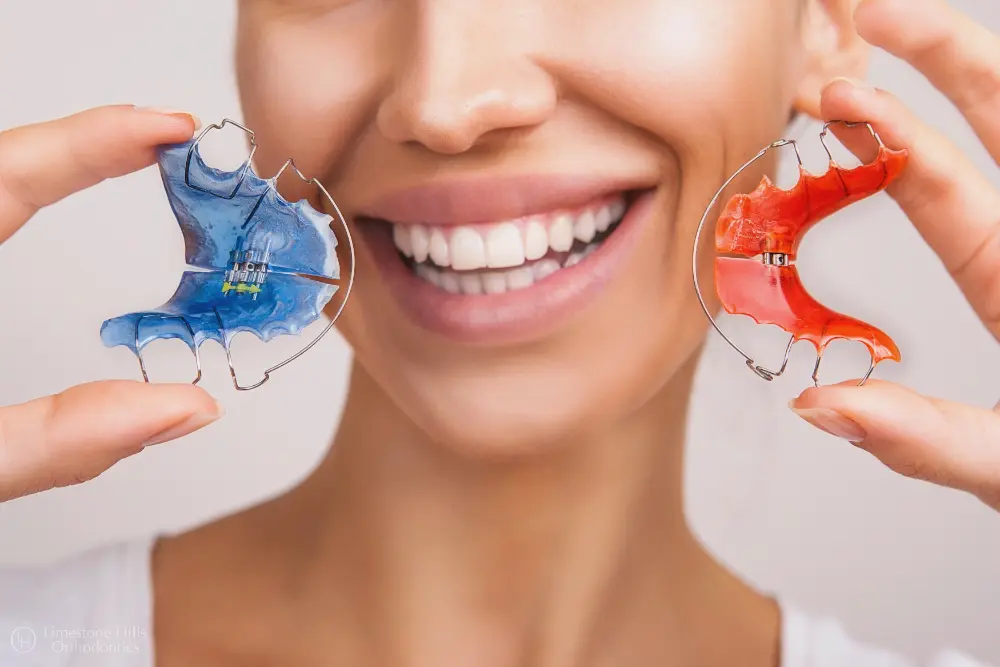
Hawley (Wire & Acrylic) Retainers

A Hawley retainer uses a sturdy wire set in a colored acrylic base. You can take it out to eat, drink, or brush. Hawley retainers are very durable and can be adjusted for a better fit. They last longer than clear retainers, but they are more visible. They also need careful cleaning because the acrylic can collect food particles and bacteria, leading to odor and stains.

Fixed (Bonded) Retainers

A fixed retainer is a thin wire glued behind your front teeth, usually on the bottom. Only an orthodontist can remove it. Fixed retainers last a long time and help hold results when teeth want to move. This type needs you to brush and floss carefully to clean well around the wire and avoid plaque buildup.

Daily Retainer Care Tips

  • Rinse Quickly: Always rinse your retainer with lukewarm water when you remove it. This washes away food particles and stops bacteria from growing.
  • Use a Toothbrush and Soap: Clean your retainer once a day using a soft toothbrush and mild, clear soap. Toothpaste can scratch some retainers, so check with your orthodontist first.
  • Proper Storage: Keep your retainer in its case whenever you’re not wearing it. Don’t wrap it in a napkin or stick it in your pocket. This helps avoid damage, loss, and bacteria buildup.
  • Wear as Directed: Your orthodontist will tell you when and how to wear your retainer. Following your schedule stops teeth from shifting.
  • Check for Odor: Smell your retainer regularly. If you notice a persistent odor, it may be time for a deeper clean.

Deep Cleaning Your Retainer

A daily clean is essential, but a deeper cleaning routine keeps your retainer sparkling. Plan to deep-clean your retainer once or twice a week.

How to Deep Clean:

  • Soak in Baking Soda or Vinegar Solution: Mix water with baking soda or vinegar and soak your retainer for 15–30 minutes. This breaks down plaque and kills germs.
  • Use Retainer Cleaning Solution: Some stores sell special cleaning tablets or solutions made for retainer care. Follow the directions for best results.
  • Try a Gentle Denture Cleaner: Denture cleaners can also remove stains and bacteria.

Rinse your retainer with plain water before putting it back in your mouth. Never use hot water, bleach, or mouthwash with alcohol. These can cause warping, cracking, or discoloration.

How to Care for Different Types of Retainers

Essix Retainers in Austin, TX

To prevent cloudiness and cracking, clean your retainer each time you remove it. Store it dry in its case, away from direct sunlight. If your retainer gets a white film, soak it in a cleaning solution to break down plaque buildup.

Hawley Retainers

Rinse well after use and gently brush with soap and water daily. Avoid bending the wire. If you notice bending or damage, schedule a checkup. Prevent odor by cleaning the acrylic surface gently and avoiding sugary drinks while wearing your retainer.

Fixed Retainers

Use a floss threader or interdental brush daily to remove debris and plaque between your teeth and the wire. Keeping up with regular dental hygiene visits in Austin helps maintain your bonded retainer and keeps gums healthy.

Common Retainer Problems & How to Prevent Them

  • Warped Retainers: Heat or hot drinks can warp your retainer, making it fit poorly. Never use hot water for cleaning or leave it in your car.
  • Retainers That No Longer Fit: If you forget to wear your retainer, teeth may start to move. Retainers may feel tight or not fit at all. If this happens, do not force it. Call your orthodontist right away.
  • Cracks, Breaks, or Loose Bonded Wires: If you drop your retainer or notice a crack, arrange a replacement appointment. If your fixed retainer wire feels loose or sharp, schedule a repair.
teeth retaining tools removable retainers young asian beautiful woman - Retainer Care Tips for Austin, TX Residents – Protect Your Smile for Life

Replacing Your Retainer in Austin, TX

Retainers don’t last forever. Over time, your retainer will show wear and tear. Watch for these signs:

  • Cracks or chips
  • Cloudy spots or stains that will not clean away
  • Warped or bent shape
  • Odor remains even after cleaning
  • Retainer feels loose or too tight

Your orthodontist may take new scans or molds for your new retainer. Choosing a local Austin office like Limestone Hills Orthodontics means fast replacement and perfect fit.

Schedule a Retainer Check in Austin, TX

Your smile is worth caring for every day. At Limestone Hills Orthodontics, our team in Austin is here to help you build a strong retainer care routine. We offer tips, checks, cleaning, and fast replacement for all types of retainers. With good habits and expert help, your smile can last a lifetime. Call us today to book a check or ask about retainer care tips for you and your family.

Frequently Asked Questions

What’s the best way to keep retainers clean?

Keeping your retainers clean is simple! Rinse them with lukewarm water every time you take them out. For a deeper clean, use a soft toothbrush and a little mild toothpaste to gently brush away buildup. Once a week, soak them in a retainer cleaning solution or a mix of water and white vinegar to keep them fresh and free of germs. Avoid hot water or strong chemicals.

What is the best toothbrush for a permanent retainer?

A soft toothbrush works best for a permanent retainer. It cleans well without hurting the wires or teeth. Small electric toothbrushes can help reach tight spots. Interdental brushes or water flossers are also great for cleaning between teeth and around the wires. Pick a brush that is easy to use and gentle, it will help keep your retainer clean and your smile healthy.

Can I put toothpaste in my retainer overnight?

No. Leaving toothpaste in your retainer overnight can scratch it and cause germs to grow. Instead, clean your retainer with mild soap and water or a special retainer cleaner. This keeps it fresh and in good shape without any harm.

Why Dental Degrees Matter When Choosing an Orthodontist in Austin, TX

You need to know why dental degrees matter when choosing an orthodontist in Austin, TX. An orthodontist’s background forms the foundation for safe, effective orthodontic practice. In this article, we explain the importance of these skills. We also show how strong training leads to clearer communication and better patient satisfaction.

Keep reading to learn how to choose a trusted orthodontist in Austin and protect your long-term oral health.

orthodontist patient orthodontic clinic - Why Dental Degrees Matter When Choosing an Orthodontist in Austin, TX

The Importance of Education in Orthodontic Practice

Orthodontic care begins with strong academic and clinical education. Orthodontists study for many years after dental school. This training helps them fix bite problems, straighten teeth, and protect your oral health.

Undergraduate Degree

Most orthodontists begin with a bachelor’s degree in a science-focused field like biology or chemistry. This early training helps them build a strong base in science and health. It also prepares them for advanced dental coursework and clinical practice.

Dental School

After college, students enter dental school. Here, they work toward either a DDS or DMD degree. These programs teach them how to care for teeth, gums, and oral health. Students also learn hands-on skills through clinical training. This helps them give safe and effective care.

Orthodontic Residency Program

After dental school, orthodontists begin a 2–3 year orthodontic residency program. In this program, they gain hands-on skills in advanced orthodontic techniques. Orthodontists study bite problems in great detail. They learn how to plan care for many types of patients. These extra years give them more skill. They also help them build confidence. This training prepares them before they begin working on their own.

The Role of Advanced Certifications

After earning a DDS degree or DMD degree, many orthodontists pursue board certification. This ABO certification shows their commitment to excellence and safe treatment. It also gives patients peace of mind because it shows the orthodontist has passed extra exams and skill checks. This added training helps improve treatment results and supports strong, reliable patient care.

What board certification involves:

  • Passing rigorous written and clinical exams.
  • Ongoing education to stay current with new orthodontic tools and procedures.
  • Adhering to the highest rules for safe care, which inspires patient satisfaction.

Board-certified orthodontists follow higher professional standards. This makes them a trusted choice for families who want reliable care in Austin.

Verifying an Orthodontist’s Background

To ensure proper care, patients should independently verify the qualifications of their orthodontist. Doing this gives you peace of mind and helps you feel sure about your treatment. It also helps you choose someone with strong skills and good patient care habits.

Licensure and Accreditation

Orthodontists must hold valid state licenses to practice, meeting ethical and professional standards. A valid license shows that the orthodontist has the right skill and follows state rules for safe patient care. It also confirms the doctor has completed required education before beginning orthodontist training.

Residency Training

Confirm completion of an accredited post-graduate program specializing in orthodontics. Residency programs strengthen orthodontists’ skills in tooth movement, facial growth, and treatment planning. These advanced skills help them deliver strong results. Strong specialization training also supports better long-term treatment outcomes for patients.

ABO Certification

You can check the American Board of Orthodontics (ABO) directory to see if a doctor is certified. ABO certification shows that the orthodontist has strong skills and high standards. It also proves they stay committed to learning and delivering quality care.

Patient Reviews and Referrals

Reading testimonials can provide insight into an orthodontist’s track record. Reviews can reveal how an orthodontist communicates, manages appointments, and supports patients. Trusted referrals also help families choose a provider with a strong reputation.

Why Proper Credentials Promote Quality Care

Choosing an orthodontist with verified credentials helps patients feel confident about their care. These credentials show that the doctor has completed advanced training. They also confirm that the orthodontist knows how to treat many bite and alignment problems safely.

Key benefits of choosing a qualified orthodontist:

  • Innovative Techniques: Orthodontists with advanced knowledge use modern tools. These tools help them deliver precise and effective treatment. They can adjust teeth with better accuracy and spot issues early. This level of skill also helps improve safety and strengthens overall treatment outcomes.
  • Tailored Plans: Strong orthodontist education allows orthodontists to design custom treatment plans. These plans match each patient’s needs and improve comfort and success. A well-trained orthodontist can study your bite and choose the right steps for your case. This personal approach makes treatment smoother and supports long-term health.
  • Long-Term Success: Advanced training and skills help orthodontists create results that last. This lowers the risk of problems or retreatments later on. Good planning helps protect the teeth and jaw from future stress or wear. It also gives patients peace of mind knowing their smile will stay stable.
  • Patient Confidence: Credentials and clear communication foster trust, creating a positive experience. When patients feel listened to, they are more likely to follow their treatment plans. This trust leads to better cooperation and stronger relationships with the orthodontist.
orthodontist wearing mask latex gloves pointing finger teeth model - Why Dental Degrees Matter When Choosing an Orthodontist in Austin, TX

Why Choose Limestone Hills Orthodontics

The orthodontic team you choose matters. It can shape your whole treatment. It can also affect how happy you feel with the results. At Limestone Hills Orthodontics, we focus on care you can trust. We want you to feel confident from start to finish.

  • Qualified Team: Our orthodontists hold DDS or DMD degrees. Many also have ABO certification. These credentials show strong skills and high professional standards.
  • Experienced Care: We offer treatment backed by years of experience. Our team also has advanced orthodontic training that supports safe and effective care.
  • Modern Treatment Options: We provide Invisalign, advanced braces, and other updated tools. Each plan is tailored to your needs for better comfort and results.
  • Patient-Focused Approach: We use clear communication and give personal attention at every visit. Our goal is to make your care feel calm, simple, and supportive.
  • Trusted by Families: Positive patient reviews and steady referrals show the trust our community has in our practice.
  • Commitment to Excellence: Our team has advanced residency training, and we keep learning. This allows us to follow high standards in all parts of care. We remain dedicated to delivering reliable, professional orthodontic care.

Choose an Orthodontist You Can Trust

Your smile deserves care from a team with strong training and real expertise. Your smile needs care from a skilled team. Our orthodontist at Limestone Hills Orthodontics in Austin, TX, has strong training. They complete advanced programs and accredited residency work. They also hold trusted degrees like DDS, DMD, and ABO certification. With modern tools and clear guidance, we build plans that fit your needs.

Schedule your visit with Limestone Hills Orthodontics to begin your path to a healthy, confident smile.

Frequently Asked Questions

What degree is best for an orthodontist?

To become an orthodontist, you’ll need a bachelor’s degree, followed by a dental degree (DDS or DMD). After dental school, orthodontists complete a 2–3 year residency. This training helps them learn how to align teeth and jaws. It also teaches them the right steps for safe, effective care. These years help them grow in skill.

Does it matter which orthodontist I go to?

Yes. Orthodontists can vary in skill, methods, and communication style. Choosing someone you trust and feel comfortable with can make your treatment smoother and your results better. The right orthodontist can guide you clearly and help you feel calm during each visit.

What to consider when choosing an orthodontist?

Look at their credentials, experience, patient reviews, and available treatment options. Also consider office location, hours, and whether the team makes you feel comfortable. A consultation can help you decide if they’re the right fit. It is also helpful to ask about their training and how many cases like yours they have treated.