As an orthodontist in Austin, TX, it is essential to address common concerns potential patients may have about Invisalign treatment, particularly regarding discomfort or pain. This page aims to provide a comprehensive overview of whether Invisalign hurts, helping to attract and inform potential patients. If you’re trying to find the answer to “Does Invisalign Hurt?“, keep on reading!
Understanding Invisalign Discomfort
When you start Invisalign treatment, you may feel some discomfort, but it’s usually mild. Here’s what you can expect:
1. Initial Adjustment Period
Minor Discomfort: When you first begin wearing Invisalign aligners, you may feel some discomfort. This is completely normal. Your teeth are getting used to the new aligners, and this slight discomfort is a part of the adjustment process.
New Aligner Sensation: Each time you switch to a new set of aligners, you may feel mild pain. This happens because the aligners apply pressure to shift your teeth into the right position.
2. Common Experiences
You may experience some pressure on your teeth during treatment, and this is the most common reason for discomfort. Here’s what that feels like:
Pressure on Teeth: The aligners gently push on your teeth to move them. This pressure can cause discomfort, especially when you first wear a new set of aligners.
Discomfort Days: The first few days after changing to a new aligner are typically when you’ll feel the most discomfort. After that, it should gradually go away as your teeth start to adjust.
Managing Invisalign Pain
Although the discomfort is usually mild, here are some tips to help manage it:
Cold Compress: Applying a cold compress or ice pack to your face near your teeth can help reduce pain and swelling. It’s a simple and effective way to ease discomfort.
Remove Aligners While Eating: When eating, take your aligners out to avoid extra pressure on your teeth. This can prevent additional discomfort while chewing.
When to Seek Help
In most cases, any pain you feel will be temporary and go away after a few days. However, in some cases, you may need extra help:
Persistent Pain: If pain continues even after the initial adjustment period, it’s important to contact your orthodontist. They can check if the aligners are fitting properly and if any adjustments need to be made.
Sharp Edges: Sometimes, the edges of the aligners may feel sharp and cause irritation. If this happens, your orthodontist can smooth out the edges to make them more comfortable.
Comparing Invisalign to Traditional Braces
When comparing Invisalign to traditional metal braces, many people find that Invisalign is more comfortable. Here’s why:
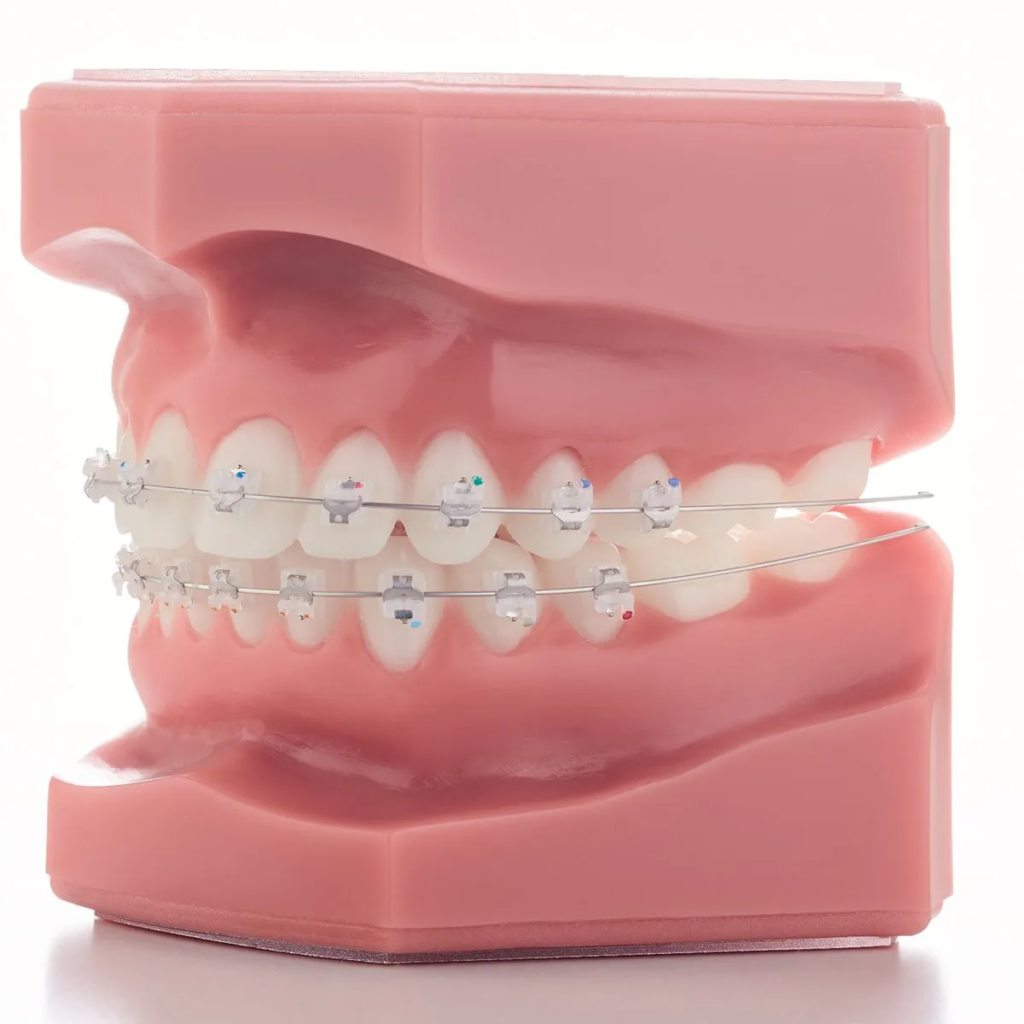
No Sharp Edges: Traditional braces have metal brackets and wires, which can cause cuts or sores inside your mouth. Invisalign aligners are made of smooth plastic, so they don’t irritate your gums or the inside of your mouth in the same way.
Less Intrusive: Since Invisalign aligners are clear and removable, they cause less discomfort and don’t interfere with your daily life as much as braces do.
Conclusion: The Good News
Invisalign may cause some mild discomfort, but it is generally manageable and less noticeable than traditional braces. Many patients, including those seen by Dr. Taylor Kauffman, a family orthodontist in New Braunfels, TX, experience only temporary discomfort, such as pressure tooth pain, and there are simple ways to help ease the pain away. With Invisalign treatment, you can enjoy a more comfortable experience while straightening your teeth.
Why Choose Our Orthodontic Practice in Austin, TX?
At our orthodontic office in Austin, we are committed to providing top-quality, personalized care for each patient. Here are just a few reasons families trust us with their orthodontic care:
Experienced Orthodontists
Our team has years of experience helping kids, teens, and adults straighten their teeth and improve their smiles. Whether you need aligners, braces, or jaw alignment treatment, we have the expertise to get great results.
Customized Treatment Plans
Every smile is unique, and so is our approach. We create personalized treatment plans based on your needs, ensuring you get the best care for your specific dental concerns.
Support from Start to Finish
From your first visit to the day your treatment is complete, we’re with you every step of the way. Our friendly team is here to answer questions, make adjustments, and keep your treatment on track.
Multiple Treatment Options
We offer a range of orthodontic solutions, including Invisalign, traditional braces, and reverse pull headgear. No matter your dental needs, we’ll help you find the best option for a straight, healthy smile.
Contact Us Today!
Come see us in Austin, TX, for a free consultation! During your visit, we’ll assess your teeth, go over your treatment options, and discuss how we can help you achieve a straight, confident smile. Scheduling is simple—give us a call or visit our website to book a time that works for you! Our friendly team is ready to answer your questions and guide you every step of the way.
Dr. Taylor Kauffman – Orthodontist in New Braunfels, TX
Frequently Asked Questions
How long does it take for Invisalign to stop hurting?
Typically, this sensation lasts for just a few days after you switch to a new set of aligners. Most people find that the discomfort fades away after about 2 to 3 days, and by then, your mouth will have gotten used to the new aligners. Just remember, a little bit of discomfort means they’re doing their job, and before you know it, you’ll be flashing that new smile!
Is Invisalign more painful than braces?
Invisalign tends to be less painful because it uses smooth plastic aligners that gently shift your teeth into place, whereas braces involve metal brackets and wires that can sometimes cause discomfort or irritation in your mouth. Many people find that while there is some initial pressure or mild discomfort when switching to a new set of aligners, it’s usually manageable and less intrusive than the soreness often associated with braces.
When is the most painful part of Invisalign?
The most painful part of Invisalign is usually right after you switch to a new set of aligners. You might feel some discomfort or pressure as your teeth begin to adjust to the new trays, but don’t worry, this is completely normal! It’s a sign that your teeth are on the move towards that perfect smile. The good news is that this discomfort typically only lasts for a few days, and you can manage it with over-the-counter pain relievers if needed.
How Does Invisalign Work? A Step-by-Step Guide in Austin, TX
Invisalign is a modern alternative to traditional braces that helps straighten teeth with clear plastic aligners. Unlike traditional metal braces, Invisalign aligners are removable, comfortable, and virtually invisible. In this article, we will explore how Invisalign works, step-by-step, and why it may be the right option for you!
What Is Invisalign?
Invisalign is a clear aligner system designed to gradually straighten your teeth. The aligners are made from a smooth, clear plastic material, making them almost invisible when worn. The system allows you to straighten your teeth without the use of metal brackets or wires.
How Does Invisalign Work?
1. Initial Consultation
Your journey with Invisalign starts with a visit to an orthodontist or dentist. During the consultation:
Your orthodontist will evaluate your teeth and gums to determine if Invisalign is the best treatment for you.
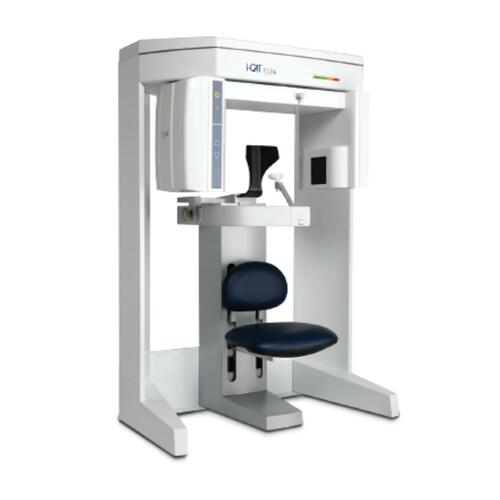
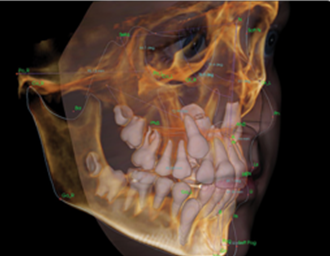
They will take digital scans or 3D images of your teeth to create a detailed treatment plan.
You will also see a virtual representation of how your teeth will look after treatment.
If Invisalign is suitable for you, the next step is creating your custom aligners.
2. Customized Treatment Plan
Using the digital scans and 3D imaging, your orthodontist will create a personalized treatment plan. This plan will map out how your teeth will move over time and how long the treatment will take. It will also show you the end result of your treatment.
3. Creation of Custom Aligners
Once the treatment plan is set, Invisalign aligners are made specifically for you. Each aligner is:
Designed to fit your teeth perfectly for maximum comfort.
Crafted from SmartTrack® material, which is a clear, durable, and smooth plastic that helps gently move teeth into place.
You will receive multiple sets of aligners, and you’ll need to switch to a new set every 1 to 2 weeks.
4. Wearing the Aligners
Invisalign aligners must be worn 20 to 22 hours a day for the treatment to be effective. Here’s how to use them:
Wear your aligners as much as possible throughout the day and night. Remove them only when eating, drinking (except water), brushing, and flossing.
Make sure to clean your aligners regularly by rinsing them with water and brushing them gently.
The more compliant you are with wearing the aligners, the faster and more effective the treatment will be.
5. Monitoring Progress
You’ll need to visit your orthodontist every 6 to 8 weeks to check your progress. During these visits:
Your orthodontist will ensure your teeth are moving correctly.
You’ll receive your next set of aligners.
If needed, your treatment plan may be adjusted.
Since Invisalign doesn’t use wires or brackets, these visits are quick and usually require less time than traditional braces appointments.
6. Step-by-Step Tooth Movement
Invisalign aligners work by applying gentle pressure to move your teeth. Each new set of aligners shifts your teeth slightly, so that by the end of your treatment, your teeth will be in their correct positions.
Every new aligner set moves your teeth gradually.
Some people feel mild discomfort when switching to a new set, but this is a normal part of the process.
Over time, this gentle and consistent pressure helps you achieve the smile you’ve always wanted!
Invisalign for Kids
Invisalign isn’t just for adults; it’s also a great option for children and teens. Here’s why:
Comfortable – There are no metal brackets or wires, which can irritate the mouth.
Easier to Clean – Kids can remove their aligners to brush and floss their teeth.
More Confidence – The aligners are clear and almost invisible, so kids won’t feel self-conscious about their smile.
Invisalign can also help children maintain good oral hygiene, which can be difficult with traditional braces.
Many people wonder how Invisalign compares to traditional braces. Here are some key differences:
Visibility: Invisalign aligners are clear and nearly invisible, while traditional braces are made from metal, which is much more noticeable.
Comfort: Invisalign aligners are made from smooth plastic, so they are more comfortable and less likely to irritate your mouth compared to the metal wires and brackets used in braces.
Removability: Invisalign aligners are removable, so you can eat and drink what you like, and you can clean your teeth easily. Traditional braces are fixed in place, and there are more restrictions on food choices.
Oral Hygiene: Since Invisalign can be removed, you can brush and floss your teeth like normal, which makes it easier to maintain good oral hygiene. With traditional braces, it’s harder to clean around the brackets and wires.
Maintaining Oral Health During Treatment
It’s important to maintain good oral hygiene throughout Invisalign treatment to prevent any issues like cavities or gum disease. Here are a few tips:
Brush your teeth after every meal before putting your aligners back in.
Floss daily to remove food particles and plaque from between your teeth.
Clean your aligners by rinsing them with lukewarm water and gently brushing them to prevent bacteria buildup.
Avoid sugary drinks while wearing your aligners to prevent cavities.
How Long Does Invisalign Treatment Take?
The length of Invisalign treatment depends on how much movement your teeth need. On average, treatment lasts between 6 and 18 months. Here’s a general breakdown:
Mild cases may take around 6 months.
Moderate cases could take about 12 to 18 months.
Severe cases may take longer than 18 months.
Your orthodontist will give you a more specific time estimate based on your individual case.
Final Results: What to Expect
By the end of your Invisalign treatment, your teeth should be straight and properly aligned. To keep your teeth in their new position, you will need to wear a retainer. A retainer is a custom-made appliance that helps prevent your teeth from shifting back over time.
Is Invisalign Right for You?
Invisalign could be the perfect option if you want:
Comfortable and removable aligners.
A discreet treatment that doesn’t interfere with your daily life.
The ability to straighten your teeth without the hassle of traditional braces.
Why Choose Our Orthodontic Practice in Austin, TX?
At our orthodontic office in Austin, we are committed to providing top-quality, personalized care for each patient. Here are just a few reasons families trust us with their orthodontic care:
Experienced Orthodontists
Our team has years of experience helping kids, teens, and adults straighten their teeth and improve their smiles. Whether you need aligners, braces, or jaw alignment treatment, we have the expertise to get great results.
Customized Treatment Plans
Every smile is unique, and so is our approach. We create personalized treatment plans based on your needs, ensuring you get the best care for your specific dental concerns.
Support from Start to Finish
From your first visit to the day your treatment is complete, we’re with you every step of the way. Our friendly team is here to answer questions, make adjustments, and keep your treatment on track.
Multiple Treatment Options
We offer a range of orthodontic solutions, including Invisalign, traditional braces, and reverse pull headgear. No matter your dental needs, we’ll help you find the best option for a straight, healthy smile.
Contact Us Today!
Come see us in Austin, TX, for a free consultation! During your visit, we’ll assess your teeth, go over your treatment options, and discuss how we can help you achieve a straight, confident smile. Scheduling is simple—give us a call or visit our website to book a time that works for you! Our friendly team is ready to answer your questions and guide you every step of the way.
On average, you might start noticing some movement in just a few weeks, but most people complete their treatment in about 12 to 18 months. It’s pretty exciting to see those changes happen, and your orthodontist will be there to guide you every step of the way.
Do I sleep with my Invisalign on?
Absolutely, you should definitely sleep with your Invisalign on! It’s important to wear your aligners for about 20 to 22 hours a day to ensure they’re doing their job effectively. Sleeping with them in is a big part of reaching your smile goals, so pop them in before you hit the hay and let them work their magic overnight.
What Dental Issues Can Invisalign Fix?
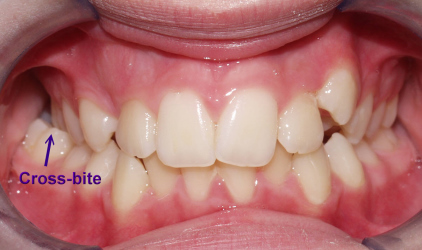
Invisalign can effectively tackle a variety of dental issues, including crowded teeth, gaps between teeth, and even some cases of overbite, underbite, and crossbite. These clear aligners are designed to gently and gradually shift your teeth into the desired position, making them a great choice for those seeking a more discreet orthodontic treatment.
Aligners, like Invisalign, are super popular here in Austin because they’re practically invisible and can be removed when you eat or brush your teeth, making them a flexible option for many. On the other hand, traditional braces might be the way to go if you’re dealing with more complex dental issues, as they can be more effective in certain cases. If you’re trying to find the answer to aligners vs braces in Austin, TX, this guide will help you understand the differences between aligners and braces, so you can make an informed choice.
What are Aligners?
Aligners, such as Invisalign, are nearly invisible, removable trays that gradually shift teeth into place. They are a popular choice for those seeking a discreet orthodontic solution.
Advantages of Aligners
Super Discreet: You can go about your day with confidence, knowing that your smile is getting a makeover without the metal.
Removable: You can enjoy all your favorite foods without restrictions and maintain your oral hygiene routine with ease.
Comfort: aligners are custom-made to fit your teeth snugly, minimizing irritation.
Disadvantages of Aligners
Needs Commitment: You have to wear them for 20-22 hours a day, or treatment might take longer.
Mild Discomfort: Your teeth may feel sore when switching to a new set of aligners.
Can Be Pricey: Aligners may cost more than regular braces.
How Aligners Work
Aligners are clear, custom-made trays that fit over your teeth and gently move them into place. You switch to a new set every few weeks, gradually shifting your teeth into the desired position.
What are Braces?
Braces are orthodontic devices made of metal or ceramic brackets, wires, and bands that help straighten teeth and fix bite issues. They work by applying constant pressure to gradually move teeth into the correct position.
Advantages of Braces
Effective for All Cases: Braces can fix even the most complicated teeth and jaw problems.
No Discipline Needed: Unlike aligners, you don’t have to worry about taking them in and out.
More Affordable: Braces can be cheaper than clear aligners, depending on the treatment.
Disadvantages of Braces
Visible: Metal braces are easy to see, which some people may not like.
Food Restrictions: You have to avoid sticky, hard, or chewy foods to prevent damage.
Can Be Uncomfortable: Braces may cause soreness, especially after adjustments.
Harder to Clean: Brushing and flossing take more effort to keep your teeth and braces clean.
How Braces Work
Braces use brackets, wires, and bands to apply gentle pressure on teeth, gradually moving them into the right position. Regular adjustments help guide the teeth and jaw into proper alignment over time.
Types of Braces
Braces have come a long way from the traditional metal brackets and wires. Today, there are several types of braces available, each designed to cater to different needs and preferences. Let’s explore the various options you might consider on your journey to a perfect smile.
Traditional Metal Braces
These are the most common type of braces and have been used for decades. They consist of metal brackets and wires that are adjusted over time to align your teeth.
Durability: Metal braces are known for their strength and durability, making them suitable for correcting complex dental issues.
Cost-Effective: Generally, metal braces are the most affordable option.
Color Options: You can personalize your braces with colorful bands.
Ceramic Braces
Ceramic braces are similar to metal braces but are made of tooth-colored or clear materials, making them less noticeable.
Aesthetic Appeal: These braces blend in with your teeth, making them a popular choice for adults and teens who are conscious about their appearance.
Stain Resistance: While they are less noticeable, they can stain if not properly cared for.
Lingual Braces
Lingual braces are placed on the inner side of the teeth, making them invisible from the outside.
Invisible: They are hidden behind your teeth, offering a discreet option for orthodontic treatment.
Customization: These braces are custom-made for each patient, ensuring a perfect fit.
Complex Adjustments: They may require more frequent adjustments and can be more challenging to clean.
Invisalign
Invisalign uses a series of clear, removable aligners to gradually move your teeth into place.
Removable: You can take them out to eat, brush, and floss, making them convenient and easy to maintain.
Comfortable: Made of smooth plastic, they are more comfortable than traditional braces.
Discreet: The clear aligners are virtually invisible, making them a popular choice for adults and teens.
Self-Ligating Braces
These braces use a specialized clip instead of elastic bands to hold the wire in place, which can reduce friction and make the process more comfortable.
Faster Treatment: Some patients experience quicker results with self-ligating braces.
Fewer Adjustments: They often require fewer trips to the orthodontist for adjustments.
Less Pressure: The reduced friction can mean less pressure on the teeth.
Why Choose Us in Austin, TX?
Expertise in Orthodontic Treatment
Our Austin orthodontic practice is dedicated to providing personalized care and the latest in orthodontic technology to ensure the best outcomes for our patients.
Free Consultation
We offer a free consultation to discuss your orthodontic needs and determine whether aligners or braces are the right choice for you.
Why Choose Our Orthodontic Practice in Austin, TX?
At our orthodontic office in Austin, we are committed to providing top-quality, personalized care for each patient. Here are just a few reasons families trust us with their orthodontic care:
Expert Orthodontic Care
Our orthodontists have years of experience treating children and teens with jaw alignment issues. We specialize in effective treatments like reverse pull headgear that deliver great results.
Our commitment to excellent care extends to fostering relationships with other reputable practices, like Geist Orthodontics. To learn about their services, visit trusted orthodontists in Indianapolis, IN, where expertise and patient satisfaction go hand in hand.
Personalized Treatment Plans
We know every patient is unique, and so are their smiles. That’s why we create customized plans that meet your child’s specific needs.
Support Every Step of the Way
From the first consultation to the final results, our friendly team will be with you every step of the way, answering questions, making adjustments, and offering advice.
Variety of Treatment Options
In addition to reverse pull headgear, we offer other choices like Invisalign and traditional braces, ensuring we have the best treatment for every patient.
Contact Us Today!
Come see us in Austin, TX, for a free consultation! During your visit, we’ll assess your teeth, go over your treatment options, and discuss how we can help you achieve a straight, confident smile. Scheduling is simple—give us a call or visit our website to book a time that works for you! Our friendly team is ready to answer your questions and guide you every step of the way.
About the Authors
Dr. Rodrigo Viecilli – Orthodontist in Austin, TX
Dr. Julian Davila – Orthodontist in Indianapolis, IN
Frequently Asked Questions
Is it better to get aligners or braces?
Aligners, like Invisalign, are super popular because they’re nearly invisible and can be removed when eating or brushing your teeth, making them a convenient choice for many. Plus, they tend to be more comfortable since they don’t have any metal wires or brackets. On the other hand, braces are great for more complex dental issues and can sometimes work faster at achieving that perfect smile.
How do I know if I need braces or aligners?
If you’ve noticed your teeth are crowded, have gaps, or if your bite feels a bit off—like if your top and bottom teeth don’t quite meet properly—it might be time to consider orthodontic treatment. Frequent jaw pain or difficulty in cleaning your teeth properly can also be indicators.
Which works faster, braces or aligners?
When it comes to speed, both braces and aligners have their own pace, and it really depends on the specific dental situation. Generally, traditional braces might work a bit faster for complex cases because they apply continuous pressure on the teeth. On the other hand, aligners are super convenient and can be quicker for minor adjustments.
Invisalign typically takes anywhere between 12 to 18 months, but this can change depending on the complexity of your case and how often you wear your aligners.
Would you like to know more to answer the question “How long does Invisalign take ?” for your particular case? Keep on reading! Invisalign is a revolutionary orthodontic treatment that uses clear, removable aligners to gradually shift your teeth into the desired position. Unlike traditional braces, Invisalign aligners are virtually invisible and can be easily taken out for eating, brushing and special occasions.
Now, it’s important to understand that the duration of Invisalign treatment can vary from person to person. Remember, the more dedicated you are to wearing your aligners, the quicker you’ll see results!
I. Factors Affecting the Duration of Invisalign Treatment
The duration of your Invisalign treatment can depend on a number of factors. Firstly, the complexity of your case plays a major role. If your teeth are significantly misaligned, it may take longer for them to move into the desired position. Your age could also influence the treatment duration as younger patients often respond faster to treatment than adults.
Additionally, your commitment to the treatment is crucial. Invisalign aligners should be worn for about 20-22 hours a day; if not, treatment time could extend. Lastly, each person’s mouth is unique and responds differently to treatment, so it’s impossible to predict an exact timeline. Remember, patience leads to the best results!
II. Invisalign Treatment Process
Invisalign treatment is a wonderful and modern approach to straightening your teeth without the use of traditional braces. The process starts with a consultation with your dentist or orthodontist where they’ll assess your teeth and create a personalized treatment plan. They’ll then take a digital scan of your mouth to create precise 3D images of your teeth. Using these images, your doctor will map out a precise treatment plan, including the exact movements of your teeth and how long you’ll wear each set of aligners.
The aligners are then custom-made for you to wear over your teeth. You’ll wear these clear, BPA-free plastic aligners for about 20-22 hours a day, removing them only to eat, drink, brush, and floss. As you progress through the series of aligners, your teeth will gradually and gently shift into place. The best part? Most people won’t even notice you’re going through treatment!
III. Average Length of Invisalign Treatment
Research has shown that the average duration of Invisalign treatment typically ranges between 12 to 18 months. However, it’s important to note that this can vary significantly depending on the individual’s specific needs. Some people may find that their treatment is completed in as little as six months, while others may require up to two years.
It all depends on the complexity of the case and how consistently the aligners are worn. Remember, for the best results, it’s recommended to wear your aligners for 20 to 22 hours each day.
IV. Comparison with Traditional Braces
Generally speaking, Invisalign tends to have a quicker treatment time than metal braces for mild cases given that the patient wears the aligners properly. On average, Invisalign treatment can be completed in anywhere from 4 to 18 months, while traditional braces often require 6 months to 3 years. However, it’s important to remember that everyone’s teeth are different, and individual treatment times can vary. Also, the fact Invisalign cases take less time is affected by a bias of case selection, i.e., most doctors prefer to use Invisalign in milder cases.
The great thing about Invisalign is not only could you potentially be flashing that perfect smile sooner, but the aligners are also clear and removable, making the whole process more convenient and less noticeable. So, if saving time and maintaining aesthetics are high on your priority list, Invisalign could be a great option for you! For more detailed information on Invisalign vs. Braces or to find out more info on the question “Is Invisalign Faster than Braces? click the links.
V. Factors That May Extend or Shorten Invisalign Treatment
There are several factors that can influence the overall treatment time when it comes to dental procedures. One primary factor is the complexity of the situation, such as overcrowded teeth or the need for significant tooth movement. If your teeth are very crowded, it might take a longer time to align them properly because each tooth needs enough space to move into its correct position. According to Dr. Marty Greenberg, a reliable orthodontist in Jacksonville, FL, severe crowding or bite issues may extend Invisalign treatment time, sometimes requiring additional orthodontic tools. Similarly, if a tooth needs to be moved a significant distance, it will take more time than if it only needs a minor adjustment. Your body’s biological response to the treatment can also impact the duration.
Everyone is unique and responds differently to treatment. Lastly, your commitment to following your dentist’s or orthodontist’s instructions, such as wearing your aligners or braces for the recommended amount of time each day, can also greatly impact the treatment time. So, while it might be a bit daunting, remember that it’s all towards achieving that perfect smile!
VI. Compliance and Treatment Duration
Wearing your aligners as instructed is crucial for achieving the best results. They’re specifically designed for your teeth and need to be worn for a certain amount of time each day to effectively move your teeth into their correct positions. If you don’t follow these instructions, it can significantly prolong your treatment time. Just think of it this way – your aligners are like your best friends on this journey to a beautiful smile. They’re here to help, but they need your cooperation. If you skip wearing them, it’s like taking a detour on your road to a perfect smile, which will naturally take longer to reach. So, for a smooth and speedy journey, make sure you wear your aligners as advised!
VII. Tips for Reducing Invisalign Treatment Time
To potentially reduce your treatment duration, maintaining good oral hygiene is crucial. Regular brushing and flossing help to keep your teeth and gums healthy, which can speed up your recovery process. Additionally, try to avoid foods and drinks that can damage your teeth, such as sugary or acidic items. It’s also recommended to keep up with your dental check-ups, as your dentist can spot any potential issues early, which can prevent further complications. Remember, your cooperation and commitment to your oral hygiene play a significant role in the success and speed of your treatment. So, keep smiling and stay dedicated to your oral health routine!
FAQ
Does Invisalign Take Longer to Straighten Teeth For Adults?
Absolutely not, my friend! The duration it takes for Invisalign to straighten teeth is not necessarily longer for adults. It’s a common misconception, but actually, the length of time depends more on the individual’s dental condition rather than their age. Invisalign treatment can take anywhere from 12 to 18 months on average, but some adults might see results even sooner. So, don’t let the fear of a lengthy process hold you back from achieving that perfect smile. Remember, every smile is unique and so is every treatment timeline!
How strict is the 22 hours per day rule?
Hey there! The ’22 hours per day’ rule is actually quite strict. It’s generally used in scenarios like wearing invisible braces where it’s recommended to wear them for 22 hours per day for the best results. Of course, this allows for a couple of hours of freedom during meal times or special occasions. However, it’s really important to stick to it as closely as possible. The more consistently you follow this rule, the more effective and quicker the process will be. So, it might seem a bit tough, but it’s definitely worth it in the long run!
How quickly does the teeth move with Invisalign?
Hey there! The speed at which your teeth move with Invisalign can depend on a few factors, like your specific dental needs and your consistency in wearing the aligners. Generally speaking, you could see noticeable movement in your teeth within 2-3 months. Invisalign aligners are designed to make slight adjustments to tooth position every week, which is faster than traditional braces. However, keep in mind that every smile is unique, so the pace of progress could vary from person to person. Always remember, your commitment to wearing the aligners for the recommended 20-22 hours per day plays a significant role in how quickly you’ll see results.
When should I start seeing Invisalign’s results?
Hey there! You’ll be excited to know that you can start noticing some changes in your smile within just a few weeks of starting your Invisalign treatment. However, keep in mind that the complete transformation to your dream smile will typically take around 12 to 18 months. Remember, each person is unique and so is their treatment plan, so it might take a little more or less time for you. Rest assured, your patience will definitely pay off in the end with that perfect smile you’ve always wanted!
Is Invisalign faster than braces?
Absolutely, my friend! Invisalign can indeed be faster than traditional braces. The exact treatment time really depends on your specific situation, but generally, Invisalign treatment can be completed in anywhere from 6 to 18 months. On the other hand, traditional braces typically need to be worn for about 18 to 24 months, or even longer in some cases. It’s also worth mentioning that with Invisalign, you’ll be able to see progress throughout your treatment, which can be a nice little morale booster! However, always remember that each person’s teeth and orthodontic needs are unique, so it’s best to consult with your orthodontist for the most accurate information.
Can Invisalign work in 3 months?
Absolutely! Invisalign can indeed work in as little as 3 months. However, it’s important to remember that every smile is unique, and the duration of treatment varies depending on the complexity of the case. For minor corrections, Invisalign can show significant improvement in just 3 months. But for more complex cases, it might take longer. Your orthodontist will be able to give you a more accurate timeline after evaluating your teeth. Invisalign is a fantastic option for straightening your teeth discreetly and comfortably, just remember to wear your aligners as directed!
How can I ensure the quickest possible treatment time with Invisalign?
To ensure the quickest possible treatment time with Invisalign, it’s crucial to follow your orthodontist’s instructions to a tee. Wear your aligners for the recommended 20-22 hours per day, only removing them for eating and brushing your teeth. Regularly attend your check-ups so minor adjustments can be made if necessary. Also, use any supplementary tools like chewies or vibration devices, if suggested by your orthodontist. These devices can help seat the aligner properly. Last but not least, maintain good oral hygiene to avoid any setbacks. Remember, consistency is key to achieving your dream smile sooner!
Braces can take from 6 to 36 months. The average treatment time is around 24 months. Want to know more to answer “how long do braces take” on your own? Keep on reading.
Braces are dental devices that are designed to align and straighten your teeth, improve your dental health, and enhance your smile. They apply gentle pressure over time to slowly move your teeth into the desired position.
Understanding the duration of orthodontic treatment is crucial because it helps you manage your expectations and prepare for the journey ahead. It’s not a quick fix, but a gradual process that requires patience and commitment. However, the end result is a beautiful, healthy smile that boosts your confidence, and that’s definitely worth the wait!
Factors Affecting the Duration of Braces Treatment
Orthodontist recommendations and expertise
As an orthodontist, I highly recommend maintaining a regular check-up schedule to ensure your oral health is up to par. Our expertise lies in diagnosing, preventing, and treating dental and facial irregularities. This includes a wide range of conditions such as crooked teeth, overbites, and even jaw-related problems.
The expertise of the orthodontist, how much training it has, if he is American Board of Orthodontics certified, and how many cases he has treated with excellence, can influence the treatment time you will wear braces for. If the orthodontist has a Faculty appointment in a University, it can also be a good indicator of expertise to correct orthodontic problems.
We’re here to guide you through the process, providing advice tailored to your specific needs. Whether it’s suggesting the right type of braces or advising on post-treatment care, our main goal is to help you achieve a healthier, more confident smile. Remember, a happy smile is a healthy smile!
Length of time braces need to be worn
The length of time braces need to be worn can vary greatly depending on the individual case. On average, most people wear braces for about 1 to 3 years. Some might need them for a shorter period, while others might need them a bit longer. Factors like the severity of the issue, the health of your teeth, gums, and supporting bone, and how closely you follow your orthodontist’s instructions can all influence the duration.
Rest assured, your orthodontist will be able to give you an estimated timeline based on your specific needs. Remember, the goal is to ensure you end up with a healthier and more confident smile!
Use of rubber bands and their impact on treatment duration
Rubber bands work in conjunction with braces to correct misaligned bites. These handy little tools apply extra pressure to the teeth and jaw, which aids in aligning and straightening.
Now, as for their impact on treatment duration, it really depends on the patient’s consistency in using them. If used as directed by the orthodontist, rubber bands can significantly speed up the treatment process. However, if not used correctly or consistently, they can extend the treatment duration. So, remember to follow your orthodontist’s instructions and your journey to a perfect smile will be a whole lot quicker!
Severity of orthodontic issues: number of teeth requiring correction
The number of teeth requiring correction can vary greatly from person to person. Some individuals may need correction for a small tooth gap, while others may need their entire set of teeth corrected. This could be due to a variety of reasons such as crooked teeth, overcrowding, underbites, overbites, or other dental issues.
It’s important to remember that everyone’s smile is unique, and there’s no standard number of teeth that need to be corrected. Your dentist or orthodontist can provide the best advice based on your individual needs.
Suitability for clear aligners
Clear aligners are ideal for individuals who have mild to moderate dental misalignments such as overbites, underbites, crossbites, gaps, and overcrowding. They are a fantastic option if you’re looking for a virtually invisible solution and want to avoid the traditional metal braces. However, they may not be suitable for severe or complex cases.
It’s always best to consult with your orthodontist or dentist who can assess your dental situation and guide you on the right path to achieving that perfect smile!
Types of braces
Absolutely, let’s talk about dental braces! There are several types each with different treatment times. Traditional metal braces are the most common and typically take about 2 years, but they’re super effective. Then, we have ceramic braces, which are less noticeable than metal ones and generally require 18 months to 3 years. Lingual braces, fixed at the back of your teeth, take a bit longer, around 2 to 3 years due to their location.
Lastly, there are clear aligners like Invisalign. They’re almost invisible and removable, making them a popular choice. Treatment time varies greatly, from 10 months to 2 years, depending on the individual’s needs. So, there are lots of options to create that perfect smile, each with their own timeframe!
Average Duration of Braces
Typical length of treatment for different types of braces
So you’re curious about the typical length of treatment for different types of braces, right? Well, it generally varies depending on the complexity of the case, but I can certainly give you a ballpark. Traditional metal braces usually require about 18 months to 3 years. Ceramic braces, which are a tad more discreet, have a similar timeline.
Lingual braces, which are hidden behind your teeth, may take a bit longer, up to 3 years. Then there’s Invisalign, the clear, removable aligners, which can take anywhere from 6 to 18 months. Remember, these are just averages and each person’s smile is unique, so your orthodontist can provide the most accurate estimate.
Factors that may shorten or lengthen the treatment time
The duration of any treatment can be influenced by several factors. For instance, the severity of orthodontic issues being treated can greatly impact the timeline. More severe or complex conditions often require a longer treatment period. Individual responses to treatment can also vary, with some people responding quicker than others.
Additionally, the patient’s overall health and lifestyle, including diet, exercise, and sleep habits, can play a significant role in treatment time. Lastly, the consistency and accuracy in following the prescribed treatment or medication schedule can either shorten or lengthen the process. So, it’s always important to follow your healthcare provider’s instructions closely, maintain a healthy lifestyle, and keep an open line of communication about your treatment progress.
Importance of following the orthodontist’s instructions
You see, your orthodontist is like a friendly guide on your journey to a healthier, more beautiful smile. They are trained professionals who have studied extensively to understand the complexities of our mouth and teeth. When they give you instructions, it’s because they know exactly what’s best for your dental health.
Whether it’s about wearing your retainer regularly, maintaining oral hygiene, or avoiding certain foods, each guideline is designed to ensure a smooth and effective treatment process. So, adhering to their advice not only speeds up your treatment but also prevents potential complications. Think of it as teamwork – you and your orthodontist working together to unveil the best version of your smile!
Conclusion
Remember, orthodontic treatment, such as getting braces, is not an overnight process. It’s a journey that requires time and patience, but the result is definitely worth it. You will get that beautiful smile you’ve always wanted! Commitment is equally important. Keeping up with your appointments and following your orthodontist’s advice about care and maintenance will ensure the best possible outcome.
I know it might seem daunting, but millions of people have been through this and come out the other side with a fantastic smile. So, hang in there and stay committed. Your dazzling new smile is just around the corner!
FAQ
How long do braces stay on for kids?
Hey there! The duration that braces stay on for kids can vary quite a bit, mostly depending on the specific needs of each child. However, the average time frame is usually between one to three years. This might sound like a long time, but remember, the goal is to ensure your child’s teeth align perfectly for a bright and beautiful smile. Plus, regular check-ups with the orthodontist can make the process go smoothly and maybe even quicker. So hang in there, kiddo, the end result is totally worth it!
How long do braces for adult usually last?
The duration for which an adult might need to wear braces can vary quite a bit. On average, it typically ranges from 18 months to three years. However, it’s important to remember this can depend on a number of factors, such as the complexity of the alignment issue and how well you follow your orthodontist’s instructions. Don’t worry though, your orthodontist will give you an estimated timeline at the beginning of your treatment. Remember, the end result of a beautiful, confident smile is definitely worth the wait!
Is 18 months a realistic estimate for a treatment plan?
An 18-month timeframe can certainly be a realistic estimate for a treatment plan. This, of course, largely depends on the nature and severity of the condition being treated. Some health conditions may require a longer-term commitment, while others might see significant improvements in a shorter time span. It’s important to remember that everyone’s body responds differently to treatment, so timelines can vary. Regular consultation with your healthcare provider will ensure that your treatment plan continues to be effective and tailored to your specific needs.
How long do I need to wear braces to fix protruding teeth?
The duration you’ll need to wear braces to fix protruding teeth can vary significantly depending on your individual situation. On average, it usually takes about 1 to 2 years, but in some cases, it could be shorter or longer. Factors like the severity of your protrusion, your age, and how well you follow your orthodontist’s instructions can all influence the timeframe. It’s best to have a chat with your orthodontist who can give you a more accurate estimate based on your specific needs. Remember, every smile is unique and so is every treatment plan!
Can you wear braces for only 8 months?
It’s important to remember that the duration of time you need to wear braces really depends on your individual circumstances, like the severity of your dental issues and the type of braces you choose. Some people may see significant improvements within an 8-month period, especially with fast-acting treatments like clear aligner systems. It’s crucial though to have a chat with your orthodontist to get a more precise timeline based on your specific needs. Always remember, the end goal is a healthier, happier smile!
The best ways to relieve it are: consume ice cold liquids and foods, avoiding hard foods, taking over the counter pain relievers such as Tylenol as prescribed, and making sure you contact your orthodontist to check if you are wearing them correctly. Want to know more about how to relieve pain from rubber bands on braces? Keep on reading.
Understanding the Role of Rubber Bands on Braces
So, rubber bands, also known as elastics, play a super important role in orthodontic treatment. They’re not just for show, you know! They apply extra force to your braces, helping to adjust the position and alignment of your teeth. Think of them as your braces’ best friends, working together to achieve that perfect smile you’re after. They can be used in various ways depending on what kind of correction your teeth need. For instance, they might connect your top and bottom braces to correct an overbite or underbite. So, next time you see those tiny rubber bands, remember they’re doing a big job in helping you get the smile you want!
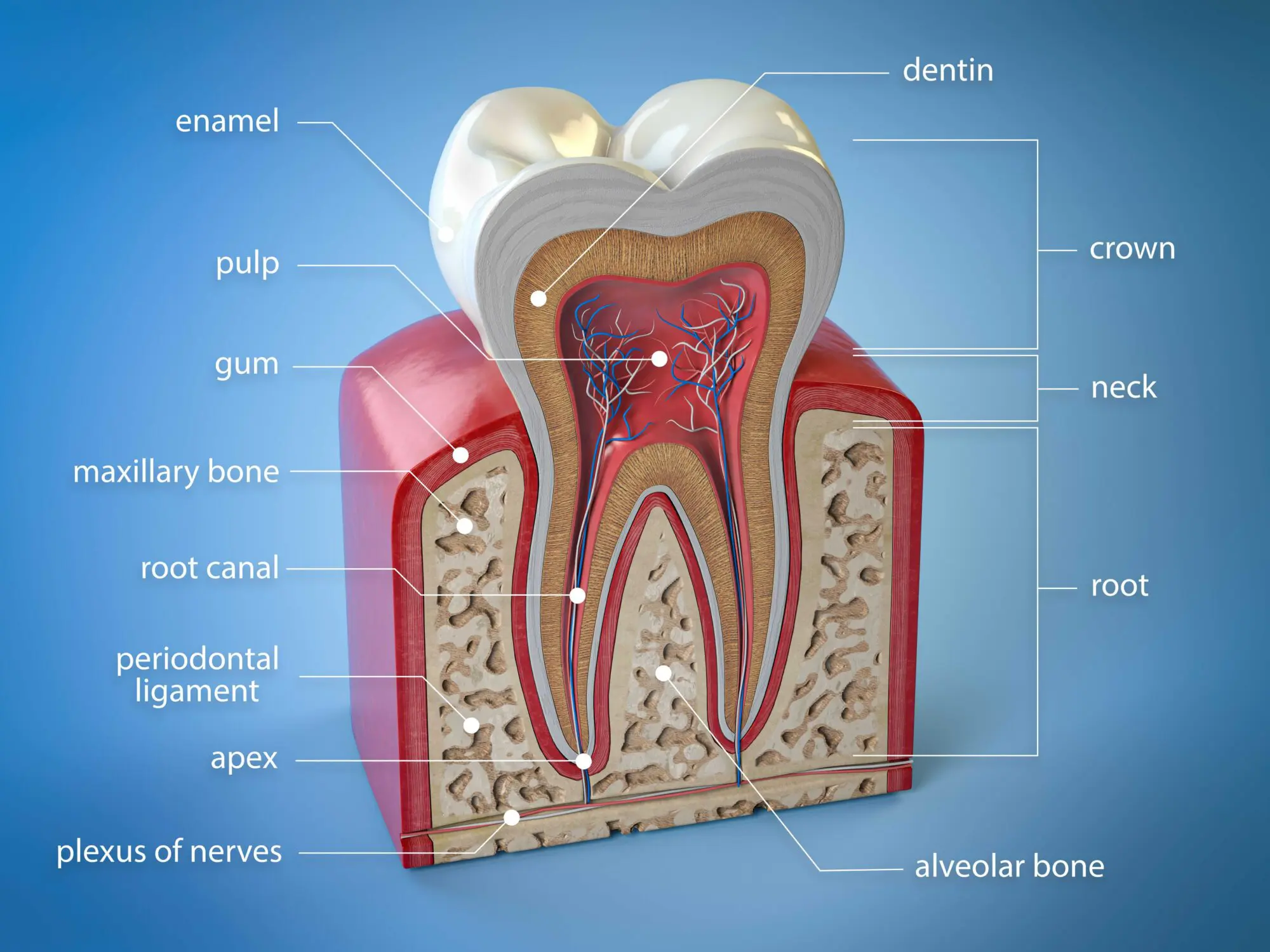
Rubber bands can apply forces on the teeth that compress the ligament between the tooth and the bone. The ligament is innervated, therefore this process can generate mild pain or soreness.
Causes of Pain from Rubber Bands on Braces
Discussion of the factors that contribute to pain and discomfort caused by rubber bands on braces.
Low jaw alignment
Pressure on teeth
Orthodontic rubber band adjustments
Connectivity of rubber bands to teeth
According to Dr. Nicole Crasto, a top-rated orthodontist in Liberty Township, OH, understanding why rubber bands cause discomfort is key to managing expectations during treatment. There are several factors that can contribute to the pain and discomfort caused by rubber bands on braces. Firstly, low jaw alignment can cause discomfort, as the rubber bands apply pressure to align the jaw correctly. This pressure on the teeth is another factor that can lead to discomfort. It’s a necessary part of the process as it helps to slowly shift your teeth into the desired position.
Additionally, when orthodontic rubber bands are adjusted during your regular check-ups, you might feel some discomfort as your mouth adjusts to the new tension. Lastly, the connectivity of rubber bands to the teeth can also cause discomfort, especially if they’re attached to sensitive areas. But don’t worry, typically, this discomfort subsides after a few days as your mouth adjusts.
How to Relieve Pain from Rubber Bands on Braces
Practical advice and techniques to alleviate pain and discomfort caused by rubber bands on braces.
Drink ice cold water or use ice packs to numb the affected area
Consume soft foods that require less chewing
Take pain relievers as recommended by orthodontist such as Tylenol
If the pain is still severe, call the orthodontist to confirm you are wearing the rubber band correctly and if necessary, ask for a rubber band with lower forces
Importance of consulting with an orthodontist if the pain from rubber bands on braces persists or worsens
Explaining the symptoms to the orthodontist and how you are placing the rubber band to make sure it matches the prescription
Here is an example of how you could communicate:
Dear Orthodontist, I hope this message finds you well. I wanted to discuss with you some symptoms I’ve been experiencing lately. I’ve noticed that there’s a slight discomfort and tightness around my teeth where I have been placing the rubber bands as per your prescription. I’ve been making sure to follow your instructions precisely, attaching the rubber bands to the top canine bracket and the bottom bracket of the back molar. I’m careful to change the bands daily and remove them during meals and brushing. However, the discomfort seems to persist. I just wanted to ensure that I’m doing everything correctly, and whether these symptoms are normal or if they indicate that there might be an issue with the placement of the bands. I look forward to your guidance on this matter. Thank you.
Discussing potential adjustments to the treatment plan
It’s quite common to make adjustments to a treatment plan. This is because everyone’s body is unique and may respond to treatment differently. So, if you feel that your current treatment plan isn’t working as expected, or if you’re experiencing side effects that are difficult to manage, it’s essential to discuss this with your healthcare provider. They may be able to adjust the force prescribed, or suggest alternative treatments to better suit your needs. Remember, your comfort and wellbeing are a top priority, so don’t hesitate to bring up any concerns or questions you may have. It’s all part of the journey towards finding the most effective treatment for you!
For more generic information on pain with braces, which our article “Do Braces Hurt?”
FAQ
Do rubber bands ever stop hurting?
Absolutely, my friend! The discomfort you may feel from a rubber band is usually temporary. If you’ve been snapped by one or if you’re using them for braces, there might be a little sting or ache at first, but it should subside after a while. If you’re using rubber bands for orthodontic treatment, your mouth will adapt to them over time. Remember, it’s all part of the process to get that wonderful smile you’re aiming for. If the pain persists, it’s a good idea to consult with a professional just to make sure everything is okay. So, don’t worry, the hurt won’t last forever!
Does or did anyone else find that rubber bands hurt more than braces by themselves?
While it is subjective and depends on the individual’s pain threshold, several people have reported experiencing more discomfort with the use of rubber bands in conjunction with braces as compared to using braces alone. The primary function of these rubber bands is to correct issues with the bite and jaw position, which often entails a higher degree of pressure and adjustment. Thus, this may result in increased discomfort or pain. However, it is crucial to remember that any discomfort experienced is typically temporary and subsides as the mouth adjusts to the new alignment.
Do the rubber bands on my braces ever stop hurting?
Absolutely, your mouth will adjust! I know it can feel pretty uncomfortable when you first get those rubber bands on your braces, but rest assured, this discomfort won’t last forever. Typically, the soreness subsides after a few days to a week as your mouth and teeth get used to the new pressure. If the pain persists or becomes unbearable, it’s a good idea to visit your orthodontist for a check-up. Remember, the end result of a beautiful, healthy smile is totally worth this temporary discomfort! Hang in there!
What causes headache when wearing braces with elastics?
Hey there! So, you’re wondering why you might be experiencing headaches while wearing braces with elastics, right? Well, the main reason is usually the pressure and tension that these braces and elastics are applying on your teeth to align them properly. This pressure can sometimes extend to the jaw and skull, causing discomfort and, in some cases, headaches. It’s the same kind of idea as when you have a muscle that’s sore from working out – your mouth muscles and teeth are adjusting to something new. However, if the headaches persist or are severe, it’s always a good idea to check in with your orthodontist or dentist to make sure everything is okay.
Does wearing 2 rubber bands speed up braces?
Absolutely not, my friend! Doubling up on rubber bands will not speed up the process of braces aligning your teeth. The tension applied by the rubber bands is carefully calculated by your orthodontist to move your teeth in a safe, controlled manner. Using more rubber bands can actually have adverse effects, like causing unnecessary pain or potentially moving your teeth too quickly, which is not good for your overall dental health. Always follow the instructions given by your orthodontist to ensure the best and most efficient results.
How long do braces rubber bands hurt?
Hey there! The discomfort you might feel from rubber bands on your braces typically lasts for about a week or so. Remember, each person’s mouth is different, so the length of time can vary slightly. It’s a bit like breaking in a new pair of shoes; initially, it might feel uncomfortable or even cause a little pain, but your mouth will soon adjust to the new sensation. If the discomfort persists or becomes unbearable, don’t hesitate to contact your orthodontist. They’re there to help you through this journey to a brilliant smile!
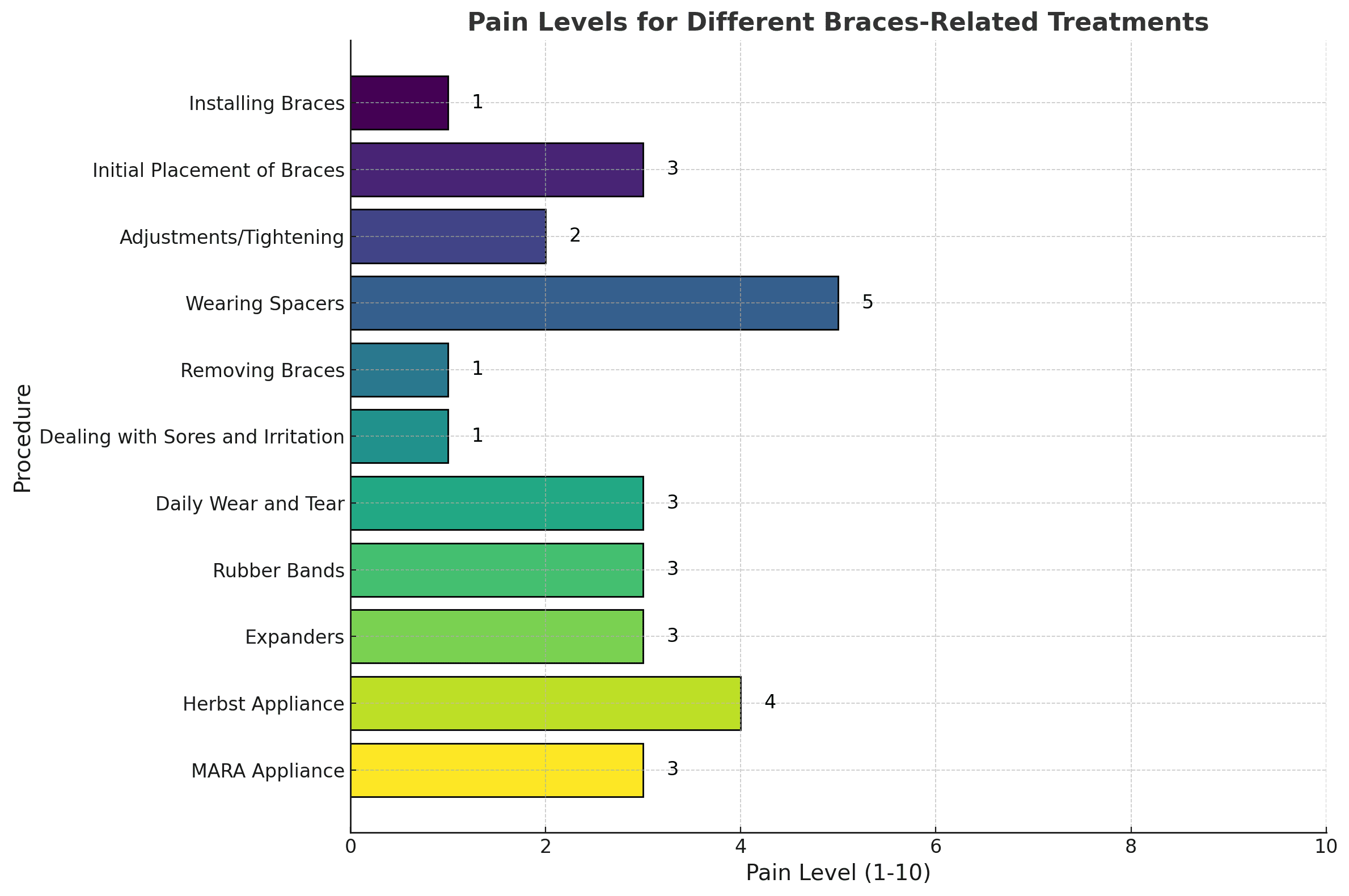
Getting braces is a breeze, ranking at a mere 1 on the pain scale for 80% of people. Embarking on your first orthodontic treatment journey doesn’t have to be painful, although some procedures are more uncomfortable than others.
So do you want to know in more depth how much do braces hurt on a scale 1-10? Let’s dive into the subject to share helpful tips to make your orthodontics experience a breeze.
Adults are less used to discomfort so we tend to recommend more comfortable and aesthetic forms of treatment for this type of patient when possible. Some patients are unusually sensitive to pain. Having braces might be unfamiliar, but it’s not deeply painful.
The gum inflammation is normal from having braces. We urge our patients to resist the irritation before covering it with comfort wax we provide so keratinized tissue (calluses) can create a natural relief and comfort for the braces throughout treatment.
How to Get Pain Relief for Braces in Austin
Does it change depending on where you are? Colder climate patients tend to feel less pain as our latest alloys tend to soften with colder air. In Texas, you can compensate with cold water or a frozen cotton swab pushed with the finger on the wire, not gums. Eating soft foods such as mashed potatoes and avoiding chewy or crunchy foods when a wire is first inserted will keep your appliances intact and accelerate your tooth movement by allowing the teeth to stay stable so new bone can form around them. if you want more information about food and braces, we have written blog posts about “What can you eat with braces?” and “What can’t you eat with braces?”.
The alignment wires we use change their crystalline structure and material property and get softer when you eat colder foods! so, if you are having a hard time, have some ice cream, use an ice pack on your cheeks, or drink some cold water!
In Austin, icy cold drinks s the way to go. Cold drinks not only change the crystalline structure of initial orthodontic wires, making them less stiff, but also relieve inflammation itself. So, consuming icy cold foods is the best natural solution to pain with braces!
It is important to note that our technology is totally different and improved. Your orthodontic appointment frequency and mouth adjusts will be a lot lower than your parents used to be! Thanks to Dr. Viecilli’s research, and others, we nailed it to make sure you get the least amount of the discomfort and side effect with the most amount of tooth movement. No oral anesthetics are ever needed!
Our orthodontic team canprovide you with all the tools to assure your experience will be the most comfortable possible. But remember, it will never be like you have nothing in your mouth. You have to make sure to keep your teeth clean and gums inflammation under control to minimize pain both during treatment and braces removal.
If you don’t brush your teeth, you’ll pay the price with more pain throughout your treatment or have the risk to have it interrupted to prevent damage to your teeth and gums. Sometimes, the parents have to assist with brushing to prevent painful bleeding gums. We don’t want any family to leave without their children with teeth straight and a loss of investment.
Although pain is usually highest and most unusual in the beginning of braces treatment, having your braces tightened a couple of times can renew the inflammatory process. But this usually occurs for just a few teeth. Dr. Nicholas Andros, a top-rated orthodontist in Pasco, WA, The longer the treatment goes on, the less the level of discomfort for the patient tends to be. Sometimes, rubber bands are added to connect the top and bottom braces at the end of treatment. This can also cause some mild pain and discomfort. If you want more information, we have written a blog post about “How to relieve pain from rubber bands on braces?”.
How do we put orthodontic treatment appliances on?
Putting braces on your child your mouth is a simple and virtually painless process. We etch your teeth with a slightly acidic substance that may be a bit sour when washed off. This is to make the enamel more porous to attach brackets to your teeth using color-matched dental cement and thread thin wires through them. After treating the surface of the enamel, we add glue to the bracket and cure it, attaching it to the tooth.
Tightening braces with o-ties or metallic ligatures might cause some discomfort. Your orthodontist will adjust the wires to gradually shift your teeth into alignment. It’s like a little pressure, nothing to worry about. And if you need it, over-the-counter pain relief is available. We only recommend Tylenol- ask the Doc about dosage. For instance, Dr. Cameron Freelove, an orthodontist Sammamish WA relies on, agrees with the recommendation. many pain relievers can slow down tooth movement and prolong the pain overall.
Old clear braces for adults used to be milled and be very sharp around the corners. They also had elastics around them, which tend to stain. Our self-ligating metal transparent braces have rounded edges and do not stain because they don’t need the tiny elastics that keep the wire attached to the braces! Most patients are frustrated that their o-ties get yellow during treatment with transparent braces but we spend 4x the cost to make sure you don’t have to come back to the office to change your o-ties if you take a turmeric shot or drink some wine.
Relax and we guarantee our ceramic Japanese high tech self-ligating brackets will keep the wire in place and reduce your dental visits while optimizing aesthetics.
Removal
We use Instruments that do not damage the teeth, and a black light that makes the glue fluoresce do we touch your teeth the least amount of time possible! We use the latest scientific advancements to make sure you are comfortable. When it’s time to say goodbye to your metal braces, the removal process is painless. A bit of mild discomfort might be felt to disconnect the brackets from the braces, but your tooth is secured during the process. so overall, it’s a breeze. Your orthodontist will clean your teeth and possibly suggest a permanent retainer, to maintain your newly-aligned smile.
Braces Pain Relief – Smartarch to Optimize Comfort During Treatment
If braces start causing discomfort, don’t worry! We have tips to ease the pain. Orthodontic wax provides a protective barrier, and pain medications can offer relief. Always consult your orthodontist for the best treatment options.
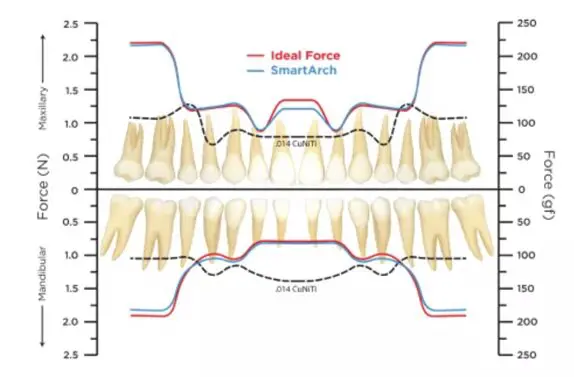
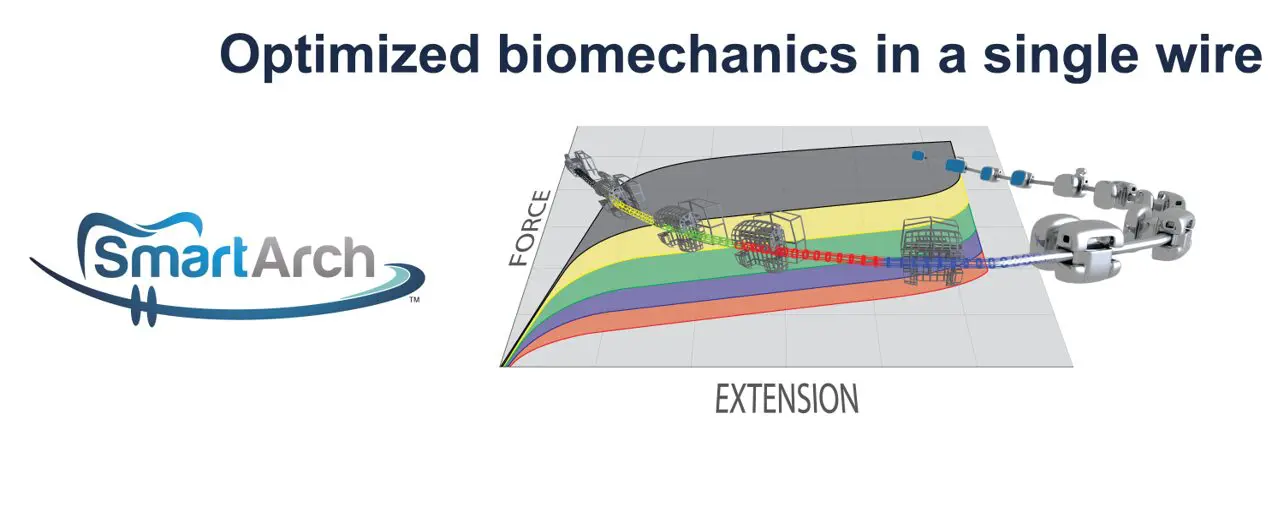
With braces, pain is no longer a concern. Get ready to embrace your journey to a confident smile! Learn more about the innovative SmartArch™ wire that can speed up your treatment time and require fewer adjustments. This wire was invented by Dr. Rodrigo Viecilli, orthodontist here at Limestone Hills Orthodontics. It is laser treated to soften specific areas and make sure all teeth have ideal forces from the start.
Smartarch can reduce inflammation and stay with your mouth on it up to 4 months because it can replace up to 3 wire changes! it’s the most expensive archwire in the world but our office team offers it for free because our Doctor is one of the inventors. Each little area of the wire between the brackets has a different stiffness optimizing the force for each tooth! Amazing!
Does Invisalign Hurt as Much as Traditional Metal Braces?
The research shows that with conventional wires, Invisalign or clear aligners in general may actually hurt less and cause less side effects than braces. But the Smartarch is a game changer, and no research has been done comparing the two, but our personal opinion is that it’s a tie with slight favor to the Smartarch which is scientifically validated.
Radiant Smiles and Confident Journeys With Dr. Viecilli and Limestone Hills Orthodontics Treatment
Your comfort, well-being, and radiant smile are at the heart of what our orthodontist and our friendly staff deliver to your family or yourself (yes we also treat adults!).
Trust in our expertise, and get ready to unveil a confident, beaming you with a beautiful smile. Your dream smile awaits, and we’re here to make it reality. Contact us today for a free consultation!
Orthodontic treatments like braces or aligners can sometimes cause discomfort or even a bit of pain, and that’s completely normal. If you’re in too much pain, you might be tempted to skip wearing your aligners or avoid certain foods, which could delay your progress. So, how to stop braces pain? Make sure to use pain relievers such as Tylenol (which doesn’t delay tooth movement), drink cold liquids, apply orthodontic wax on any irritating brackets, and maintain a soft food diet when necessary.
When we move those pearly whites into their proper positions, it can put a bit of pressure on your gums and teeth. This can lead to tenderness, especially after the braces are adjusted. But don’t worry, this discomfort usually subsides within a few days. Managing this pain effectively is super important, not just for your comfort, but also to keep your treatment on track. If you are asking yourself “Do Braces Hurt?”, click the link to find out more detailed information. Remember, it’s all part of the journey to achieving that beautiful, straight smile!
1. Understanding Braces Pain
Pain occurs because braces work by applying a constant pressure on your teeth to gradually move them into their proper positions. As Dr. Mo Zainal, an expert orthodontist in Colleyville, TX, points out, this pressure causes your gums and teeth to feel sore or sensitive, especially in the first few days after getting your braces or after adjustments.. The same goes when you get them tightened, as the orthodontist is increasing the pressure to continue guiding your teeth to their new locations. But don’t worry, this discomfort is completely normal and temporary.
Your mouth will soon adjust to the braces, and the soreness will fade. In the meantime, over-the-counter pain relievers or a soft foods diet can help ease any discomfort.
2. Immediate Relief Techniques
Using an ice pack, drink cold ice water and eat cold foods to numb the area and reduce inflammation and tooth soreness
When braces are adjusted, they can sometimes cause your teeth and gums to feel sore. Applying a cold compress externally to the affected area can help to numb the pain and reduce inflammation. Similarly, drinking cold water or eating cold foods like ice cream can provide a soothing effect, relieving the soreness from the inside. It’s a simple and effective remedy that can provide instant relief. Always remember, though, if the pain persists, it’s best to consult with your orthodontist to ensure everything is okay.
Rinsing the mouth with salt water to alleviate soreness on cheeks
When you first get your braces, it’s common to experience some discomfort. A salt water rinse can help soothe your mouth and reduce inflammation. It’s like giving your mouth a warm hug! Just mix half a teaspoon of salt in a glass of warm water and rinse your mouth gently. Do this up to 4 times a day, especially after meals. It’s a simple, natural remedy that can make a big difference in your comfort.
Taking over-the-counter pain relievers as directed by the orthodontist can help relieve tooth soreness
Indeed, the utilization of over-the-counter pain relievers, as prescribed by a qualified orthodontist, can significantly mitigate tooth discomfort caused by braces. These medications typically contain anti-inflammatory properties that effectively alleviate the pressure exerted by the braces on the teeth and gums, thereby reducing the associated pain and discomfort. However, it is crucial to strictly adhere to the orthodontist’s instructions regarding the dosage and frequency of these medications to avoid potential side effects. Therefore, while the braces work towards aligning your teeth, over-the-counter pain relievers can provide the much-needed relief from the accompanying soreness.
Applying orthodontic wax to smooth out rough edges can relief cheek soreness
When you first get braces, your mouth might not be used to the new addition, causing a bit of discomfort. But don’t worry, it’s totally normal and temporary. Orthodontic wax acts like a barrier, protecting the inside of your cheeks and lips from the metal brackets and wires. It’s super easy to apply and it creates a smooth surface, reducing irritation and making your braces more comfortable. So, if your braces are causing you some discomfort, orthodontic wax might just be your new best friend!
3. Long-Term Pain Management
Managing long-term pain following the installation of braces can be approached in several effective ways. It’s crucial to follow your orthodontist’s instructions for wearing braces, as this will ensure the best results and minimize discomfort. Opting for softer foods can also significantly lessen the pain when chewing. If you experience swelling, using an ice pack can help reduce it and numb the area, providing temporary relief.
Additionally, regular brushing of your teeth and gums is essential to prevent further irritation and maintain good oral hygiene. Remember, these steps will make your journey with braces much more comfortable!
4. When and how to consult the orthodontist for severe or persistent pain?
If you’re experiencing severe or persistent pain in your mouth or teeth, it’s essential to consult an orthodontist as soon as possible. Don’t try to tough it out, your comfort and health are too important! You can get in touch with your orthodontist by giving them a call, sending an email, or even scheduling an appointment online if that’s an option. When you contact them, describe your pain as accurately as you can: its intensity, location, and how long it’s been going on. This will help them understand your situation better. Remember, it’s their job to help you feel better, so don’t hesitate to reach out when you’re in discomfort.
5. Types of Braces and Pain
Pain related to braces it can vary depending on the type you choose. Most modern metal braces have a low profile and are more comfortable than most ceramic ones, that can be bulkier and have less rounded edges, thus being more uncomfortable for the cheeks.
Lingual braces, placed behind your teeth, might cause a bit more soreness on the tongue at the beginning because of their location. But don’t worry, the pain is manageable! Over-the-counter pain relievers and orthodontic wax can help ease any discomfort. Also, a soft food diet can be beneficial during the first few days after an adjustment. Remember, everyone’s experience is different, so it’s important to communicate with your orthodontist about your pain levels. They can provide personalized advice and solutions.
FAQ
Help. I’m having excruciating pain with my braces.
I’m really sorry to hear that you’re experiencing such discomfort with your braces. It’s not uncommon to feel some pain after getting braces or after adjustments, but if it’s excruciating, it might be a good idea to reach out to your orthodontist. They can check if everything is okay and might be able to adjust your braces to reduce discomfort. In the meantime, try rinsing your mouth with warm salt water and taking over-the-counter pain relievers, like ibuprofen. Use orthodontic wax to cover any sharp edges that might be causing irritation. Hang in there, the initial discomfort usually subsides after a few days.
I’m really sorry to hear that your spacers are causing you discomfort. The pain usually subsides after a few days as your mouth gets used to them. In the meantime, you can try rinsing your mouth with warm salt water or taking over-the-counter pain relievers to help with the discomfort. Eating soft foods can also help, as hard or sticky foods can exacerbate the pain. If the pain persists or becomes unbearable, it’s important to contact your orthodontist right away. They may be able to adjust the spacers or offer other solutions to alleviate the pain. Remember, it’s just a temporary phase and you’ll soon get used to them!
How do you deal with pain from power chain braces?
Addressing the discomfort that can arise from power chain braces requires a multifaceted approach. Initially, over-the-counter pain relievers such as ibuprofen or acetaminophen can be utilized to mitigate the acute discomfort following the braces’ adjustment. Topical oral anesthetics are also beneficial as they numb the affected area, providing temporary relief. Regular use of dental wax can help alleviate discomfort from the braces rubbing against the inside of the mouth. Moreover, maintaining a diet consisting of soft foods can lessen the strain on the teeth during chewing, thereby reducing pain. Lastly, practicing good oral hygiene, including regular brushing and flossing, can prevent inflammation and soreness caused by food particles trapped in the braces. Should the pain persist or intensify, it is advisable to consult with your orthodontist to ensure there are no underlying issues.
How to treat pain produced by the rubber bands in braces?
The discomfort or pain induced by the rubber bands in braces can be managed through various methods. Over-the-counter pain relievers such as ibuprofen or acetaminophen may be utilized to alleviate the discomfort. It is also recommended to rinse the mouth with warm salt water, as this can soothe the irritated gums and mouth tissues. Chilled foods and beverages can also provide relief by numbing the area. The application of a topical oral anesthetic gel, available at most pharmacies, can also help to numb the area and reduce pain. However, if the pain persists or intensifies, it is advisable to consult with your orthodontist to ensure the braces are properly adjusted and not causing unnecessary discomfort.
How do you get rid of braces sores?
Braces sores, also known as ulcers, can be quite discomforting. They can be managed effectively through several means. First, a dental wax may be applied to the braces, creating a smooth surface that reduces friction between the braces and the mouth’s interior. Secondly, over-the-counter oral gels or ointments can be used to soothe the sores and speed up the healing process. Regular saltwater rinses can also aid in alleviating discomfort and promoting healing. However, if the sores persist, it is prudent to consult a dental professional for further evaluation and treatment. It is essential to understand that these methods do not eliminate braces but rather manage the discomfort associated with them.
Does heat help braces pain?
Absolutely, heat can indeed be a helpful remedy for relieving braces pain! Using a warm compress or even sipping on a warm beverage can often help to reduce discomfort and inflammation. The warmth helps to relax the oral muscles and alleviate tension around the brackets and wires of your braces. Just remember, while heat can be a great help, if the pain persists or becomes too much to handle, it’s always a good idea to reach out to your orthodontist.
So, finding out what to eat with braces the first week can be a bit challenging as your mouth adjusts to the new hardware. It’s really important to maintain a braces-friendly diet during this time to prevent any discomfort, damage to the braces, and to ensure a smoother transition. Eating soft foods like soups, yogurt, mashed potatoes, and smoothies can help ease any initial soreness.
Cold foods can help relieve soreness. Also, avoiding hard, chewy, or sticky foods prevents any unwanted pressure on the braces or risk of breaking them. Remember, a well-balanced, nutritious diet also promotes quicker healing and can even reduce the overall time you need to wear your braces.
What to Eat with Braces the First Week
Cold foods that can promote relief to teeth and cheek soreness
Cold foods can indeed provide relief to teeth and cheek soreness. Consuming cold foods such as ice cream, yogurt, or frozen fruits can alleviate discomfort by numbing the affected area and reducing inflammation. Moreover, foods with high water content like cucumbers or watermelons can also promote healing and provide relief due to their cooling effect. However, it is essential to remember that these remedies are temporary and consulting with a healthcare professional is necessary for persistent pain or discomfort. The soothing effect of these cold foods can provide immediate relief, but they should not replace professional dental care.
Soft foods that require minimal chewing
Soft foods that require minimal chewing encompass a variety of options suitable for individuals with oral health issues or those recovering from dental procedures. These include foods like yogurt, applesauce, mashed potatoes, scrambled eggs, and smoothies. In addition, soups, broths, and stews can be consumed, provided they are pureed or finely chopped. Cooked vegetables and fruits, ripe bananas, and avocados are also suitable due to their soft texture. Moreover, protein can be obtained from sources such as tofu, finely chopped or ground meats, and well-cooked legumes. It is important to ensure that these foods are prepared appropriately to maintain their soft texture and minimize the need for extensive chewing.
Foods that are easy to chew and won’t cause discomfort
Foods that are easy to chew and won’t cause discomfort are typically soft, well-cooked, or pureed. Examples of such foods include ripe bananas, applesauce, cooked cereals like oatmeal, mashed potatoes, steamed vegetables, soft boiled eggs, and pureed meats or soups. These foods are not only gentle on the teeth and gums, but they also require less effort to chew and swallow. They are particularly recommended for individuals experiencing oral discomfort or difficulty in swallowing, such as those recovering from oral surgery or suffering from certain medical conditions. It is advisable to consult a healthcare professional or a dietitian for personalized dietary advice.
Cooking vegetables to make them softer and easier to eat
Cooking vegetables is a common practice that not only enhances their taste but also makes them softer and easier to consume. The process of cooking breaks down the tough cell walls of the vegetables, thereby making them more palatable and easier to digest. This is particularly beneficial for individuals with certain digestive issues or dental problems, as softer foods cause less strain on the digestive system and teeth. Moreover, cooking can also increase the bioavailability of certain nutrients, making it easier for the body to absorb them. Therefore, cooking vegetables is a practical method to improve their texture, digestibility, and nutritional absorption.
Opting for small-sized food portions
Opting for small-sized food portions can be a highly effective strategy for maintaining a balanced diet and promoting overall health. Dr. Granit Morina, a top-rated orthodontist in Leominster and Gardner, MA, explains that cutting food into bite-sized pieces makes it easier to chew and reduces the risk of putting unnecessary pressure on braces, helping to protect the hardware and ensure successful treatment. Consuming smaller portions can assist in regulating calorie intake, preventing overeating, and managing weight. It encourages mindful eating and allows for a diverse range of nutrients to be incorporated into one’s diet. Moreover, it can also aid in controlling blood sugar levels and reducing the risk of heart disease. Therefore, the choice of smaller food portions can be a crucial element in fostering healthier eating habits and lifestyle.
Foods that won’t damage braces or cause them to tighten
Certain foods are recommended for those wearing braces as they are less likely to cause damage or induce unintentional tightening. Soft foods are generally safe, including dairy products such as cheese and yogurt, as well as soft fruits like bananas and berries. Cooked vegetables, soft grains, pasta, and tender meats can also be consumed with minimal risk. Additionally, smoothies and soups are not only gentle on braces but also provide a variety of important nutrients. It is advisable to avoid hard, crunchy, or sticky foods such as popcorn, nuts, hard candies, and chewing gum, as these can potentially cause damage to the braces’ structure.
Importance of knowing what foods to eat to support orthodontic treatment
Understanding the appropriate foods to consume during orthodontic treatment is of paramount importance for several reasons. Primarily, certain foods can potentially damage orthodontic appliances, prolonging the treatment period and possibly increasing the associated costs. Furthermore, the consumption of appropriate foods can facilitate better oral hygiene, which is essential during orthodontic treatment to prevent complications such as tooth decay and gum disease. Additionally, a well-balanced diet can aid in maintaining overall oral health, providing essential nutrients required for tissue repair and inflammation control, thereby supporting faster and more efficient treatment outcomes. Therefore, knowledge of suitable foods to consume during orthodontic treatment is not merely beneficial, but a fundamental aspect of successful orthodontic care.
Incorporating fruits and vegetables into the diet
Incorporating fruits and vegetables into one’s daily diet is of paramount importance for maintaining optimal health. These natural food sources are rich in essential vitamins, minerals, and dietary fiber, all of which contribute significantly to the body’s proper functioning. They aid in digestion, boost the immune system, and play a vital role in preventing a variety of chronic diseases, including heart disease and certain types of cancer. Furthermore, due to their low calorie and high water content, fruits and vegetables can contribute to weight management and hydration. Thus, the inclusion of a diverse range of fruits and vegetables in one’s diet is a crucial component of a balanced and healthy lifestyle.
Balancing the diet throughout the week
Balancing one’s diet throughout the week is an essential aspect of maintaining optimal health and wellness. It involves consuming a variety of foods from all food groups in the right proportions to ensure a well-rounded intake of essential nutrients. This includes proteins, carbohydrates, fats, vitamins, and minerals. A balanced diet is not about strict restrictions or depriving oneself of the foods one loves, but rather about feeling great, having more energy, and stabilizing one’s mood. It can prevent chronic diseases like heart disease and cancer, and promote overall health. Therefore, it is critical to plan meals and snacks throughout the week that incorporate a diverse mix of nutrients to uphold a balanced diet.
Specific Foods to Consider
Mashed potatoes as a soft and easy-to-chew option
Yogurt and cottage cheese for a soft and protein-rich choice
Recommendations for soft fruits and vegetables
Sweet potatoes as a nutritious and soft alternative
Soft foods that can be cut into smaller pieces for easier consumption
Enjoying ice cream as a treat while being mindful of sugar content
Foods to Avoid Until You Get Your Braces Off
In order to maintain optimal dental health and prevent any potential damage to dental appliances such as braces, certain types of food and behaviors should be avoided. Foods that necessitate excessive chewing or may cause discomfort should be minimized. This includes hard and sticky foods such as caramel or hard candies, which can potentially damage braces. Furthermore, it is advisable to refrain from chewing on hard objects like ice or pens, as these can also cause harm to your dental health.
Lastly, high consumption of sugary foods should be avoided due to the increased risk of tooth decay and gum problems. These recommendations are essential for maintaining good oral hygiene and the integrity of any dental appliances. Click the link for more detailed information on how to answer “what can you eat with braces?”
FAQ
First day with top braces! No idea what to eat.
Congratulations on getting your top braces! It’s completely normal to feel a bit unsure about what to eat on your first day. Start with soft foods that are easy to chew. Soups, smoothies, mashed potatoes, yogurt, and soft fruits like bananas are great choices. You might also find it comfortable to eat pasta or scrambled eggs. Remember to avoid hard, chewy, or sticky foods which can damage your new braces. It might take a little while to get used to, but soon you’ll be back to eating most of your favorite foods. Happy eating!
What are some meals that someone who just got braces can eat the day that they got braces, and they day after?
Individuals who have just received braces should focus on consuming soft, easy-to-chew meals in order to mitigate discomfort and prevent potential damage to the orthodontic appliances. On the day of the procedure, and the subsequent day, suitable meal options may include smoothies, mashed potatoes, soups, or soft fruits such as bananas. Other options might encompass soft, cooked pasta, scrambled eggs, or yogurt. It is crucial to avoid hard, crunchy, or sticky foods during this period, as they can potentially cause harm to the braces. Ultimately, the key is to opt for meals that require minimal chewing and are gentle on the teeth and gums.
What’s it like to eat with braces the day you get them?
Eating with braces on the initial day of their installation can be a considerably challenging experience. This is primarily due to the unfamiliarity and discomfort that the oral cavity has to adjust to, as a result of the newly inserted foreign objects. The pressure exerted by the braces on the teeth might lead to a certain level of pain and sensitivity, which could potentially hinder the process of mastication. Moreover, the individual may struggle with the consumption of hard or crunchy food items, as they could cause harm or dislodge the braces. Therefore, it is advised to consume soft foods and to take small bites to ensure a smoother transition during this period.
What fast food can I eat with braces the first week?
During the initial week after receiving your braces, it is crucial to consume soft foods that do not exert excessive pressure on your teeth and braces. Many fast food options are suitable for this purpose. For instance, you may opt for mashed potatoes, macaroni and cheese, or a soft bread sandwich with tender fillings from various fast food chains. Additionally, milkshakes, smoothies, and soft-serve ice cream are also suitable choices. However, it is advisable to avoid items that are excessively sugary to prevent potential cavities. It is essential to make choices that not only satisfy your fast food cravings but also ensure the integrity of your braces.
Can I eat rice first week of braces?
Yes, you may consume rice during the first week of having braces. It is generally recommended by orthodontists to eat softer foods after braces are initially applied or adjusted, as your teeth may be sensitive. Rice, being a soft and easily chewable food, falls into this category. However, it is essential to ensure that the rice is cooked thoroughly to a soft consistency to avoid any discomfort while chewing. It is also advised to maintain good oral hygiene by thoroughly cleaning your braces after eating to remove any food particles that may get lodged.
When you have braces, maintaining a proper diet is crucial. So what can you eat with braces? This means avoiding hard, crunchy, or sticky foods that can damage the braces or get stuck. Consuming a balanced diet contributes to overall oral health and accelerates the corrective process. The aim is to make your journey with braces easier and more comfortable, while ensuring you achieve the best possible results.
Understanding Braces
Braces consist of several components including brackets, which are small squares attached directly to each tooth; wires, which apply pressure to the teeth to move them into the desired position; and bands, which wrap around the teeth to provide additional support. Braces can indeed impact your eating habits and food choices. You may need to avoid certain foods like hard, sticky, or chewy foods that can damage the braces. But don’t worry, this small change in your diet will be worth it once you see your beautiful, straight smile!
Diagram of tooth, bracket and wire
What Foods to Eat with Braces
Eating with braces doesn’t have to be a daunting task, and you can still enjoy a variety of foods while ensuring your braces stay in tip-top condition. It’s important to maintain a balanced diet for overall health, and this becomes even more crucial when you have braces as your teeth need all the essential nutrients to stay strong during this period.
Soft foods are your best friends at this time! Scrambled eggs, cooked vegetables, and soft cheese are not only brace-friendly but also delicious and nutritious. If you eat slightly chewer foods, like a steak, don’t forget to cut your food into small, manageable pieces to avoid any discomfort or potential damage to your braces. Eating softer foods during your brace time can also provide a comfortable eating experience and help reduce the risk of irritating your gums or dislodging your braces. So, enjoy your brace journey with a bit of culinary creativity!
A photo collage of brace-friendly foods.
Foods to Avoid with Braces
If you’re sporting braces, it’s essential to steer clear of certain foods that could potentially cause damage. Sticky and hard foods are your braces’ arch-nemeses. These include certain candies, corn on the cob, and gum, which can get stuck in your braces and brackets, making them tricky to clean. The risk here is that such foods can cause your brackets to snap or wires to bend or break, which may lead to unexpected orthodontist visits for repairs. Eating damaging foods can also prolong your treatment process. So, for the sake of your beautiful future smile, it’s critical to avoid foods that could harm your braces.
Maintaining Oral Health with Braces
Maintaining oral health while wearing braces is incredibly important to ensure the success of your orthodontic treatment. It’s vital to keep your teeth and braces clean, as they can easily trap food particles and plaque, which can lead to cavities and gum disease. To remove these effectively, consider using interdental brushes or floss threaders that are specifically designed for braces. When brushing, don’t forget to brush each tooth at the gum line and above and below the brackets to ensure all plaque is removed.
Flossing might be a bit trickier but it’s essential to floss daily to keep your gums healthy. Remember, a healthy mouth contributes to the success of your orthodontic treatment and leads to a beautiful, radiant smile once your braces come off. So, keep up with your oral hygiene and look forward to the day you’ll flash your beautiful, brace-free smile!
Additional Tips and Considerations
Taking care of your braces is an essential part of your journey to achieving a stunning smile! It’s crucial to avoid habits that could potentially harm your braces, such as nail-biting or chewing on pens. These habits can loosen or break the brackets and wires, leading to unplanned orthodontist visits. Additionally, certain foods like hard candies, popcorn, or crunchy veggies can damage both your braces and teeth. But don’t worry, there are plenty of tasty and braces-friendly food options available.
Soft foods like mashed potatoes or ripe fruits are not only easy on your braces but also contribute to your overall health. Even with braces, you can enjoy a variety of foods! Just remember to cut them into small pieces or cook until they’re soft enough to eat comfortably. And here’s the best part – eating with braces isn’t a problem at all. With a little caution and care, you can continue to enjoy your meals while your braces work their magic on your smile.
FAQ
What are the worst things you can eat with braces?
Hey there! As someone wearing braces, there are a few foods you should avoid to protect your dental hardware and ensure a smooth braces journey. Sticky and hard foods are the main culprits. These include candies like caramel and gummy bears, which can get lodged in your braces, and hard foods like popcorn, nuts, and hard candies, which can potentially damage your braces. Chewy foods like bagels or tough meats can also be problematic as they can get stuck and be hard to remove. And don’t forget corn on the cob, which can dislodge your braces. So while it’s a bit of a bummer, steering clear of these foods can help keep your braces intact and your orthodontic treatment on track.
Can you eat pizza with braces?
Absolutely, you can eat pizza with braces! Just remember to be careful and considerate of your braces. It’s best to avoid biting into a whole slice of pizza, as the crust can be tough and potentially harm your braces. Instead, consider cutting your pizza into small, bite-sized pieces. This way, you can still enjoy your favorite food without putting too much stress on your braces. Happy pizza eating!
Can I eat a burger with braces?
Yes, you can still enjoy a juicy burger even if you have braces! However, there are a few things to keep in mind for a more comfortable eating experience. Instead of biting into it with your front teeth, try cutting the burger into smaller, bite-sized pieces. This way, it’s easier to chew and less likely to get stuck in your braces. Also, be sure to avoid any overly hard or crunchy toppings that could potentially damage your braces. With these simple adjustments, you can continue to enjoy your favorite burgers!
Best foods to eat in your first week of braces?
During your initial week with braces, it is highly recommended to consume soft foods to minimize discomfort and prevent damage to your braces. Foods such as mashed potatoes, yogurt, soups, soft fruits like bananas, cooked vegetables, pasta, and rice are excellent choices. Dairy products like milk, cheese, and smoothies are also beneficial as they are rich in calcium, promoting stronger teeth. Avoid hard, crunchy, and sticky foods like nuts, popcorn, caramel, and hard candies, as these can potentially dislodge or damage your braces. It is also prudent to cut larger foods into smaller pieces to reduce the pressure on your braces while chewing. Healthy, soft food choices will not only ensure the integrity of your braces but also promote oral health.
What chewy candy can I eat with braces?
If you have braces, you might be thinking that chewy candies are off-limits, but that’s not entirely true. While it’s important to avoid very sticky and hard candies that can damage your braces, there are still some chewy candies you can enjoy. Soft, non-sticky candies like marshmallows or gummy bears are generally safe. Remember, though, sweets should be eaten in moderation and it’s crucial to brush your teeth afterwards to prevent cavities. Always check with your orthodontist if you’re unsure about a particular candy. Happy snacking!
Can I eat chips with braces?
Absolutely, you can still enjoy chips while wearing braces! However, it’s important to be careful. Hard, crunchy chips could potentially damage your braces or get stuck in them. Therefore, it’s recommended to opt for softer chip options or break them into smaller pieces before eating. Always remember to brush and floss after snacking to keep your braces clean. So, go ahead and enjoy your chips, just be mindful and take care of your braces!
The Austin orthodontics journey towards a perfect smile is most often paved with traditional metal braces here in Texas like everywhere else. This orthodontic tool has been instrumental in correcting dental imperfections, improving oral health, and boosting self-esteem for millions of individuals worldwide. However, many parents often ask themselves: “What age can kids get braces?” or “What age do kids get braces?”, although some now also look for clear aligners brands such as Invisalign Teen as a treatment option, or even clear braces. Usually, parents think of pediatric dentists when their kids have dental issues and often forget about the orthodontist.
Pediatric dentistry usually focuses more on the tooth itself and their restorative process, and sometimes restorative processes of facial malformations at birth. A pediatric dentist has minimal dental experience in growth and development compared to a dentist, and only sometimes has some experience addressing it with appliance therapy. An orthodontist deeply studies all the growth and development of the face and learns how to subtly detect abnormalities like no other dental specialist. It is a regular question in our orthodontic clinic, when we find a large issue “But we have been going to the dentist or pediatric dentist and nobody ever told us this before! And sadly, sometimes it can be too late before surgery is needed as part of the therapeutic plan.
Understanding Orthodontics and Dentofacial Orthopedics: what age do kids get braces?
Orthodontics is a specialized field of dentistry that’s not just about straightening teeth. It’s also about diagnosing, preventing, and addressing dental and facial abnormalities to improve both function and appearance.
Dentofacial orthopedics is a specialized area within orthodontics which focuses on guiding facial growth and development, particularly in children. It is not a subspecialty of pediatric dentistry. As Dr. David Carpinello, a popular orthodontist in Drexel Hill, PA, says, orthodontics covers more than just teeth, it also guides how the face and jaws grow. The name of our specialty is “Orthodontics and Dentofacial Orthopedics” because the specialist Dr has to know how the face grows, how muscle imbalances affect the bones and how to intervene to modify it when needed.
These fields cover and treat a broad range of conditions that can warrant early interventions. For instance, habits like tongue thrusting or mouthbreathing can have long-term effects on dentition and jaw appearance. If left untreated, these conditions might require surgical correction later in life to achieve the best smile and recover self confidence.
Understanding Orofacial Myofunctional Disorders and Early Orthodontic Treatment
Orofacial myofunctional disorders (OMDs) encompass a variety of conditions that involve the muscles and functions of the face and mouth. These can include mouth breathing, tongue thrusting and inadequate posturing, and persistent sucking habits of the fingers, lip or objects. The best orthodontists pay close attention to these disorders and treating them is crucial for good health. If left untreated, OMDs can lead to improper muscle function, abnormal swallowing patterns, and even skeletal deformities that if not caught early can only be corrected surgically, with costs often surpassing $20,000, when addressing them early could have reasonable prices.
The Impact of Mouthbreathing
Mouthbreathing is a common issue among children, often resulting from airway restrictions or nasal congestion. However, chronic mouthbreathing can have significant implications for craniofacial development. It can lead to a condition known as “long face syndrome,” characterized by a long, narrow face, a high-arched palate, and an open bite.
Early intervention can help patients address these issues. For instance, myofunctional training, strengthening the hyoid muscles and educating tongue position with exercises, or oral appliance therapy with expanders on tongue trainers can promote optimal tongue function and positioning, reducing symptoms of sleep-disordered breathing and modifying mouthbreathing habits. Our clinic and office is equipped with a CT scan where we can not only detect but measure the benefit of our therapies and detect anatomical abnormalities or discard them, identifying the cause and referring the patient to the proper professional for multidisciplinary treatment plan options, such as an ENT. For instance, we are one of the few offices in Austin tx that offer patients a free CT Scan (3D x rays) as part of our free consultation. ENTs charge up to $800 for those and very few orthodontic offices have them.
Tongue Posture and Thrust: Potential Consequences
Tongue thrusting refers to pushing the tongue against or between the arches while swallowing, speaking, or at rest. This abnormal tongue function can contribute to dental issues, such as open bites, spacing, anterior crossbites (underbites) and misalignments in different areas of the dentition. Furthermore, improper tongue posture can lead to atypical swallowing patterns and exacerbate orthodontic problems.
Orthopedic interventions can help improve tongue posture and function. Treatment options may include orofacial myofunctional therapy, which aims to establish correct swallowing patterns and proper tongue resting positions.
Finger and Lip Sucking Habits: The Need for Early Intervention and identification by Pediatric Dentistry
Nonnutritive sucking habits, such as finger or pacifier sucking, can significantly influence craniofacial growth7. These habits can result in atypical swallowing, oral breathing, and skeletal changes, including open bites and crossbites.
Early functional orthodontic treatment can help patients manage these bad oral habits and guide proper jaw development7. Pediatric dentistry professionals can also provide patient guidance on habit cessation techniques to prevent long-term dental and skeletal effects.
The Role of Early Orthopedic Intervention in the Dental Office
Early orthopedic intervention plays a crucial role in addressing these issues. By identifying and managing these habits early, healthcare professionals can guide proper craniofacial growth and reduce the need for extensive orthodontic care later in life.
In conclusion, the importance of early orthopedic intervention in managing breathing, tongue posture and thrust, and finger and lip sucking habits cannot be overstated. These habits can have significant effects on craniofacial growth and development, highlighting the need for timely detection and treatment. Most often, the optimal maturity time for treating lack of space issues in my practice is around 9, when their little oral cavity and psyche are a bit more developed to withstand the experience in the chair. But for situations such as underbites and underdeveloped upper jaws and underbites, treatment must be done by 7 years old. Dr Viecilli and the staff of the practice will work with the parents as a team on the psychological aspects of how to best prepare your child for appliance treatment.
The Early Loss of Baby Teeth: A Concern for Parents
One common issue that parents encounter is the early loss of baby teeth in their children. Losing them too soon can lead to space loss in the dental arches and crowding, affecting the alignment of the permanent ones that are yet to come3. This is where early intervention from an orthodontist comes into play. By guiding the growth and development of the jaws, orthodontists can ensure adequate space for the eruption of the permanent dentition and potentially minimize the need for future orthodontic care.
The Role of the Dr Orthodontist in Dental Health Services
Orthodontists are dental specialists who have undergone additional years of rigorous training after dental school. Their training equips them with the expertise to manage complex conditions that general dentists may not be equipped to handle. These conditions include malocclusions (improper bites) and facial irregularities. These are reasons kids should get braces or appliances.
Recognizing the importance of early intervention, to make it clear, the American Association of Orthodontists recommends that every child should have their first check-up with an orthodontist no later than age 7. It is the best age for his early evaluation because it allows for the timely identification of potential issues and the planning of future service, if necessary.
Timing of Orthodontic Care: Not a One-Size-Fits-All Approach
When it comes to the timing of orthodontic care, there’s no one-size-fits-all answer for doctors. The appropriate timing for appliances, traditional braces or clear trays, or even the extraction of a tooth or more in severe cases, varies greatly depending on the individual’s specific needs and the nature of the problem.
Although many times braces are needed after primary treatment to address lack of space for permanent tooth eruption when others inside the bone are at risk of damage, general guideline is that the most suitable time to consider placing ceramic braces or regular brackets is usually the first visit after all primary dentition has been replaced by permanent dentition, which typically happens around ages 10 to 14. By this time, significant growth has occurred, allowing for efficient and effective treatment.
Braces for kids: The Importance of Early Intervention in Orthodontics
While the range of 10 to 14 years old is often ideal for the initiation of comprehensive orthodontic procedures, certain problems may benefit from earlier intervention. Early treatment, also known as Phase I treatment, can help guide jaw growth, correct harmful oral habits, lower the risk of trauma to protruded front dentition, and guide them into a more favorable position.
The Multifaceted Benefits of Orthodontics
Our services serve several critical purposes beyond just straightening crooked teeth here. They can provide solutions for issues such as grinding, jaw alignment, gum health, and injury prevention.
Teeth Grinding and Deep Overlap of the anterior dentition
Teeth grinding, or bruxism, can lead to enamel wear and tear, increased tooth sensitivity, and even fractures in the dentition. Braces can help alleviate this issue by correcting the anterior overlap of teeth that locks the jaw, thus reducing the tendency to grind. One of the perks of Invisalign is that it can help control grinding and bruxing habits by shifting the bite position to the front teeth, triggering a proprioception mechanism that decreases the grinding force. Additionally, it also protects the the dental enamel against wear.
Jaw Alignment
Misalignment of the jaw can cause difficulties in speaking, breathing, and eating. By aligning the dentition and improving the fit of the teeth, orthodontics can enhance jaw function.
The Role of Braces in Gum Health
Straight teeth are easier to clean, reducing the likelihood of plaque build-up and subsequent gum disease. Crowding has been determined to be the number one factor for calculus formation which can contribute to periodontal disease, tooth mobility and loss. Through orthodontic alignment, we can contribute to improved oral hygiene and healthier gums. Here in Austin and in Texas, people have a sweet tooth, so this becomes even more important!
Injury Prevention through Orthodontics
If the dentition is protruding on the front are, they are more prone to injury, especially in individuals engaged in contact sports. Braces can correct this, thereby reducing the risk of traumatic injuries.
When Can Kids Get Braces: A Closer Look
While the ideal age to get braces is usually when most permanent dentition is present, these days it happens around 11 to 12 years old. All permanent dentition should have erupted, with the exception maybe of the second molars, which we normally engage later anyway. Orthodontic consultations should begin much earlier. Taking your child for a consultation at age 7 allows the best Austin tx orthodontist around to monitor their growth and development and intervene at the optimal time for the best possible outcome. A dentist or pediatric dentist may miss many issues, and it’s not their fault, it’s just that orthodontists are specialists in this.
Visiting the Austin Orthodontics Office in Adulthood: It’s Never Too Late!
In some instances, adults with severe jaw discrepancies may require a combination of orthodontic care and orthognathic (jaw) surgery. This combined approach can dramatically improve facial aesthetics and function these patients.
Adjusting to Braces: A Parent’s Role
Parents and even friends play a crucial role in helping their family, dentist and their children adjust to braces. From building excitement about the treatment to teaching good oral hygiene and preparing the family and kids for potential discomfort, parents can provide their family with much-needed support throughout the orthodontic journey as an adventure here in Austin TX.
Building Excitement About Orthodontic Treatment
One way parents can help their children adjust to braces is by building excitement about early orthodontic treatment. You can do this by focusing on the ultimate positive outcomes of it such as a beautiful, healthy smile and harmonized esthetic facial structure.
Teaching Good Oral Hygiene with Braces in Austin
Another crucial role for parents is teaching their children good oral hygiene while wearing braces. This includes showing them how to brush carefully around the brackets and wires to prevent tooth decay and gum disease. In Texas, patients are known to have a sweet tooth. Sometimes Invisalign Teen can be a good option for patients with neurological or anatomical difficulties to brush, as there is a lot less tendency for plaque to accumulate and cause inflammation that can lead to bone loss- an undesirable side effect for the kids and a headache for the Austin Dr.
Preparing for Potential Discomfort from Braces
It’s also important to talk openly with your child about any potential discomfort they may experience while wearing braces. Let them know that they might feel a bit sore after adjustments but reassure them that this discomfort is temporary. Invisalign Teen or some other clear aligner may be an option for compliant kids that are more sensitive to braces discomfort. Retainers are not always needed at the end of early treatment but we always recommend a personalized regimen for their wear after comprehensive orthodontics of the adult dentition is completed.
A Confident Smile at Anytime with a Top Contender for Austin Best Orthodontist!
At Limestone Hill Orthodontics, we believe in the power of a beautiful smile for everyone from 7 to 80 or beyond. Whether you’re considering orthodontic care for your child with brackets or Invisalign, or contemplating braces as an adult here in Austin, our dedicated team is here to guide you every step of the way. With a personalized approach to care with the traditional hospitality known here in Austin TX, we’re committed to helping you achieve the smile of your dreams. If you or your kid are a potential new patient and found us after googling and like what you’ve read, contact our friendly staff in the office today to schedule a consultation that is totally free now, and let’s embark on this journey together!
Are you just starting out your orthodontics process towards a perfect smile and wondering how to find the best orthodontist in Austin TX or anywhere else? Austin offers multiple orthodontic services and a large practice philosophy variety, making it a challenging task to pick the right one for you. What may be more important for your best smile, may not be for the best smile for everyone.
So, how do you find the best fit? In a nutshell, focus on service quality, high involvement of the actual doctor, staff expertise, a well-functioning dedicated team and a treatment plan specifically tailored for the finances, main concerns and financial restrictions of the patient.
A free consultation is always nice. Are they more focused on children, kids, teens or adults? Did you feel forced, nervous and pushed or got all the answers you needed in the time allotted for you during your consultation?
Let’s delve deeper into these elements and more, so you can make an informed choice and observe if there are enough wonderful things to perhaps even develop enough confidence to get started in the same day of your free consultation!
Why Seek the Best Orthodontist in Austin Near You – Orthodontic Care Matters
Before we dive into the how-to, it’s important to recognize the value of quality orthodontic treatment.
A great smile isn’t just about aesthetics; it’s also about oral health. Misaligned teeth and bite can contribute to issues like difficulty in cleaning, gum disease and temporomandibular joint (TMJ) problems.
Aesthetics of smile is also a big concern, since it’s closely tied to health. It’s been shown that there is a natural selection bias in all aspects of life towards better looking people. All those aspects make your choice of an orthodontic practice or dentist a critical one for your best facial appearance and smile.
Check Qualifications and Reviews
We’re in the age of information, and the qualifications of orthodontists are more transparent than ever. Any reputable clinic should list their orthodontists‘ credentials openly. To find the best orthodontist in Austin, look for board-certified professionals with a proven track record as clinicians, academicians and innovators.
Award winning Professor PhD orthodontists in Austin TX like Dr. Rodrigo F. Viecilli are rare, and these doctors are trained to move teeth and have a deeper understanding of the biomechanics and genetics of tooth movement.
Check on PUBMED, the database of peer reviewed publications, if your contender for best orthodontist in Austin has any. Does he have faculty appointments? How often they are invited to lecture and teach?
Google them to see their experience, past inventions and patents and accomplishments and awards and if their area of research can actually help your treatment goals.
Is your contender for best orthodontist in Austin the owner of the practice and the only one that will treat you? Is it a side office, private practice, family, where the orthodontist often puts all of his effort in the name of his family business, or a corporation where orthodontists change often, which can lead to longer treatment times?
Besides official qualifications, patient reviews are essential. Platforms like Google Reviews and Facebook offer unbiased opinions from people who have undergone treatment, making you a bit more confident that you will have a good experience.
These insights are invaluable for gauging service quality, clinic hygiene, and overall patient satisfaction.
Although online reviews are helpful, personal recommendations also serve to give you some level of trust. Consult friends, family, and colleagues, especially those who’ve recently undergone orthodontic treatment. However, they will often recommend whoever they went to.
Chances are, you will get a recommendation of a popular and busy orthodontist with a practice that has been running for a long time. Is that the best orthodontist in Austin for you? Can they provide you with more personalized care? Do they perform the consultation themselves or assign 90% of it to someone that is not even a dentist? Perhaps you could do better. Is there professionalism- why choose this provider if he doesn’t have time even to talk to you much? How can you make sure all your treatment needs are met if you are not communicating with the Doctor himself? How much time did he spend looking at your case?
You can also ask your general dentist for recommendations; they often have valuable insights on who the best orthodontist in Austin is. But be careful and do your own research, some opinions can be biased and based on fear of losing you for their Invisalign treatment (they are less trained than orthodontists) or perhaps favor exchanges, or simply habit to refer to a friend or someone famous.
Therefore, doing your own research, and visiting a few offices, see how busy and efficient they are, if the doctor himself really has time to discuss with you and make you feel safe that you trust your treatment during your consultation is critical.
Visit the Clinic
Online research is imperative, but it’s no substitute for an in-person visit. A physical tour helps you assess the clinic’s ambiance, cleanliness, and the technology they use.
The most important aspect of the entire treatment is the diagnosis and development of the treatment plan- how long the doctor listens to your needs and examines and discusses your exams with you.
Do not call orthodontic clinics simply asking for price. It is not very informative, not a good way to start a relationship, and will probably either get you caught by an unethical clinic or take you to a random direction that is not in your best interest.
You are purchasing orthodontic treatment for your smile- it is a lot more complex and involves a lot more uncertainties than a simple product purchase if you want the best outcome.
You will have to visit the orthodontic clinic anyway. So, after some research, I recommend you compare at least 2 consultations.
Clinics with 3D radiographic information (CT Scans) like ours could lead to more complete and accurate information about treating the patient’s condition in many cases. We have often caught issues that could have caused damage to the dentition with a treatment plan based on 2D data. It’s common, especially in the early treatment of the mixed dentition of children and later treatment of adults.
Our i-Cat Flex CT scan costs as much as a Porsche and was a huge investment we did to provide the most accurate airway and 3d position diagnosis to our patients.
Interact with the staff, as their warm behavior often reflects the overall ethos of the clinic. Are they attentive, knowledgeable, and open to answering your questions? Are they busy and still trying to do the best to provide you, family and child with a good experience?
How much time did the actual doctor spend with you? Were they clear with you about the differences of accepting insurance, being in network with insurance and out of network, and what these imply for your pocket? These are all good indicators of a trustworthy service provider.
Compare Costs
Orthodontic procedures can be expensive, often requiring long-term commitments. Costs can differ widely between clinics, but don’t make your choice based solely on price. Lower costs can sometimes mean lower quality or hidden charges.
Payment Plans
Given that orthodontic treatments can be costly, check if the clinic offers flexible braces payment plans. This flexibility can be a lifesaver, especially if you’re on a tight budget. We offer long payment plans with no interest financing and zero credit check through our practice management and financial management software Orthominds.
The Insurance Game
Usually, more experienced orthodontists are out of network with most insurances, because they don’t need to reduce their fees to get patients (being in network means you are forced to reduce your fee to be listed in their website, out of network can accept your insurance but not be listed).
In general, inexperienced orthodontists out of school open their practice and are often in network with all insurances, even low paying HMOs. It’s all a tradeoff.
However, sometimes experienced orthodontists open new practices and become in network to attract new patients. This is the case of Limestone Hills Orthodontics. Dr. Viecilli was treating thousands of patients, teaching and doing research in two renowned Universities, but his decision to settle in Austin is recent. Therefore, we are in network with almost all PPO insurances, which could give you a good discount and the best deal you can get of experience and price.
Get a detailed breakdown of what the cost includes—braces, aligners, follow-up appointments, etc.— what’s included and not, so you can make a fair comparison. A general rule of thumb is to always prefer clinics that offer transparent Zero Interest Financing and Insurance options.
Treatment Options
Medical science is always evolving, and braces and orthodontic care is no exception. From traditional metal braces to self-ligating clear braces (they don’t stain because you don’t need to change the small o-tie elastics), clear aligners, like Invisalign, and other more generic clear aligner brands, orthodontics treatment options are expanding that could all lead the path to achieve a beautiful smile.
Location and Convenience
Austin is a big city, and a clinic that’s more than an hour away might not be ideal for frequent visits. Additionally, check the clinic’s operating hours. Do they align with your schedule? Do they provide emergency services when they are not open? Is there an extra cost?
Convenience should be a crucial factor in your decision-making process. Limestone Hills Orthodontics is the one of the only (if not the only) private practice that offers a SATURDAY as an option for busy professionals to make an appointment. We also currently offer free consultations and late day emergency appointments 5:30pm-6:30pm. The doctor will be there for you.
Distance
Distance should not be a huge factor in your decision, probably the lowest. We have found practices in poorer neighborhoods that charge 40% more than us and are 20 miles away. Choose a practice within 17 miles of your home that is flexible with their late appointment policy. We rarely leave a patient unseen, but we may have to limit the amount of the procedure planned if the patient is very late especially at the end of the day when the practice is very busy.
Initial Consultation
Most established clinics offer a free or low-cost initial consultation. This meeting is an opportunity for you to understand the treatments available, estimated costs, and timelines. It also provides patients with a chance to gauge the orthodontist’s communication skills and professional bedside manner.
Things to Ask Your Orthodontist
Finally settled on an orthodontic practice? Now’s when you get to ask the important questions.
While consultations can be taken over call, it’s always a good idea to go in person. The only way you can get a feel of the experience is if you visit the office and get a good look around it. Make sure to get a feel for the environment and get to know the staff.
Remember kids, this is your chance to ask the orthodontist any important questions you may have. Feel free to inquire about their payment plans and the recommended treatment. No need to stress – the right orthodontist is there to support you.
Make sure you grasp everything before you begin to finalize your decision. While it’s important to trust your doctor, take your time to carefully consider your various treatment options before settling on your orthodontist.
Limestone Hills Orthodontics – Your Best Choice in Austin
While Austin has numerous orthodontist clinics, Limestone Hills Orthodontics stands out as an exceptional choice. Our board-certified orthodontist team has, if not the top, the most accomplished CV in Austin, lectured regularly around the world and the US.
He has over 30 book chapters and peer reviewed publications in the best Orthodontic Journal in the world, being twice in the cover… With glowing reviews and a comprehensive range of treatment options, we cater to all your orthodontic needs.
The clinic offers free initial consultations, allowing you to explore your options without financial risk. Conveniently located and offering flexible appointment times, Limestone Hills Orthodontics sets the gold standard for orthodontic care in Austin.

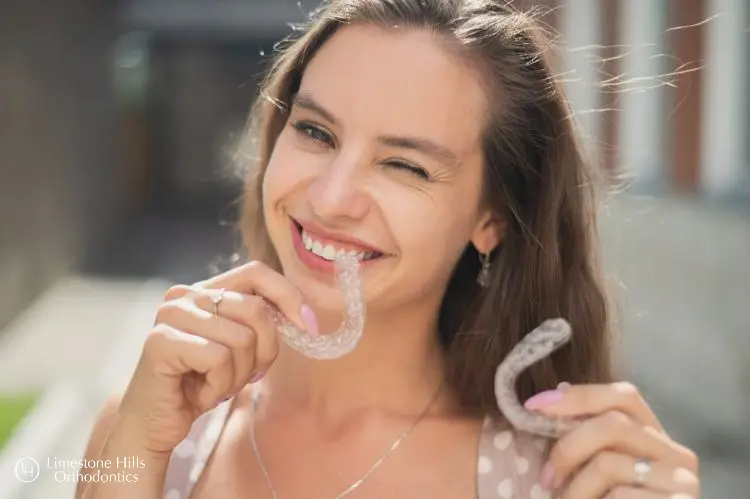

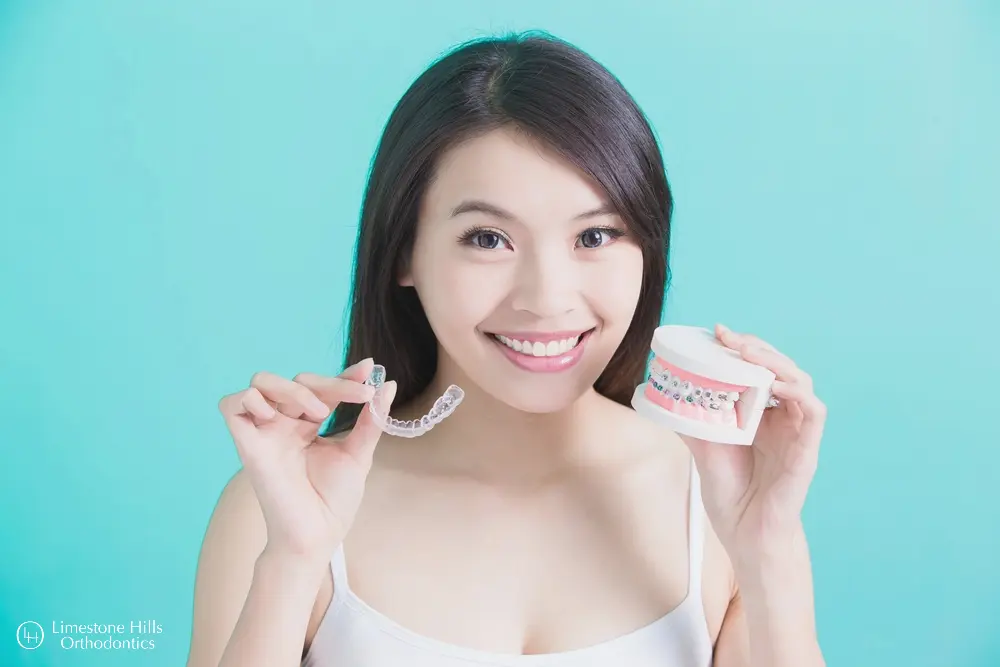

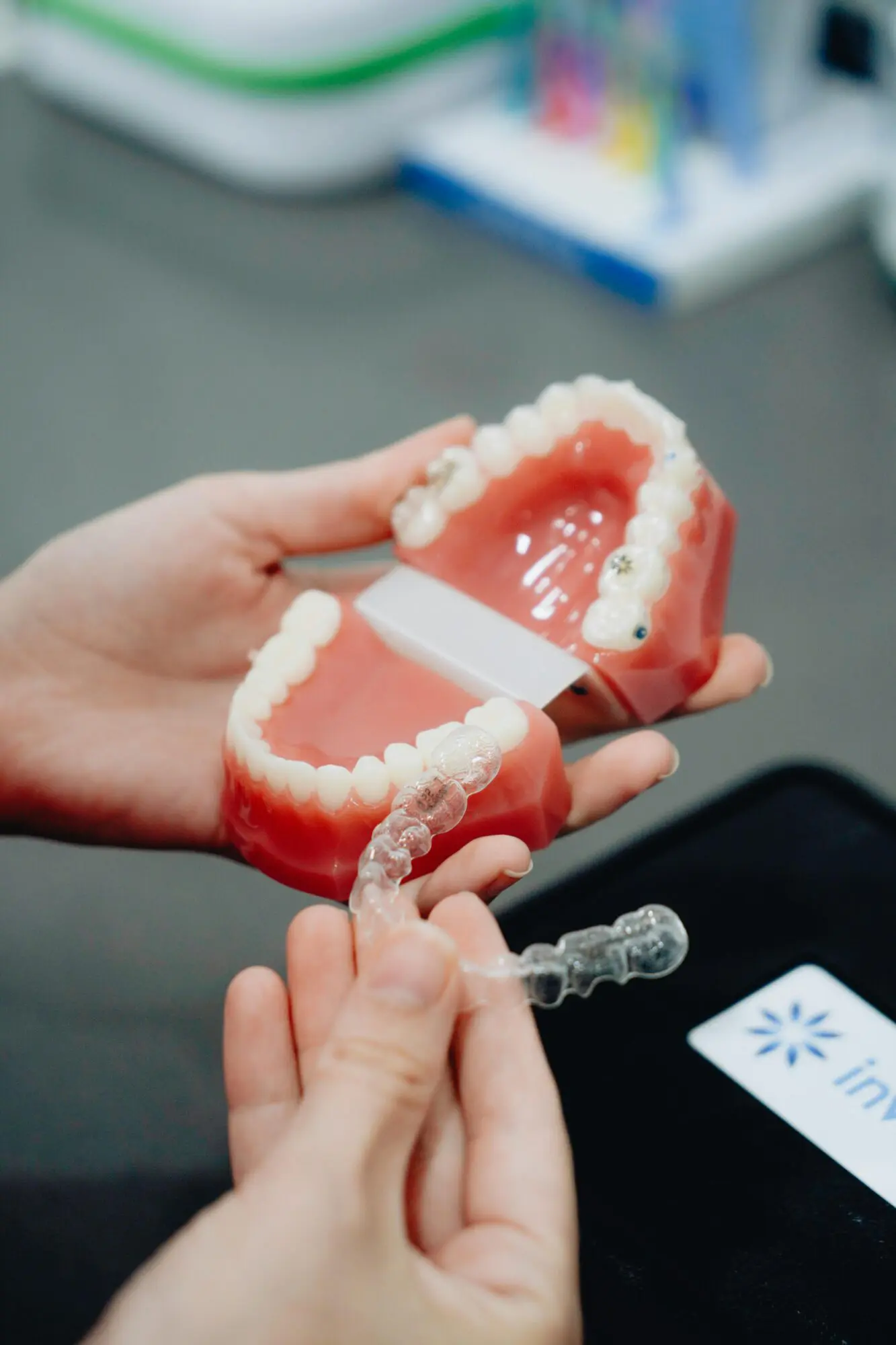
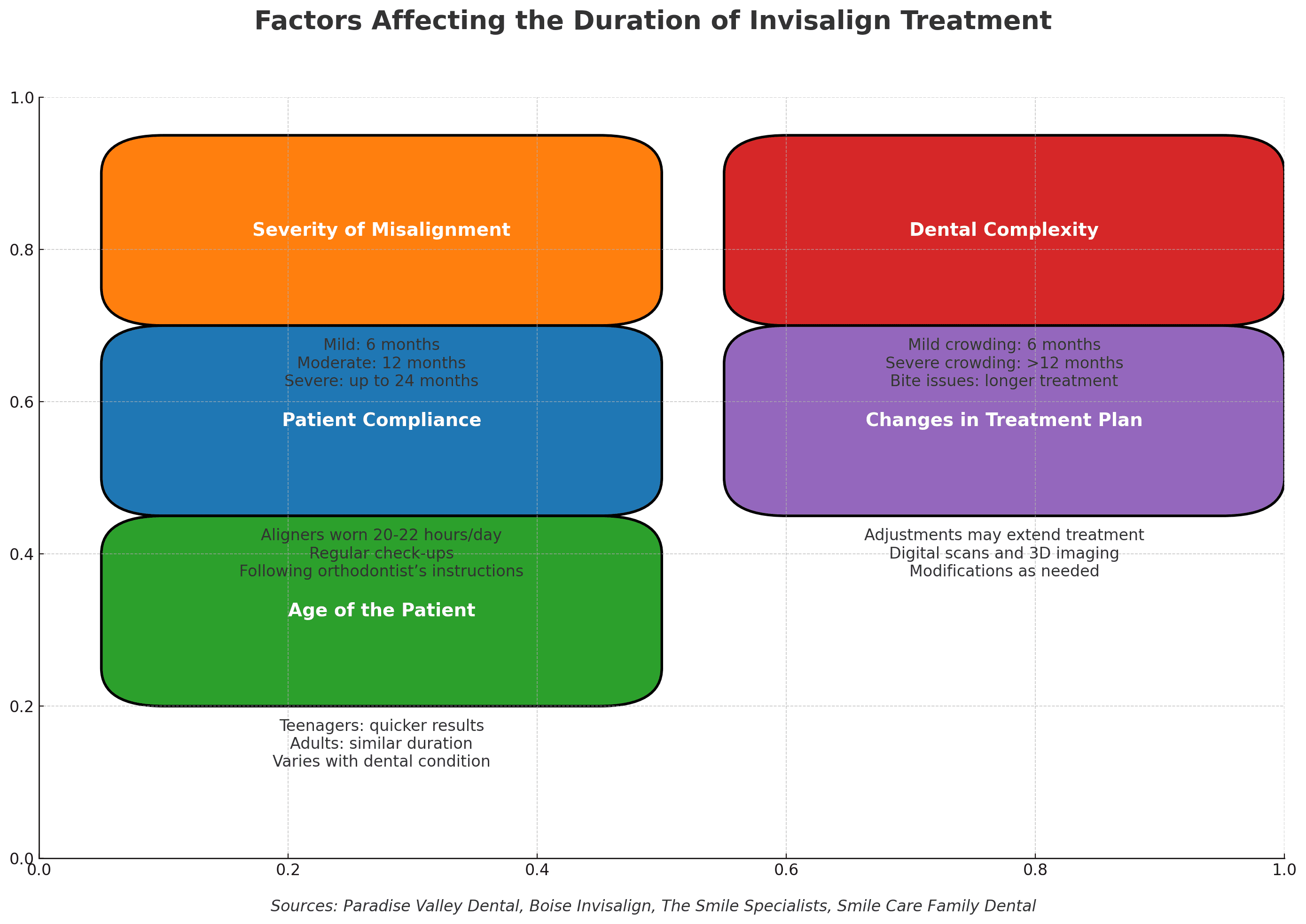
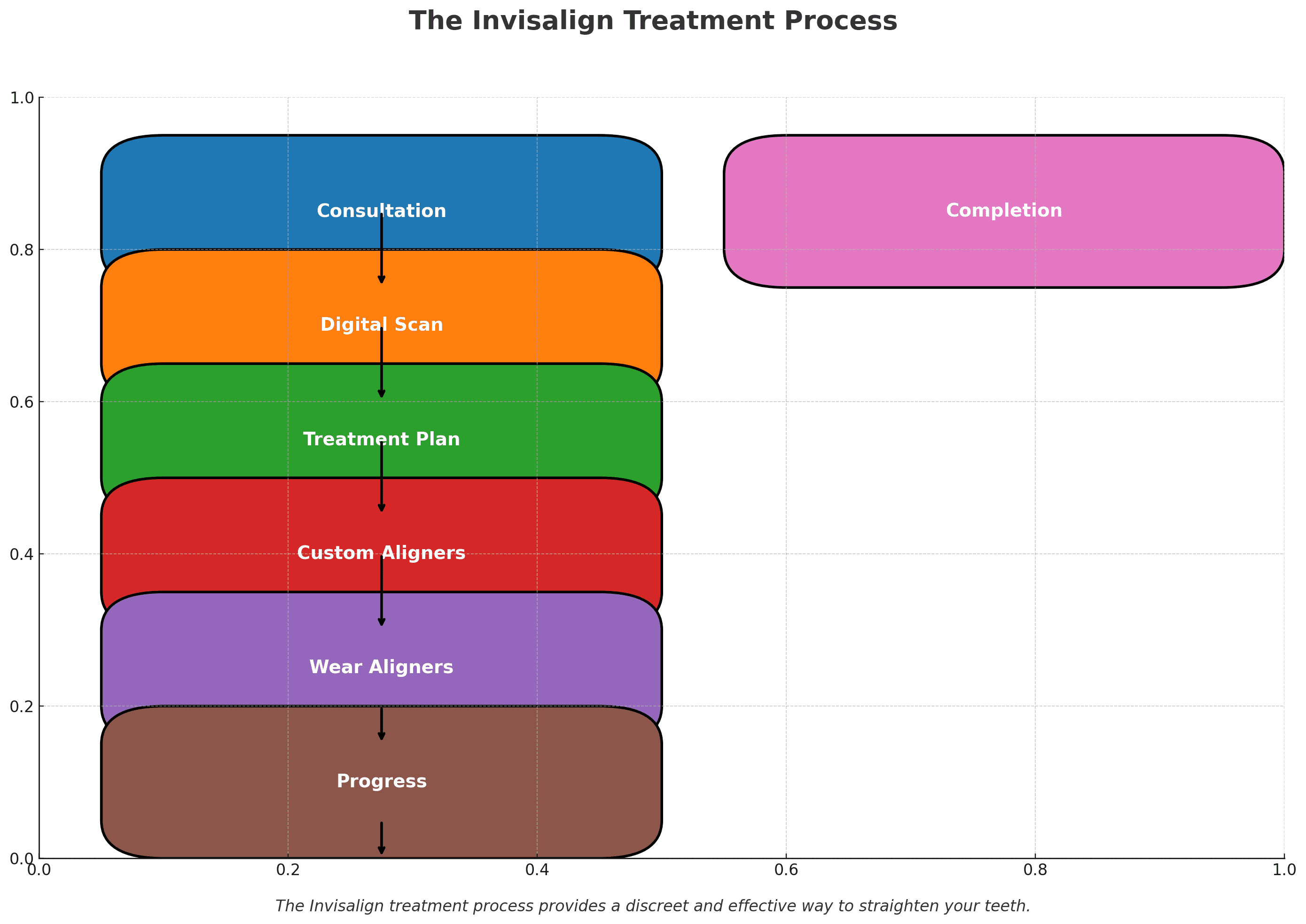
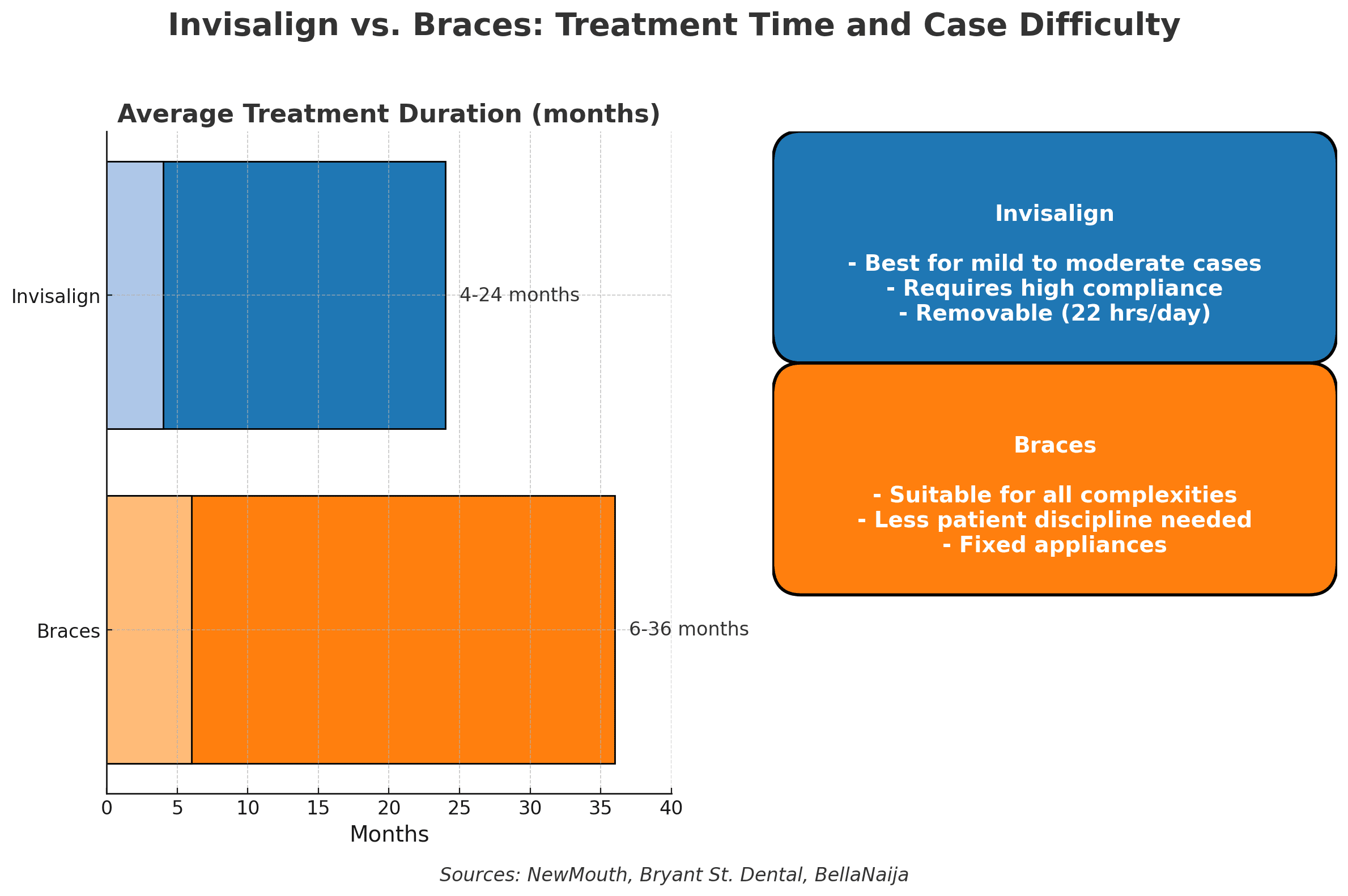

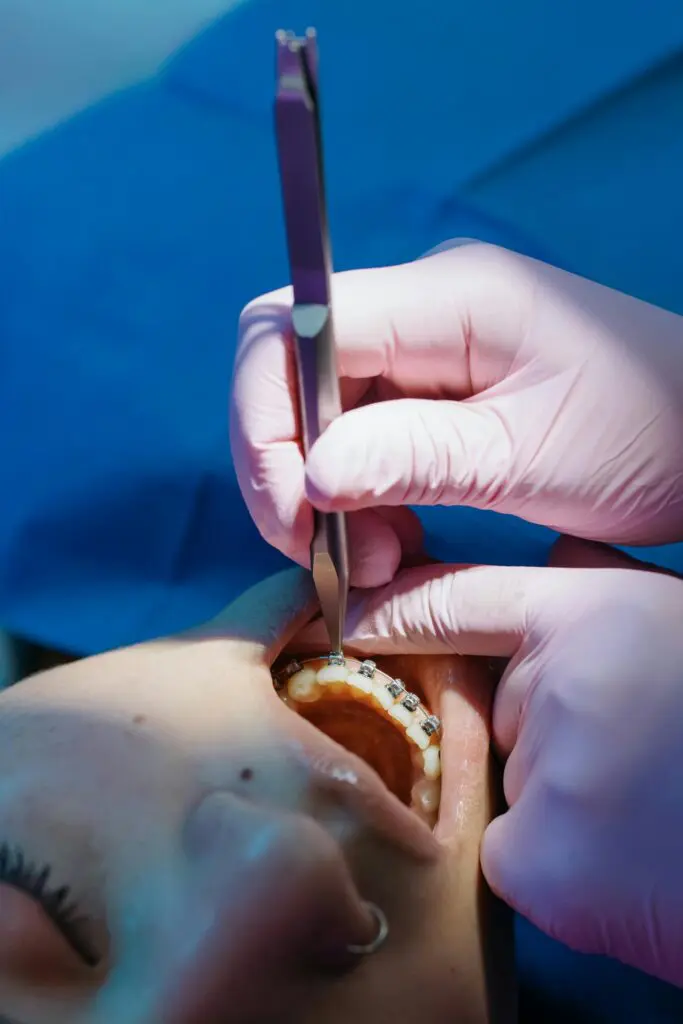
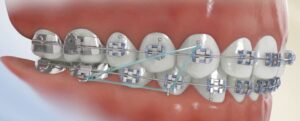

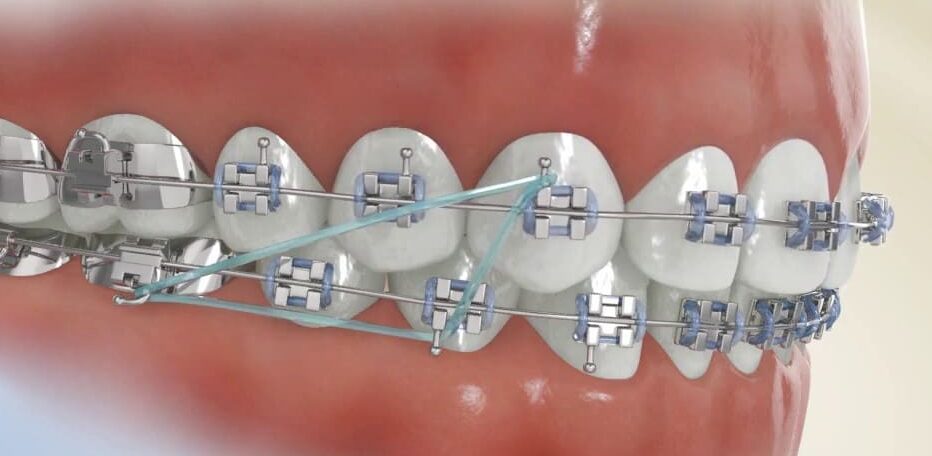
 Practical advice and techniques to alleviate pain and discomfort caused by rubber bands on braces.