
Invisalign Attachments in Austin, TX

Invisalign is a popular way to straighten teeth without using braces. It’s a clear and discreet option that many people in Austin, TX, choose for their orthodontic care. To make Invisalign even more effective, small tools called Invisalign attachments are often used. These attachments are tiny, tooth-colored bumps bonded to the teeth. They help the aligner grip the teeth better, making tooth movement faster and more precise. This guide explains everything you should know about Invisalign attachments and their importance in achieving a great smile.

Smiling woman in green sweater points to aligner, referencing Limestone Hills Orthodontics in Austin, TX, and Invisalign insurance.

What Are Invisalign Attachments?

Invisalign attachments are small, bump-like additions placed on certain teeth during your treatment. Made from a resin material, these attachments are almost the same color as your teeth, so they blend in well and are not very noticeable.

Attachments enhance the effectiveness of Invisalign aligners by giving them a better grip on your teeth. This extra grip allows the aligners to apply pressure more precisely, helping with tough movements like rotating or tilting teeth.

Do All Patients Need Attachments?

No, not everyone requires attachments. They are mainly used for people who need more complex tooth adjustments. Cases with minor tooth movements may not need attachments, but if your teeth require extra force to move, attachments will likely be part of your treatment plan.

Why Are Invisalign Attachments Important?

Invisalign attachments play a critical role in many orthodontic cases. Their primary job is to help the aligners work better by ensuring the right amount of pressure is applied to specific teeth. Here’s why they’re important:

  1. Anchor Points: Attachments act as small handles, giving the aligners a place to grip the teeth tightly.
  2. Precise Pressure: With attachments, aligners can apply targeted pressure to move teeth in specific directions.
  3. Improved Results: Attachments allow Invisalign to handle complex cases like crowded teeth, gaps, bite problems, or tilted teeth.

What Types of Tooth Movements Need Attachments?

Attachments are required for specific types of movements, such as:

  • Rotating Teeth: If a tooth is twisted, attachments help the aligner turn it to the correct position.
  • Vertical Movements: Teeth that need to be moved up or down to align properly.
  • Closing Gaps: Attachments help aligners push teeth closer together to close spaces.
  • Crowding Issues: If teeth are overlapping, attachments provide the extra force needed to align them.

Without attachments, aligners may not have the strength to achieve these movements effectively.

Invisalign Attachments vs. Braces Brackets

While attachments and braces brackets both help move teeth, they are very different:

  • Size and Appearance: Attachments are much smaller and tooth-colored, making them less noticeable. Braces brackets are larger and often made of metal.
  • Removability: Invisalign aligners, along with their attachments, are removable, while braces are fixed and cannot be taken off during treatment.
  • Comfort: Attachments are smooth and subtle, while braces may cause discomfort due to their wires and brackets.

This makes Invisalign with attachments a great choice for people looking to fix their teeth discreetly.

How Are Invisalign Attachments Applied?

The Placement Process

Getting attachments is a simple and painless procedure that takes about 20–30 minutes. Here’s how it works:

  1. Cleaning: The orthodontist cleans and dries the surface of your teeth where the attachments will go.
  2. Template Creation: A custom template, made from aligner material, is placed over your teeth. This template ensures the attachments are positioned correctly.
  3. Bonding: A small amount of composite resin is placed in the template on the designated teeth. A special light is used to harden the resin and secure the attachments to your teeth.
  4. Final Touches: The template is removed, and the orthodontist polishes around the attachments to ensure your comfort.

Once the attachments are in place, the aligners will fit snugly over them, providing the grip needed to move the teeth efficiently.

How to Care for Invisalign Attachments

Keeping Them Clean

Proper cleaning is essential when you have attachments to avoid buildup of food or plaque around them. Here are tips to maintain good oral hygiene during treatment:

  • Brush your teeth after every meal, focusing on the areas around the attachments.
  • Use floss or an interdental brush to clean between your teeth and around the attachments.
  • Consider using a water flosser for a deeper clean.

By keeping your attachments clean, you can prevent staining and maintain a healthy, bright smile.

Adjusting to Attachments

At first, you might feel the attachments when you run your tongue over your teeth, but most patients get used to them quickly. If brushing feels tricky around the attachments, take your time and use tools like angled flossers or interdental brushes to ensure thorough cleaning.

Do Attachments Stay On Forever?

Attachments are temporary and will only stay on your teeth for the duration of your Invisalign treatment. Once your treatment is complete, the orthodontist will carefully remove the attachments. The teeth are then polished to remove any leftover adhesive, leaving your teeth smooth and clean.

Who Can Benefit Most from Invisalign Attachments?

Invisalign attachments are helpful for people with:

  • Crowded Teeth: Attachments provide the force needed to align tightly overlapped teeth.
  • Teeth Gaps: If there are spaces between your teeth, attachments help close the gaps more effectively.
  • Bite Problems: Attachments are often used to fix issues like overbites and underbites.
  • Rotated Teeth: Teeth that need to be turned can be adjusted faster with attachments.

An orthodontist will decide if you need attachments based on your specific needs during your consultation.

Benefits of Invisalign Attachments

Here are some key advantages of Invisalign attachments:

  • Better Results: Attachments make it possible to treat more complex cases, ensuring your teeth move into the correct position.
  • Discreet Appearance: They are small and tooth-colored, so they’re hard to see.
  • Comfortable and Removable: Unlike braces, Invisalign aligners and attachments are easy to remove when eating or brushing.

With these benefits, Invisalign attachments make orthodontic treatment more effective without sacrificing comfort or appearance.

Brunette woman smiling while holding Invisalign attachments clear aligners.

Why Choose Our Orthodontic Practice in Austin, TX?

At our Austin orthodontic office, we’re dedicated to providing high-quality, personalized care to every patient. Here’s why families trust us for their orthodontic needs:

Experienced Orthodontic Experts

Our skilled orthodontists have years of experience treating children and teens with jaw alignment issues. We specialize in effective treatments like reverse pull headgear, delivering exceptional results tailored to each patient.

Customized Treatment Plans

No two smiles are the same, which is why we design personalized treatment plans to meet your child’s unique needs and goals, ensuring the best possible outcome.

Comprehensive Support Throughout Treatment

From your very first consultation to the final reveal of your new smile, our caring team is here to support you. We’re always available to answer questions, make adjustments, and offer guidance every step of the way.

A Wide Range of Treatment Options

We offer more than just reverse pull headgear. Our practice provides a variety of orthodontic solutions, including Invisalign and traditional braces, so we can find the perfect fit for every patient.

Schedule Your Free Consultation Today!

Come see us in Austin, TX, for a free consultation! During your visit, we’ll assess your teeth, go over your treatment options, and discuss how we can help you achieve a straight, confident smile. Scheduling is simple—give us a call or visit our website to book a time that works for you! Our friendly team is ready to answer your questions and guide you every step of the way.

About the Authors

Dr. Rodrigo Viecilli – Orthodontist in Austin, TX

Frequently Asked Questions about Invisalign Attachment

Are Invisalign attachments necessary?

Invisalign attachments can be quite helpful, but whether they’re necessary really depends on your specific dental needs. These tiny, tooth-colored shapes are bonded to your teeth to help the aligners make the precise movements needed to straighten your smile. Think of them as little helpers that give your aligners a better grip! While not everyone will need them, they can be essential for more complex tooth movements.

Your orthodontist will be the best person to guide you on whether attachments are a must for your treatment plan. So, it’s always a good idea to have a chat with them to see what’s best for your journey to a straighter smile!

How long do Invisalign attachments stay on?

Invisalign attachments typically stay on your teeth for the duration of your Invisalign treatment, which can range from several months to a couple of years, depending on your specific orthodontic needs. These tiny, tooth-colored bumps are designed to help the aligners fit snugly and move your teeth more effectively. Your orthodontist will monitor them during your regular check-ups and ensure they’re doing their job. Once your treatment is complete, they’ll be gently removed, leaving you with a beautiful, straight smile!

Can you say no to Invisalign attachments?

Absolutely, you can say no to Invisalign attachments! It’s important to remember that your orthodontic journey is a personal one, and you have every right to discuss your preferences and concerns with your orthodontist. While attachments can enhance the effectiveness of your treatment by providing additional grip for the aligners, if you’re not comfortable with them, it’s perfectly okay to explore alternative options or adjustments to your treatment plan.
Can Braces Stain My Teeth?

Braces themselves don’t stain your teeth, but they can make it a bit trickier to keep your pearly whites sparkling clean. The brackets and wires can create little nooks and crannies where food particles and plaque love to hide. If these aren’t cleaned away properly, they can lead to staining or even cavities over time.

So, can braces stain my teeth? Not directly—but poor oral hygiene during treatment can. But don’t worry! With diligent brushing, flossing, and regular dental check-ups, you can keep your smile bright and healthy while rocking those braces. Remember, your orthodontist is there to help, so don’t hesitate to ask for tips on maintaining that dazzling smile!

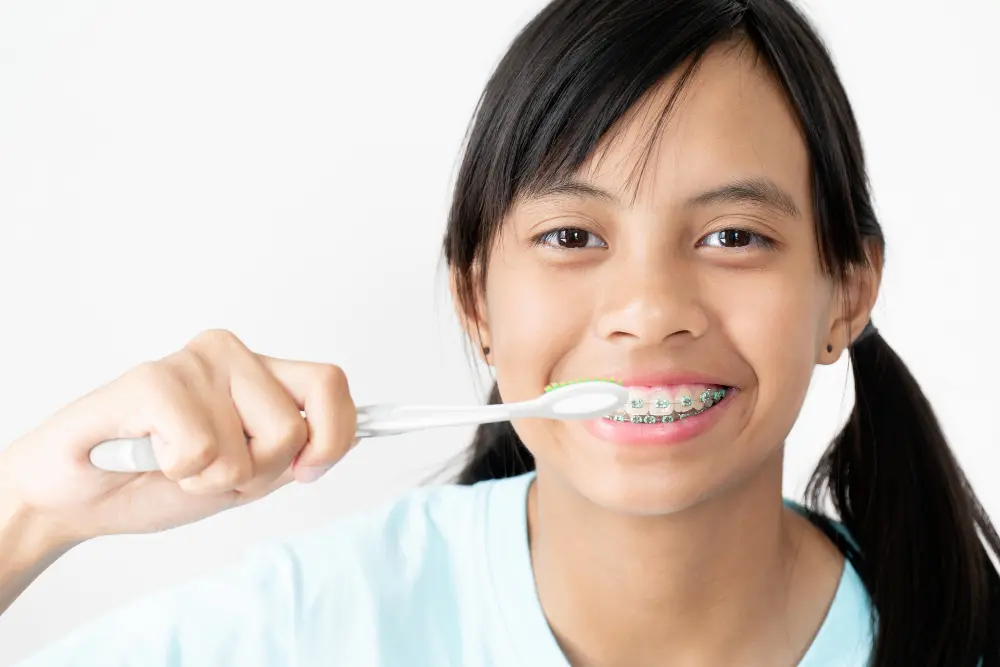
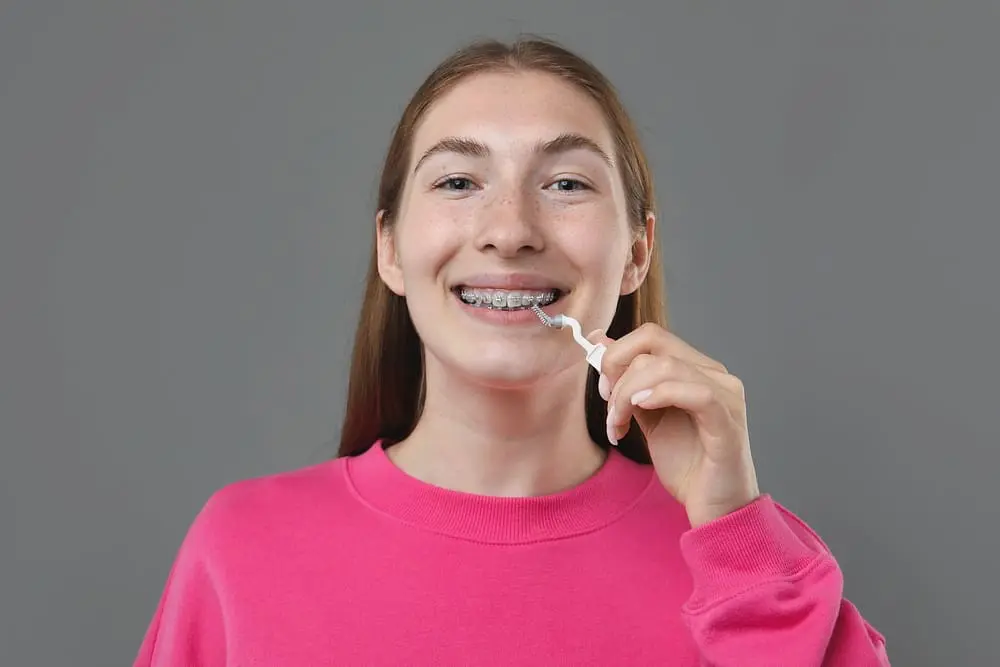
Teenage girl with metal braces cleaning her teeth with an interdental brush, answering the question "can braces stain my teeth?"

Causes of Tooth Staining with Braces

Tooth staining can happen when braces are not paired with good oral care. Here are some key factors that contribute to discoloration:

1. Bracket and Wire Material

The brackets and wires used in braces can sometimes trap food particles and plaque, which increases the chances of staining. If you do not clean around these materials thoroughly, stains may develop where the brackets attached to your teeth.

2. Plaque Buildup

Plaque is a sticky layer of bacteria that forms on teeth. It tends to gather around braces, especially where the brackets and wires meet. If plaque builds up and isn’t removed, it hardens into tartar, which can discolor teeth.

3. Staining Foods and Drinks

Certain foods and beverages are more likely to stain teeth, particularly when wearing braces. These include:

  • Dark beverages: Coffee, tea, and soda can cause stains.
  • Colorful foods: Berries, tomato sauces, and curry can leave behind discoloration.
  • Sugary snacks: Sticky candies and sugary treats encourage plaque buildup, leading to stains.

Limiting these foods and drinks during your treatment can significantly reduce the chances of staining.

4. Poor Oral Hygiene Practices

Inconsistent brushing and flossing increase the risk of stains. When you don’t clean your teeth properly, plaque stays on your teeth longer, leading to discoloration around the brackets and gumline.

Preventing Stains While Wearing Braces

The good news is that stains can be prevented with a well-planned oral care routine and lifestyle adjustments.

1. Regular Brushing and Flossing

Brushing and flossing are your first line of defense against plaque buildup. Brush your teeth at least twice a day, and use floss threaders or orthodontic floss to get between braces and wires.

2. Use of Soft-Bristle Brushes

Soft-bristle toothbrushes are gentle on teeth and gums, making them ideal for cleaning braces. They’re effective at getting around brackets and wires without causing damage. Electric toothbrushes with special orthodontic heads can also be very helpful.

3. Dietary Adjustments

What you eat matters when it comes to preventing stains. To protect your teeth, limit or avoid:

  • Dark drinks like coffee, tea, and red wine.
  • Acidic drinks like soda, which can weaken enamel.
  • Foods with natural or artificial coloring, such as berries, candy, or brightly colored sauces.

Eating more braces-friendly foods, such as plain yogurt, bananas, and steamed veggies, can help keep your teeth clean and reduce staining risks.

4. Professional Cleanings

Visiting your dentist regularly for professional cleanings is crucial when you have braces. Dental professionals can remove plaque and tartar buildup that you might miss during daily brushing and flossing. Regular cleanings can prevent stains from becoming permanent.

Managing Stains and Maintaining Tooth Color

If stains occur despite your best efforts, there are ways to address them after your braces are removed.

1. Composite Restoration

Composite resin can be used to repair discoloration and restore the natural look of your teeth after braces. This method is especially helpful for addressing areas that are darker or unevenly colored.

2. Color Restoration Techniques

After your braces are removed, teeth whitening treatments can brighten your smile. Options include professional whitening at the dentist’s office or at-home whitening kits with custom trays.

3. Addressing White Spots

In some cases, white spots form on teeth during orthodontic treatment. These are areas where plaque was not cleaned properly, causing enamel demineralization. Treatments to address white spots may include:

  • Topical fluoride treatments: Fluoride can help rebuild weakened enamel.
  • Microabrasion: Light polishing removes surface-level spots.
  • Resin infiltration: A technique that fills affected areas with resin to match your tooth color.

Your dentist will recommend the best solution based on the severity of the problem.

Importance of Oral Hygiene During Orthodontic Treatment

Good oral hygiene is essential for preventing stains and keeping your teeth and gums healthy throughout your orthodontic journey.

1. Preventing Tooth Decay and Gum Disease

Braces create more areas for bacteria to hide, so proper cleaning is vital to prevent tooth decay and gum disease. Keep plaque at bay to ensure your teeth and gums remain healthy during and after treatment.

2. Removing Food Particles

Toothbrushes and floss tools designed for braces help remove food particles that can accumulate around brackets and wires. Rinsing with water or a mouthwash after meals can further help keep your mouth clean.

3. Maintaining Consistency

Make oral care part of your daily routine. Aim to brush for at least two minutes and focus on cleaning around each bracket and along the gumline. Consistency will pay off, helping you avoid staining and plaque issues.

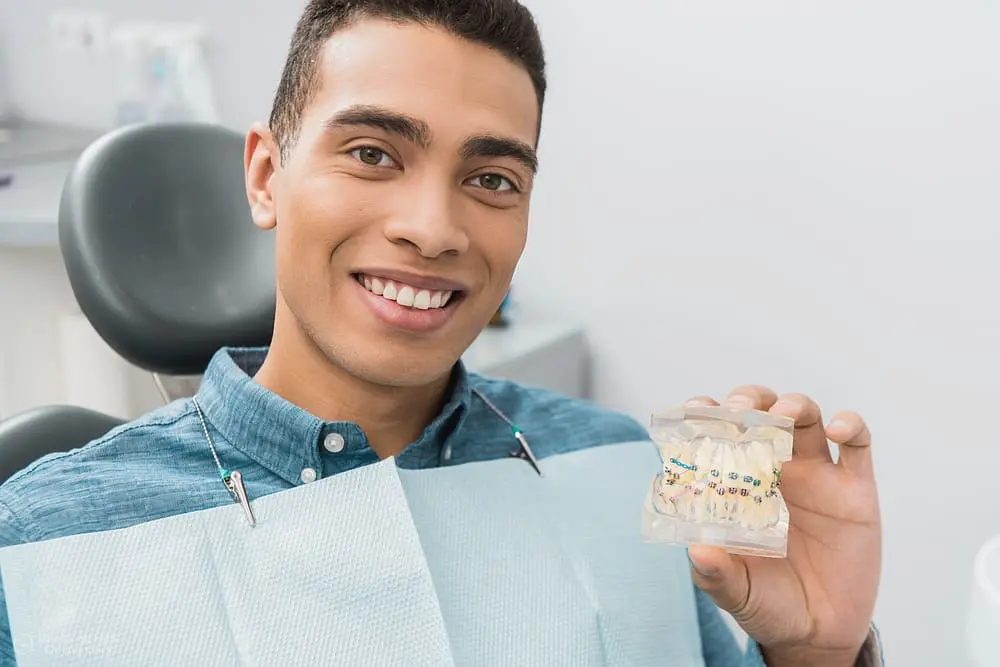
Smiling patient in blue bib holding a dental model with metal braces illustrating "can braces stain my teeth?"

Why Choose Our Orthodontic Practice in Austin, TX?

At our Austin orthodontic office, we’re dedicated to providing high-quality, personalized care to every patient. Here’s why families trust us for their orthodontic needs:

Experienced Orthodontic Experts

Our skilled orthodontists have years of experience treating children and teens with jaw alignment issues. We specialize in effective treatments like reverse pull headgear, delivering exceptional results tailored to each patient.

Customized Treatment Plans

No two smiles are the same, which is why we design personalized treatment plans to meet your child’s unique needs and goals, ensuring the best possible outcome.

Comprehensive Support Throughout Treatment

From your very first consultation to the final reveal of your new smile, our caring team is here to support you. We’re always available to answer questions, make adjustments, and offer guidance every step of the way.

A Wide Range of Treatment Options

We offer more than just reverse pull headgear. Our practice provides a variety of orthodontic solutions, including Invisalign and traditional braces, so we can find the perfect fit for every patient.

Schedule Your Free Consultation Today!

Come see us in Austin, TX, for a free consultation! During your visit, we’ll assess your teeth, go over your treatment options, and discuss how we can help you achieve a straight, confident smile. Scheduling is simple—give us a call or visit our website to book a time that works for you! Our friendly team is ready to answer your questions and guide you every step of the way.

About the Authors

Dr. Rodrigo Viecilli – Orthodontist in Austin, TX

Frequently Asked Questions

Do teeth stains from braces go away?

Teeth stains from braces can definitely go away! Once your braces are removed, your teeth might have some temporary discoloration, but don’t worry. Regular brushing, flossing, and professional cleanings can help brighten your smile. Over time, any stains usually fade, and if you want an extra boost, whitening treatments can be a great option.

How to remove yellow stains from braces?

Start by brushing your teeth thoroughly after every meal with a fluoride toothpaste and a soft-bristled toothbrush. You might also want to try using an interdental brush or a water flosser to get into those hard-to-reach spots around the brackets. Rinsing with a mouthwash can also help keep your braces sparkling clean. For a little extra help, consider using a whitening toothpaste once or twice a week, but make sure it’s safe for braces.

How to Get Braces Glue Off Teeth

How to Get Braces Glue Off Teeth: Safe & Effective Methods

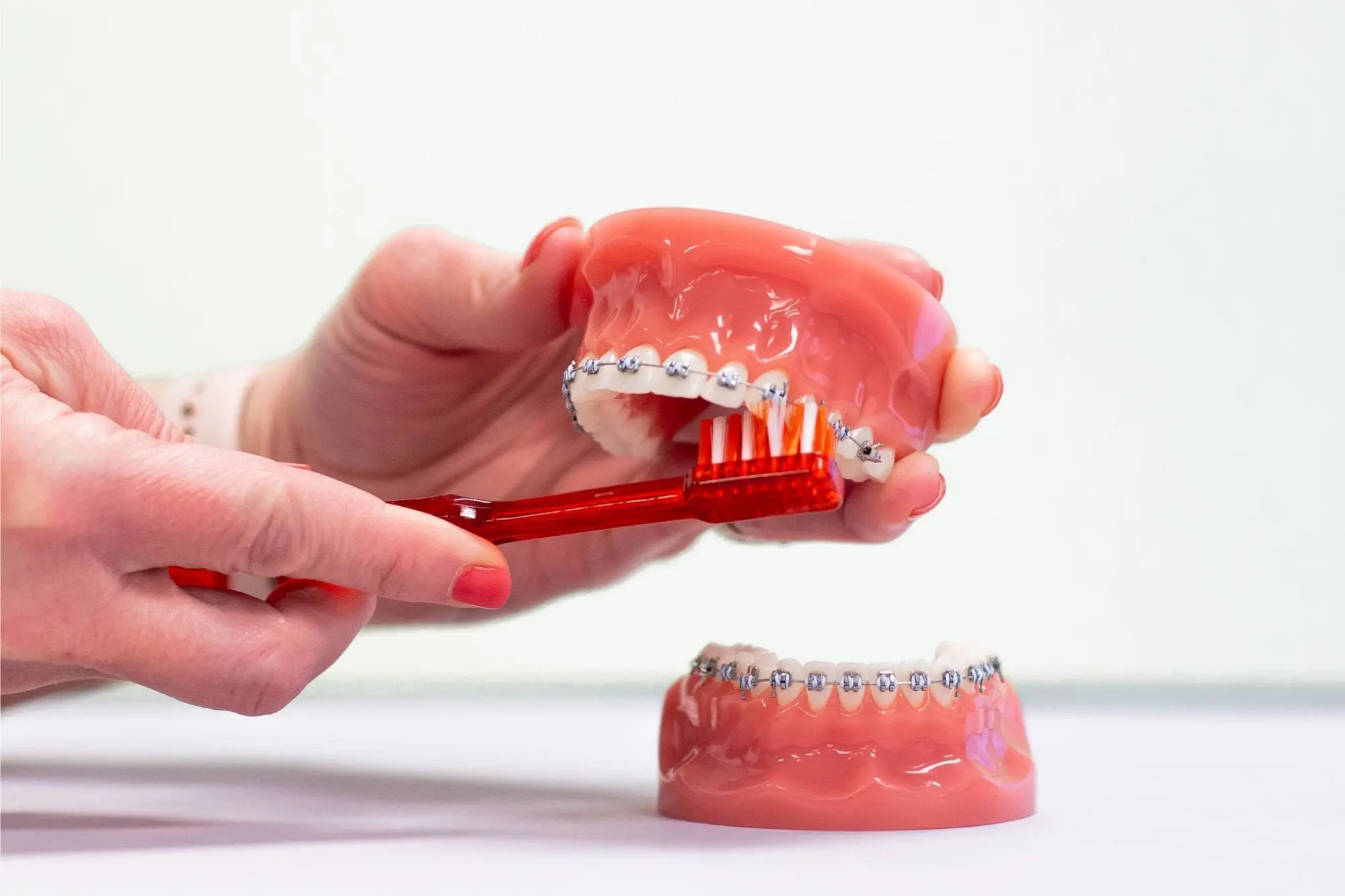
First, you might want to try brushing your teeth with a whitening toothpaste, as it can help break down the adhesive. A soft-bristled toothbrush will be gentle on your gums while still doing the trick. You can also try using a dental floss to gently scrape off any remaining glue. If the glue is being particularly stubborn, a visit to your dentist might be the best bet—they have special tools and expertise to safely remove it without damaging your enamel. If you’re trying to find the answer to “How to Get Braces Glue Off Teeth“, keep on reading!

a woman holding teeth replica illustrating How to Get Braces Glue Off Teeth

Understanding Braces Glue

What Is Braces Glue?

Braces glue is a special type of dental adhesive that bonds brackets to your teeth during orthodontic treatment. This glue is designed to be strong enough to hold the brackets in place throughout the treatment process, even when eating and brushing.

Purpose of Braces Glue

Braces glue plays a key role in straightening teeth by ensuring that the brackets and wires stay securely attached. Without this adhesive, braces would not be able to apply the necessary pressure to shift teeth into the correct position.

Since braces glue is made to be strong, it does not always come off easily. Some residue may remain on the surface of the teeth after braces are removed. That is why professional removal is often necessary.

Potential Challenges of Removing Braces Glue

While it might be tempting to try removing braces glue at home, there are several risks to be aware of:

1. Damage to Enamel

Braces glue bonds directly to the enamel, the protective outer layer of your teeth. If you try to scrape or pick at the glue using sharp objects, you could accidentally remove some enamel along with it. This can lead to tooth sensitivity and make teeth more vulnerable to decay.

2. Bracket Breakage

If your braces are still on and you attempt to remove excess glue, you might accidentally break a bracket. This could require additional orthodontic work and extend your treatment time.

3. Ensuring Tooth Safety

The best way to protect your teeth and ensure a smooth transition after braces is to have the glue removed by a professional. Orthodontists have the right tools and experience to remove braces glue safely without harming your teeth.

The Professional Removal Process

1. Expertise of a Dental Professional

Orthodontists and dentists have specialized training in safely removing dental adhesive without damaging the enamel. They use professional tools to gently remove the glue while keeping your teeth healthy and smooth.

2. Tools and Techniques Used

To remove braces glue, dental professionals use the following tools:

  • Dental Scaler – A handheld instrument that gently scrapes off glue without harming the tooth’s surface.
  • Polishing Tool – A high-speed dental polisher with a special paste that smooths out any remaining adhesive.
  • Ultrasonic Scaler – A device that uses vibrations to loosen and remove tough adhesive.

These tools ensure that all glue is removed completely, leaving your teeth feeling smooth and looking clean.

3. Time Efficiency

One of the biggest advantages of professional removal is how quick the process is. It typically takes just a few minutes, with little to no discomfort. In contrast, trying to remove glue at home can be time-consuming and potentially harmful.

Post-Brace Care: Keeping Your Teeth Healthy

Once the braces glue is removed, it is important to take care of your teeth to keep them healthy and strong. Here are some simple steps to follow after braces:

1. Maintain Good Oral Hygiene

After braces, your teeth may be more sensitive, so maintaining proper oral care is crucial. Brush your teeth at least twice a day using a soft-bristled toothbrush and fluoride toothpaste. This will help prevent cavities and keep your enamel strong.

2. Rinse with Warm Water

If your gums feel sore after braces removal, rinsing with warm salt water can help soothe irritation. Mix a teaspoon of salt with a cup of warm water and swish it around your mouth for 30 seconds. This will also help keep your gums healthy.

3. Floss Regularly

Flossing helps remove any remaining plaque or debris between your teeth. After braces, it is easier to floss since there are no wires in the way. Use regular floss or a water flosser to keep your gums and teeth clean.

4. Consider Teeth Whitening

Some patients notice slight discoloration or uneven shading on their teeth after braces. If this is a concern, talk to your orthodontist about safe teeth-whitening options. Avoid over-the-counter whitening products until you get professional advice, as some can be too harsh on newly exposed enamel.

5. Wear a Retainer

Your orthodontist will likely provide a retainer to help keep your teeth in their new position. Wearing your retainer as instructed will prevent shifting and maintain your straight smile. According to Dr. Tate Chauncey, a skilled orthodontist in Henderson, NV, many people lose part of their hard work by skipping retainers, so daily wear is just as key as the time spent in braces.

a woman posing illustrating How to Get Braces Glue Off Teeth

Why Choose Professional Orthodontic Services in Austin, TX?

If you are in Austin, TX, and need professional braces glue removal, choosing an experienced orthodontist is the best option. Here’s why:

1. Local Expertise

Local orthodontists understand the needs of their community and provide personalized care tailored to each patient. You can trust a professional who is experienced in treating patients in your area.

2. Comprehensive Treatment Options

A good orthodontic office offers more than just braces and glue removal. They provide complete orthodontic care, from the initial consultation to post-treatment services such as retainers and teeth whitening.

3. Ensuring a Healthy Smile

The goal of orthodontic treatment is not just to straighten teeth but to ensure long-term oral health. Professional care ensures that your teeth remain healthy, strong, and beautiful even after braces are removed.

Why Choose Our Orthodontic Practice in Austin, TX?

At our orthodontic office in Austin, we are dedicated to providing high-quality, personalized care for every patient. Here’s why families continue to trust us with their orthodontic treatment:

Skilled and Experienced Orthodontists

Our team has years of experience helping children, teens, and adults achieve healthier, more confident smiles. Whether you need braces, Invisalign, or jaw alignment treatment, we have the expertise to deliver outstanding results.

Personalized Treatment Plans

Every smile is unique, and we believe your treatment should be too. We design customized orthodontic plans tailored to your specific needs, ensuring the most effective and comfortable care.

Support Throughout Your Journey

From your first consultation to the final stages of your treatment, we’re here for you every step of the way. Our friendly team is always available to answer questions, make adjustments, and keep you on track toward your perfect smile.

A Wide Range of Treatment Options

We offer various orthodontic solutions, including Invisalign, traditional metal braces, and reverse pull headgear. No matter your dental concerns, we’ll help you find the best treatment for a straight, healthy smile.

Contact Us Today!

Come visit us in Austin, TX, for a free consultation! We’ll check your teeth, talk about your options, and explain how we can help you get the smile you’ve always wanted. Scheduling is easy—just call us or visit our website to pick a time that works for you. Our friendly team is excited to help and answer all your questions!

About the Authors

Dr. Rodrigo Viecilli – Orthodontist in Austin, TX

Frequently Asked Questions

What loosens braces glue?

Eating really hard or sticky foods can sometimes put stress on the brackets and glue, making them more likely to loosen. Also, certain acidic foods and drinks might weaken the adhesive over time. It’s always a good idea to follow your orthodontist’s advice on what to eat and how to care for your braces to keep everything in place.

Can braces glue stain your teeth?

Well, the good news is that the adhesive used to attach braces to your teeth is designed to be tooth-friendly and typically doesn’t cause staining. However, it’s super important to maintain good oral hygiene while wearing braces. Plaque and food particles can accumulate around the brackets, and if not cleaned properly, they might lead to discoloration. So, just keep up with your brushing and flossing routine, and you’ll be flashing that bright smile in no time!

How To Clean Braces

How To Clean Braces: A Comprehensive Guide

Start by brushing your teeth after every meal with a soft-bristled toothbrush and fluoride toothpaste. Make sure to angle your brush at a 45-degree angle to clean around the brackets and wires. Don’t forget to brush your gums and tongue too! Next, use an interdental brush or floss threader to get between your teeth and under the wires. This might take a little practice, but you’ll be a pro in no time. Consider using a mouthwash to rinse away any leftover debris and keep your breath fresh. If you’re trying to find the answer to “How To Clean Braces”, keep on reading!

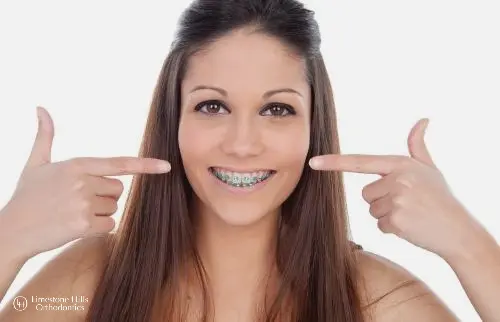
a woman pointing at her teeth with metal braces illustrating How To Clean Braces

Why Cleaning Braces Is Important

Braces work by slowly shifting your teeth into the correct position. However, because they have brackets and wires, food and bacteria can easily get trapped. If plaque builds up, it can cause problems like:

  • Cavities – Bacteria feed on leftover food, producing acids that wear away tooth enamel.
  • Gum Disease – Poor cleaning can lead to swollen, bleeding gums, which may make your treatment more uncomfortable.
  • White Spots – If plaque stays on your teeth too long, it can cause permanent white stains.
  • Bad Breath – Trapped food and bacteria can create an unpleasant smell.

The good news is that with proper cleaning, you can avoid these issues and keep your teeth in great condition while wearing braces.

Best Tools for Cleaning Braces

Cleaning braces is different from regular tooth brushing. You need extra tools to clean around brackets and wires properly. Here are some of the best tools to use:

1. Choosing the Right Toothbrush

  • Manual Toothbrush: A soft-bristle toothbrush is best for braces. It helps clean around brackets and wires without being too harsh on your gums. Brush at an angle to remove plaque from all sides of the brackets.
  • Electric Toothbrush: An electric toothbrush can make cleaning easier because the vibrating bristles help remove plaque more effectively. Look for one with a sensitive setting to avoid damaging your braces.

2. Flossing with Braces

Flossing is harder with braces, but it is very important to clean between your teeth. Here are some tools that can help:

  • Floss Threader: This small tool helps you thread regular floss under the wires of your braces so you can clean between your teeth.
  • Orthodontic Floss: This type of floss is stiffer on one end, making it easier to slide under your braces.
  • Water Flosser: A water flosser sprays a stream of water between your teeth, helping remove food and plaque from hard-to-reach areas.

3. Interdental Brushes

An interdental brush is a small, thin brush designed to clean between your teeth and around brackets. It can reach areas that a regular toothbrush might miss.

Daily Cleaning Routine for Braces

Brushing and flossing with braces takes extra time, but it is worth the effort. Follow this simple routine every day to keep your teeth and braces clean:

Morning Routine:

  1. Brush your teeth using a soft-bristle toothbrush and fluoride toothpaste for at least two minutes. Make sure to brush all surfaces, including around the brackets and gumline.
  2. Use an interdental brush to clean around the brackets and wires.
  3. Floss using a floss threader or water flosser to remove plaque between your teeth.

After Every Meal:

  1. Rinse your mouth with water to wash away loose food particles.
  2. Brush your teeth if possible, or at least use an interdental brush to clean around brackets.
  3. If brushing isn’t possible, chew sugar-free gum or rinse with mouthwash to help remove bacteria.

Nighttime Routine:

  1. Brush your teeth again, taking extra care to remove any food stuck in your braces.
  2. Floss thoroughly using a floss threader or water flosser.
  3. Use a fluoride mouthwash to strengthen your teeth and help prevent cavities.

Common Cleaning Challenges and Solutions

Cleaning braces can sometimes be tricky, especially when food gets stuck. Here are some common problems and how to solve them:

  • Food Stuck in Braces – Use an interdental brush or water flosser to remove food particles.
  • Plaque Build-up – Make sure you are brushing at least twice a day and flossing daily. Using fluoride toothpaste and mouthwash can help prevent plaque from hardening into tartar.
  • Sore Gums – If your gums feel sore from flossing, rinse with warm salt water to reduce inflammation.

What Foods to Avoid for Easier Cleaning

Certain foods can make cleaning your braces more difficult and increase your risk of cavities. Try to avoid:

  • Sticky foods like caramel, gum, and chewy candy that can get stuck in your braces.
  • Hard foods like popcorn, nuts, and ice that can break brackets or wires.
  • Sugary snacks like soda, juice, and candy, which can increase plaque buildup.

Instead, choose braces-friendly foods like yogurt, soft fruits, steamed vegetables, and lean meats.

How to Keep Your Breath Fresh with Braces

Bad breath can be a problem if food gets trapped in your braces. To keep your breath fresh:

  • Brush and floss regularly to remove food particles.
  • Drink plenty of water to rinse away bacteria.
  • Use a tongue scraper to remove bacteria from your tongue.
  • Chew sugar-free gum or suck on sugar-free mints to keep your mouth moist.
a woman pointing at her teeth with metal braces illustrating How To Clean Braces

Why Choose Our Orthodontic Practice in Austin, TX?

At our orthodontic office in Austin, we are dedicated to providing high-quality, personalized care for every patient. Here’s why families continue to trust us with their orthodontic treatment:

Skilled and Experienced Orthodontists

Our team has years of experience helping children, teens, and adults achieve healthier, more confident smiles. Whether you need braces, Invisalign, or jaw alignment treatment, we have the expertise to deliver outstanding results.

Personalized Treatment Plans

Every smile is unique, and we believe your treatment should be too. We design customized orthodontic plans tailored to your specific needs, ensuring the most effective and comfortable care.

Support Throughout Your Journey

From your first consultation to the final stages of your treatment, we’re here for you every step of the way. Our friendly team is always available to answer questions, make adjustments, and keep you on track toward your perfect smile.

A Wide Range of Treatment Options

We offer various orthodontic solutions, including Invisalign, traditional metal braces, and reverse pull headgear. No matter your dental concerns, we’ll help you find the best treatment for a straight, healthy smile.

Contact Us Today!

Come visit us in Austin, TX, for a free consultation! We’ll check your teeth, talk about your options, and explain how we can help you get the smile you’ve always wanted. Scheduling is easy—just call us or visit our website to pick a time that works for you. Our friendly team is excited to help and answer all your questions!

About the Authors

Dr. Rodrigo Viecilli – Orthodontist in Austin, TX

Frequently Asked Questions

What is the best tool to clean your teeth with braces?

When it comes to keeping your teeth clean with braces, a trusty orthodontic toothbrush is your best friend! These brushes are specially designed with a smaller head and softer bristles to navigate around brackets and wires with ease. Pair it with an interdental brush or a water flosser to reach those tricky spots between your teeth and braces. And don’t forget the fluoride toothpaste to keep your smile bright and healthy.

How to clean under braces wire?

First, grab an interdental brush or a proxabrush, which are small brushes designed to fit under the wires and between the teeth. Gently slide it under the wire and move it back and forth to remove any food particles or plaque. You can also use a water flosser, which uses a stream of water to clean those hard-to-reach areas under the wires. Don’t forget to brush your teeth thoroughly with a soft-bristled toothbrush and fluoride toothpaste, angling the brush to reach the top and bottom of the brackets.

How to get rid of braces band stains?

First off, make sure you’re brushing your teeth after every meal using a good whitening toothpaste. This helps keep stains at bay. Also, try to avoid foods and drinks that are known culprits for staining, like coffee, tea, and berries. If you can’t resist, just rinse your mouth with water afterward. You might also want to give flossing a go, as it helps remove any food particles that could contribute to staining.

Does Invisalign Hurt?

What to Expect During Treatment in Austin, TX

As an orthodontist in Austin, TX, it is essential to address common concerns potential patients may have about Invisalign treatment, particularly regarding discomfort or pain. This page aims to provide a comprehensive overview of whether Invisalign hurts, helping to attract and inform potential patients. If you’re trying to find the answer to “Does Invisalign Hurt?“, keep on reading!

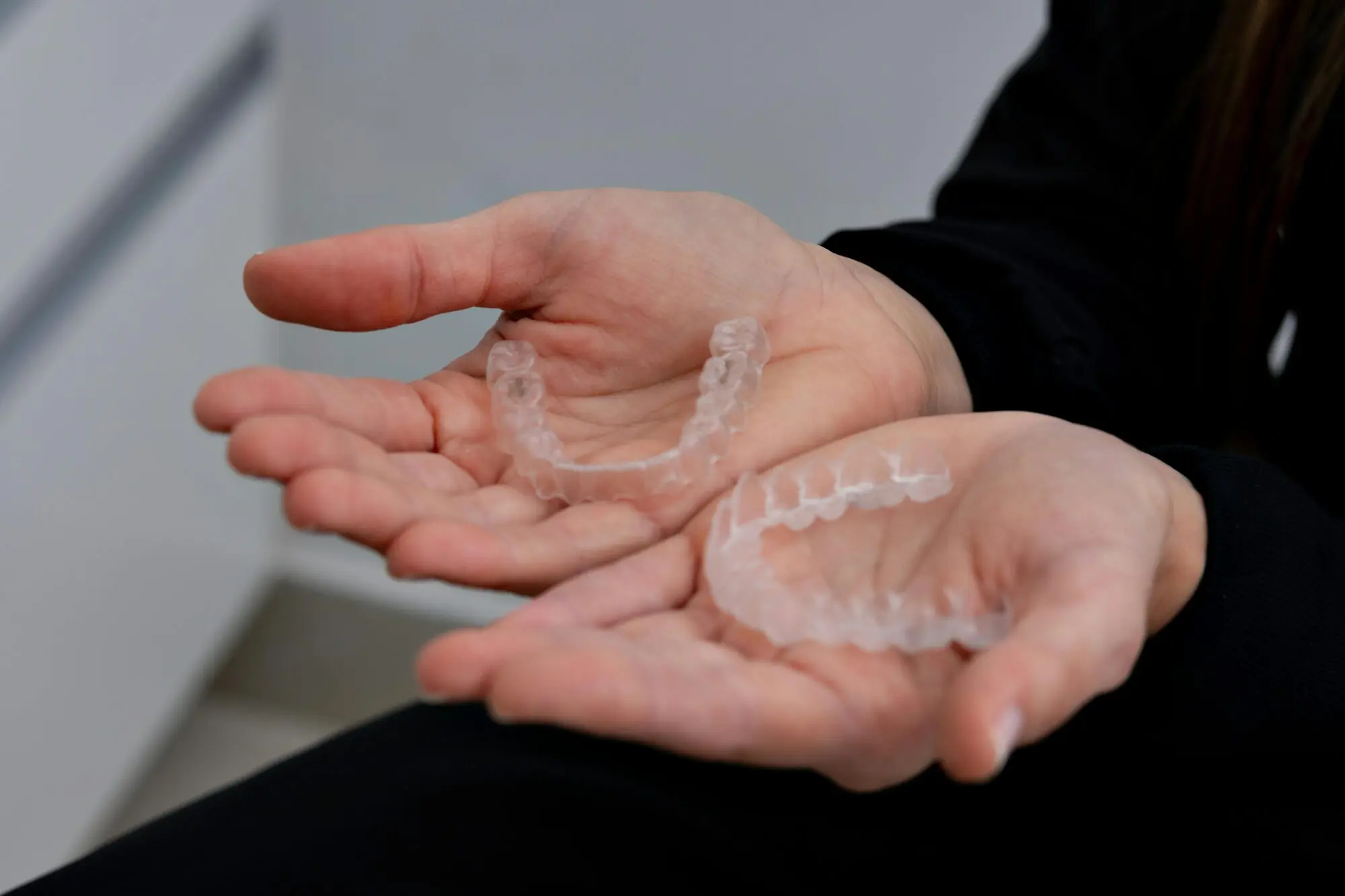
a woman smiling to the camera holding two Invisaligns. Does Invisalign Hurt?

Understanding Invisalign Discomfort

When you start Invisalign treatment, you may feel some discomfort, but it’s usually mild. Here’s what you can expect:

1. Initial Adjustment Period

  • Minor Discomfort: When you first begin wearing Invisalign aligners, you may feel some discomfort. This is completely normal. Your teeth are getting used to the new aligners, and this slight discomfort is a part of the adjustment process.
  • New Aligner Sensation: Each time you switch to a new set of aligners, you may feel mild pain. This happens because the aligners apply pressure to shift your teeth into the right position.

2. Common Experiences

You may experience some pressure on your teeth during treatment, and this is the most common reason for discomfort. Here’s what that feels like:

  • Pressure on Teeth: The aligners gently push on your teeth to move them. This pressure can cause discomfort, especially when you first wear a new set of aligners.
  • Discomfort Days: The first few days after changing to a new aligner are typically when you’ll feel the most discomfort. After that, it should gradually go away as your teeth start to adjust.

Managing Invisalign Pain

Although the discomfort is usually mild, here are some tips to help manage it:

  • Cold Compress: Applying a cold compress or ice pack to your face near your teeth can help reduce pain and swelling. It’s a simple and effective way to ease discomfort.
  • Remove Aligners While Eating: When eating, take your aligners out to avoid extra pressure on your teeth. This can prevent additional discomfort while chewing.

When to Seek Help

In most cases, any pain you feel will be temporary and go away after a few days. However, in some cases, you may need extra help:

  • Persistent Pain: If pain continues even after the initial adjustment period, it’s important to contact your orthodontist. They can check if the aligners are fitting properly and if any adjustments need to be made.
  • Sharp Edges: Sometimes, the edges of the aligners may feel sharp and cause irritation. If this happens, your orthodontist can smooth out the edges to make them more comfortable.

Comparing Invisalign to Traditional Braces

When comparing Invisalign to traditional metal braces, many people find that Invisalign is more comfortable. Here’s why:

  • No Sharp Edges: Traditional braces have metal brackets and wires, which can cause cuts or sores inside your mouth. Invisalign aligners are made of smooth plastic, so they don’t irritate your gums or the inside of your mouth in the same way.
  • Less Intrusive: Since Invisalign aligners are clear and removable, they cause less discomfort and don’t interfere with your daily life as much as braces do.

Conclusion: The Good News

Invisalign may cause some mild discomfort, but it is generally manageable and less noticeable than traditional braces. Many patients, including those seen by Dr. Taylor Kauffman, a family orthodontist in New Braunfels, TX, experience only temporary discomfort, such as pressure tooth pain, and there are simple ways to help ease the pain away. With Invisalign treatment, you can enjoy a more comfortable experience while straightening your teeth.

a woman in blue shirt smiling at the camera holding an Invisalign. Does Invisalign Hurt?

Why Choose Our Orthodontic Practice in Austin, TX?

At our orthodontic office in Austin, we are committed to providing top-quality, personalized care for each patient. Here are just a few reasons families trust us with their orthodontic care:

Experienced Orthodontists

Our team has years of experience helping kids, teens, and adults straighten their teeth and improve their smiles. Whether you need aligners, braces, or jaw alignment treatment, we have the expertise to get great results.

Customized Treatment Plans

Every smile is unique, and so is our approach. We create personalized treatment plans based on your needs, ensuring you get the best care for your specific dental concerns.

Support from Start to Finish

From your first visit to the day your treatment is complete, we’re with you every step of the way. Our friendly team is here to answer questions, make adjustments, and keep your treatment on track.

Multiple Treatment Options

We offer a range of orthodontic solutions, including Invisalign, traditional braces, and reverse pull headgear. No matter your dental needs, we’ll help you find the best option for a straight, healthy smile.

Contact Us Today!

Come see us in Austin, TX, for a free consultation! During your visit, we’ll assess your teeth, go over your treatment options, and discuss how we can help you achieve a straight, confident smile. Scheduling is simple—give us a call or visit our website to book a time that works for you! Our friendly team is ready to answer your questions and guide you every step of the way.

About the Authors

Dr. Rodrigo Viecilli – Orthodontist in Austin, TX

Dr. Taylor Kauffman – Orthodontist in New Braunfels, TX

Frequently Asked Questions

How long does it take for Invisalign to stop hurting?

Typically, this sensation lasts for just a few days after you switch to a new set of aligners. Most people find that the discomfort fades away after about 2 to 3 days, and by then, your mouth will have gotten used to the new aligners. Just remember, a little bit of discomfort means they’re doing their job, and before you know it, you’ll be flashing that new smile!

Is Invisalign more painful than braces?

Invisalign tends to be less painful because it uses smooth plastic aligners that gently shift your teeth into place, whereas braces involve metal brackets and wires that can sometimes cause discomfort or irritation in your mouth. Many people find that while there is some initial pressure or mild discomfort when switching to a new set of aligners, it’s usually manageable and less intrusive than the soreness often associated with braces.

When is the most painful part of Invisalign?

The most painful part of Invisalign is usually right after you switch to a new set of aligners. You might feel some discomfort or pressure as your teeth begin to adjust to the new trays, but don’t worry, this is completely normal! It’s a sign that your teeth are on the move towards that perfect smile. The good news is that this discomfort typically only lasts for a few days, and you can manage it with over-the-counter pain relievers if needed.

Keep Your Invisalign Clear and Fresh with These Simple Cleaning Tips

Maintaining the cleanliness of your Invisalign trays is important for both oral hygiene and the longevity of the aligners. Regular cleaning helps prevent discoloration and buildup. If you’re unsure about the best methods to clean your trays, an Austin orthodontist can offer helpful advice for keeping your aligners spotless. Using a gentle, daily routine can make all the difference. It’s important to know what to avoid and how to handle your aligners for optimal results. Here’s a breakdown of some easy, effective ways to keep your Invisalign clean.

Daily Cleaning Routine for Invisalign

Rinse Your Aligners Regularly

Rinsing your Invisalign trays each time you remove them helps wash away saliva and prevent bacteria buildup. According to Dr. Natalie Yang, a leading orthodontist in Vacaville, CA, this habit is key to maintaining clear and hygienic aligners throughout treatment. It helps wash away saliva and prevent bacteria from building up. This quick step also prevents dry plaque from hardening on your trays. When you rinse them under lukewarm water, it’s easier to keep them clean throughout the day. Always use gentle water pressure, and avoid hot water, which can warp the plastic. Regular rinsing also helps keep your aligners from developing a cloudy appearance over time.

Brush Your Invisalign Gently

Brushing your Invisalign trays is just as important as brushing your teeth. However, you should use a soft toothbrush and clear, non-abrasive soap. Gently brushing the aligners helps remove any buildup from food or drinks. Make sure to brush them lightly to avoid scratching the plastic. A thorough cleaning at least once a day keeps them fresh. Avoid using toothpaste as it can be too harsh on the material. Gentle brushing will also keep your trays looking clear and prevent them from developing unwanted odors.

Avoid Staining Your Aligners

Foods and Drinks to Avoid

Certain foods and drinks can easily stain your Invisalign trays, making them look less clear. It’s best to avoid beverages like coffee, tea, and red wine when you have your aligners in. These drinks can leave visible stains on the plastic. Foods with strong colors, like tomato sauce and curry, should also be avoided while wearing the trays. Dark berries, such as blueberries and blackberries, can also lead to discoloration. Removing your trays before eating or drinking anything other than water is a good habit to prevent staining.

Tips for Preventing Discoloration

Preventing discoloration is simple if you follow a few daily steps. The first tip is to always remove your aligners when eating or drinking anything other than water. Cleaning your trays regularly with a soft toothbrush and mild soap also helps remove any buildup that can cause discoloration. Store your aligners in a protective case when not in use to keep them safe from spills or dirt. By following these steps, you can keep your Invisalign trays clear and free from stains throughout your treatment.

How to Clean Invisalign with Soap and Water

Using Mild Soap for Cleaning

Cleaning your Invisalign with mild soap is a gentle yet effective way to keep them clear. It’s important to avoid using any soap that contains harsh chemicals or strong fragrances, as these can leave residue on the trays. Choose a clear, unscented soap to keep your aligners fresh without altering their taste. Gently lather the soap with a soft toothbrush, brushing both the inside and outside of the trays. This method helps remove buildup from saliva and food particles. Using mild soap prevents odors and keeps your trays looking clear throughout the day.

Rinsing with Lukewarm Water

Rinsing your Invisalign with lukewarm water is another simple step that helps maintain cleanliness. Cold water can leave your trays feeling less fresh, while hot water can warp the plastic, making them fit improperly. Lukewarm water, however, is perfect for rinsing away soap and any loosened debris. Always rinse thoroughly after cleaning to avoid leaving soap residue behind. Rinsing your trays daily helps keep them free of harmful bacteria and reduces the risk of stains. This simple step will keep your aligners clear for daily wear.

Cleaning Invisalign with Denture Cleaners

Safe Use of Denture Tablets

Using denture tablets can be an effective way to clean your Invisalign trays, but it’s important to follow the correct process. Choose a denture cleaner that is specifically designed for clear aligners or retainers, as some products can be too harsh. Start by dissolving the tablet in a cup of lukewarm water, then submerge your trays for the recommended time. Most tablets need about 15 to 20 minutes to fully clean the aligners. After soaking, rinse the trays thoroughly with water to remove any cleaner residue. This helps keep your trays fresh and free from bacteria.

Frequency of Using Denture Cleaners

Denture cleaners should be used occasionally as part of your Invisalign care routine. While daily brushing and rinsing are effective for most days, using denture tablets once or twice a week can give your trays a deeper clean. This helps remove stubborn buildup that regular cleaning may miss. However, overusing these cleaners can weaken the plastic of the aligners, so it’s best not to rely on them every day. Using them sparingly keeps your aligners in good condition and maintains their clarity and comfort throughout your treatment.

Removing Buildup on Your Invisalign Trays

Addressing Plaque Buildup

Plaque buildup on Invisalign trays can lead to cloudiness and unpleasant odors. To prevent this, it’s important to address plaque regularly. Rinse your aligners each time you remove them and brush them gently with a soft toothbrush at least once a day. Be sure to use clear, non-abrasive soap instead of toothpaste, which can scratch the plastic. Soaking your trays in a denture cleaner once or twice a week can also help remove tough plaque. By taking these simple steps, you can keep your aligners clear and free from unwanted buildup.

Best Tools for Scrubbing Trays

When cleaning your Invisalign trays, using the right tools is key to removing buildup without damaging the plastic. A soft-bristled toothbrush works well for scrubbing, as it is gentle enough to avoid scratches. You can also use a retainer brush designed specifically for aligners. For cleaning solutions, avoid anything harsh or abrasive like toothpaste. Instead, opt for mild soap or denture cleaner. These tools will keep your aligners clean without damaging their surface. Proper care will keep your trays clear and comfortable to wear throughout your treatment.

What Not to Do When Cleaning Invisalign

Avoid Using Hot Water

Hot water can damage your Invisalign trays by causing the plastic to warp. Warped aligners will no longer fit properly, which can affect your treatment progress. Instead of using hot water, always rinse your aligners with lukewarm water. This helps remove debris without putting your trays at risk. Whether you’re cleaning them with soap or just rinsing them throughout the day, temperature matters. Consistent exposure to high heat will make the plastic more flexible, so it’s important to avoid washing it under hot water at all times.

Steer Clear of Harsh Chemicals

Harsh chemicals can weaken or discolor your Invisalign trays, which impacts both their look and function. Cleaning agents like bleach, household cleaners, or any chemical-based products should never be used on your aligners. These substances can make your trays cloudy and brittle. Instead, stick to mild soap and water or specially formulated Invisalign cleaning products. This will help keep your aligners in good shape. Gentle care is all that’s needed to maintain the clarity and strength of your Invisalign trays without risking damage from chemicals.

Keeping Invisalign Clean Keeps Your Smile Bright

Keeping your Invisalign aligners clean helps you get the best results during treatment. Following a regular cleaning routine and avoiding mistakes like using harsh chemicals or hot water will keep your trays clear and functional. Rinsing and brushing them gently each day can prevent buildup while keeping your teeth and aligners in good shape. Small changes to your daily routine can make a noticeable difference in maintaining your oral health and the condition of your Invisalign trays.

How to Relieve Pain from Rubber Bands on Braces | Tips

The best ways to relieve it are: consume ice cold liquids and foods, avoiding hard foods, taking over the counter pain relievers such as Tylenol as prescribed, and making sure you contact your orthodontist to check if you are wearing them correctly. Want to know more about how to relieve pain from rubber bands on braces? Keep on reading.

Understanding the Role of Rubber Bands on Braces

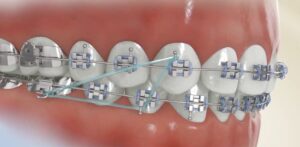
So, rubber bands, also known as elastics, play a super important role in orthodontic treatment. They’re not just for show, you know! They apply extra force to your braces, helping to adjust the position and alignment of your teeth. Think of them as your braces’ best friends, working together to achieve that perfect smile you’re after. They can be used in various ways depending on what kind of correction your teeth need. For instance, they might connect your top and bottom braces to correct an overbite or underbite. So, next time you see those tiny rubber bands, remember they’re doing a big job in helping you get the smile you want!

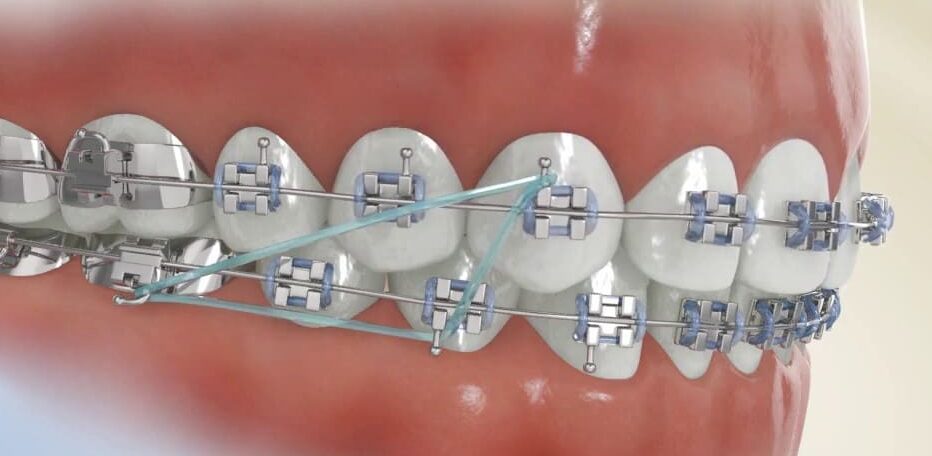
Diagram of rubber bands delivering forces to the teeth
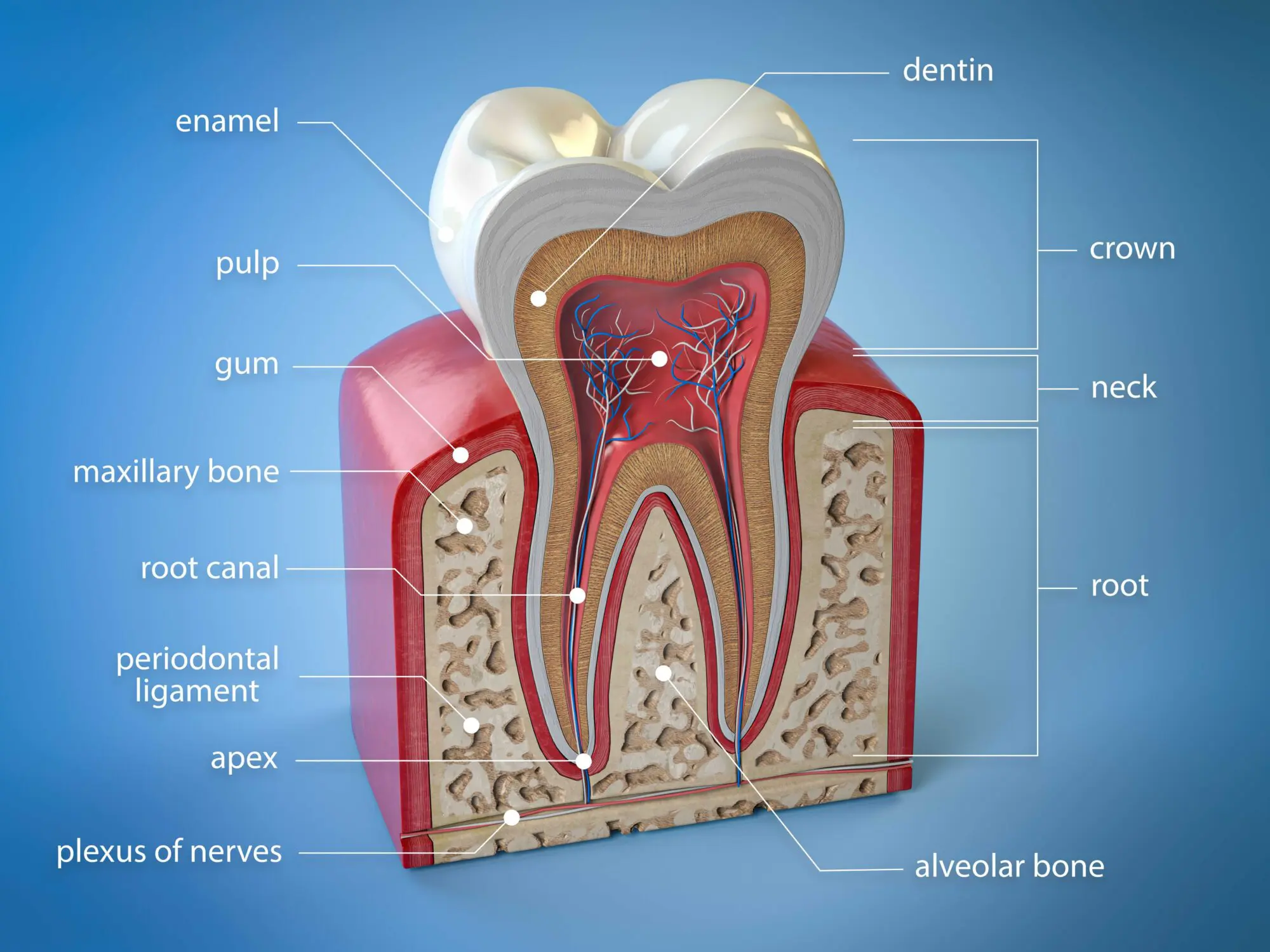
Rubber bands can apply forces on the teeth that compress the ligament between the tooth and the bone. The ligament is innervated, therefore this process can generate mild pain or soreness.

Causes of Pain from Rubber Bands on Braces

Discussion of the factors that contribute to pain and discomfort caused by rubber bands on braces.
  • Low jaw alignment
  • Pressure on teeth
  • Orthodontic rubber band adjustments
  • Connectivity of rubber bands to teeth

According to Dr. Nicole Crasto, a top-rated orthodontist in Liberty Township, OH, understanding why rubber bands cause discomfort is key to managing expectations during treatment. There are several factors that can contribute to the pain and discomfort caused by rubber bands on braces. Firstly, low jaw alignment can cause discomfort, as the rubber bands apply pressure to align the jaw correctly. This pressure on the teeth is another factor that can lead to discomfort. It’s a necessary part of the process as it helps to slowly shift your teeth into the desired position.

Additionally, when orthodontic rubber bands are adjusted during your regular check-ups, you might feel some discomfort as your mouth adjusts to the new tension. Lastly, the connectivity of rubber bands to the teeth can also cause discomfort, especially if they’re attached to sensitive areas. But don’t worry, typically, this discomfort subsides after a few days as your mouth adjusts.

How to Relieve Pain from Rubber Bands on Braces

How to relieve pain from rubber  bands on braces? Icy cold drinks work like this flavored glass of water.Practical advice and techniques to alleviate pain and discomfort caused by rubber bands on braces.

  • Drink ice cold water or use ice packs to numb the affected area
  • Consume soft foods that require less chewing
  • Take pain relievers as recommended by orthodontist such as Tylenol
  • If the pain is still severe, call the orthodontist to confirm you are wearing the rubber band correctly and if necessary, ask for a rubber band with lower forces

Importance of consulting with an orthodontist if the pain from rubber bands on braces persists or worsens

Explaining the symptoms to the orthodontist and how you are placing the rubber band to make sure it matches the prescription

Here is an example of how you could communicate:

Dear Orthodontist, I hope this message finds you well. I wanted to discuss with you some symptoms I’ve been experiencing lately. I’ve noticed that there’s a slight discomfort and tightness around my teeth where I have been placing the rubber bands as per your prescription. I’ve been making sure to follow your instructions precisely, attaching the rubber bands to the top canine bracket and the bottom bracket of the back molar. I’m careful to change the bands daily and remove them during meals and brushing. However, the discomfort seems to persist. I just wanted to ensure that I’m doing everything correctly, and whether these symptoms are normal or if they indicate that there might be an issue with the placement of the bands. I look forward to your guidance on this matter. Thank you.

Discussing potential adjustments to the treatment plan

It’s quite common to make adjustments to a treatment plan. This is because everyone’s body is unique and may respond to treatment differently. So, if you feel that your current treatment plan isn’t working as expected, or if you’re experiencing side effects that are difficult to manage, it’s essential to discuss this with your healthcare provider. They may be able to adjust the force prescribed, or suggest alternative treatments to better suit your needs. Remember, your comfort and wellbeing are a top priority, so don’t hesitate to bring up any concerns or questions you may have. It’s all part of the journey towards finding the most effective treatment for you!

For more generic information on pain with braces, which our article “Do Braces Hurt?”

FAQ

Do rubber bands ever stop hurting?

Absolutely, my friend! The discomfort you may feel from a rubber band is usually temporary. If you’ve been snapped by one or if you’re using them for braces, there might be a little sting or ache at first, but it should subside after a while. If you’re using rubber bands for orthodontic treatment, your mouth will adapt to them over time. Remember, it’s all part of the process to get that wonderful smile you’re aiming for. If the pain persists, it’s a good idea to consult with a professional just to make sure everything is okay. So, don’t worry, the hurt won’t last forever!

Does or did anyone else find that rubber bands hurt more than braces by themselves?

While it is subjective and depends on the individual’s pain threshold, several people have reported experiencing more discomfort with the use of rubber bands in conjunction with braces as compared to using braces alone. The primary function of these rubber bands is to correct issues with the bite and jaw position, which often entails a higher degree of pressure and adjustment. Thus, this may result in increased discomfort or pain. However, it is crucial to remember that any discomfort experienced is typically temporary and subsides as the mouth adjusts to the new alignment.

Do the rubber bands on my braces ever stop hurting?

Absolutely, your mouth will adjust! I know it can feel pretty uncomfortable when you first get those rubber bands on your braces, but rest assured, this discomfort won’t last forever. Typically, the soreness subsides after a few days to a week as your mouth and teeth get used to the new pressure. If the pain persists or becomes unbearable, it’s a good idea to visit your orthodontist for a check-up. Remember, the end result of a beautiful, healthy smile is totally worth this temporary discomfort! Hang in there!

What causes headache when wearing braces with elastics?

Hey there! So, you’re wondering why you might be experiencing headaches while wearing braces with elastics, right? Well, the main reason is usually the pressure and tension that these braces and elastics are applying on your teeth to align them properly. This pressure can sometimes extend to the jaw and skull, causing discomfort and, in some cases, headaches. It’s the same kind of idea as when you have a muscle that’s sore from working out – your mouth muscles and teeth are adjusting to something new. However, if the headaches persist or are severe, it’s always a good idea to check in with your orthodontist or dentist to make sure everything is okay.

Does wearing 2 rubber bands speed up braces?

Absolutely not, my friend! Doubling up on rubber bands will not speed up the process of braces aligning your teeth. The tension applied by the rubber bands is carefully calculated by your orthodontist to move your teeth in a safe, controlled manner. Using more rubber bands can actually have adverse effects, like causing unnecessary pain or potentially moving your teeth too quickly, which is not good for your overall dental health. Always follow the instructions given by your orthodontist to ensure the best and most efficient results.

How long do braces rubber bands hurt?

Hey there! The discomfort you might feel from rubber bands on your braces typically lasts for about a week or so. Remember, each person’s mouth is different, so the length of time can vary slightly. It’s a bit like breaking in a new pair of shoes; initially, it might feel uncomfortable or even cause a little pain, but your mouth will soon adjust to the new sensation. If the discomfort persists or becomes unbearable, don’t hesitate to contact your orthodontist. They’re there to help you through this journey to a brilliant smile!

How Much Do Braces Hurt on a Scale 1-10? Expert Guide.

Limestone Hills Orthodontics

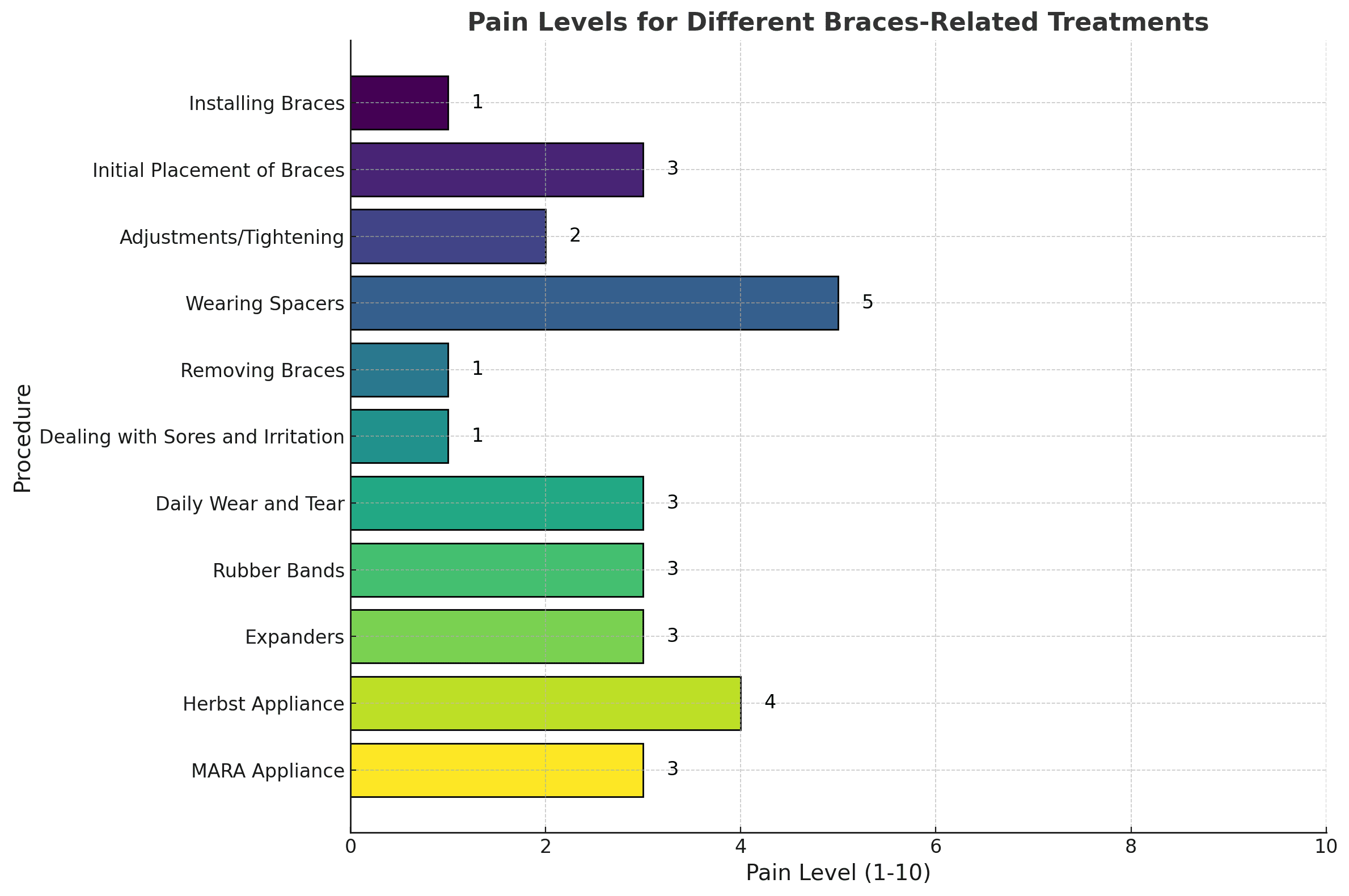
Getting braces is a breeze, ranking at a mere 1 on the pain scale for 80% of people. Embarking on your first orthodontic treatment journey doesn’t have to be painful, although some procedures are more uncomfortable than others.

So do you want to know in more depth how much do braces hurt on a scale 1-10? Let’s dive into the subject to share helpful tips to make your orthodontics experience a breeze.

Adults are less used to discomfort so we tend to recommend more comfortable and aesthetic forms of treatment for this type of patient when possible. Some patients are unusually sensitive to pain. Having braces might be unfamiliar, but it’s not deeply painful.

The gum inflammation is normal from having braces. We urge our patients to resist the irritation before covering it with comfort wax we provide so keratinized tissue (calluses) can create a natural relief and comfort for the braces throughout treatment.

How much do braces hurt on a scale 1-10? Infographic showing how much difference phases of braces and types of appliances hurt

How to Get Pain Relief for Braces in Austin

Does it change depending on where you are? Colder climate patients tend to feel less pain as our latest alloys tend to soften with colder air. In Texas, you can compensate with cold water or a frozen cotton swab pushed with the finger on the wire, not gums. Eating soft foods such as mashed potatoes and avoiding chewy or crunchy foods when a wire is first inserted will keep your appliances intact and accelerate your tooth movement by allowing the teeth to stay stable so new bone can form around them. if you want more information about food and braces, we have written blog posts about “What can you eat with braces?” and “What can’t you eat with braces?”.

The alignment wires we use change their crystalline structure and material property and get softer when you eat colder foods! so, if you are having a hard time, have some ice cream, use an ice pack on your cheeks, or drink some cold water!

Limestone Hills Orthodontics

In Austin, icy cold drinks s the way to go. Cold drinks not only change the crystalline structure of initial orthodontic wires, making them less stiff, but also relieve inflammation itself. So, consuming icy cold foods is the best natural solution to pain with braces!

It is important to note that our technology is totally different and improved. Your orthodontic appointment frequency and mouth adjusts will be a lot lower than your parents used to be! Thanks to Dr. Viecilli’s research, and others, we nailed it to make sure you get the least amount of the discomfort and side effect with the most amount of tooth movement. No oral anesthetics are ever needed!

Our orthodontic team canprovide you with all the tools to assure your experience will be the most comfortable possible. But remember, it will never be like you have nothing in your mouth. You have to make sure to keep your teeth clean and gums inflammation under control to minimize pain both during treatment and braces removal.

If you don’t brush your teeth, you’ll pay the price with more pain throughout your treatment or have the risk to have it interrupted to prevent damage to your teeth and gums. Sometimes, the parents have to assist with brushing to prevent painful bleeding gums. We don’t want any family to leave without their children with teeth straight and a loss of investment.

Although pain is usually highest and most unusual in the beginning of braces treatment, having your braces tightened a couple of times can renew the inflammatory process. But this usually occurs for just a few teeth. Dr. Nicholas Andros, a top-rated orthodontist in Pasco, WA, The longer the treatment goes on, the less the level of discomfort for the patient tends to be. Sometimes, rubber bands are added to connect the top and bottom braces at the end of treatment. This can also cause some mild pain and discomfort. If you want more information, we have written a blog post about “How to relieve pain from rubber bands on braces?”.

How do we put orthodontic treatment appliances on?

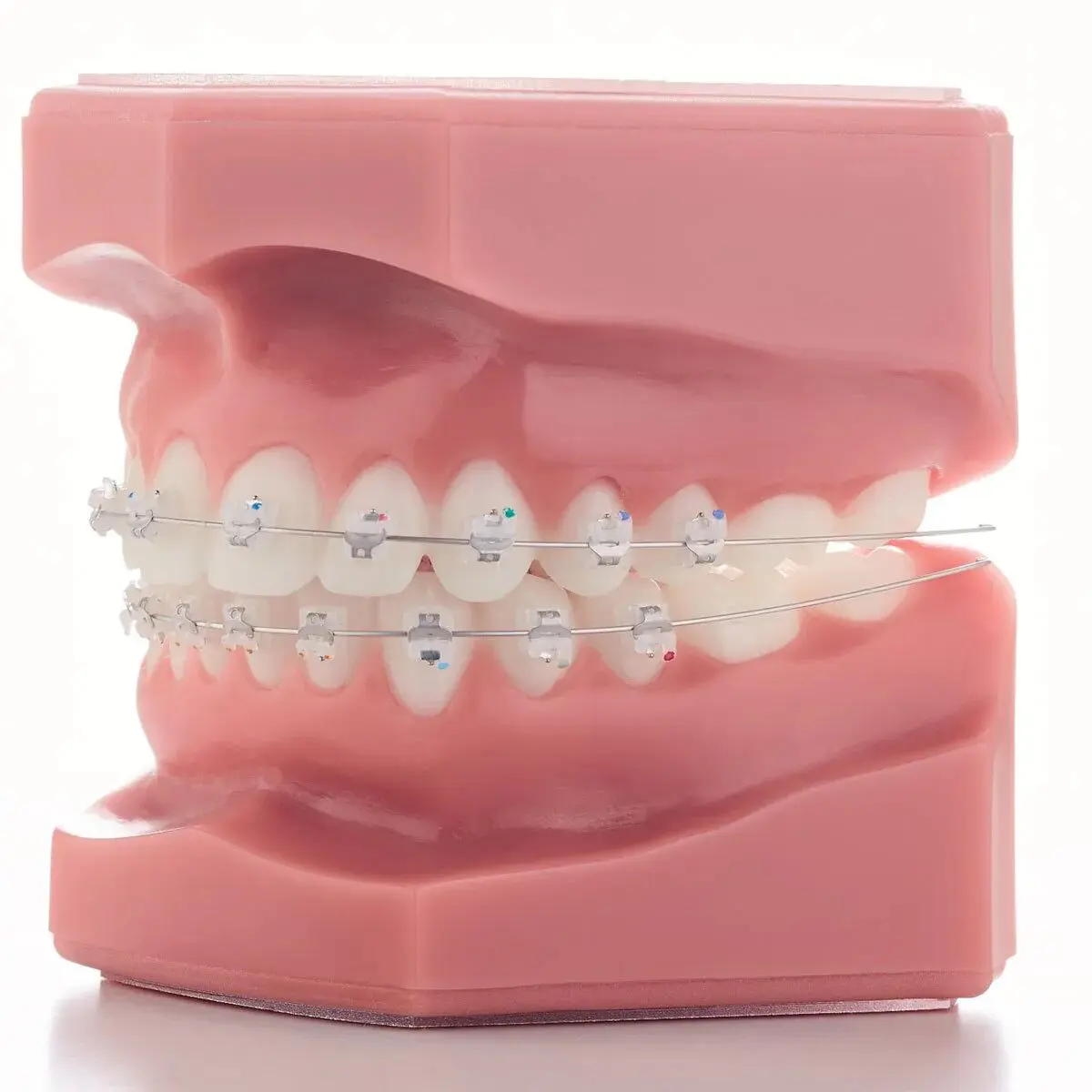
Putting braces on your child your mouth is a simple and virtually painless process. We etch your teeth with a slightly acidic substance that may be a bit sour when washed off. This is to make the enamel more porous to attach brackets to your teeth using color-matched dental cement and thread thin wires through them. After treating the surface of the enamel, we add glue to the bracket and cure it, attaching it to the tooth.

Tightening braces with o-ties or metallic ligatures might cause some discomfort. Your orthodontist will adjust the wires to gradually shift your teeth into alignment. It’s like a little pressure, nothing to worry about. And if you need it, over-the-counter pain relief is available. We only recommend Tylenol- ask the Doc about dosage. For instance, Dr. Cameron Freelove, an orthodontist Sammamish WA relies on, agrees with the recommendation. many pain relievers can slow down tooth movement and prolong the pain overall.

Limestone Hills Orthodontics

Old clear braces for adults used to be milled and be very sharp around the corners. They also had elastics around them, which tend to stain. Our self-ligating metal transparent braces have rounded edges and do not stain because they don’t need the tiny elastics that keep the wire attached to the braces! Most patients are frustrated that their o-ties get yellow during treatment with transparent braces but we spend 4x the cost to make sure you don’t have to come back to the office to change your o-ties if you take a turmeric shot or drink some wine.

Relax and we guarantee our ceramic Japanese high tech self-ligating brackets will keep the wire in place and reduce your dental visits while optimizing aesthetics.

Removal

We use Instruments that do not damage the teeth, and a black light that makes the glue fluoresce do we touch your teeth the least amount of time possible! We use the latest scientific advancements to make sure you are comfortable. When it’s time to say goodbye to your metal braces, the removal process is painless. A bit of mild discomfort might be felt to disconnect the brackets from the braces, but your tooth is secured during the process. so overall, it’s a breeze. Your orthodontist will clean your teeth and possibly suggest a permanent retainer, to maintain your newly-aligned smile.

Braces Pain Relief – Smartarch to Optimize Comfort During Treatment

If braces start causing discomfort, don’t worry! We have tips to ease the pain. Orthodontic wax provides a protective barrier, and pain medications can offer relief. Always consult your orthodontist for the best treatment options.

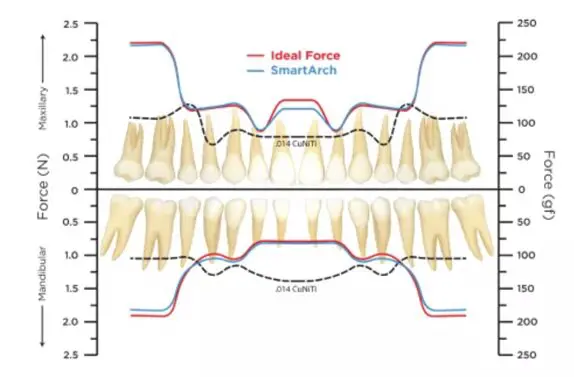
With braces, pain is no longer a concern. Get ready to embrace your journey to a confident smile! Learn more about the innovative SmartArch™ wire that can speed up your treatment time and require fewer adjustments. This wire was invented by Dr. Rodrigo Viecilli, orthodontist here at Limestone Hills Orthodontics. It is laser treated to soften specific areas and make sure all teeth have ideal forces from the start.

How much do braces hurt?

Smartarch can reduce inflammation and stay with your mouth on it up to 4 months because it can replace up to 3 wire changes! it’s the most expensive archwire in the world but our office team offers it for free because our Doctor is one of the inventors. Each little area of the wire between the brackets has a different stiffness optimizing the force for each tooth! Amazing!

Does Invisalign Hurt as much as metal braces? About the same with smartarch

Does Invisalign Hurt as Much as Traditional Metal Braces?

The research shows that with conventional wires, Invisalign or clear aligners in general may actually hurt less and cause less side effects than braces. But the Smartarch is a game changer, and no research has been done comparing the two, but our personal opinion is that it’s a tie with slight favor to the Smartarch which is scientifically validated.

Radiant Smiles and Confident Journeys With Dr. Viecilli and Limestone Hills Orthodontics Treatment

Your comfort, well-being, and radiant smile are at the heart of what our orthodontist and our friendly staff deliver to your family or yourself (yes we also treat adults!).

Trust in our expertise, and get ready to unveil a confident, beaming you with a beautiful smile. Your dream smile awaits, and we’re here to make it reality. Contact us today for a free consultation! 

How to Stop Braces Pain: Tips and Tricks

Orthodontic treatments like braces or aligners can sometimes cause discomfort or even a bit of pain, and that’s completely normal. If you’re in too much pain, you might be tempted to skip wearing your aligners or avoid certain foods, which could delay your progress. So, how to stop braces pain? Make sure to use pain relievers such as Tylenol (which doesn’t delay tooth movement), drink cold liquids, apply orthodontic wax on any irritating brackets, and maintain a soft food diet when necessary.

When we move those pearly whites into their proper positions, it can put a bit of pressure on your gums and teeth. This can lead to tenderness, especially after the braces are adjusted. But don’t worry, this discomfort usually subsides within a few days. Managing this pain effectively is super important, not just for your comfort, but also to keep your treatment on track. If you are asking yourself “Do Braces Hurt?”, click the link to find out more detailed information. Remember, it’s all part of the journey to achieving that beautiful, straight smile!

Limestone Hills Orthodontics

1. Understanding Braces Pain

Pain occurs because braces work by applying a constant pressure on your teeth to gradually move them into their proper positions. As Dr. Mo Zainal, an expert orthodontist in Colleyville, TX, points out, this pressure causes your gums and teeth to feel sore or sensitive, especially in the first few days after getting your braces or after adjustments.. The same goes when you get them tightened, as the orthodontist is increasing the pressure to continue guiding your teeth to their new locations. But don’t worry, this discomfort is completely normal and temporary.

Your mouth will soon adjust to the braces, and the soreness will fade. In the meantime, over-the-counter pain relievers or a soft foods diet can help ease any discomfort.

Limestone Hills Orthodontics

2. Immediate Relief Techniques

Using an ice pack, drink cold ice water and eat cold foods to numb the area and reduce inflammation and tooth soreness

When braces are adjusted, they can sometimes cause your teeth and gums to feel sore. Applying a cold compress externally to the affected area can help to numb the pain and reduce inflammation. Similarly, drinking cold water or eating cold foods like ice cream can provide a soothing effect, relieving the soreness from the inside. It’s a simple and effective remedy that can provide instant relief. Always remember, though, if the pain persists, it’s best to consult with your orthodontist to ensure everything is okay.

Rinsing the mouth with salt water to alleviate soreness on cheeks

When you first get your braces, it’s common to experience some discomfort. A salt water rinse can help soothe your mouth and reduce inflammation. It’s like giving your mouth a warm hug! Just mix half a teaspoon of salt in a glass of warm water and rinse your mouth gently. Do this up to 4 times a day, especially after meals. It’s a simple, natural remedy that can make a big difference in your comfort.

Taking over-the-counter pain relievers as directed by the orthodontist can help relieve tooth soreness

Indeed, the utilization of over-the-counter pain relievers, as prescribed by a qualified orthodontist, can significantly mitigate tooth discomfort caused by braces. These medications typically contain anti-inflammatory properties that effectively alleviate the pressure exerted by the braces on the teeth and gums, thereby reducing the associated pain and discomfort. However, it is crucial to strictly adhere to the orthodontist’s instructions regarding the dosage and frequency of these medications to avoid potential side effects. Therefore, while the braces work towards aligning your teeth, over-the-counter pain relievers can provide the much-needed relief from the accompanying soreness.

Applying orthodontic wax to smooth out rough edges can relief cheek soreness

When you first get braces, your mouth might not be used to the new addition, causing a bit of discomfort. But don’t worry, it’s totally normal and temporary. Orthodontic wax acts like a barrier, protecting the inside of your cheeks and lips from the metal brackets and wires. It’s super easy to apply and it creates a smooth surface, reducing irritation and making your braces more comfortable. So, if your braces are causing you some discomfort, orthodontic wax might just be your new best friend!

3. Long-Term Pain Management

Managing long-term pain following the installation of braces can be approached in several effective ways. It’s crucial to follow your orthodontist’s instructions for wearing braces, as this will ensure the best results and minimize discomfort. Opting for softer foods can also significantly lessen the pain when chewing. If you experience swelling, using an ice pack can help reduce it and numb the area, providing temporary relief.

Additionally, regular brushing of your teeth and gums is essential to prevent further irritation and maintain good oral hygiene. Remember, these steps will make your journey with braces much more comfortable!

4. When and how to consult the orthodontist for severe or persistent pain?

If you’re experiencing severe or persistent pain in your mouth or teeth, it’s essential to consult an orthodontist as soon as possible. Don’t try to tough it out, your comfort and health are too important! You can get in touch with your orthodontist by giving them a call, sending an email, or even scheduling an appointment online if that’s an option. When you contact them, describe your pain as accurately as you can: its intensity, location, and how long it’s been going on. This will help them understand your situation better. Remember, it’s their job to help you feel better, so don’t hesitate to reach out when you’re in discomfort.

5. Types of Braces and Pain

Pain related to braces it can vary depending on the type you choose. Most modern metal braces have a low profile and are more comfortable than most ceramic ones, that can be bulkier and have less rounded edges, thus being more uncomfortable for the cheeks.

Lingual braces, placed behind your teeth, might cause a bit more soreness on the tongue at the beginning because of their location. But don’t worry, the pain is manageable! Over-the-counter pain relievers and orthodontic wax can help ease any discomfort. Also, a soft food diet can be beneficial during the first few days after an adjustment. Remember, everyone’s experience is different, so it’s important to communicate with your orthodontist about your pain levels. They can provide personalized advice and solutions.

FAQ

Help. I’m having excruciating pain with my braces.

I’m really sorry to hear that you’re experiencing such discomfort with your braces. It’s not uncommon to feel some pain after getting braces or after adjustments, but if it’s excruciating, it might be a good idea to reach out to your orthodontist. They can check if everything is okay and might be able to adjust your braces to reduce discomfort. In the meantime, try rinsing your mouth with warm salt water and taking over-the-counter pain relievers, like ibuprofen. Use orthodontic wax to cover any sharp edges that might be causing irritation. Hang in there, the initial discomfort usually subsides after a few days.

How to make my spacers stop hurting?

I’m really sorry to hear that your spacers are causing you discomfort. The pain usually subsides after a few days as your mouth gets used to them. In the meantime, you can try rinsing your mouth with warm salt water or taking over-the-counter pain relievers to help with the discomfort. Eating soft foods can also help, as hard or sticky foods can exacerbate the pain. If the pain persists or becomes unbearable, it’s important to contact your orthodontist right away. They may be able to adjust the spacers or offer other solutions to alleviate the pain. Remember, it’s just a temporary phase and you’ll soon get used to them!

How do you deal with pain from power chain braces?

Addressing the discomfort that can arise from power chain braces requires a multifaceted approach. Initially, over-the-counter pain relievers such as ibuprofen or acetaminophen can be utilized to mitigate the acute discomfort following the braces’ adjustment. Topical oral anesthetics are also beneficial as they numb the affected area, providing temporary relief. Regular use of dental wax can help alleviate discomfort from the braces rubbing against the inside of the mouth. Moreover, maintaining a diet consisting of soft foods can lessen the strain on the teeth during chewing, thereby reducing pain. Lastly, practicing good oral hygiene, including regular brushing and flossing, can prevent inflammation and soreness caused by food particles trapped in the braces. Should the pain persist or intensify, it is advisable to consult with your orthodontist to ensure there are no underlying issues.

How to treat pain produced by the rubber bands in braces?

The discomfort or pain induced by the rubber bands in braces can be managed through various methods. Over-the-counter pain relievers such as ibuprofen or acetaminophen may be utilized to alleviate the discomfort. It is also recommended to rinse the mouth with warm salt water, as this can soothe the irritated gums and mouth tissues. Chilled foods and beverages can also provide relief by numbing the area. The application of a topical oral anesthetic gel, available at most pharmacies, can also help to numb the area and reduce pain. However, if the pain persists or intensifies, it is advisable to consult with your orthodontist to ensure the braces are properly adjusted and not causing unnecessary discomfort.

How do you get rid of braces sores?

Braces sores, also known as ulcers, can be quite discomforting. They can be managed effectively through several means. First, a dental wax may be applied to the braces, creating a smooth surface that reduces friction between the braces and the mouth’s interior. Secondly, over-the-counter oral gels or ointments can be used to soothe the sores and speed up the healing process. Regular saltwater rinses can also aid in alleviating discomfort and promoting healing. However, if the sores persist, it is prudent to consult a dental professional for further evaluation and treatment. It is essential to understand that these methods do not eliminate braces but rather manage the discomfort associated with them.

Does heat help braces pain?

Absolutely, heat can indeed be a helpful remedy for relieving braces pain! Using a warm compress or even sipping on a warm beverage can often help to reduce discomfort and inflammation. The warmth helps to relax the oral muscles and alleviate tension around the brackets and wires of your braces. Just remember, while heat can be a great help, if the pain persists or becomes too much to handle, it’s always a good idea to reach out to your orthodontist.

What to Eat with Braces the First Week

So, finding out what to eat with braces the first week can be a bit challenging as your mouth adjusts to the new hardware. It’s really important to maintain a braces-friendly diet during this time to prevent any discomfort, damage to the braces, and to ensure a smoother transition. Eating soft foods like soups, yogurt, mashed potatoes, and smoothies can help ease any initial soreness.

Cold foods can help relieve soreness. Also, avoiding hard, chewy, or sticky foods prevents any unwanted pressure on the braces or risk of breaking them. Remember, a well-balanced, nutritious diet also promotes quicker healing and can even reduce the overall time you need to wear your braces.

What to Eat with Braces the First Week

Cold foods that can promote relief to teeth and cheek soreness

Cold foods can indeed provide relief to teeth and cheek soreness. Consuming cold foods such as ice cream, yogurt, or frozen fruits can alleviate discomfort by numbing the affected area and reducing inflammation. Moreover, foods with high water content like cucumbers or watermelons can also promote healing and provide relief due to their cooling effect. However, it is essential to remember that these remedies are temporary and consulting with a healthcare professional is necessary for persistent pain or discomfort. The soothing effect of these cold foods can provide immediate relief, but they should not replace professional dental care.

what to eat with braces the first week: strawberry ice cream on cone

Soft foods that require minimal chewing

Soft foods that require minimal chewing encompass a variety of options suitable for individuals with oral health issues or those recovering from dental procedures. These include foods like yogurt, applesauce, mashed potatoes, scrambled eggs, and smoothies. In addition, soups, broths, and stews can be consumed, provided they are pureed or finely chopped. Cooked vegetables and fruits, ripe bananas, and avocados are also suitable due to their soft texture. Moreover, protein can be obtained from sources such as tofu, finely chopped or ground meats, and well-cooked legumes. It is important to ensure that these foods are prepared appropriately to maintain their soft texture and minimize the need for extensive chewing.

Foods that are easy to chew and won’t cause discomfort

Foods that are easy to chew and won’t cause discomfort are typically soft, well-cooked, or pureed. Examples of such foods include ripe bananas, applesauce, cooked cereals like oatmeal, mashed potatoes, steamed vegetables, soft boiled eggs, and pureed meats or soups. These foods are not only gentle on the teeth and gums, but they also require less effort to chew and swallow. They are particularly recommended for individuals experiencing oral discomfort or difficulty in swallowing, such as those recovering from oral surgery or suffering from certain medical conditions. It is advisable to consult a healthcare professional or a dietitian for personalized dietary advice.

Cooking vegetables to make them softer and easier to eat

Cooking vegetables is a common practice that not only enhances their taste but also makes them softer and easier to consume. The process of cooking breaks down the tough cell walls of the vegetables, thereby making them more palatable and easier to digest. This is particularly beneficial for individuals with certain digestive issues or dental problems, as softer foods cause less strain on the digestive system and teeth. Moreover, cooking can also increase the bioavailability of certain nutrients, making it easier for the body to absorb them. Therefore, cooking vegetables is a practical method to improve their texture, digestibility, and nutritional absorption.

Opting for small-sized food portions

Opting for small-sized food portions can be a highly effective strategy for maintaining a balanced diet and promoting overall health. Dr. Granit Morina, a top-rated orthodontist in Leominster and Gardner, MA, explains that cutting food into bite-sized pieces makes it easier to chew and reduces the risk of putting unnecessary pressure on braces, helping to protect the hardware and ensure successful treatment. Consuming smaller portions can assist in regulating calorie intake, preventing overeating, and managing weight. It encourages mindful eating and allows for a diverse range of nutrients to be incorporated into one’s diet. Moreover, it can also aid in controlling blood sugar levels and reducing the risk of heart disease. Therefore, the choice of smaller food portions can be a crucial element in fostering healthier eating habits and lifestyle.

Foods that won’t damage braces or cause them to tighten

Certain foods are recommended for those wearing braces as they are less likely to cause damage or induce unintentional tightening. Soft foods are generally safe, including dairy products such as cheese and yogurt, as well as soft fruits like bananas and berries. Cooked vegetables, soft grains, pasta, and tender meats can also be consumed with minimal risk. Additionally, smoothies and soups are not only gentle on braces but also provide a variety of important nutrients. It is advisable to avoid hard, crunchy, or sticky foods such as popcorn, nuts, hard candies, and chewing gum, as these can potentially cause damage to the braces’ structure.

Importance of knowing what foods to eat to support orthodontic treatment

Understanding the appropriate foods to consume during orthodontic treatment is of paramount importance for several reasons. Primarily, certain foods can potentially damage orthodontic appliances, prolonging the treatment period and possibly increasing the associated costs. Furthermore, the consumption of appropriate foods can facilitate better oral hygiene, which is essential during orthodontic treatment to prevent complications such as tooth decay and gum disease. Additionally, a well-balanced diet can aid in maintaining overall oral health, providing essential nutrients required for tissue repair and inflammation control, thereby supporting faster and more efficient treatment outcomes. Therefore, knowledge of suitable foods to consume during orthodontic treatment is not merely beneficial, but a fundamental aspect of successful orthodontic care.

Incorporating fruits and vegetables into the diet

Incorporating fruits and vegetables into one’s daily diet is of paramount importance for maintaining optimal health. These natural food sources are rich in essential vitamins, minerals, and dietary fiber, all of which contribute significantly to the body’s proper functioning. They aid in digestion, boost the immune system, and play a vital role in preventing a variety of chronic diseases, including heart disease and certain types of cancer. Furthermore, due to their low calorie and high water content, fruits and vegetables can contribute to weight management and hydration. Thus, the inclusion of a diverse range of fruits and vegetables in one’s diet is a crucial component of a balanced and healthy lifestyle.

Balancing the diet throughout the week

Balancing one’s diet throughout the week is an essential aspect of maintaining optimal health and wellness. It involves consuming a variety of foods from all food groups in the right proportions to ensure a well-rounded intake of essential nutrients. This includes proteins, carbohydrates, fats, vitamins, and minerals. A balanced diet is not about strict restrictions or depriving oneself of the foods one loves, but rather about feeling great, having more energy, and stabilizing one’s mood. It can prevent chronic diseases like heart disease and cancer, and promote overall health. Therefore, it is critical to plan meals and snacks throughout the week that incorporate a diverse mix of nutrients to uphold a balanced diet.

Specific Foods to Consider

  • Mashed potatoes as a soft and easy-to-chew option
  • Yogurt and cottage cheese for a soft and protein-rich choice
  • Recommendations for soft fruits and vegetables
  • Sweet potatoes as a nutritious and soft alternative
  • Soft foods that can be cut into smaller pieces for easier consumption
  • Enjoying ice cream as a treat while being mindful of sugar content

Foods to Avoid Until You Get Your Braces Off

In order to maintain optimal dental health and prevent any potential damage to dental appliances such as braces, certain types of food and behaviors should be avoided. Foods that necessitate excessive chewing or may cause discomfort should be minimized. This includes hard and sticky foods such as caramel or hard candies, which can potentially damage braces. Furthermore, it is advisable to refrain from chewing on hard objects like ice or pens, as these can also cause harm to your dental health.


Limestone Hills Orthodontics

Lastly, high consumption of sugary foods should be avoided due to the increased risk of tooth decay and gum problems. These recommendations are essential for maintaining good oral hygiene and the integrity of any dental appliances. Click the link for more detailed information on how to answer “what can you eat with braces?”


FAQ

First day with top braces! No idea what to eat.

Congratulations on getting your top braces! It’s completely normal to feel a bit unsure about what to eat on your first day. Start with soft foods that are easy to chew. Soups, smoothies, mashed potatoes, yogurt, and soft fruits like bananas are great choices. You might also find it comfortable to eat pasta or scrambled eggs. Remember to avoid hard, chewy, or sticky foods which can damage your new braces. It might take a little while to get used to, but soon you’ll be back to eating most of your favorite foods. Happy eating!

What are some meals that someone who just got braces can eat the day that they got braces, and they day after?

Individuals who have just received braces should focus on consuming soft, easy-to-chew meals in order to mitigate discomfort and prevent potential damage to the orthodontic appliances. On the day of the procedure, and the subsequent day, suitable meal options may include smoothies, mashed potatoes, soups, or soft fruits such as bananas. Other options might encompass soft, cooked pasta, scrambled eggs, or yogurt. It is crucial to avoid hard, crunchy, or sticky foods during this period, as they can potentially cause harm to the braces. Ultimately, the key is to opt for meals that require minimal chewing and are gentle on the teeth and gums.

What’s it like to eat with braces the day you get them?

Eating with braces on the initial day of their installation can be a considerably challenging experience. This is primarily due to the unfamiliarity and discomfort that the oral cavity has to adjust to, as a result of the newly inserted foreign objects. The pressure exerted by the braces on the teeth might lead to a certain level of pain and sensitivity, which could potentially hinder the process of mastication. Moreover, the individual may struggle with the consumption of hard or crunchy food items, as they could cause harm or dislodge the braces. Therefore, it is advised to consume soft foods and to take small bites to ensure a smoother transition during this period.

What fast food can I eat with braces the first week?

During the initial week after receiving your braces, it is crucial to consume soft foods that do not exert excessive pressure on your teeth and braces. Many fast food options are suitable for this purpose. For instance, you may opt for mashed potatoes, macaroni and cheese, or a soft bread sandwich with tender fillings from various fast food chains. Additionally, milkshakes, smoothies, and soft-serve ice cream are also suitable choices. However, it is advisable to avoid items that are excessively sugary to prevent potential cavities. It is essential to make choices that not only satisfy your fast food cravings but also ensure the integrity of your braces.

Can I eat rice first week of braces?

Yes, you may consume rice during the first week of having braces. It is generally recommended by orthodontists to eat softer foods after braces are initially applied or adjusted, as your teeth may be sensitive. Rice, being a soft and easily chewable food, falls into this category. However, it is essential to ensure that the rice is cooked thoroughly to a soft consistency to avoid any discomfort while chewing. It is also advised to maintain good oral hygiene by thoroughly cleaning your braces after eating to remove any food particles that may get lodged.

What Can You Eat with Braces? | Limestone Hills Orthodontics

When you have braces, maintaining a proper diet is crucial. So what can you eat with braces? This means avoiding hard, crunchy, or sticky foods that can damage the braces or get stuck. Consuming a balanced diet contributes to overall oral health and accelerates the corrective process. The aim is to make your journey with braces easier and more comfortable, while ensuring you achieve the best possible results.

Understanding Braces

Braces consist of several components including brackets, which are small squares attached directly to each tooth; wires, which apply pressure to the teeth to move them into the desired position; and bands, which wrap around the teeth to provide additional support. Braces can indeed impact your eating habits and food choices. You may need to avoid certain foods like hard, sticky, or chewy foods that can damage the braces. But don’t worry, this small change in your diet will be worth it once you see your beautiful, straight smile!


components of braces, including brackets, wires,
Diagram of tooth, bracket and wire


What Foods to Eat with Braces

Eating with braces doesn’t have to be a daunting task, and you can still enjoy a variety of foods while ensuring your braces stay in tip-top condition. It’s important to maintain a balanced diet for overall health, and this becomes even more crucial when you have braces as your teeth need all the essential nutrients to stay strong during this period.

Soft foods are your best friends at this time! Scrambled eggs, cooked vegetables, and soft cheese are not only brace-friendly but also delicious and nutritious. If you eat slightly chewer foods, like a steak, don’t forget to cut your food into small, manageable pieces to avoid any discomfort or potential damage to your braces. Eating softer foods during your brace time can also provide a comfortable eating experience and help reduce the risk of irritating your gums or dislodging your braces. So, enjoy your brace journey with a bit of culinary creativity!

A photo collage of brace-friendly foods.

Foods to Avoid with Braces

If you’re sporting braces, it’s essential to steer clear of certain foods that could potentially cause damage. Sticky and hard foods are your braces’ arch-nemeses. These include certain candies, corn on the cob, and gum, which can get stuck in your braces and brackets, making them tricky to clean. The risk here is that such foods can cause your brackets to snap or wires to bend or break, which may lead to unexpected orthodontist visits for repairs. Eating damaging foods can also prolong your treatment process. So, for the sake of your beautiful future smile, it’s critical to avoid foods that could harm your braces.

Maintaining Oral Health with Braces

Maintaining oral health while wearing braces is incredibly important to ensure the success of your orthodontic treatment. It’s vital to keep your teeth and braces clean, as they can easily trap food particles and plaque, which can lead to cavities and gum disease. To remove these effectively, consider using interdental brushes or floss threaders that are specifically designed for braces. When brushing, don’t forget to brush each tooth at the gum line and above and below the brackets to ensure all plaque is removed.

Flossing might be a bit trickier but it’s essential to floss daily to keep your gums healthy. Remember, a healthy mouth contributes to the success of your orthodontic treatment and leads to a beautiful, radiant smile once your braces come off. So, keep up with your oral hygiene and look forward to the day you’ll flash your beautiful, brace-free smile!

Additional Tips and Considerations

Taking care of your braces is an essential part of your journey to achieving a stunning smile! It’s crucial to avoid habits that could potentially harm your braces, such as nail-biting or chewing on pens. These habits can loosen or break the brackets and wires, leading to unplanned orthodontist visits. Additionally, certain foods like hard candies, popcorn, or crunchy veggies can damage both your braces and teeth. But don’t worry, there are plenty of tasty and braces-friendly food options available.

Soft foods like mashed potatoes or ripe fruits are not only easy on your braces but also contribute to your overall health. Even with braces, you can enjoy a variety of foods! Just remember to cut them into small pieces or cook until they’re soft enough to eat comfortably. And here’s the best part – eating with braces isn’t a problem at all. With a little caution and care, you can continue to enjoy your meals while your braces work their magic on your smile.

FAQ

What are the worst things you can eat with braces?

Hey there! As someone wearing braces, there are a few foods you should avoid to protect your dental hardware and ensure a smooth braces journey. Sticky and hard foods are the main culprits. These include candies like caramel and gummy bears, which can get lodged in your braces, and hard foods like popcorn, nuts, and hard candies, which can potentially damage your braces. Chewy foods like bagels or tough meats can also be problematic as they can get stuck and be hard to remove. And don’t forget corn on the cob, which can dislodge your braces. So while it’s a bit of a bummer, steering clear of these foods can help keep your braces intact and your orthodontic treatment on track.

Can you eat pizza with braces?

Absolutely, you can eat pizza with braces! Just remember to be careful and considerate of your braces. It’s best to avoid biting into a whole slice of pizza, as the crust can be tough and potentially harm your braces. Instead, consider cutting your pizza into small, bite-sized pieces. This way, you can still enjoy your favorite food without putting too much stress on your braces. Happy pizza eating!

Can I eat a burger with braces?

Yes, you can still enjoy a juicy burger even if you have braces! However, there are a few things to keep in mind for a more comfortable eating experience. Instead of biting into it with your front teeth, try cutting the burger into smaller, bite-sized pieces. This way, it’s easier to chew and less likely to get stuck in your braces. Also, be sure to avoid any overly hard or crunchy toppings that could potentially damage your braces. With these simple adjustments, you can continue to enjoy your favorite burgers!

Best foods to eat in your first week of braces?

During your initial week with braces, it is highly recommended to consume soft foods to minimize discomfort and prevent damage to your braces. Foods such as mashed potatoes, yogurt, soups, soft fruits like bananas, cooked vegetables, pasta, and rice are excellent choices. Dairy products like milk, cheese, and smoothies are also beneficial as they are rich in calcium, promoting stronger teeth. Avoid hard, crunchy, and sticky foods like nuts, popcorn, caramel, and hard candies, as these can potentially dislodge or damage your braces. It is also prudent to cut larger foods into smaller pieces to reduce the pressure on your braces while chewing. Healthy, soft food choices will not only ensure the integrity of your braces but also promote oral health.

What chewy candy can I eat with braces?

If you have braces, you might be thinking that chewy candies are off-limits, but that’s not entirely true. While it’s important to avoid very sticky and hard candies that can damage your braces, there are still some chewy candies you can enjoy. Soft, non-sticky candies like marshmallows or gummy bears are generally safe. Remember, though, sweets should be eaten in moderation and it’s crucial to brush your teeth afterwards to prevent cavities. Always check with your orthodontist if you’re unsure about a particular candy. Happy snacking!

Can I eat chips with braces?

Absolutely, you can still enjoy chips while wearing braces! However, it’s important to be careful. Hard, crunchy chips could potentially damage your braces or get stuck in them. Therefore, it’s recommended to opt for softer chip options or break them into smaller pieces before eating. Always remember to brush and floss after snacking to keep your braces clean. So, go ahead and enjoy your chips, just be mindful and take care of your braces!

How to Brush Your Teeth with Braces

Caring For Braces

Rodrigo F. Viecilli, DDS, PhD

Orthodontist Austin TX

We are known for creating beautiful smiles. Here are some tips for taking care of your braces.

Ortho Care

Take especially good care of your teeth during orthodontic treatment. By brushing and flossing regularly, you’ll keep your teeth and gums at their best and ensure that your orthodontic treatment will deliver the healthiest smile possible.

When your braces come off, you’ll see that your extra efforts have been rewarded with a healthy, great-looking smile that’s good for life! If you fail to spend a little extra time caring for your braces, you may end up with white spots on your teeth once the braces are removed. This is an unsightly condition that no one wants.

Limestone Hills Orthodontics

Doing Your Part

To get the the healthy and beautiful smile that you want, you, your family dentist, friends and [Dr.] will have to work together as a team.

As the patient, you play the key part. It’s up to you to make sure that your treatment is successful. Most importantly, you must keep your teeth clean and maintain good dental hygiene while you’re wearing braces.

Proper dental care will take a little extra time and effort but the results are well worth it. It will help you enjoy the best possible smile from your orthodontic treatment.

Plaque Is Your Enemy

Plaque is a sticky, colorless film that collects on your teeth. It’s made of bacteria, food, and saliva. If you let plaque and trapped food stay on your and and around your braces, they can cause swollen gums, bad breath, cavities, and permanent marks on your teeth.

As your [city] orthodontist, we advise brushing your teeth regularly to remove this plaque. We teach all of our patients the correct way to floss while wearing braces to make sure you remove all plaque on a regular basis.

When to Clean

Brush thoroughly each time you have a meal or snack. If you can’t brush right away after a meal, be sure to at least rinse your mouth well with water until you can brush.

Carry a travel toothbrush so that you can brush when you aren’t home. At least once every day, brush your teeth and braces thoroughly until they are spotlessly clean, and then floss. This takes a little extra time, so you may want to do it at night before going to bed.

How to Brush

a girl holding a toothbrush

During your braces treatment, you will need to relearn the basics of brushing your teeth. Relearning this everyday task will teach you to pay attention to the cracks and crevices not only between teeth but around brackets and wires.

Keep these tips in mind when brushing your teeth with braces:

  • Use a fluoride toothpaste and a soft, rounded-bristle toothbrush that’s in good condition. Because braces wear out a toothbrush quickly, replace your brush as soon as it shows signs of wear.
  • Brush around all the parts of your braces and every surface of your teeth – fronts, sides and backs. Be sure to brush your tongue and the roof of your mouth. A good way to tell if you’re brushing correctly is if your braces look clean and shiny and you can see the edges of the brackets clearly.
  • Brush your gums gently and thoroughly.
  • Rinse thoroughly after brushing.
  • Inspect your teeth and braces carefully to make sure they are spotless. Look closely in a well-lighted mirror. This is a good time to check for loose or broken brackets. If you find a problem, contact [office name] to see if it needs to be checked out and if we need to schedule a time to make a repair.

How to Floss

Our helpful Austin orthodontist staff will help you learn proper flossing techniques when you choose us for your orthodontic care. These tips for flossing with braces will make the process smoother for you, and you’ll be a pro in no time.

  • Floss every night before you go to bed. That way, you won’t feel rushed.
  • When flossing with braces on, it might be necessary to use what’s called a floss threader. This reusable tool allows you to get dental floss underneath your archwire easily.
  • Make sure you clean carefully along and under the gumlines.
  • Flossing with braces on may seem like a difficult process, but it’s very important. And as with anything, a little practice will make it go a lot faster.

Other Hygiene Helpers

In addition to the regular dental hygiene tools we are familiar with like toothbrushes and floss, there are a few products we can recommend that make brushing teeth with braces a little easier to manage.

  • Interproximal Brush: This tool slips under your archwire to more completely remove plaque and food particles near your brackets.
  • Prescription Fluoride Toothpaste or Fluoride Rinse: Use once a day as part of your cleaning routine, if prescribed by [Dr.]. For the best results, use with your interproximal brush to deliver maximum fluoride protection to your teeth.
  • Power Toothbrush or Waterpik: These devices, such as the Oral-B Professional Series toothbrush, are designed to make brushing easier and more efficient.

Problems Caused By Poor Oral Hygiene

Dr. Jeryn Jacob a highly recommended orthodontist in Sunnyvale, TX agreed that good dental hygiene is critical during orthodontic treatment. Without it, plaque and food can accumulate around your braces.

The bacteria in plaque react with sugars and starches in food and form an acid that can eat away the enamel on your teeth, leading to white marks, cavities or gum disease.

  • If plaque accumulates around your braces, it can leave permanent stains on your teeth called decalcification. Lines and spots from decalcification will remain on your teeth for life.
  • Periodontal disease, caused by the build-up of plaque, occurs in three stages. In the first stage, plaque accumulation irritates the gums. Your gums may be puffy or swollen. They may bleed when you brush or floss. This is called gingivitis.
  • Over time, the build-up of plaque may harden into a substance called tartar. As tartar accumulates, gaps or pockets may form between your gums and teeth. Even more tartar can collect in these pockets. This is called periodontitis.
  • Pockets of bacteria form and deepen beneath your gums, attacking and destroying the bone that anchors your teeth. This can even cause healthy teeth to loosen or eventually fall out. This is called advanced periodontitis.

Early gum disease is reversible with professional help and good home care, but if you ignore it, it can get worse.

Gum disease is usually painless, so you need to pay attention to signs like bleeding, or swollen and puffy gums.

Carefully follow [Dr.] and staff’s directions on hygiene to avoid these problems.