Invisalign vs Angel Aligners in Austin, TX

Invisalign vs Angel Aligners: Which is the Better Choice in Austin, TX?

Invisalign, a well-established name in the world of clear aligners, offers a robust system backed by years of research and a wide network of providers. It’s known for its comfort, effectiveness, and the ability to treat a wide range of orthodontic issues. On the other hand, Angel Aligners, though newer to the scene, are gaining popularity for their affordability and innovative approach, often appealing to those seeking a budget-friendly option without compromising on quality. If you’re trying to find the answer to Invisalign vs Angel Aligners in Austin, TX, keep on reading!
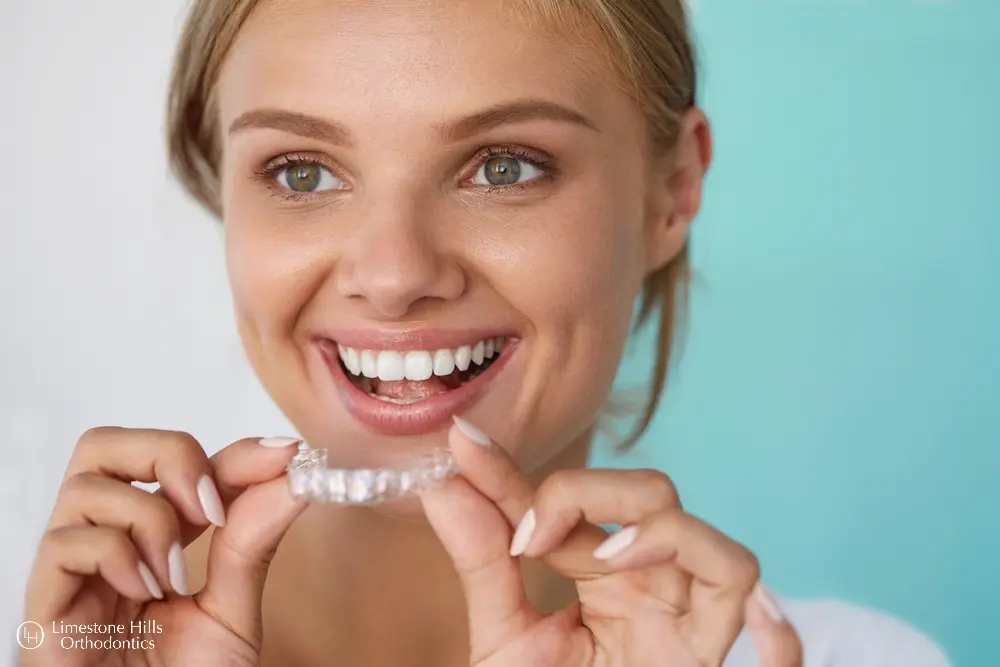
a woman smiling holding a clear plastic brace comparing Invisalign vs Angel Aligners

Introduction to Invisalign

What is Invisalign?

Invisalign is a series of custom-made, clear plastic aligners that gently and gradually shift your teeth into their perfect positions. You pop in a new set of aligners every couple of weeks, and each one is designed to move your teeth just a bit closer to your dream smile. Plus, you can easily remove them for eating, brushing, and flossing, making them super convenient and easy to fit into your lifestyle.

Benefits of Invisalign

Many people choose Invisalign because it offers:

  • A nearly invisible look: The clear aligners make treatment discreet.
  • Comfort: Made from smooth plastic, Invisalign is gentle on your gums and cheeks.
  • Removability: You can take out your aligners for eating, drinking, and brushing, making it easier to maintain oral hygiene.
  • Fewer dental visits: Since there are no metal wires to adjust, Invisalign requires fewer check-ups compared to traditional braces.

Introduction to Angel Aligners

What Are Angel Aligners?

Angel Aligners are another clear aligner option that helps straighten teeth comfortably and discreetly. Like Invisalign, they are removable, custom-made, and nearly invisible, making them a great alternative for those who want a subtle way to improve their smile.

Benefits of Angel Aligners

Angel Aligners offer many advantages, including:

  • Discreet treatment: The clear aligners blend in with your teeth, so they’re hardly noticeable.
  • Comfortable fit: Made from smooth material, they are gentle on your gums and cheeks.
  • Easy removal: You can take them out when eating, drinking, and brushing your teeth.
  • Effective results: With proper wear, Angel Aligners can efficiently straighten your teeth and correct mild to moderate bite issues.

Invisalign vs. Angel Aligners: Key Differences

1. Treatment Time

  • Angel Aligners: 6-12 months, faster for simpler cases.
  • Invisalign: 12-18 months, longer for more complex cases.

Key Takeaway: Angel Aligners are quicker for mild issues, Invisalign is better for complex cases.

2. Treatment Supervision

  • Angel Aligners: Remote check-ins via photos.
  • Invisalign: In-person visits every few weeks.

Key Takeaway: Invisalign offers in-person supervision, while Angel Aligners are more remote.

3. Who Can Use It?

  • Angel Aligners: Mild to moderate issues.
  • Invisalign: Mild to severe issues, including complex misalignments.

Key Takeaway: Invisalign is better for severe cases, while Angel Aligners suit milder problems.

4. Cost Comparison

  • Angel Aligners: $2,500–$5,000.
  • Invisalign: $3,000–$8,000.

Key Takeaway: Angel Aligners are more affordable, Invisalign is pricier for complex treatments.

5. Retainers and Post-Treatment Care

  • Angel Aligners: Includes retainers, additional cost for extras.
  • Invisalign: Custom retainers included with a more structured program.

Key Takeaway: Invisalign offers more structured post-treatment care.

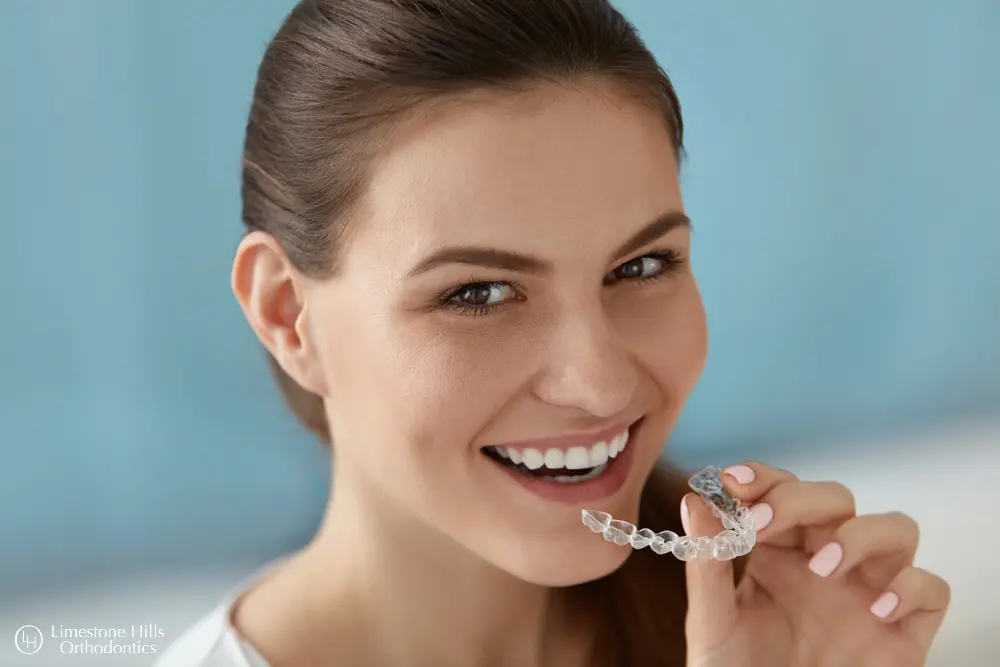
a girl smiling holding a clear plastic brace comparing Invisalign vs Angel Aligners

Choosing the Right Aligner for You

Factors to Consider

When deciding between Invisalign and Angel Aligners, think about:

  • Cost: Invisalign is generally more expensive, while Angel Aligners offer a more budget-friendly option.
  • Complexity of Treatment: Invisalign can handle a wider range of cases, whereas Angel Aligners work best for mild to moderate issues.
  • Technology and Brand Trust: Invisalign has been around longer and has more research behind it, but Angel Aligners also use advanced technology to achieve great results.

Which One is Right for You?

The best way to decide is to schedule a consultation with an orthodontist. They will evaluate your teeth, discuss your goals, and recommend the best option based on your needs.

Why Choose Our Orthodontic Practice in Austin, TX?

At our orthodontic office in Austin, we are committed to providing top-quality, personalized care for each patient. Here are just a few reasons families trust us with their orthodontic care:

Experienced Orthodontists

Our team has years of experience helping kids, teens, and adults straighten their teeth and improve their smiles. Whether you need aligners, braces, or jaw alignment treatment, we have the expertise to get great results.

Customized Treatment Plans

Every smile is unique, and so is our approach. We create personalized treatment plans based on your needs, ensuring you get the best care for your specific dental concerns.

Support from Start to Finish

From your first visit to the day your treatment is complete, we’re with you every step of the way. Our friendly team is here to answer questions, make adjustments, and keep your treatment on track.

Multiple Treatment Options

We offer a range of orthodontic solutions, including Invisalign, traditional braces, and reverse pull headgear. No matter your dental needs, we’ll help you find the best option for a straight, healthy smile.

Contact Us Today!

Come see us in Austin, TX, for a free consultation! During your visit, we’ll assess your teeth, go over your treatment options, and discuss how we can help you achieve a straight, confident smile. Scheduling is simple—give us a call or visit our website to book a time that works for you! Our friendly team is ready to answer your questions and guide you every step of the way.

About the Authors

Dr. Rodrigo Viecilli – Orthodontist in Austin, TX

Frequently Asked Questions

Is angel aligner as good as Invisalign?

Invisalign is super popular and has been around for a while, offering a tried-and-true method with lots of tech behind it. On the other hand, Angel Aligner is gaining fans for its affordability and effectiveness. Ultimately, the best choice depends on your specific needs and what your orthodontist recommends.

How many hours a day should you wear your angel aligners?

When it comes to wearing your angel aligners, the magic number is usually around 20 to 22 hours a day. This gives your teeth the best chance to move into their perfect positions while still allowing you some time to eat, drink, and brush your teeth without them.

How much does the angel aligner cost?

Hey there! When it comes to the cost of Angel Aligners, it can vary depending on a few factors like your specific dental needs and the provider you choose. Generally, you might find the price ranging from a few thousand dollars to more, similar to other orthodontic treatments.

Lingual Braces vs Invisalign in Austin, TX

Lingual Braces vs Invisalign: Which is More Effective in Austin, TX?

Lingual braces are a fantastic option if you want something discreet since they’re tucked away behind your teeth, making them practically invisible. They’re great for people who need more complex adjustments, but they might take a little getting used to because of their placement. On the other hand, Invisalign is super popular for its convenience and comfort. These clear aligners are removable, which means you can eat whatever you like and maintain your usual dental hygiene routine without any fuss. Plus, they’re nearly invisible too! If you would you like to have a more accurate answer to the comparison between lingual braces vs Invisalign, keep on reading!

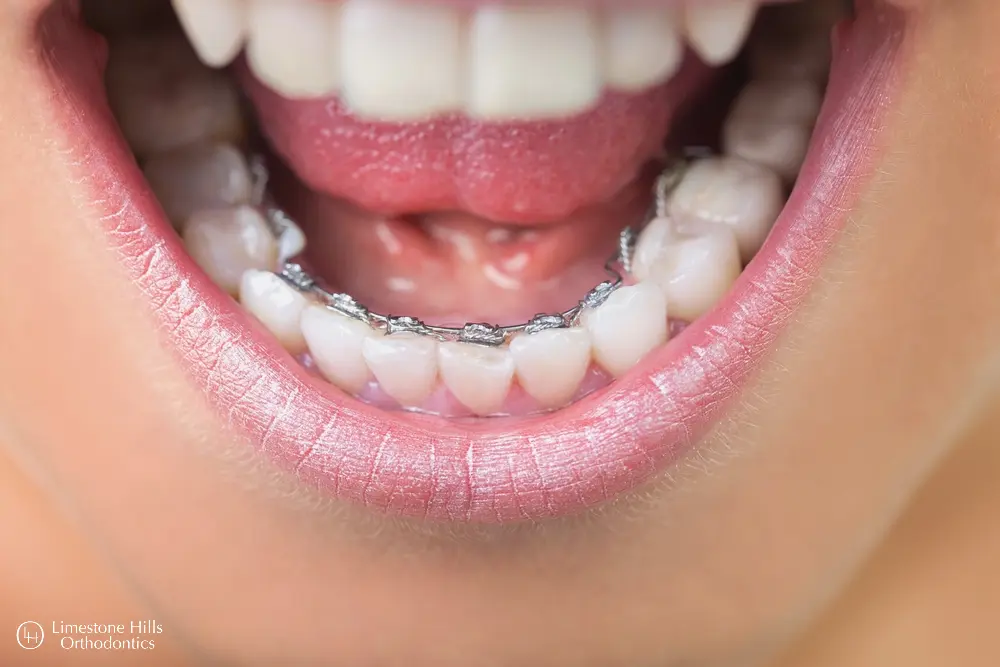
a person's mouth with Lingual Braces vs Invisalign

What Are Lingual Braces?

Lingual braces are similar to regular metal braces, but instead of being placed on the front of your teeth, they are attached to the back side (tongue side) of your teeth. This makes them completely hidden from view.

Pros of Lingual Braces

  • Completely Invisible – Since they are behind your teeth, no one can see them.
  • Works for All Cases – Can fix mild to severe teeth alignment problems.
  • No Risk of Staining on the Front Teeth – Unlike clear aligners, lingual braces won’t turn yellow over time.

Cons of Lingual Braces

  • Might Affect Speech at First – You may have a slight lisp while adjusting to them.
  • Harder to Clean – Since they are behind your teeth, brushing and flossing require more effort.
  • Can Feel Uncomfortable at First – Your tongue may get irritated until you get used to them.

How Lingual Braces Work

Lingual braces use brackets and wires to slowly move your teeth into place. Every few weeks, your orthodontist will adjust them to keep your treatment on track.

What Is Invisalign?

Invisalign is a system of clear, removable plastic aligners that fit over your teeth like a thin, invisible mouthguard. Instead of using metal brackets and wires, Invisalign gently moves your teeth using a series of custom-made aligners.

Pros of Invisalign

  • Nearly Invisible – The clear plastic trays are hard to notice.
  • Removable – You can take them out when eating, drinking, or brushing your teeth.
  • More Comfortable – No metal wires or brackets to cause irritation.

Cons of Invisalign

  • Must Wear Them 20-22 Hours a Day – If you don’t keep them in, your treatment won’t work properly.
  • Not for Severe Cases – Works best for mild to moderate alignment issues.
  • Aligners Can Stain – Drinking coffee, tea, or wine while wearing them may cause discoloration.

How Invisalign Works

You will receive a set of custom aligners, which you’ll switch out every 1-2 weeks. Each new aligner slowly moves your teeth into the right position.

a woman holding an Invisalign. Lingual Braces vs Invisalign

How to Choose Between Lingual Braces and Invisalign

  • Do you want your braces to be completely hidden? → Lingual braces are the better choice.
  • Do you want to be able to take them off? → Invisalign is a better option.
  • Do you have severe misalignment? → Lingual braces can handle more complex cases.
  • Are you okay with keeping aligners in for most of the day? → If not, Invisalign might not be the best option for you.
  • Do you have a budget in mind? → Invisalign is usually less expensive than lingual braces.

Key Features of Lingual Braces vs Invisalign

Appearance

Lingual braces are completely hidden from view, while Invisalign aligners are clear and less noticeable than traditional braces.

Comfort

Invisalign aligners are smooth and comfortable, whereas lingual braces may cause initial discomfort as they are placed close to the tongue.

Oral Hygiene

Invisalign allows for easy cleaning of teeth since the aligners are removable. Lingual braces can be difficult to clean, requiring diligent oral hygiene practices.

Treatment Time

The length of treatment can vary. Invisalign typically requires wearing aligners for 20-22 hours a day, while lingual braces are worn continuously. Both options can effectively address orthodontic issues, but treatment time may differ based on individual needs.

Effectiveness

Both lingual braces and Invisalign work well for various orthodontic solutions, including bite issues. The choice depends on the specific alignment needs and patient preferences.

Lingual Braces vs Invisalign Pros and Cons

Lingual Braces

  • Pros: Completely invisible, effective for complex cases.
  • Cons: Difficult to clean, may cause tongue discomfort.

Invisalign

  • Pros: Removable, easy to clean, comfortable.
  • Cons: Requires discipline to wear aligners for the recommended hours per day.

Choosing the Right Treatment

When deciding between lingual braces and Invisalign, consider factors such as appearance, comfort, oral hygiene, and treatment time. Consult with an orthodontist to determine the best option for your specific needs.

Why Choose Our Orthodontic Office in Austin, TX?

Our Austin office is committed to providing top-quality orthodontic care tailored to each patient. Here’s why families trust us with their orthodontic needs:

Experienced Orthodontists

Our skilled orthodontists have treated many children and teens with jaw alignment problems. We offer effective solutions like reverse pull headgear to help improve their smiles.

Personalized Treatment Plans

Since every smile is unique, we craft personalized treatment plans to address each patient’s specific needs.

Support at Every Step

From your first visit to the final results, our friendly team will guide you, answer your questions, and make any necessary adjustments.

Multiple Treatment Options

We offer a range of treatments, including reverse pull headgear, Invisalign, and traditional braces, to find the best option for each patient.

Schedule a Free Consultation!

Come see us in Austin, TX, for a free consultation! During your visit, we’ll assess your teeth, go over your treatment options, and discuss how we can help you achieve a straight, confident smile. Scheduling is simple—give us a call or visit our website to book a time that works for you! Our friendly team is ready to answer your questions and guide you every step of the way.

About the Authors

Dr. Rodrigo Viecilli – Orthodontist in Austin, TX

Frequently Asked Questions

What’s better, lingual braces or Invisalign?

Lingual braces are like the secret agents of the dental world, hiding behind your teeth and working their magic discreetly. They’re perfect if you want something super stealthy. On the other hand, Invisalign is the cool, clear alternative that lets you enjoy the freedom of removing them when you eat or brush.

Is it harder to talk with braces or Invisalign?

Braces, with their metal brackets and wires, might initially feel a bit awkward and can sometimes cause a slight lisp as you get used to them. On the other hand, Invisalign aligners are generally smoother and less intrusive, which can make speaking feel more natural right from the start. However, some people might find that the aligners cause a bit of a lisp too, especially in the beginning.

How long does it take for the tongue to get used to lingual braces?

Getting used to lingual braces can be a bit of an adventure for your tongue, but don’t worry, it usually takes about a couple of weeks for things to start feeling normal. At first, your tongue might feel a little curious and explore the new terrain, but soon enough, it will settle down and adapt to the braces on the back of your teeth.

Clear Aligners vs Invisalign

Clear Aligners vs Invisalign: Key Differences Explained in Austin, TX

Invisalign is a well-established brand of clear aligners with years of proven success in orthodontics. Other clear aligner brands provide alternative benefits, such as flexible pricing and customized treatment plans, making them a great option for different budgets and preferences. Both options aim to give you that confident smile without the metal braces, so it really comes down to what suits your lifestyle and preferences best! If you would you like to have a more accurate answer to the comparison between clear aligners vs Invisalign, keep on reading!

a woman smiling holding a clear plastic clear aligners vs Invisalign

What Are Clear Aligners?

Clear aligners are custom-made plastic trays that fit over your teeth and gradually shift them into alignment. Many brands offer clear aligners, including Invisalign, but there are also other options available.

Pros of Clear Aligners

  • Nearly Invisible – The clear plastic makes them hard to notice.
  • Removable – You can take them out when eating, drinking, or brushing your teeth.
  • More Comfortable – No metal brackets or wires to irritate your gums.
  • May Be More Affordable – Some brands offer lower-cost alternatives to Invisalign.

Cons of Clear Aligners

  • Must Wear Them 20-22 Hours a Day – Skipping wear time can slow down your treatment.
  • Not for Severe Cases – Works best for mild to moderate alignment issues.
  • Quality Varies – Some brands don’t offer in-person check-ups, which can affect results.

How Clear Aligners Work

You’ll receive a series of aligners that you change every 1-2 weeks. Each set moves your teeth slightly closer to their final position.

Other Brands of Clear Aligners

When it comes to straightening your teeth, Invisalign is a popular choice, but it’s not the only option out there. There are several other brands of clear aligners that offer unique features and benefits. Let’s dive into some of these alternatives to help you make an informed decision.

SmileDirectClub

SmileDirectClub is known for its affordability and convenience. They offer a remote treatment option, allowing you to straighten your teeth from the comfort of your home.

  • Cost-effective: SmileDirectClub is often more affordable than traditional orthodontic treatments.
  • Remote monitoring: You can track your progress through their app and receive guidance from licensed dentists and orthodontists.
  • Quick results: Treatment typically takes 4-6 months.

Candid

Candid is another brand that offers a remote treatment model but with a focus on premium service and support.

  • Comprehensive care: Candid provides thorough initial assessments and ongoing support.
  • Hybrid approach: While most of the treatment is remote, they offer in-person consultations at Candid Studios for a more personalized experience.
  • High-quality aligners: Their aligners are known for being durable and comfortable.

Byte

Byte stands out for its accelerated treatment times, thanks to their unique technology.

  • HyperByte technology: This device uses high-frequency vibrations to speed up the alignment process.
  • Fast results: Many users complete their treatment in just 3 months.
  • Lifetime guarantee: Byte offers a guarantee that your smile will last a lifetime, with free adjustments if needed.

ClearCorrect

ClearCorrect is a great option for those who prefer working directly with their dentist or orthodontist.

  • Professional supervision: Treatment is managed by your local dental professional, ensuring personalized care.
  • Flexible options: They offer different treatment plans to fit various needs and budgets.
  • Proven track record: ClearCorrect has been in the market for years, providing reliable results.

Align Technology

Align Technology, the makers of Invisalign, also offer other products that might suit your needs.

  • Comprehensive solutions: They provide a range of products beyond Invisalign, catering to different orthodontic needs.
  • Innovative technology: Align Technology is known for its cutting-edge developments in dental aligners.
  • Global presence: Their products are available worldwide, ensuring accessibility.
a woman smiling with clear plastic clear aligners vs invisalign

What Is Invisalign?

Invisalign is one of the most well-known brands of clear aligners. It works similarly to other aligners but includes advanced technology, a precise fit, and professional supervision from a dentist or orthodontist.

Pros of Invisalign

  • Doctor Supervision – Invisalign treatment is always monitored by a professional, ensuring better results.
  • Effective for More Cases – Invisalign can treat more complex alignment issues than some other clear aligner brands.
  • Custom Fit – Uses 3D scanning and advanced mapping for a precise, comfortable fit.

Cons of Invisalign

  • More Expensive – Invisalign tends to cost more than other clear aligner brands.
  • Requires Discipline – Like all clear aligners, Invisalign must be worn most of the day to be effective.
  • Not Instant – While Invisalign is effective, it still takes time to straighten your teeth properly.

How Invisalign Works

Your orthodontist will take digital scans of your teeth and create a series of custom aligners. You’ll switch to a new set of aligners every 1-2 weeks, gradually shifting your teeth into place.

Clear Aligners vs. Invisalign: What’s the Difference?

  • Brand & Professional Supervision: Invisalign is a specific brand that requires regular in-person check-ups. Other clear aligner brands may offer remote monitoring or no professional supervision at all.
  • Effectiveness: Invisalign is often better for moderate to complex cases, while other clear aligners work best for mild to moderate issues.
  • Price: Some clear aligner brands are more affordable than Invisalign, but the quality of treatment can vary.
  • Convenience: Some clear aligner companies offer at-home treatment, while Invisalign requires visits to a provider for adjustments and monitoring.

Clear Aligners vs Invisalign: Comparing the Options

If you’re considering one of these options, it’s important to understand how clear aligners and Invisalign differ beyond their similarities.

Brand Recognition and Options

  • Invisalign is a leading brand known for its precision and results. It’s been trusted in orthodontics for over two decades.
  • Other clear aligner brands, such as ClearCorrect or SmileDirectClub, offer alternatives tailored to budget-conscious patients, often at a lower cost.

Effectiveness

  • Both Invisalign and generic clear aligners can address mild to moderate orthodontic issues.
  • Invisalign is often preferred for more complex alignment concerns, thanks to its advanced 3D scans and specialized trays.

Comfort and Convenience

  • Both options are made with smooth materials that reduce irritation.
  • However, Invisalign’s aligners are known for their high level of customization, which enhances comfort.

Professional Oversight

  • Invisalign treatment is always supervised by an orthodontist, ensuring precise adjustments and progress tracking.
  • Some non-Invisalign clear aligners, like direct-to-consumer options, may not offer the same level of personalized care.

Cost

  • Invisalign tends to cost more due to its advanced technology and orthodontist-guided treatment.
  • Other clear aligners may provide more affordable options, depending on the brand and treatment plan.

Oral Hygiene and Maintenance

  • Both types of aligners are removable, making it easier to maintain oral hygiene compared to traditional braces.
  • Regular cleaning of the aligners is essential to prevent plaque buildup and maintain their transparency.

Why Choose Our Orthodontic Office in Austin, TX?

Our Austin office is committed to providing top-quality orthodontic care tailored to each patient. Here’s why families trust us with their orthodontic needs:

Experienced Orthodontists

Our skilled orthodontists have treated many children and teens with jaw alignment problems. We offer effective solutions like reverse pull headgear to help improve their smiles.

Personalized Treatment Plans

Since every smile is unique, we craft personalized treatment plans to address each patient’s specific needs.

Support at Every Step

From your first visit to the final results, our friendly team will guide you, answer your questions, and make any necessary adjustments.

Multiple Treatment Options

We offer a range of treatments, including reverse pull headgear, Invisalign, and traditional braces, to find the best option for each patient.

Schedule a Free Consultation!

Come see us in Austin, TX, for a free consultation! During your visit, we’ll assess your teeth, go over your treatment options, and discuss how we can help you achieve a straight, confident smile. Scheduling is simple—give us a call or visit our website to book a time that works for you! Our friendly team is ready to answer your questions and guide you every step of the way.

About the Authors

Dr. Rodrigo Viecilli – Orthodontist in Austin, TX

Frequently Asked Questions

What’s better, clear aligner or Invisalign?

Invisalign is a specific brand of clear aligners, known for its expert guidance and advanced technology. Other aligners may offer similar benefits but might lack professional oversight.

Does clear correct take longer than Invisalign?

Both Invisalign and other clear aligners typically require 6 to 18 months, depending on your orthodontic needs.

What is the success rate of clear aligners?

Clear aligners are more discreet and convenient, but traditional braces are often needed for severe alignment issues. Consult an orthodontist to learn which option is best for you.

Aligners vs Braces in Austin, TX

Aligners, like Invisalign, are super popular here in Austin because they’re practically invisible and can be removed when you eat or brush your teeth, making them a flexible option for many. On the other hand, traditional braces might be the way to go if you’re dealing with more complex dental issues, as they can be more effective in certain cases. If you’re trying to find the answer to aligners vs braces in Austin, TX, this guide will help you understand the differences between aligners and braces, so you can make an informed choice.

a woman holding a model of Invisalign and braces

What are Aligners?

Aligners, such as Invisalign, are nearly invisible, removable trays that gradually shift teeth into place. They are a popular choice for those seeking a discreet orthodontic solution.

Advantages of Aligners

  • Super Discreet: You can go about your day with confidence, knowing that your smile is getting a makeover without the metal.
  • Removable: You can enjoy all your favorite foods without restrictions and maintain your oral hygiene routine with ease.
  • Comfort: aligners are custom-made to fit your teeth snugly, minimizing irritation.

Disadvantages of Aligners

  • Needs Commitment: You have to wear them for 20-22 hours a day, or treatment might take longer.
  • Mild Discomfort: Your teeth may feel sore when switching to a new set of aligners.
  • Can Be Pricey: Aligners may cost more than regular braces.

How Aligners Work

Aligners are clear, custom-made trays that fit over your teeth and gently move them into place. You switch to a new set every few weeks, gradually shifting your teeth into the desired position.

a woman with braces smiling. Aligners vs Braces in Austin, TX

What are Braces?

Braces are orthodontic devices made of metal or ceramic brackets, wires, and bands that help straighten teeth and fix bite issues. They work by applying constant pressure to gradually move teeth into the correct position.

Advantages of Braces

  • Effective for All Cases: Braces can fix even the most complicated teeth and jaw problems.
  • No Discipline Needed: Unlike aligners, you don’t have to worry about taking them in and out.
  • More Affordable: Braces can be cheaper than clear aligners, depending on the treatment.

Disadvantages of Braces

  • Visible: Metal braces are easy to see, which some people may not like.
  • Food Restrictions: You have to avoid sticky, hard, or chewy foods to prevent damage.
  • Can Be Uncomfortable: Braces may cause soreness, especially after adjustments.
  • Harder to Clean: Brushing and flossing take more effort to keep your teeth and braces clean.

How Braces Work

Braces use brackets, wires, and bands to apply gentle pressure on teeth, gradually moving them into the right position. Regular adjustments help guide the teeth and jaw into proper alignment over time.

Types of Braces

Braces have come a long way from the traditional metal brackets and wires. Today, there are several types of braces available, each designed to cater to different needs and preferences. Let’s explore the various options you might consider on your journey to a perfect smile.

Traditional Metal Braces

These are the most common type of braces and have been used for decades. They consist of metal brackets and wires that are adjusted over time to align your teeth.

  1. Durability: Metal braces are known for their strength and durability, making them suitable for correcting complex dental issues.
  2. Cost-Effective: Generally, metal braces are the most affordable option.
  3. Color Options: You can personalize your braces with colorful bands.

Ceramic Braces

Ceramic braces are similar to metal braces but are made of tooth-colored or clear materials, making them less noticeable.

  1. Aesthetic Appeal: These braces blend in with your teeth, making them a popular choice for adults and teens who are conscious about their appearance.
  2. Stain Resistance: While they are less noticeable, they can stain if not properly cared for.

Lingual Braces

Lingual braces are placed on the inner side of the teeth, making them invisible from the outside.

  1. Invisible: They are hidden behind your teeth, offering a discreet option for orthodontic treatment.
  2. Customization: These braces are custom-made for each patient, ensuring a perfect fit.
  3. Complex Adjustments: They may require more frequent adjustments and can be more challenging to clean.

Invisalign

Invisalign uses a series of clear, removable aligners to gradually move your teeth into place.

  1. Removable: You can take them out to eat, brush, and floss, making them convenient and easy to maintain.
  2. Comfortable: Made of smooth plastic, they are more comfortable than traditional braces.
  3. Discreet: The clear aligners are virtually invisible, making them a popular choice for adults and teens.

Self-Ligating Braces

These braces use a specialized clip instead of elastic bands to hold the wire in place, which can reduce friction and make the process more comfortable.

  1. Faster Treatment: Some patients experience quicker results with self-ligating braces.
  2. Fewer Adjustments: They often require fewer trips to the orthodontist for adjustments.
  3. Less Pressure: The reduced friction can mean less pressure on the teeth.

Why Choose Us in Austin, TX?

Expertise in Orthodontic Treatment

Our Austin orthodontic practice is dedicated to providing personalized care and the latest in orthodontic technology to ensure the best outcomes for our patients.

Free Consultation

We offer a free consultation to discuss your orthodontic needs and determine whether aligners or braces are the right choice for you.

Why Choose Our Orthodontic Practice in Austin, TX?

At our orthodontic office in Austin, we are committed to providing top-quality, personalized care for each patient. Here are just a few reasons families trust us with their orthodontic care:

Expert Orthodontic Care

Our orthodontists have years of experience treating children and teens with jaw alignment issues. We specialize in effective treatments like reverse pull headgear that deliver great results.

Our commitment to excellent care extends to fostering relationships with other reputable practices, like Geist Orthodontics. To learn about their services, visit trusted orthodontists in Indianapolis, IN, where expertise and patient satisfaction go hand in hand.

Personalized Treatment Plans

We know every patient is unique, and so are their smiles. That’s why we create customized plans that meet your child’s specific needs.

Support Every Step of the Way

From the first consultation to the final results, our friendly team will be with you every step of the way, answering questions, making adjustments, and offering advice.

Variety of Treatment Options

In addition to reverse pull headgear, we offer other choices like Invisalign and traditional braces, ensuring we have the best treatment for every patient.

Contact Us Today!

Come see us in Austin, TX, for a free consultation! During your visit, we’ll assess your teeth, go over your treatment options, and discuss how we can help you achieve a straight, confident smile. Scheduling is simple—give us a call or visit our website to book a time that works for you! Our friendly team is ready to answer your questions and guide you every step of the way.

About the Authors

Dr. Rodrigo Viecilli – Orthodontist in Austin, TX

Dr. Julian Davila – Orthodontist in Indianapolis, IN

Frequently Asked Questions

Is it better to get aligners or braces?

Aligners, like Invisalign, are super popular because they’re nearly invisible and can be removed when eating or brushing your teeth, making them a convenient choice for many. Plus, they tend to be more comfortable since they don’t have any metal wires or brackets. On the other hand, braces are great for more complex dental issues and can sometimes work faster at achieving that perfect smile.

How do I know if I need braces or aligners?

If you’ve noticed your teeth are crowded, have gaps, or if your bite feels a bit off—like if your top and bottom teeth don’t quite meet properly—it might be time to consider orthodontic treatment. Frequent jaw pain or difficulty in cleaning your teeth properly can also be indicators.

Which works faster, braces or aligners?

When it comes to speed, both braces and aligners have their own pace, and it really depends on the specific dental situation. Generally, traditional braces might work a bit faster for complex cases because they apply continuous pressure on the teeth. On the other hand, aligners are super convenient and can be quicker for minor adjustments.