Invisalign vs Braces Cost in Austin, TX

Invisalign vs Braces Cost: Making the Right Choice in Austin, TX

Generally, Invisalign can be a bit pricier, with costs ranging from $3,000 to $8,000, depending on the complexity of your case and your location. Traditional braces, on the other hand, typically range from $2,500 to $7,500. However, prices can vary widely based on your orthodontist and the type of braces you choose. If you’re trying to compare between Invisalign vs Braces cost, keep reading to find out which aligner is best for you!

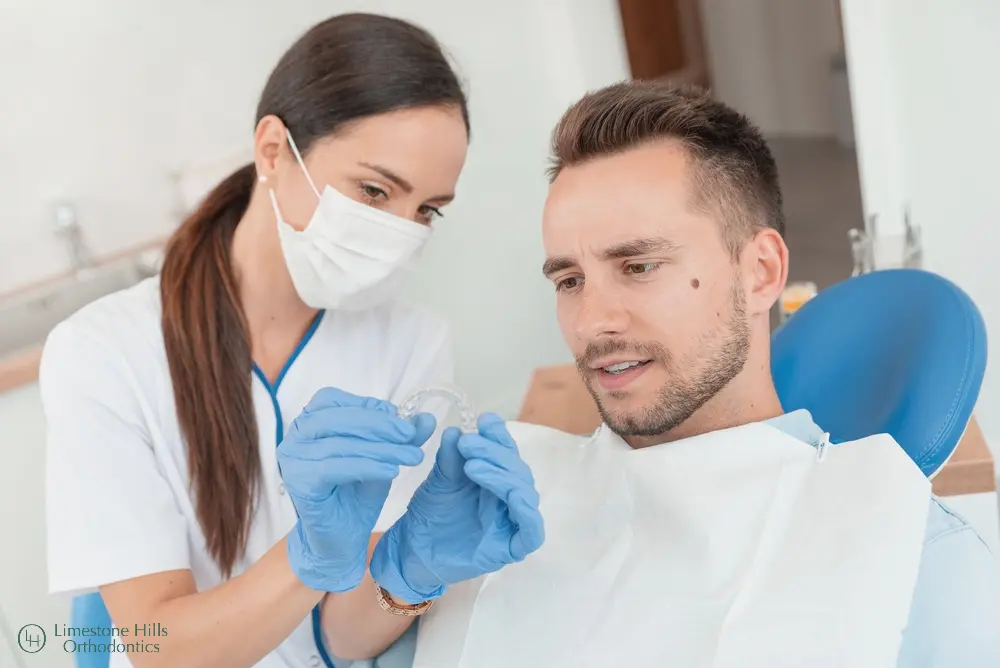
a woman holding a clear Invisalign vs Braces Cost

Invisalign Treatment

Clear aligners

The primary feature of Invisalign aligners is that they are made from a transparent, smooth plastic material. This makes them virtually invisible, which is one of the main reasons why so many people, especially adults and teens, prefer them over the noticeable appearance of metal braces. You can straighten your teeth without drawing attention to your orthodontic treatment.

Custom-made for each patient

One of the key benefits of Invisalign is that the aligners are custom-designed specifically for your teeth. Using 3D technology, your orthodontist creates a personalized treatment plan. This allows the aligners to fit perfectly and ensures the treatment works effectively by moving your teeth in small, controlled steps.

Removable for eating and drinking

Another significant advantage of Invisalign is that the aligners are removable. You can take them out when eating, drinking, or brushing your teeth. This makes it easier to maintain good oral hygiene, and you don’t have to worry about food getting stuck in your braces. You can enjoy your meals and snacks without any limitations, unlike with traditional braces.

Requires wearing for 20-22 hours a day

For Invisalign to work properly, you must wear the aligners for 20 to 22 hours each day. The only times you should remove them are when you eat, drink, or clean your teeth. This consistency is important because wearing the aligners for the required time each day helps ensure your teeth shift in the right direction and that the treatment stays on track.

Traditional Braces

Metal brackets and wires

Traditional braces consist of metal brackets that are attached to your teeth using a special adhesive. These brackets are connected by a metal wire, which is tightened periodically to gradually shift your teeth. The brackets apply continuous pressure to your teeth, moving them over time. This method has been proven effective for treating a wide range of orthodontic issues.

Fixed to teeth

Unlike Invisalign, traditional braces are fixed to your teeth throughout the entire treatment period. Once they are attached, they stay in place until your orthodontist removes them at the end of treatment. This feature can be helpful for patients who may have difficulty remembering to wear removable aligners or struggle with keeping track of their treatment schedule.

Regular adjustments needed

One of the key differences between braces and Invisalign is that braces require regular in-office visits for adjustments. These visits are necessary for your orthodontist to tighten the wires, ensuring your teeth are moving as planned. During these adjustments, rubber bands or other appliances might be added to help address specific issues like bite problems or spacing.

Challenges with hard and sticky foods

Traditional braces can make eating some foods difficult. Foods that are hard, sticky, or chewy can damage the brackets and wires or get stuck between them, which can lead to discomfort or the need for repairs. This can be frustrating for patients who enjoy a variety of foods but want to avoid harming their braces.

Cost Comparison: Invisalign vs Braces

When it comes to choosing between Invisalign and traditional braces, one of the most important factors to consider is cost. Let’s dive into the details and break down the expenses associated with each option.

Initial Consultation

Before you start your journey to a perfect smile, you’ll need an initial consultation with your orthodontist. This step is crucial for assessing your dental needs and discussing treatment options.

  • Invisalign: The initial consultation for Invisalign is often free, but some clinics may charge a small fee.
  • Braces: Similarly, many orthodontists offer a complimentary consultation for braces, though fees can vary.

Overall Treatment Costs

The total cost of treatment is a major consideration for anyone looking to straighten their teeth. Here’s a breakdown of what you might expect to pay:

  1. Invisalign: Typically, Invisalign costs range from $3,000 to $7,000. The price depends on the complexity of your case and the length of treatment.
  2. Braces: Traditional metal braces generally cost between $2,500 and $6,000. Ceramic braces or lingual braces can be more expensive, often ranging from $4,000 to $8,000.

Insurance Coverage

Insurance can play a significant role in reducing out-of-pocket expenses for orthodontic treatment. Here’s how it typically works:

  • Invisalign: Many dental insurance plans cover Invisalign similarly to braces, often up to a certain percentage or dollar amount.
  • Braces: Traditional braces are usually covered by insurance plans, with coverage often being similar to that for Invisalign.

Payment Plans and Financing

Both Invisalign and braces providers often offer flexible payment plans to make treatment more affordable. Here’s what you can expect:

  • Invisalign: Many orthodontists offer monthly payment plans, allowing you to spread the cost over the duration of your treatment.
  • Braces: Similar to Invisalign, braces providers frequently offer financing options to help manage the cost.

Additional Costs

There are some additional costs to consider when comparing Invisalign and braces:

  • Invisalign: You may need to purchase additional aligners if you lose or damage them, which can add to the overall cost.
  • Braces: Retainers are typically required after braces to maintain your new smile, and these can be an additional expense.

Factors Affecting Cost

According to Dr. Fateh Ra’ed Arslan, a highly recommended orthodontist in San Antonio, TX, several key factors influence the final cost of orthodontic treatment:

  • Complexity of the case (e.g., crooked teeth, bite issues)
  • Treatment time required
  • Insurance plans and coverage
  • Geographic location and orthodontist expertise

Average Invisalign vs Braces Costs in Austin, TX

On average, Invisalign can set you back anywhere from $3,500 to $8,000, depending on the complexity of your case and the specific provider you choose. Traditional braces, on the other hand, typically range from $2,500 to $7,500. While braces might seem like the more budget-friendly option at first glance, keep in mind that Invisalign offers the perk of being nearly invisible and often more comfortable.

Insurance and Payment Options for

  • How insurance plans can affect costs
  • Available payment plans and financing options

Cost-Effectiveness and Value

Invisalign

  • Convenience of removable aligners
  • Potential for fewer office visits

Braces

  • Durability and effectiveness for complex cases
  • Potentially lower initial cost
a girl pointing at her teeth with Invisalign vs Braces Cost

Why Choose Our Orthodontic Office in Austin, TX?

At our Austin office, we provide high-quality, personalized care to help you achieve a perfect smile. Here’s why families trust us with their orthodontic needs:

Experienced Orthodontists

Our team has years of experience helping kids, teens, and adults straighten their teeth. Whether you need braces, aligners, or jaw correction, we have the skills to get great results.

Personalized Treatment Plans

Every smile is different, so we create a custom plan based on your needs. This ensures you get the best care for your teeth.

Support from Start to Finish

From your first visit to the end of your Invisalign treatment, we’re here to help. Our friendly team will answer your questions, make adjustments, and keep your progress on track.

Various Treatment Options

We offer Invisalign, traditional braces, and reverse pull headgear to suit different needs. Whatever your dental goals, we’ll help you find the right solution.

Book a Free Consultation Today!

Come see us in Austin, TX, for a free consultation! During your visit, we’ll assess your teeth, go over your treatment options, and discuss how we can help you achieve a straight, confident smile. Scheduling is simple—give us a call or visit our website to book a time that works for you! Our friendly team is ready to answer your questions and guide you every step of the way.

About the Authors

Dr. Rodrigo Viecilli – Orthodontist in Austin, TX

Dr. Fateh Ra’ed Arslan – Orthodontist in San Antonio, TX

Frequently Asked Questions

Which is better braces or Invisalign?

Braces are a tried-and-true option, especially for more complex alignment issues, and they come in fun colors that can add a bit of flair to your smile. On the other hand, Invisalign offers a more discreet way to straighten your teeth, with clear aligners that are almost invisible and can be removed for eating and brushing. If you value aesthetics and convenience, Invisalign might be your go-to. But if you’re looking for something reliable and don’t mind a bit of metal, braces could be your best bet.

Is it cheaper to get braces or Invisalign?

When it comes to choosing between braces and Invisalign, the cost can vary depending on a few factors like your location, the complexity of your dental needs, and your orthodontist’s pricing. Generally, traditional metal braces tend to be a bit cheaper than Invisalign. However, Invisalign offers the benefit of being nearly invisible and removable, which some folks find worth the extra cost.

Do braces hurt more than Invisalign?

Generally, traditional braces might cause a bit more discomfort, especially right after adjustments, because they involve metal brackets and wires that can sometimes irritate your mouth. Invisalign, on the other hand, tends to be a bit gentler since it uses smooth plastic aligners. However, both options can cause some pressure and soreness as your teeth are shifting. The good news is, most people find that any discomfort is temporary and totally manageable with a little patience and maybe some over-the-counter pain relief.
Lingual Braces vs Invisalign in Austin, TX

Lingual Braces vs Invisalign: Which is More Effective in Austin, TX?

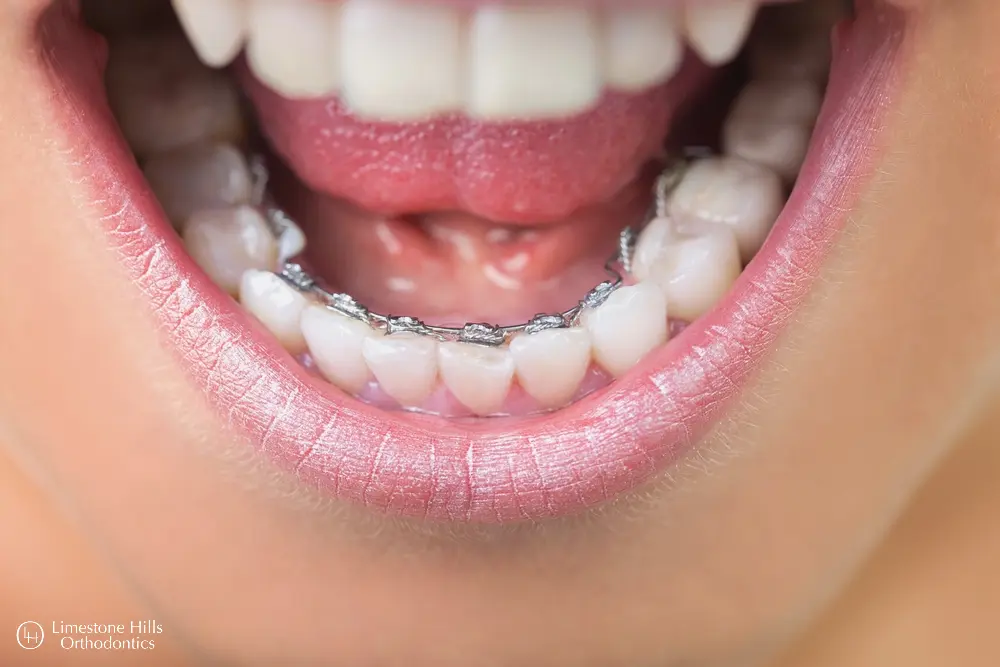
Lingual braces are a fantastic option if you want something discreet since they’re tucked away behind your teeth, making them practically invisible. They’re great for people who need more complex adjustments, but they might take a little getting used to because of their placement. On the other hand, Invisalign is super popular for its convenience and comfort. These clear aligners are removable, which means you can eat whatever you like and maintain your usual dental hygiene routine without any fuss. Plus, they’re nearly invisible too! If you would you like to have a more accurate answer to the comparison between lingual braces vs Invisalign, keep on reading!

a person's mouth with Lingual Braces vs Invisalign

What Are Lingual Braces?

Lingual braces are similar to regular metal braces, but instead of being placed on the front of your teeth, they are attached to the back side (tongue side) of your teeth. This makes them completely hidden from view.

Pros of Lingual Braces

  • Completely Invisible – Since they are behind your teeth, no one can see them.
  • Works for All Cases – Can fix mild to severe teeth alignment problems.
  • No Risk of Staining on the Front Teeth – Unlike clear aligners, lingual braces won’t turn yellow over time.

Cons of Lingual Braces

  • Might Affect Speech at First – You may have a slight lisp while adjusting to them.
  • Harder to Clean – Since they are behind your teeth, brushing and flossing require more effort.
  • Can Feel Uncomfortable at First – Your tongue may get irritated until you get used to them.

How Lingual Braces Work

Lingual braces use brackets and wires to slowly move your teeth into place. Every few weeks, your orthodontist will adjust them to keep your treatment on track.

What Is Invisalign?

Invisalign is a system of clear, removable plastic aligners that fit over your teeth like a thin, invisible mouthguard. Instead of using metal brackets and wires, Invisalign gently moves your teeth using a series of custom-made aligners.

Pros of Invisalign

  • Nearly Invisible – The clear plastic trays are hard to notice.
  • Removable – You can take them out when eating, drinking, or brushing your teeth.
  • More Comfortable – No metal wires or brackets to cause irritation.

Cons of Invisalign

  • Must Wear Them 20-22 Hours a Day – If you don’t keep them in, your treatment won’t work properly.
  • Not for Severe Cases – Works best for mild to moderate alignment issues.
  • Aligners Can Stain – Drinking coffee, tea, or wine while wearing them may cause discoloration.

How Invisalign Works

You will receive a set of custom aligners, which you’ll switch out every 1-2 weeks. Each new aligner slowly moves your teeth into the right position.

a woman holding an Invisalign. Lingual Braces vs Invisalign

How to Choose Between Lingual Braces and Invisalign

  • Do you want your braces to be completely hidden? → Lingual braces are the better choice.
  • Do you want to be able to take them off? → Invisalign is a better option.
  • Do you have severe misalignment? → Lingual braces can handle more complex cases.
  • Are you okay with keeping aligners in for most of the day? → If not, Invisalign might not be the best option for you.
  • Do you have a budget in mind? → Invisalign is usually less expensive than lingual braces.

Key Features of Lingual Braces vs Invisalign

Appearance

Lingual braces are completely hidden from view, while Invisalign aligners are clear and less noticeable than traditional braces.

Comfort

Invisalign aligners are smooth and comfortable, whereas lingual braces may cause initial discomfort as they are placed close to the tongue.

Oral Hygiene

Invisalign allows for easy cleaning of teeth since the aligners are removable. Lingual braces can be difficult to clean, requiring diligent oral hygiene practices.

Treatment Time

The length of treatment can vary. Invisalign typically requires wearing aligners for 20-22 hours a day, while lingual braces are worn continuously. Both options can effectively address orthodontic issues, but treatment time may differ based on individual needs.

Effectiveness

Both lingual braces and Invisalign work well for various orthodontic solutions, including bite issues. The choice depends on the specific alignment needs and patient preferences.

Lingual Braces vs Invisalign Pros and Cons

Lingual Braces

  • Pros: Completely invisible, effective for complex cases.
  • Cons: Difficult to clean, may cause tongue discomfort.

Invisalign

  • Pros: Removable, easy to clean, comfortable.
  • Cons: Requires discipline to wear aligners for the recommended hours per day.

Choosing the Right Treatment

When deciding between lingual braces and Invisalign, consider factors such as appearance, comfort, oral hygiene, and treatment time. Consult with an orthodontist to determine the best option for your specific needs.

Why Choose Our Orthodontic Office in Austin, TX?

Our Austin office is committed to providing top-quality orthodontic care tailored to each patient. Here’s why families trust us with their orthodontic needs:

Experienced Orthodontists

Our skilled orthodontists have treated many children and teens with jaw alignment problems. We offer effective solutions like reverse pull headgear to help improve their smiles.

Personalized Treatment Plans

Since every smile is unique, we craft personalized treatment plans to address each patient’s specific needs.

Support at Every Step

From your first visit to the final results, our friendly team will guide you, answer your questions, and make any necessary adjustments.

Multiple Treatment Options

We offer a range of treatments, including reverse pull headgear, Invisalign, and traditional braces, to find the best option for each patient.

Schedule a Free Consultation!

Come see us in Austin, TX, for a free consultation! During your visit, we’ll assess your teeth, go over your treatment options, and discuss how we can help you achieve a straight, confident smile. Scheduling is simple—give us a call or visit our website to book a time that works for you! Our friendly team is ready to answer your questions and guide you every step of the way.

About the Authors

Dr. Rodrigo Viecilli – Orthodontist in Austin, TX

Frequently Asked Questions

What’s better, lingual braces or Invisalign?

Lingual braces are like the secret agents of the dental world, hiding behind your teeth and working their magic discreetly. They’re perfect if you want something super stealthy. On the other hand, Invisalign is the cool, clear alternative that lets you enjoy the freedom of removing them when you eat or brush.

Is it harder to talk with braces or Invisalign?

Braces, with their metal brackets and wires, might initially feel a bit awkward and can sometimes cause a slight lisp as you get used to them. On the other hand, Invisalign aligners are generally smoother and less intrusive, which can make speaking feel more natural right from the start. However, some people might find that the aligners cause a bit of a lisp too, especially in the beginning.

How long does it take for the tongue to get used to lingual braces?

Getting used to lingual braces can be a bit of an adventure for your tongue, but don’t worry, it usually takes about a couple of weeks for things to start feeling normal. At first, your tongue might feel a little curious and explore the new terrain, but soon enough, it will settle down and adapt to the braces on the back of your teeth.

Aligners vs Braces in Austin, TX

Aligners, like Invisalign, are super popular here in Austin because they’re practically invisible and can be removed when you eat or brush your teeth, making them a flexible option for many. On the other hand, traditional braces might be the way to go if you’re dealing with more complex dental issues, as they can be more effective in certain cases. If you’re trying to find the answer to aligners vs braces in Austin, TX, this guide will help you understand the differences between aligners and braces, so you can make an informed choice.

a woman holding a model of Invisalign and braces

What are Aligners?

Aligners, such as Invisalign, are nearly invisible, removable trays that gradually shift teeth into place. They are a popular choice for those seeking a discreet orthodontic solution.

Advantages of Aligners

  • Super Discreet: You can go about your day with confidence, knowing that your smile is getting a makeover without the metal.
  • Removable: You can enjoy all your favorite foods without restrictions and maintain your oral hygiene routine with ease.
  • Comfort: aligners are custom-made to fit your teeth snugly, minimizing irritation.

Disadvantages of Aligners

  • Needs Commitment: You have to wear them for 20-22 hours a day, or treatment might take longer.
  • Mild Discomfort: Your teeth may feel sore when switching to a new set of aligners.
  • Can Be Pricey: Aligners may cost more than regular braces.

How Aligners Work

Aligners are clear, custom-made trays that fit over your teeth and gently move them into place. You switch to a new set every few weeks, gradually shifting your teeth into the desired position.

a woman with braces smiling. Aligners vs Braces in Austin, TX

What are Braces?

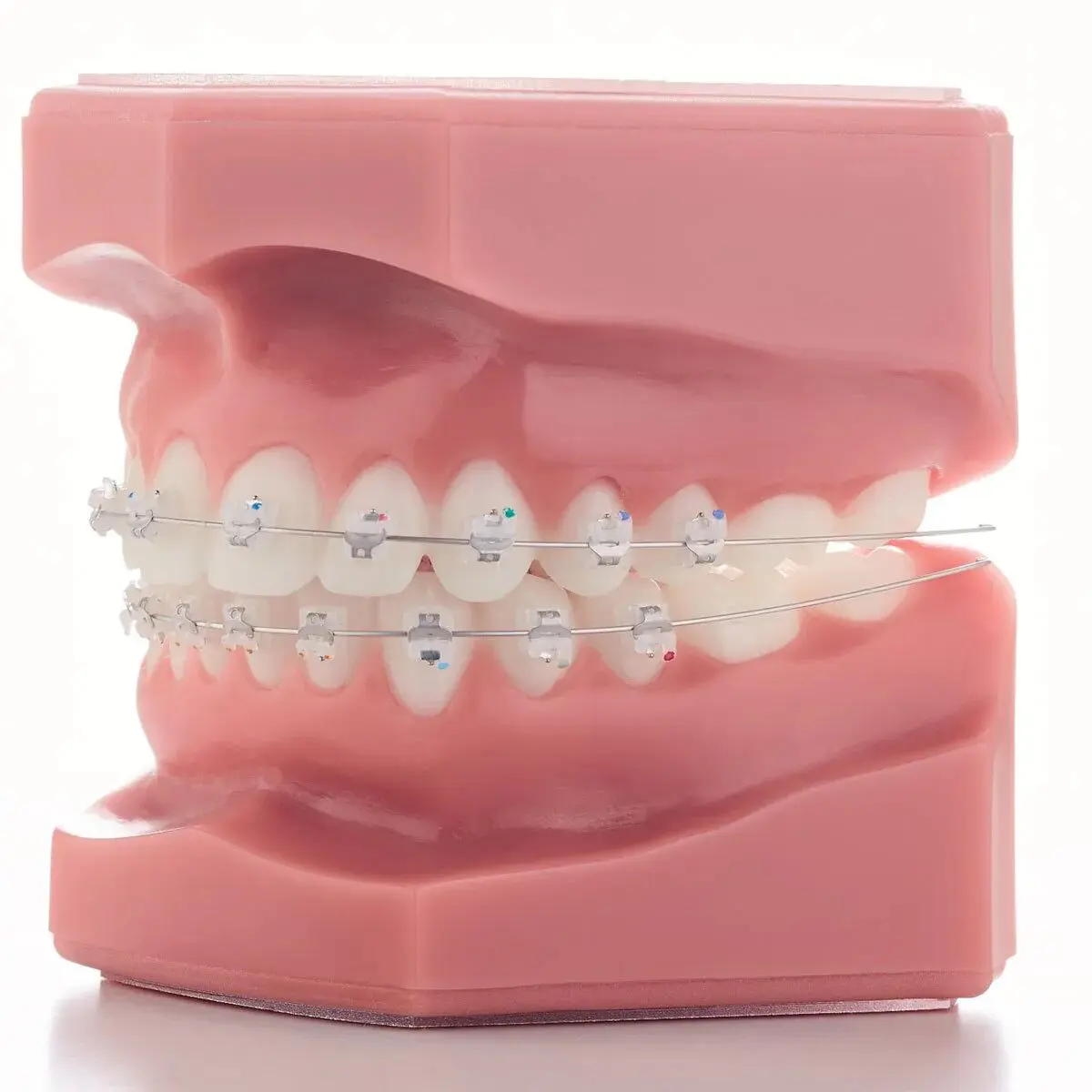
Braces are orthodontic devices made of metal or ceramic brackets, wires, and bands that help straighten teeth and fix bite issues. They work by applying constant pressure to gradually move teeth into the correct position.

Advantages of Braces

  • Effective for All Cases: Braces can fix even the most complicated teeth and jaw problems.
  • No Discipline Needed: Unlike aligners, you don’t have to worry about taking them in and out.
  • More Affordable: Braces can be cheaper than clear aligners, depending on the treatment.

Disadvantages of Braces

  • Visible: Metal braces are easy to see, which some people may not like.
  • Food Restrictions: You have to avoid sticky, hard, or chewy foods to prevent damage.
  • Can Be Uncomfortable: Braces may cause soreness, especially after adjustments.
  • Harder to Clean: Brushing and flossing take more effort to keep your teeth and braces clean.

How Braces Work

Braces use brackets, wires, and bands to apply gentle pressure on teeth, gradually moving them into the right position. Regular adjustments help guide the teeth and jaw into proper alignment over time.

Types of Braces

Braces have come a long way from the traditional metal brackets and wires. Today, there are several types of braces available, each designed to cater to different needs and preferences. Let’s explore the various options you might consider on your journey to a perfect smile.

Traditional Metal Braces

These are the most common type of braces and have been used for decades. They consist of metal brackets and wires that are adjusted over time to align your teeth.

  1. Durability: Metal braces are known for their strength and durability, making them suitable for correcting complex dental issues.
  2. Cost-Effective: Generally, metal braces are the most affordable option.
  3. Color Options: You can personalize your braces with colorful bands.

Ceramic Braces

Ceramic braces are similar to metal braces but are made of tooth-colored or clear materials, making them less noticeable.

  1. Aesthetic Appeal: These braces blend in with your teeth, making them a popular choice for adults and teens who are conscious about their appearance.
  2. Stain Resistance: While they are less noticeable, they can stain if not properly cared for.

Lingual Braces

Lingual braces are placed on the inner side of the teeth, making them invisible from the outside.

  1. Invisible: They are hidden behind your teeth, offering a discreet option for orthodontic treatment.
  2. Customization: These braces are custom-made for each patient, ensuring a perfect fit.
  3. Complex Adjustments: They may require more frequent adjustments and can be more challenging to clean.

Invisalign

Invisalign uses a series of clear, removable aligners to gradually move your teeth into place.

  1. Removable: You can take them out to eat, brush, and floss, making them convenient and easy to maintain.
  2. Comfortable: Made of smooth plastic, they are more comfortable than traditional braces.
  3. Discreet: The clear aligners are virtually invisible, making them a popular choice for adults and teens.

Self-Ligating Braces

These braces use a specialized clip instead of elastic bands to hold the wire in place, which can reduce friction and make the process more comfortable.

  1. Faster Treatment: Some patients experience quicker results with self-ligating braces.
  2. Fewer Adjustments: They often require fewer trips to the orthodontist for adjustments.
  3. Less Pressure: The reduced friction can mean less pressure on the teeth.

Why Choose Us in Austin, TX?

Expertise in Orthodontic Treatment

Our Austin orthodontic practice is dedicated to providing personalized care and the latest in orthodontic technology to ensure the best outcomes for our patients.

Free Consultation

We offer a free consultation to discuss your orthodontic needs and determine whether aligners or braces are the right choice for you.

Why Choose Our Orthodontic Practice in Austin, TX?

At our orthodontic office in Austin, we are committed to providing top-quality, personalized care for each patient. Here are just a few reasons families trust us with their orthodontic care:

Expert Orthodontic Care

Our orthodontists have years of experience treating children and teens with jaw alignment issues. We specialize in effective treatments like reverse pull headgear that deliver great results.

Our commitment to excellent care extends to fostering relationships with other reputable practices, like Geist Orthodontics. To learn about their services, visit trusted orthodontists in Indianapolis, IN, where expertise and patient satisfaction go hand in hand.

Personalized Treatment Plans

We know every patient is unique, and so are their smiles. That’s why we create customized plans that meet your child’s specific needs.

Support Every Step of the Way

From the first consultation to the final results, our friendly team will be with you every step of the way, answering questions, making adjustments, and offering advice.

Variety of Treatment Options

In addition to reverse pull headgear, we offer other choices like Invisalign and traditional braces, ensuring we have the best treatment for every patient.

Contact Us Today!

Come see us in Austin, TX, for a free consultation! During your visit, we’ll assess your teeth, go over your treatment options, and discuss how we can help you achieve a straight, confident smile. Scheduling is simple—give us a call or visit our website to book a time that works for you! Our friendly team is ready to answer your questions and guide you every step of the way.

About the Authors

Dr. Rodrigo Viecilli – Orthodontist in Austin, TX

Dr. Julian Davila – Orthodontist in Indianapolis, IN

Frequently Asked Questions

Is it better to get aligners or braces?

Aligners, like Invisalign, are super popular because they’re nearly invisible and can be removed when eating or brushing your teeth, making them a convenient choice for many. Plus, they tend to be more comfortable since they don’t have any metal wires or brackets. On the other hand, braces are great for more complex dental issues and can sometimes work faster at achieving that perfect smile.

How do I know if I need braces or aligners?

If you’ve noticed your teeth are crowded, have gaps, or if your bite feels a bit off—like if your top and bottom teeth don’t quite meet properly—it might be time to consider orthodontic treatment. Frequent jaw pain or difficulty in cleaning your teeth properly can also be indicators.

Which works faster, braces or aligners?

When it comes to speed, both braces and aligners have their own pace, and it really depends on the specific dental situation. Generally, traditional braces might work a bit faster for complex cases because they apply continuous pressure on the teeth. On the other hand, aligners are super convenient and can be quicker for minor adjustments.

How Much Do Braces Hurt on a Scale 1-10? Expert Guide.

Limestone Hills Orthodontics

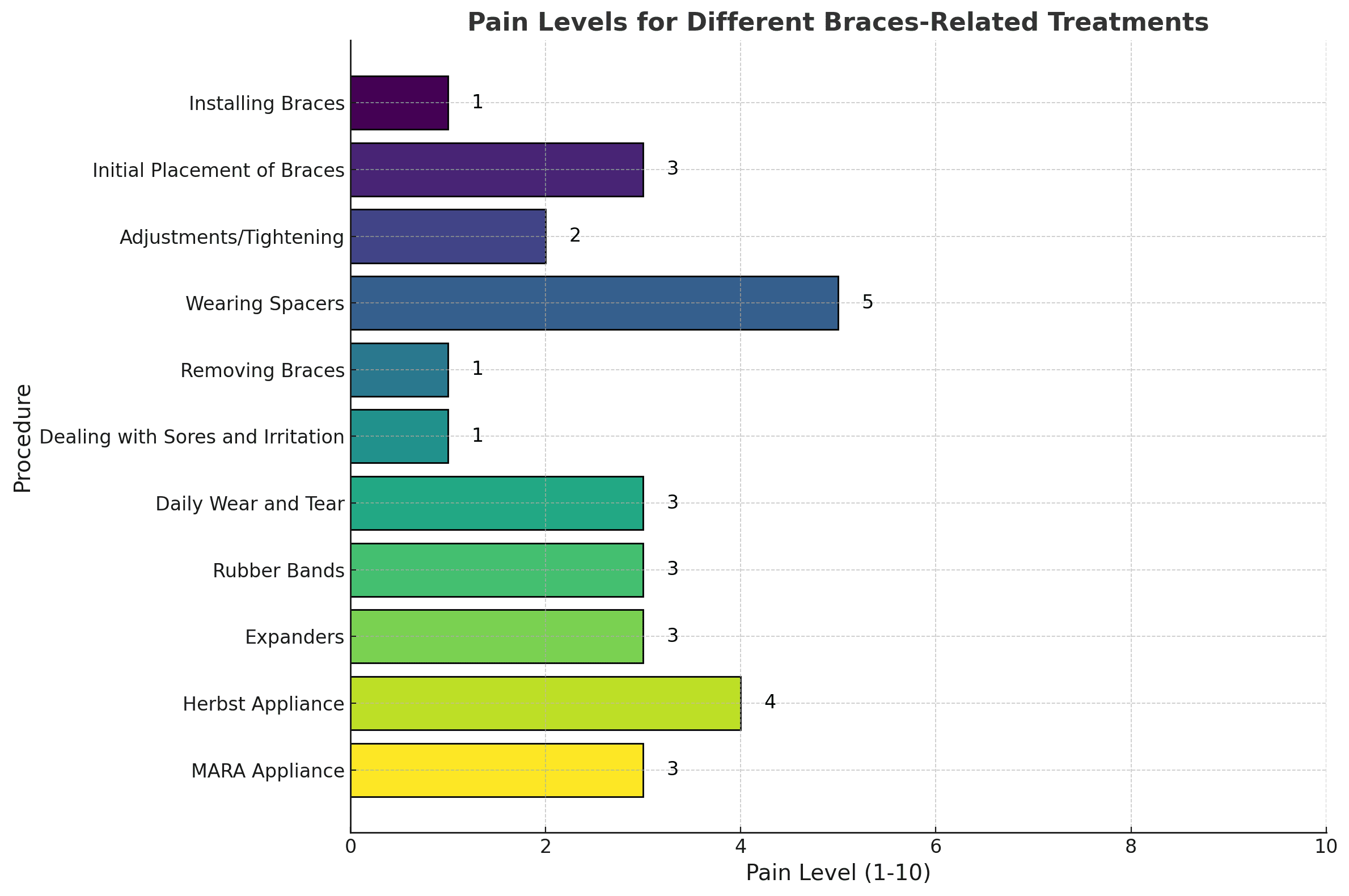
Getting braces is a breeze, ranking at a mere 1 on the pain scale for 80% of people. Embarking on your first orthodontic treatment journey doesn’t have to be painful, although some procedures are more uncomfortable than others.

So do you want to know in more depth how much do braces hurt on a scale 1-10? Let’s dive into the subject to share helpful tips to make your orthodontics experience a breeze.

Adults are less used to discomfort so we tend to recommend more comfortable and aesthetic forms of treatment for this type of patient when possible. Some patients are unusually sensitive to pain. Having braces might be unfamiliar, but it’s not deeply painful.

The gum inflammation is normal from having braces. We urge our patients to resist the irritation before covering it with comfort wax we provide so keratinized tissue (calluses) can create a natural relief and comfort for the braces throughout treatment.

How much do braces hurt on a scale 1-10? Infographic showing how much difference phases of braces and types of appliances hurt

How to Get Pain Relief for Braces in Austin

Does it change depending on where you are? Colder climate patients tend to feel less pain as our latest alloys tend to soften with colder air. In Texas, you can compensate with cold water or a frozen cotton swab pushed with the finger on the wire, not gums. Eating soft foods such as mashed potatoes and avoiding chewy or crunchy foods when a wire is first inserted will keep your appliances intact and accelerate your tooth movement by allowing the teeth to stay stable so new bone can form around them. if you want more information about food and braces, we have written blog posts about “What can you eat with braces?” and “What can’t you eat with braces?”.

The alignment wires we use change their crystalline structure and material property and get softer when you eat colder foods! so, if you are having a hard time, have some ice cream, use an ice pack on your cheeks, or drink some cold water!

Limestone Hills Orthodontics

In Austin, icy cold drinks s the way to go. Cold drinks not only change the crystalline structure of initial orthodontic wires, making them less stiff, but also relieve inflammation itself. So, consuming icy cold foods is the best natural solution to pain with braces!

It is important to note that our technology is totally different and improved. Your orthodontic appointment frequency and mouth adjusts will be a lot lower than your parents used to be! Thanks to Dr. Viecilli’s research, and others, we nailed it to make sure you get the least amount of the discomfort and side effect with the most amount of tooth movement. No oral anesthetics are ever needed!

Our orthodontic team canprovide you with all the tools to assure your experience will be the most comfortable possible. But remember, it will never be like you have nothing in your mouth. You have to make sure to keep your teeth clean and gums inflammation under control to minimize pain both during treatment and braces removal.

If you don’t brush your teeth, you’ll pay the price with more pain throughout your treatment or have the risk to have it interrupted to prevent damage to your teeth and gums. Sometimes, the parents have to assist with brushing to prevent painful bleeding gums. We don’t want any family to leave without their children with teeth straight and a loss of investment.

Although pain is usually highest and most unusual in the beginning of braces treatment, having your braces tightened a couple of times can renew the inflammatory process. But this usually occurs for just a few teeth. Dr. Nicholas Andros, a top-rated orthodontist in Pasco, WA, The longer the treatment goes on, the less the level of discomfort for the patient tends to be. Sometimes, rubber bands are added to connect the top and bottom braces at the end of treatment. This can also cause some mild pain and discomfort. If you want more information, we have written a blog post about “How to relieve pain from rubber bands on braces?”.

How do we put orthodontic treatment appliances on?

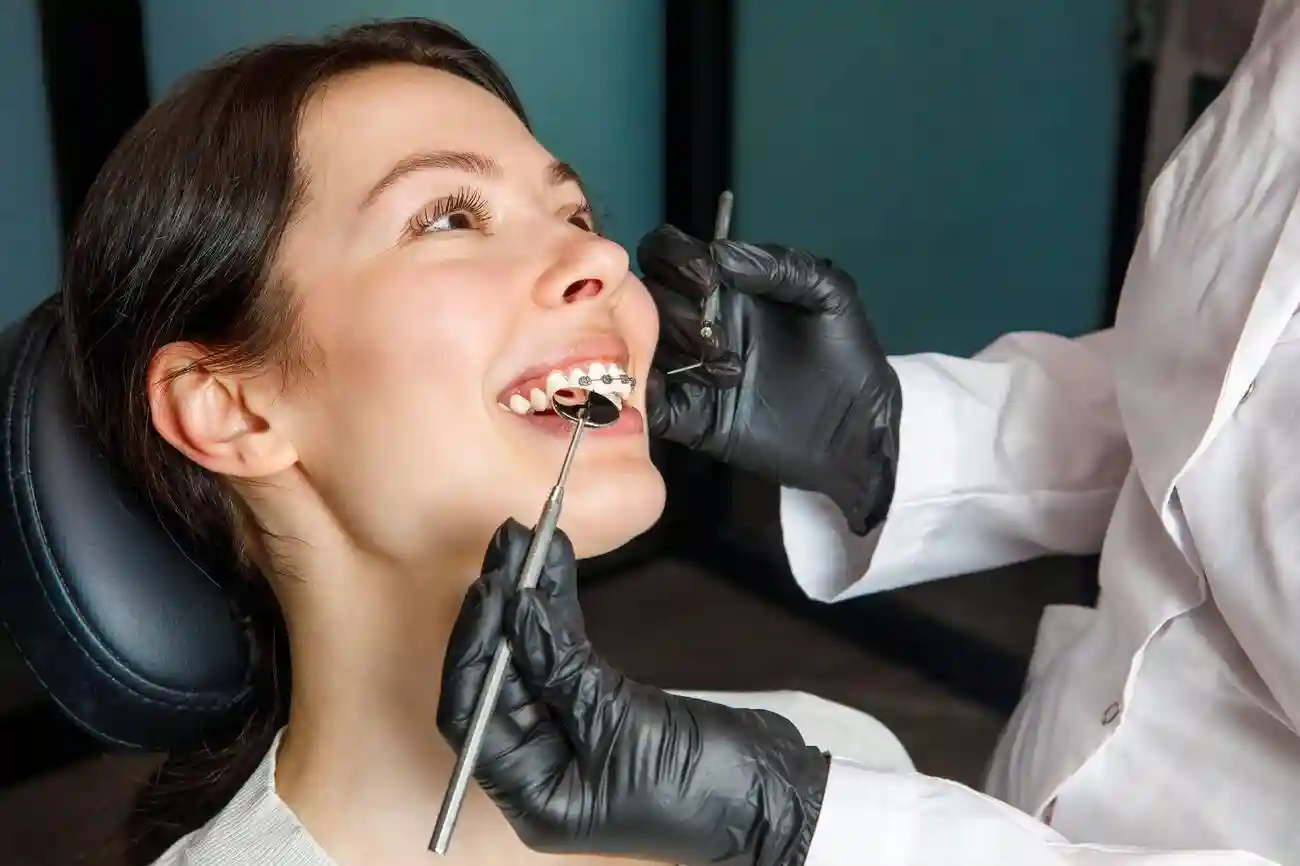
Putting braces on your child your mouth is a simple and virtually painless process. We etch your teeth with a slightly acidic substance that may be a bit sour when washed off. This is to make the enamel more porous to attach brackets to your teeth using color-matched dental cement and thread thin wires through them. After treating the surface of the enamel, we add glue to the bracket and cure it, attaching it to the tooth.

Tightening braces with o-ties or metallic ligatures might cause some discomfort. Your orthodontist will adjust the wires to gradually shift your teeth into alignment. It’s like a little pressure, nothing to worry about. And if you need it, over-the-counter pain relief is available. We only recommend Tylenol- ask the Doc about dosage. For instance, Dr. Cameron Freelove, an orthodontist Sammamish WA relies on, agrees with the recommendation. many pain relievers can slow down tooth movement and prolong the pain overall.

Limestone Hills Orthodontics

Old clear braces for adults used to be milled and be very sharp around the corners. They also had elastics around them, which tend to stain. Our self-ligating metal transparent braces have rounded edges and do not stain because they don’t need the tiny elastics that keep the wire attached to the braces! Most patients are frustrated that their o-ties get yellow during treatment with transparent braces but we spend 4x the cost to make sure you don’t have to come back to the office to change your o-ties if you take a turmeric shot or drink some wine.

Relax and we guarantee our ceramic Japanese high tech self-ligating brackets will keep the wire in place and reduce your dental visits while optimizing aesthetics.

Removal

We use Instruments that do not damage the teeth, and a black light that makes the glue fluoresce do we touch your teeth the least amount of time possible! We use the latest scientific advancements to make sure you are comfortable. When it’s time to say goodbye to your metal braces, the removal process is painless. A bit of mild discomfort might be felt to disconnect the brackets from the braces, but your tooth is secured during the process. so overall, it’s a breeze. Your orthodontist will clean your teeth and possibly suggest a permanent retainer, to maintain your newly-aligned smile.

Braces Pain Relief – Smartarch to Optimize Comfort During Treatment

If braces start causing discomfort, don’t worry! We have tips to ease the pain. Orthodontic wax provides a protective barrier, and pain medications can offer relief. Always consult your orthodontist for the best treatment options.

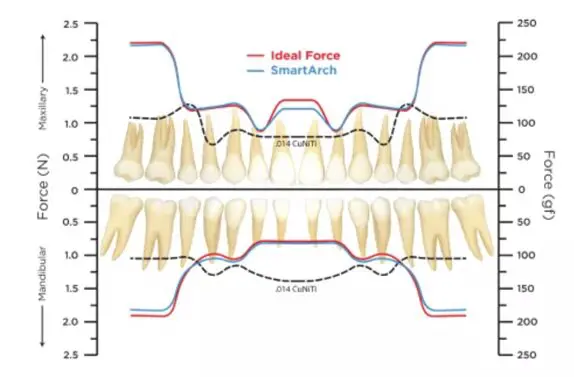
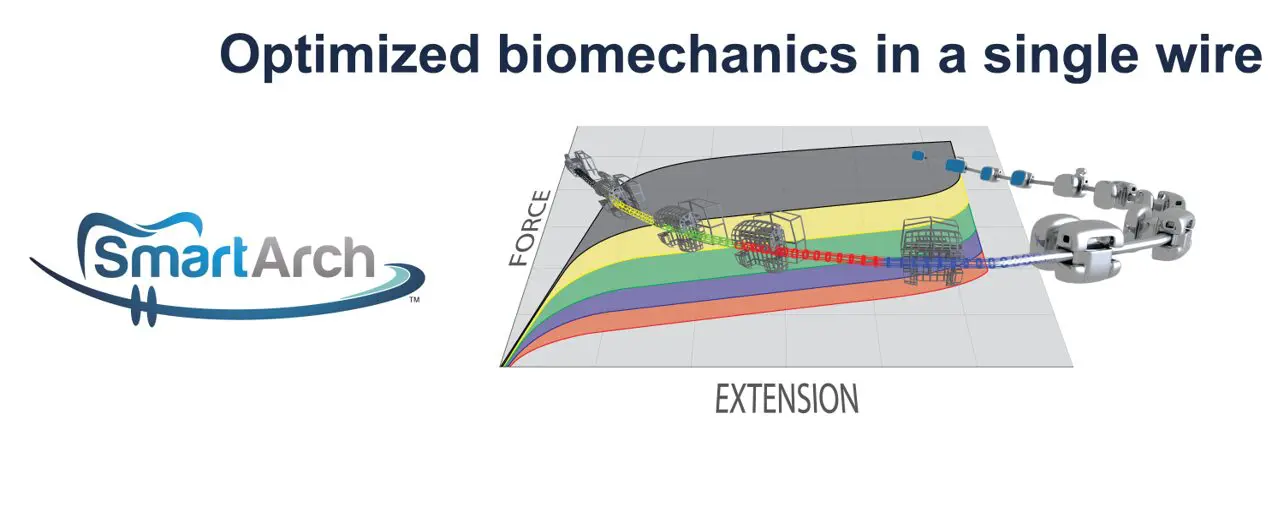
With braces, pain is no longer a concern. Get ready to embrace your journey to a confident smile! Learn more about the innovative SmartArch™ wire that can speed up your treatment time and require fewer adjustments. This wire was invented by Dr. Rodrigo Viecilli, orthodontist here at Limestone Hills Orthodontics. It is laser treated to soften specific areas and make sure all teeth have ideal forces from the start.

How much do braces hurt?

Smartarch can reduce inflammation and stay with your mouth on it up to 4 months because it can replace up to 3 wire changes! it’s the most expensive archwire in the world but our office team offers it for free because our Doctor is one of the inventors. Each little area of the wire between the brackets has a different stiffness optimizing the force for each tooth! Amazing!

Does Invisalign Hurt as much as metal braces? About the same with smartarch

Does Invisalign Hurt as Much as Traditional Metal Braces?

The research shows that with conventional wires, Invisalign or clear aligners in general may actually hurt less and cause less side effects than braces. But the Smartarch is a game changer, and no research has been done comparing the two, but our personal opinion is that it’s a tie with slight favor to the Smartarch which is scientifically validated.

Radiant Smiles and Confident Journeys With Dr. Viecilli and Limestone Hills Orthodontics Treatment

Your comfort, well-being, and radiant smile are at the heart of what our orthodontist and our friendly staff deliver to your family or yourself (yes we also treat adults!).

Trust in our expertise, and get ready to unveil a confident, beaming you with a beautiful smile. Your dream smile awaits, and we’re here to make it reality. Contact us today for a free consultation!